The Story
Plant Bio
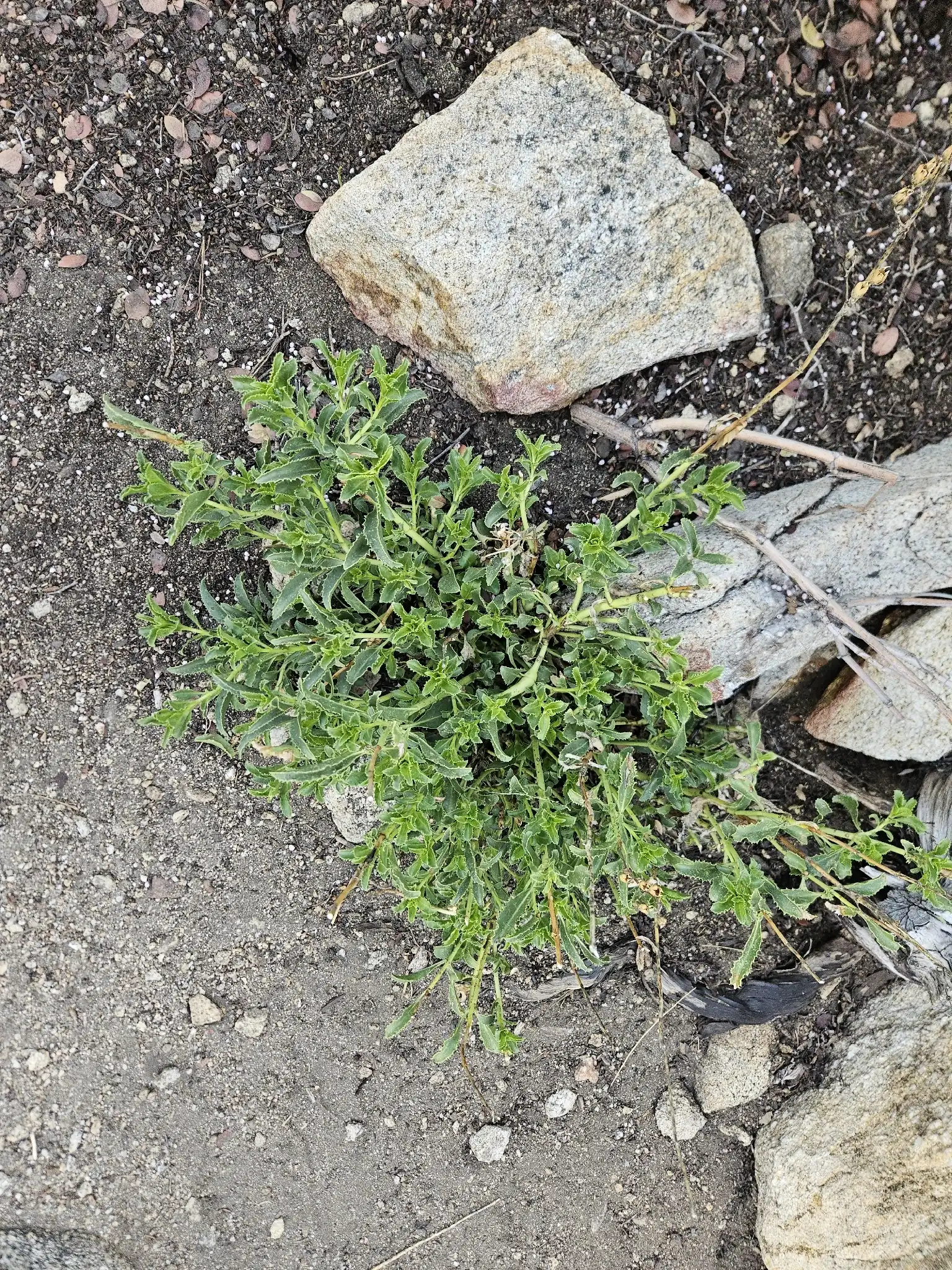
Penstemon grinnellii, Grinnell's beardtongue, is a showy perennial herb with ascending to erect stems 10 to 90 cm tall from a basal rosette. Basal leaves are oblanceolate to elliptic and toothed, stem leaves lanceolate to ovate, and flowers are tubular 22 to 35 mm long in an interrupted thyrse 7 to 34 cm long.
Flowers open white to pink or pale lavender to light blue-violet, each throat lined with reddish-purple nectar guides. Foliage is blue-green, sometimes glaucous, and the two botanical varieties overlap and intergrade, differing mainly in stature and flower tint.
Uses & Benefits:
Essentials
At a Glance
Plant Type
Perennial
Height
36"
Width
18"
Light
Full Sun, Partial Sun
Zones
7, 8, 9, 10
Water
Low
Humidity
Unknown
Lifespan
Perennial
Native To
California, USA
Toxicity
Unknown
Bloom period
Spring – Summer
In flower about 6 months of the year
Planting
How to Grow
- Choose full sun to light afternoon shade in lean, fast-draining soil.
- Set the crown level with the soil surface and water in to settle the roots.
- Water regularly the first season, then reduce to occasional deep soakings.
- Cut spent flower stems back to basal leaves after bloom to keep the clump tight.
- Keep winter mulch pulled back from the crown so moisture drains away.
Pro Tip
Plant high in lean, fast-draining soil and keep the crown dry in winter; water sitting at the base rots stems faster than drought harms them.
Keep It Thriving
Care Guide
Do
- Plant in dry, well-drained soil with the crown kept high and dry.
- Provide full sun for sturdy stems and full flowering.
- Leave basal foliage through winter to protect the crown.
Don't
- Do not plant in heavy clay or low spots that hold water.
- Do not overwater in summer once plants are established.
- Do not bury the crown under organic mulch that stays wet.
Seasonal Care Calendar
| Task | Jan | Feb | Mar | Apr | May | Jun | Jul | Aug | Sep | Oct | Nov | Dec |
|---|---|---|---|---|---|---|---|---|---|---|---|---|
| Deadhead | ||||||||||||
| Mulch | ||||||||||||
| Pest Check | ||||||||||||
| Plant | ||||||||||||
| Propagate |
Watch Out For
Pests & Diseases
Common Pests
Common Diseases
In the Garden
Landscape Uses & Companions
Landscape Uses
Multiply
Propagation Methods
Good to Know
Common Questions
Grinnell's Beardtongue questions
What zones can Grinnell's Beardtongue grow in?
Grinnell's Beardtongue is hardy in USDA Zones 7–10: in that range it survives winter in the ground. Colder than Zone 7, grow it in a container you can move to shelter for the winter, or as an annual.
Is Grinnell's Beardtongue deer resistant?
Yes — Grinnell's Beardtongue is rated deer-resistant. Deer typically pass it over, though extreme hunger can override any plant's defenses.
When does Grinnell's Beardtongue bloom?
Grinnell's Beardtongue typically blooms from spring to summer. Exact timing shifts a week or two with your zone — Sow's bloom calendar maps it to your garden.
Does Grinnell's Beardtongue need full sun?
Grinnell's Beardtongue does best in full sun to part shade. In hot climates, afternoon shade keeps blooms fresher longer.
Is Grinnell's Beardtongue drought tolerant?
Yes — once established (usually after the first full season), Grinnell's Beardtongue handles dry spells with minimal watering. Water deeply its first year to build the root system that makes that possible.
More Penstemon to compare
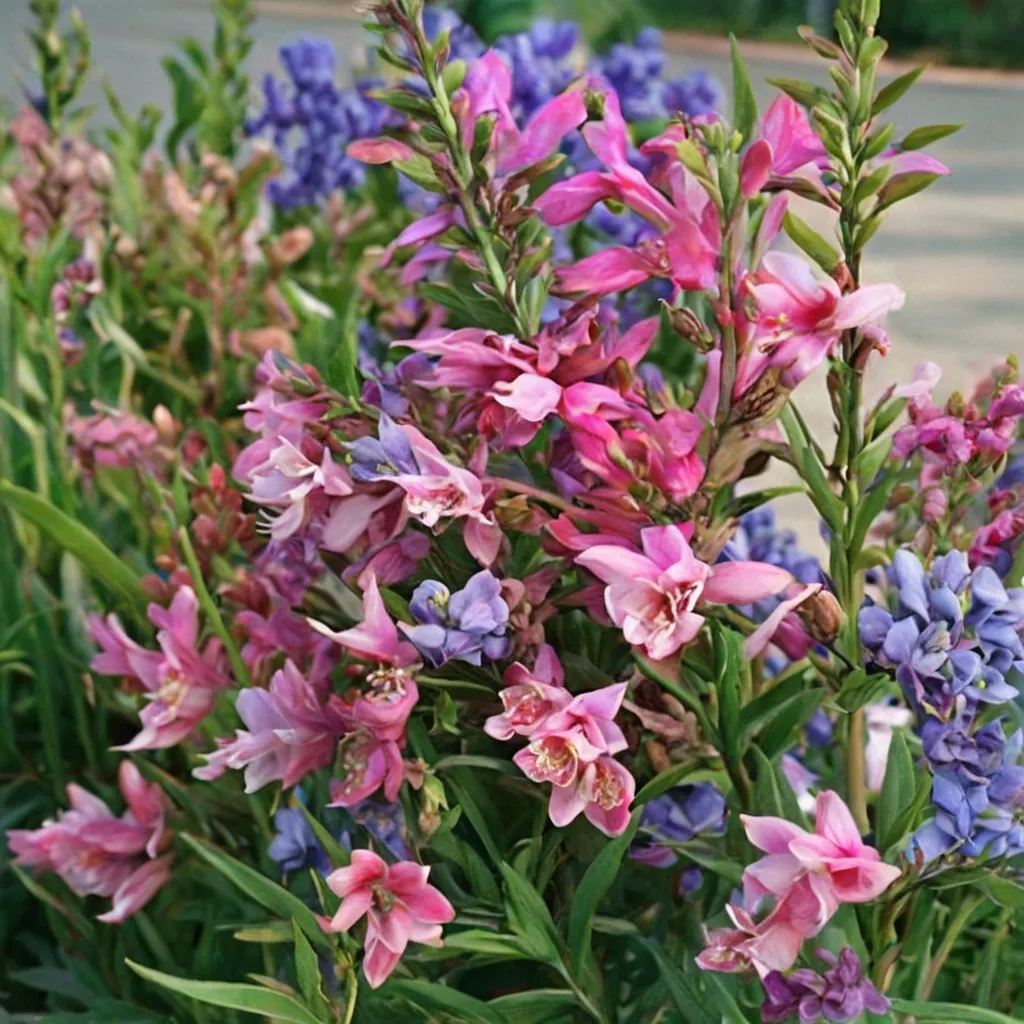
Beardtongue Rondo
Penstemon barbatus 'Rondo'
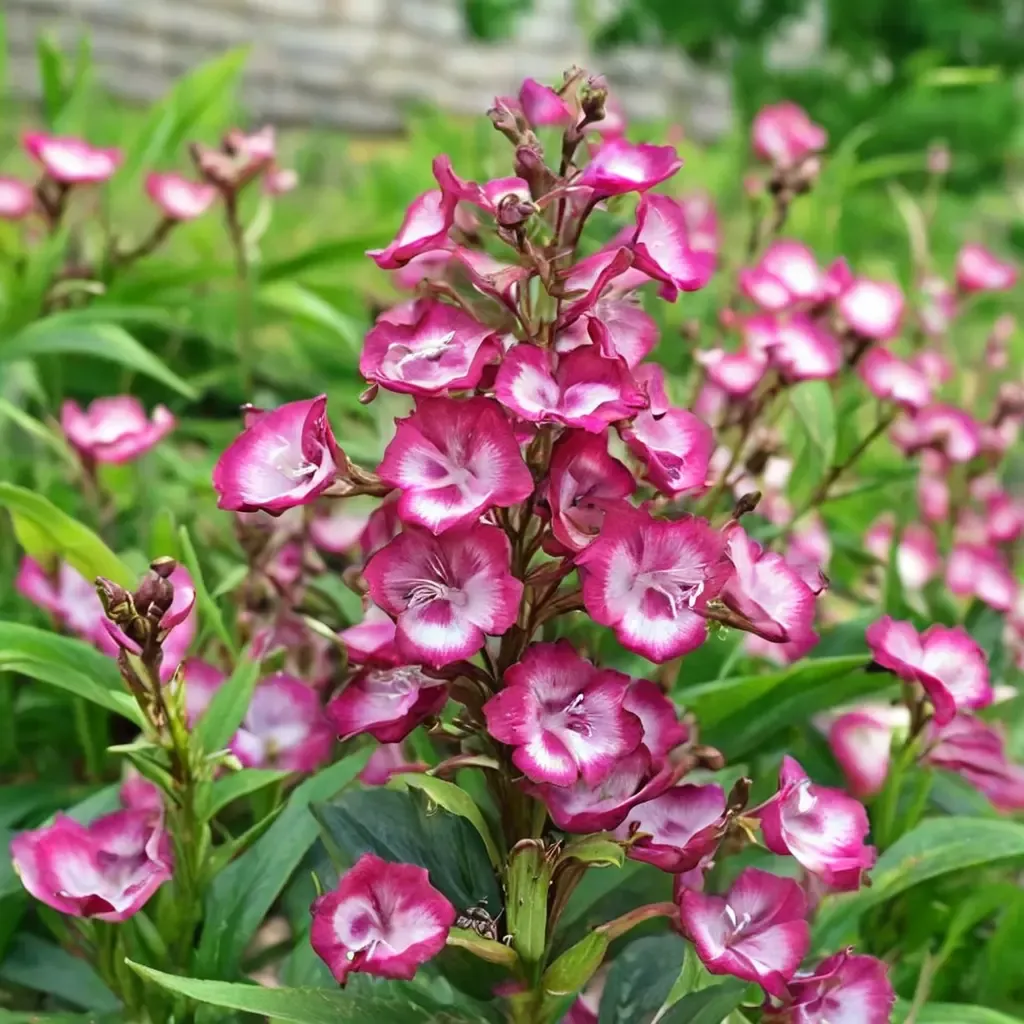
George Home Penstemon
Penstemon digitalis 'George Home'
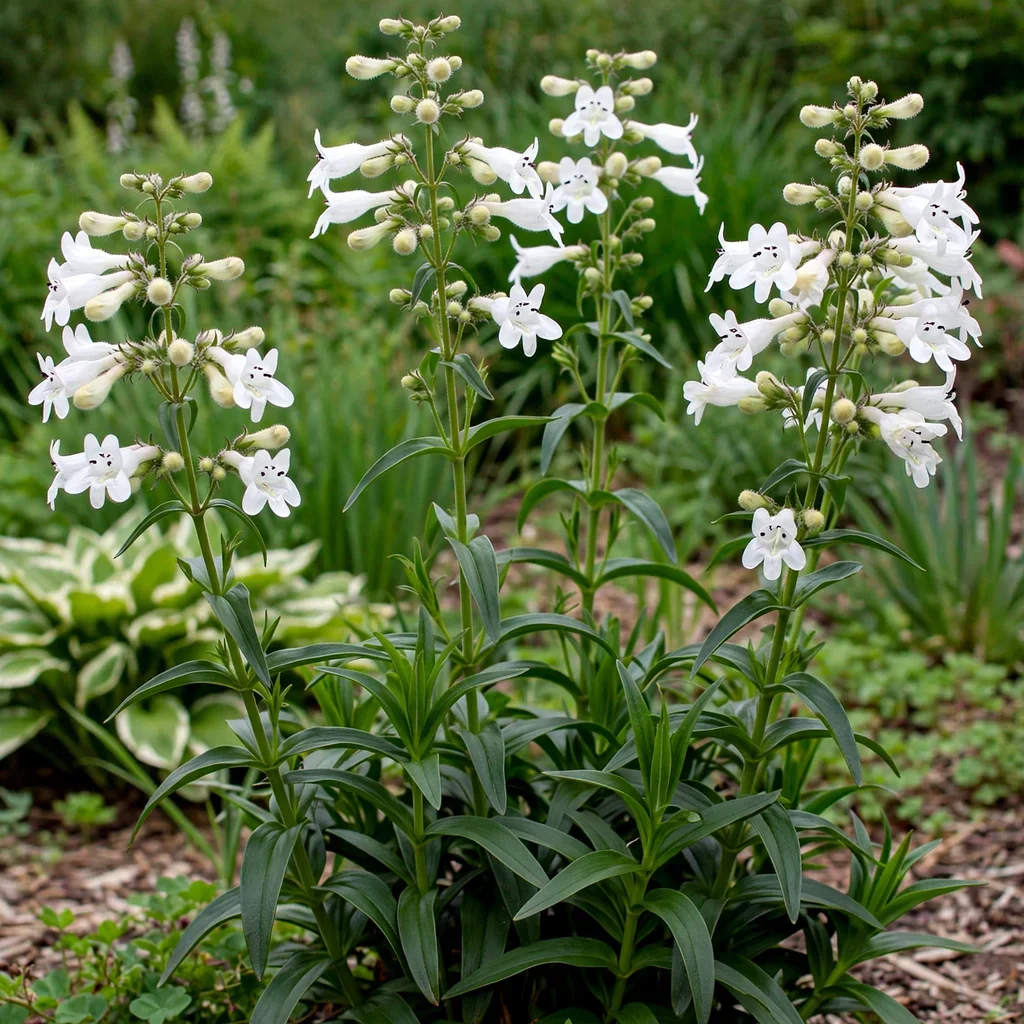
Foxglove Beardtongue
Penstemon digitalis
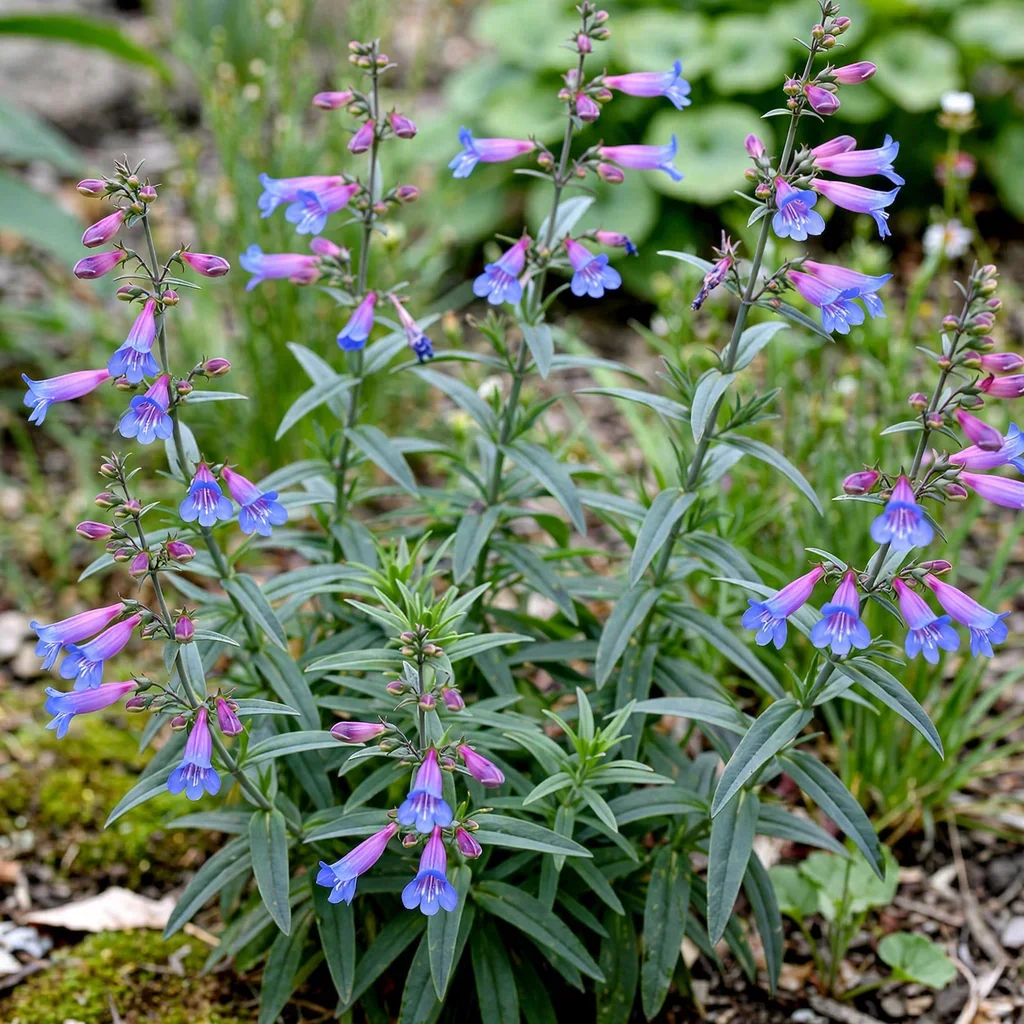
Blue Springs Penstemon
Penstemon heterophyllus 'Blue Springs'
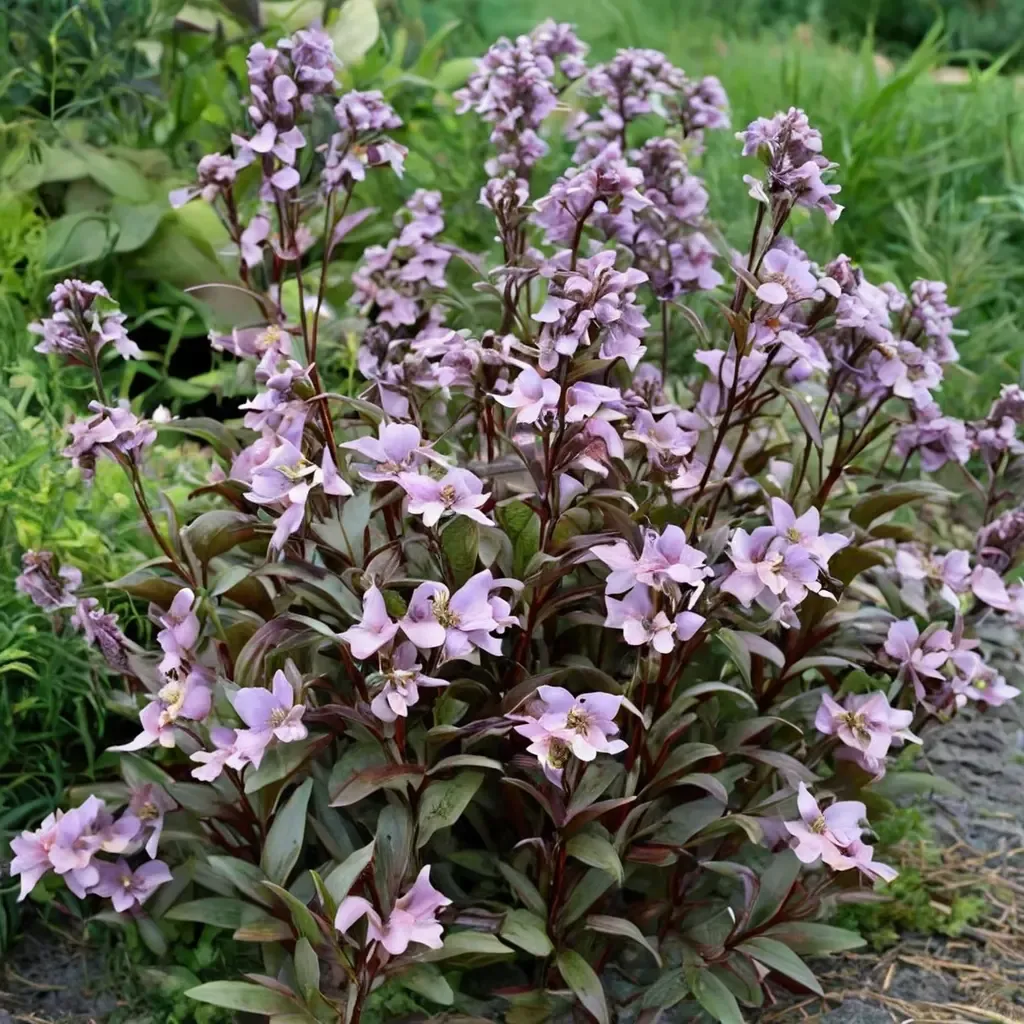
Blackbeard Beardtongue
Penstemon digitalis 'Blackbeard'
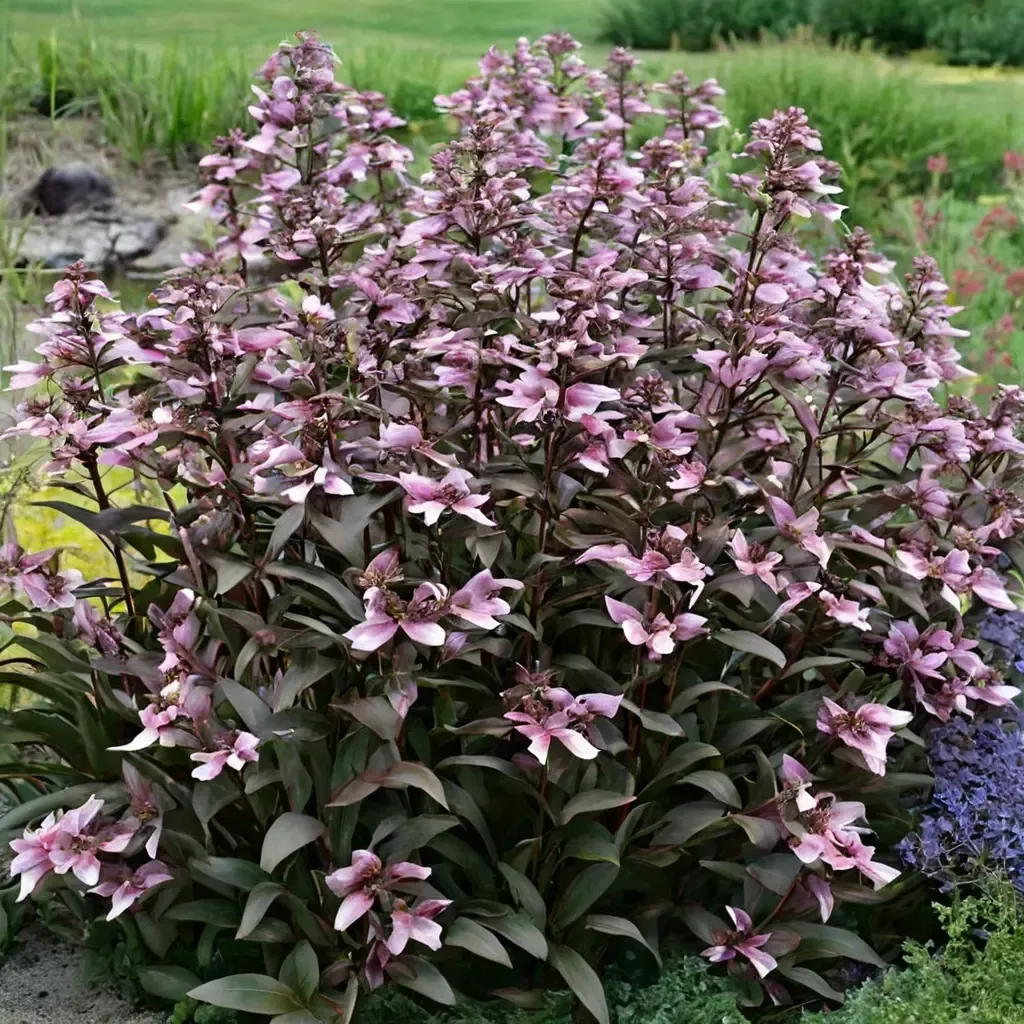
Dark Towers Penstemon
Penstemon digitalis 'Dark Towers'
Keep exploring
Explore the genus
Hardy in your zone?
Grow Grinnell's Beardtongue with confidence
See it in a design of your actual yard, get zone-matched care reminders, and track it season by season in your garden journal.