The Story
Plant Bio
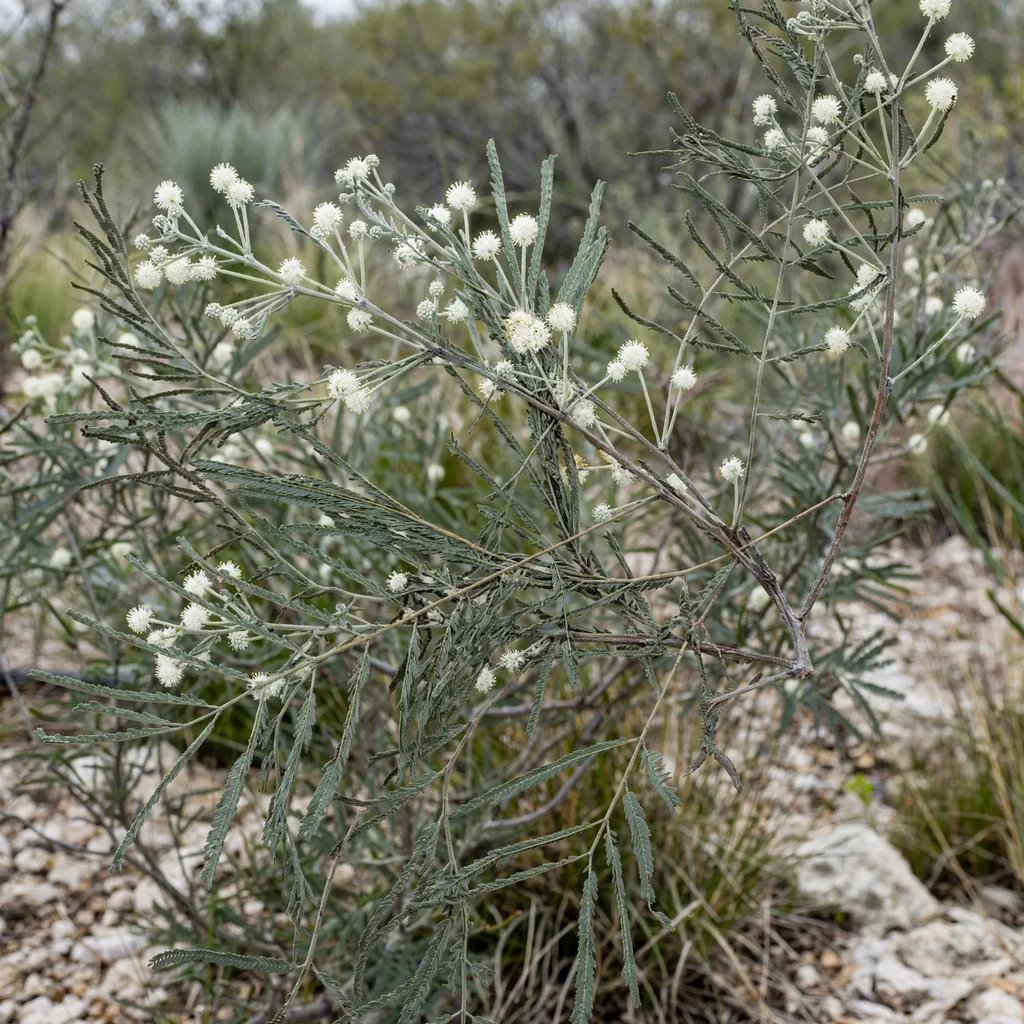
Senegalia berlandieri, still sold as Acacia berlandieri, is a spreading multi-stemmed shrub to small tree from Texas and northeastern Mexico reaching 10 to 15 feet in gardens, with gray-brown bark and delicate fernlike bipinnate leaves. The flowers have no petals to speak of; the display comes from round clusters of creamy-white stamens that age yellow and smell strongly of honey in spring.
Unlike the hooked catclaws it is grouped with, it carries only a few small prickles on the stems, and thornless selections are grown for gardens. It is set apart by grayish-green leaves divided into many pairs of pinnae with dozens of tiny leaflets, and by its ability to hold on thin caliche and limestone gravel.
Uses & Benefits:
Essentials
At a Glance
Plant Type
Shrub
Height
168"
Width
180"
Light
Full Sun, Partial Sun
Zones
8, 9, 10
Water
Low
Humidity
Low
Lifespan
Long-lived shrub
Native To
Texas, Northeastern Mexico
Toxicity
Toxic to livestock
Bloom period
Early spring – Mid spring
In flower about 2 months of the year
Planting
How to Grow
- Choose full sun on a slope or raised bed with gravelly or limestone soil that drains fast after rain.
- Set the container plant at the same depth it grew in the pot and backfill with native soil, no rich amendment.
- Water deeply at planting, then water sparingly the first summer and only during prolonged drought after that.
- Leave the multi-stem form alone; thin lightly after spring bloom to shape and remove crossing stems.
Pro Tip
Site it lean in full sun and withhold summer water once established; rich soil and frequent irrigation make soft growth and fewer fragrant balls.
Keep It Thriving
Care Guide
Do
- Grow in dry, well-drained limestone, caliche, sand or loam.
- Leave seed pods for birds and small mammals if wildlife value is the goal.
- Select a thornless form for paths and patios.
Don't
- Do not plant in low ground that stays wet in winter.
- Do not feed heavily or water through summer to force growth.
- Do not use it as sole fodder for goats or livestock; exclusive feeding causes guajillo wobbles and loss of condition.
Seasonal Care Calendar
| Task | Jan | Feb | Mar | Apr | May | Jun | Jul | Aug | Sep | Oct | Nov | Dec |
|---|---|---|---|---|---|---|---|---|---|---|---|---|
| Pest Check | ||||||||||||
| Plant | ||||||||||||
| Propagate | ||||||||||||
| Prune |
Watch Out For
Pests & Diseases
Common Pests
Common Diseases
In the Garden
Landscape Uses & Companions
Landscape Uses
Multiply
Propagation Methods
Good to Know
Common Questions
Guajillo questions
What zones can Guajillo grow in?
Guajillo is hardy in USDA Zones 8–10: in that range it survives winter in the ground. Colder than Zone 8, grow it in a container you can move to shelter for the winter.
Is Guajillo deer resistant?
Not reliably. Deer may browse Guajillo, especially tender spring growth — plan on repellents or fencing where pressure is high.
When does Guajillo bloom?
Guajillo typically blooms in early to mid-spring. Exact timing shifts a week or two with your zone — Sow's bloom calendar maps it to your garden.
Does Guajillo need full sun?
Guajillo does best in full sun to part shade. In hot climates, afternoon shade keeps blooms fresher longer.
Is Guajillo drought tolerant?
Yes — once established (usually after the first full season), Guajillo handles dry spells with minimal watering. Water deeply its first year to build the root system that makes that possible.
More Acacia to compare
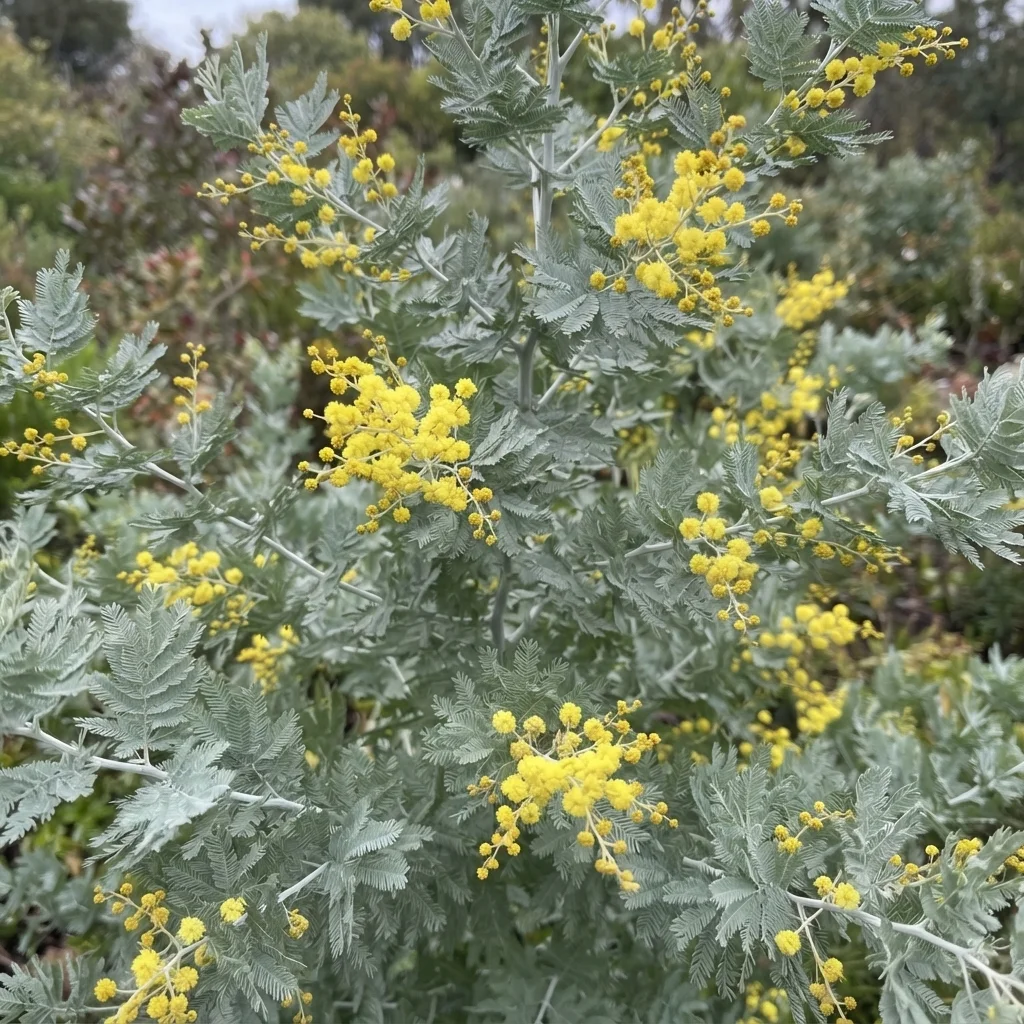
Silver wattle
Acacia dealbata
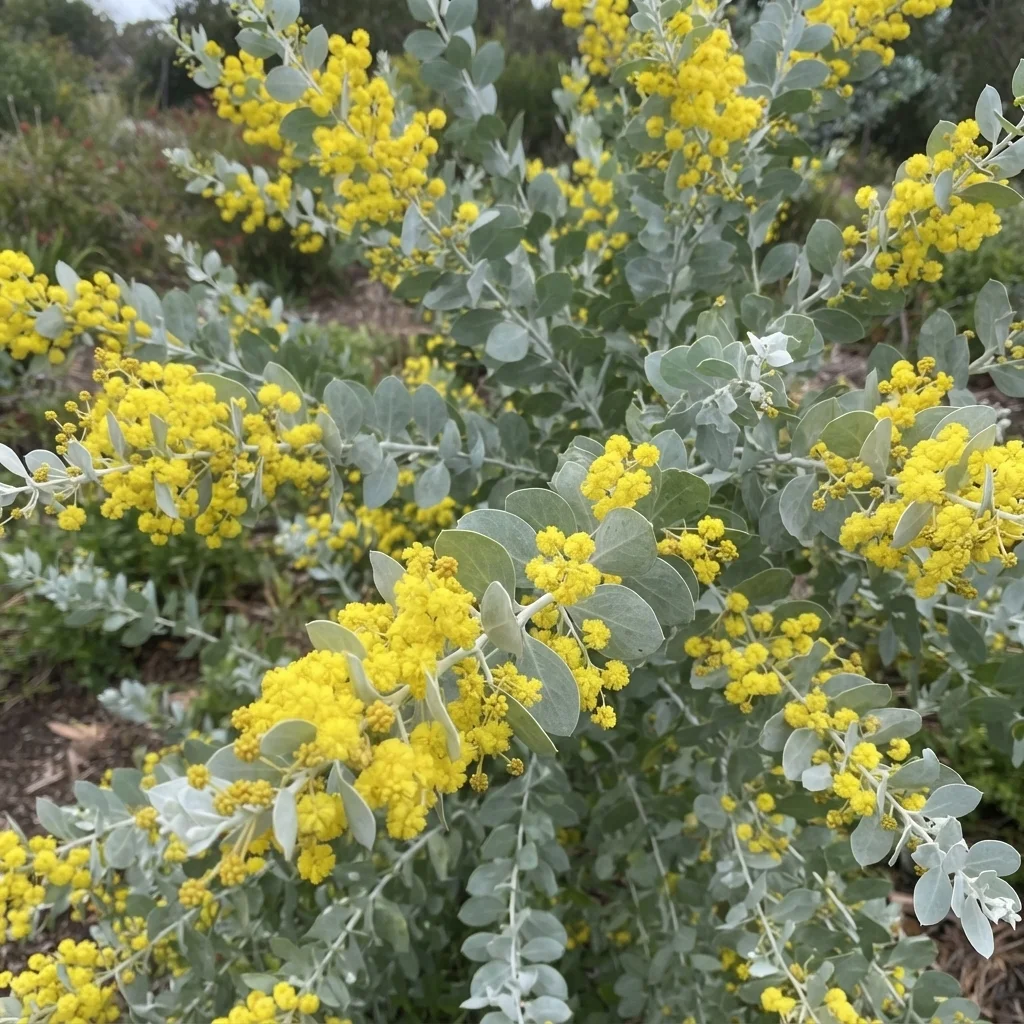
Pearl Acacia
Acacia podalyriifolia
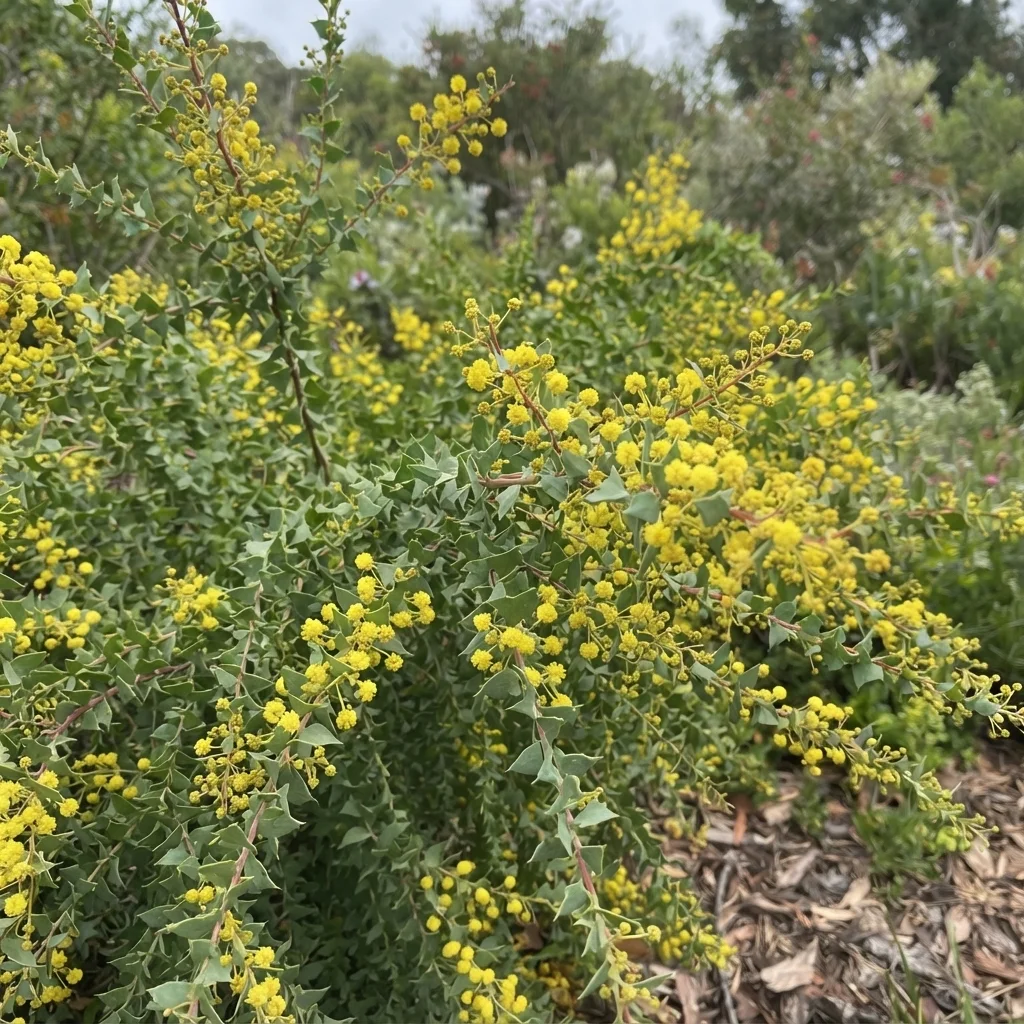
Ovens Wattle
Acacia pravissima
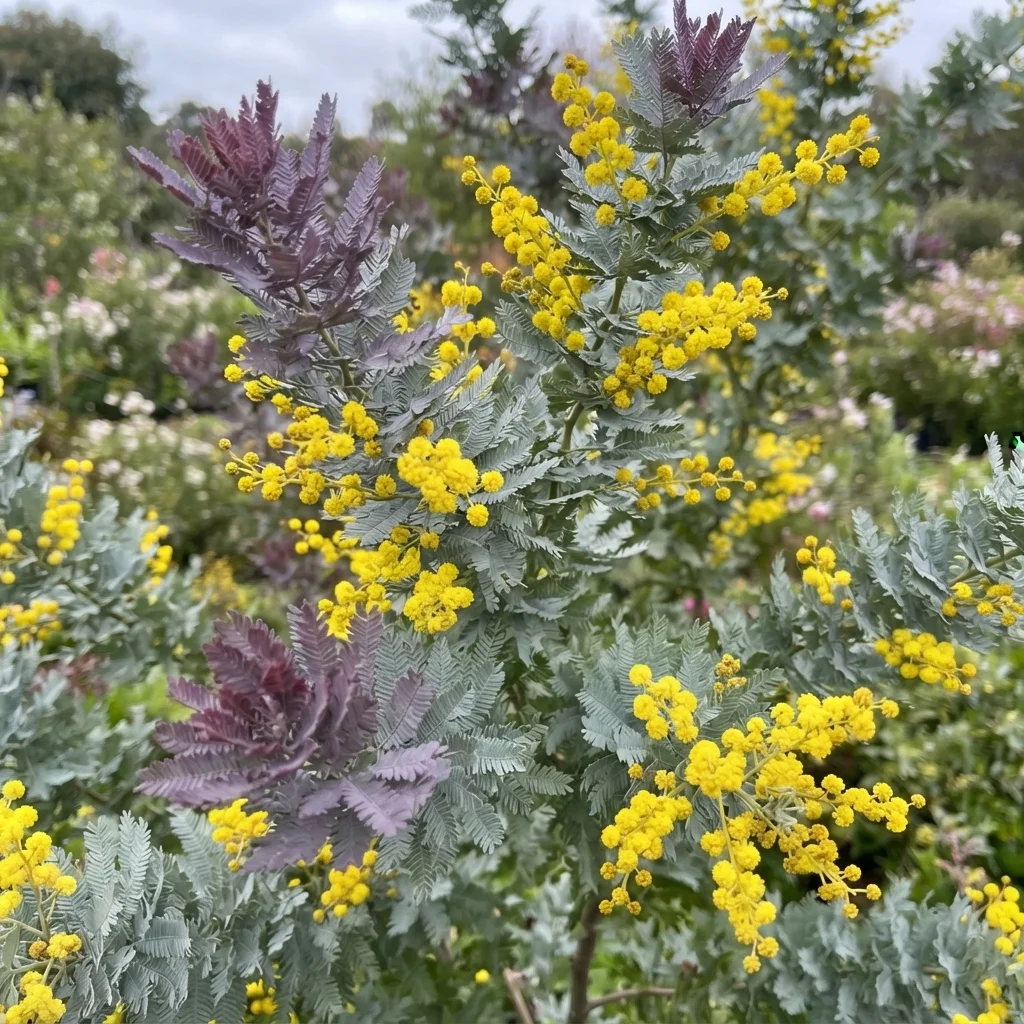
Cootamundra Wattle 'Purpurea'
Acacia baileyana 'Purpurea'
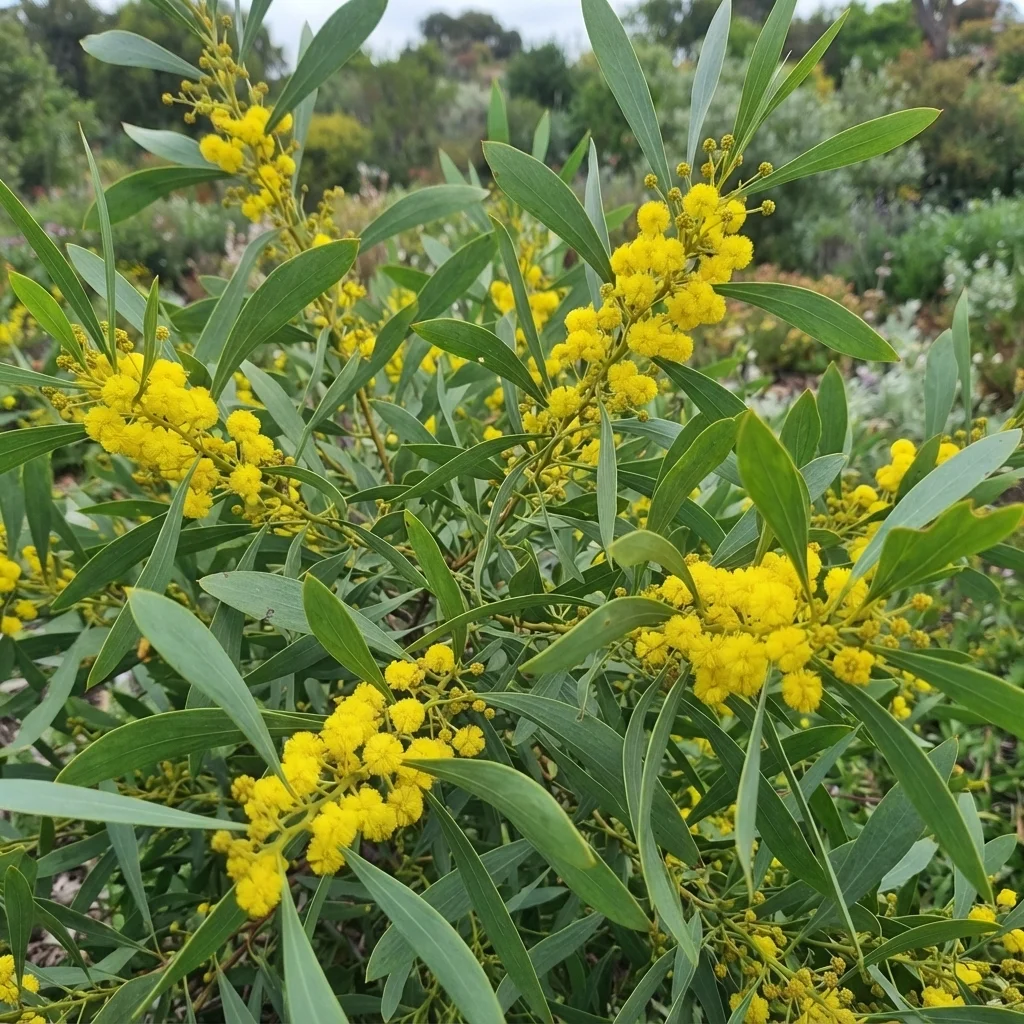
Golden Wreath Wattle
Acacia saligna
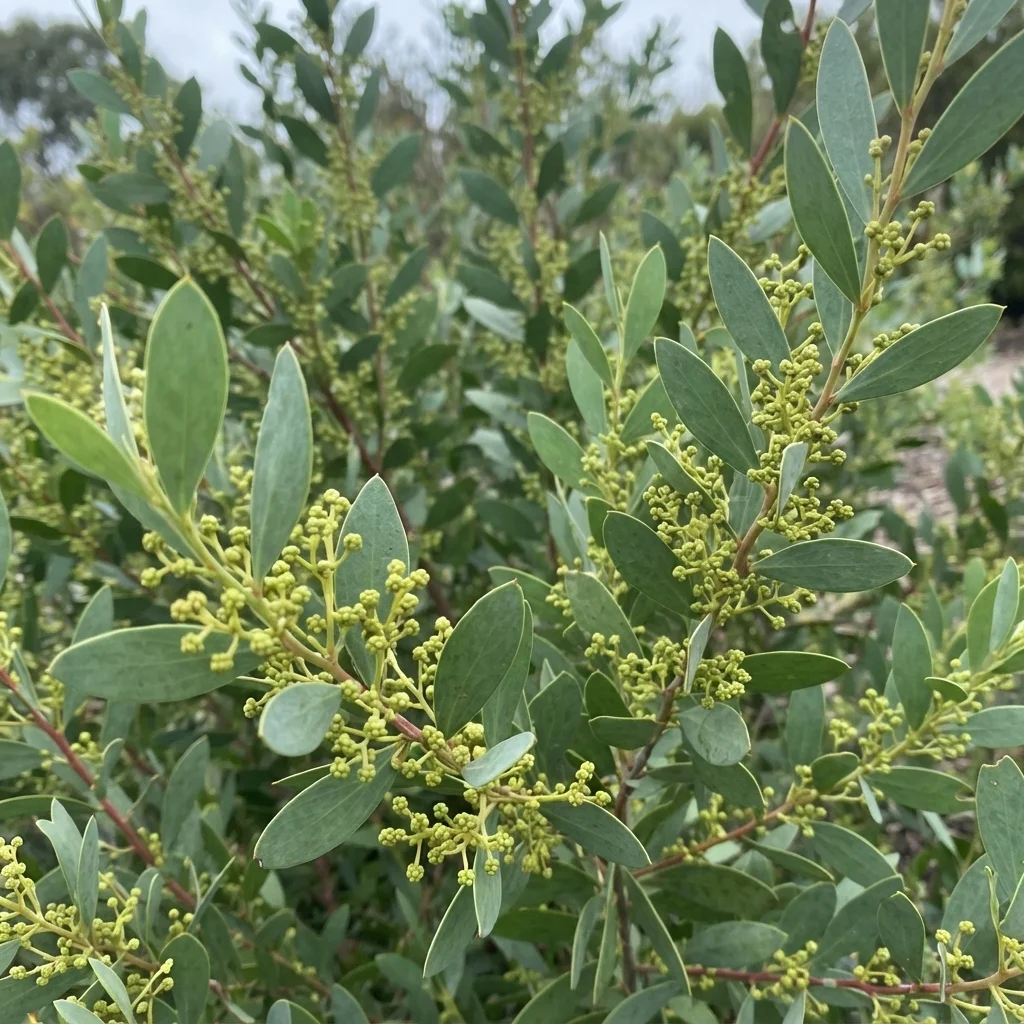
Box-leaf Wattle
Acacia buxifolia
Keep exploring
Explore the genus
Hardy in your zone?
Grow Guajillo with confidence
See it in a design of your actual yard, get zone-matched care reminders, and track it season by season in your garden journal.