The Story
Plant Bio
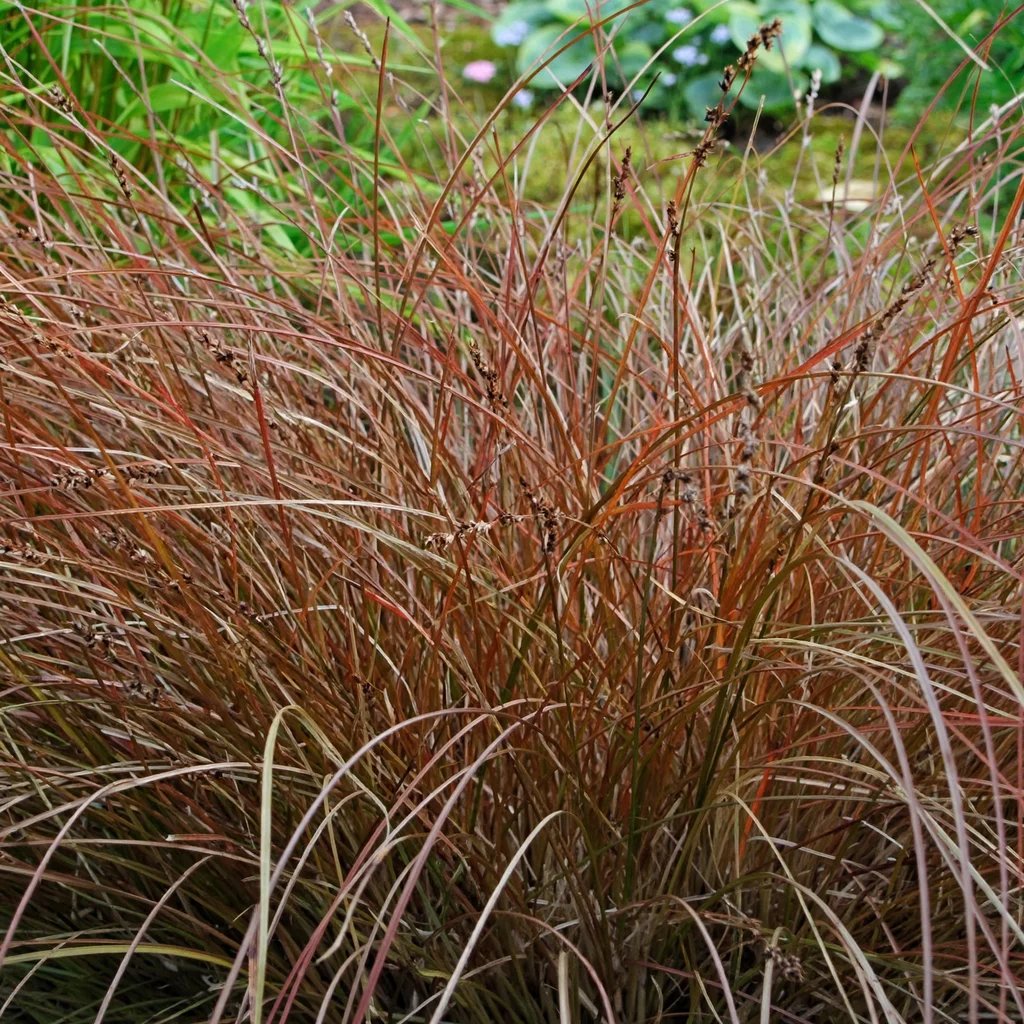
Carex punicea is an evergreen, densely tufted clumping sedge native to New Zealand. The narrow, linear foliage forms an upright to arching fountain-like habit that persists year-round.
'Firedance' is distinguished by its rich coppery-red and bronze foliage that intensifies in color when grown in full sun. In mid to late summer, it produces narrow, upright spikes of inconspicuous brown to black flowers featuring distinctive hooked rachillas.
Uses & Benefits:
Essentials
At a Glance
Plant Type
Grass
Height
24"
Width
20"
Light
Full Sun, Partial Sun
Zones
7, 8, 9
Water
High
Humidity
Moderate
Lifespan
Perennial
Native To
New Zealand
Toxicity
Non-toxic
Bloom period
Mid summer – Late summer
In flower about 2 months of the year
Planting
How to Grow
- Select a planting site in full sun to partial shade with humus-rich, well-draining loam or sandy soil.
- Dig a hole twice the width of the root ball and set the plant so the crown sits level with the surrounding soil.
- Water thoroughly after planting and maintain consistent moisture, ensuring the soil never dries out completely.
- Apply a light layer of organic mulch around the base to retain moisture, keeping it clear of the crown.
Pro Tip
Never shear this sedge back to a stubble in late winter like a deciduous ornamental grass, as cutting into the old woody crown will kill the plant. Instead, gently comb through the clump by hand to remove dead leaves and lightly trim any frost-damaged tips.
Keep It Thriving
Care Guide
Do
- Keep the soil consistently moist, especially during hot summer dry spells.
- Grow in full sun to achieve the most vivid coppery-red foliage coloration.
- Hand-comb the foliage in late winter to remove dead or tattered leaves.
Don't
- Do not shear the plant back to the ground, as it cannot regenerate from a denuded crown.
- Do not allow the soil to become waterlogged, which triggers root rot.
- Do not apply heavy, high-nitrogen fertilizers that cause weak, sappy growth.
Seasonal Care Calendar
| Task | Jan | Feb | Mar | Apr | May | Jun | Jul | Aug | Sep | Oct | Nov | Dec |
|---|---|---|---|---|---|---|---|---|---|---|---|---|
| Divide | ||||||||||||
| Fertilize | ||||||||||||
| Pest Check | ||||||||||||
| Spring Cleanup |
Watch Out For
Pests & Diseases
Common Pests
Common Diseases
In the Garden
Landscape Uses & Companions
Landscape Uses
Multiply
Propagation Methods
Good to Know
Common Questions
Red Hook Sedge questions
What zones can Red Hook Sedge grow in?
Red Hook Sedge is hardy in USDA Zones 7–9. Inside that range it survives winter in the ground; outside it, grow it as an annual or a container plant you protect.
Is Red Hook Sedge deer resistant?
Yes — Red Hook Sedge is rated deer-resistant. Deer typically pass it over, though extreme hunger can override any plant's defenses.
When does Red Hook Sedge bloom?
Red Hook Sedge typically blooms in mid summer through late summer. Exact timing shifts a week or two with your zone — Sow's bloom calendar maps it to your garden.
Does Red Hook Sedge need full sun?
Red Hook Sedge does best in full sun to part shade. In hot climates, afternoon shade keeps blooms fresher longer.
More Carex to compare
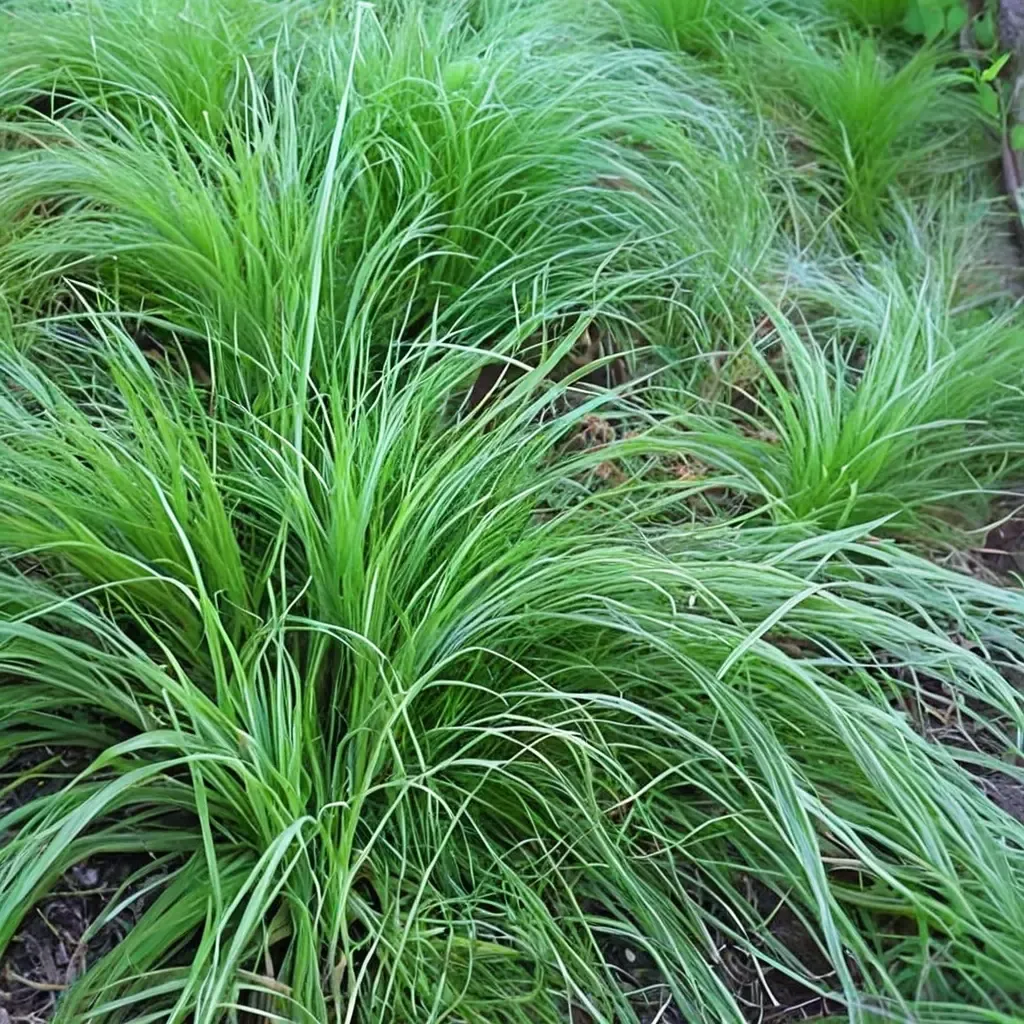
Pennsylvania Sedge
Carex pensylvanica
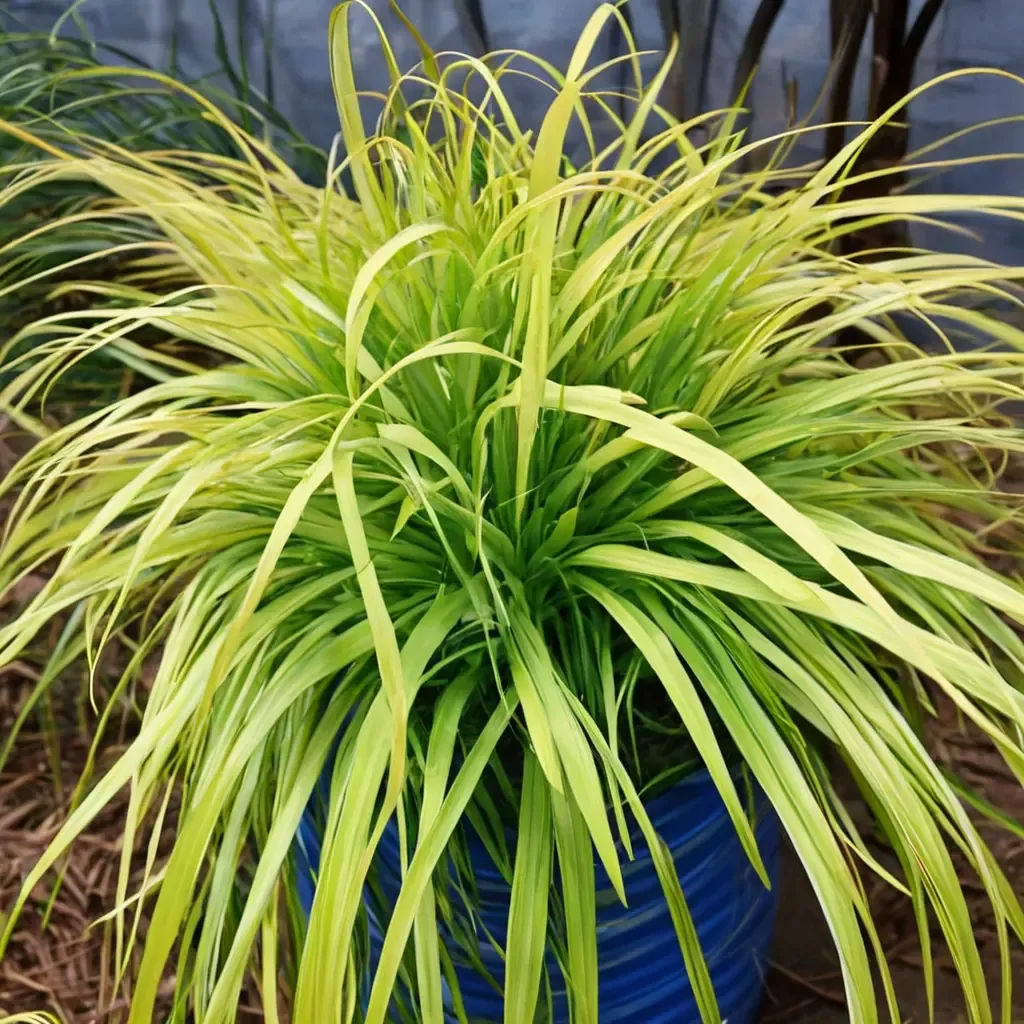
Everillo Sedge
Carex oshimensis 'Everillo'
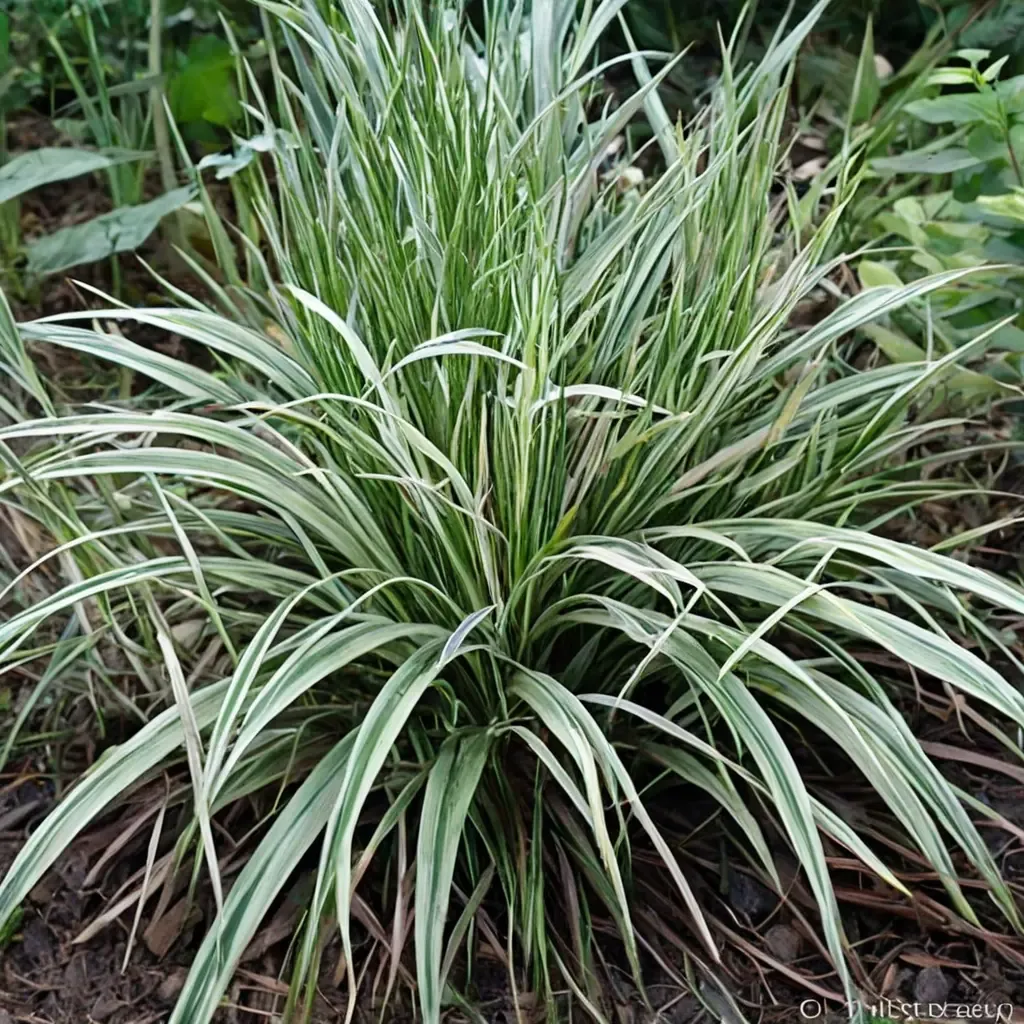
Japanese Sedge
Carex morrowii
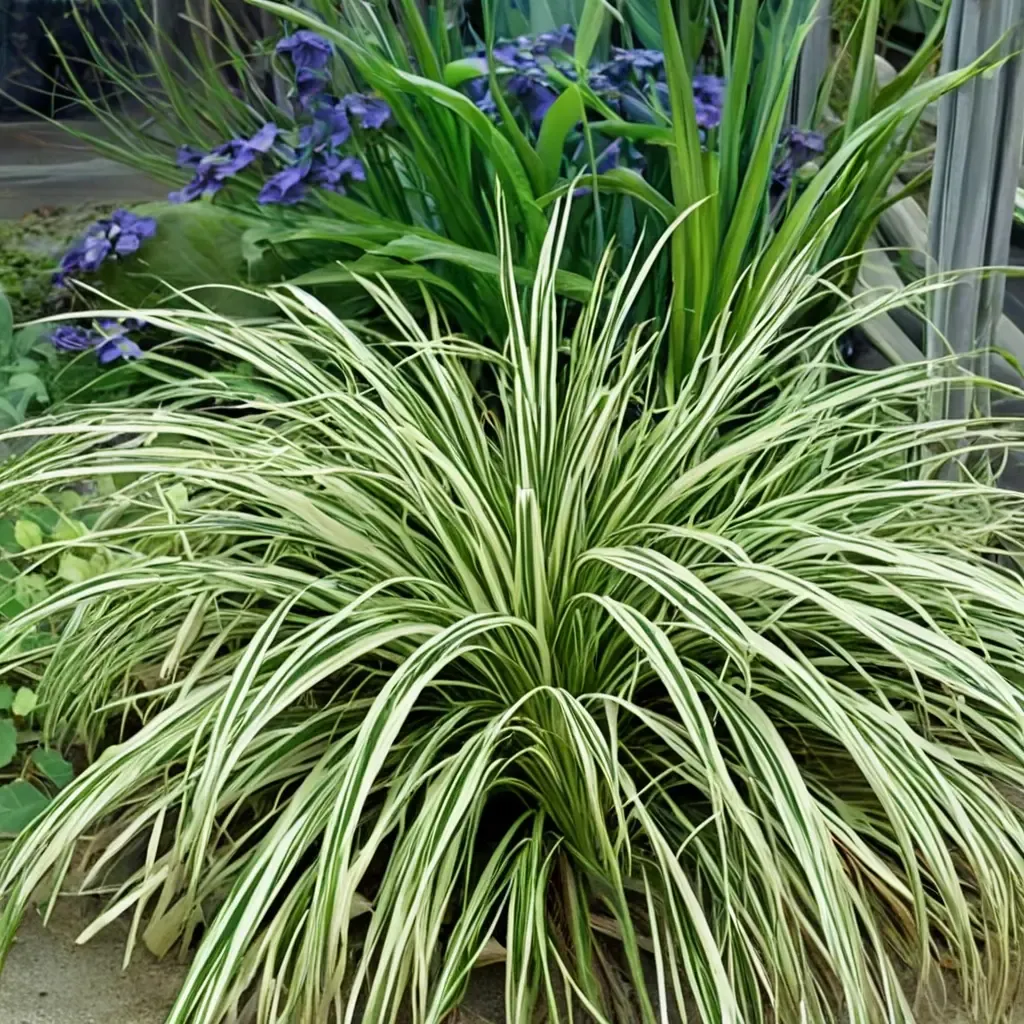
Evergold Japanese Sedge
Carex oshimensis 'Evergold'
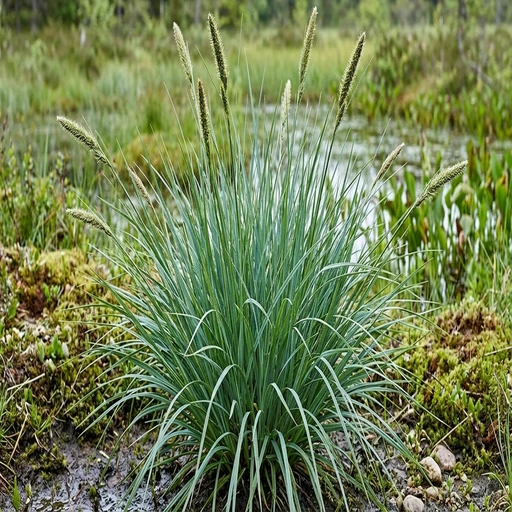
Comosa Sedge
Carex comosa
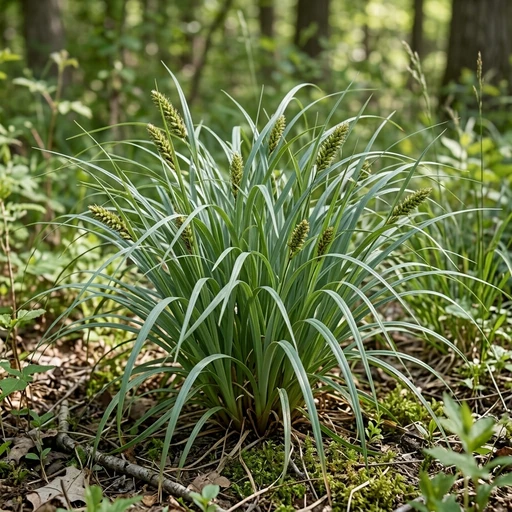
Shortbeak Sedge
Carex brevior
Keep exploring
Explore the genus
Hardy in your zone?
Grow Red Hook Sedge with confidence
See it in a design of your actual yard, get zone-matched care reminders, and track it season by season in your garden journal.