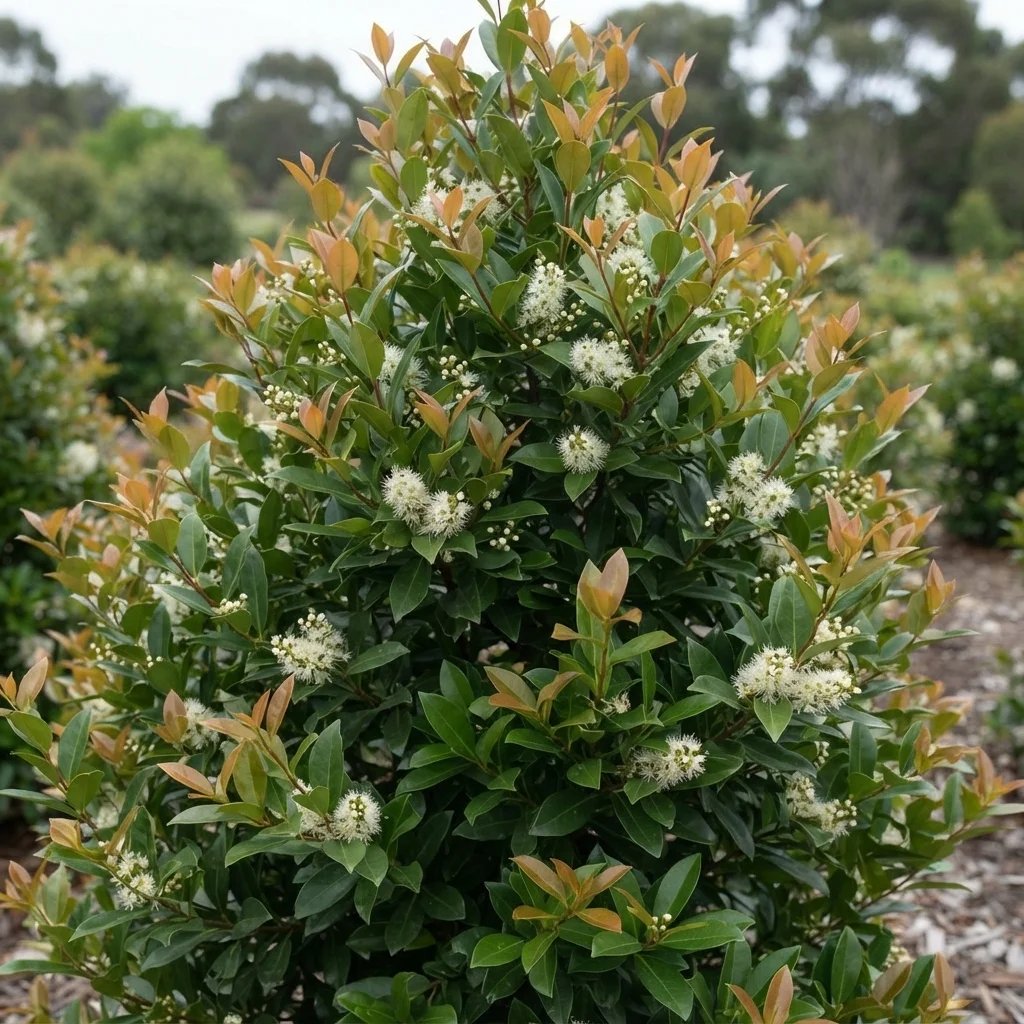
Species
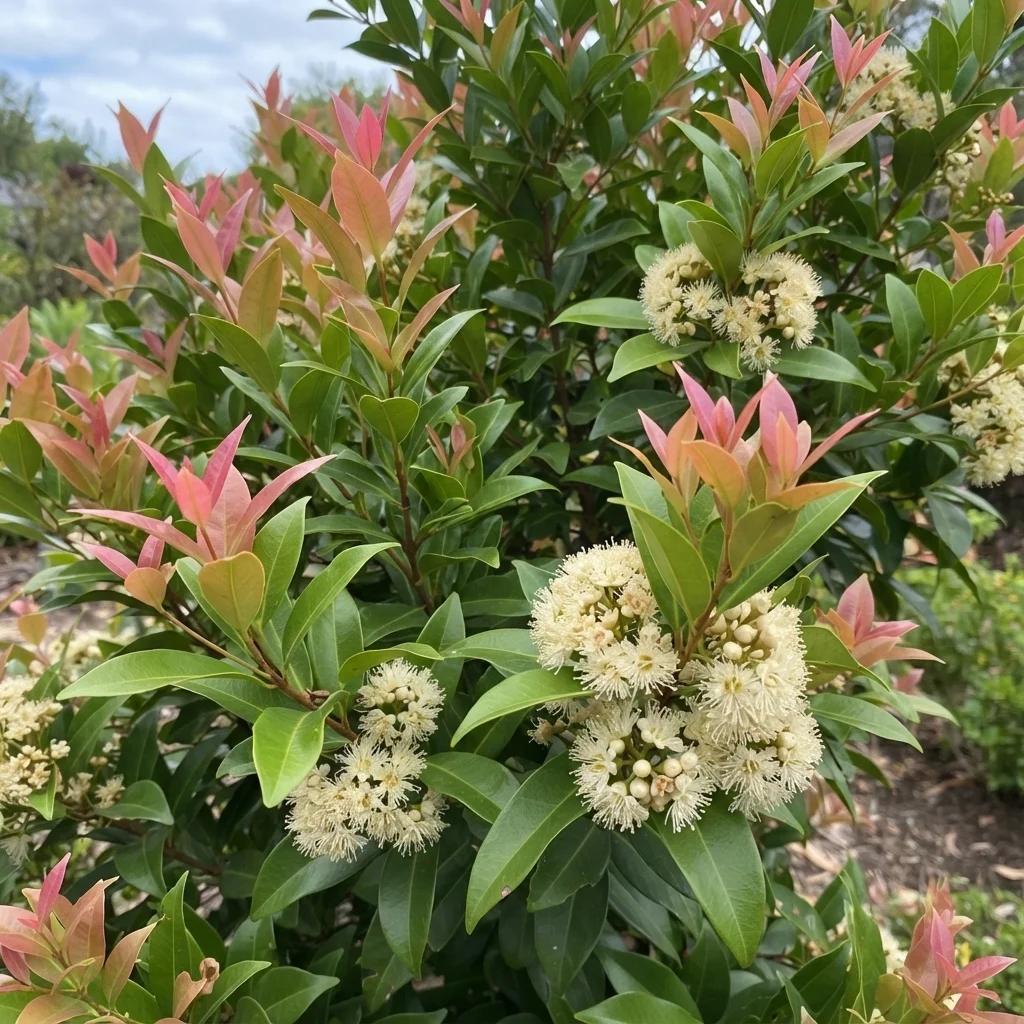
12 other cultivars
- ‘Big Red’Big Red Lilly Pilly
- ‘Straight and Narrow’Straight and Narrow Lilly Pilly
- ‘Select’Select Lilly Pilly
- ‘Bush Christmas’Bush Christmas Lilly Pilly
- ‘Baby Boomer’Baby Boomer Brush Cherry
- ‘Aussie Southern’Aussie Southern Brush Cherry
- ‘Resilience’Resilience Brush Cherry
- ‘Pinnacle’Pinnacle Brush Cherry
- ‘Elite’Elite Lilly Pilly
- ‘Express’Express Brush Cherry
- ‘Winter Lights’Winter Lights Australian Brush Cherry
- ‘Tiny Trev’Dwarf Lilly Pilly
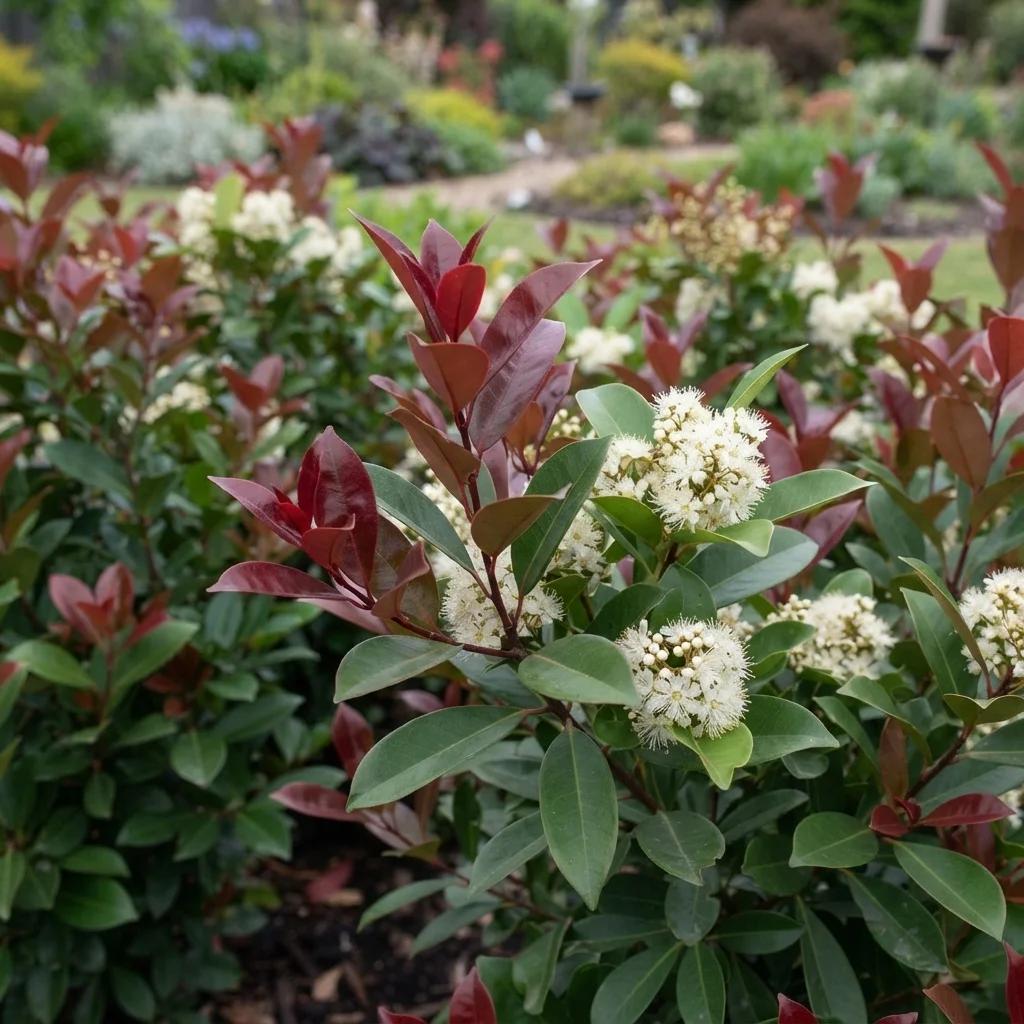
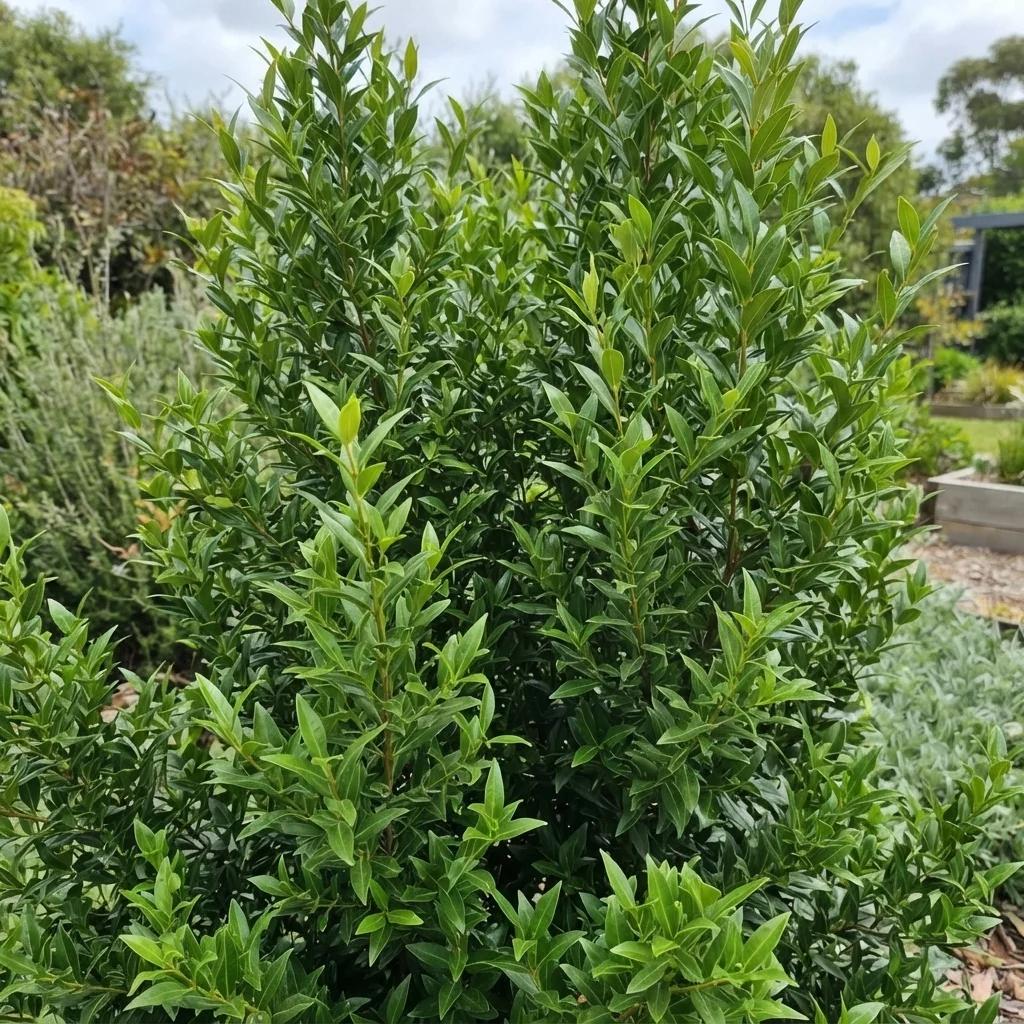

The Story
Plant Bio
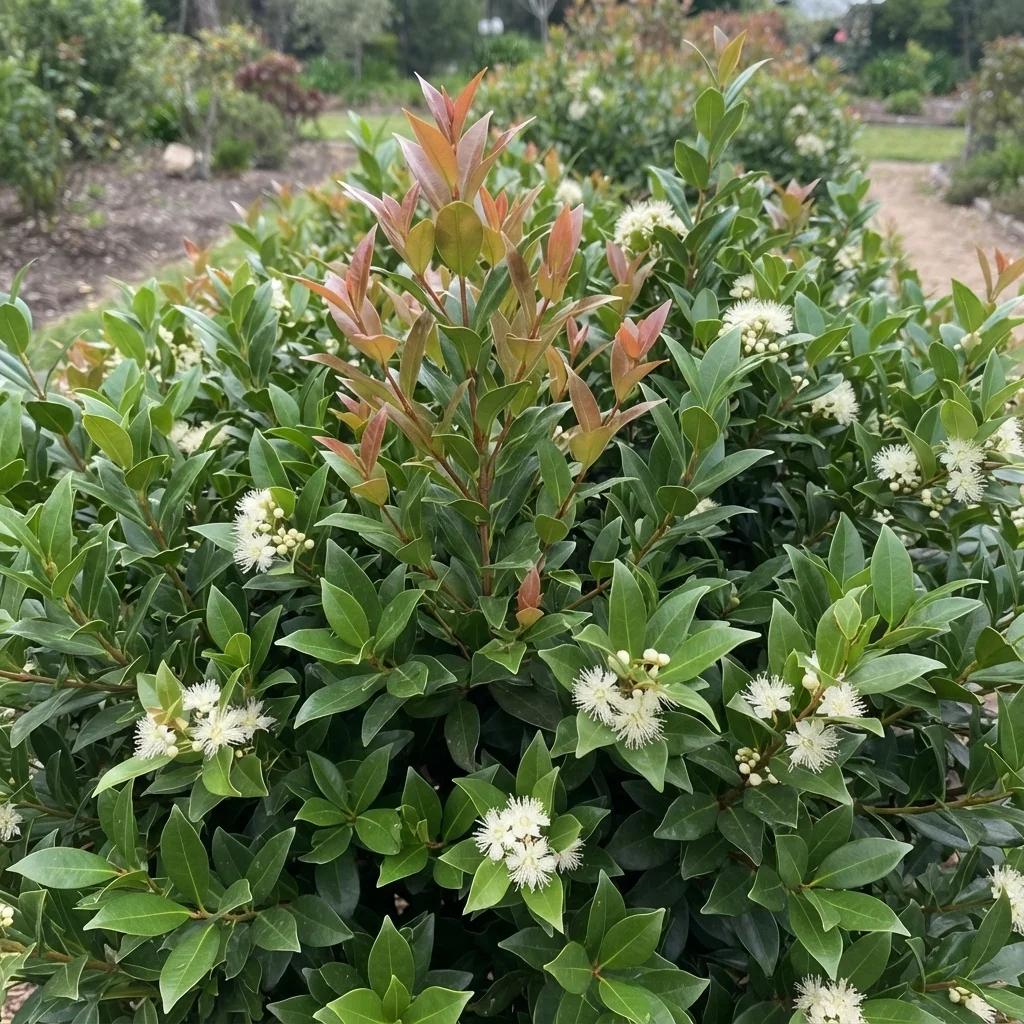
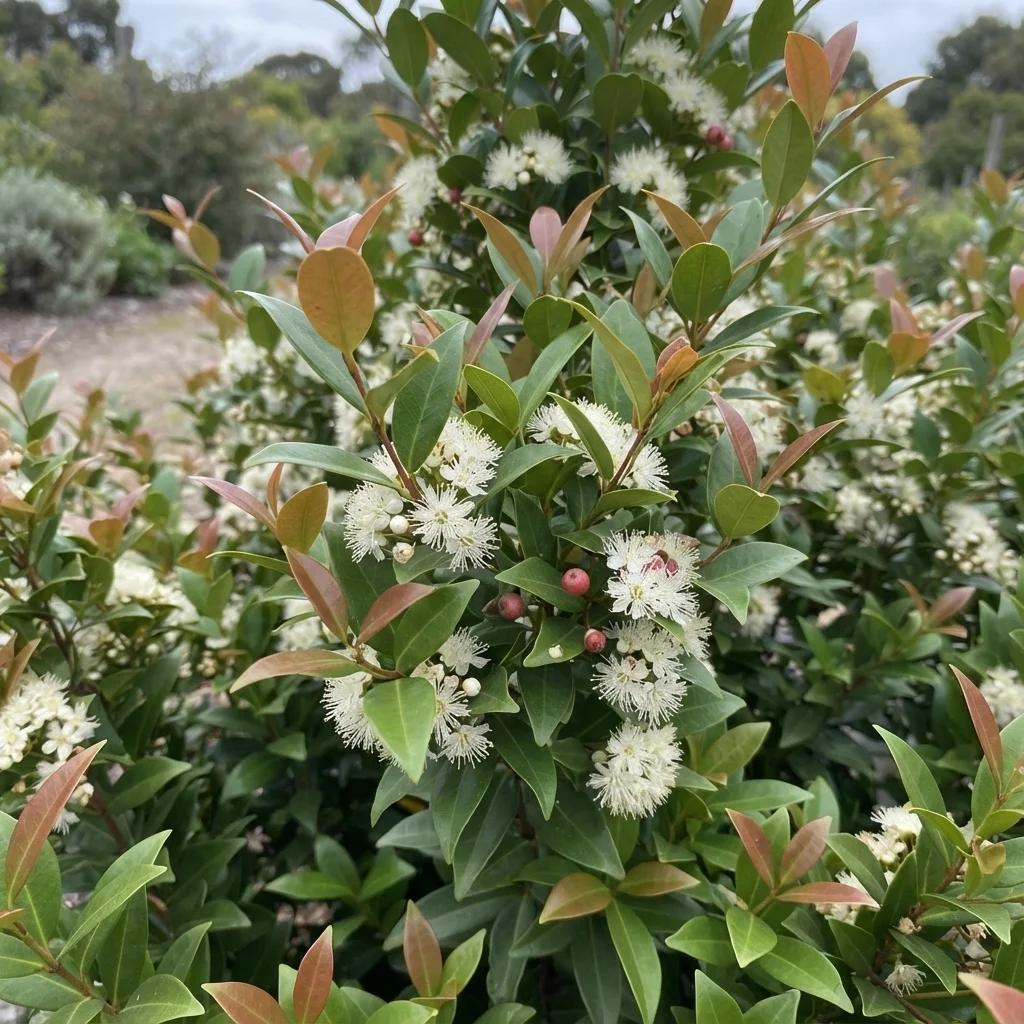
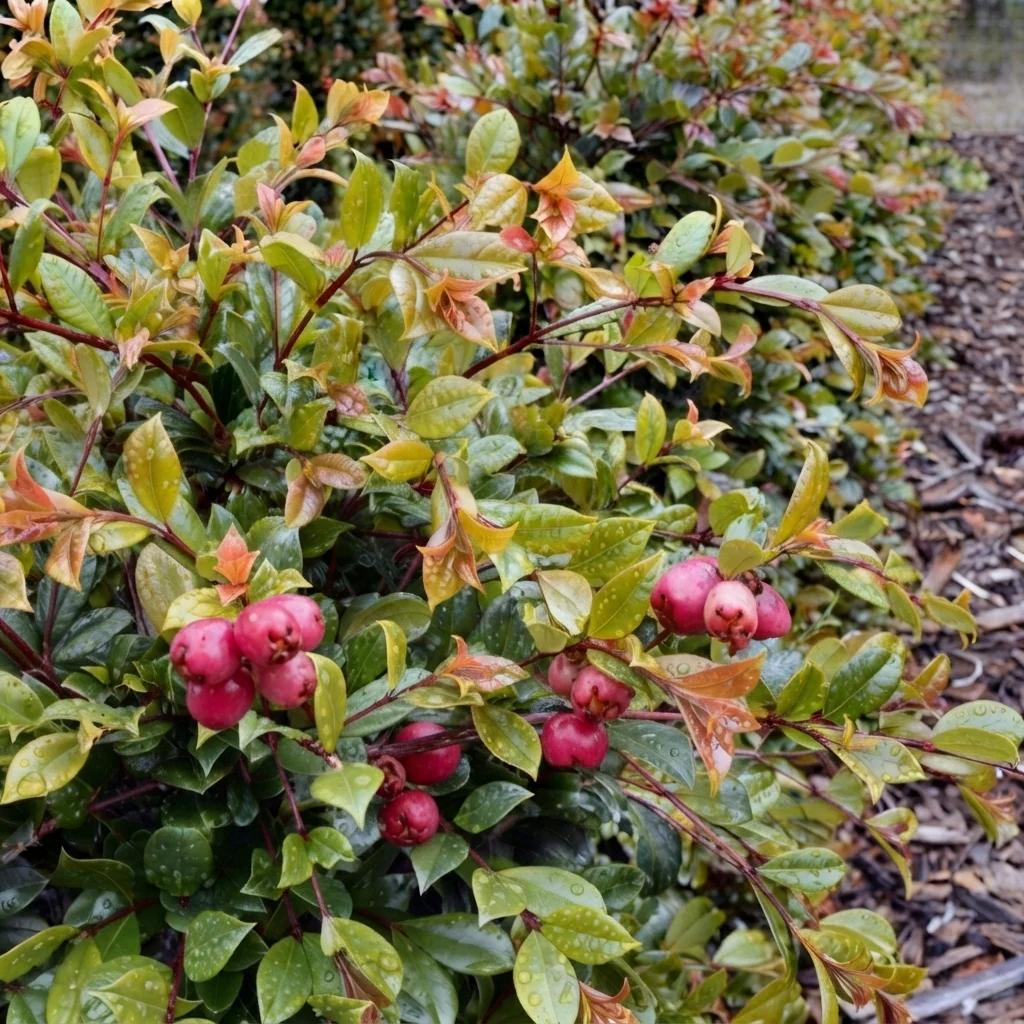
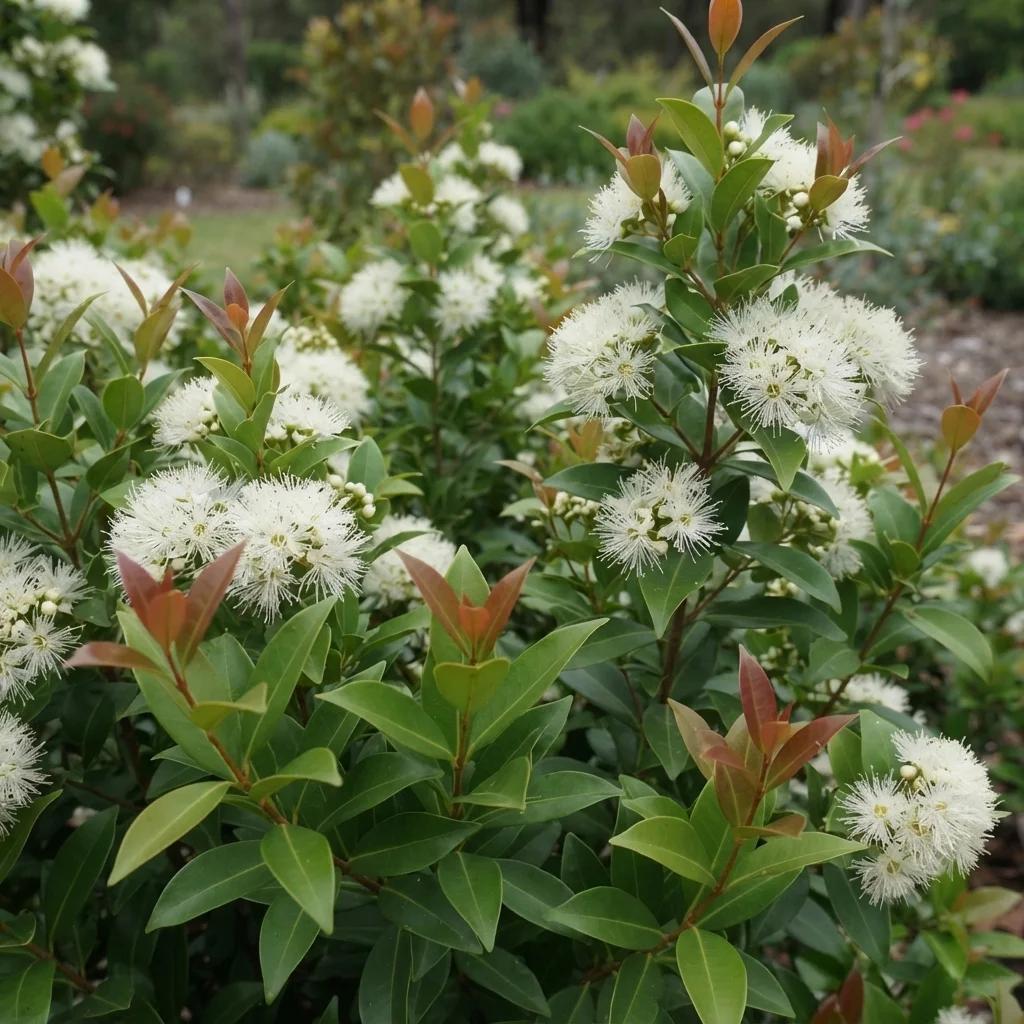
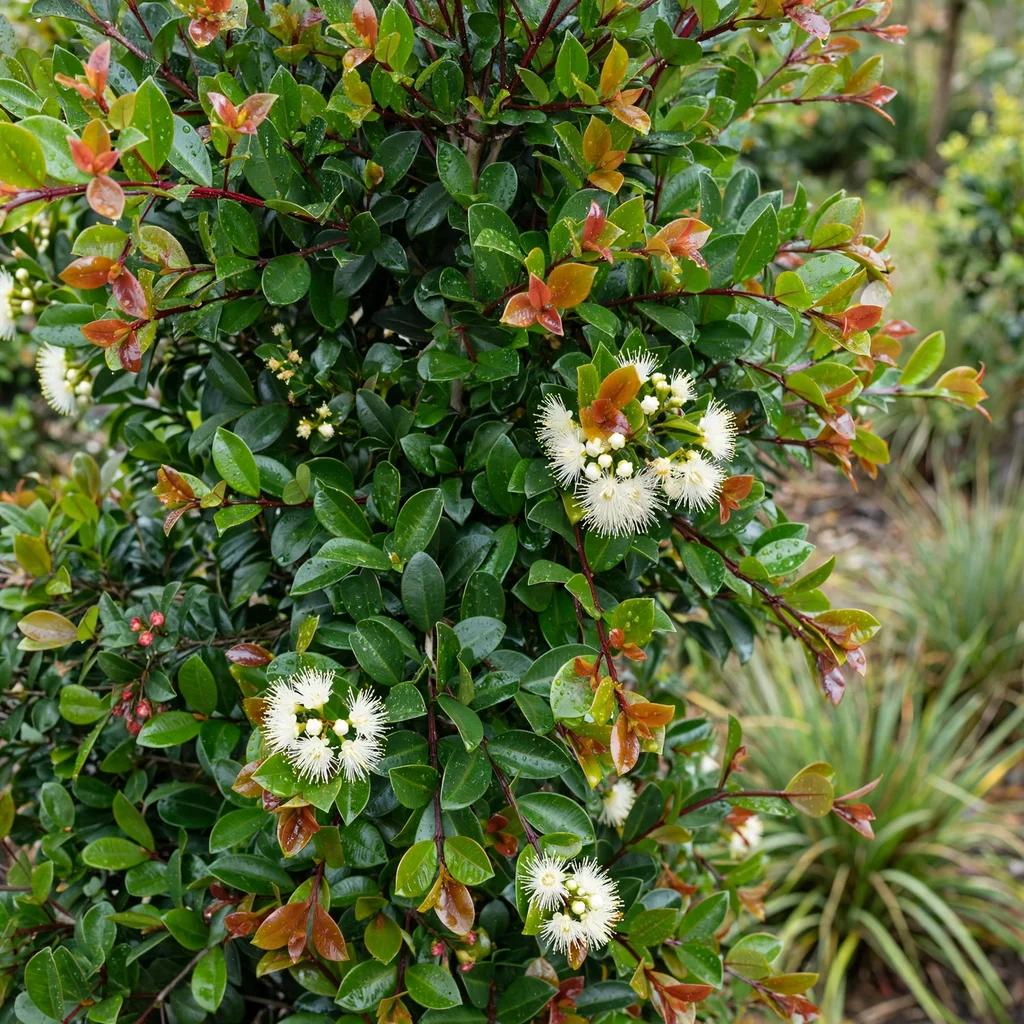
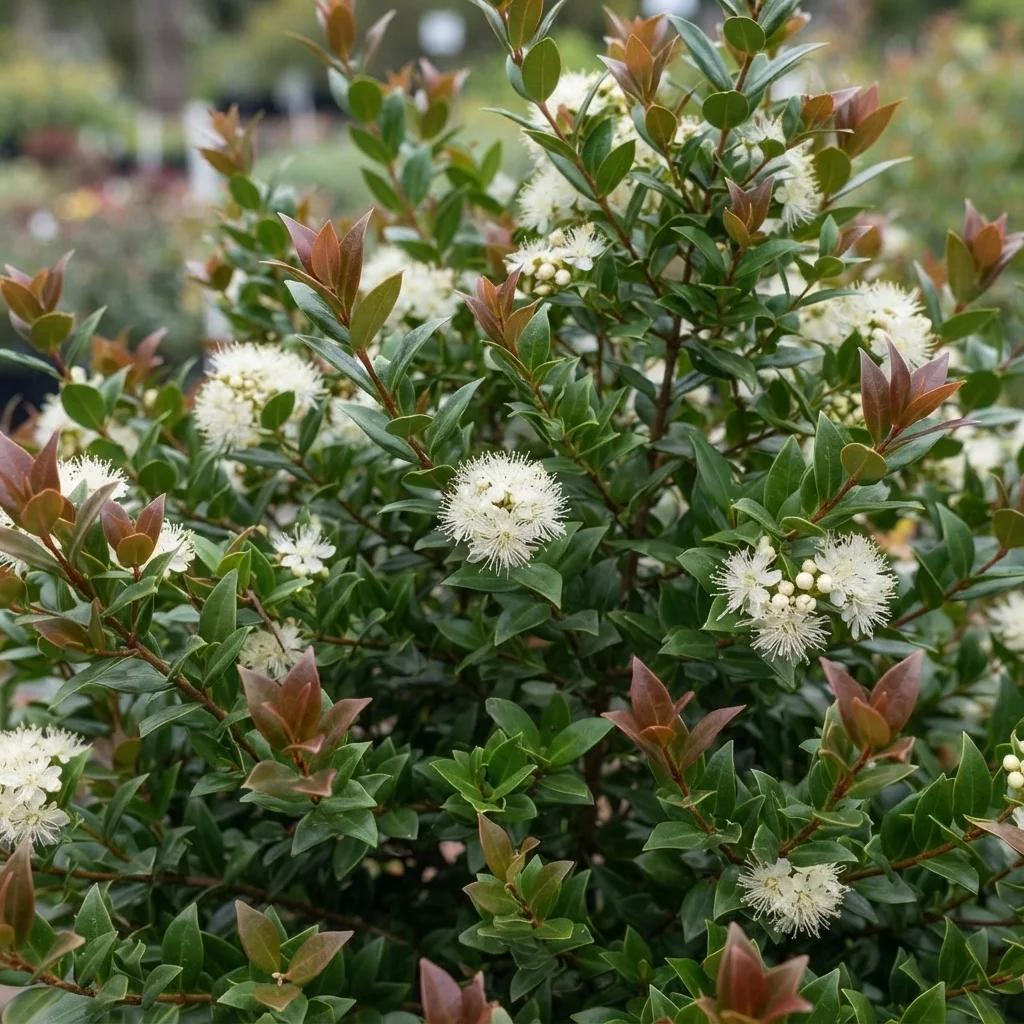
Syzygium australe is a dense, evergreen tree or shrub native to the rainforests and riparian corridors of eastern Australia. It features glossy, mid-sized leaves and produces fluffy, creamy-white clusters of flowers composed of numerous prominent stamens from spring through summer.
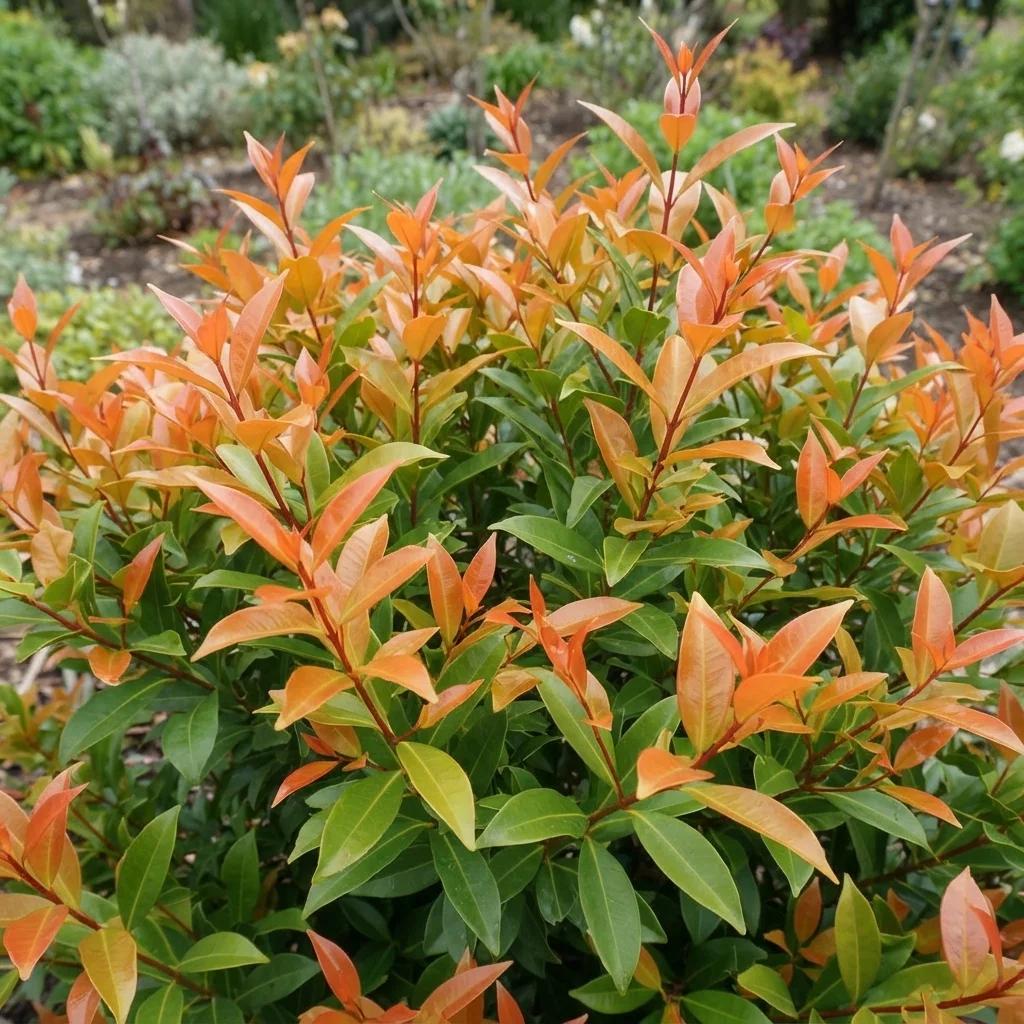
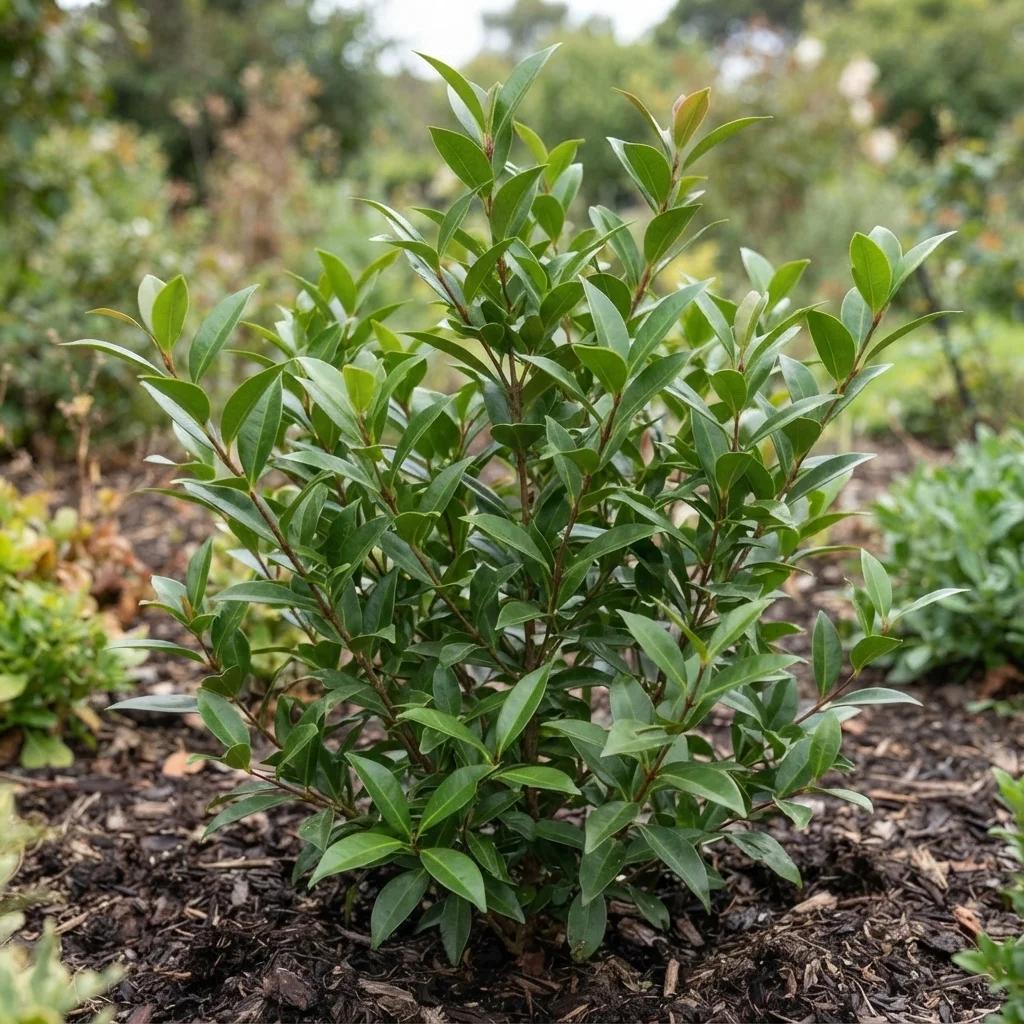
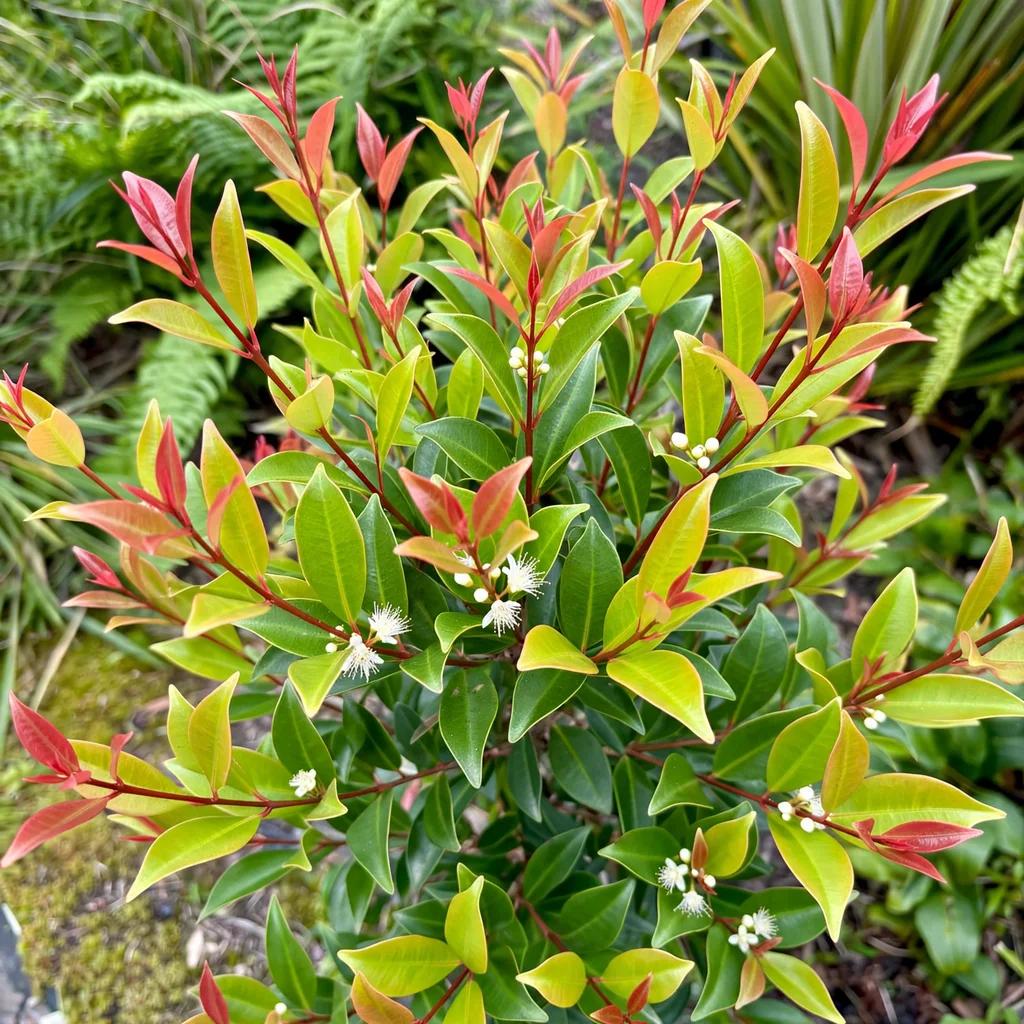
'Hinterland Gold' is distinguished by its naturally narrow, columnar growth habit and highly colorful foliage flushes. The new leaves emerge multiple times a year in vivid golden-yellow and copper-bronze tones before maturing to a deep, glossy green.
Uses & Benefits:
Essentials
At a Glance
Plant Type
Shrub
Height
236"
Width
78"
Light
Full Sun, Partial Sun
Zones
9, 10
Water
Moderate
Humidity
High
Lifespan
Perennial
Native To
Eastern Australia
Toxicity
Non-toxic
Bloom period
Spring – Summer
In flower about 6 months of the year
Planting
How to Grow
- Select a planting site in full sun to partial shade with well-drained soil.
- Dig a hole twice as wide as the root ball and set the plant at the same depth as its nursery container.
- Water deeply and regularly during the first growing season to establish a deep root system.
- Apply a balanced, slow-release all-purpose fertilizer once or twice during the warm spring and summer months.
Pro Tip
Prune lightly two to three times per year to stimulate the colorful golden-yellow vegetative flushes; leaving the plant unsheared causes the foliage to mature into a uniform, static dark green.
Keep It Thriving
Care Guide
Do
- Trim within the leafy green envelope to maintain a dense, compact form.
- Ensure the soil drains rapidly to prevent root rot.
- Provide extra moisture during prolonged dry spells until the root system is fully established.
Don't
- Do not prune harshly back into old, leafless, brown wood, as it struggles to regenerate from bare timber.
- Do not allow container-grown plants to sit in standing water.
- Do not neglect regular light shearing if you wish to maintain the golden-bronze foliage color.
Seasonal Care Calendar
| Task | Jan | Feb | Mar | Apr | May | Jun | Jul | Aug | Sep | Oct | Nov | Dec |
|---|---|---|---|---|---|---|---|---|---|---|---|---|
| Fertilize | ||||||||||||
| Pest Check | ||||||||||||
| Prune | ||||||||||||
| Winter Prep |
Watch Out For
Pests & Diseases
Common Pests
Common Diseases
In the Garden
Landscape Uses & Companions
Landscape Uses
Companion Plants
Multiply
Propagation Methods
Good to Know
Common Questions
Hinterland Gold Brush Cherry questions
What zones can Hinterland Gold Brush Cherry grow in?
Hinterland Gold Brush Cherry is hardy in USDA Zones 9–10: in that range it survives winter in the ground. Colder than Zone 9, grow it in a container you can move to shelter for the winter.
Is Hinterland Gold Brush Cherry deer resistant?
Not reliably. Deer may browse Hinterland Gold Brush Cherry, especially tender spring growth — plan on repellents or fencing where pressure is high.
When does Hinterland Gold Brush Cherry bloom?
Hinterland Gold Brush Cherry typically blooms from spring to summer. Exact timing shifts a week or two with your zone — Sow's bloom calendar maps it to your garden.
Does Hinterland Gold Brush Cherry need full sun?
Hinterland Gold Brush Cherry does best in full sun to part shade. In hot climates, afternoon shade keeps blooms fresher longer.
Is Hinterland Gold Brush Cherry drought tolerant?
Yes — once established (usually after the first full season), Hinterland Gold Brush Cherry handles dry spells with minimal watering. Water deeply its first year to build the root system that makes that possible.
More Syzygium to compare
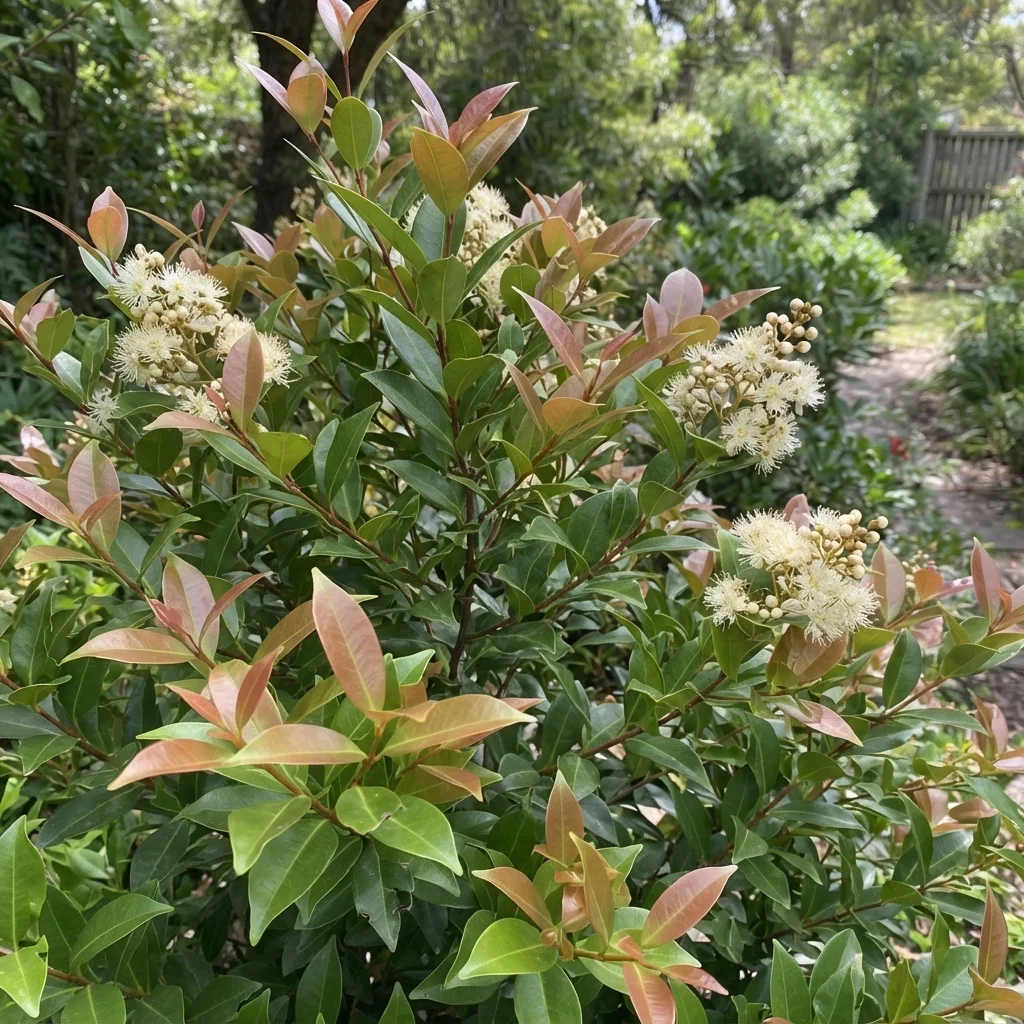
Backyard Bliss Lilly Pilly
Syzygium paniculatum 'Backyard Bliss'
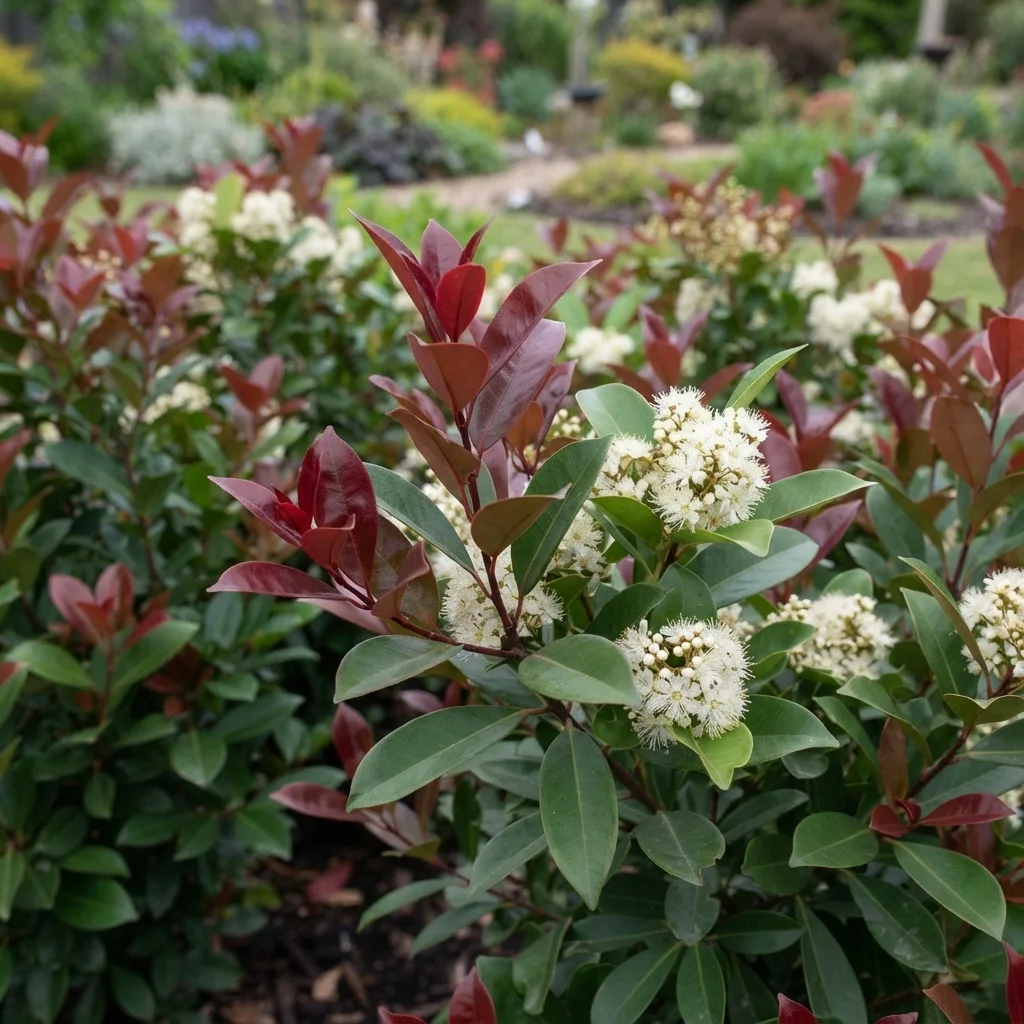
Big Red Lilly Pilly
Syzygium australe 'Big Red'
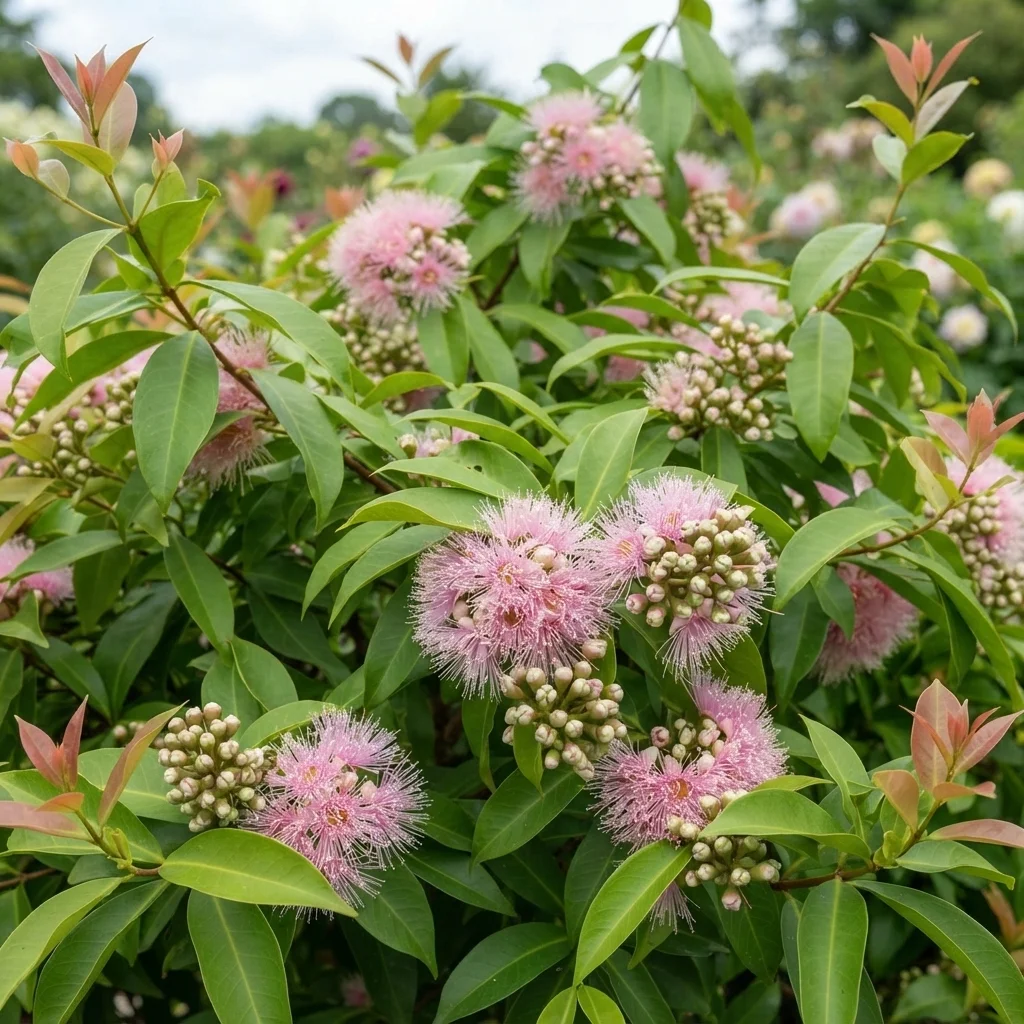
Cascade Lilly Pilly
Syzygium x hybrida 'Cascade'
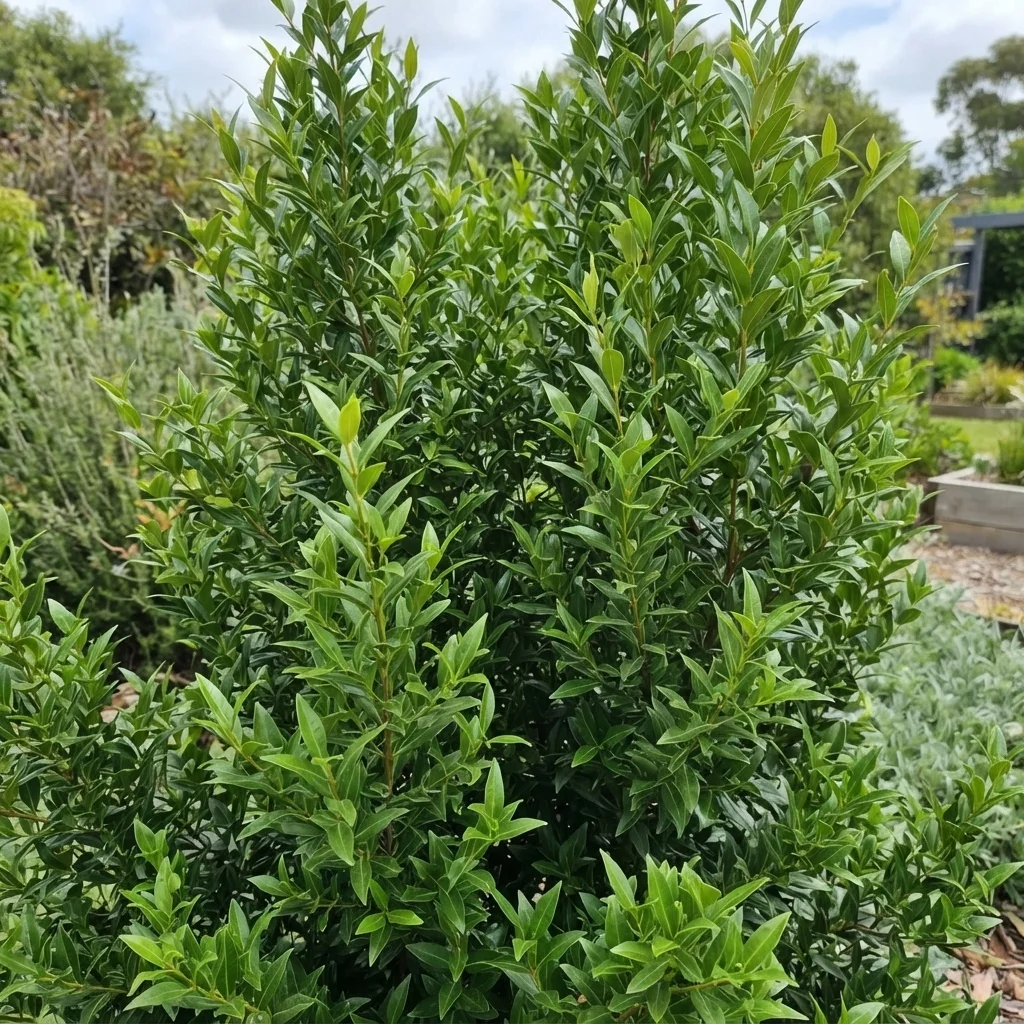
Straight and Narrow Lilly Pilly
Syzygium australe 'Straight and Narrow'
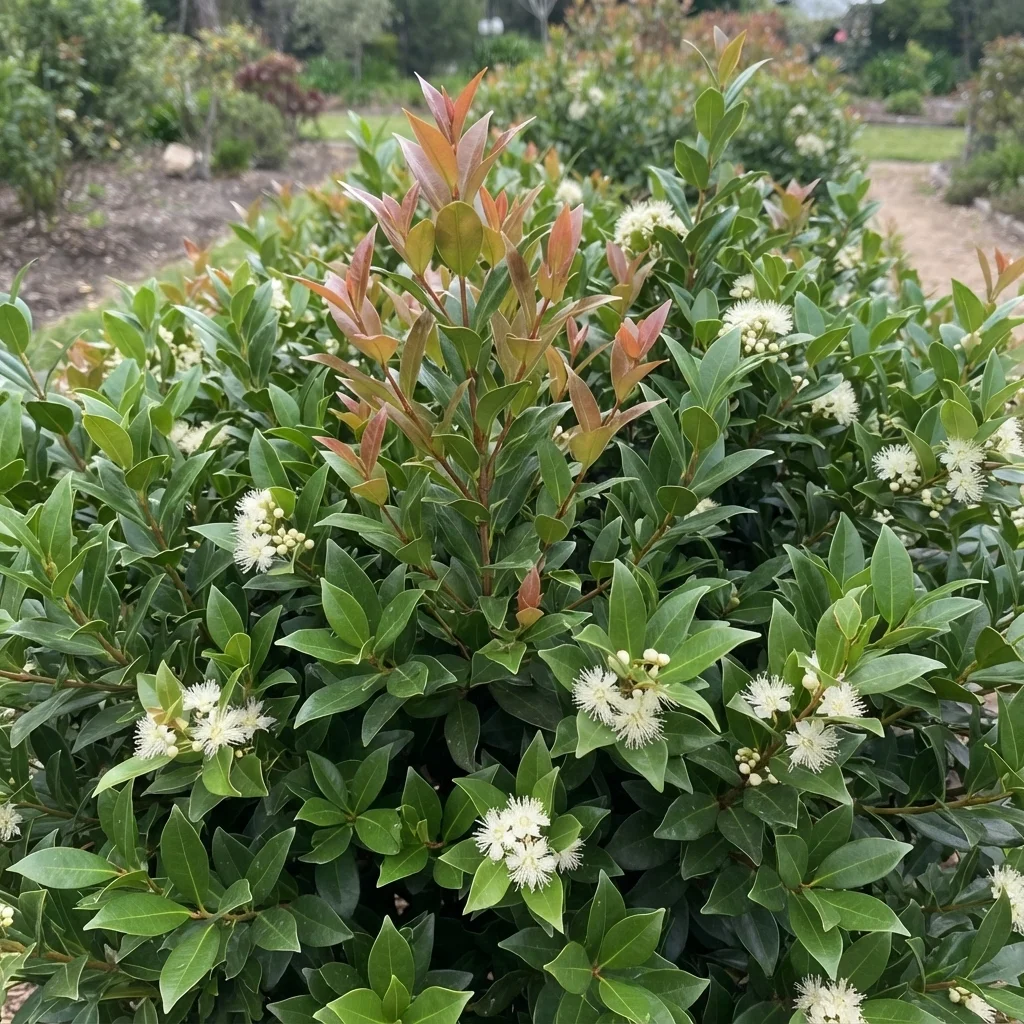
Select Lilly Pilly
Syzygium australe 'Select'
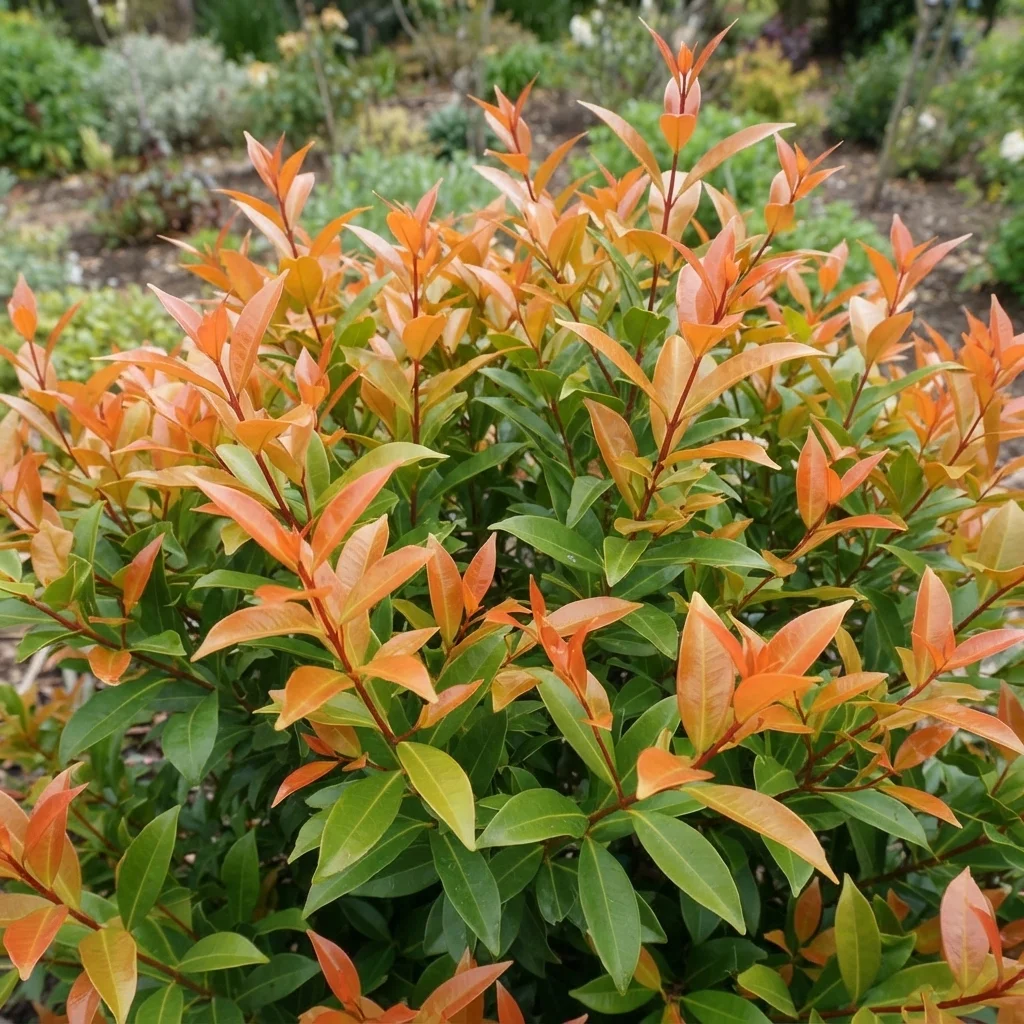
Bush Christmas Lilly Pilly
Syzygium australe 'Bush Christmas'
Keep exploring
Explore the genus
Hardy in your zone?
Grow Hinterland Gold Brush Cherry with confidence
See it in a design of your actual yard, get zone-matched care reminders, and track it season by season in your garden journal.