
The Story
Plant Bio
Muhlenbergia pubescens is a clumping warm-season perennial grass forming a dense fine-textured mound of foliage 12 to 24 inches high. In flower the slender hairy panicles rise 2 to 4 feet above the leaves on upright stems.
The narrow recurved leaves are blue-green to steel-blue with soft velvety hairs that shimmer in sun. The summer panicles open light blue to pale lilac just above the foliage and age to amber and warm buff.
Uses & Benefits:
Essentials
At a Glance
Plant Type
Grass
Height
42"
Width
30"
Light
Full Sun, Partial Sun
Zones
8, 9, 10
Water
Low
Humidity
Low
Lifespan
Perennial
Native To
Mexico
Toxicity
Unknown - no toxicity reported
Bloom period
Summer – Fall
In flower about 6 months of the year
Planting
How to Grow
- Plant in full sun in well-drained sandy or rocky loam, setting the crown level with the soil.
- Water deeply weekly through the first growing season, then taper to supplemental water only in prolonged drought.
- Top-dress with 2 inches of compost in early spring; do not apply heavy fertilizer.
- Cut back to 3 to 6 inches in late winter only every few years and remove dead foliage to keep airflow.
Pro Tip
Plant high in full sun and lean soil and withhold winter water; overwatering and deep shade kill it faster than drought.
Keep It Thriving
Care Guide
Do
- Plant high in full sun for best flowering
- Provide sharp drainage and lean, low-fertility soil
- Water deeply but infrequently once established
Don't
- Do not plant in soggy soil or deep shade
- Do not shear annually or leave winter-wet mulch against the crown
- Do not overfertilize or overwater in winter
Seasonal Care Calendar
| Task | Jan | Feb | Mar | Apr | May | Jun | Jul | Aug | Sep | Oct | Nov | Dec |
|---|---|---|---|---|---|---|---|---|---|---|---|---|
| Divide | ||||||||||||
| Fertilize | ||||||||||||
| Pest Check | ||||||||||||
| Plant | ||||||||||||
| Prune |
Watch Out For
Pests & Diseases
Common Pests
Common Diseases
In the Garden
Landscape Uses & Companions
Landscape Uses
Multiply
Propagation Methods
Good to Know
Common Questions
Soft Muhly questions
What zones can Soft Muhly grow in?
Soft Muhly is hardy in USDA Zones 8–10: in that range it survives winter in the ground. Colder than Zone 8, grow it in a container you can move to shelter for the winter, or as an annual.
When does Soft Muhly bloom?
Soft Muhly typically blooms from summer to fall. Exact timing shifts a week or two with your zone — Sow's bloom calendar maps it to your garden.
Does Soft Muhly need full sun?
Soft Muhly does best in full sun to part shade. In hot climates, afternoon shade keeps blooms fresher longer.
Is Soft Muhly drought tolerant?
Yes — once established (usually after the first full season), Soft Muhly handles dry spells with minimal watering. Water deeply its first year to build the root system that makes that possible.
More Muhlenbergia to compare
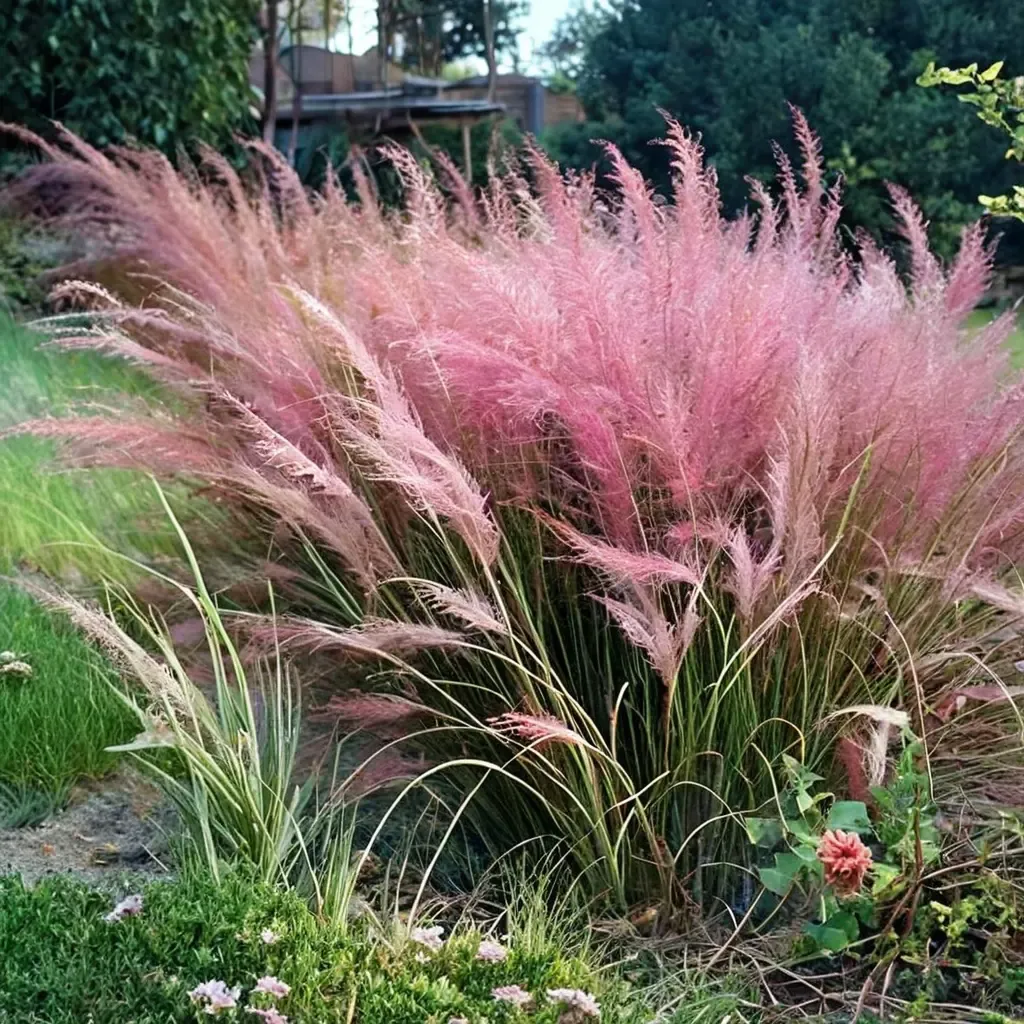
Pink Muhly Grass
Muhlenbergia capillaris
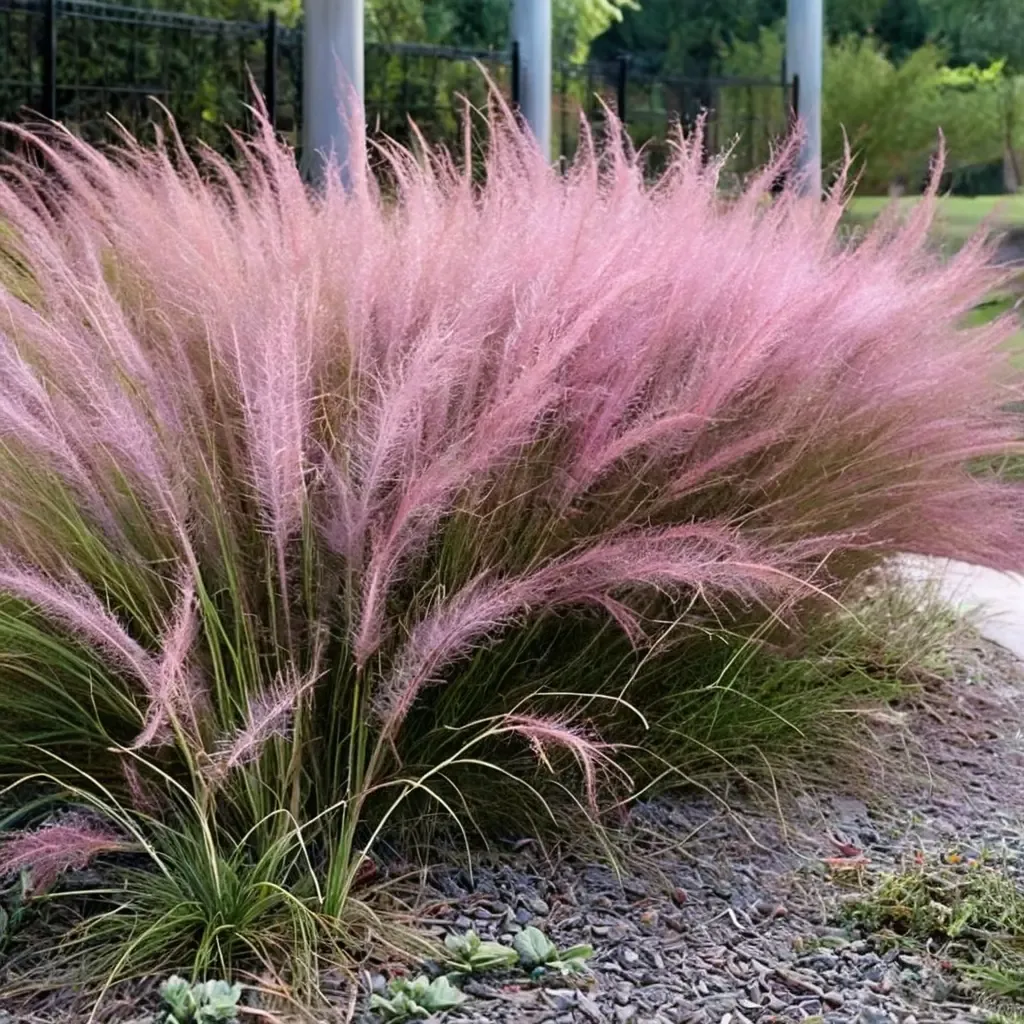
Pink Cloud Muhly Grass
Muhlenbergia capillaris 'Pink Cloud'
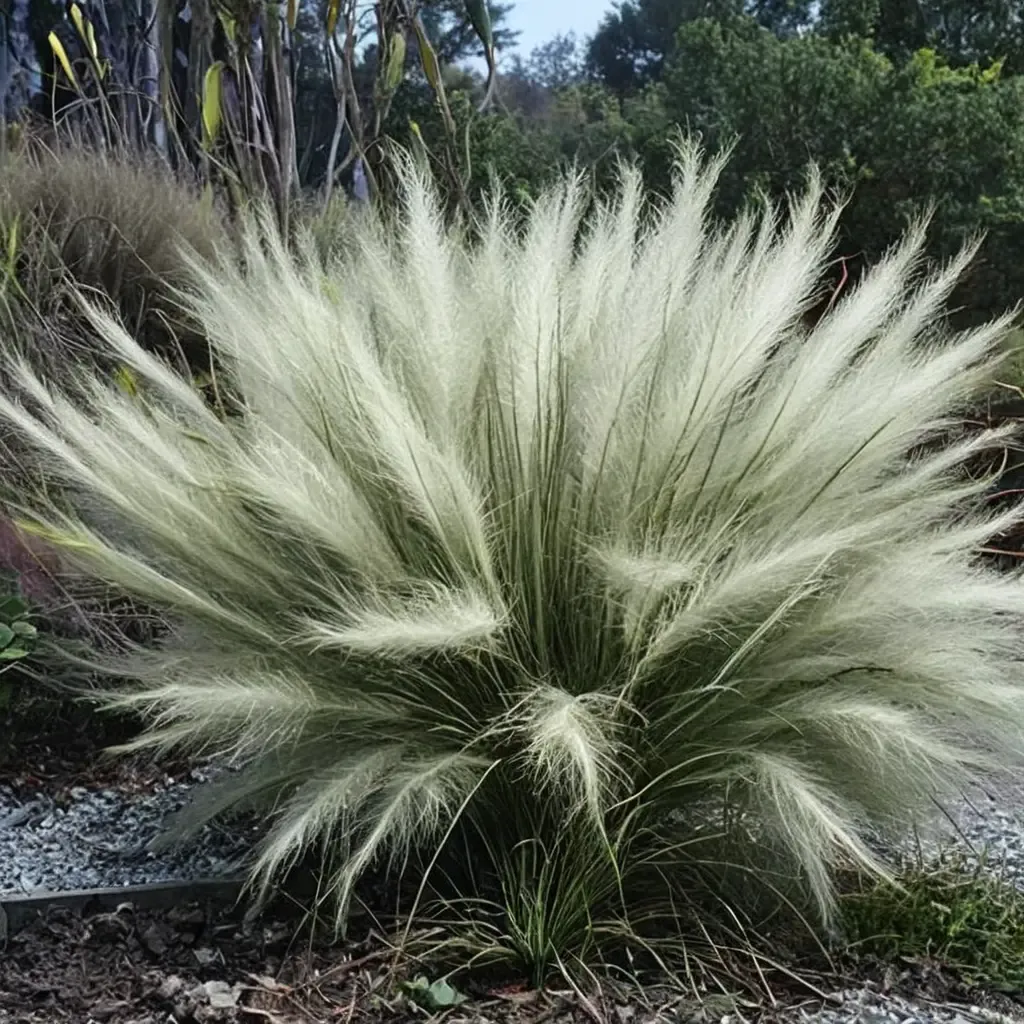
White Cloud Muhly
Muhlenbergia sericea 'White Cloud'
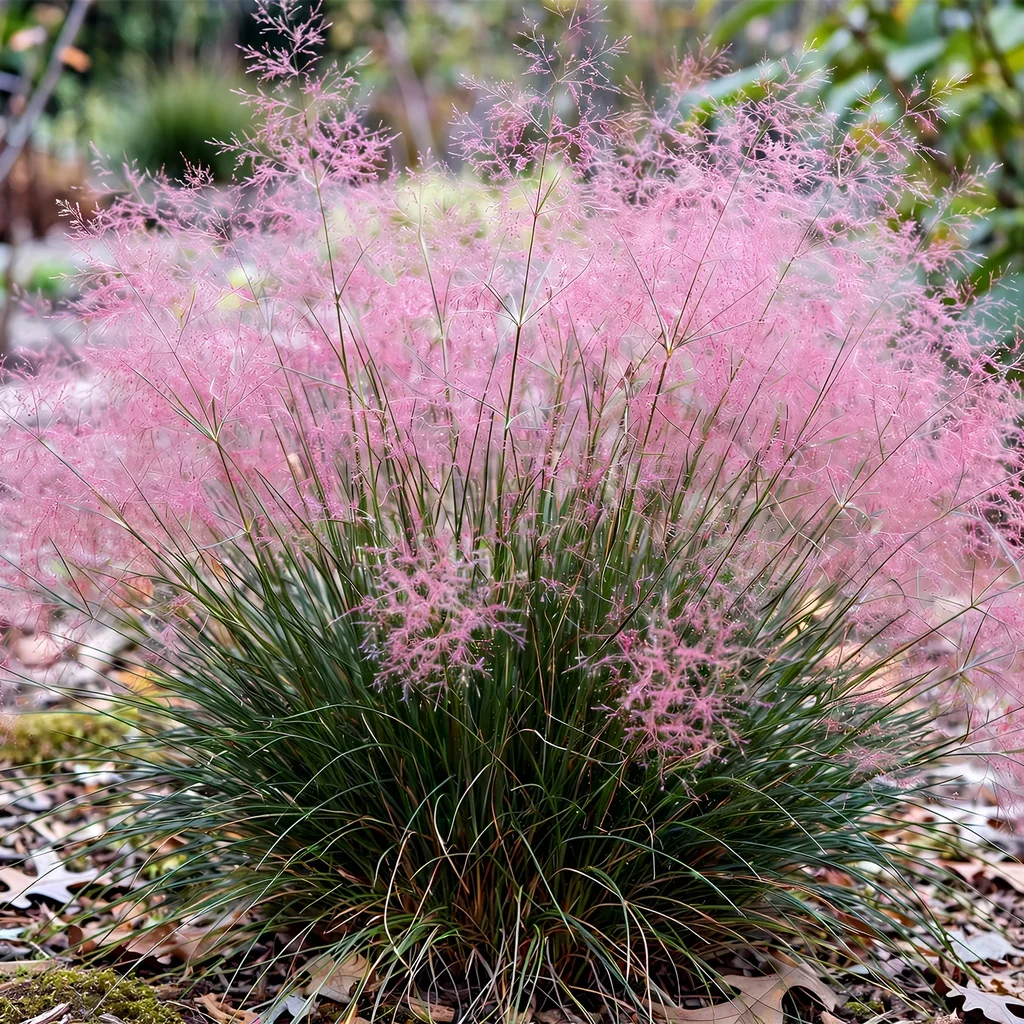
Pink Hairgrass
Muhlenbergia capillaris 'Pink Hairgrass'
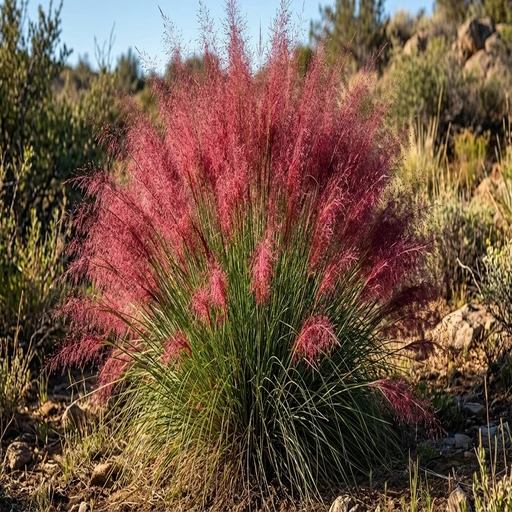
Undaunted Ruby Muhly Grass
Muhlenbergia reverchonii 'Undaunted Ruby'
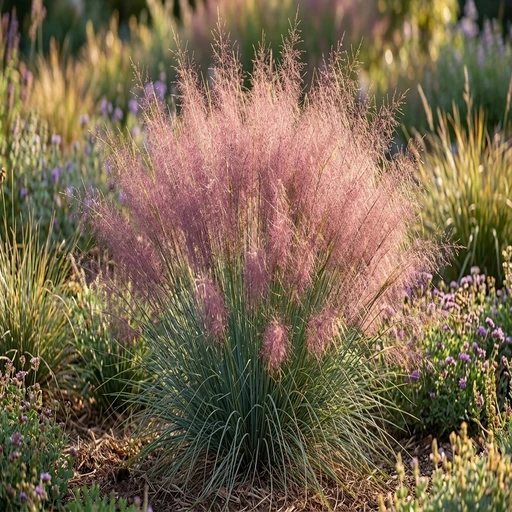
Ruby Muhly Grass
Muhlenbergia reverchonii
Keep exploring
Explore the genus
Hardy in your zone?
Grow Soft Muhly with confidence
See it in a design of your actual yard, get zone-matched care reminders, and track it season by season in your garden journal.