The Story
Plant Bio
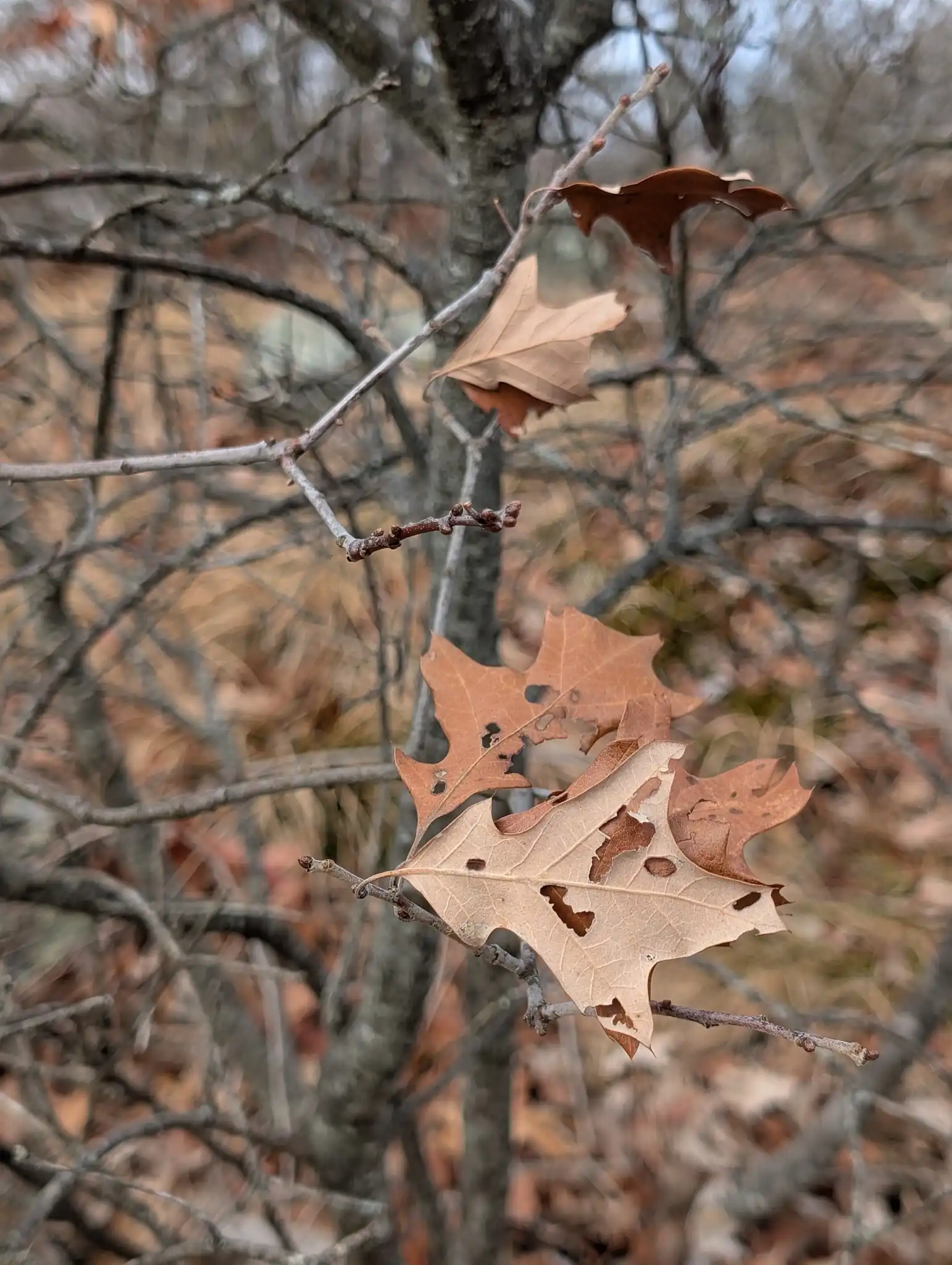
Quercus ilicifolia, commonly known as bear oak, is a deciduous multi-stemmed shrub or small contorted tree native to dry, sandy barrens and rocky ridges of eastern North America. The species is highly adapted to fire-prone ecosystems and harsh northern winters, developing an open, gnarled crown over time.
This oak is distinguished by its small, holly-like leaves with three to seven bristle-tipped lobes that turn a rich reddish-purple in the fall. The glossy dark green upper surfaces contrast with pale, densely woolly undersides, while the plant produces small, high-tannin acorns that provide critical wildlife forage.
Uses & Benefits:
Essentials
At a Glance
Plant Type
Shrub
Height
216"
Width
157"
Light
Full Sun
Zones
4, 5, 6, 7, 8
Water
Low
Humidity
Moderate to low
Lifespan
Long-lived
Native To
Eastern North America
Toxicity
Mildly toxic if ingested
Bloom period
Spring
In flower about 3 months of the year
Planting
How to Grow
- Select a planting site in full sun with exceptionally well-drained, acidic, sandy or rocky soil.
- Dig a deep planting hole to accommodate the aggressive, downward-growing taproot without bending it.
- Backfill with the native, unamended sandy soil, avoiding any organic compost or fertilizers.
- Water deeply immediately after planting to settle the soil, then transition to total neglect once established.
Pro Tip
Plant in nutrient-poor, extremely gritty sand or rocky soil in full sun, and withhold all supplemental irrigation once the deep taproot is established; fertile loams or regular watering will induce root stress and chlorosis.
Keep It Thriving
Care Guide
Do
- Grow in nutrient-poor, acidic, sandy or gravelly substrates.
- Ensure the planting site receives full, unobstructed sun.
- Prune minimally and only during the dormant winter months to prevent oak wilt transmission.
Don't
- Do not apply fertilizers or rich organic soil amendments.
- Do not plant in heavy, wet, clay, or highly fertile loam soils.
- Do not irrigate once the root system is established.
Seasonal Care Calendar
| Task | Jan | Feb | Mar | Apr | May | Jun | Jul | Aug | Sep | Oct | Nov | Dec |
|---|---|---|---|---|---|---|---|---|---|---|---|---|
| Pest Check | ||||||||||||
| Propagate | ||||||||||||
| Prune | ||||||||||||
| Winter Prep |
Watch Out For
Pests & Diseases
Common Pests
Common Diseases
In the Garden
Landscape Uses & Companions
Landscape Uses
Companion Plants
Multiply
Propagation Methods
Good to Know
Common Questions
Bear Oak questions
What zones can Bear Oak grow in?
Bear Oak is hardy in USDA Zones 4–8. Inside that range it survives winter in the ground; outside it, grow it as an annual or a container plant you protect.
Is Bear Oak deer resistant?
Not reliably. Deer may browse Bear Oak, especially tender spring growth — plan on repellents or fencing where pressure is high.
When does Bear Oak bloom?
Bear Oak typically blooms in spring through spring. Exact timing shifts a week or two with your zone — Sow's bloom calendar maps it to your garden.
Does Bear Oak need full sun?
Bear Oak does best in full sun (6+ hours).
Is Bear Oak drought tolerant?
Yes — once established (usually after the first full season), Bear Oak handles dry spells with minimal watering. Water deeply its first year to build the root system that makes that possible.
More Quercus to compare
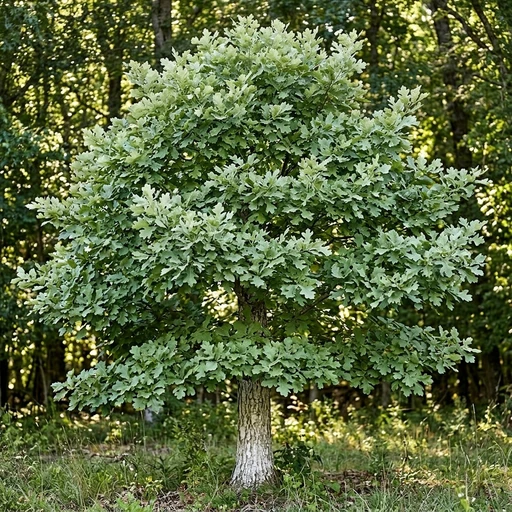
White Oak
Quercus alba
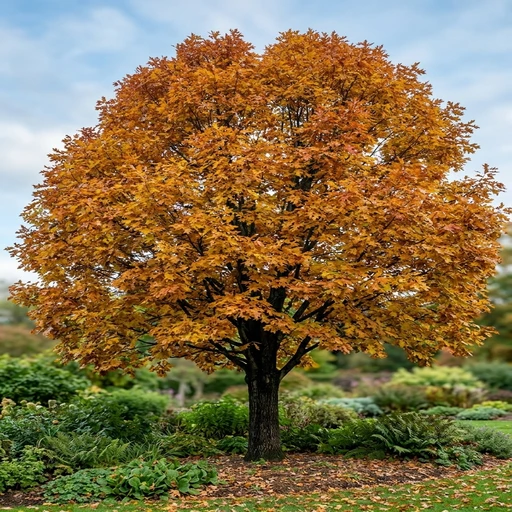
Black Oak
Quercus velutina
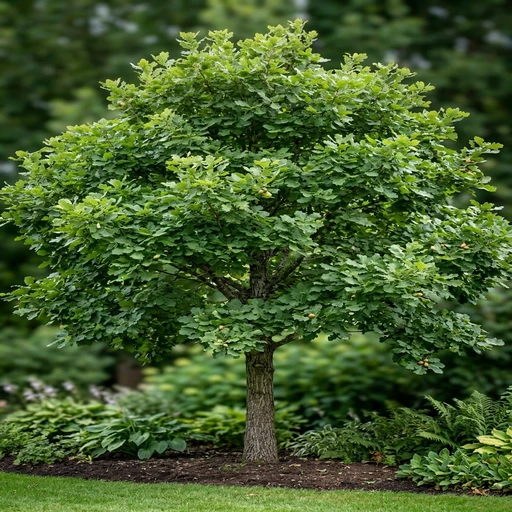
English Oak
Quercus robur
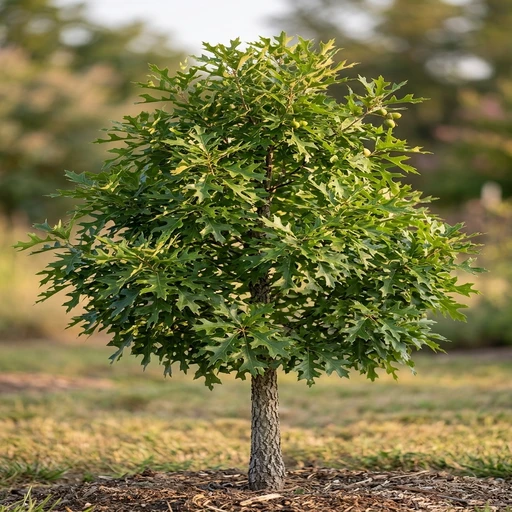
Nuttall Oak
Quercus texana
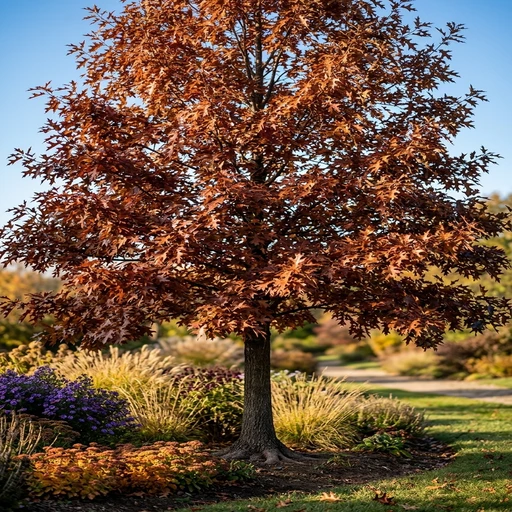
Pin Oak
Quercus palustris
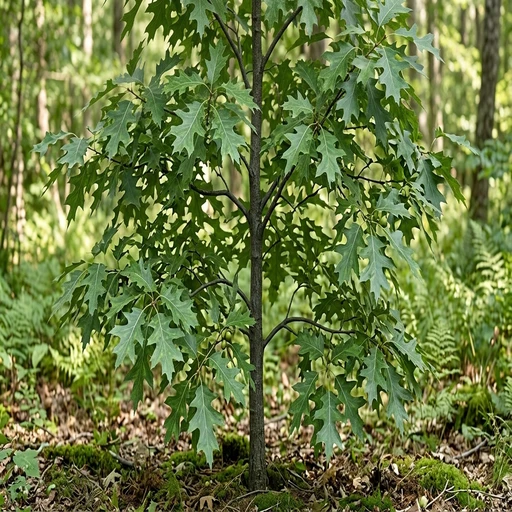
Scarlet Oak
Quercus coccinea
Keep exploring
Explore the genus
Hardy in your zone?
Grow Bear Oak with confidence
See it in a design of your actual yard, get zone-matched care reminders, and track it season by season in your garden journal.