
The Story
Plant Bio
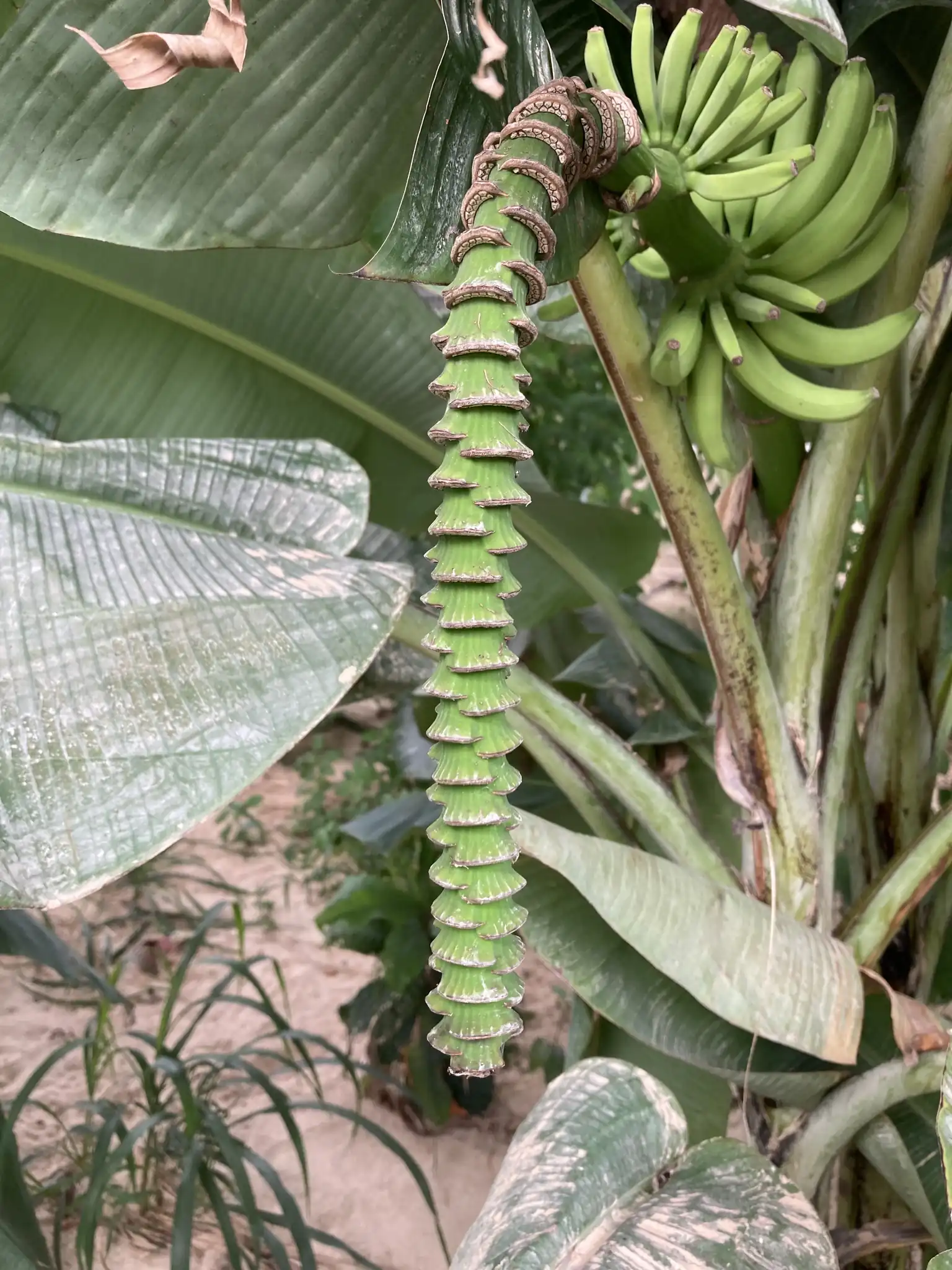
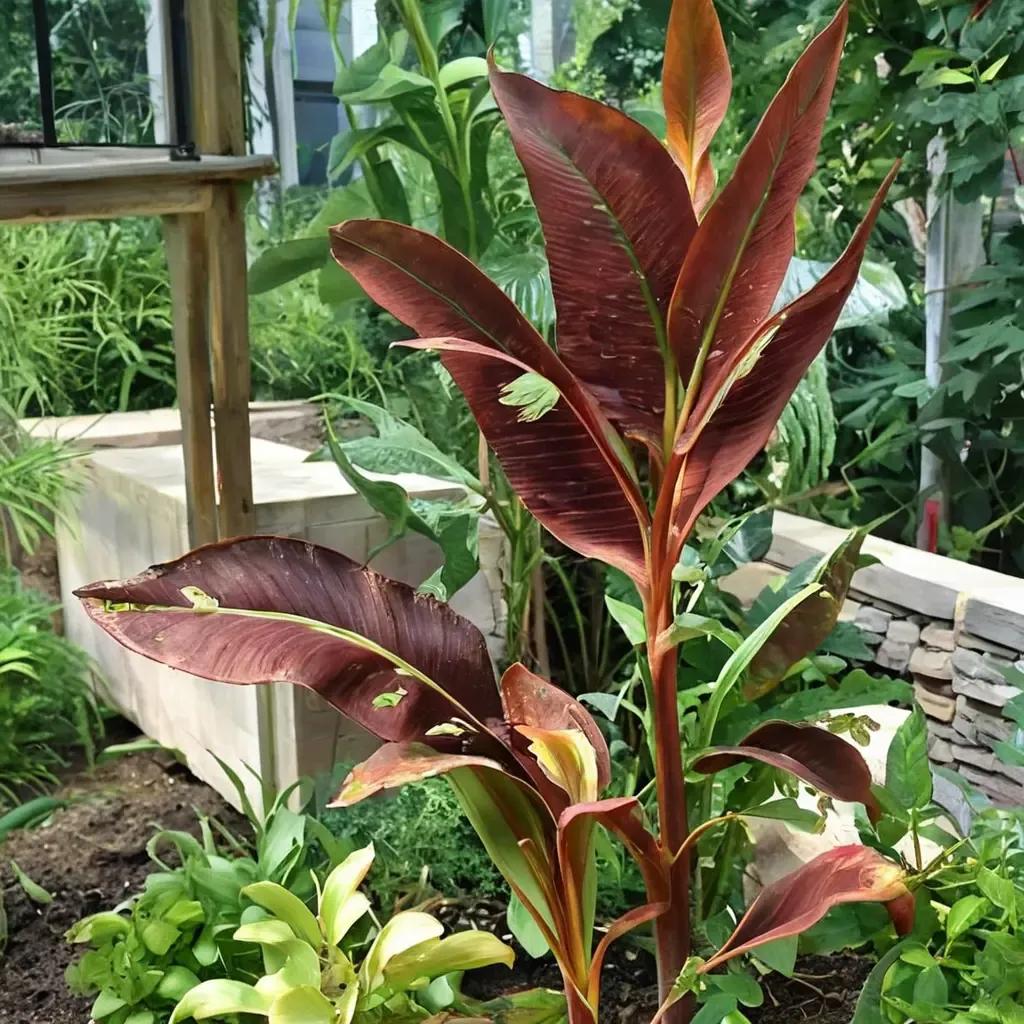
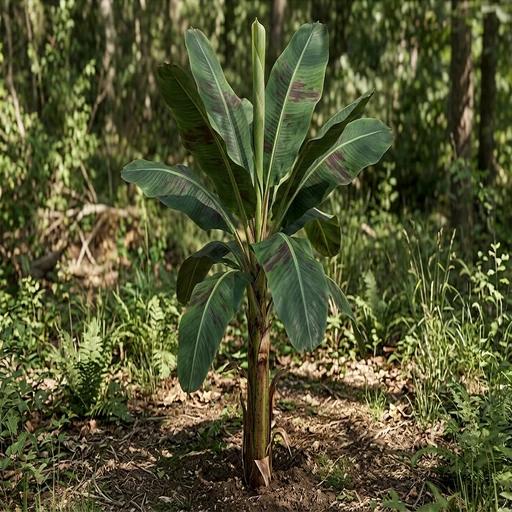
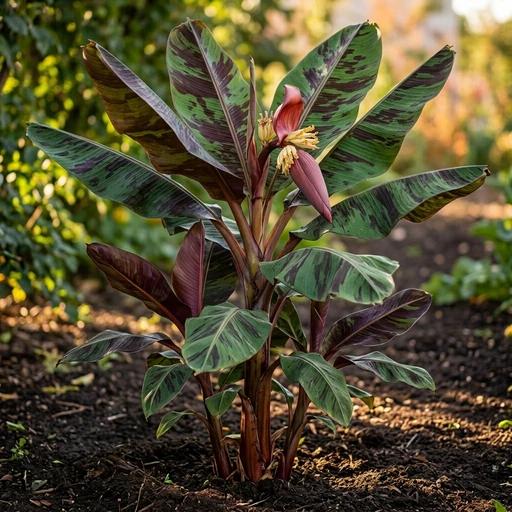
Musa acuminata is a large herbaceous perennial native to Southeast Asia, India and Indonesia, reaching twelve to twenty feet. What looks like a trunk is a pseudostem formed from overlapping leaf sheaths, carrying leaves six to ten feet long. Cream to yellow flowers emerge horizontally from the pseudostem on mature plants, followed by the familiar fruit.
Each pseudostem flowers once, fruits and then dies, with the plant continuing from suckers at the base — so cutting out the spent stem after harvest is part of normal management rather than a rescue. Almost all edible dessert bananas derive from this species, and commercial cultivars are bred seedless.
Uses & Benefits:
Essentials
At a Glance
Plant Type
Fruit Vegetable
Height
192"
Width
96"
Light
Full Sun, Partial Sun
Zones
8, 9, 10
Water
High
Humidity
High
Lifespan
Perennial
Native To
Southeast Asia, India and Indonesia
Toxicity
Non-toxic
Planting
How to Grow
- Plant in spring in rich, well-drained soil.
- Choose full sun with shelter from wind, which shreds the leaves.
- Water and feed generously through the growing season.
- Allow two to three years before flowering.
- Cut out each pseudostem after it fruits.
- Lift or heavily mulch the corm outside zone 9.
Pro Tip
Shelter it from wind above all else — the huge leaves shred into ribbons in exposed positions, which looks bad and costs the plant energy.
Keep It Thriving
Care Guide
Do
- Shelter it from wind 🌬️
- Feed and water generously in growth 💧
- Cut out spent pseudostems after fruiting ✂️
- Protect the corm below zone 9 ❄️
Don't
- Plant in an exposed windy site ❌
- Expect fruit in the first two years ❌
- Let the corm freeze ❌
Seasonal Care Calendar
| Task | Jan | Feb | Mar | Apr | May | Jun | Jul | Aug | Sep | Oct | Nov | Dec |
|---|---|---|---|---|---|---|---|---|---|---|---|---|
| Prune |
Watch Out For
Pests & Diseases
Common Pests
Common Diseases
In the Garden
Landscape Uses & Companions
Landscape Uses
Companion Plants
Multiply
Propagation Methods
Good to Know
Common Questions
Banana questions
What zones can Banana grow in?
Banana is hardy in USDA Zones 8–10. Inside that range it survives winter in the ground; outside it, grow it as an annual or a container plant you protect.
Is Banana deer resistant?
Not reliably. Deer may browse Banana, especially tender spring growth — plan on repellents or fencing where pressure is high.
When does Banana bloom?
Banana typically blooms in summer through early fall. Exact timing shifts a week or two with your zone — Sow's bloom calendar maps it to your garden.
Does Banana need full sun?
Banana does best in full sun to part shade. In hot climates, afternoon shade keeps blooms fresher longer.
More Musa to compare
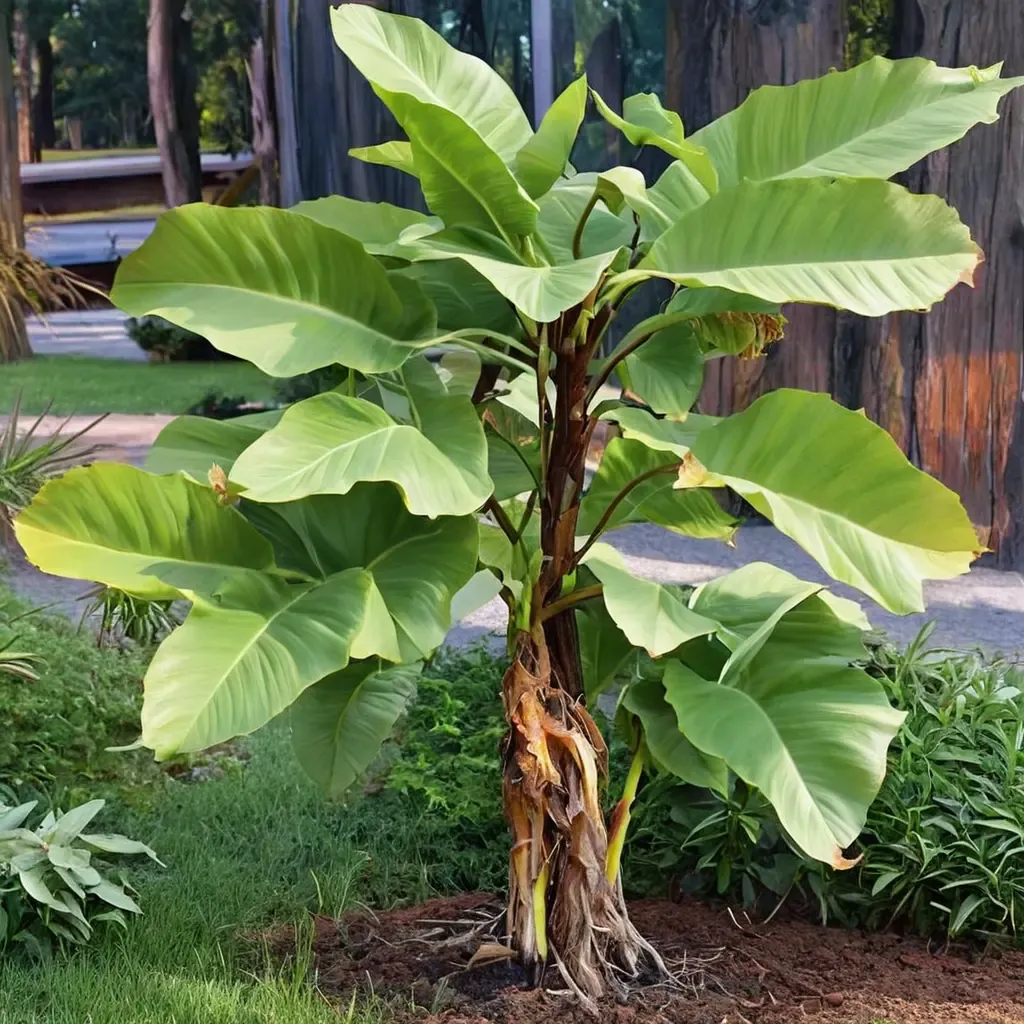
Japanese Banana
Musa basjoo
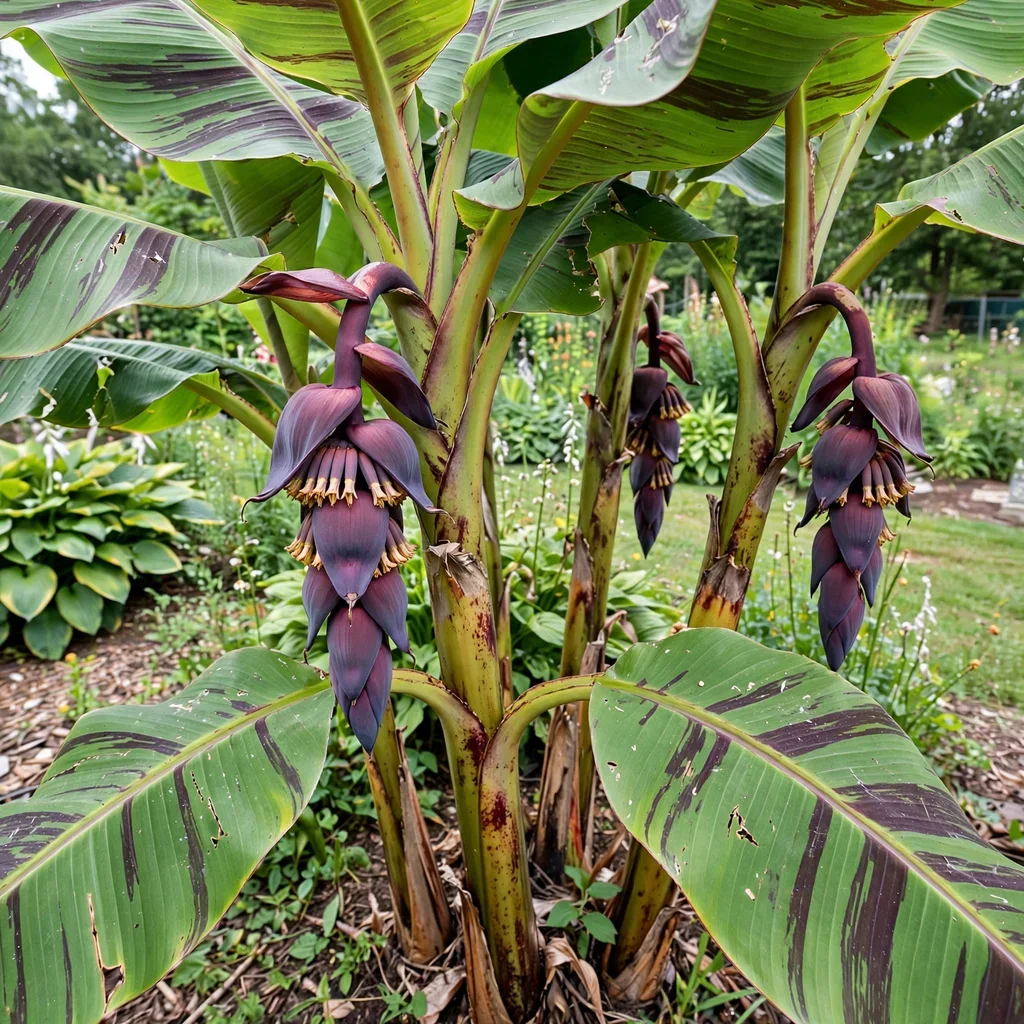
Sikkim Banana
Musa sikkimensis
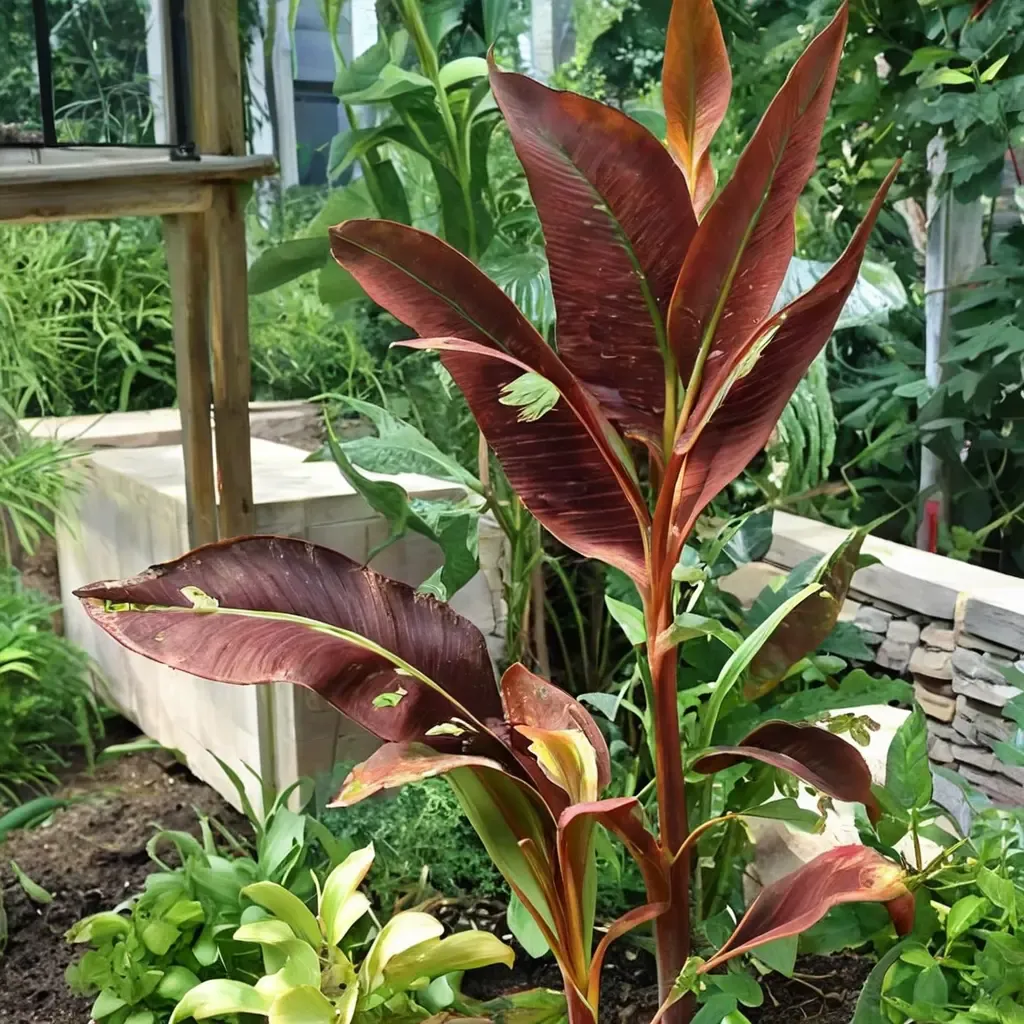
Siam Ruby Banana
Musa acuminata 'Siam Ruby'
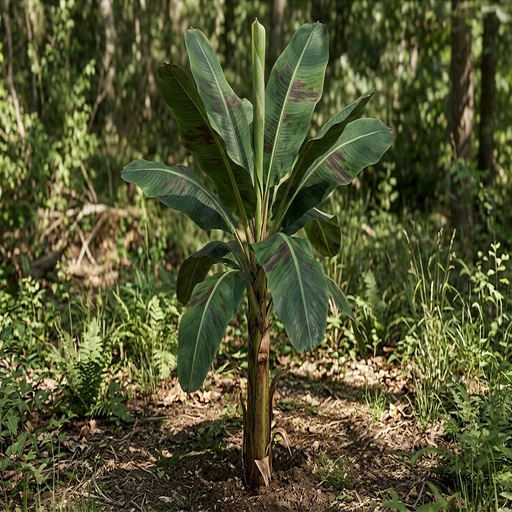
Dwarf Cavendish Banana
Musa acuminata 'Dwarf Cavendish'
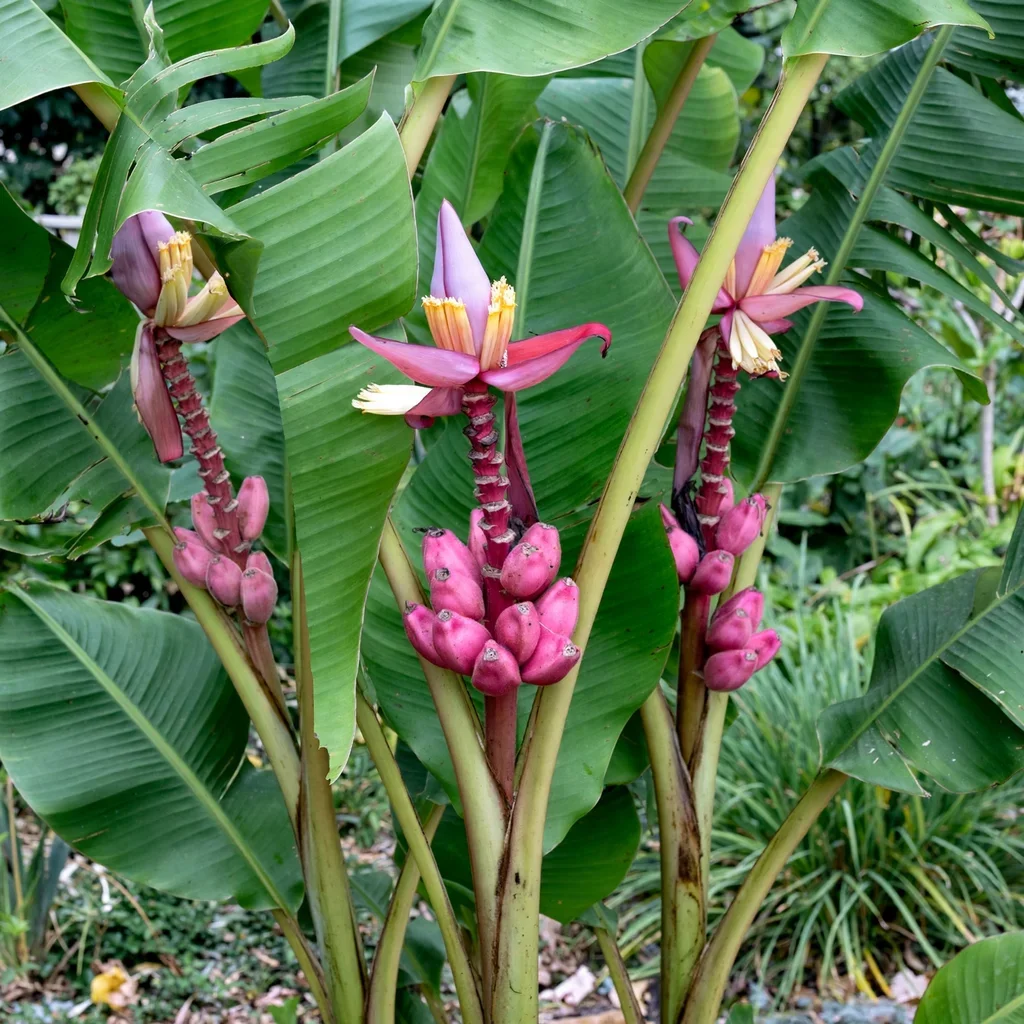
Pink Banana
Musa velutina
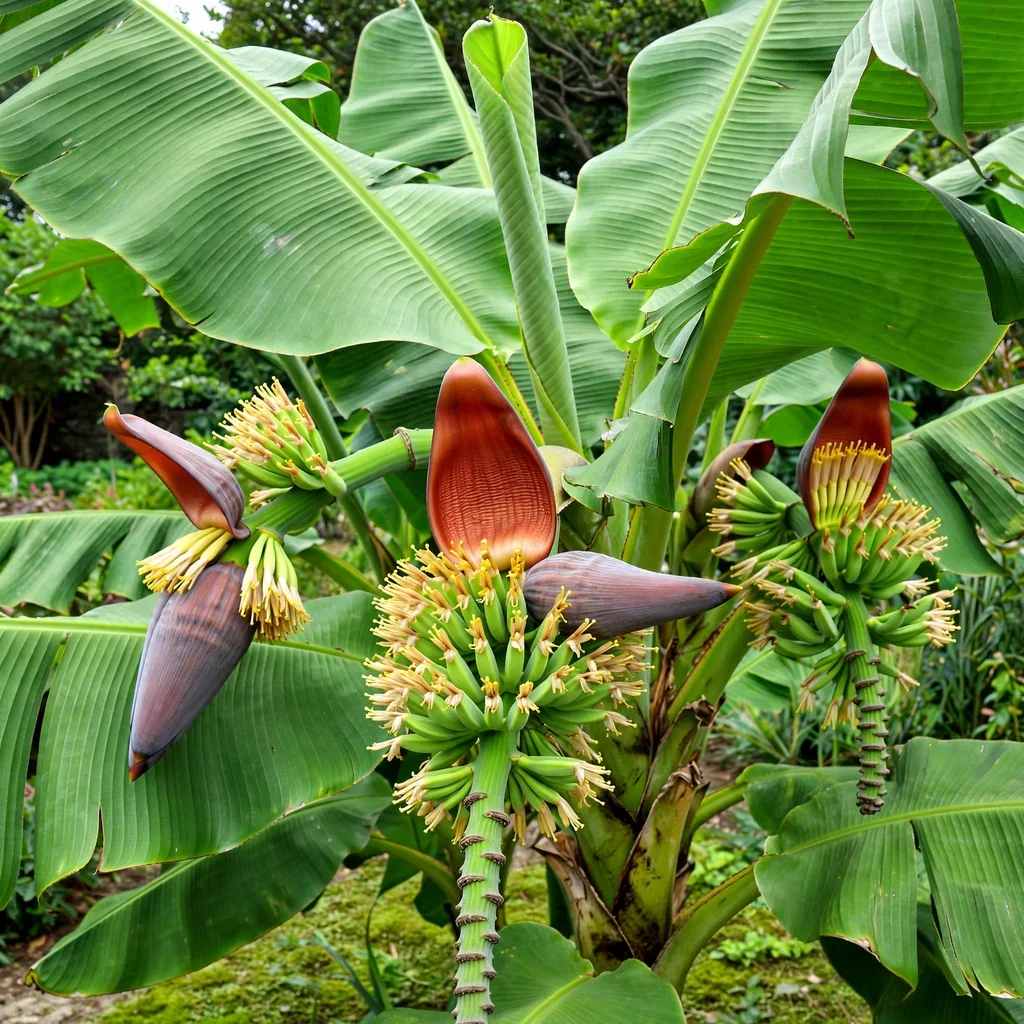
Rajapuri Banana
Musa acuminata 'Rajapuri'
Keep exploring
Explore the genus
Hardy in your zone?
Grow Banana with confidence
See it in a design of your actual yard, get zone-matched care reminders, and track it season by season in your garden journal.