The Story
Plant Bio
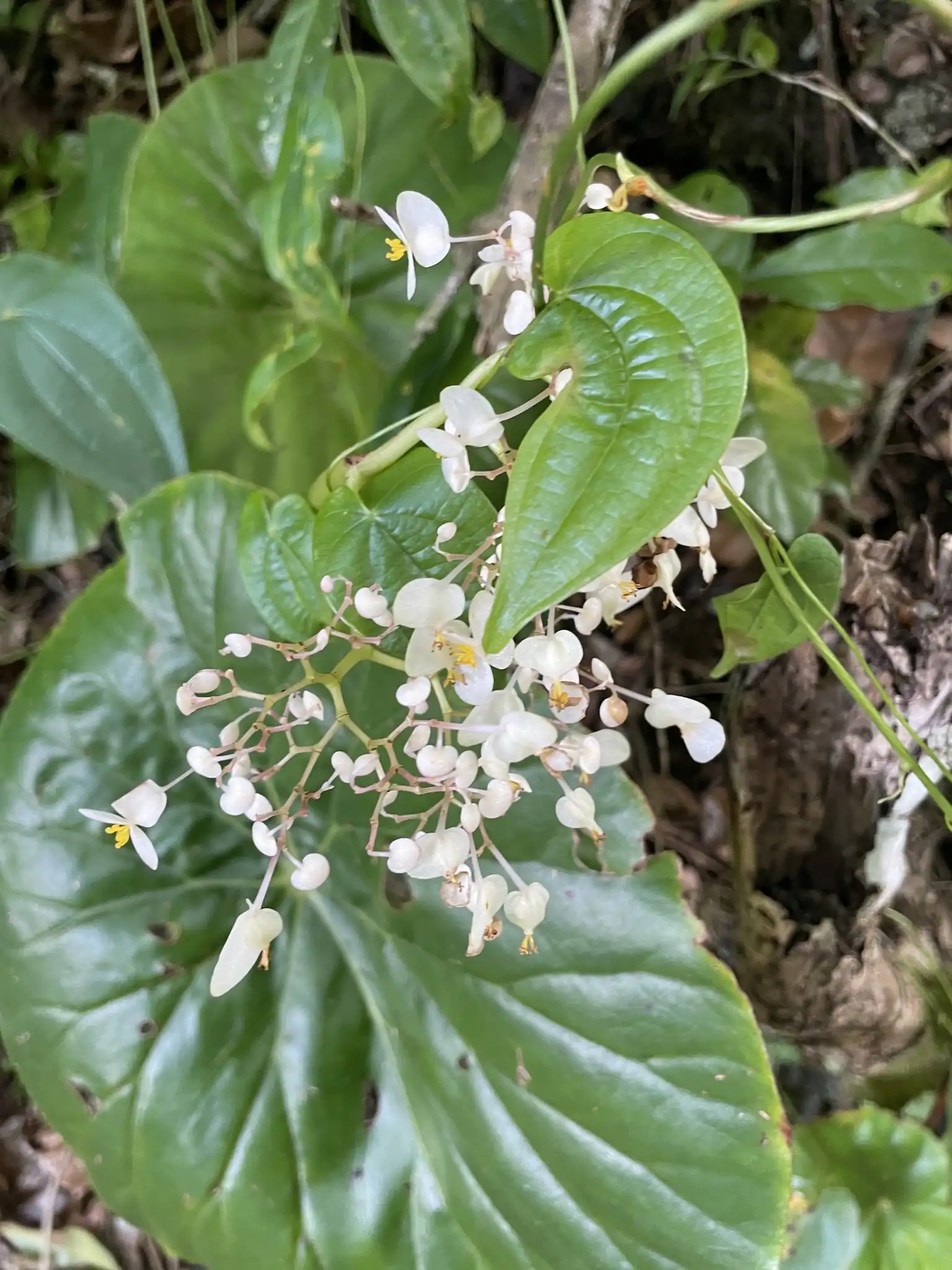
Begonia nelumbiifolia is a rhizomatous perennial herb from the moist understory of tropical forests from southern Mexico to Colombia. It forms a spreading clump from a thick creeping rhizome about 15 mm thick and holds its foliage through the year where winters stay frost-free.
What sets it apart is the lotus-like foliage: large round unlobed peltate leaves more than 20 cm across with the stalk joined near the center of the underside. In winter into spring it sends airy branched panicles of small white to pale pink flowers on slender stalks well above the leaves.
Uses & Benefits:
Essentials
At a Glance
Plant Type
Perennial
Height
18"
Width
24"
Light
Partial Sun, Shade
Zones
9, 10
Water
Evenly moist
Humidity
High
Lifespan
Perennial
Native To
Southern Mexico to Colombia
Toxicity
Toxic if ingested
Bloom period
Winter – Spring
In flower about 6 months of the year
Planting
How to Grow
- Plant in light to full shade in rich organic mix that drains freely; set the thick rhizome at or just above the soil surface.
- Water to keep soil evenly moist, never soggy; let the surface dry slightly then water deeply.
- Shelter from direct sun and frost; grow outdoors year-round only where winters stay frost-free, otherwise keep in a pot that moves indoors.
- Remove spent flower stems and old or fallen leaves to keep the clump clean and reduce disease.
Pro Tip
Give bright shade with no direct sun and even moisture that drains freely; sun scorches the leaves and soggy soil rots the rhizome.
Keep It Thriving
Care Guide
Do
- Give shade and humidity with free air movement
- Keep soil evenly moist in a draining mix
- Remove spent flowers and fallen foliage for sanitation
Don't
- Do not plant in full sun
- Do not overwater or leave in standing water
- Do not expose to frost or dump seedheads and rhizome trimmings outdoors in frost-free areas
Seasonal Care Calendar
| Task | Jan | Feb | Mar | Apr | May | Jun | Jul | Aug | Sep | Oct | Nov | Dec |
|---|---|---|---|---|---|---|---|---|---|---|---|---|
| Mulch | ||||||||||||
| Pest Check | ||||||||||||
| Propagate | ||||||||||||
| Prune | ||||||||||||
| Winter Prep |
Watch Out For
Pests & Diseases
Common Pests
Common Diseases
In the Garden
Landscape Uses & Companions
Landscape Uses
Multiply
Propagation Methods
Good to Know
Common Questions
Lilypad Begonia questions
What zones can Lilypad Begonia grow in?
Lilypad Begonia is hardy in USDA Zones 9–10: in that range it survives winter in the ground. Colder than Zone 9, grow it in a container you can move to shelter for the winter, or as an annual.
When does Lilypad Begonia bloom?
Lilypad Begonia typically blooms from winter to spring. Exact timing shifts a week or two with your zone — Sow's bloom calendar maps it to your garden.
Does Lilypad Begonia need full sun?
Lilypad Begonia does best in part shade.
More Begonia to compare
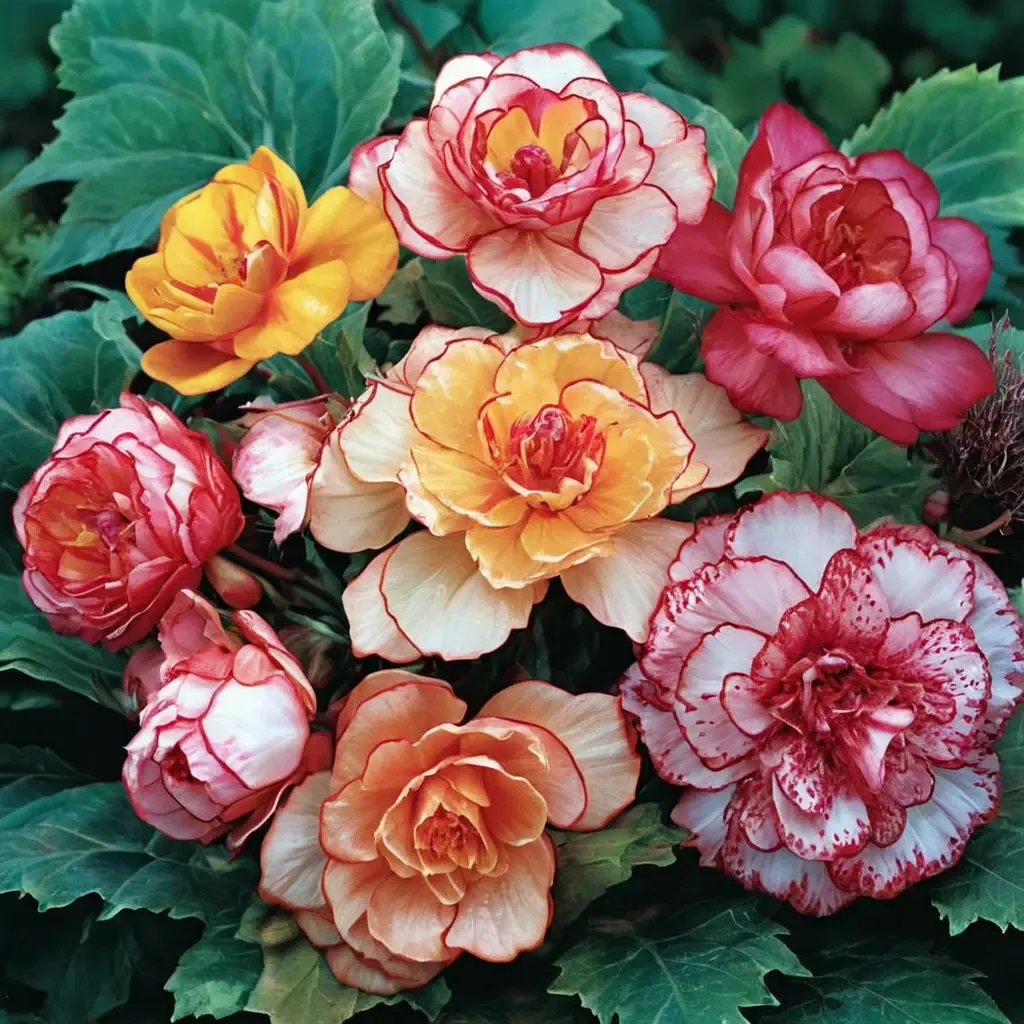
Picotee Tuberous Begonia
Begonia x tuberhybrida 'Picotee Mix'
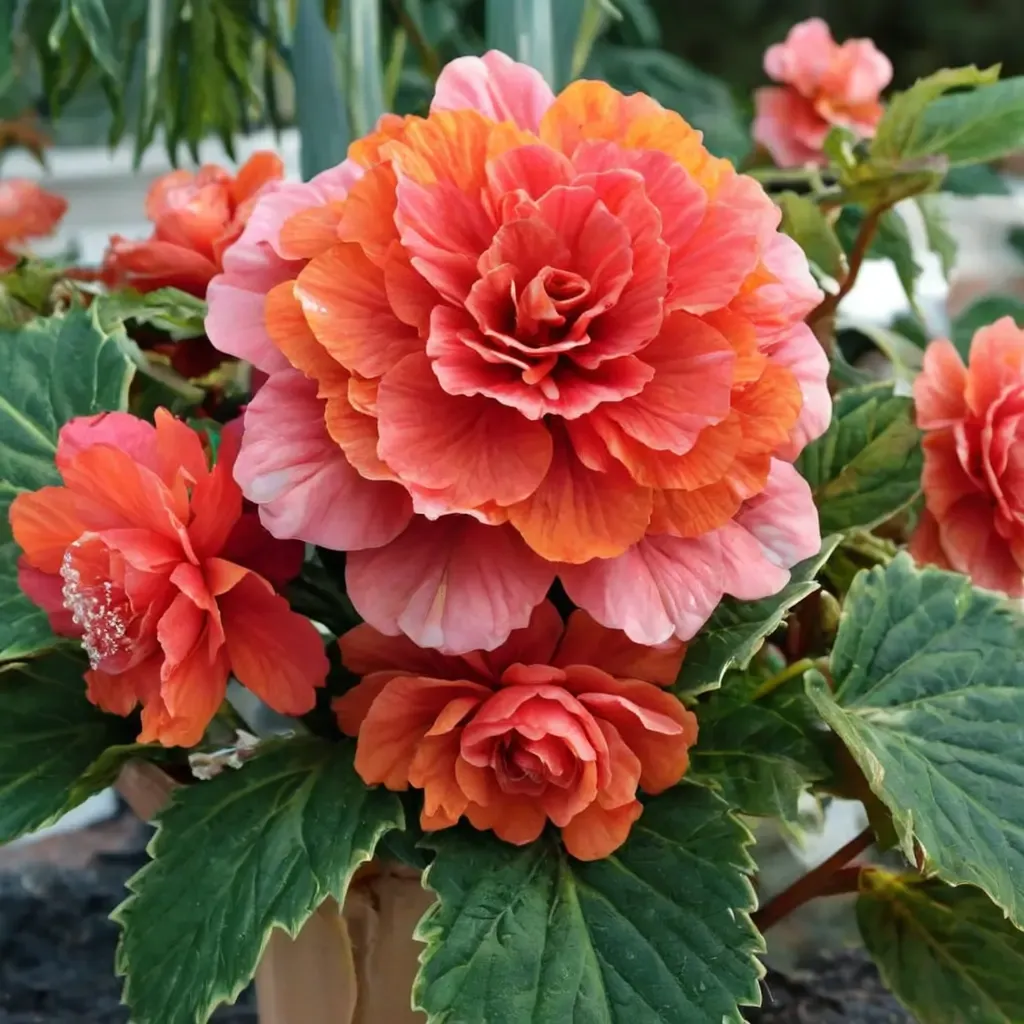
Hardy Begonia
Begonia x tuberhybrida 'Hardy Begonia'
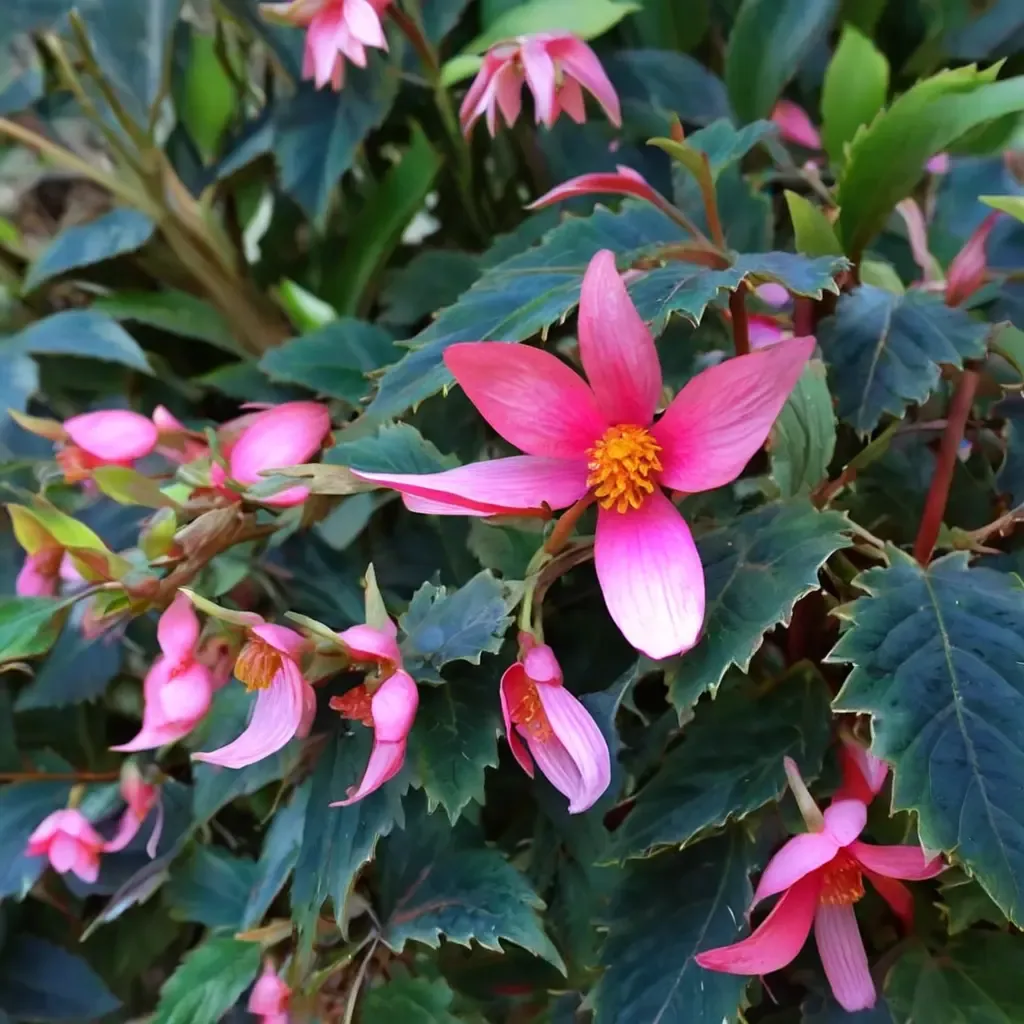
Mistral Pink Begonia
Begonia x hybrida 'Mistral Pink'
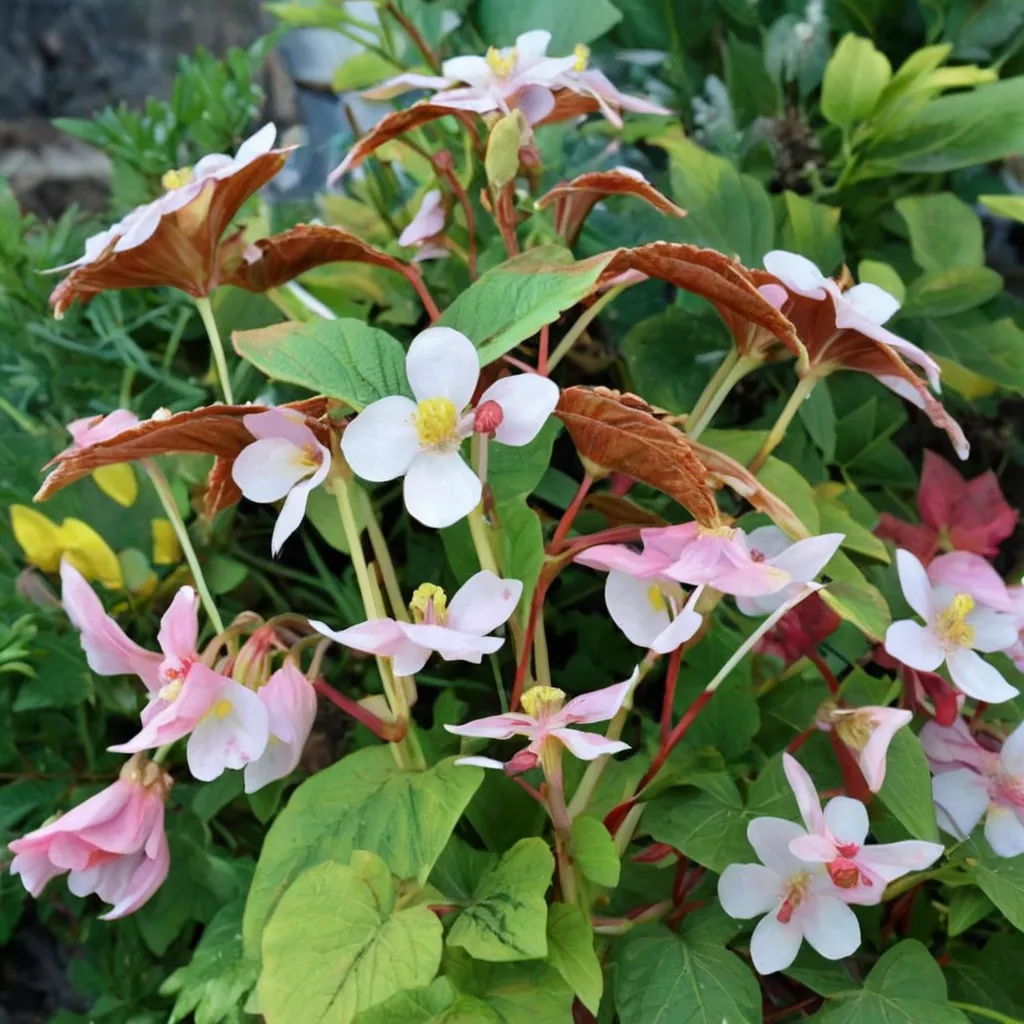
Wildwood Purity Begonia
Begonia grandis 'Wildwood Purity'
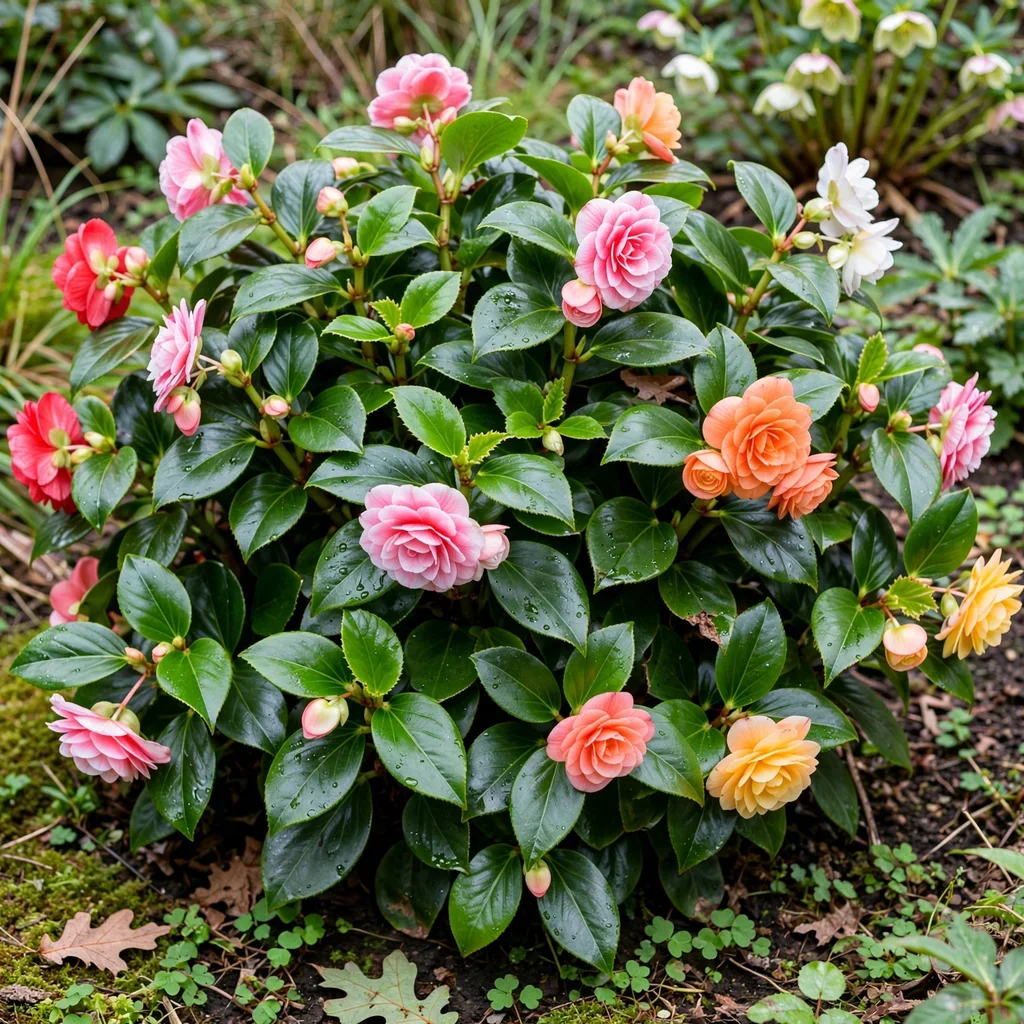
Rieger Begonia
Begonia x hiemalis 'Giant Camellia Mix'
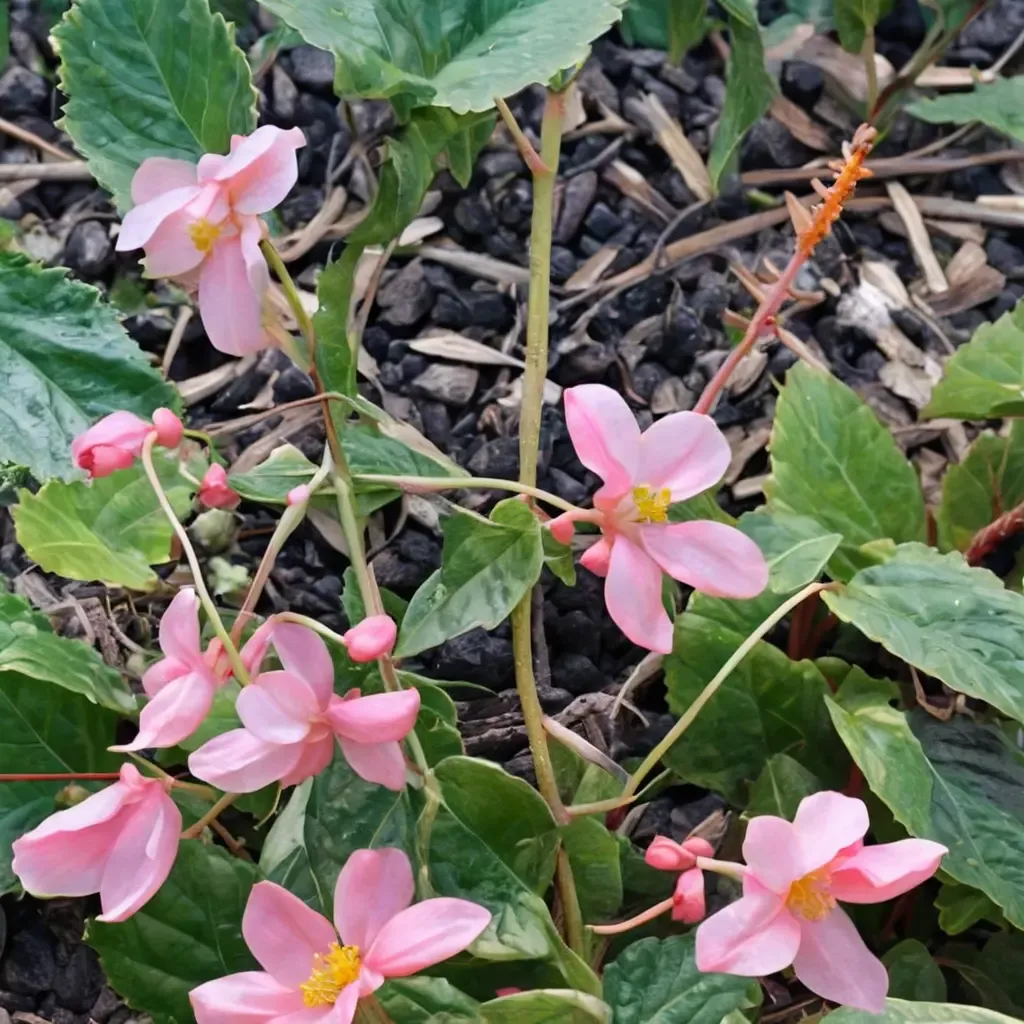
Smooch Begonia
Begonia x tuberhybrida 'Smooch'
Keep exploring
Explore the genus
Hardy in your zone?
Grow Lilypad Begonia with confidence
See it in a design of your actual yard, get zone-matched care reminders, and track it season by season in your garden journal.