The Story
Plant Bio
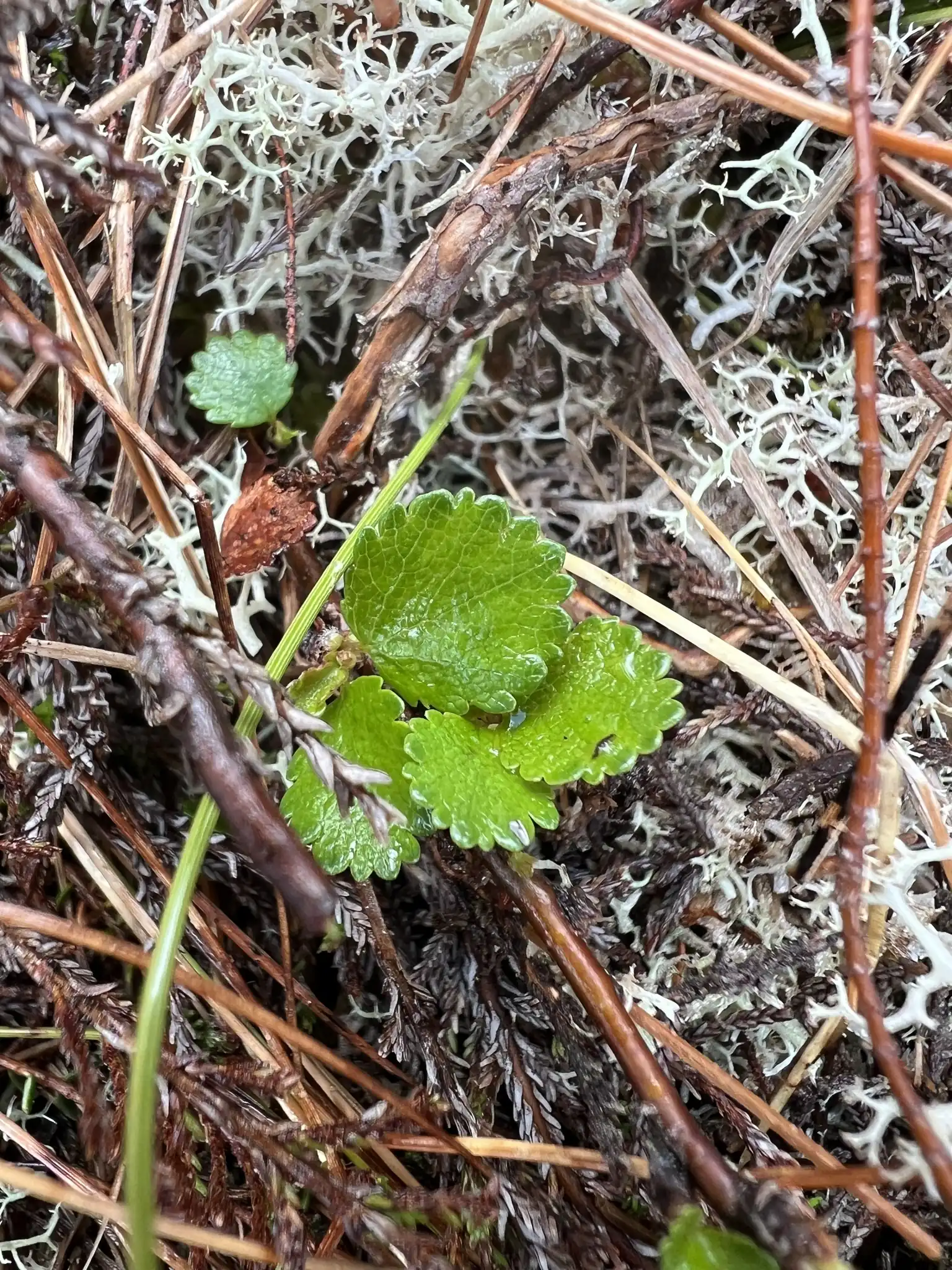
Betula nana, commonly known as dwarf birch, is a low-growing deciduous shrub native to subarctic and alpine regions of North America, Europe, and Asia. It forms spreading, multi-stemmed mats with small, rounded, glossy green leaves that turn brilliant yellow and orange-red in fall.
Unlike tree-form birches, this slow-growing arctic species tops out under four feet tall and thrives in waterlogged, acidic bog soils. Its small, crenate foliage and subtle spring catkins make it a unique choice for cold-climate rock gardens and wet naturalistic sites.
Uses & Benefits:
Essentials
At a Glance
Plant Type
Shrub
Height
47"
Width
59"
Light
Full Sun, Partial Sun
Zones
4, 5, 6
Water
High
Humidity
Moderate
Lifespan
Perennial
Native To
North America, Europe, Asia
Toxicity
Non-toxic
Bloom period
Spring
In flower about 3 months of the year
Planting
How to Grow
- Select a site receiving full sun to partial shade with naturally moist, acidic soil.
- Work organic peat moss or leaf mold into the soil to improve moisture retention and lower pH.
- Dig a planting hole twice as wide as the root ball and set the plant at its original depth.
- Water thoroughly after planting and apply a 2- to 3-inch layer of organic mulch over the root zone.
- Keep soil consistently moist throughout the growing season, especially during hot spells.
Pro Tip
Maintain consistent soil moisture and a cool root run; allowing the soil to dry out completely triggers rapid leaf drop, heat stress, and spider mite infestations.
Keep It Thriving
Care Guide
Do
- Keep soil consistently damp to mimic natural bog microclimates.
- Provide full sun to partial shade in cool northern regions.
- Mulch heavily around roots to maintain cool soil temperatures.
Don't
- Do not allow the root zone to dry out completely.
- Do not prune aggressively into old, leafless wood.
- Do not attempt to grow in high-pH or alkaline soils.
Seasonal Care Calendar
| Task | Jan | Feb | Mar | Apr | May | Jun | Jul | Aug | Sep | Oct | Nov | Dec |
|---|---|---|---|---|---|---|---|---|---|---|---|---|
| Fertilize | ||||||||||||
| Mulch | ||||||||||||
| Pest Check | ||||||||||||
| Prune | ||||||||||||
| Spring Cleanup |
Watch Out For
Pests & Diseases
Common Pests
Common Diseases
In the Garden
Landscape Uses & Companions
Landscape Uses
Companion Plants
Multiply
Propagation Methods
Good to Know
Common Questions
Dwarf Birch questions
What zones can Dwarf Birch grow in?
Dwarf Birch is hardy in USDA Zones 4–6. Inside that range it survives winter in the ground; outside it, grow it as an annual or a container plant you protect.
Is Dwarf Birch deer resistant?
Not reliably. Deer may browse Dwarf Birch, especially tender spring growth — plan on repellents or fencing where pressure is high.
When does Dwarf Birch bloom?
Dwarf Birch typically blooms in spring through spring. Exact timing shifts a week or two with your zone — Sow's bloom calendar maps it to your garden.
Does Dwarf Birch need full sun?
Dwarf Birch does best in full sun to part shade. In hot climates, afternoon shade keeps blooms fresher longer.
More Betula to compare
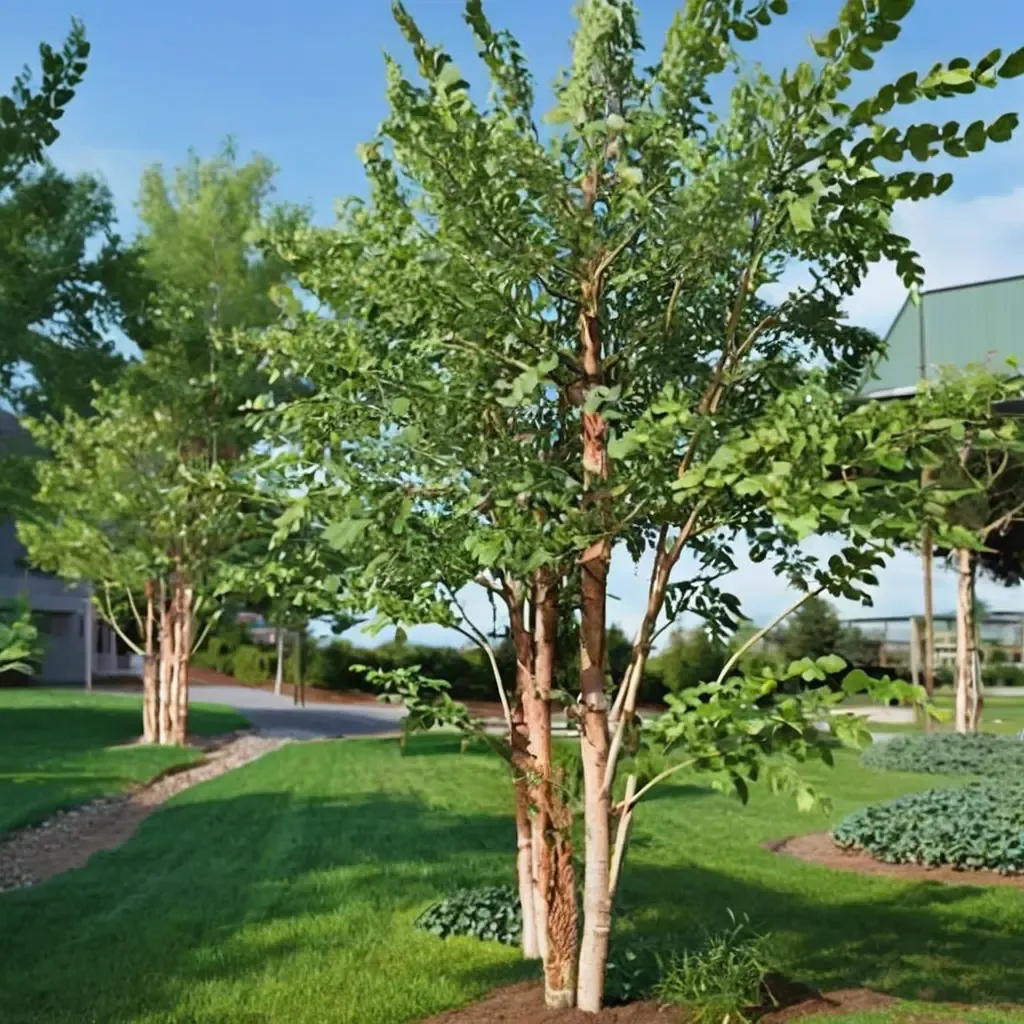
River Birch
Betula nigra
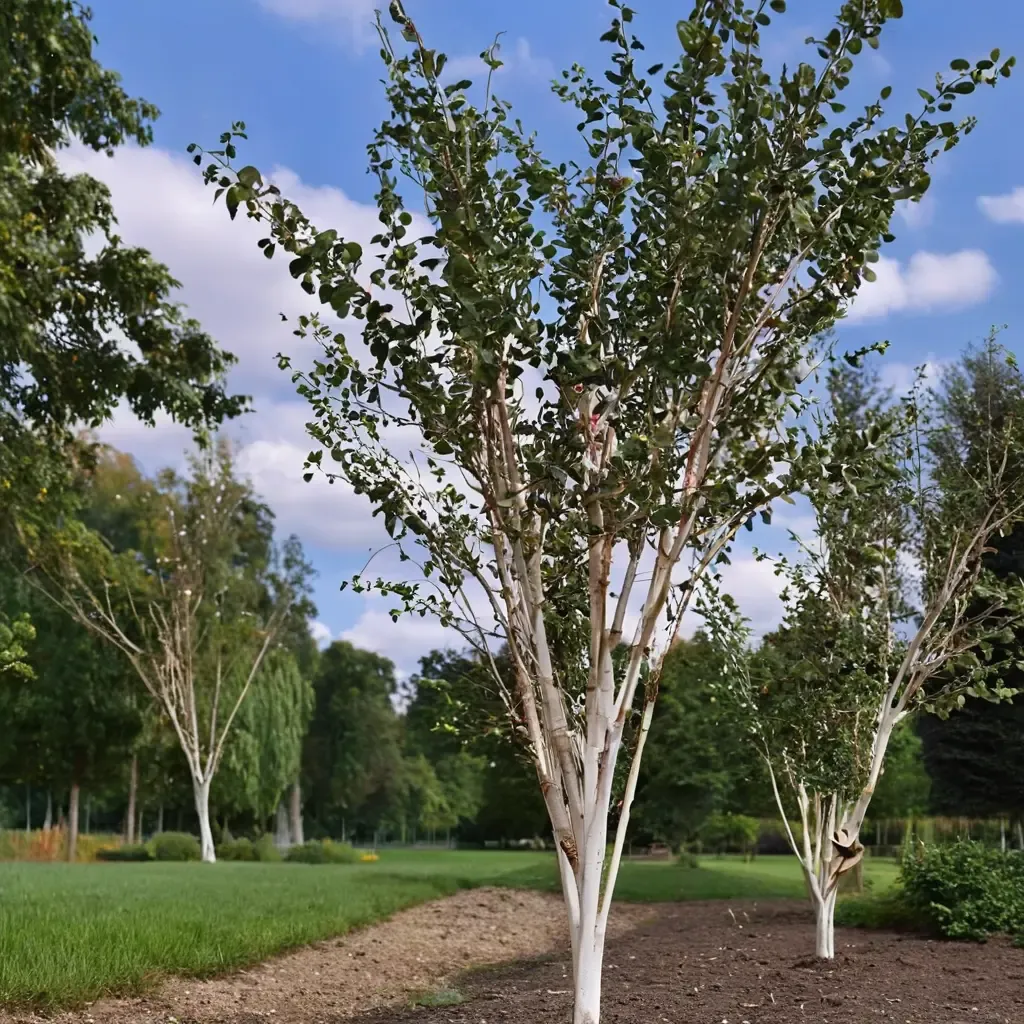
Himalayan Birch
Betula utilis
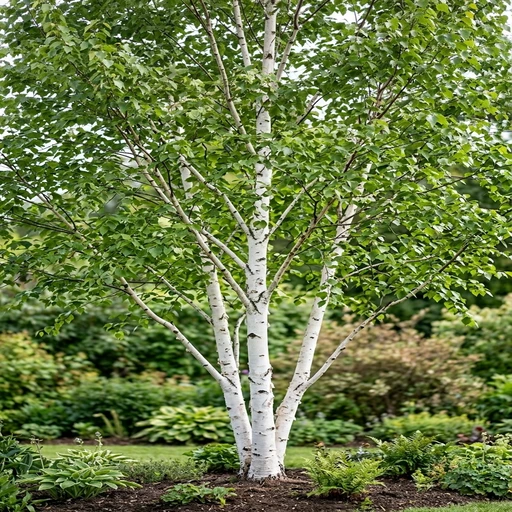
Paper Birch
Betula papyrifera
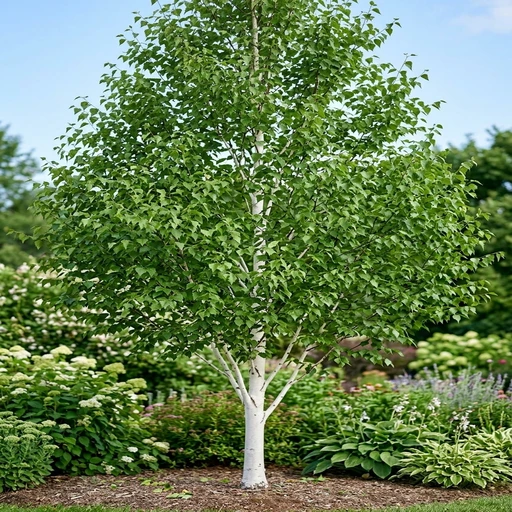
Whitespire Birch
Betula platyphylla 'Whitespire'
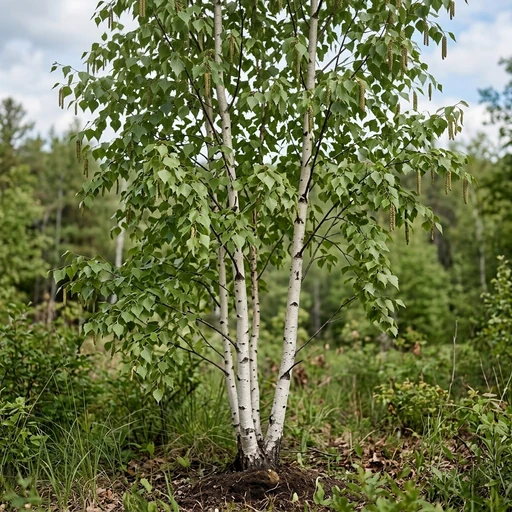
Gray Birch
Betula populifolia
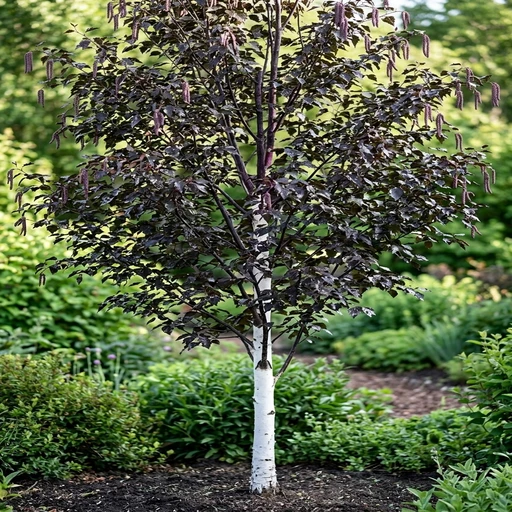
Birch
Betula x hybrida 'Royal Frost'
Keep exploring
Explore the genus
Hardy in your zone?
Grow Dwarf Birch with confidence
See it in a design of your actual yard, get zone-matched care reminders, and track it season by season in your garden journal.