The Story
Plant Bio
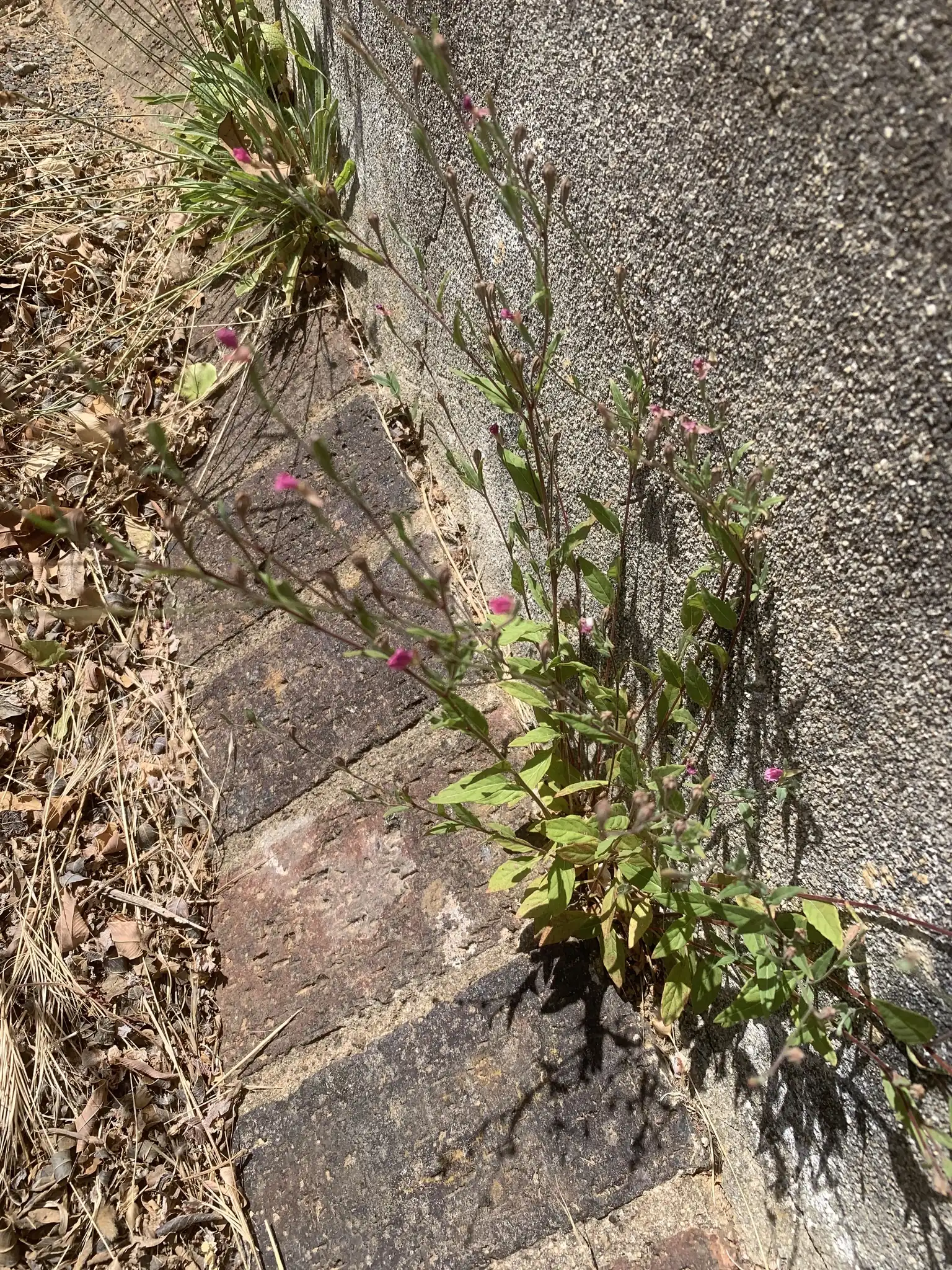
Oenothera rosea is an upright perennial subshrub native from Southern California and Texas through Central and South America, growing 8 to 24 inches tall. It forms slender, sparsely branched stems from a woody base and bears bright purplish-rose to deep pink flowers continuously from spring into fall.
The species is distinguished by its nodding flower buds before bloom and compact four-petaled flowers held singly in the leaf axils. Its woody caudex provides high drought tolerance once established in lean, well-draining soils.
Uses & Benefits:
Essentials
At a Glance
Plant Type
Perennial
Height
24"
Width
18"
Light
Full Sun
Zones
8, 9, 10
Water
Low
Humidity
Low to Moderate
Lifespan
Perennial
Native To
North and South America
Toxicity
Non-toxic
Bloom period
Spring – Fall
In flower about 9 months of the year
Planting
How to Grow
- Select a site in full sun with high drainage, such as a rock garden or gravel bed.
- Plant at the same stem depth as the nursery container, setting the crown slightly above level to prevent water accumulating.
- Water thoroughly at planting, then restrict irrigation to periods of severe dry weather once roots are established.
- Cut spent flower stems back by half in late summer to encourage fresh top growth.
Pro Tip
Lightly trim spent flowering stems after the main flush to maintain a tidy frame, taking care never to cut back into the old, leafless woody base.
Keep It Thriving
Care Guide
Do
- Provide unamended, gritty, or sandy soil to guarantee sharp drainage.
- Expose to full sun for compact growth and abundant flower production.
- Trim lightly after peak flowering to tidy the upright habit.
Don't
- Do not over-water or allow soil to remain waterlogged, which triggers crown rot.
- Do not apply heavy fertilizers, as rich soils cause floppy, short-lived growth.
- Do not shear severely into old bare wood near the base.
Seasonal Care Calendar
| Task | Jan | Feb | Mar | Apr | May | Jun | Jul | Aug | Sep | Oct | Nov | Dec |
|---|---|---|---|---|---|---|---|---|---|---|---|---|
| Pest Check | ||||||||||||
| Plant | ||||||||||||
| Prune | ||||||||||||
| Spring Cleanup |
Watch Out For
Pests & Diseases
Common Pests
Common Diseases
In the Garden
Landscape Uses & Companions
Landscape Uses
Companion Plants
Multiply
Propagation Methods
Good to Know
Common Questions
Rose Evening Primrose questions
What zones can Rose Evening Primrose grow in?
Rose Evening Primrose is hardy in USDA Zones 8–10: in that range it survives winter in the ground. Colder than Zone 8, grow it in a container you can move to shelter for the winter, or as an annual.
When does Rose Evening Primrose bloom?
Rose Evening Primrose typically blooms from spring to fall. Exact timing shifts a week or two with your zone — Sow's bloom calendar maps it to your garden.
Does Rose Evening Primrose need full sun?
Rose Evening Primrose does best in full sun (6+ hours).
Is Rose Evening Primrose drought tolerant?
Yes — once established (usually after the first full season), Rose Evening Primrose handles dry spells with minimal watering. Water deeply its first year to build the root system that makes that possible.
More Oenothera to compare
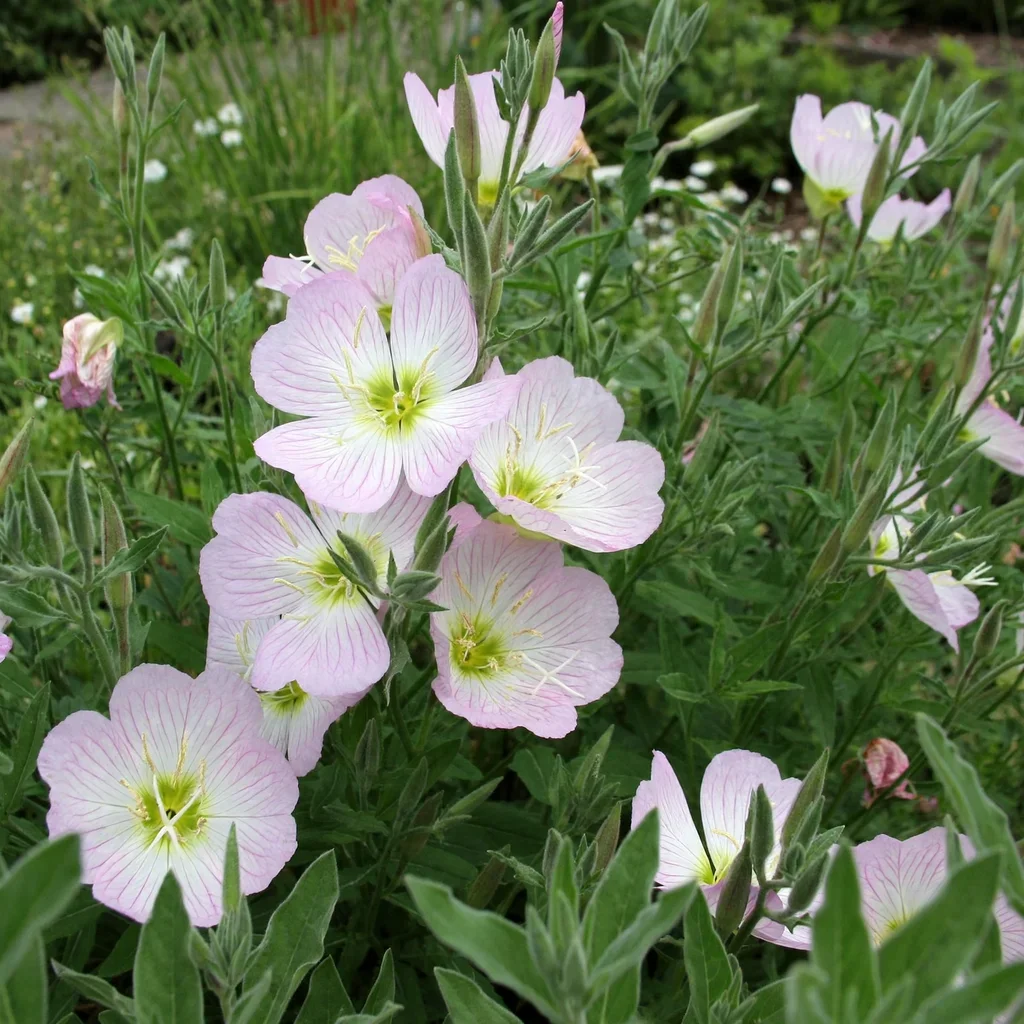
Pink Evening Primrose
Oenothera speciosa
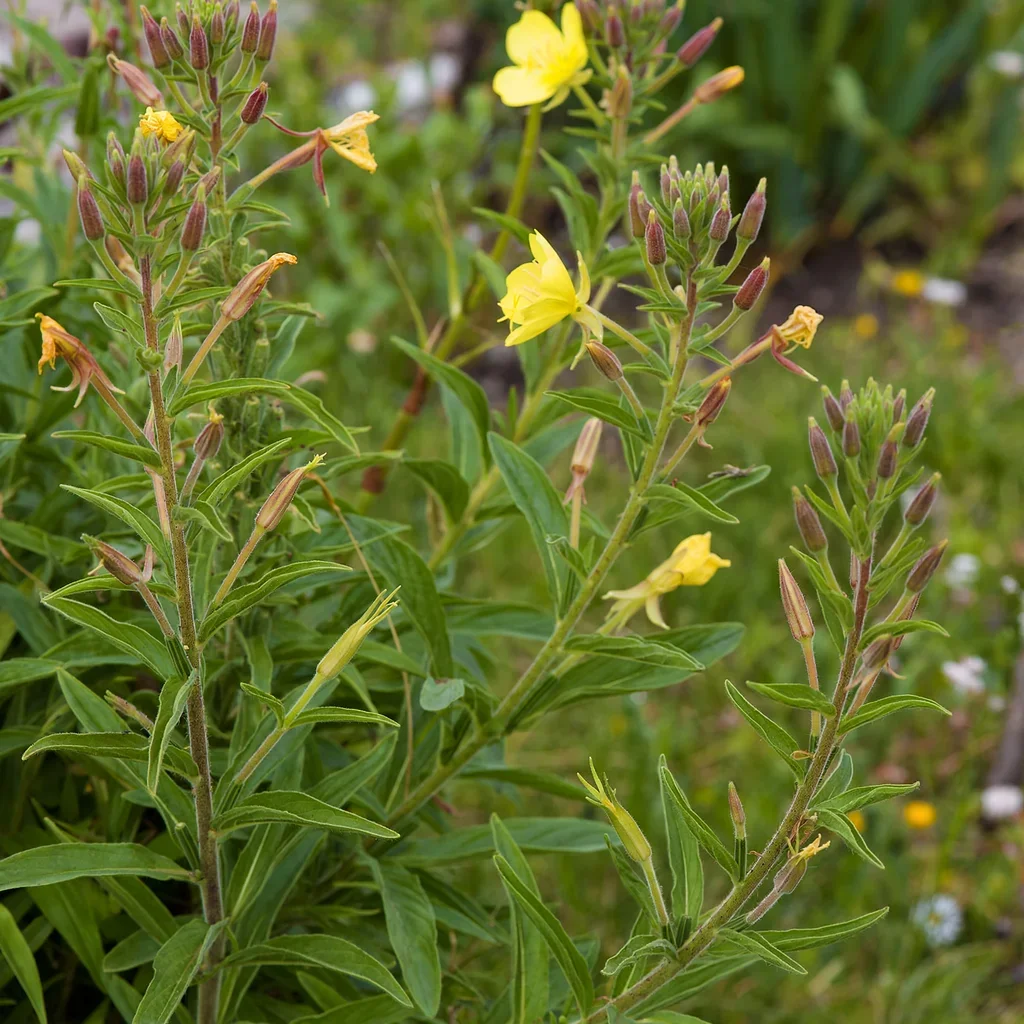
Evening Primrose
Oenothera biennis
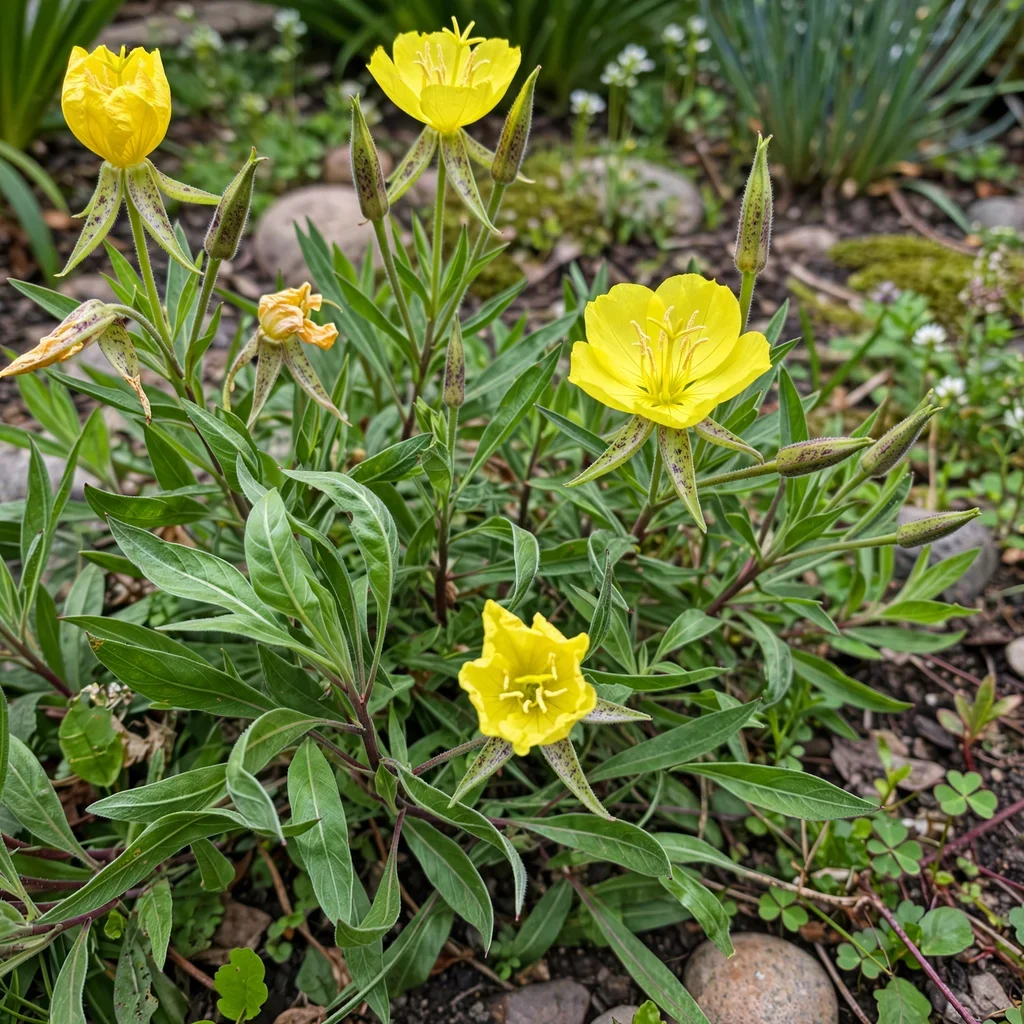
Missouri Evening Primrose Giant Evening Primrose
Oenothera macrocarpa
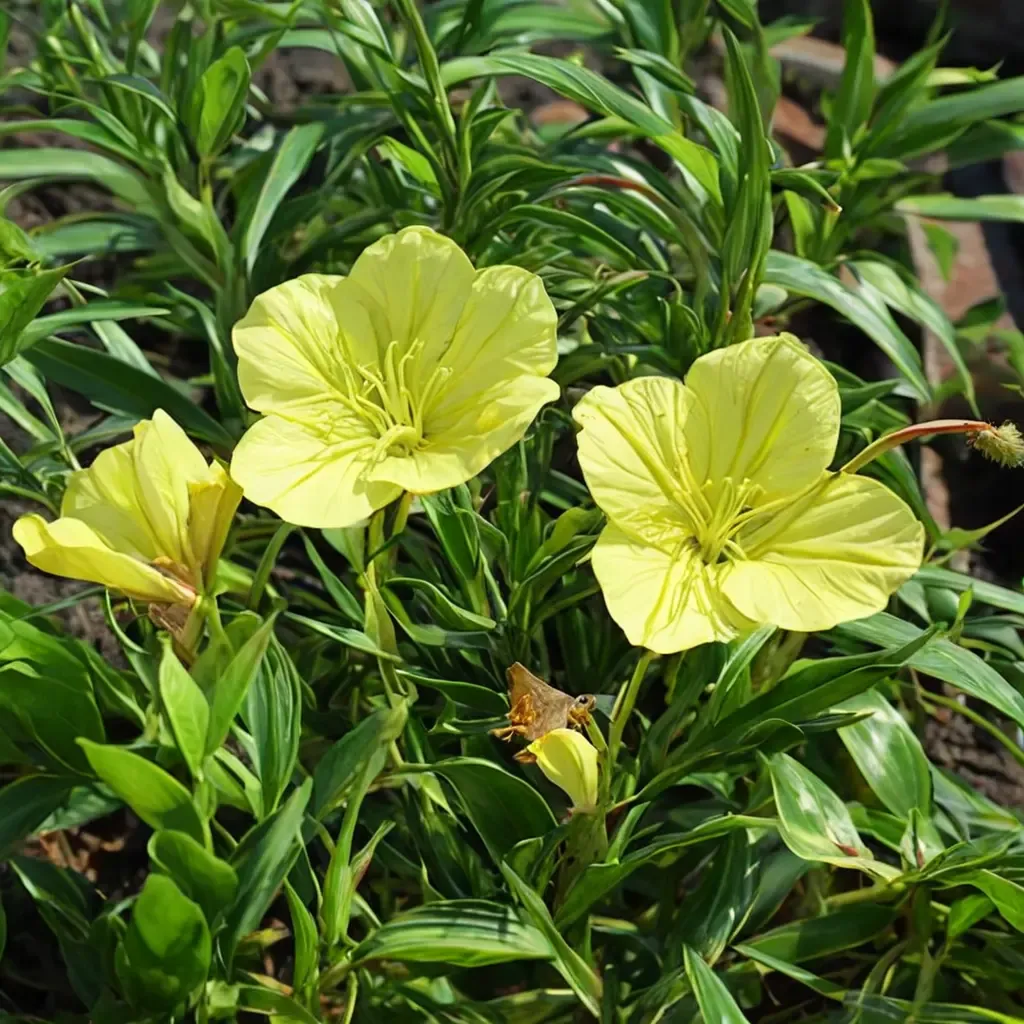
Ozark Sundrop
Oenothera missouriensis 'Ozark Sundrop'
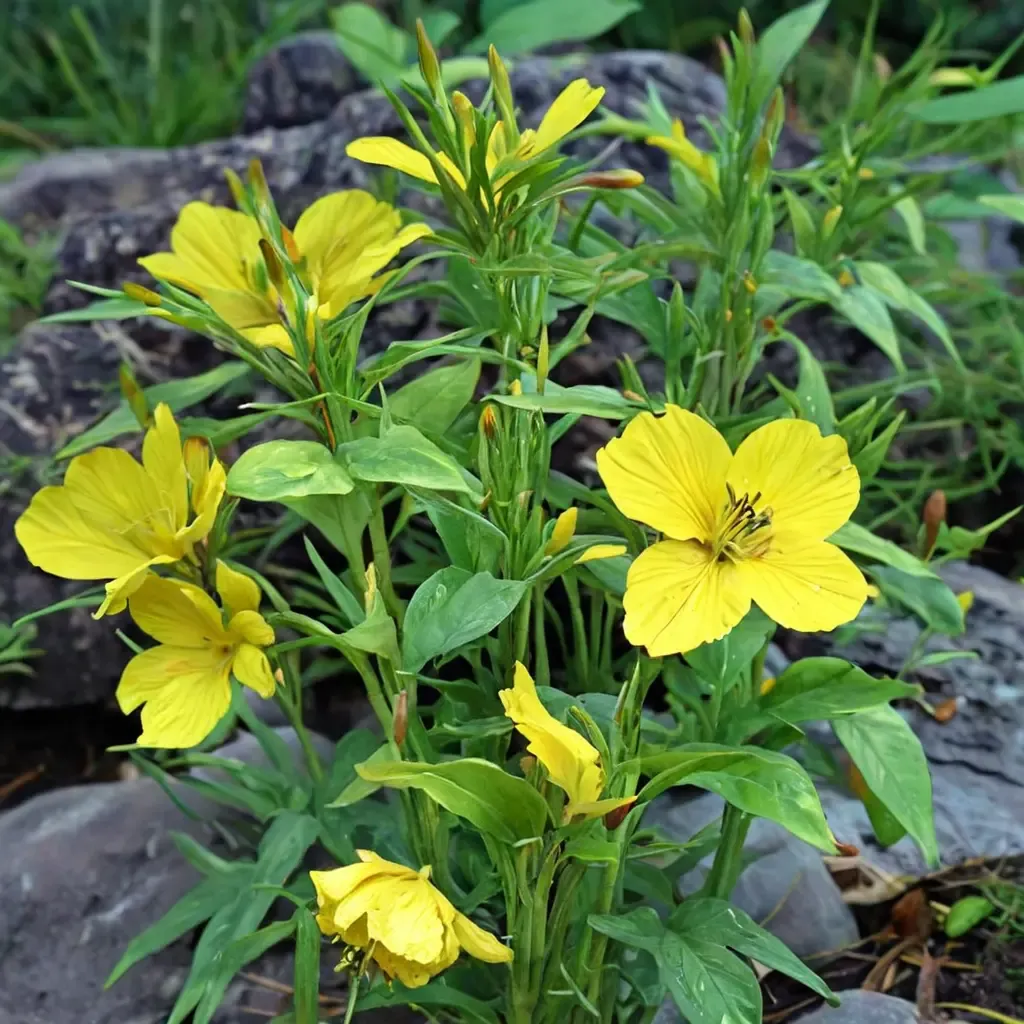
Native Yellow Sundrops
Oenothera fruticosa 'Native Yellow Bellflower'
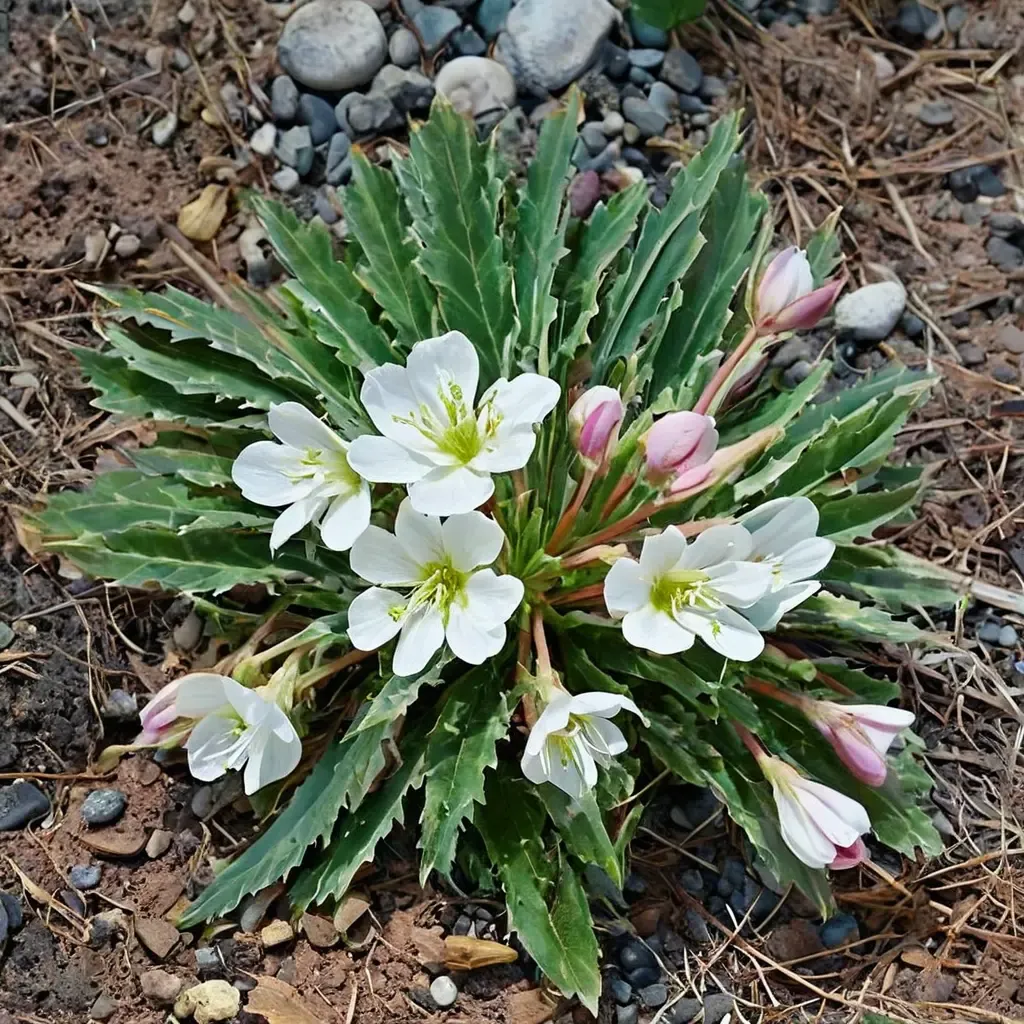
Tufted Evening Primrose
Oenothera caespitosa
Keep exploring
Explore the genus
Hardy in your zone?
Grow Rose Evening Primrose with confidence
See it in a design of your actual yard, get zone-matched care reminders, and track it season by season in your garden journal.