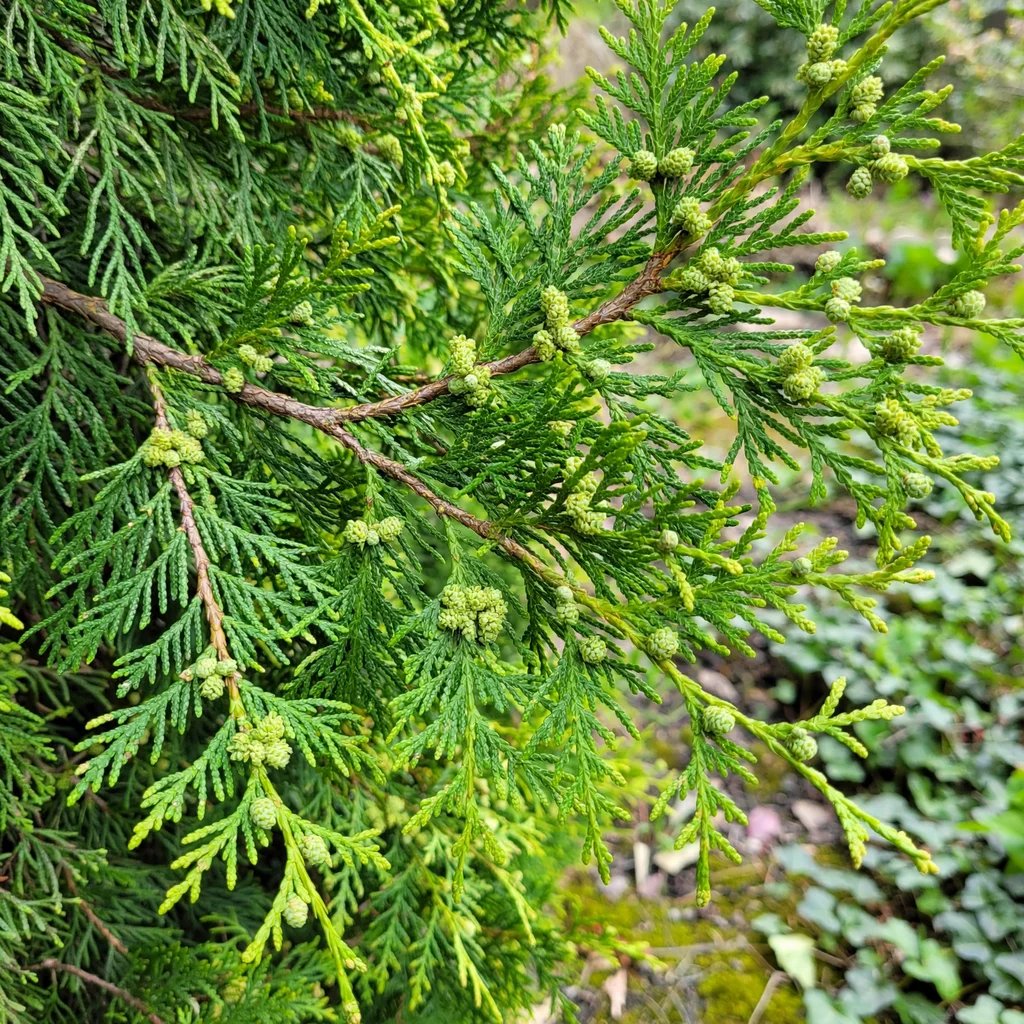
Species
 Thuja occidentalisEastern Arborvitae Northern White Cedar
31 other cultivars
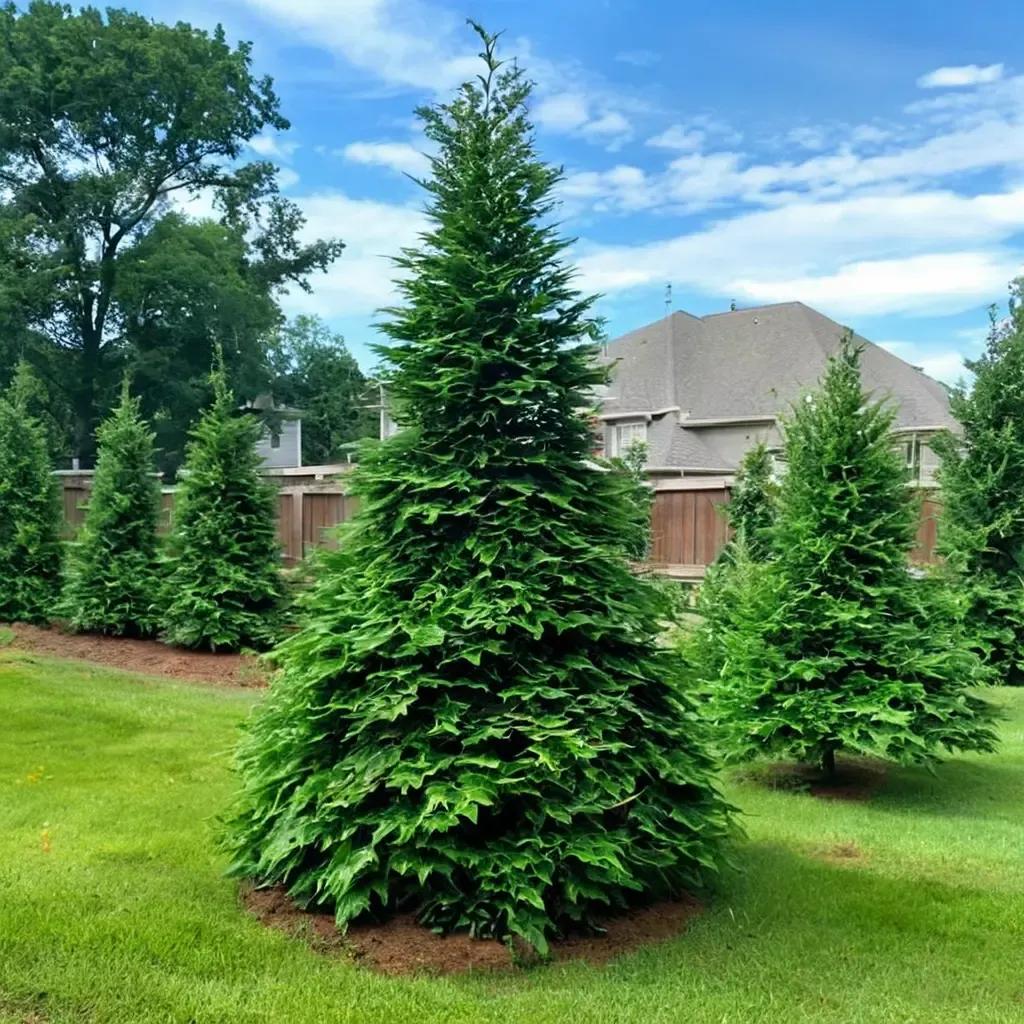 ‘Green Giant’Green Giant Arborvitae
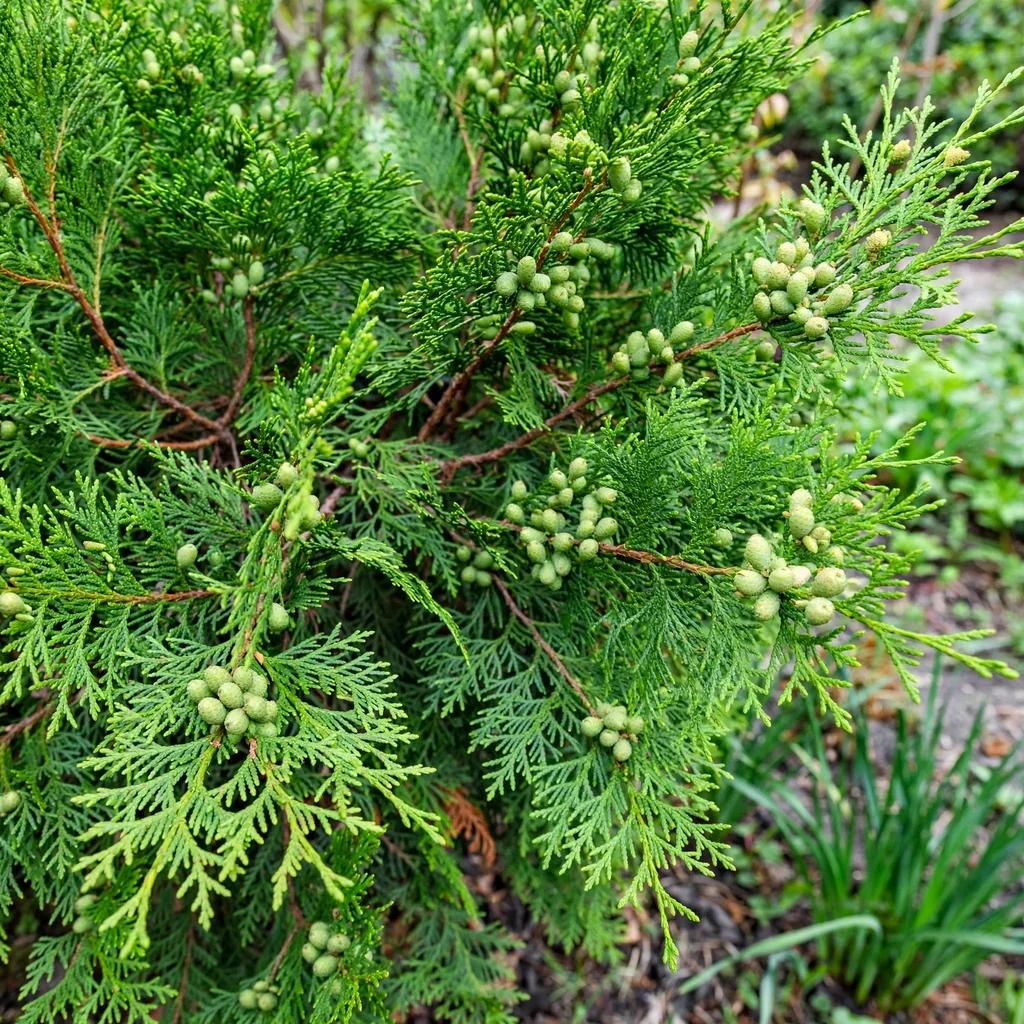 ‘Emerald Green’Emerald Green Arborvitae
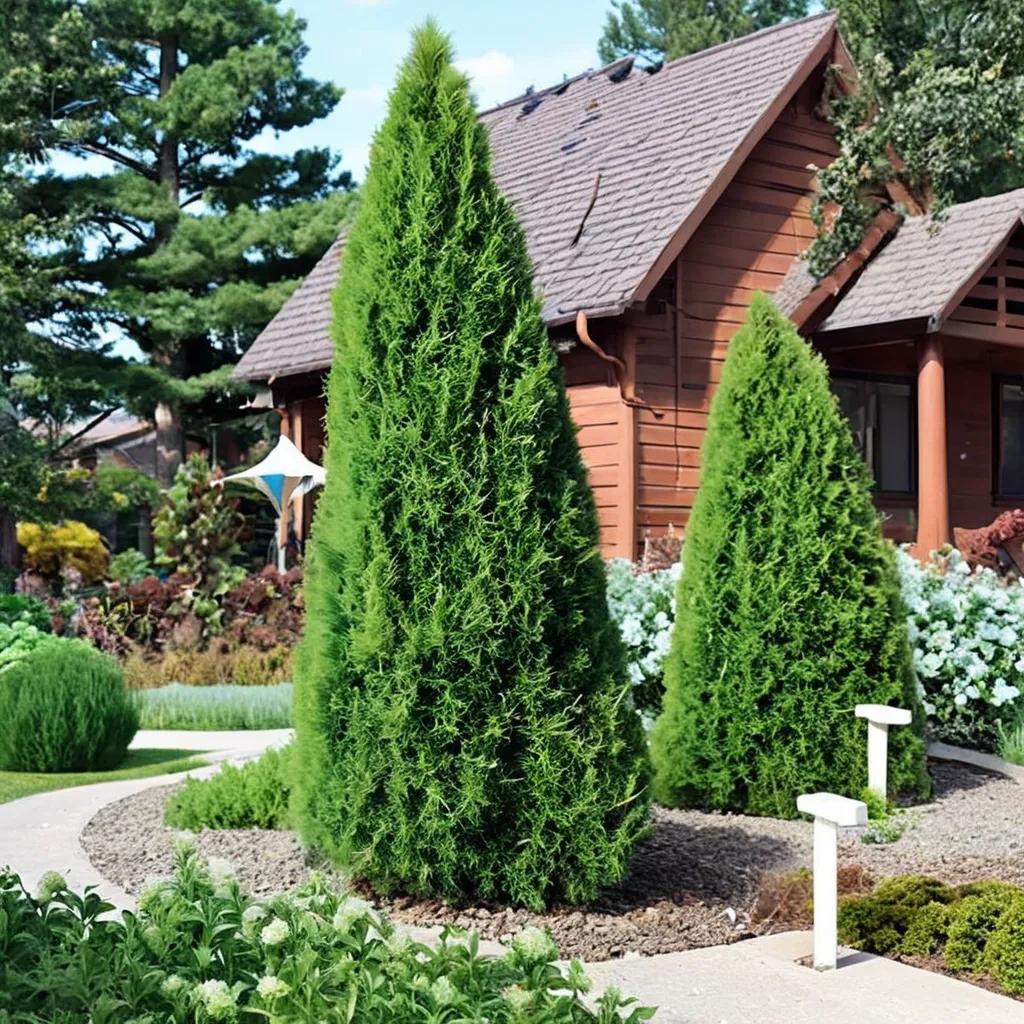 ‘Smaragd Emerald’Smaragd Emerald Arborvitae
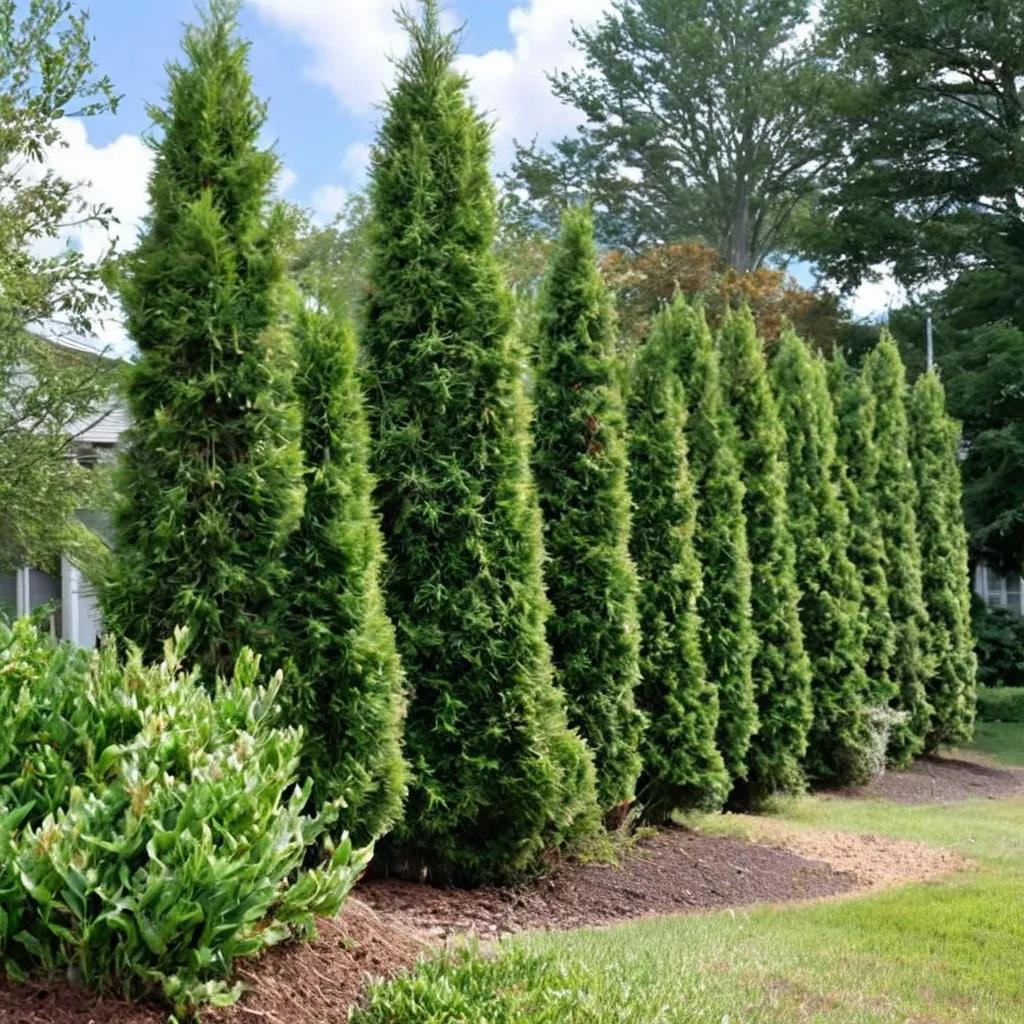 ‘American Pillar’American Pillar Arborvitae
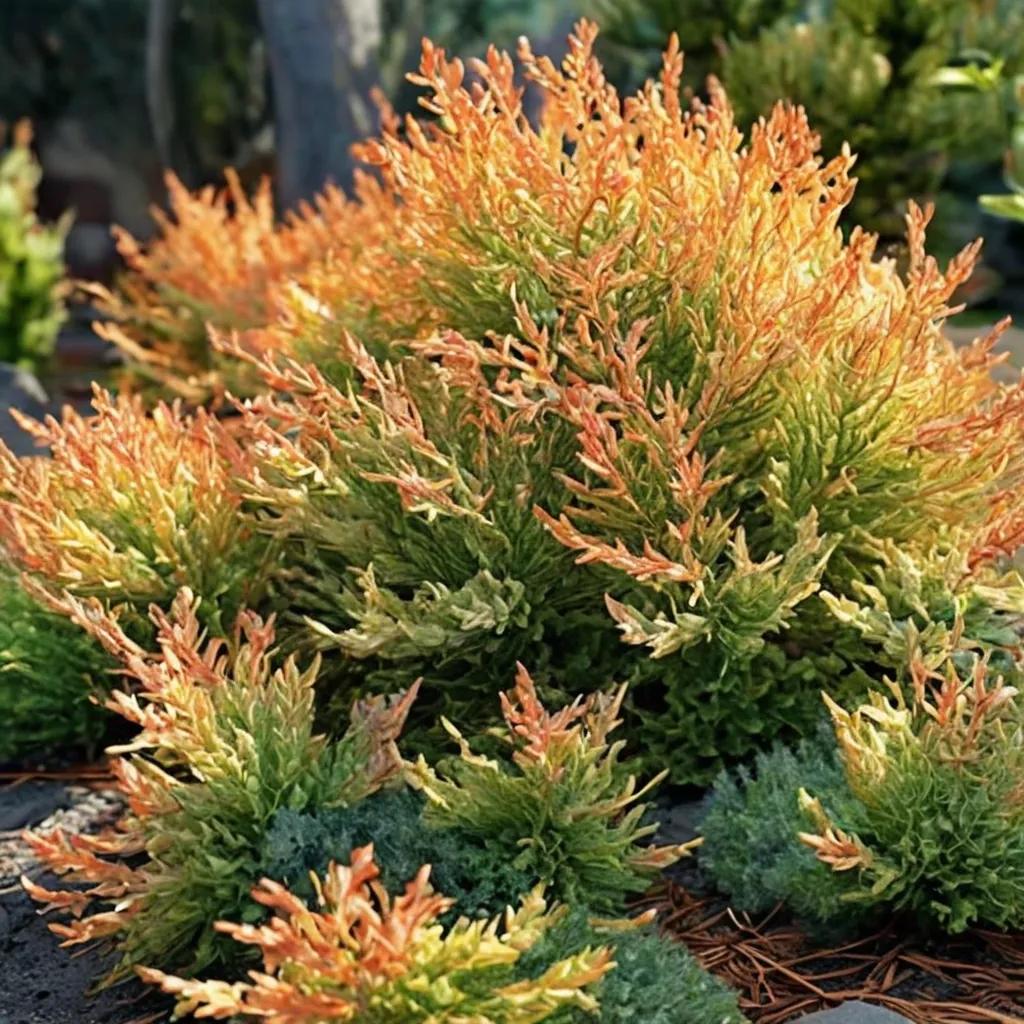 ‘Fire Chief’Fire Chief Arborvitae
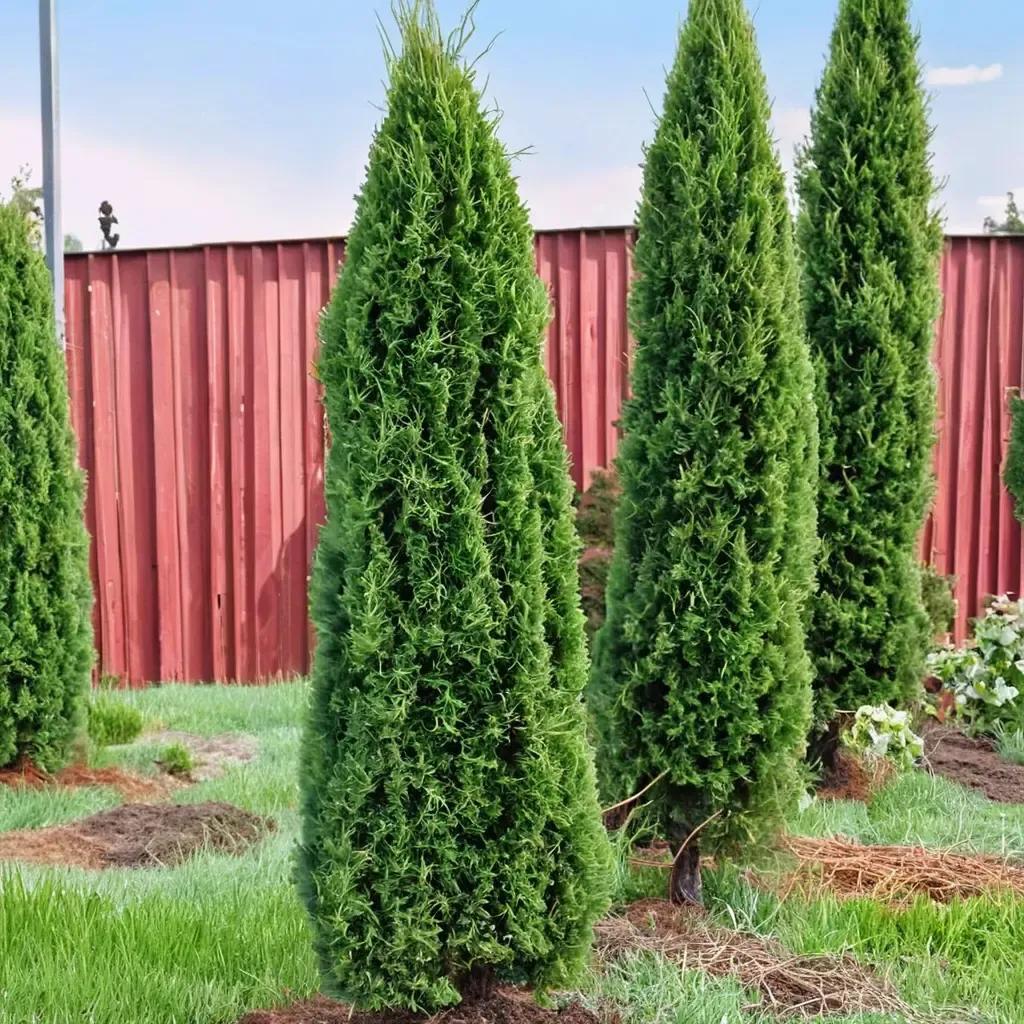 ‘Degroot’Degroot's Spire Arborvitae
 ‘Columbia’Eastern Arborvitae Western Arborvitae
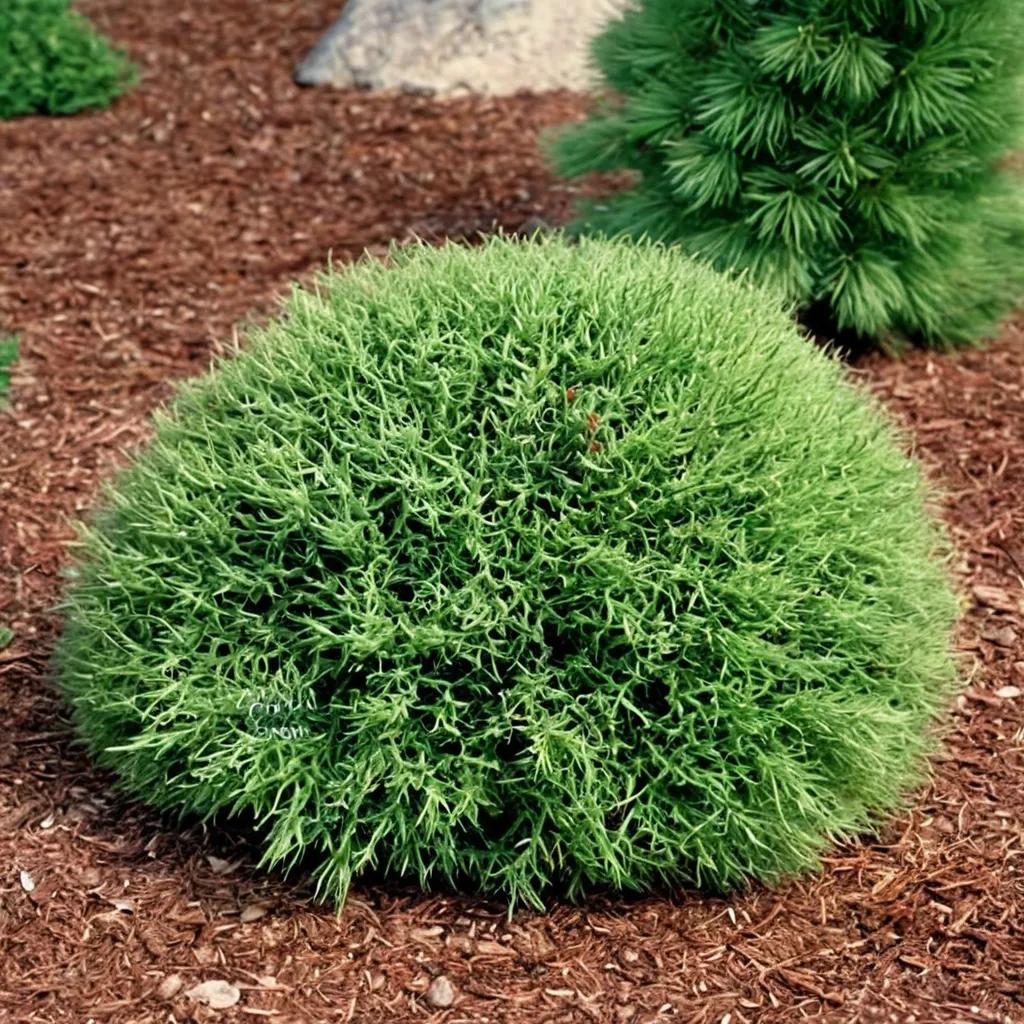 ‘Mr Bowling Ball’Mr Bowling Ball Arborvitae
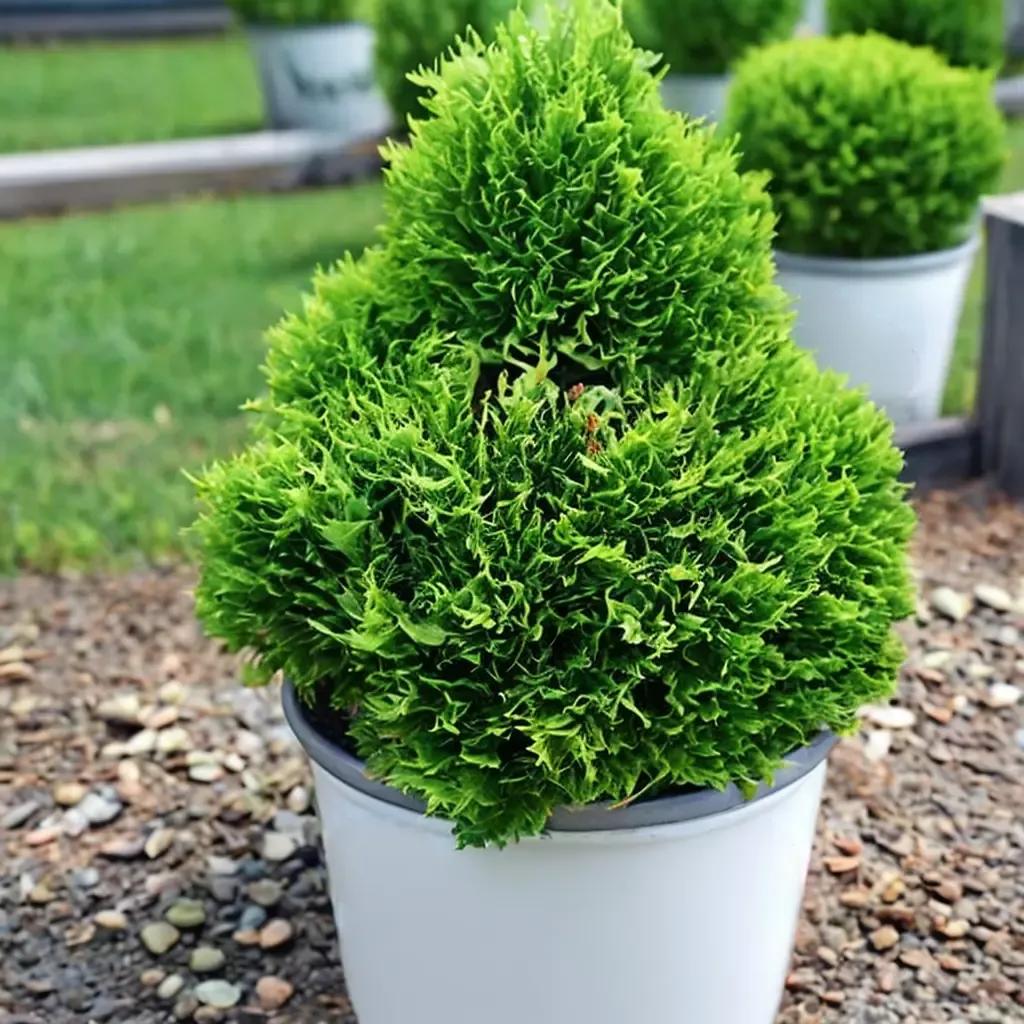 ‘TATER TOT’Tater Tot Arborvitae
 ‘Degroot's Spire’Degroot's Spire Arborvitae
 ‘Golden Globe’Golden Globe Arborvitae
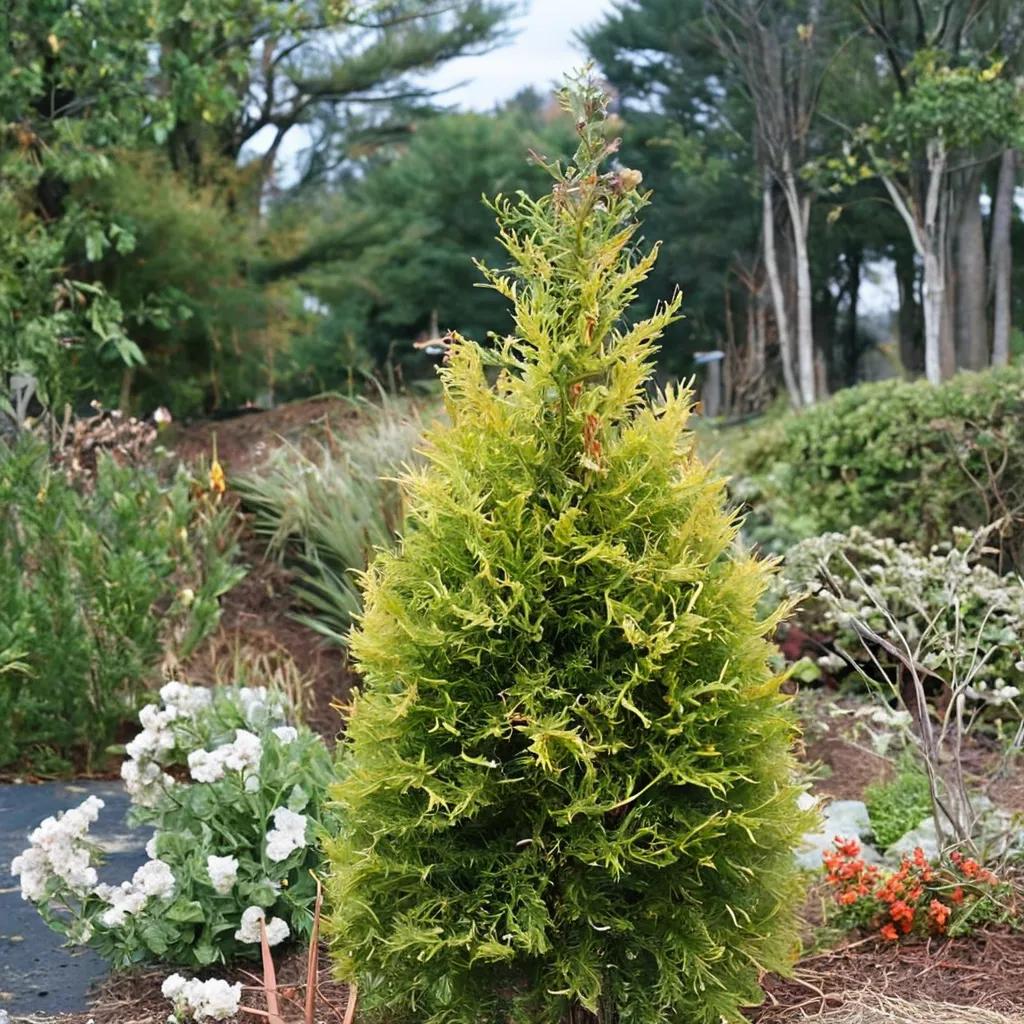 ‘Polar Gold’Polar Gold Thuja
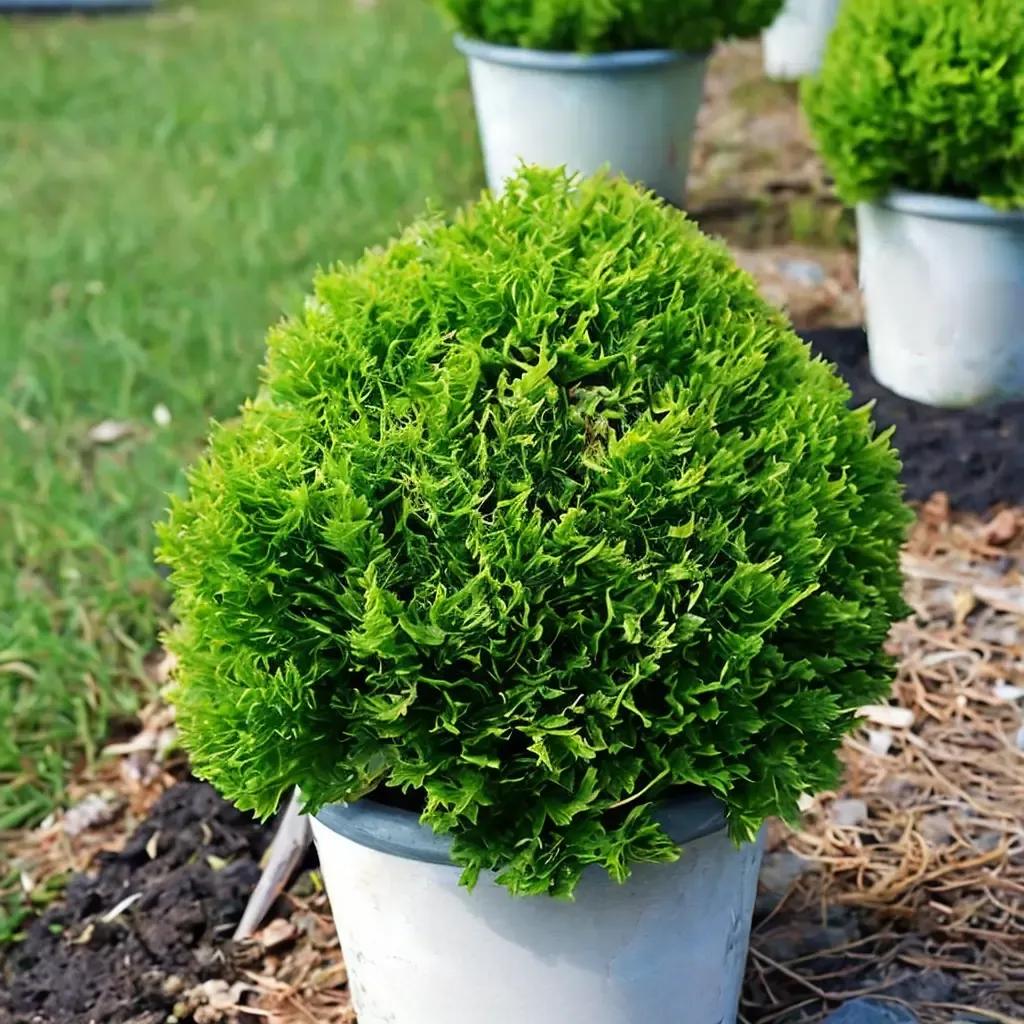 ‘Tator Tot’Tator Tot Arborvitae
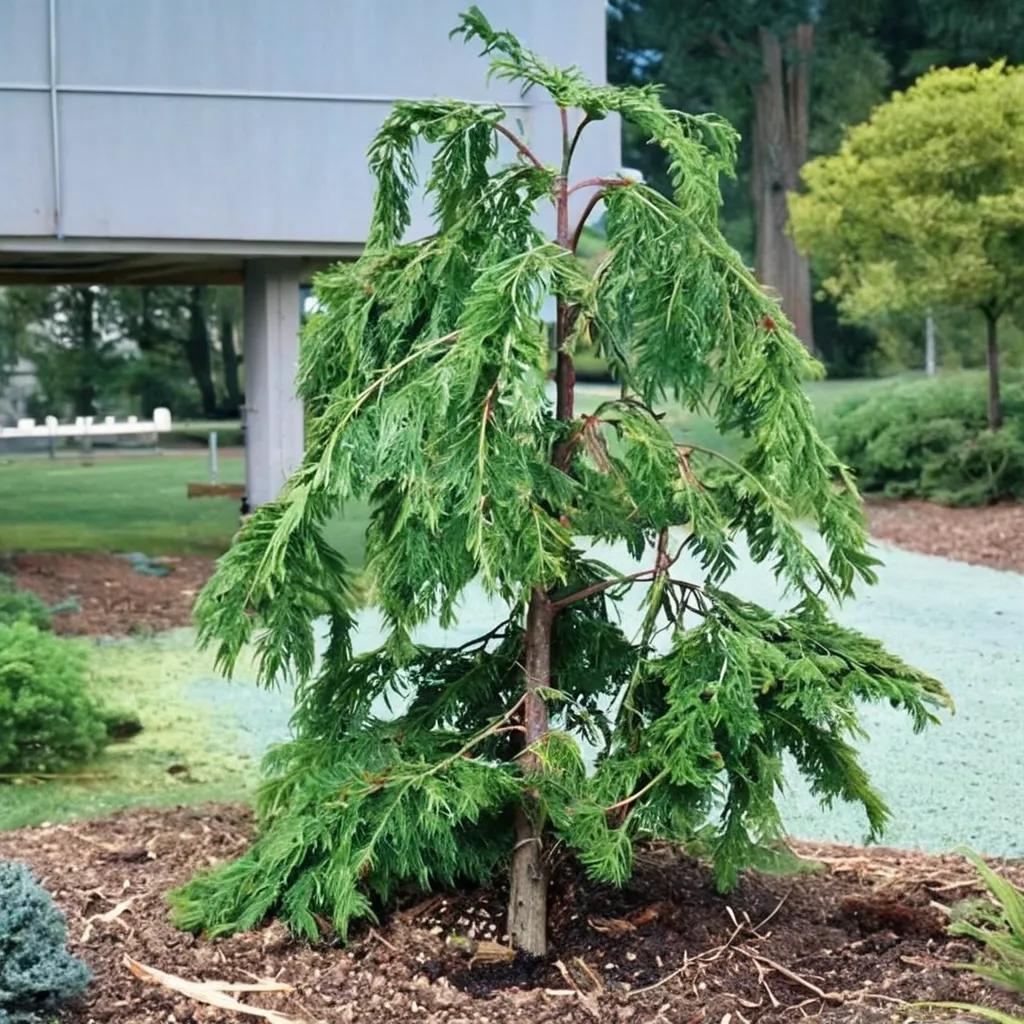 ‘Pendula’Weeping Arborvitae
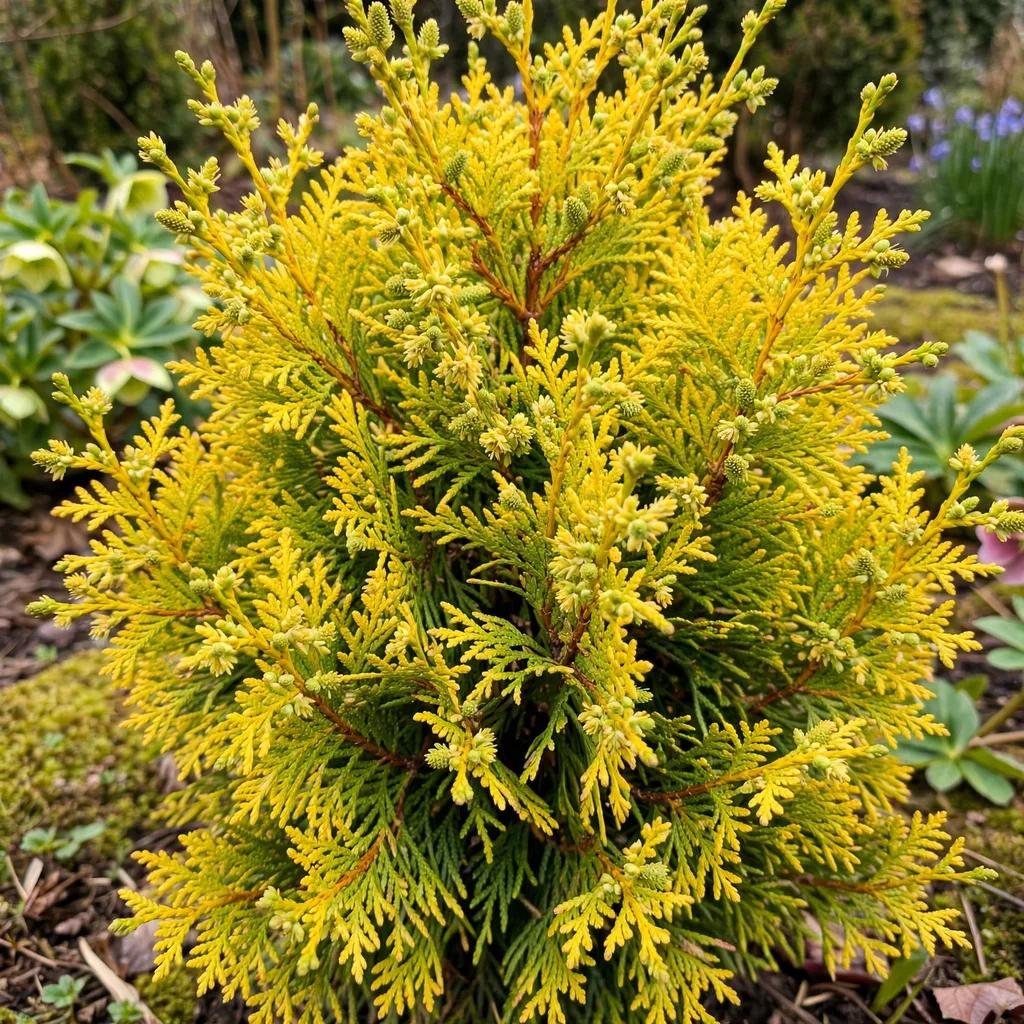 ‘Sunkist’Sunkist Arborvitae
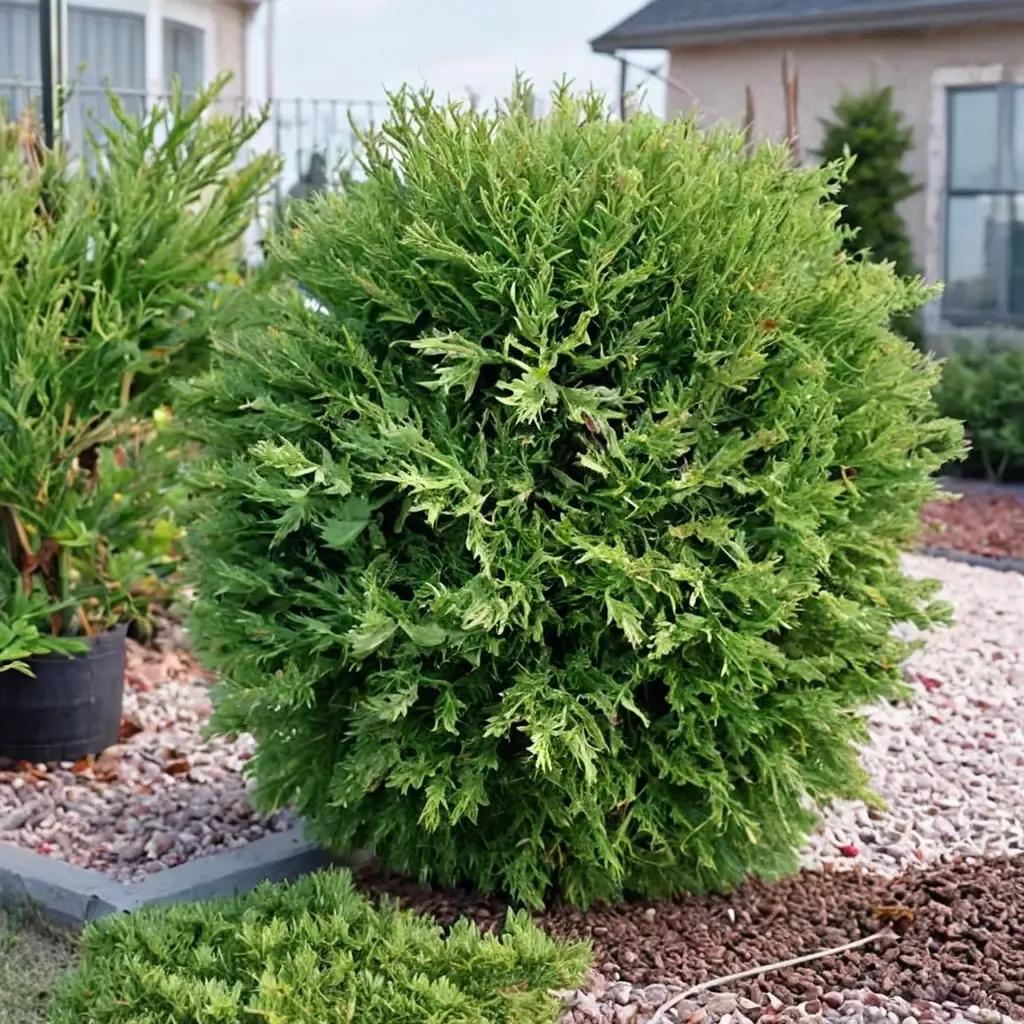 ‘Woodward Globe’Woodward Globe Arborvitae
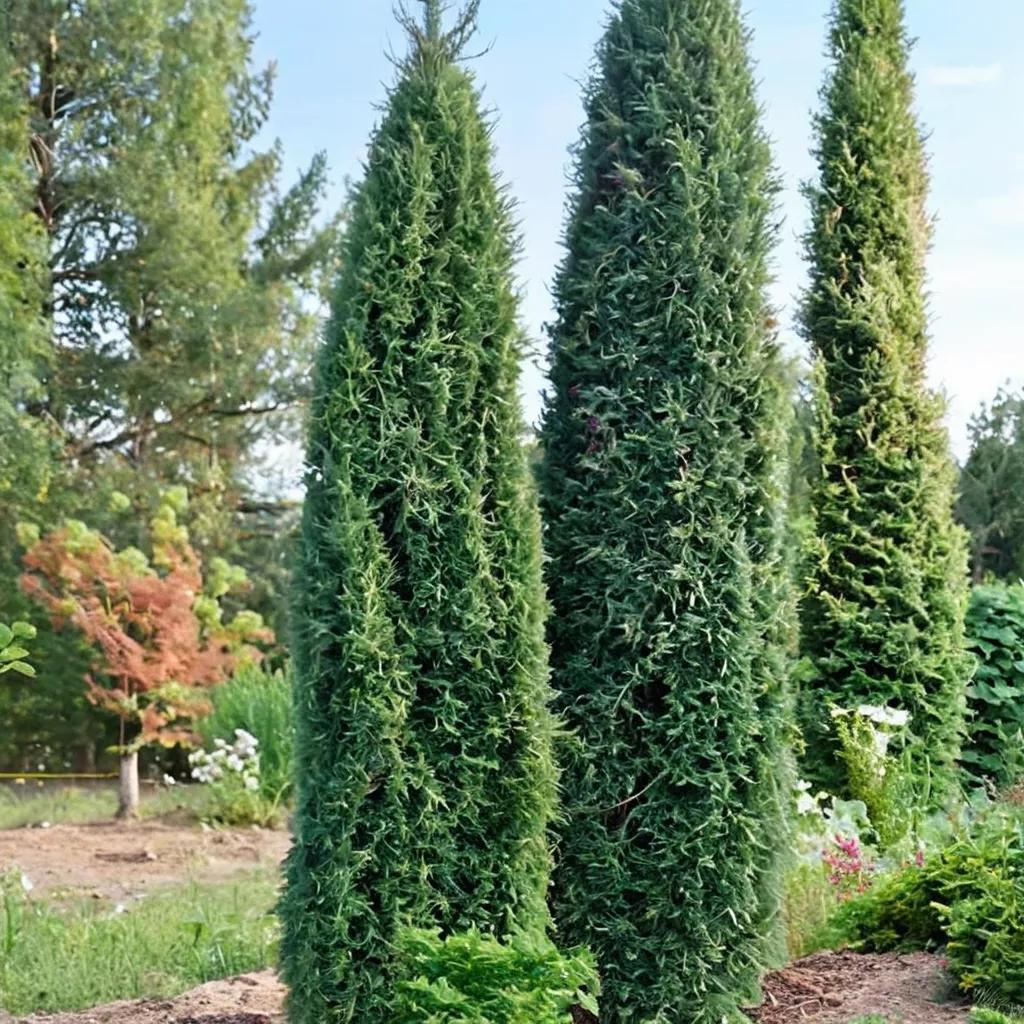 ‘Thin Man’Eastern Arborvitae Thin Man
 ‘Little Giant’Little Giant Arborvitae
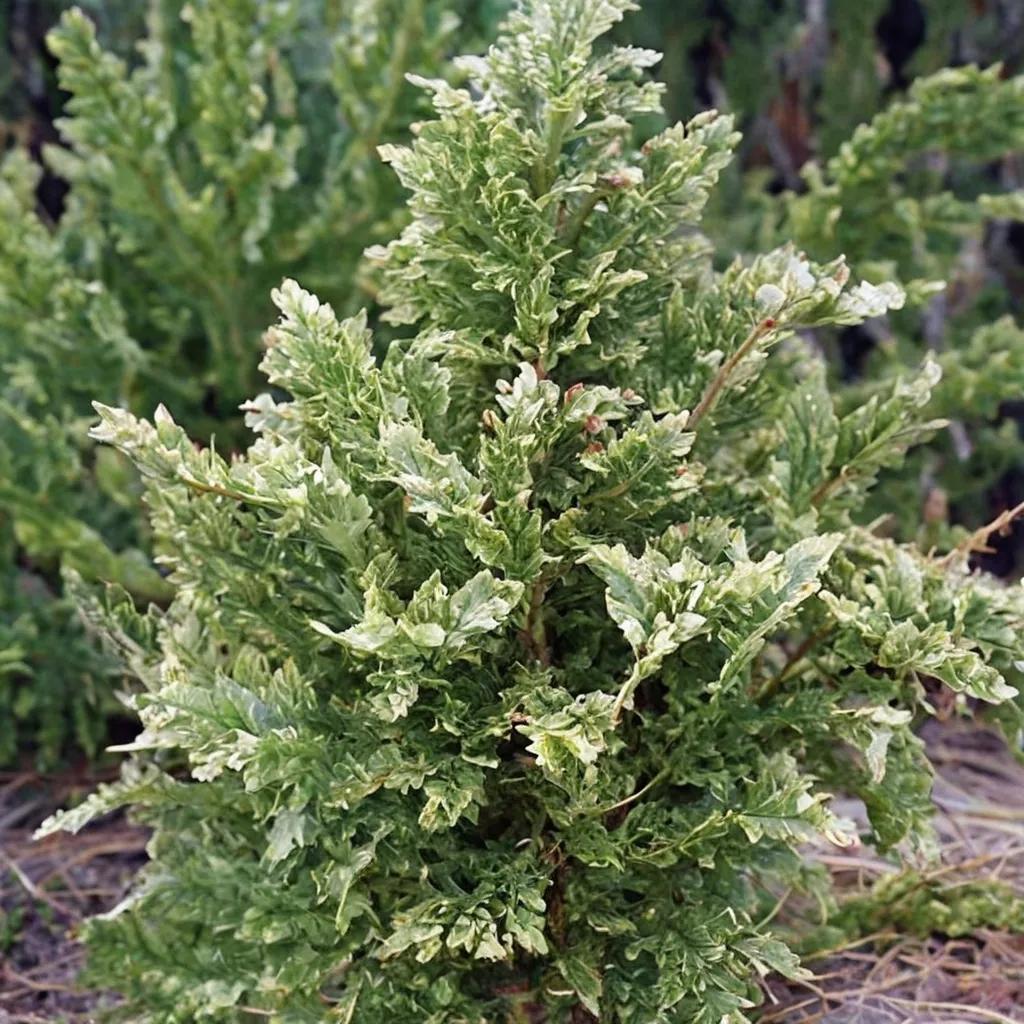 ‘Sherwood Frost’Sherwood Frost Arborvitae
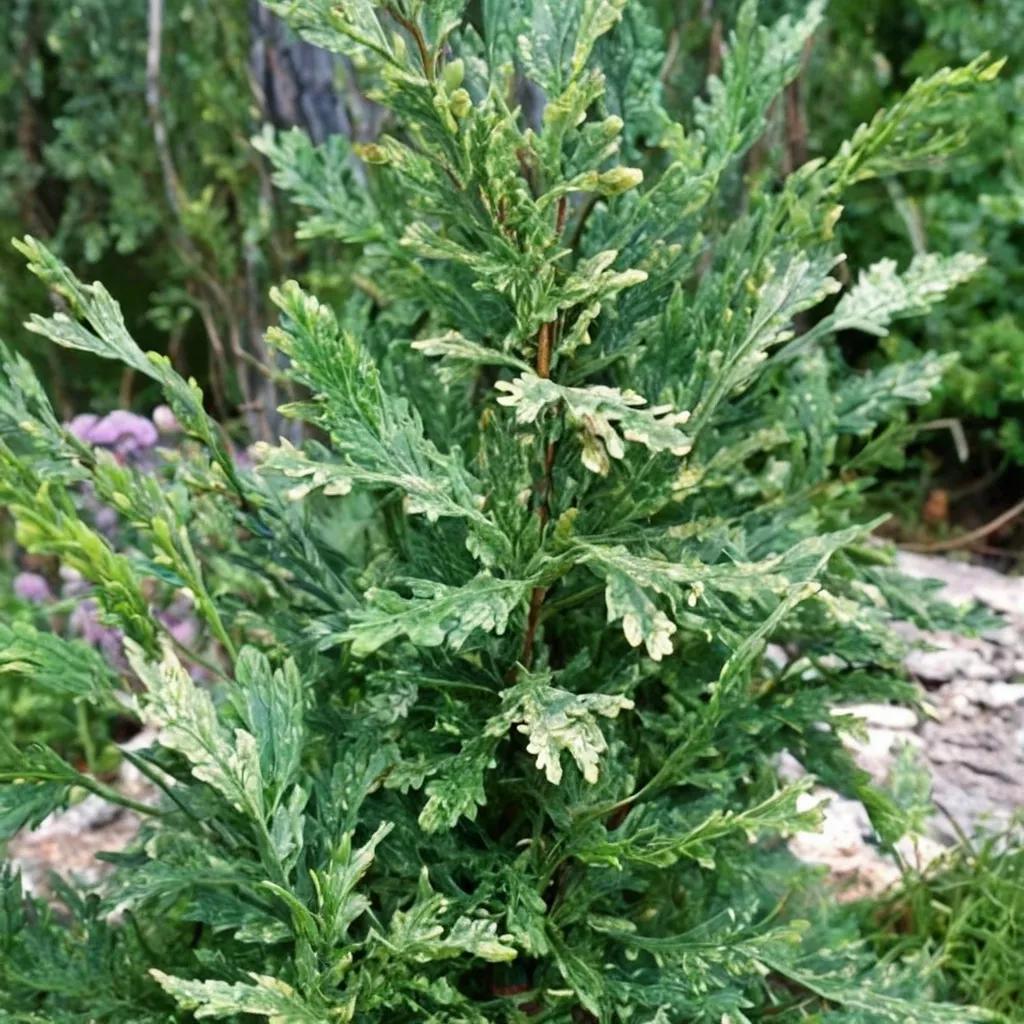 ‘Wansdyke Silver’Wansdyke Silver American Arborvitae
 ‘Sting’Eastern Arborvitae
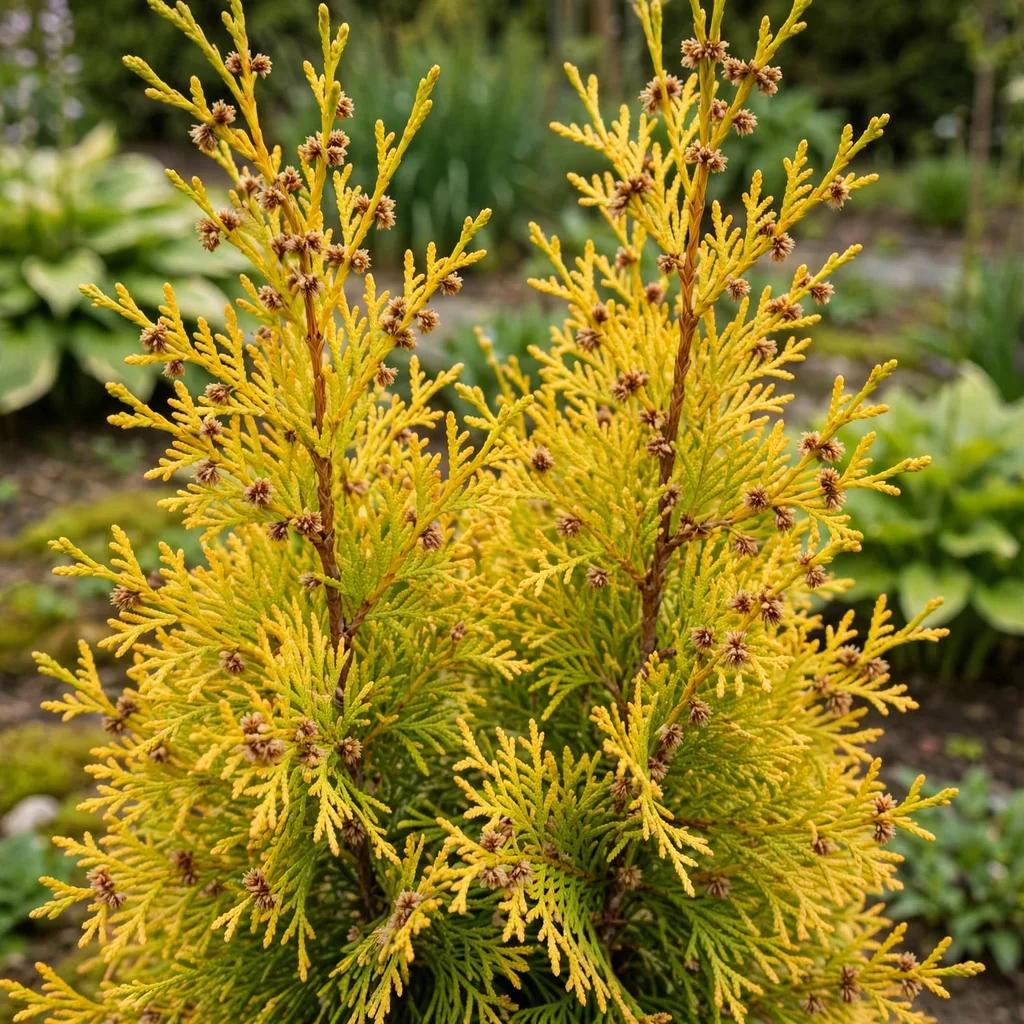 ‘Yellow Ribbon’Yellow Ribbon Arborvitae
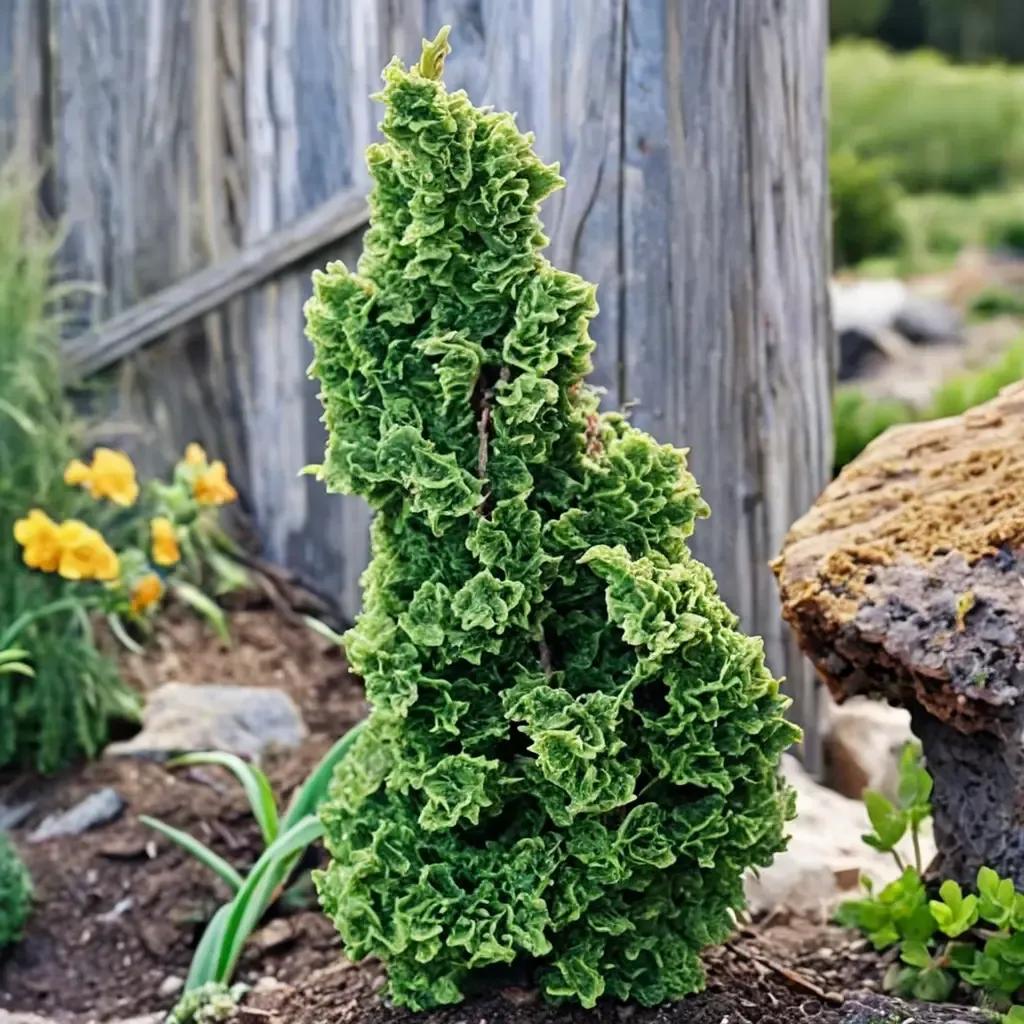 ‘Primo’Primo Arborvitae
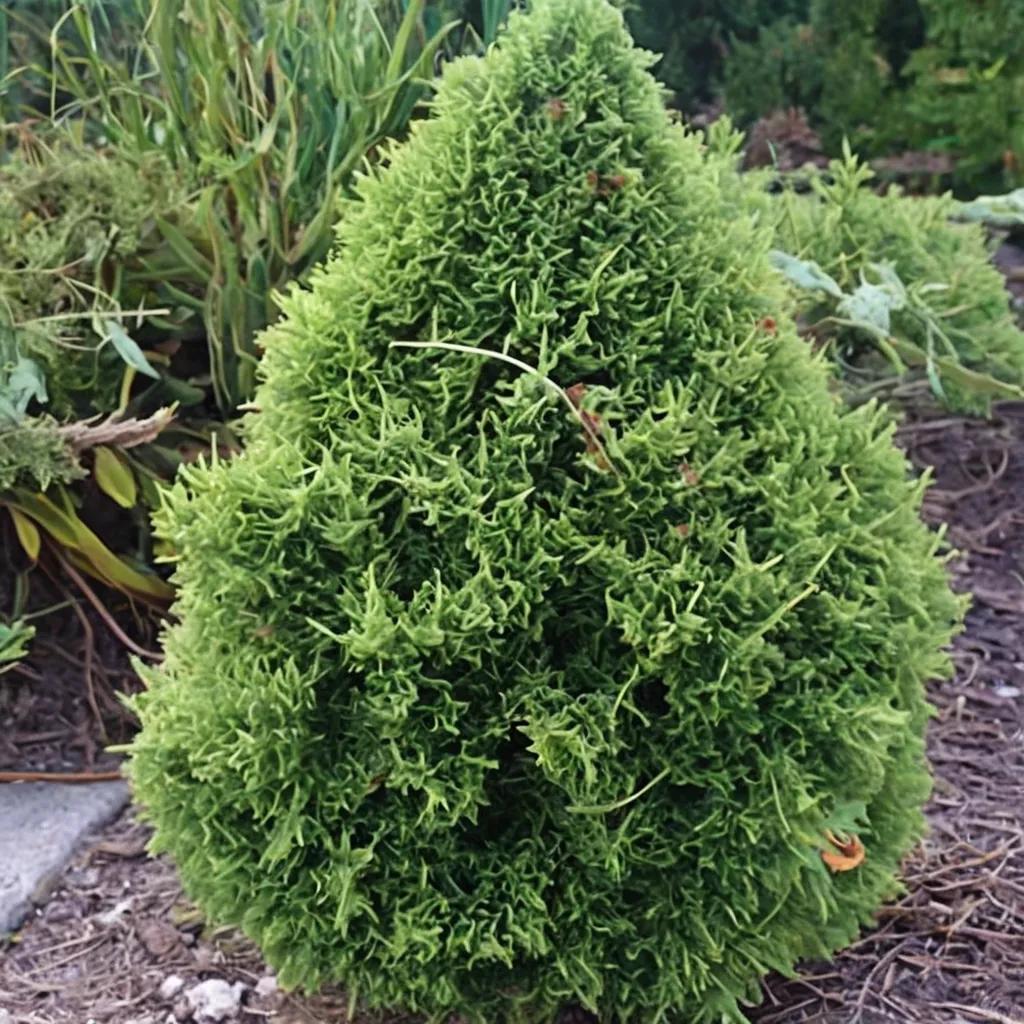 ‘Connecticut Dwarf’Connecticut Dwarf Arborvitae
 ‘Pumila Sudworth’Sudworth Globe Arborvitae
 ‘Cheer Drops’Cheer Drops Arborvitae
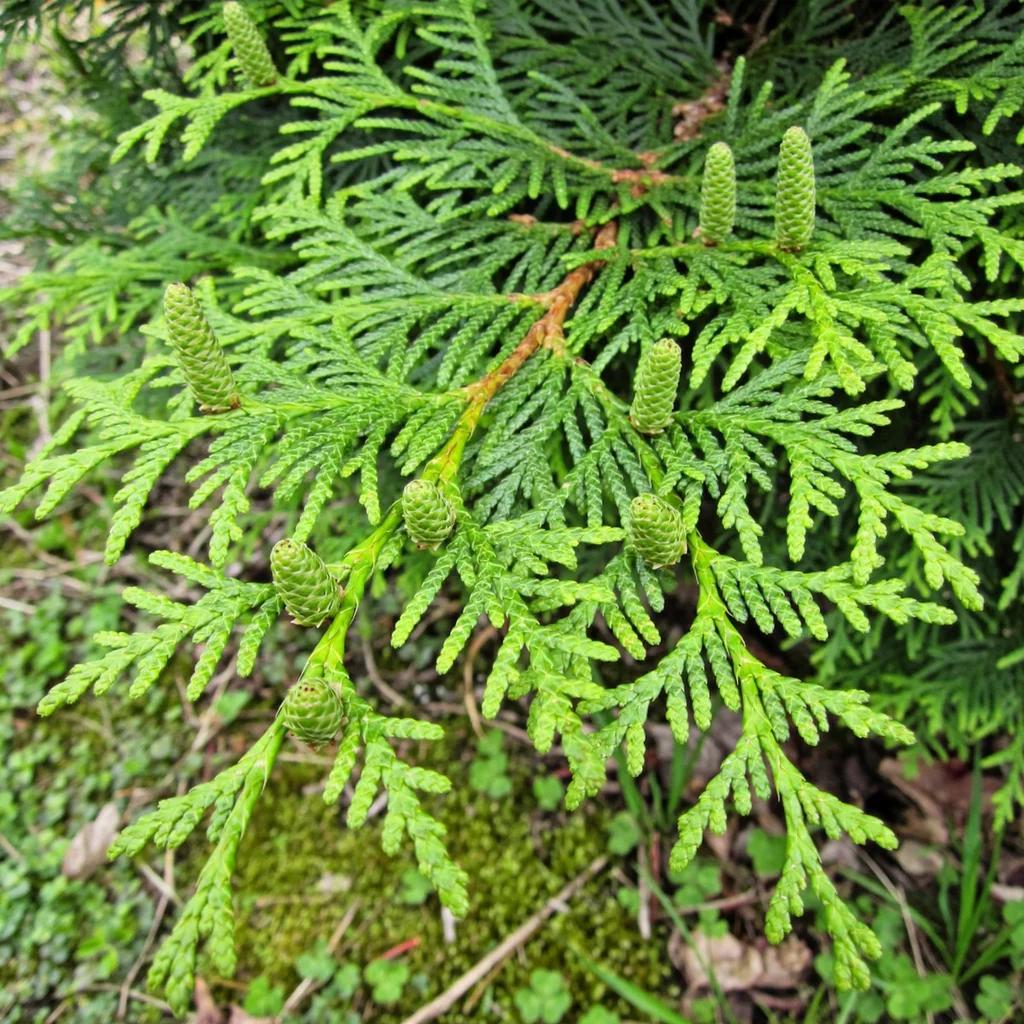 ‘Smaragd’Emerald Green Arborvitae
 ‘Highlights’Highlights Arborvitae
 ‘Nigra’Dark Green Arborvitae
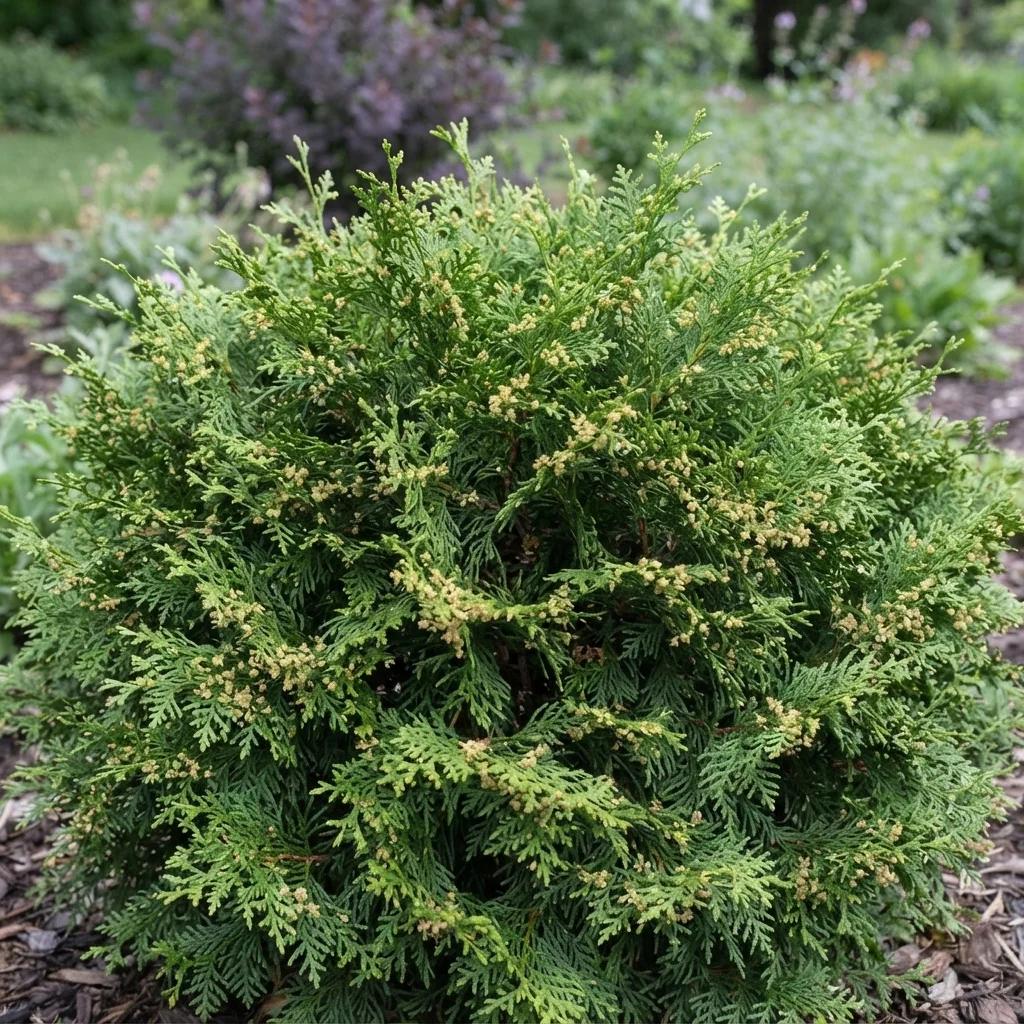 ‘Woodwardii’Woodward's Globe Arborvitae
 ‘Pancake’Pancake arborvitae
The Story
Plant Bio
Thuja occidentalis is a dense, upright, columnar to narrow-pyramidal evergreen conifer native to eastern and central North America. It develops a straight single leading stem with tightly packed, ascending-to-horizontal branches covered in scale-like, flattened aromatic sprays.
'Brabant' is distinguished by its rapid growth rate of up to 12 to 16 inches per year and its bright yellow-green to light green new growth. This cultivar retains its vibrant color through winter far better than the species and requires regular shearing to maintain a neat, formal hedge.
Uses & Benefits:
Essentials
At a Glance
Plant Type
Tree
Height
315"
Width
118"
Light
Full Sun, Partial Sun
Zones
4, 5, 6, 7, 8
Water
Moderate
Humidity
Moderate
Lifespan
Long-lived
Native To
North America
Toxicity
Harmful if ingested; skin irritant
Bloom period
Spring
In flower about 3 months of the year
Planting
How to Grow
- Select a site in full sun to partial shade with fertile, moist, well-drained loam.
- Dig a hole twice as wide as the root ball and of equal depth, ensuring the soil flare sits level with the ground surface.
- Backfill with native soil, tamp down gently to remove air pockets, and water thoroughly to settle the roots.
- Apply a three-inch layer of organic mulch around the base, keeping it clear of the trunk to prevent rot.
- Water deeply and regularly during the first growing season to maintain consistent soil moisture.
Pro Tip
Never cut hard back into old, brown, leafless wood, as this conifer lacks the ability to regenerate from bare stems; instead, spread major size reductions over two to three seasons.
Keep It Thriving
Care Guide
Do
- Water regularly during dry spells to prevent foliage scorch and root stress.
- Prune once or twice a year in late spring or mid-summer to maintain hedge density.
- Wear gloves when handling the foliage to avoid skin irritation or contact dermatitis.
Don't
- Do not allow the soil to dry out completely or become waterlogged, as the root system is sensitive to both extremes.
- Do not scalp the foliage back to bare, brown wood when shearing.
- Do not plant in areas with heavy deer traffic without physical protection.
Seasonal Care Calendar
| Task | Jan | Feb | Mar | Apr | May | Jun | Jul | Aug | Sep | Oct | Nov | Dec |
|---|---|---|---|---|---|---|---|---|---|---|---|---|
| Fertilize | ||||||||||||
| Pest Check | ||||||||||||
| Prune | ||||||||||||
| Winter Prep |
Watch Out For
Pests & Diseases
Common Pests
Common Diseases
In the Garden
Landscape Uses & Companions
Landscape Uses
Companion Plants
Multiply
Propagation Methods
Good to Know
Common Questions
American Arborvitae questions
What zones can American Arborvitae grow in?
American Arborvitae is hardy in USDA Zones 4–8. Inside that range it survives winter in the ground; outside it, grow it as an annual or a container plant you protect.
Is American Arborvitae deer resistant?
Not reliably. Deer may browse American Arborvitae, especially tender spring growth — plan on repellents or fencing where pressure is high.
When does American Arborvitae bloom?
American Arborvitae typically blooms in spring through spring. Exact timing shifts a week or two with your zone — Sow's bloom calendar maps it to your garden.
Does American Arborvitae need full sun?
American Arborvitae does best in full sun to part shade. In hot climates, afternoon shade keeps blooms fresher longer.
More Thuja to compare
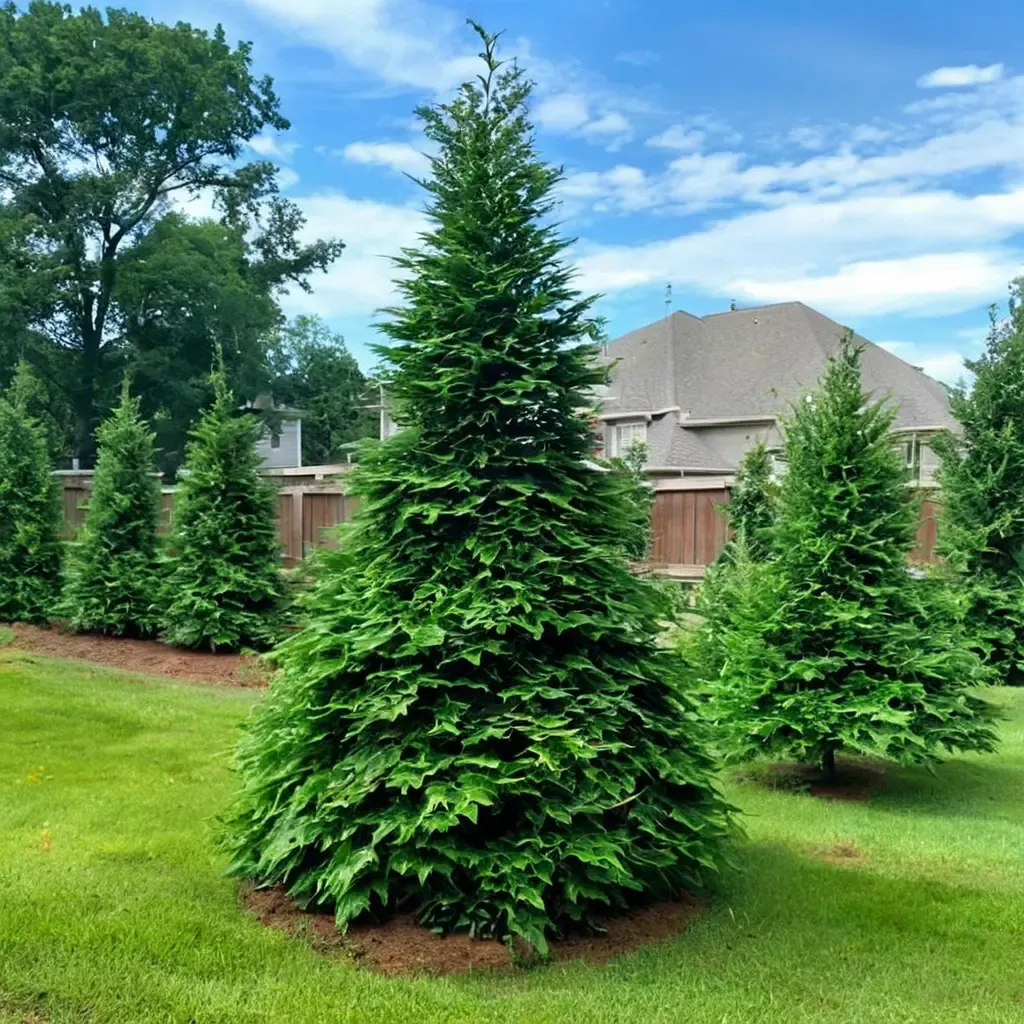
Green Giant Arborvitae
Thuja occidentalis 'Green Giant'
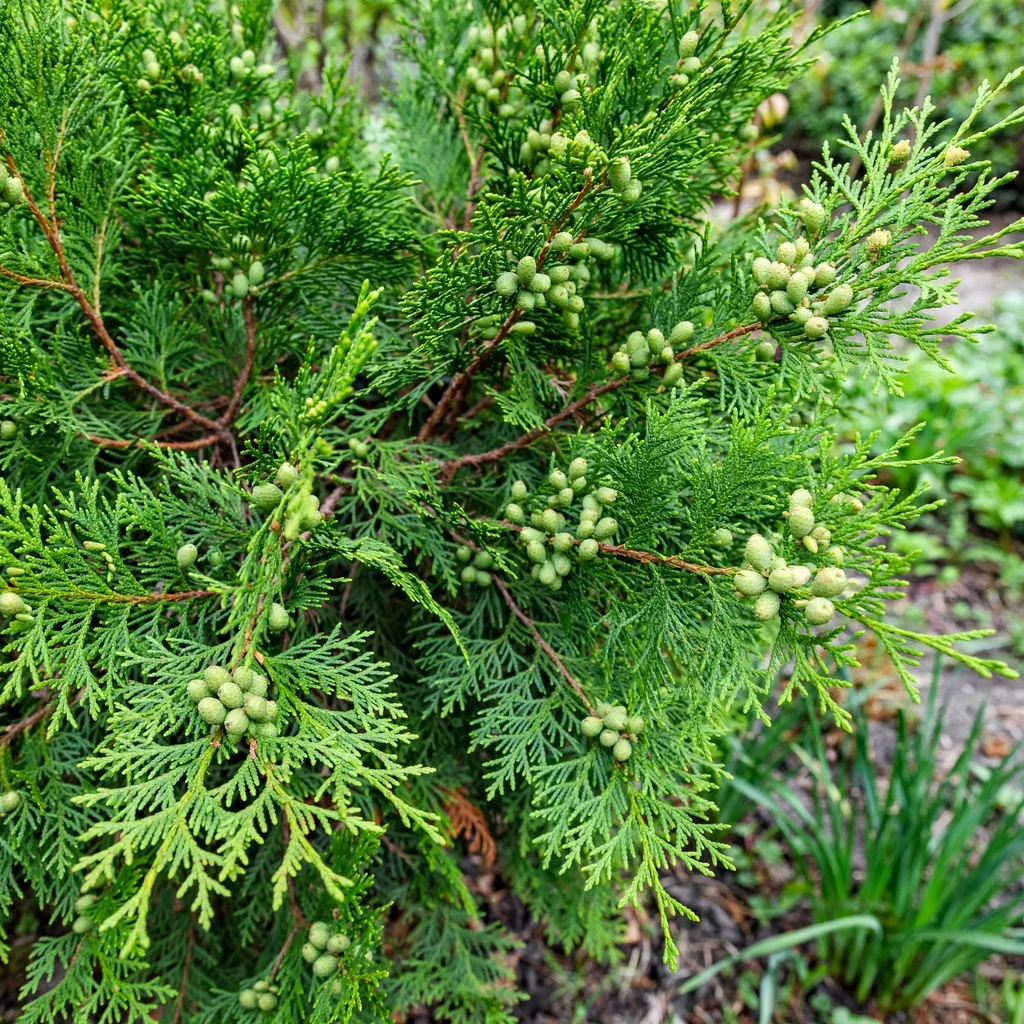
Emerald Green Arborvitae
Thuja occidentalis 'Emerald Green'
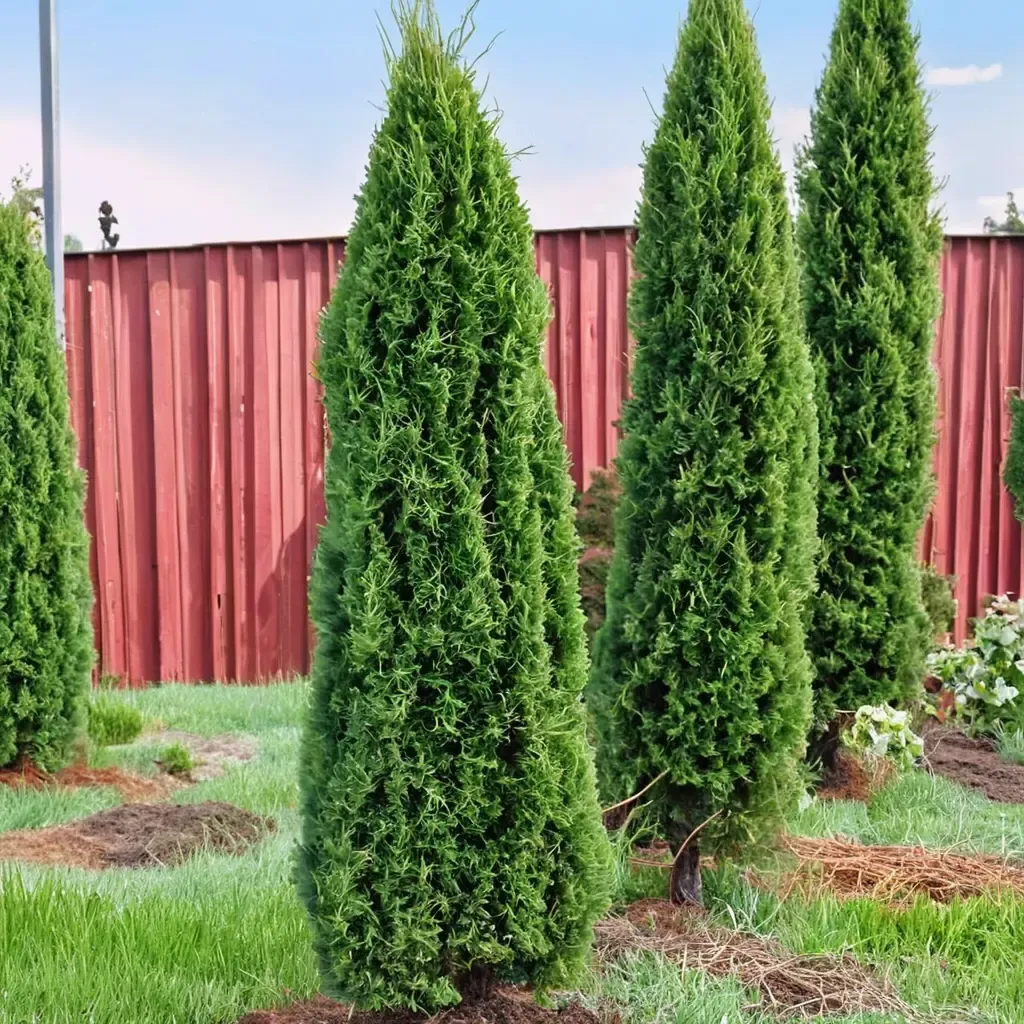
Degroot's Spire Arborvitae
Thuja occidentalis 'Degroot'
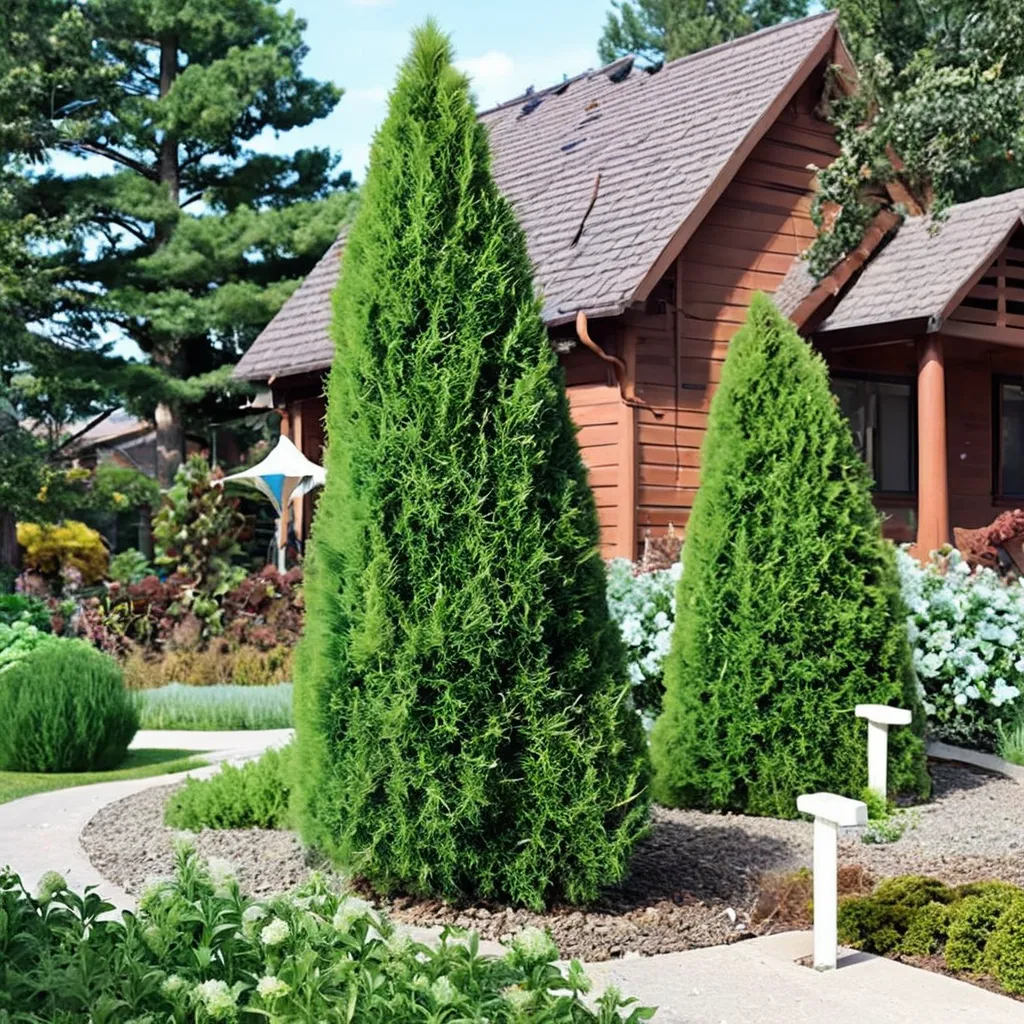
Smaragd Emerald Arborvitae
Thuja occidentalis 'Smaragd Emerald'
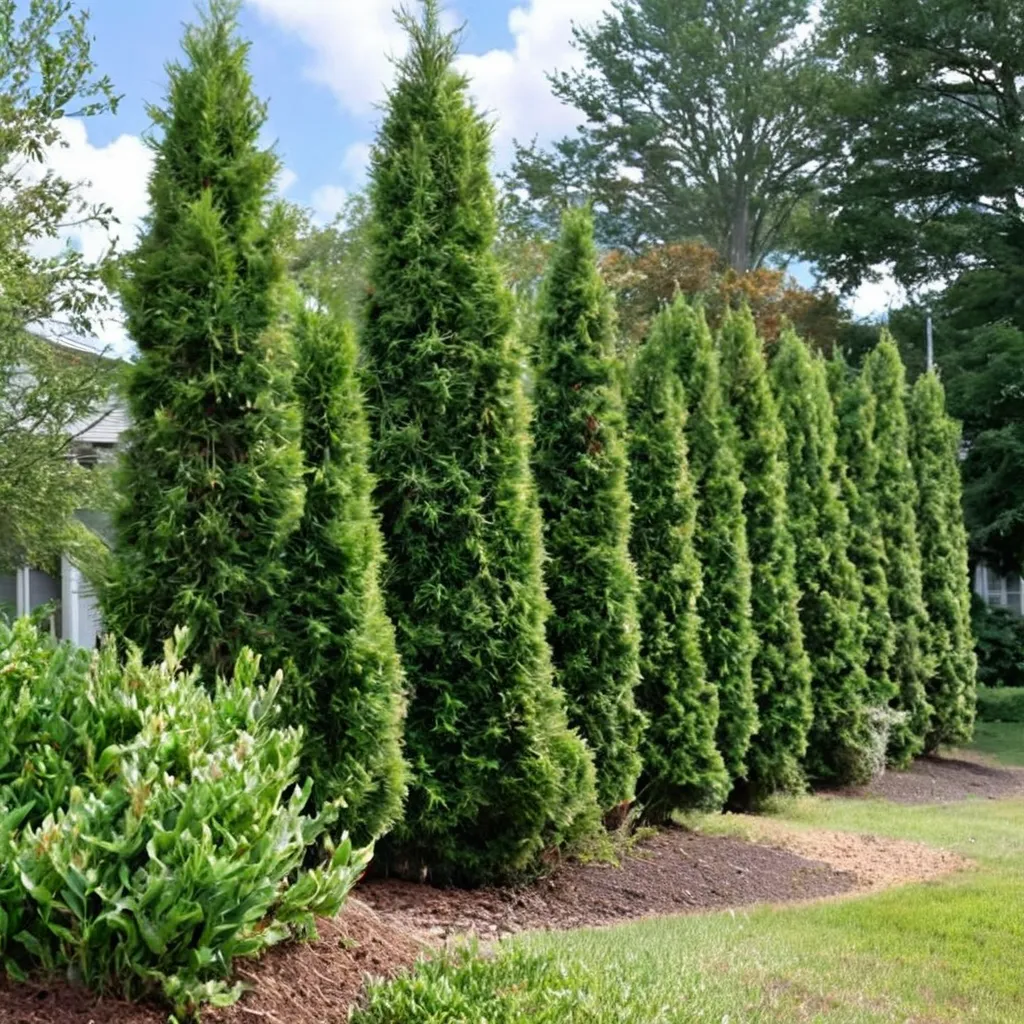
American Pillar Arborvitae
Thuja occidentalis 'American Pillar'
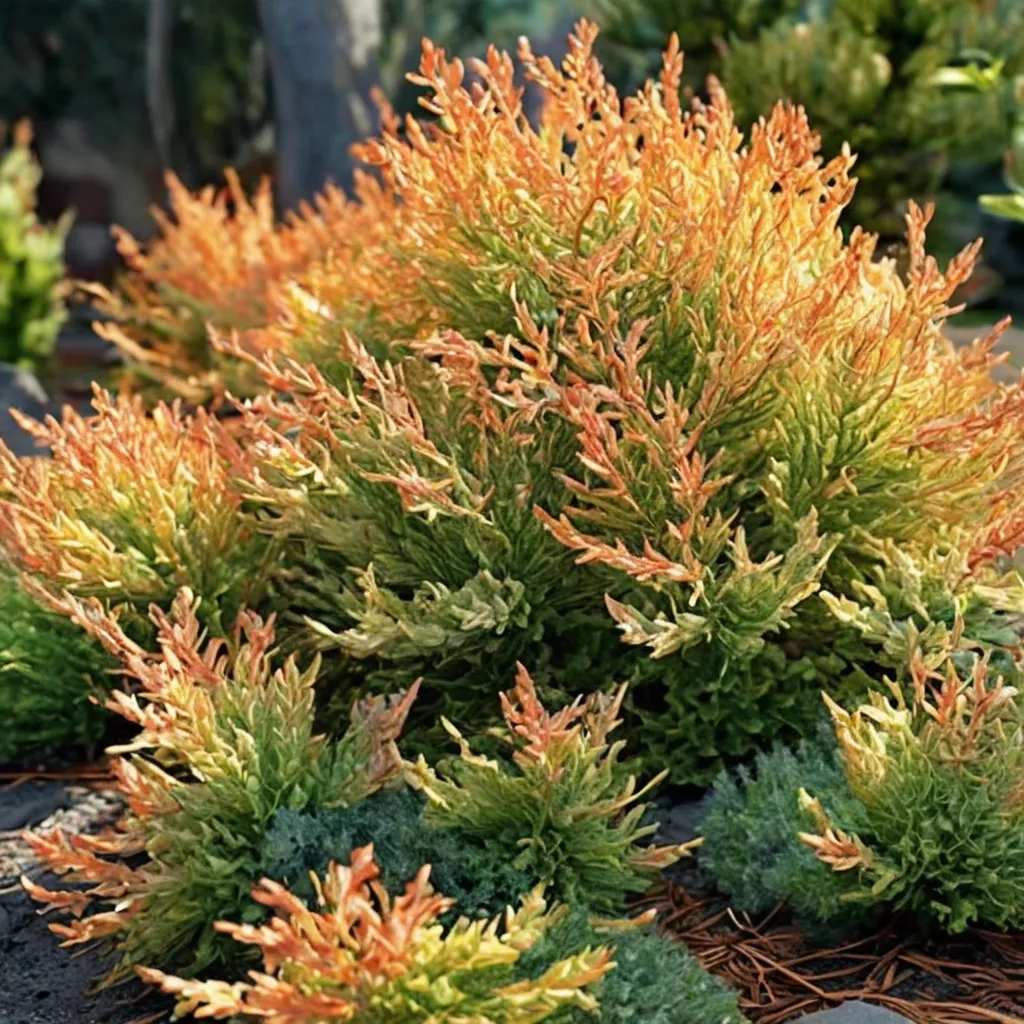
Fire Chief Arborvitae
Thuja occidentalis 'Fire Chief'
Keep exploring
Explore the genus
Hardy in your zone?
Grow American Arborvitae with confidence
See it in a design of your actual yard, get zone-matched care reminders, and track it season by season in your garden journal.