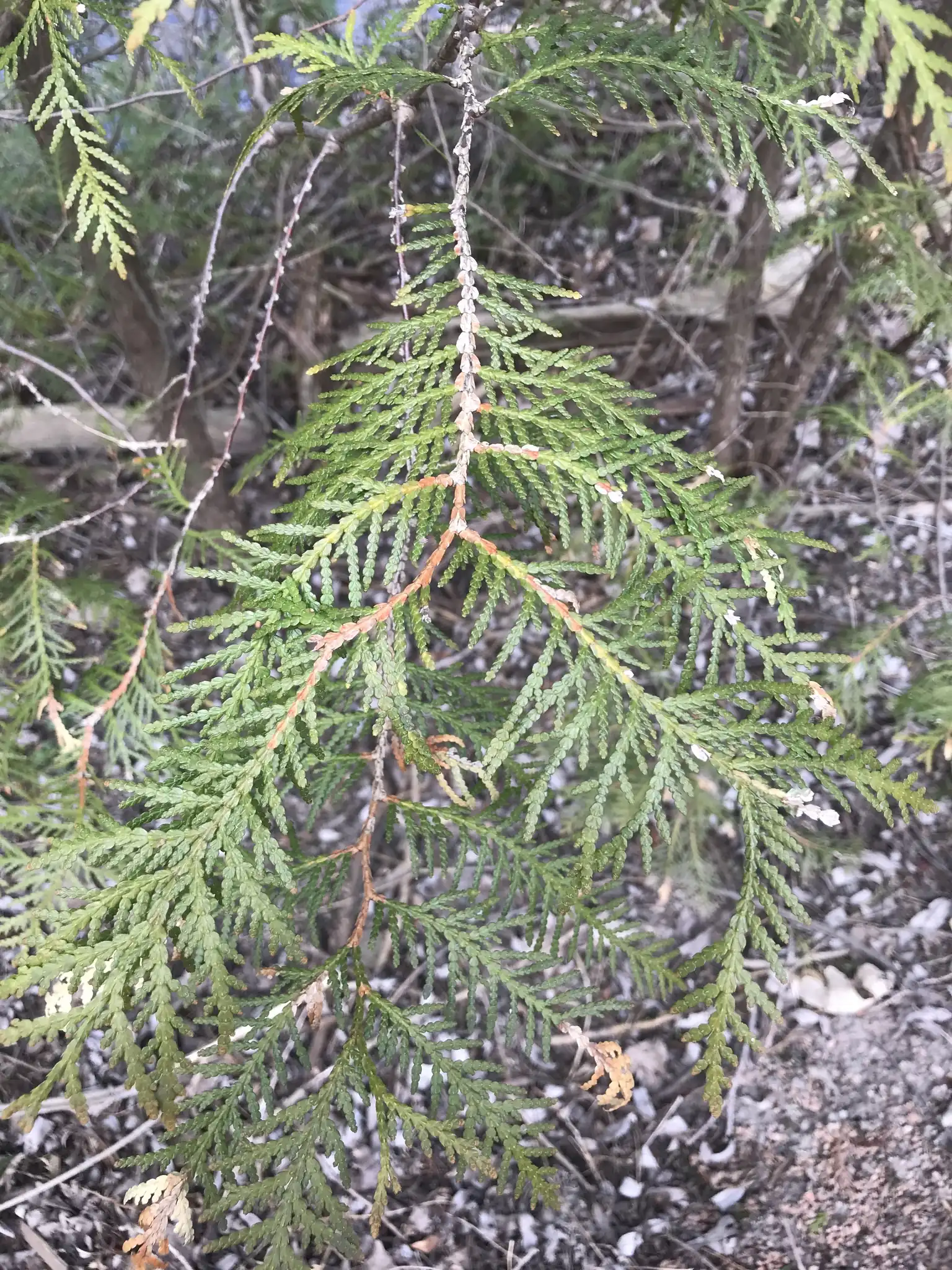
32 named cultivars
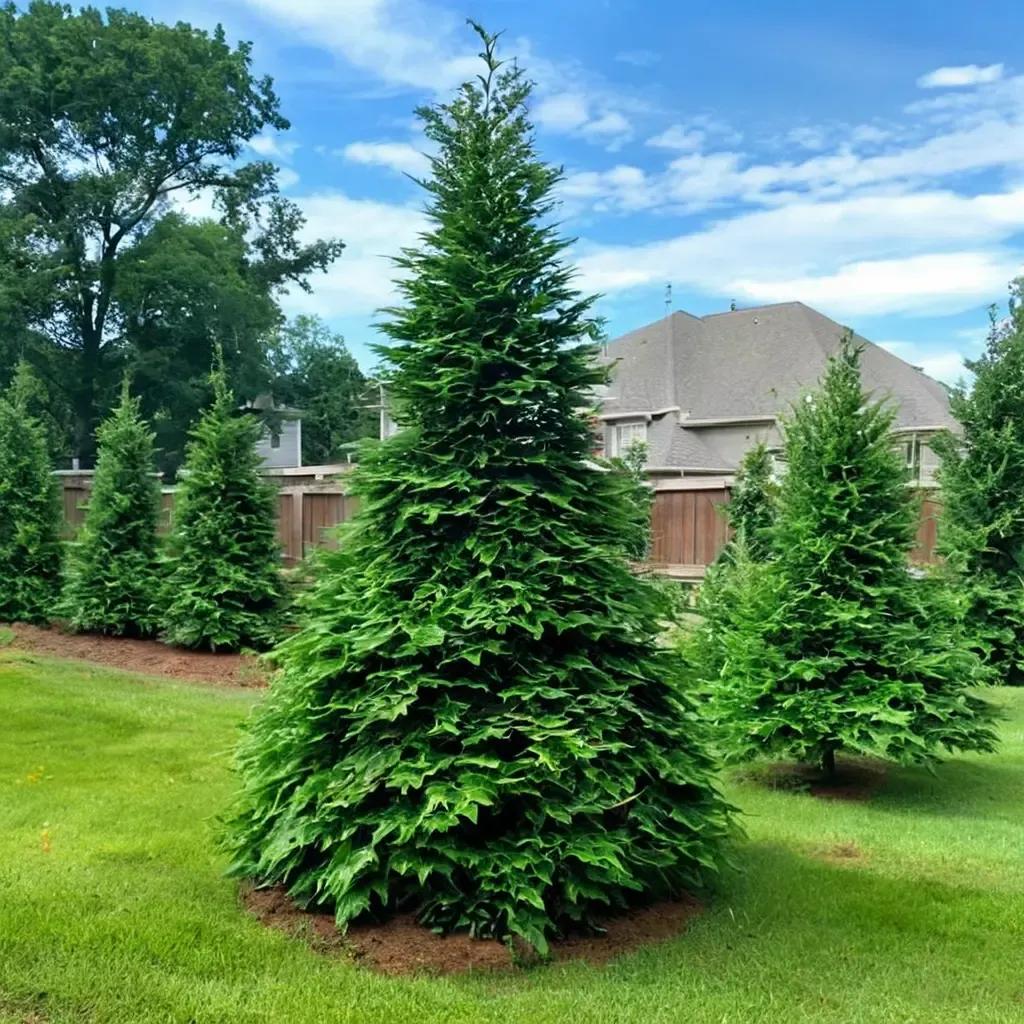 ‘Green Giant’Green Giant Arborvitae
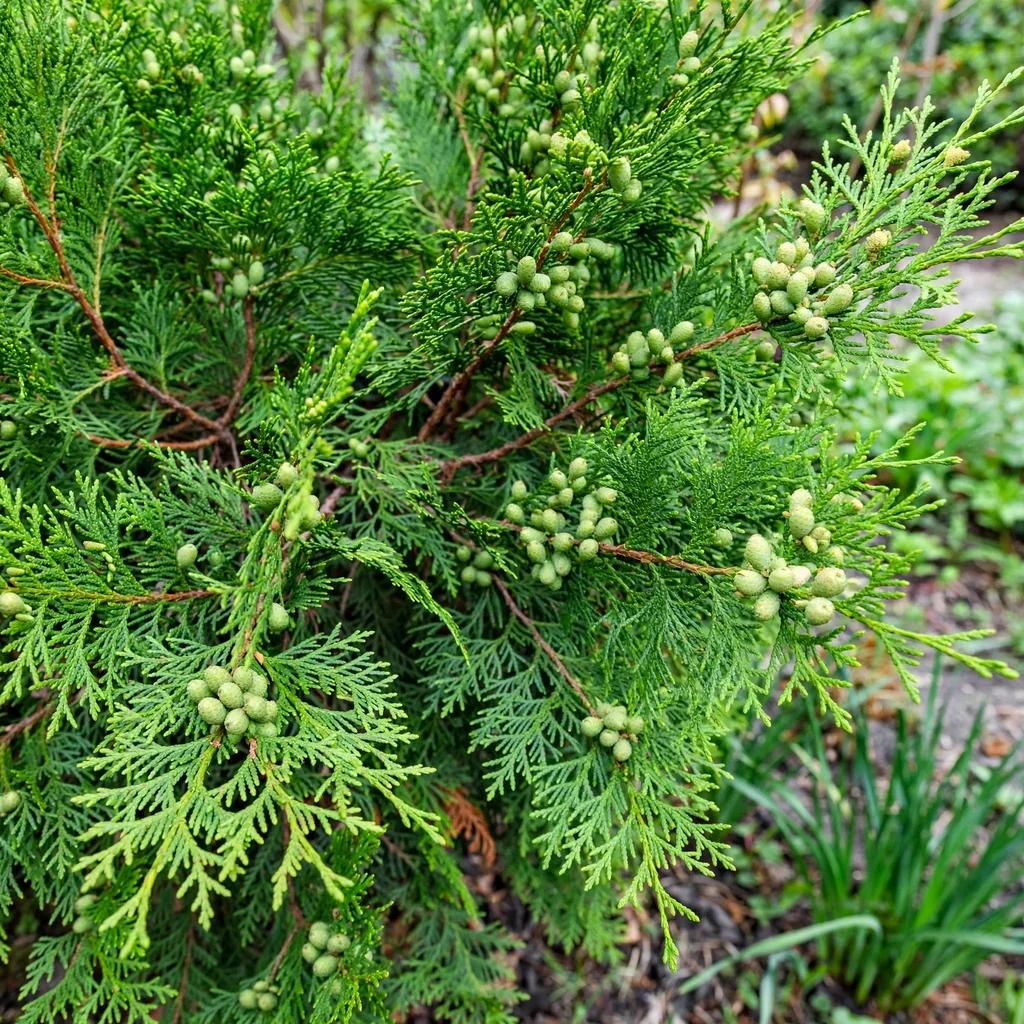 ‘Emerald Green’Emerald Green Arborvitae
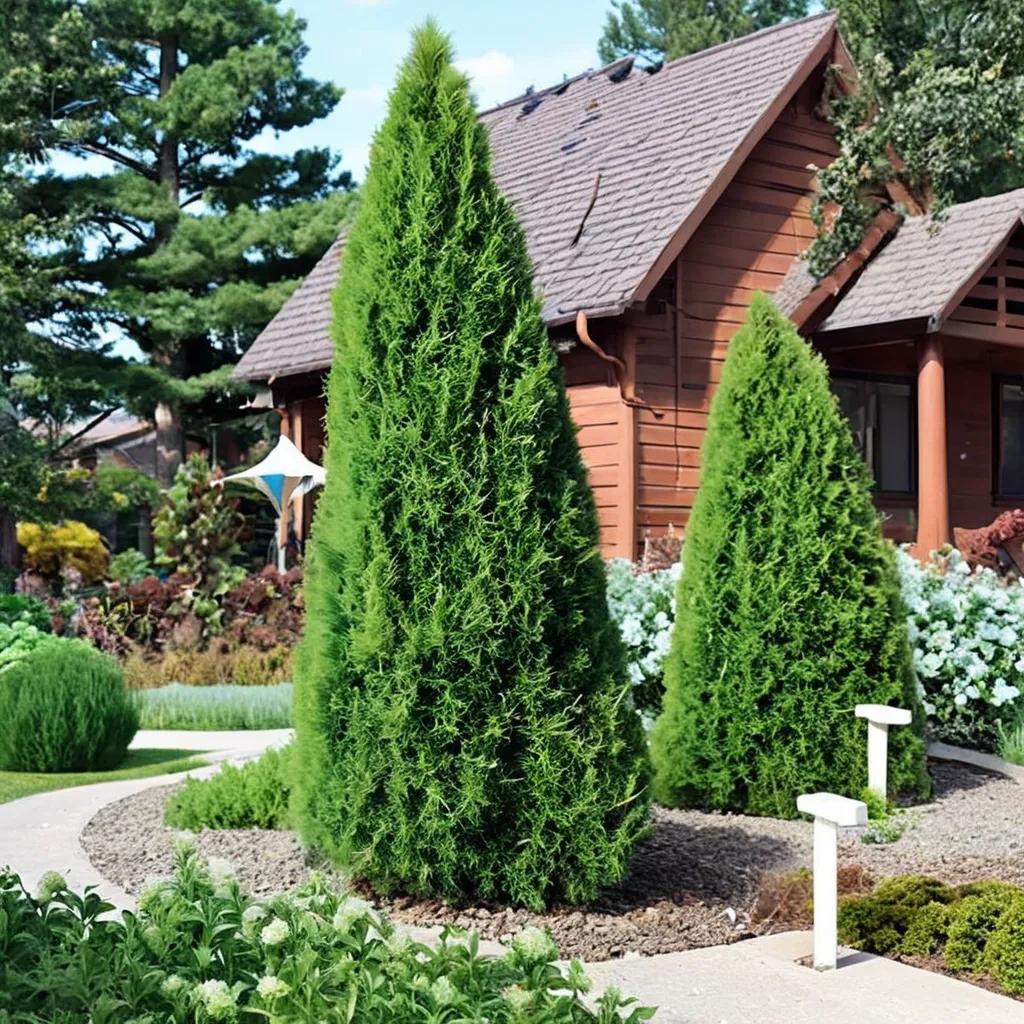 ‘Smaragd Emerald’Smaragd Emerald Arborvitae
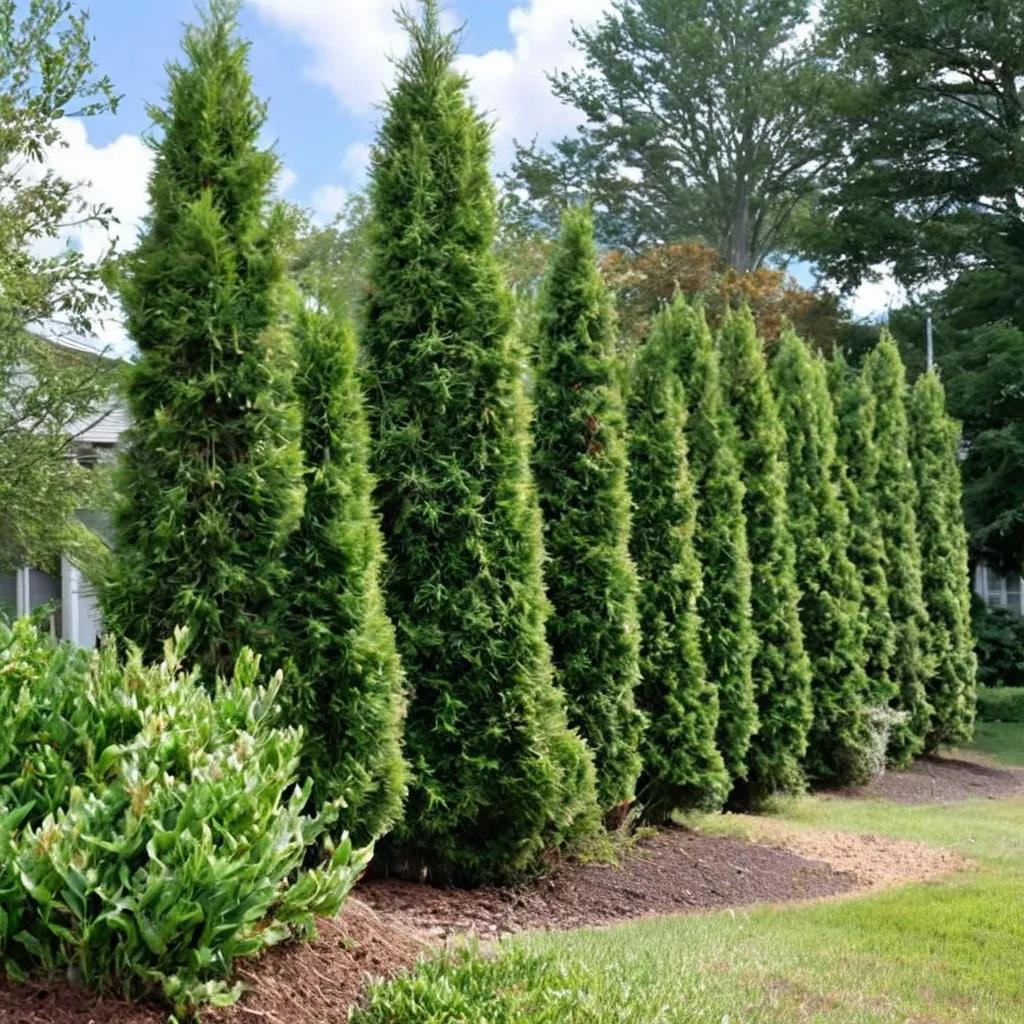 ‘American Pillar’American Pillar Arborvitae
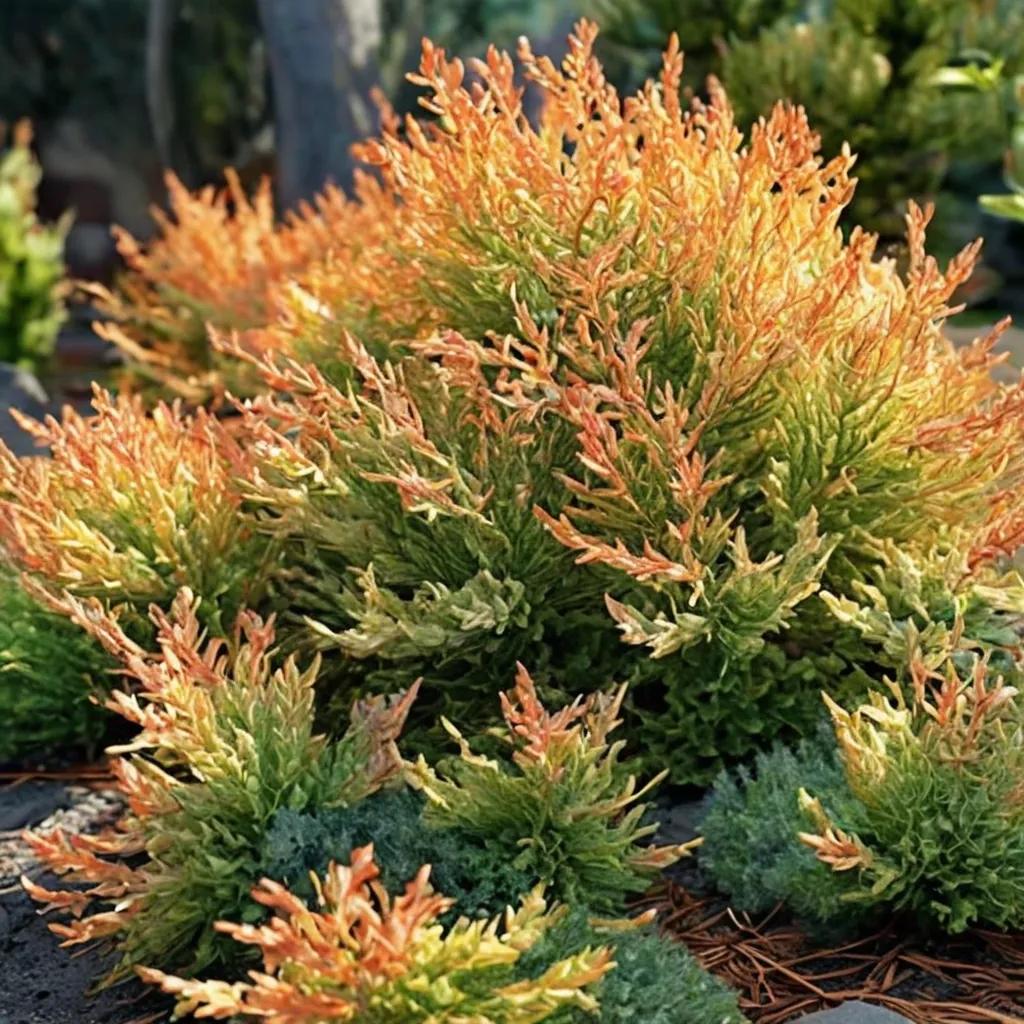 ‘Fire Chief’Fire Chief Arborvitae
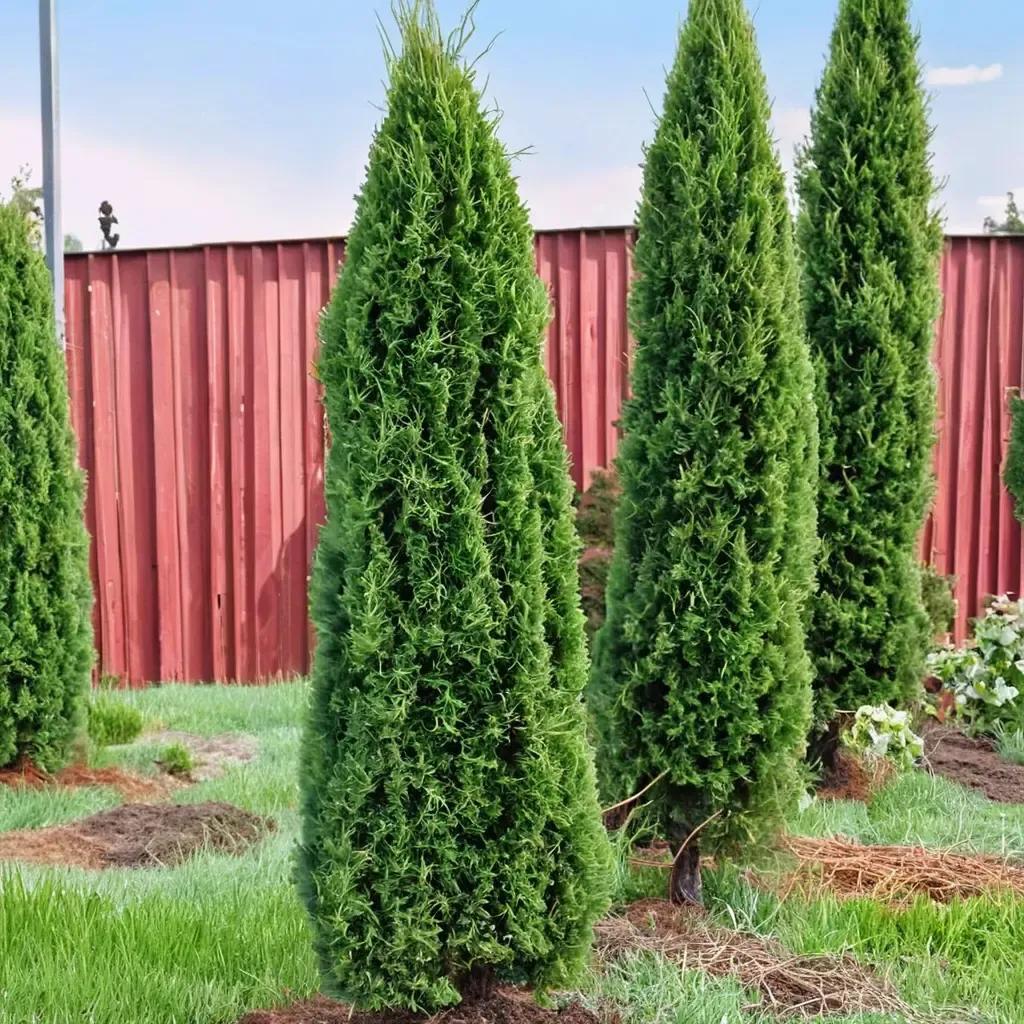 ‘Degroot’Degroot's Spire Arborvitae
 ‘Columbia’Eastern Arborvitae Western Arborvitae
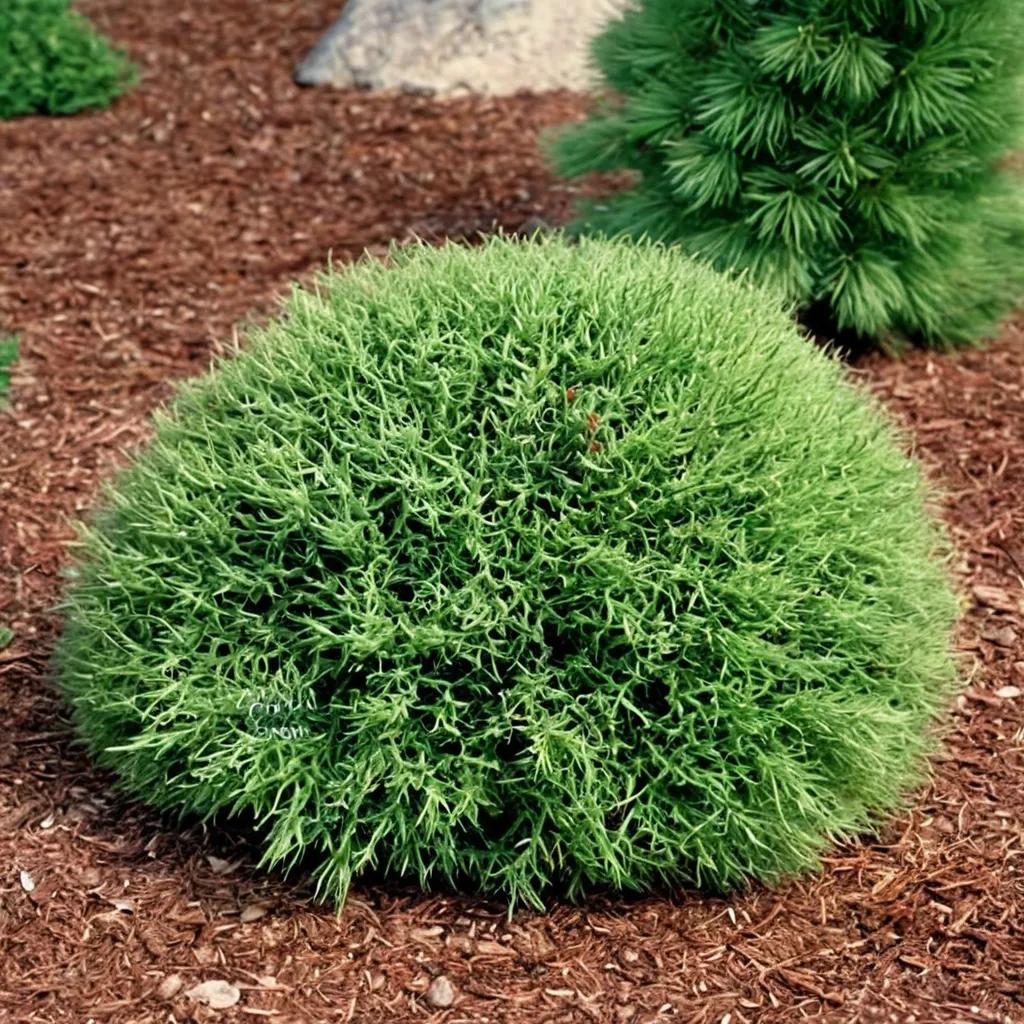 ‘Mr Bowling Ball’Mr Bowling Ball Arborvitae
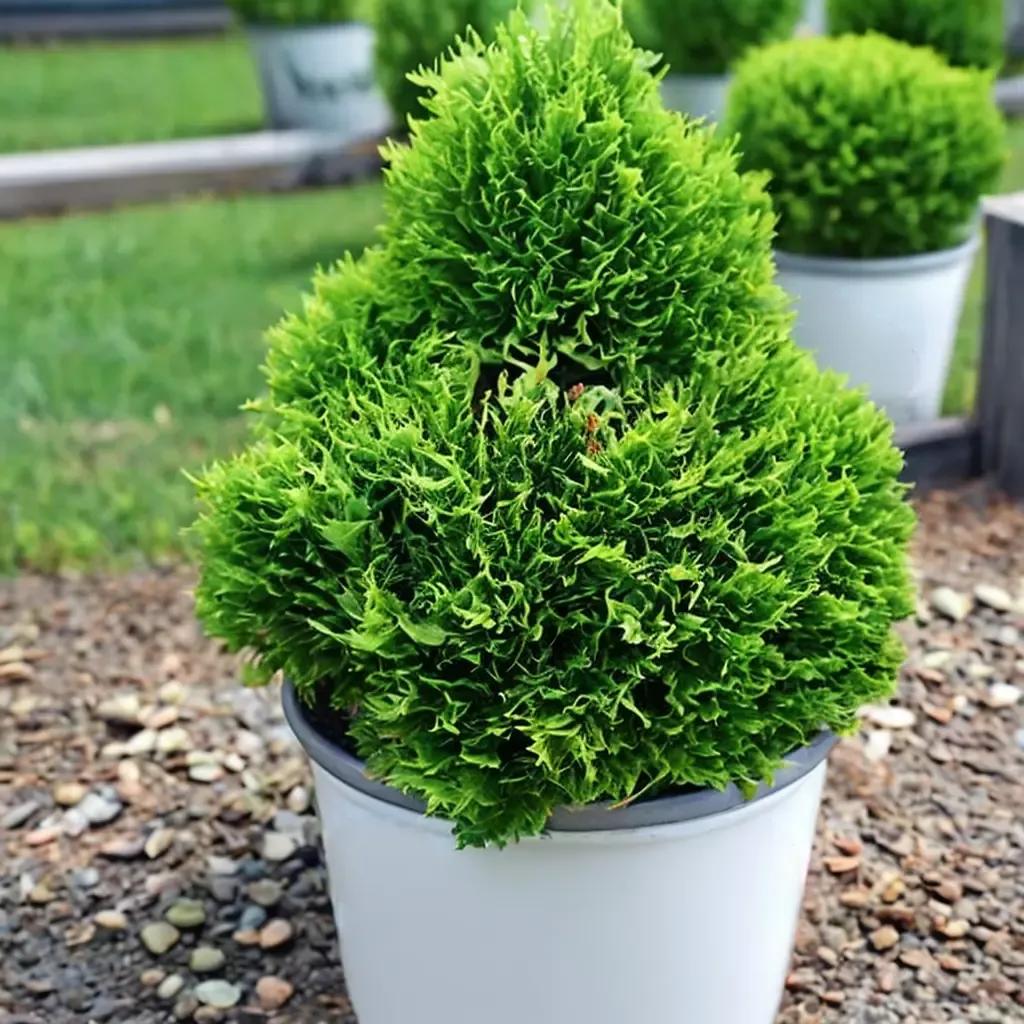 ‘TATER TOT’Tater Tot Arborvitae
 ‘Degroot's Spire’Degroot's Spire Arborvitae
 ‘Golden Globe’Golden Globe Arborvitae
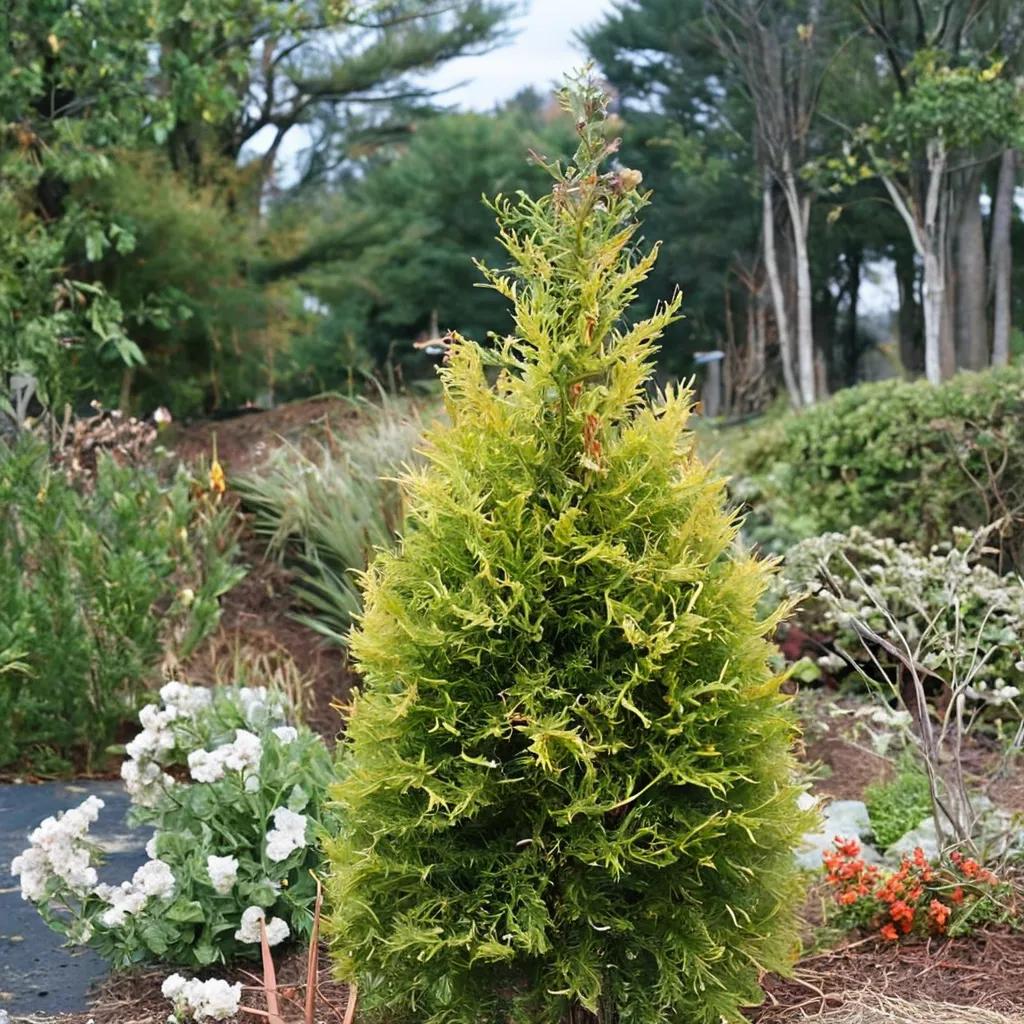 ‘Polar Gold’Polar Gold Thuja
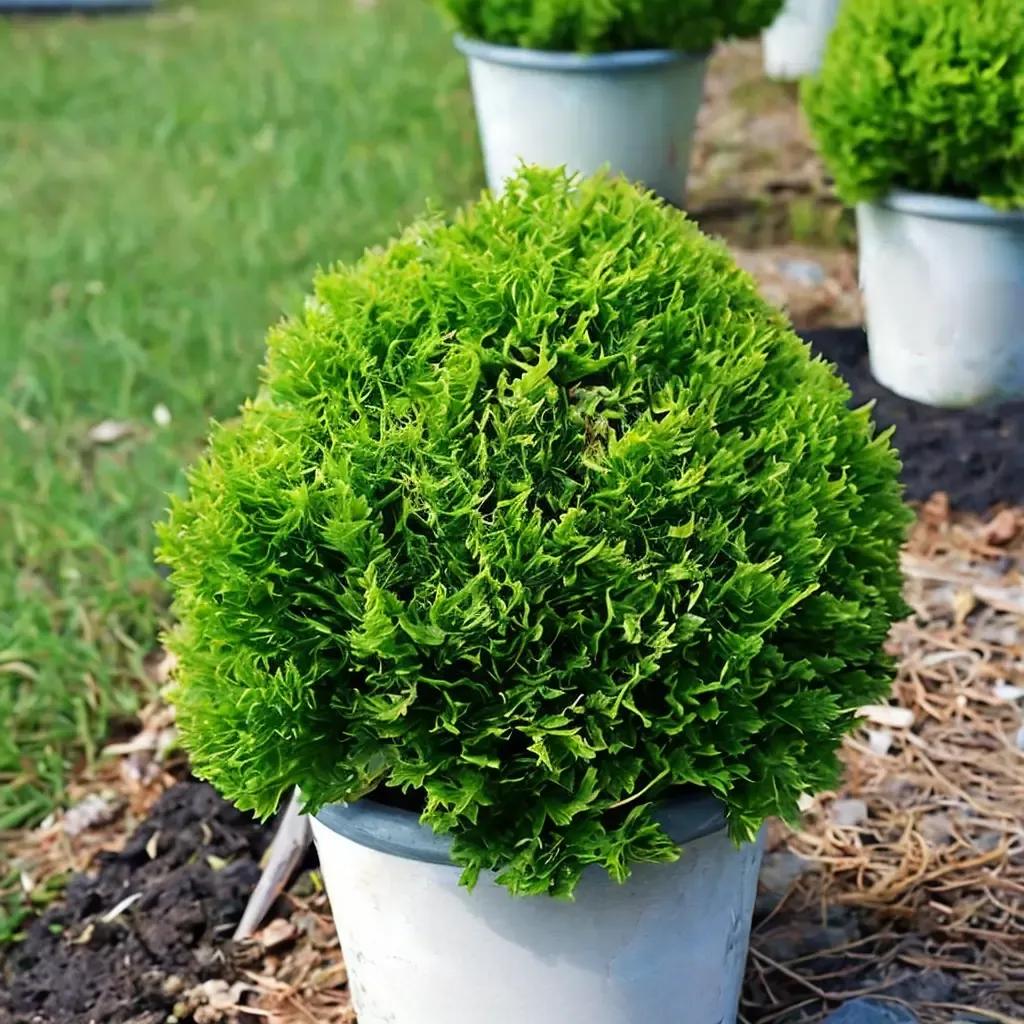 ‘Tator Tot’Tator Tot Arborvitae
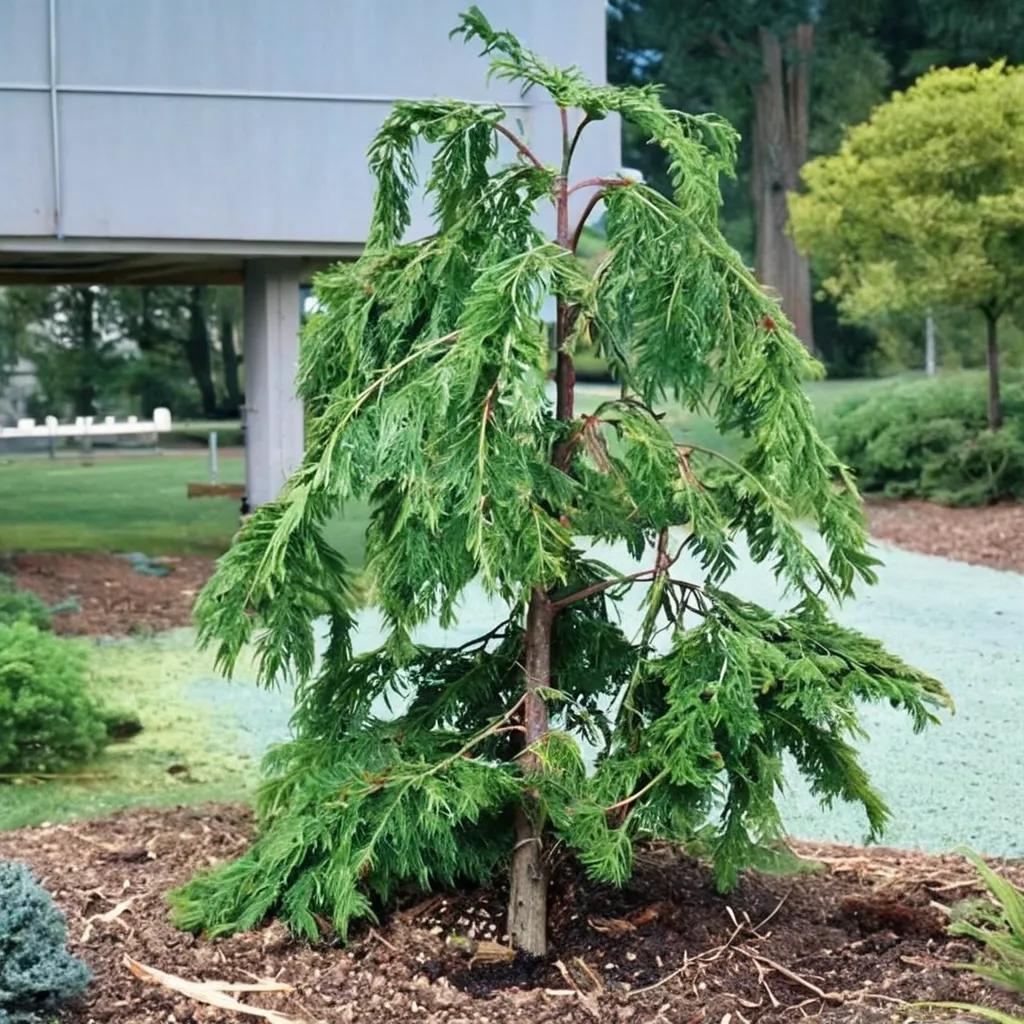 ‘Pendula’Weeping Arborvitae
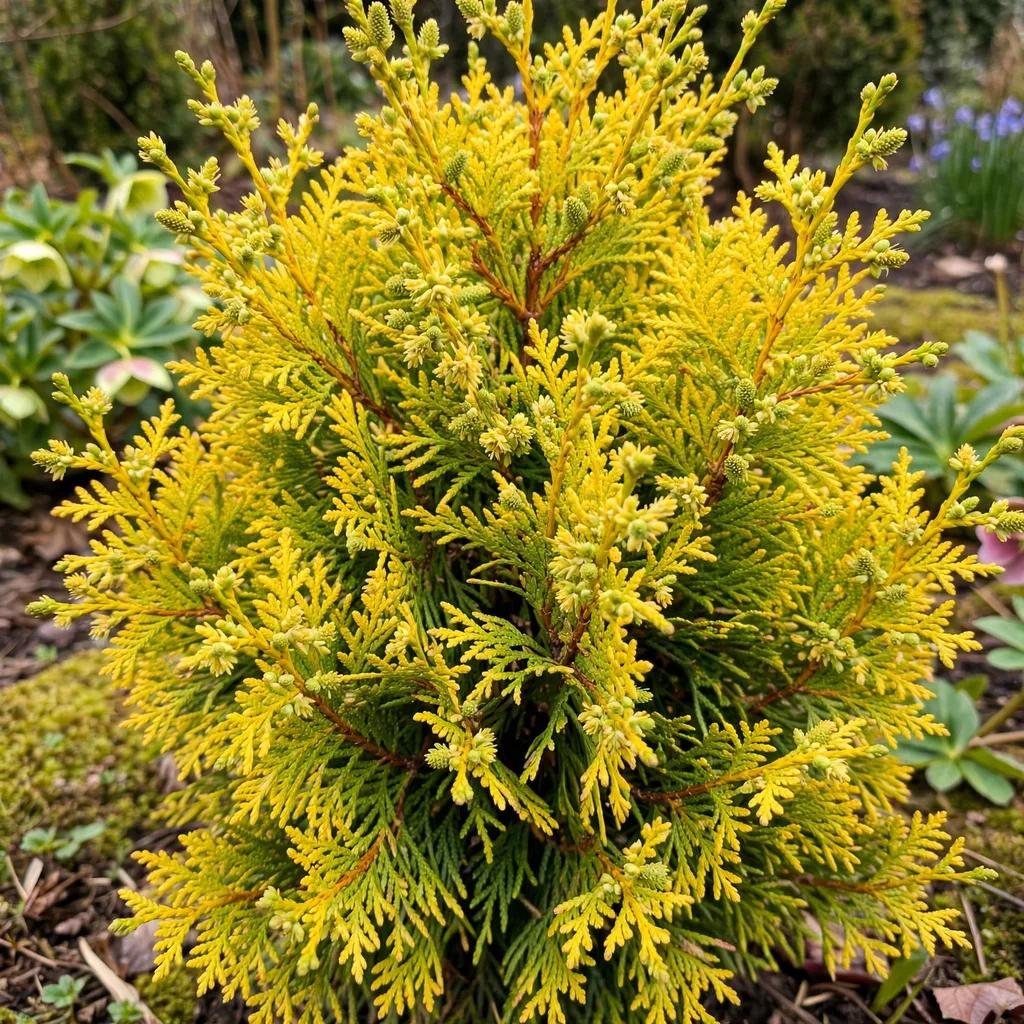 ‘Sunkist’Sunkist Arborvitae
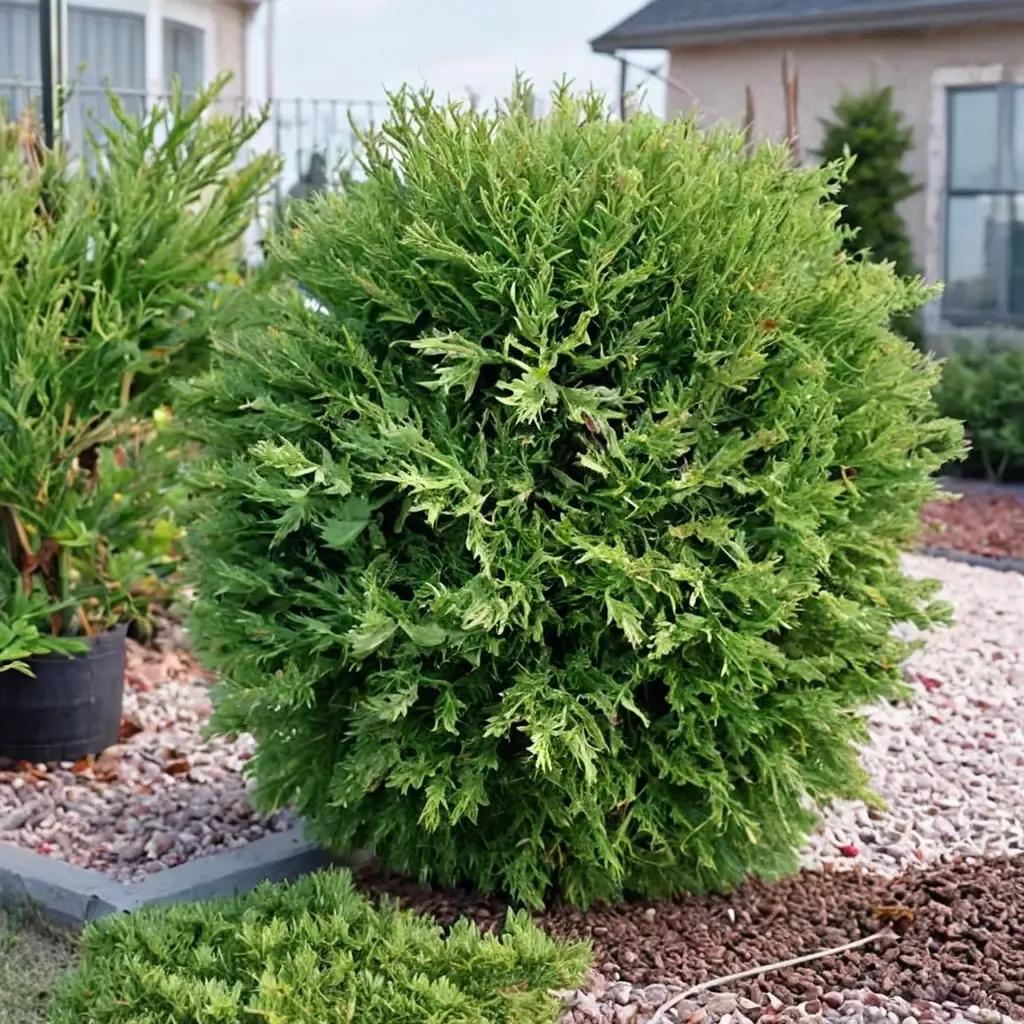 ‘Woodward Globe’Woodward Globe Arborvitae
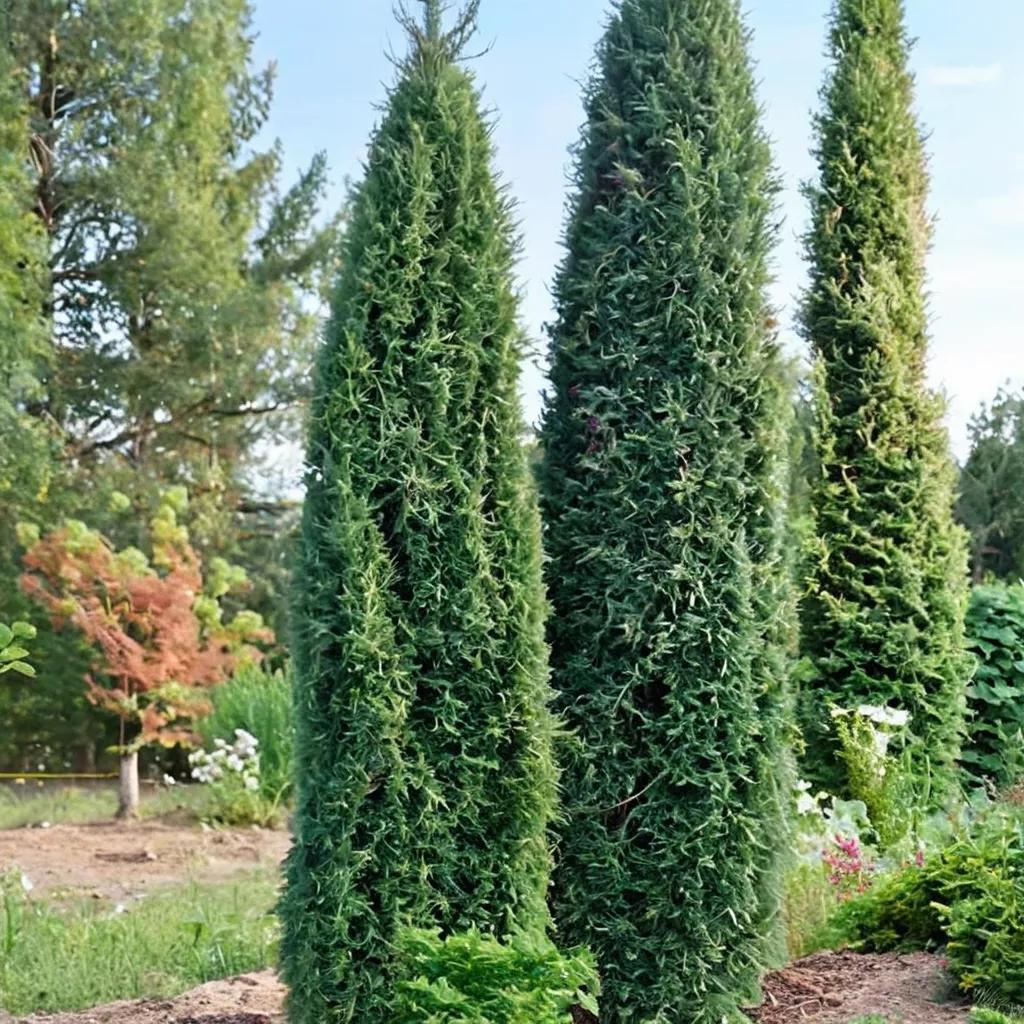 ‘Thin Man’Eastern Arborvitae Thin Man
 ‘Little Giant’Little Giant Arborvitae
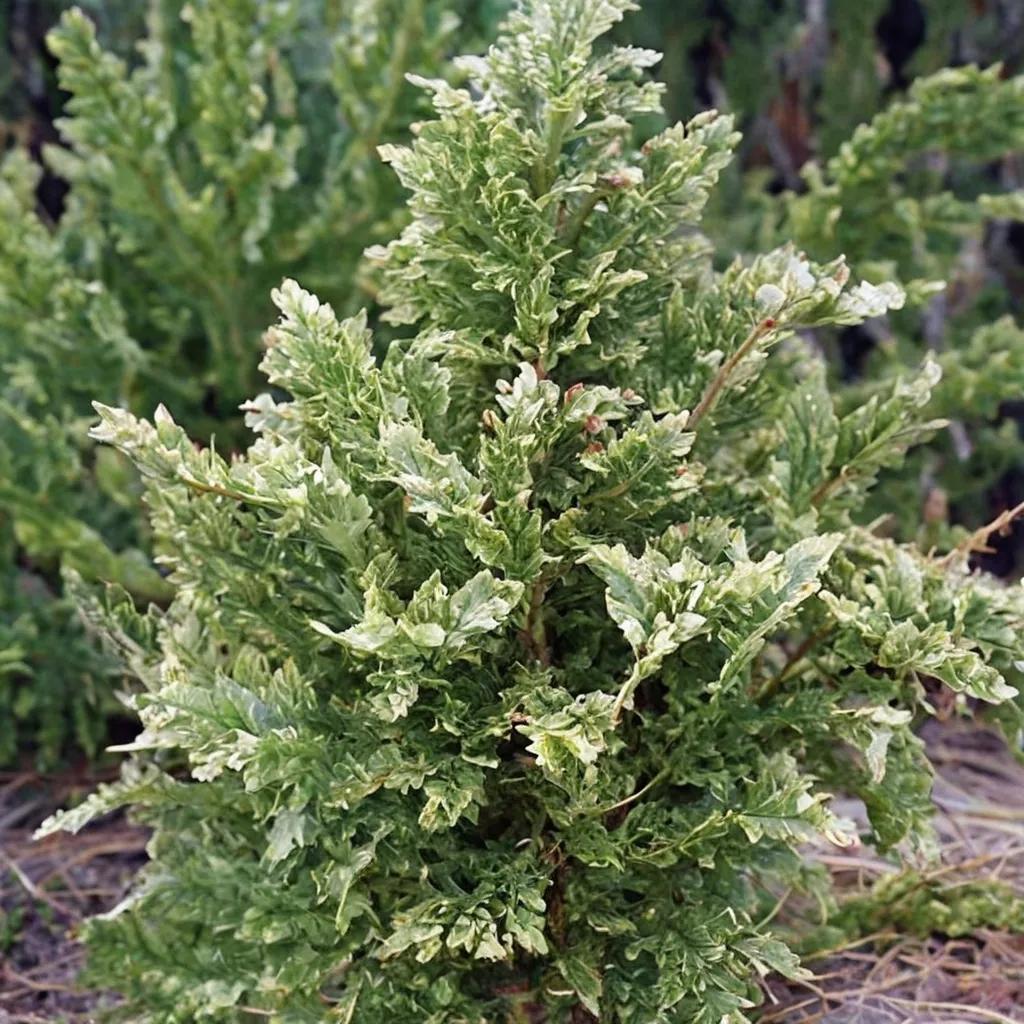 ‘Sherwood Frost’Sherwood Frost Arborvitae
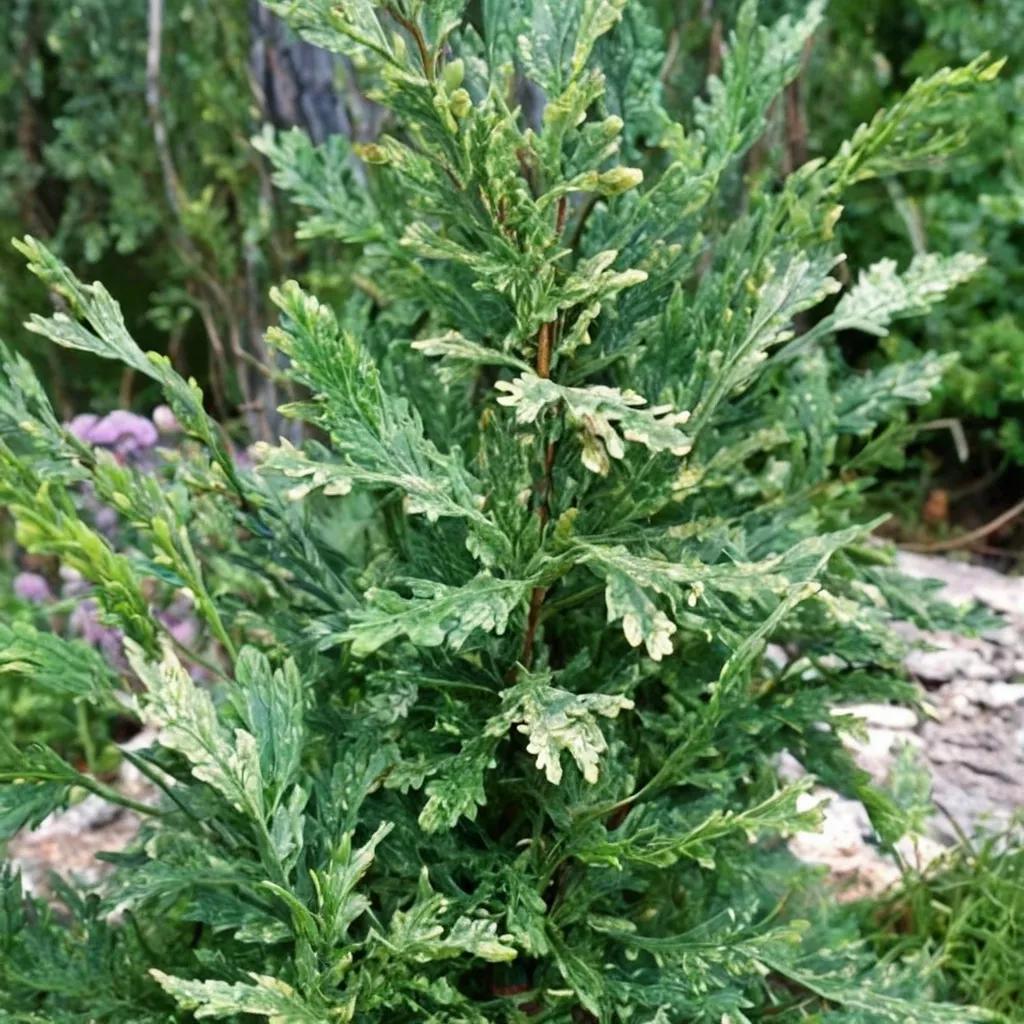 ‘Wansdyke Silver’Wansdyke Silver American Arborvitae
 ‘Sting’Eastern Arborvitae
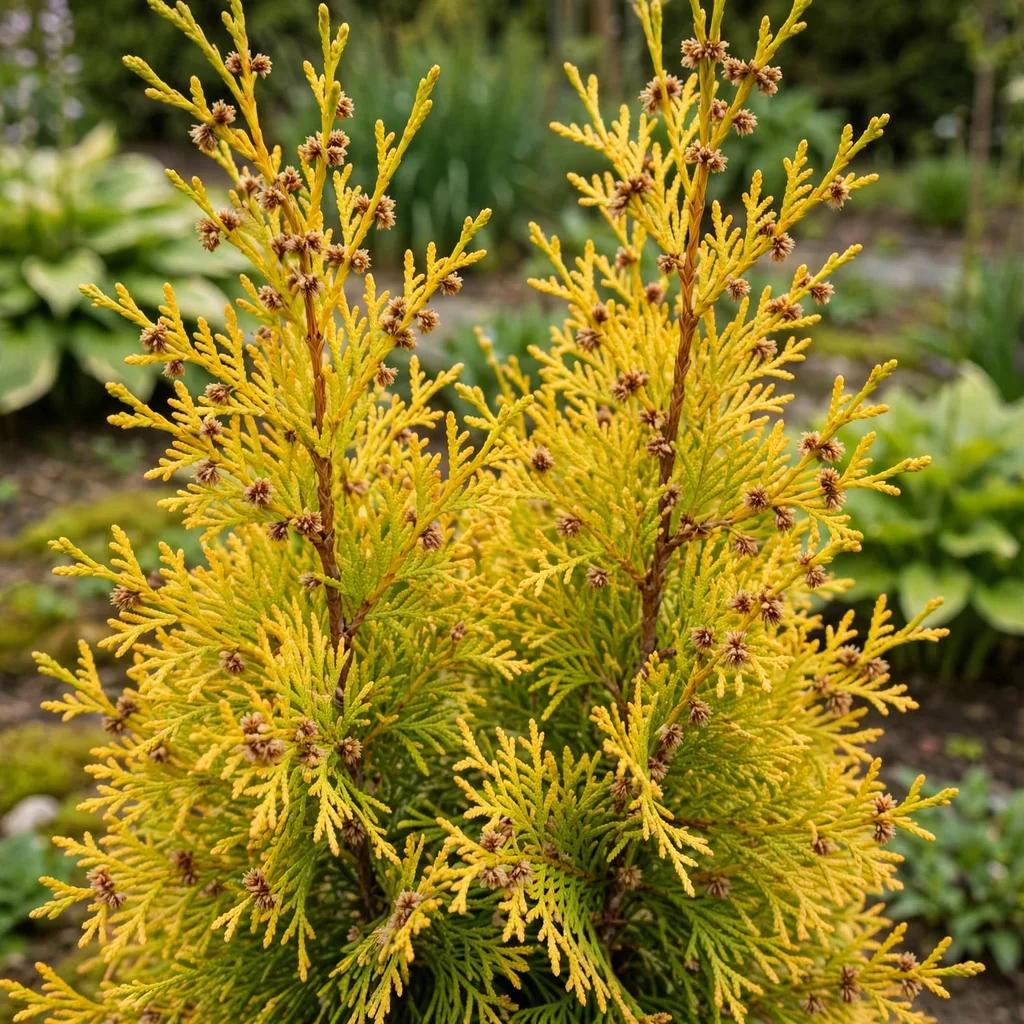 ‘Yellow Ribbon’Yellow Ribbon Arborvitae
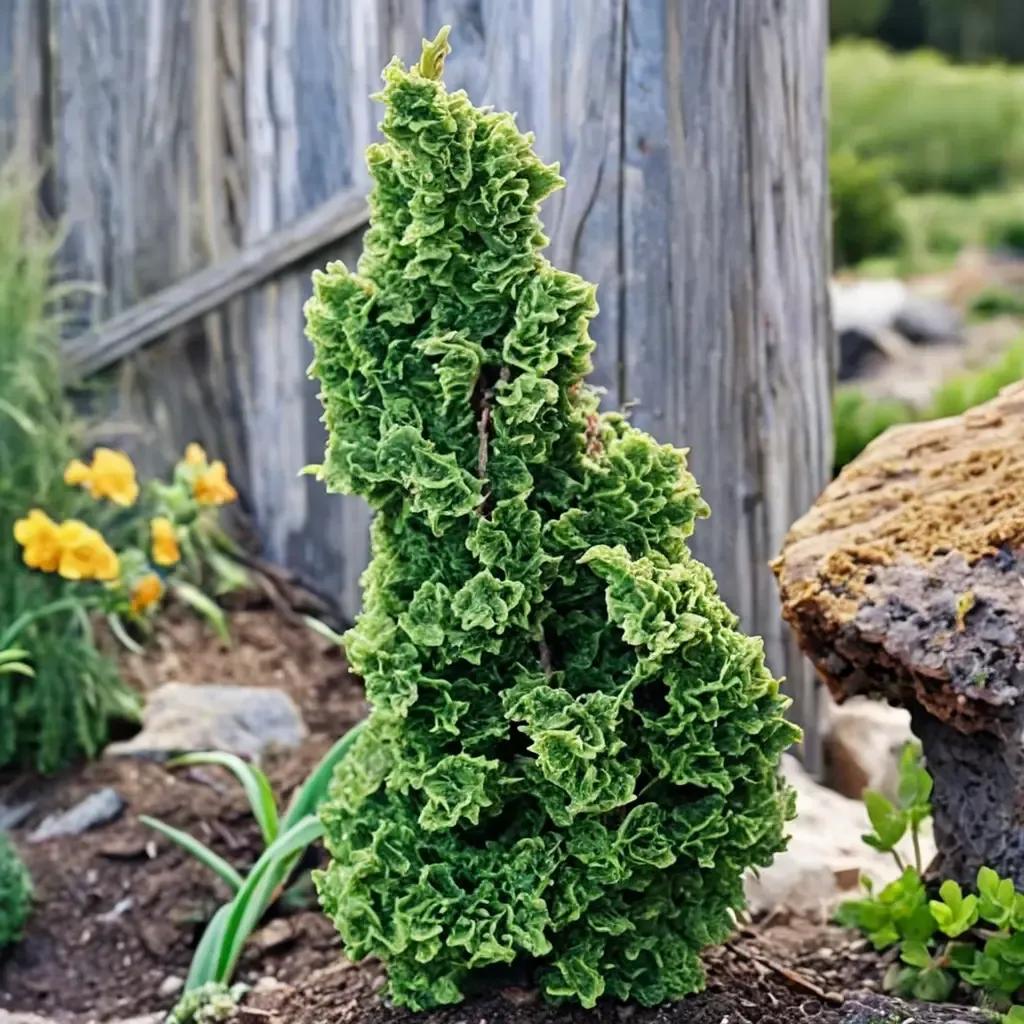 ‘Primo’Primo Arborvitae
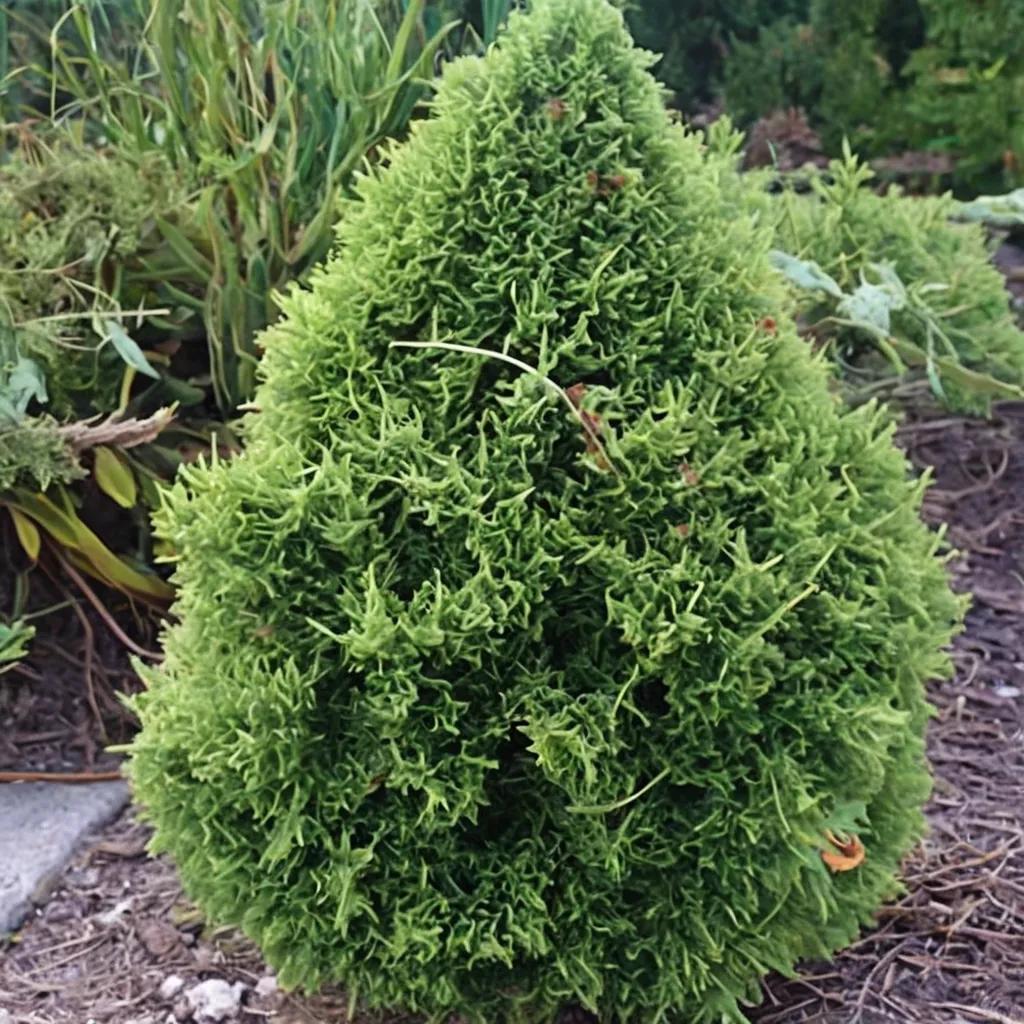 ‘Connecticut Dwarf’Connecticut Dwarf Arborvitae
 ‘Pumila Sudworth’Sudworth Globe Arborvitae
 ‘Cheer Drops’Cheer Drops Arborvitae
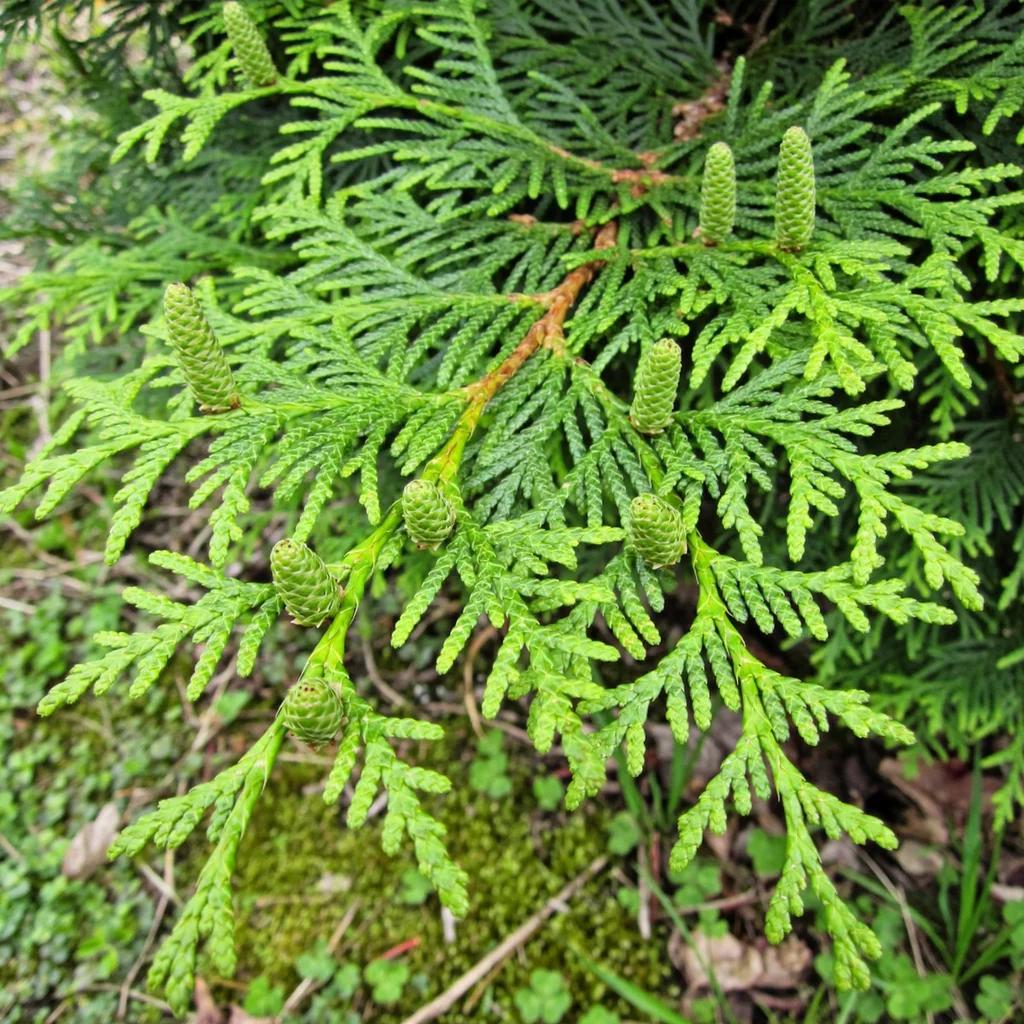 ‘Smaragd’Emerald Green Arborvitae
 ‘Highlights’Highlights Arborvitae
 ‘Nigra’Dark Green Arborvitae
 ‘Brabant’American Arborvitae
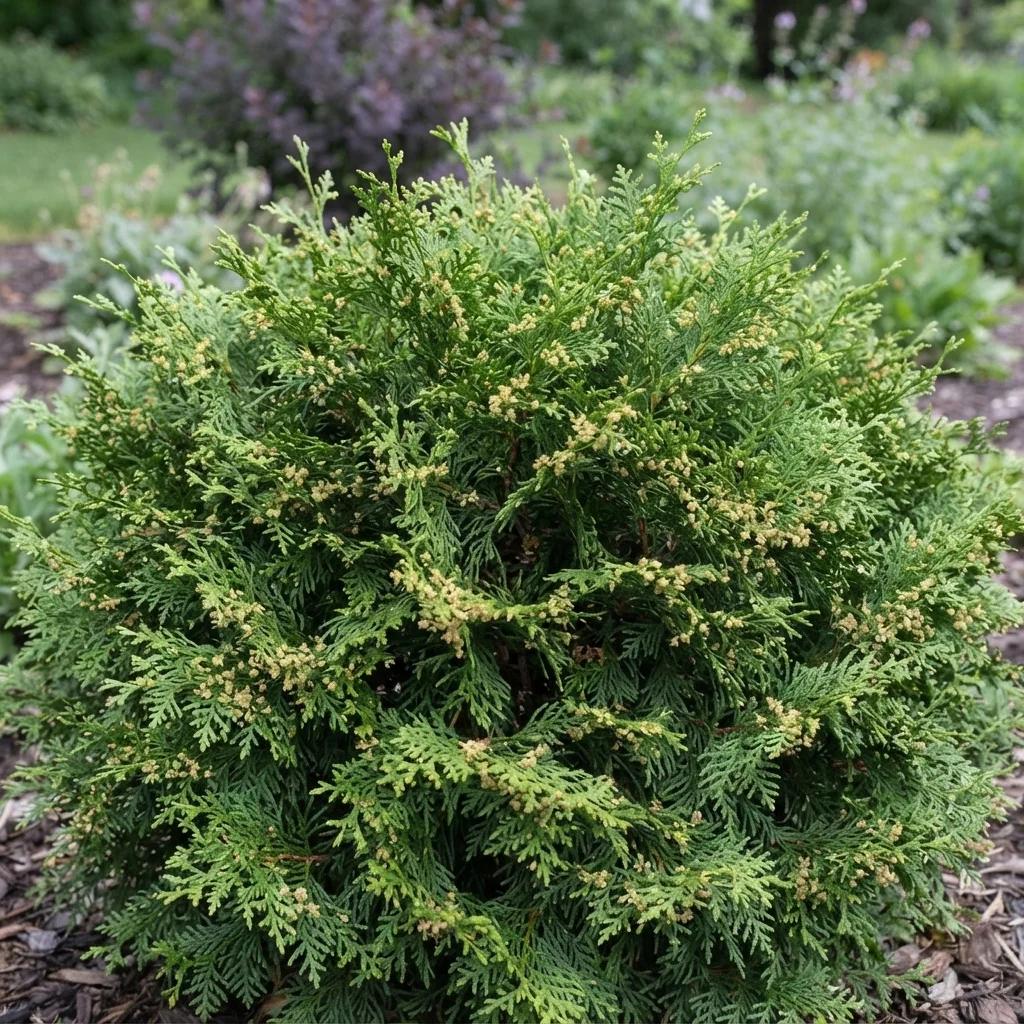 ‘Woodwardii’Woodward's Globe Arborvitae
 ‘Pancake’Pancake arborvitae
The Story
Plant Bio
Thuja occidentalis, commonly known as Eastern Arborvitae, is an evergreen tree known for its dense, columnar growth habit.
It is highly prized for its use as a privacy screen or windbreak due to its ornamental evergreen foliage and tolerance to various soil types.
Uses & Benefits:
Essentials
At a Glance
Plant Type
Tree
Height
360"
Width
144"
Light
Full Sun, Partial Sun
Zones
4, 5, 6, 7
Water
Moderate
Humidity
Average
Lifespan
50+ years
Native To
North America
Toxicity
Toxic if ingested in large quantities
Marketplace
Where to Buy
Shipping costs Year-round shipping Free shipping
Planting
How to Grow
- Select a sunny location with well-drained soil for planting.
- Dig a hole twice as wide and just as deep as the root ball.
- Loosen the soil at the bottom of the hole to improve drainage.
- Place the plant in the hole, ensuring the top is level with the soil surface.
- Backfill with native soil, firming gently around the roots.
- Water thoroughly to settle the soil and eliminate air pockets.
Pro Tip
Mulch around the base to retain moisture and suppress weeds, especially in hot climates.
Keep It Thriving
Care Guide
Do
- Water regularly during dry spells 🌱
- Prune lightly in early spring to maintain shape
- Apply mulch annually to conserve moisture
- Fertilize with a balanced evergreen fertilizer in spring
Don't
- Avoid overwatering to prevent root rot ❌
- Do not prune heavily in late summer or fall
- Never plant in poorly drained soil
- Avoid exposing to harsh winter winds
Seasonal Care Calendar
| Task | Jan | Feb | Mar | Apr | May | Jun | Jul | Aug | Sep | Oct | Nov | Dec |
|---|---|---|---|---|---|---|---|---|---|---|---|---|
| Fertilize | ||||||||||||
| Pest Check | ||||||||||||
| Prune |
Watch Out For
Pests & Diseases
Common Pests
Common Diseases
In the Garden
Landscape Uses & Companions
Landscape Uses
Multiply
Propagation Methods
Good to Know
Common Questions
Eastern Arborvitae Northern White Cedar questions
What zones can Eastern Arborvitae Northern White Cedar grow in?
Eastern Arborvitae Northern White Cedar is hardy in USDA Zones 4–7. Inside that range it survives winter in the ground; outside it, grow it as an annual or a container plant you protect.
Is Eastern Arborvitae Northern White Cedar deer resistant?
Not reliably. Deer may browse Eastern Arborvitae Northern White Cedar, especially tender spring growth — plan on repellents or fencing where pressure is high.
Does Eastern Arborvitae Northern White Cedar need full sun?
Eastern Arborvitae Northern White Cedar does best in full sun to part shade. In hot climates, afternoon shade keeps blooms fresher longer.
Is Eastern Arborvitae Northern White Cedar drought tolerant?
Yes — once established (usually after the first full season), Eastern Arborvitae Northern White Cedar handles dry spells with minimal watering. Water deeply its first year to build the root system that makes that possible.
More Thuja to compare
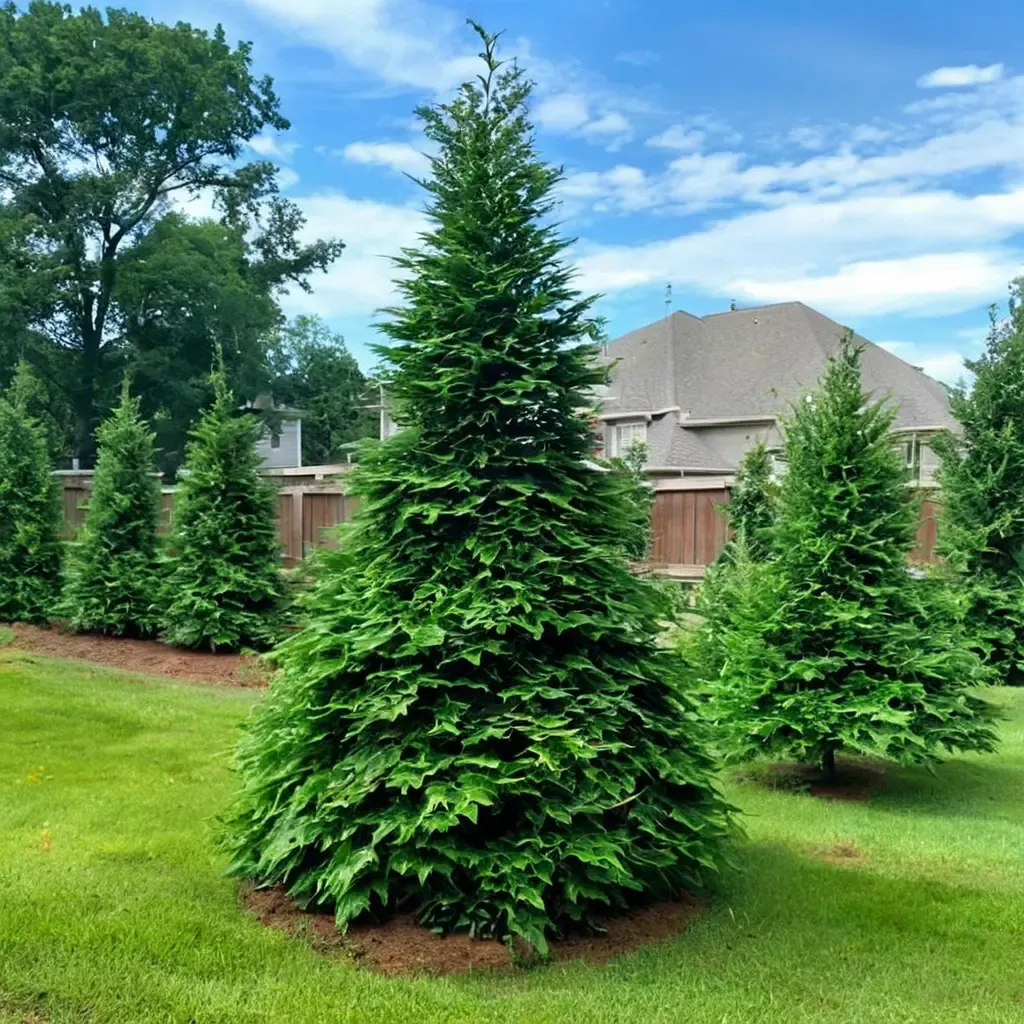
Green Giant Arborvitae
Thuja occidentalis 'Green Giant'
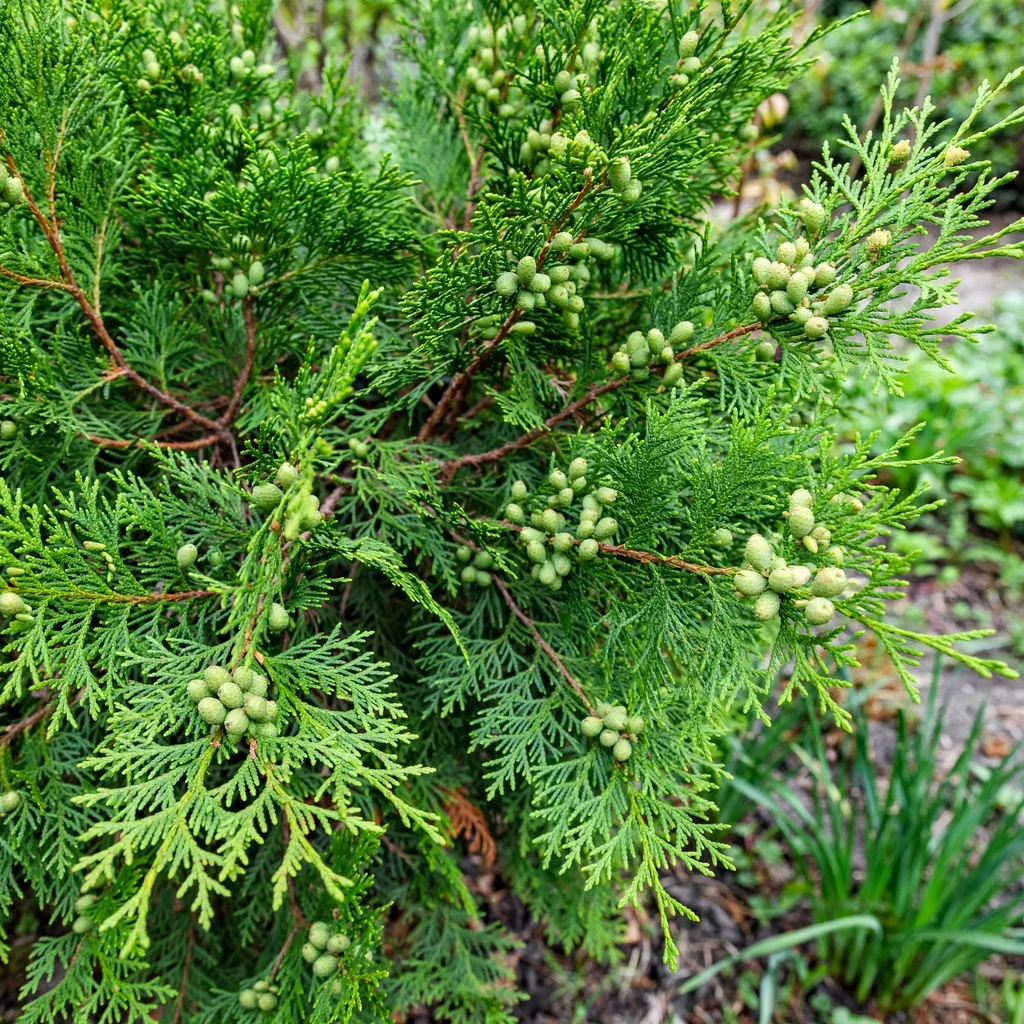
Emerald Green Arborvitae
Thuja occidentalis 'Emerald Green'
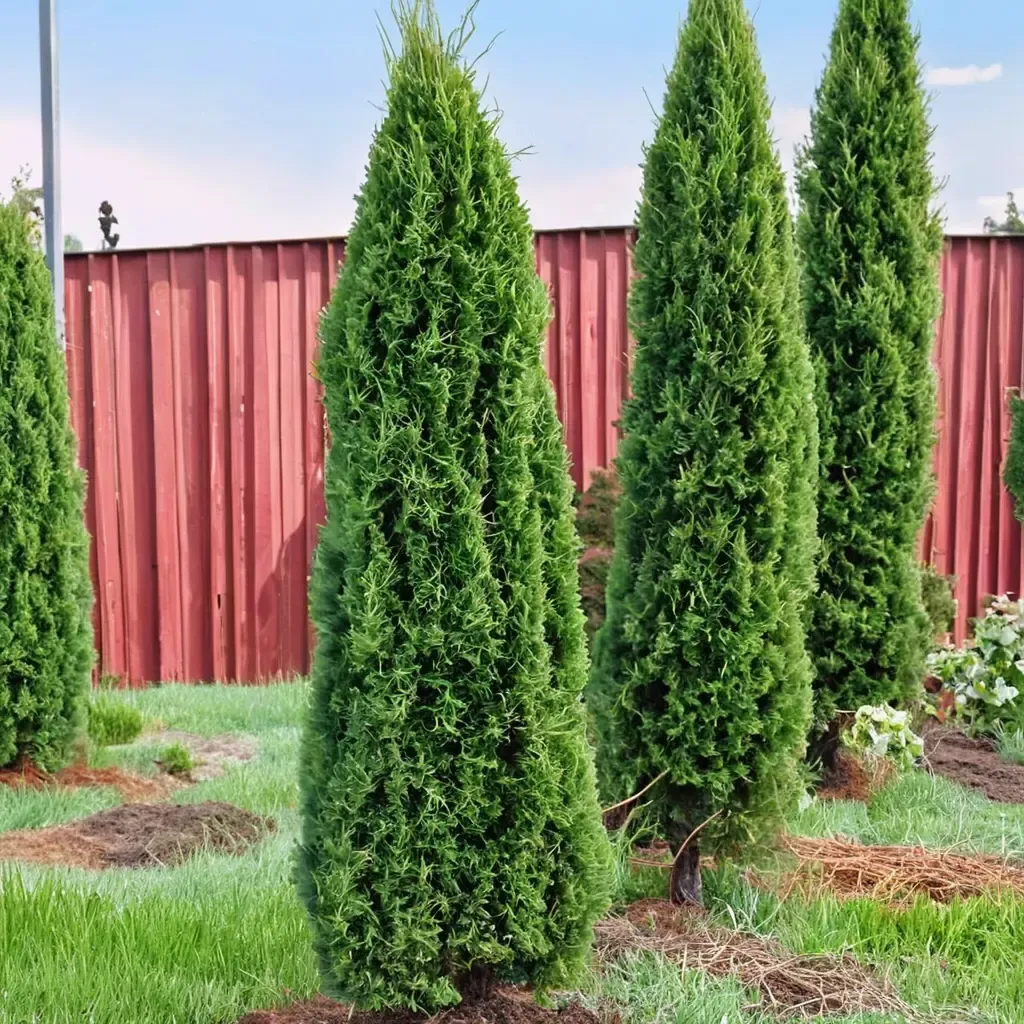
Degroot's Spire Arborvitae
Thuja occidentalis 'Degroot'
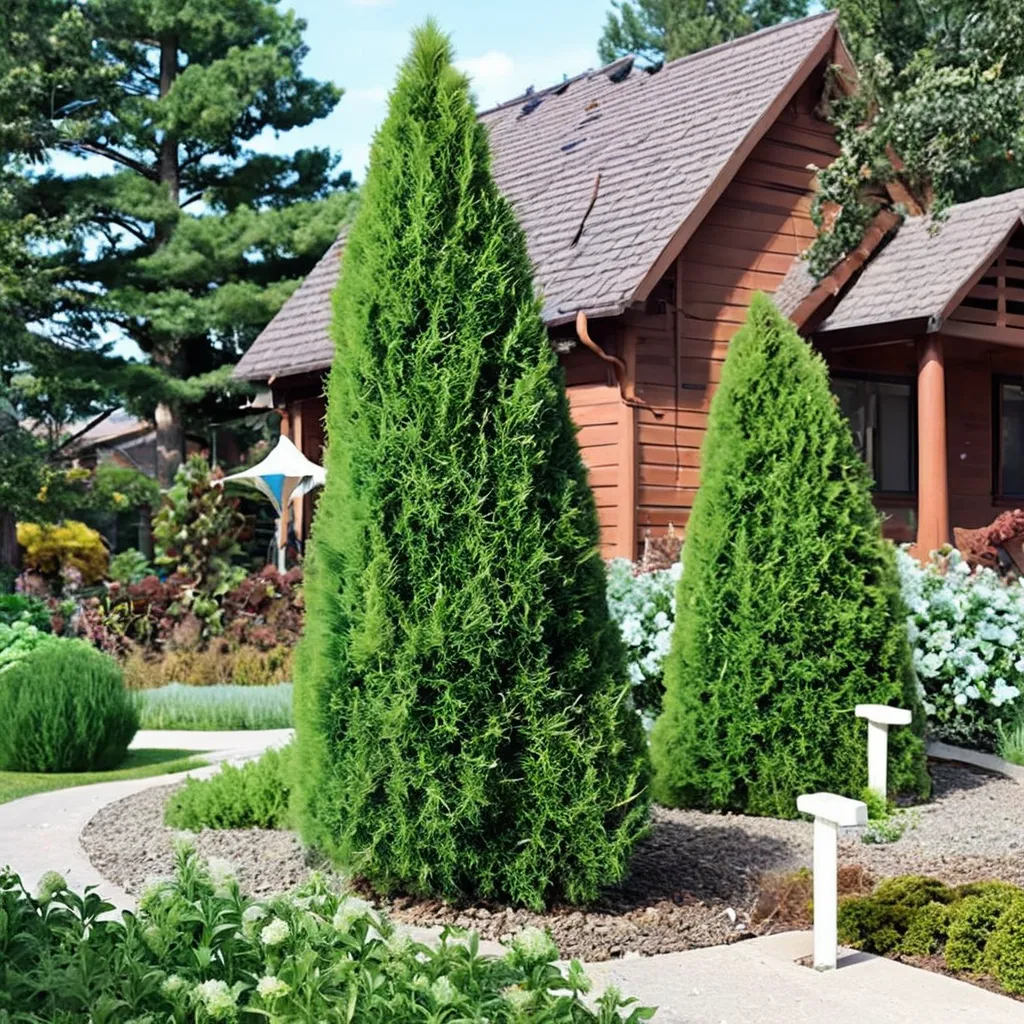
Smaragd Emerald Arborvitae
Thuja occidentalis 'Smaragd Emerald'
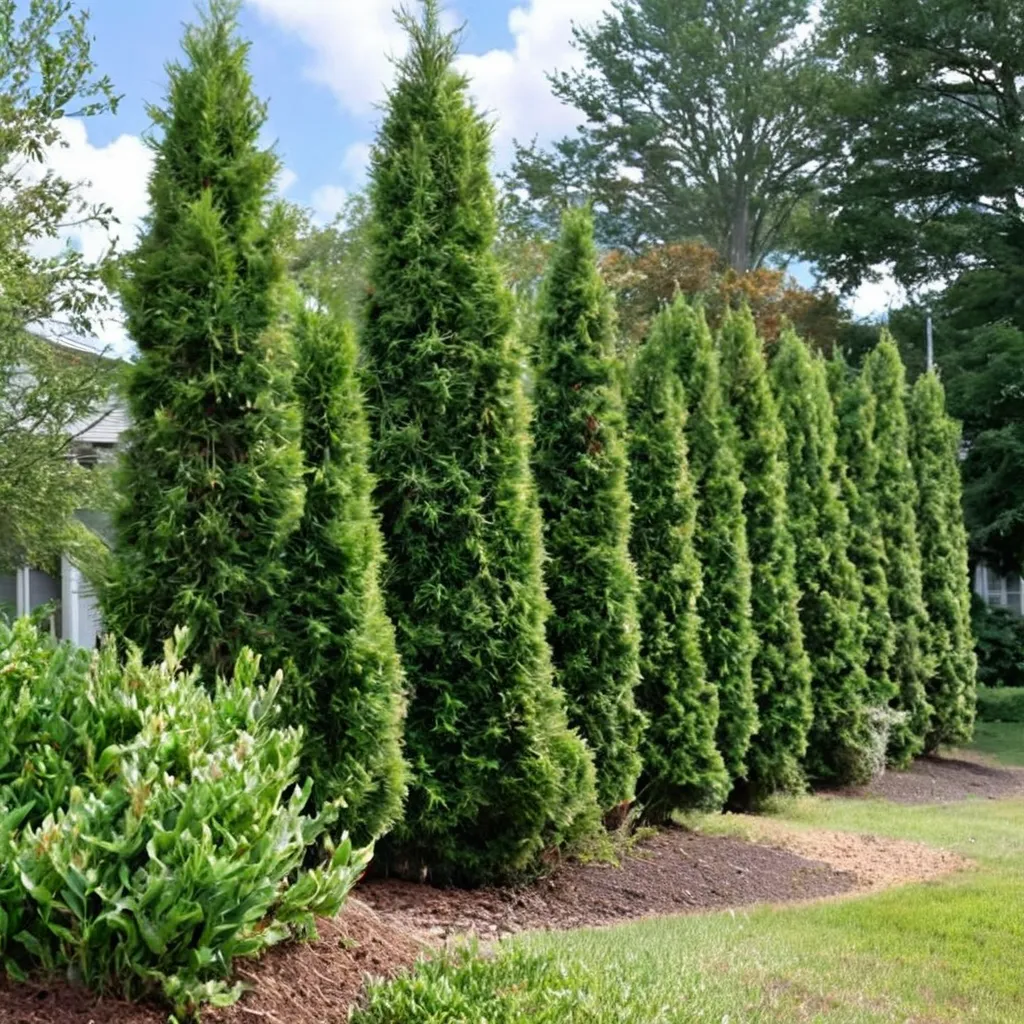
American Pillar Arborvitae
Thuja occidentalis 'American Pillar'
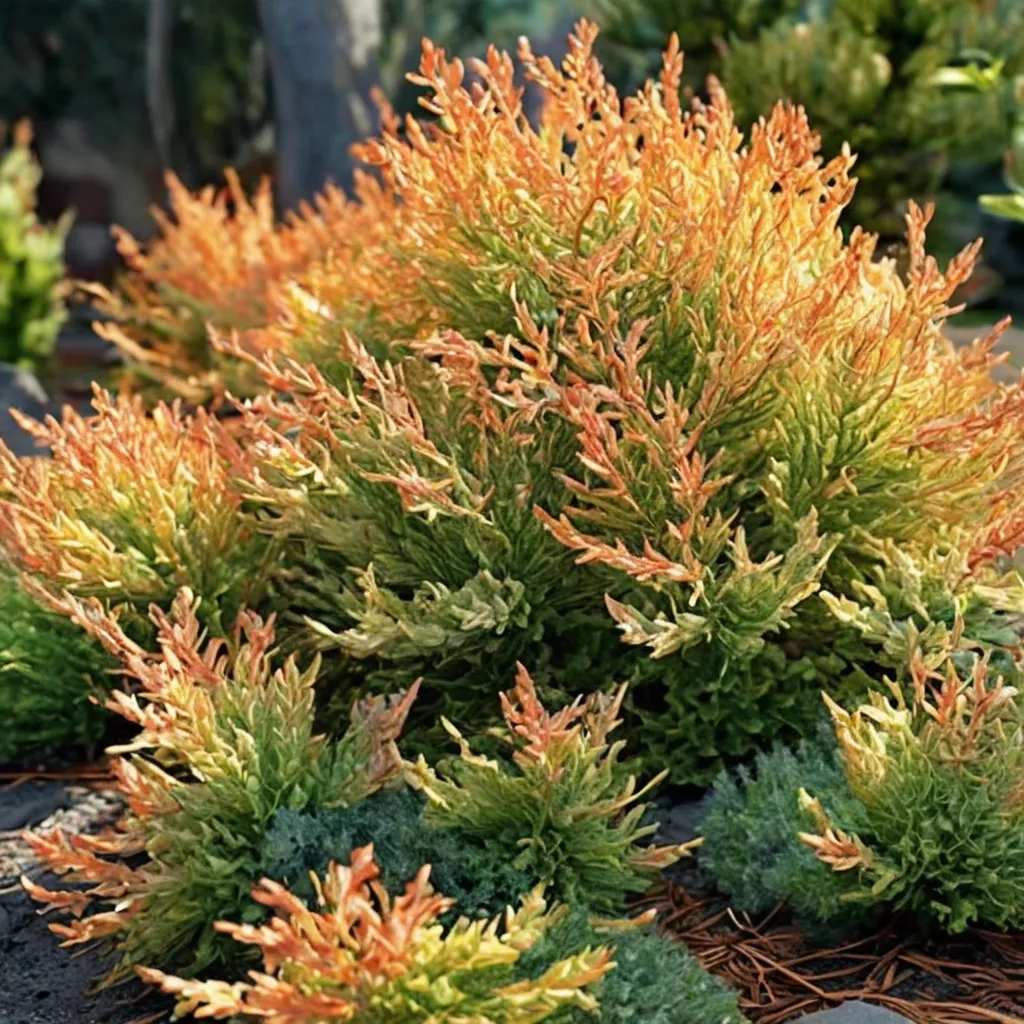
Fire Chief Arborvitae
Thuja occidentalis 'Fire Chief'
Keep exploring
Explore the genus
Hardy in your zone?
Grow Eastern Arborvitae Northern White Cedar with confidence
See it in a design of your actual yard, get zone-matched care reminders, and track it season by season in your garden journal.