
The Story
Plant Bio
Ulmus laevis, commonly known as the European white elm, is a large, fast-growing deciduous tree native to Europe and Western Asia that develops a broad-oval crown and distinctive buttress roots. The species is highly adapted to alluvial floodplains, capable of enduring over one hundred days of continuous inundation once established.
This species is distinguished from other elms by its drooping flower clusters suspended on exceptionally long stalks, which flutter in the wind before the leaves emerge. While susceptible to Dutch elm disease, its specific bark chemistry makes it less attractive to the vector bark beetles, resulting in lower infection rates than native American elms.
Uses & Benefits:
Essentials
At a Glance
Plant Type
Tree
Height
1574"
Width
1181"
Light
Full Sun, Partial Sun
Zones
4, 5, 6, 7, 8, 9
Water
Moderate to High
Humidity
High
Lifespan
Long
Native To
Europe, Western Asia
Toxicity
Non-toxic
Bloom period
Spring
In flower about 3 months of the year
Planting
How to Grow
- Select a planting site in full sun or partial shade with moist, nutrient-rich soil.
- Dig a hole twice as wide as the root ball and of equal depth, ensuring the root flare sits level with or slightly above the surrounding soil.
- Backfill with native soil, tamp down lightly to remove air pockets, and water thoroughly to settle the roots.
- Apply a thick layer of organic mulch over the root zone to retain moisture, keeping it several inches away from the trunk bark.
Pro Tip
Prune strictly during the winter dormant season to avoid releasing chemical cues that attract the bark beetles carrying Dutch elm disease.
Keep It Thriving
Care Guide
Do
- Water regularly during extended dry periods to maintain consistent soil moisture.
- Apply a balanced, slow-release organic fertilizer in early spring if soil fertility is poor.
- Prune strictly during the winter dormant season to minimize disease vector attraction.
Don't
- Do not prune into old, bare wood that lacks active buds.
- Do not plant in highly saline coastal areas or soils exposed to salt spray.
- Do not allow the soil to dry out completely during the tree's establishment phase.
Seasonal Care Calendar
| Task | Jan | Feb | Mar | Apr | May | Jun | Jul | Aug | Sep | Oct | Nov | Dec |
|---|---|---|---|---|---|---|---|---|---|---|---|---|
| Fertilize | ||||||||||||
| Mulch | ||||||||||||
| Pest Check | ||||||||||||
| Prune |
Watch Out For
Pests & Diseases
Common Pests
Common Diseases
In the Garden
Landscape Uses & Companions
Landscape Uses
Companion Plants
Multiply
Propagation Methods
Good to Know
Common Questions
European White Elm questions
What zones can European White Elm grow in?
European White Elm is hardy in USDA Zones 4–9. Inside that range it survives winter in the ground; outside it, grow it as an annual or a container plant you protect.
When does European White Elm bloom?
European White Elm typically blooms in spring through spring. Exact timing shifts a week or two with your zone — Sow's bloom calendar maps it to your garden.
Does European White Elm need full sun?
European White Elm does best in full sun to part shade. In hot climates, afternoon shade keeps blooms fresher longer.
More Ulmus to compare
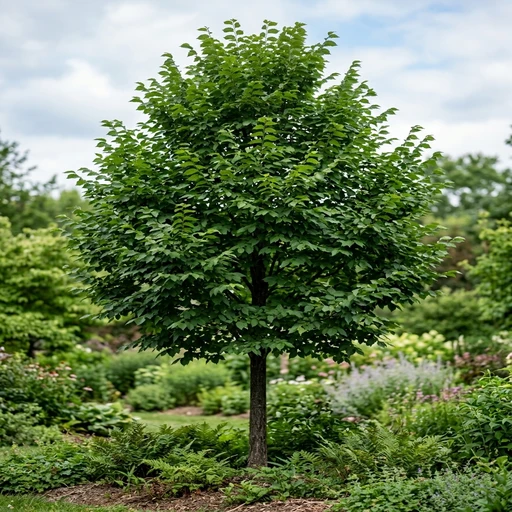
Princeton Elm
Ulmus americana 'Princeton'
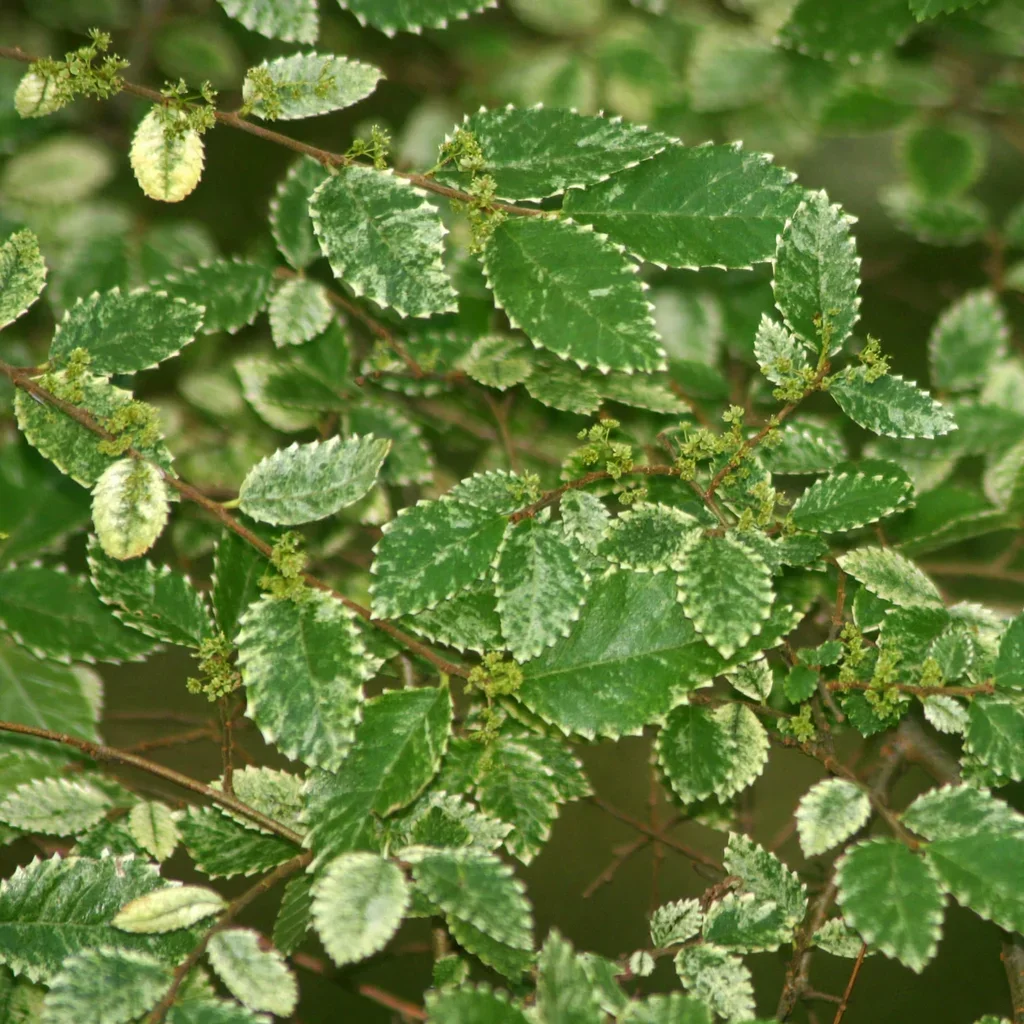
Variegated Chinese Elm
Ulmus parvifolia 'Variegata'
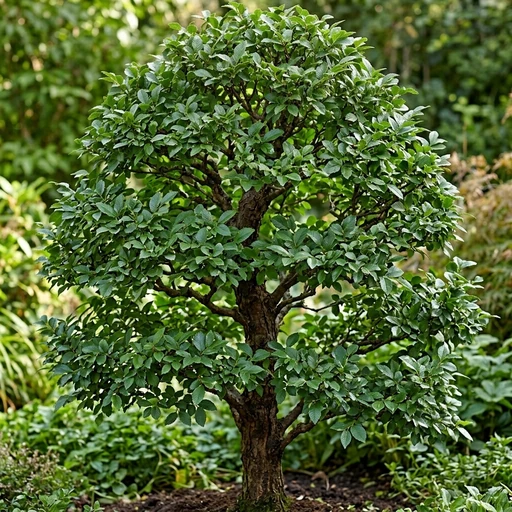
Cedar Elm
Ulmus crassifolia
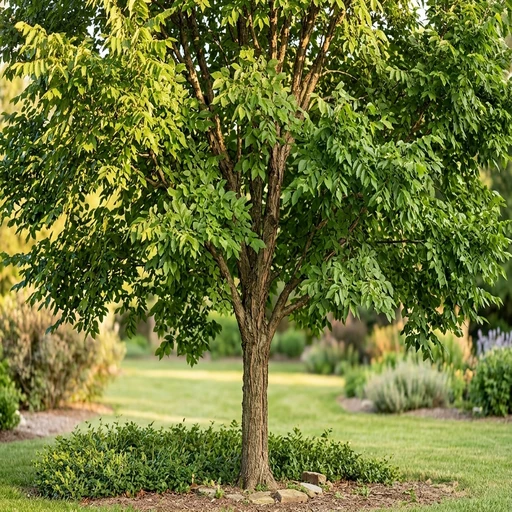
Winged Elm
Ulmus alata
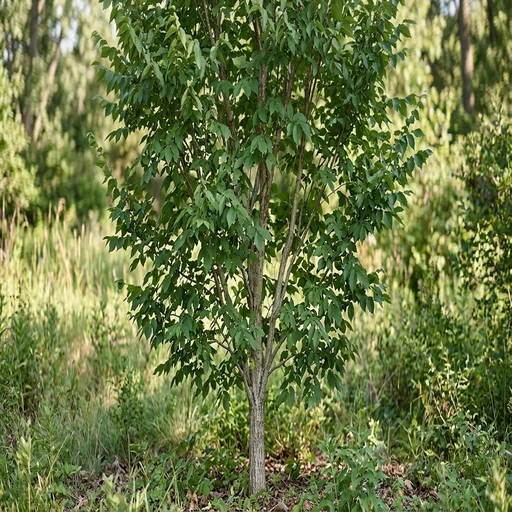
Colonial Spirit American Elm
Ulmus americana 'Colonial Spirit'
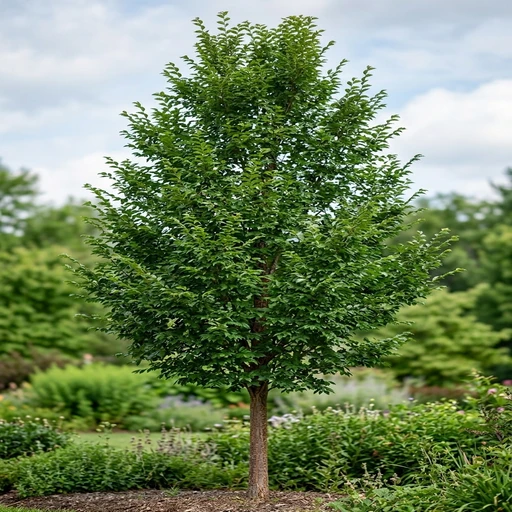
Everclear Lacebark Elm
Ulmus parvifolia 'Everclear'
Keep exploring
Explore the genus
Grow European White Elm with confidence
See it in a design of your actual yard, get zone-matched care reminders, and track it season by season in your garden journal.