The Story
Plant Bio
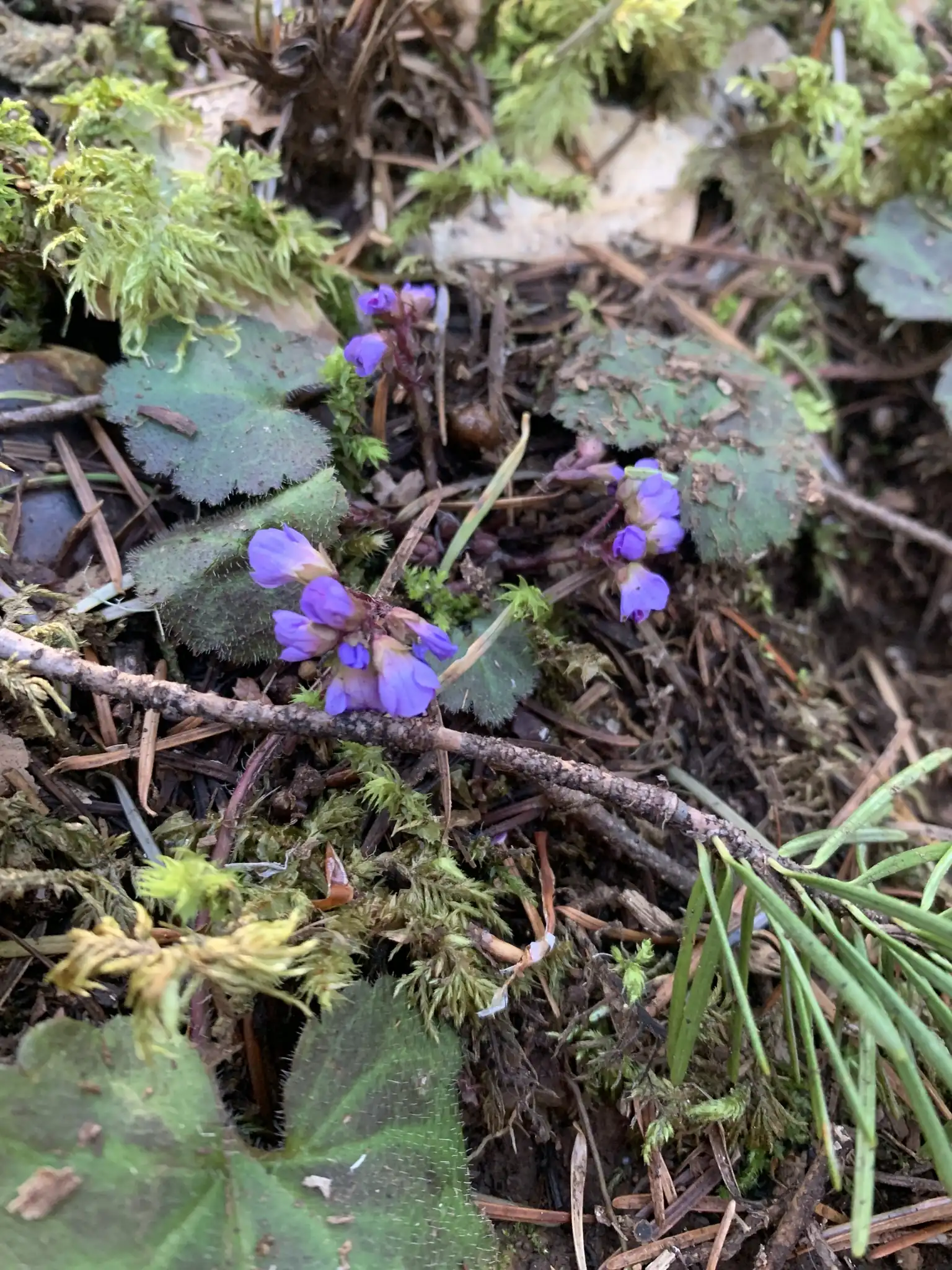
Veronica regina-nivalis is a low-growing herbaceous perennial native to shaded woodland slopes and moist coastal forests of North America's Pacific Coast. It forms a neat basal rosette of evergreen, kidney-shaped leaves from which pale blue to lavender bell-shaped flowers emerge on short stems in late winter.
Heart- or kidney-shaped foliage with hairy margins remains present year-round, giving way to early-season blooms featuring prominent, protruding stamens. This species functions as an early spring understory bloomer, filling a narrow niche in shady native plant displays.
Uses & Benefits:
Essentials
At a Glance
Plant Type
Perennial
Height
5"
Width
10"
Light
Partial Sun, Shade
Zones
6, 7, 8
Water
Medium
Humidity
Moderate to High
Lifespan
Perennial
Native To
Pacific Northwest & California
Toxicity
Non-toxic
Bloom period
Late winter – Spring
In flower about 4 months of the year
Planting
How to Grow
- Plant in a sheltered, shaded location with organic-rich soil that mimics a natural forest floor.
- Set the root crown level with the soil surface, ensuring high soil porosity to prevent root rot.
- Water deeply after planting and maintain consistent moisture throughout warm summer periods.
- Top-dress the root zone each fall with a thin layer of leaf mold or compost.
Pro Tip
Never cut into the old, leafless woody base when cleaning up foliage; simply peel away dead or damaged leaves manually in late winter.
Keep It Thriving
Care Guide
Do
- Provide partial to full shade with moisture-retentive, humus-rich soil.
- Ensure excellent soil drainage to prevent fungal root diseases.
- Mulch lightly with leaf mold in fall to protect roots and maintain organic matter.
Don't
- Do not plant in full, hot sun or compacted clay soil.
- Do not allow the soil to dry out completely during summer months.
- Do not cut back into old leafless wood or stems.
Seasonal Care Calendar
| Task | Jan | Feb | Mar | Apr | May | Jun | Jul | Aug | Sep | Oct | Nov | Dec |
|---|---|---|---|---|---|---|---|---|---|---|---|---|
| Divide | ||||||||||||
| Fertilize | ||||||||||||
| Pest Check | ||||||||||||
| Spring Cleanup |
Watch Out For
Pests & Diseases
Common Pests
Common Diseases
In the Garden
Landscape Uses & Companions
Landscape Uses
Companion Plants
Multiply
Propagation Methods
Good to Know
Common Questions
Snow Queen questions
What zones can Snow Queen grow in?
Snow Queen is hardy in USDA Zones 6–8: in that range it survives winter in the ground. Colder than Zone 6, grow it in a container you can move to shelter for the winter, or as an annual. Warmer than Zone 8, winter isn't the problem: it prefers colder winters, and summer heat can shorten its life.
Is Snow Queen deer resistant?
Not reliably. Deer may browse Snow Queen, especially tender spring growth — plan on repellents or fencing where pressure is high.
When does Snow Queen bloom?
Snow Queen typically blooms from late winter to late spring. Exact timing shifts a week or two with your zone — Sow's bloom calendar maps it to your garden.
Does Snow Queen need full sun?
Snow Queen does best in part shade.
More Veronica to compare
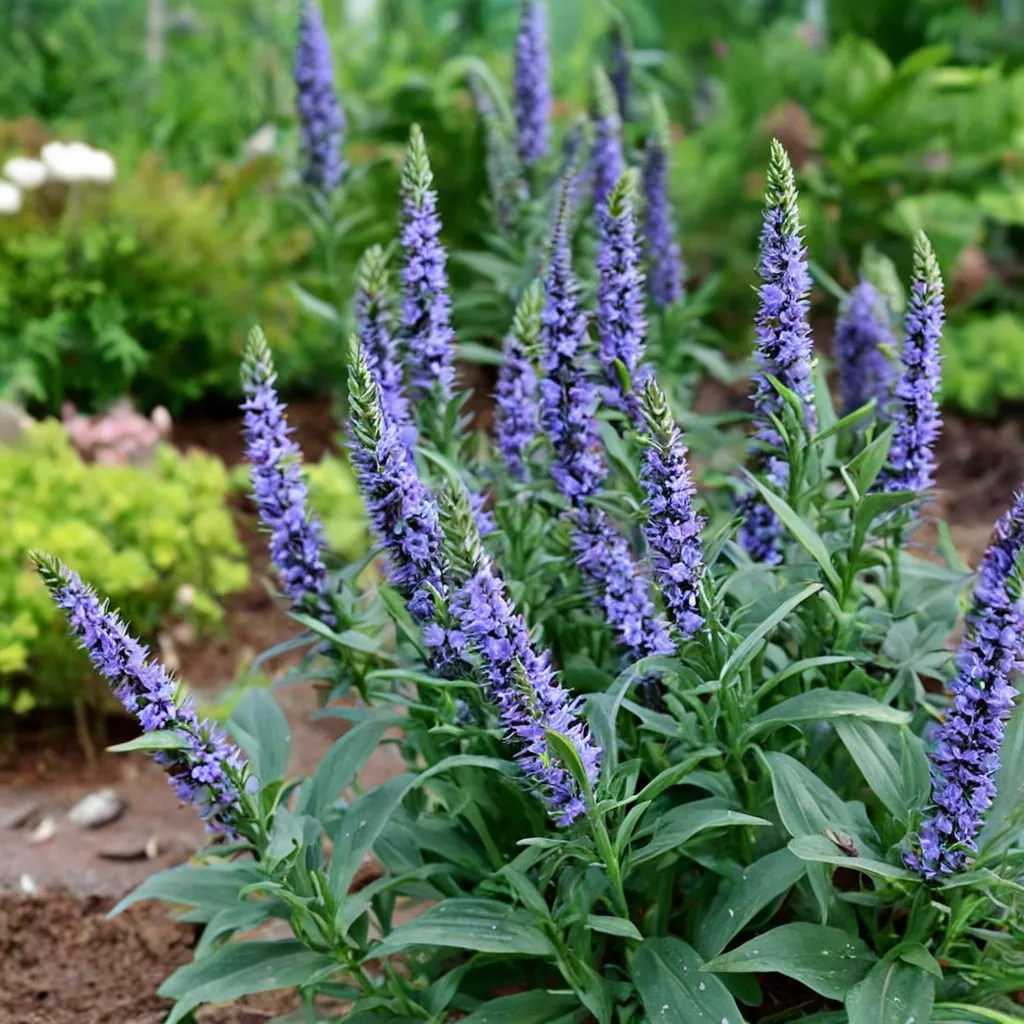
Moody Blues Sky Blue Veronica
Veronica spicata 'Moody Blues Sky Blue'
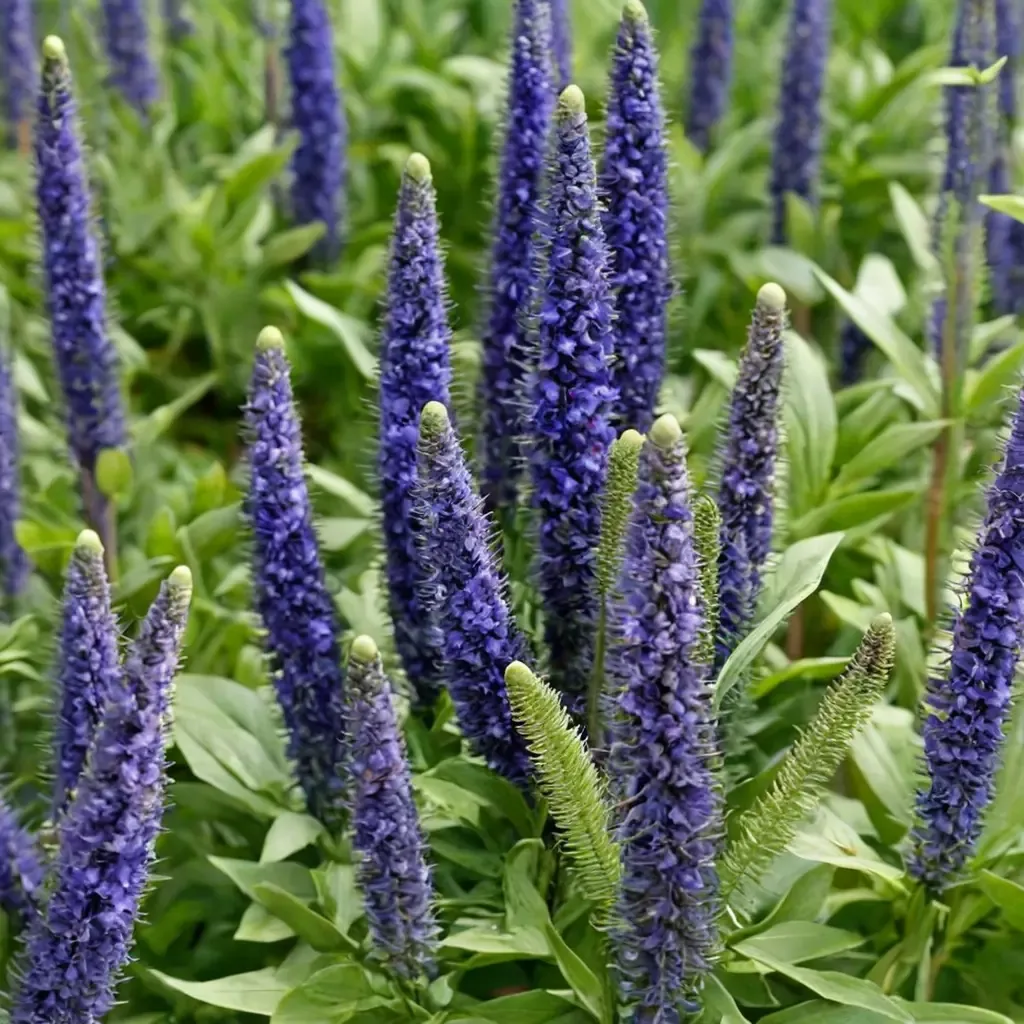
Royal Candles Speedwell
Veronica spicata 'Royal Candles'
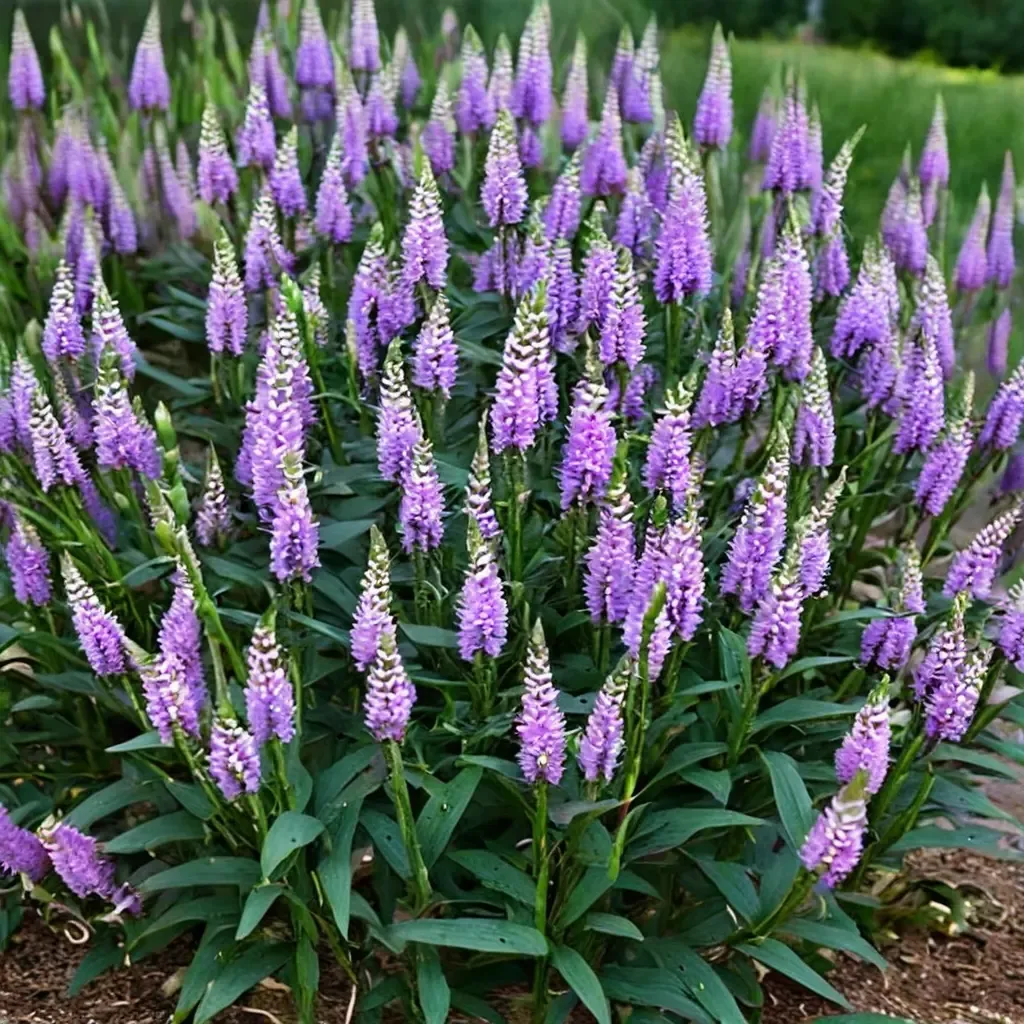
Lavender Lightsaber Speedwell
Veronica spicata 'Lavender Lightsaber'
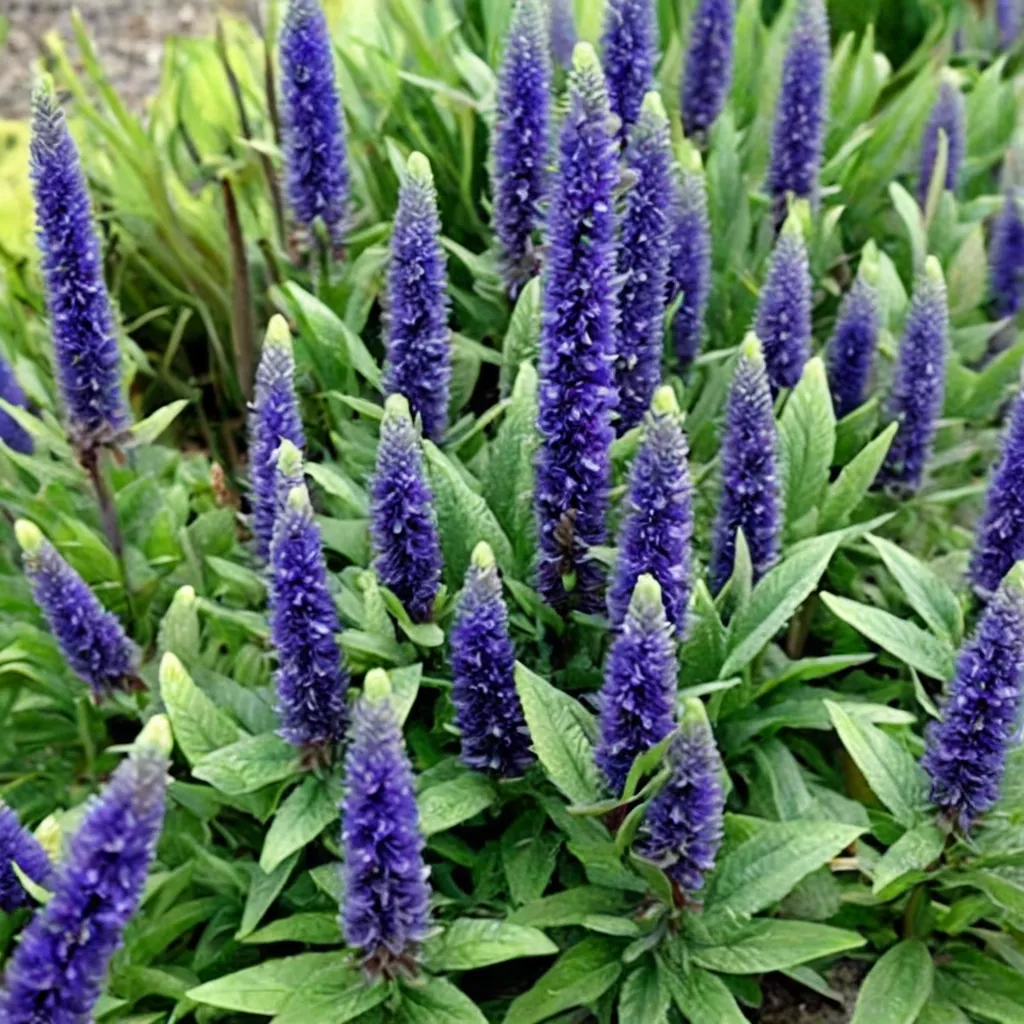
Royal Candles Spike Speedwell
Veronica spicata 'Glory'
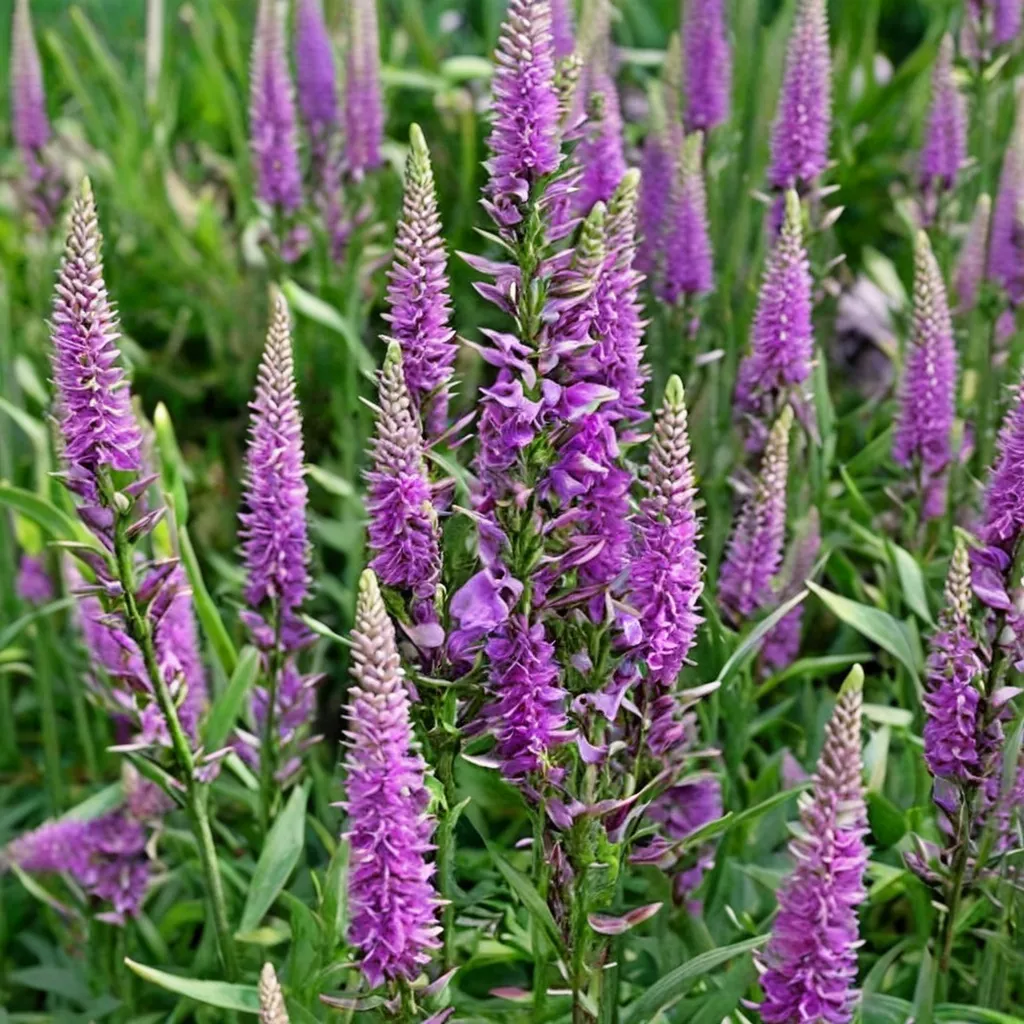
Longifolia Veronica Eveline
Veronica longifolia 'Eveline'
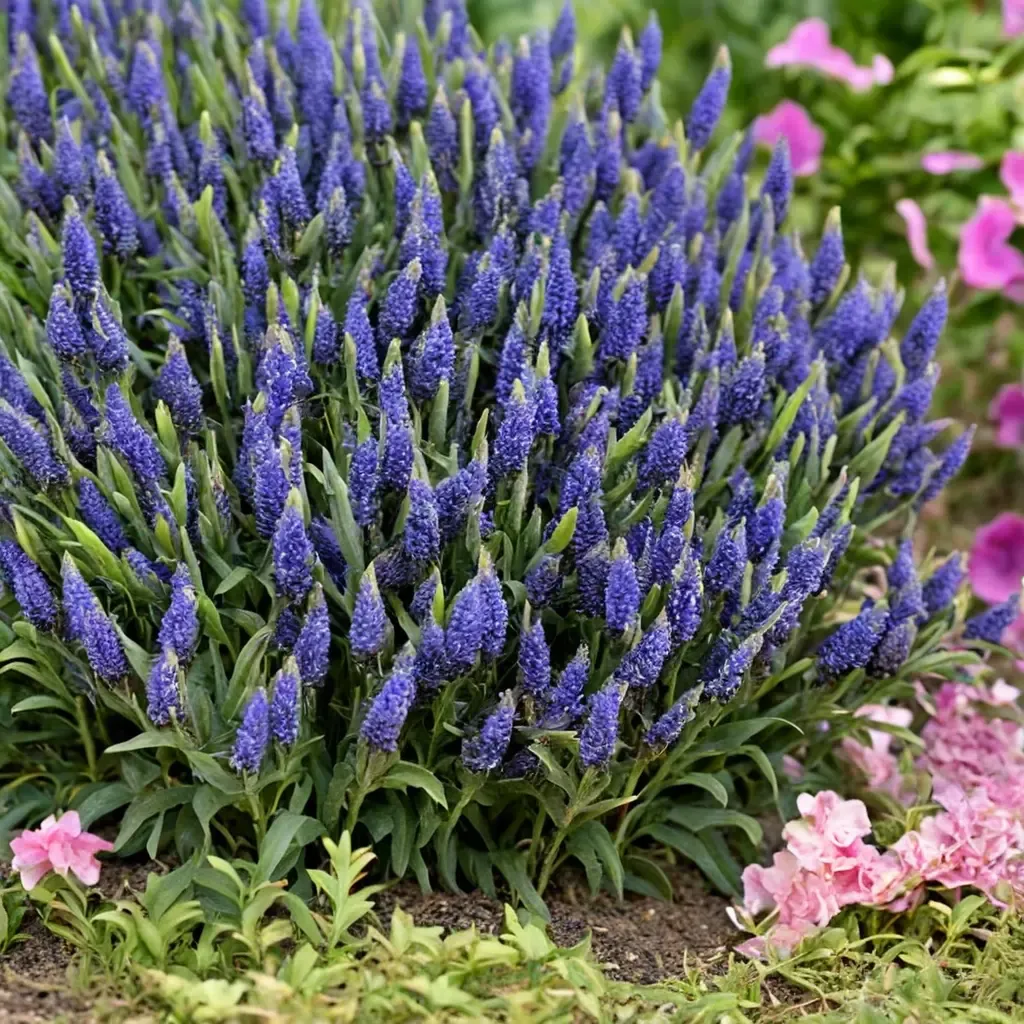
Wizard of Ahhs Speedwell
Veronica spicata 'Wizard Of Ahhs'
Keep exploring
Hardy in your zone?
Grow Snow Queen with confidence
See it in a design of your actual yard, get zone-matched care reminders, and track it season by season in your garden journal.