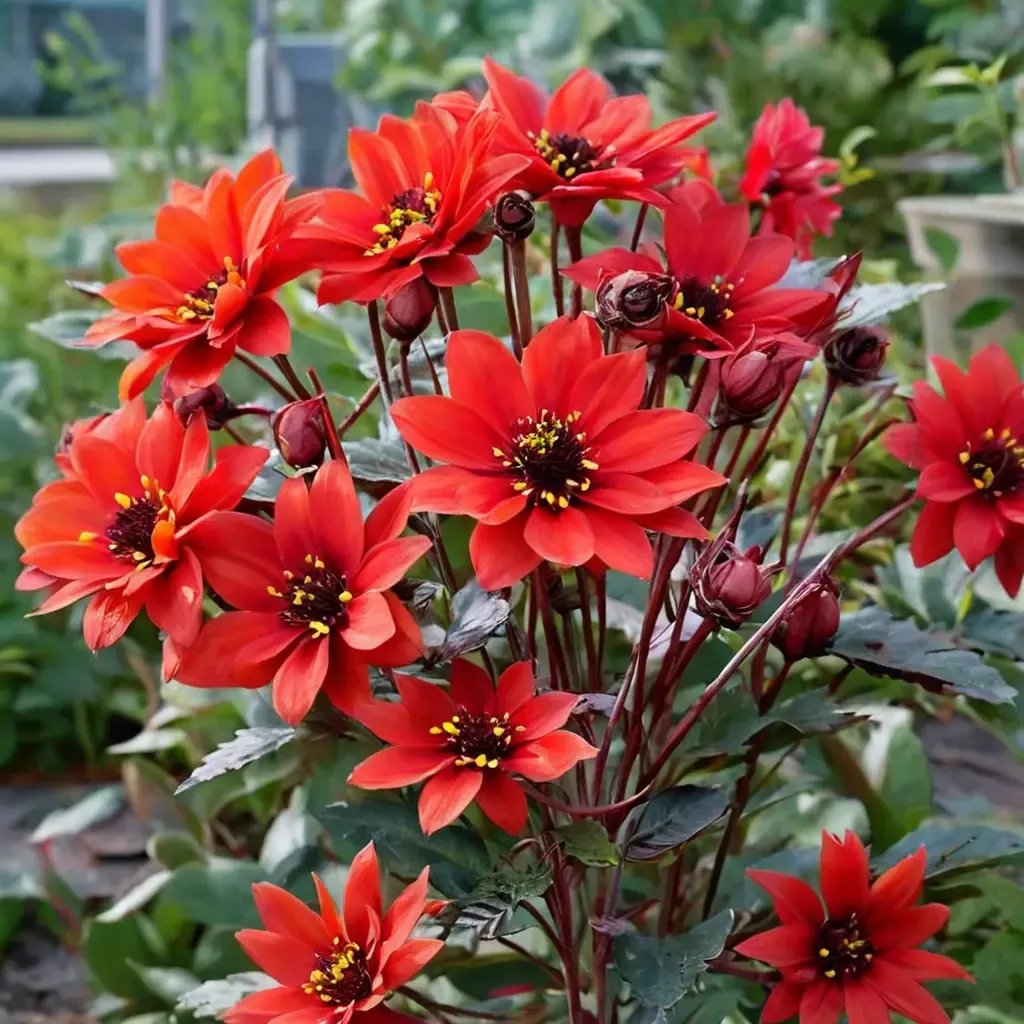
Garden hybrid
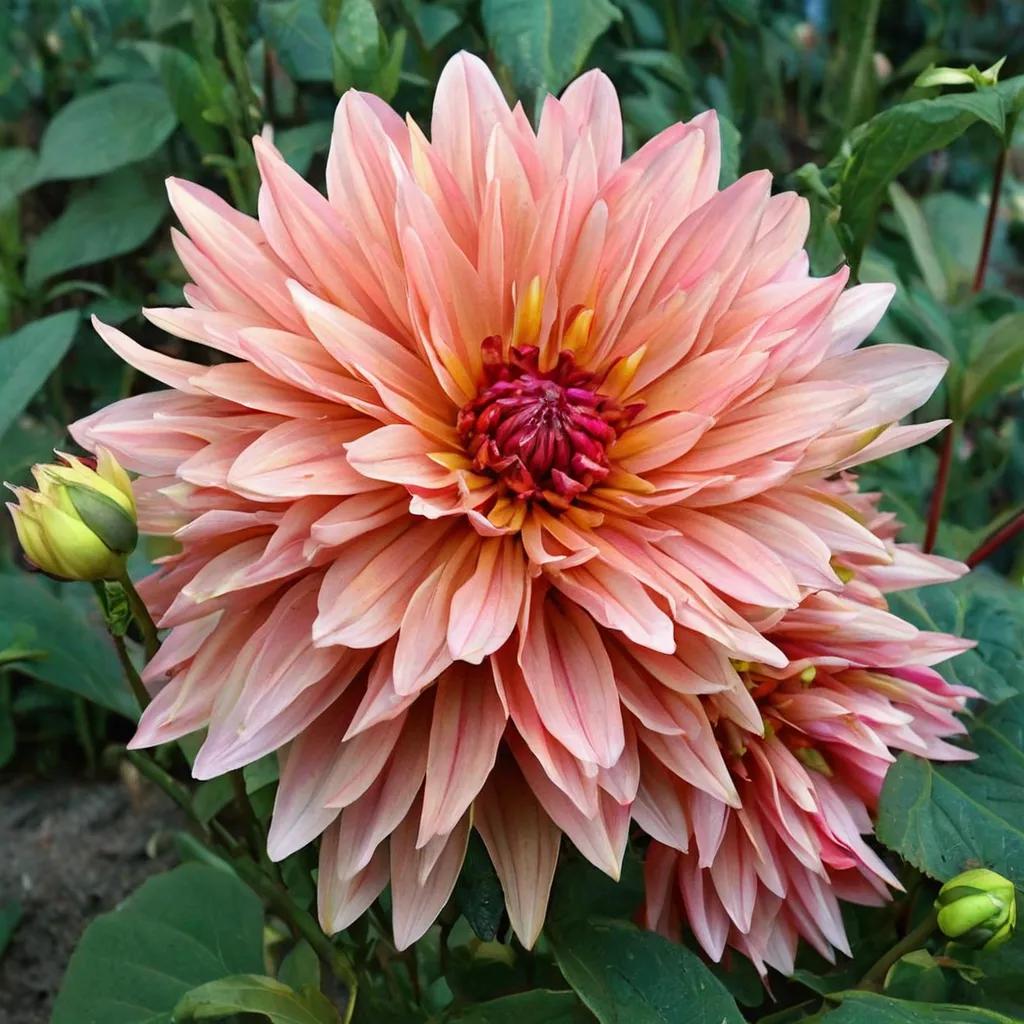 Dahlia x hybridaGarden Dahlia
39 other cultivars
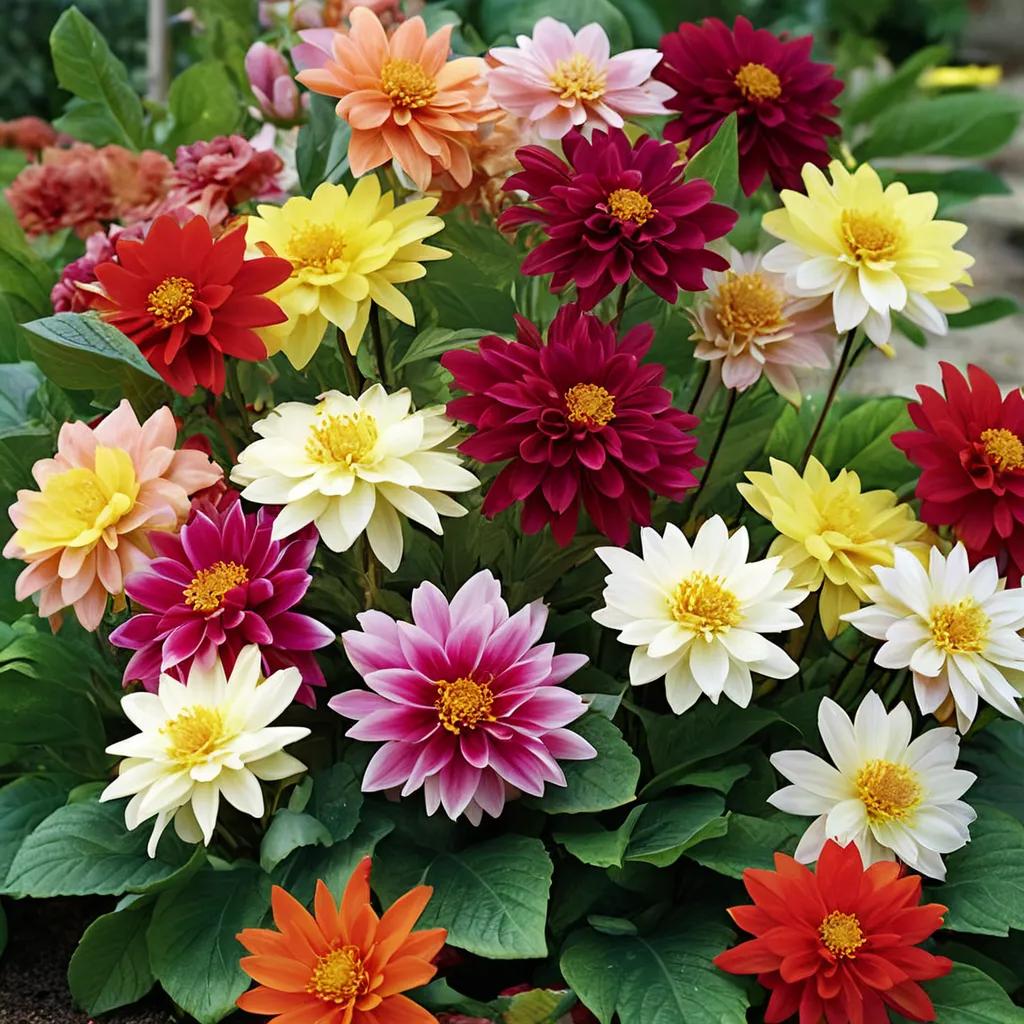 ‘Mix’Dahlia Mix
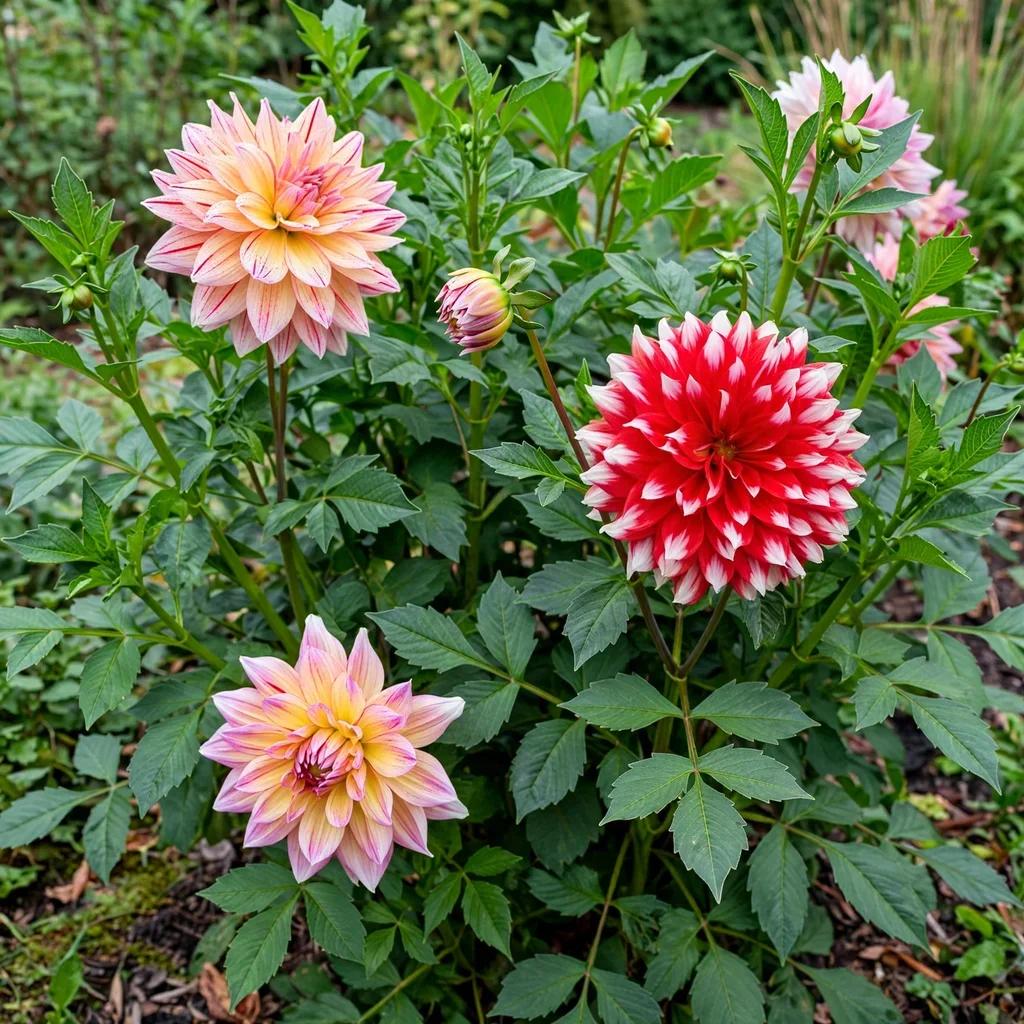 ‘Dinnerplate Blend’Dinnerplate Dahlia
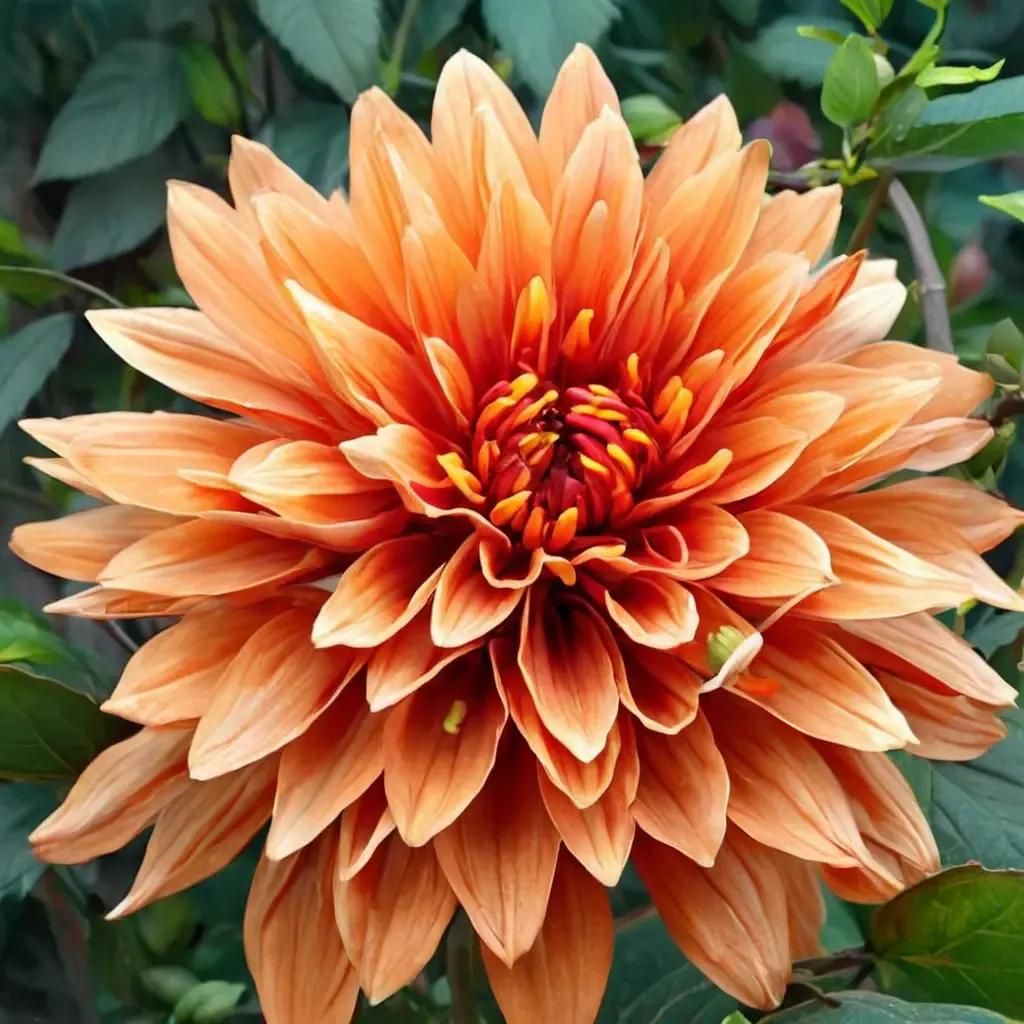 ‘Mrs Eileen’Mrs. Eileen Dahlia
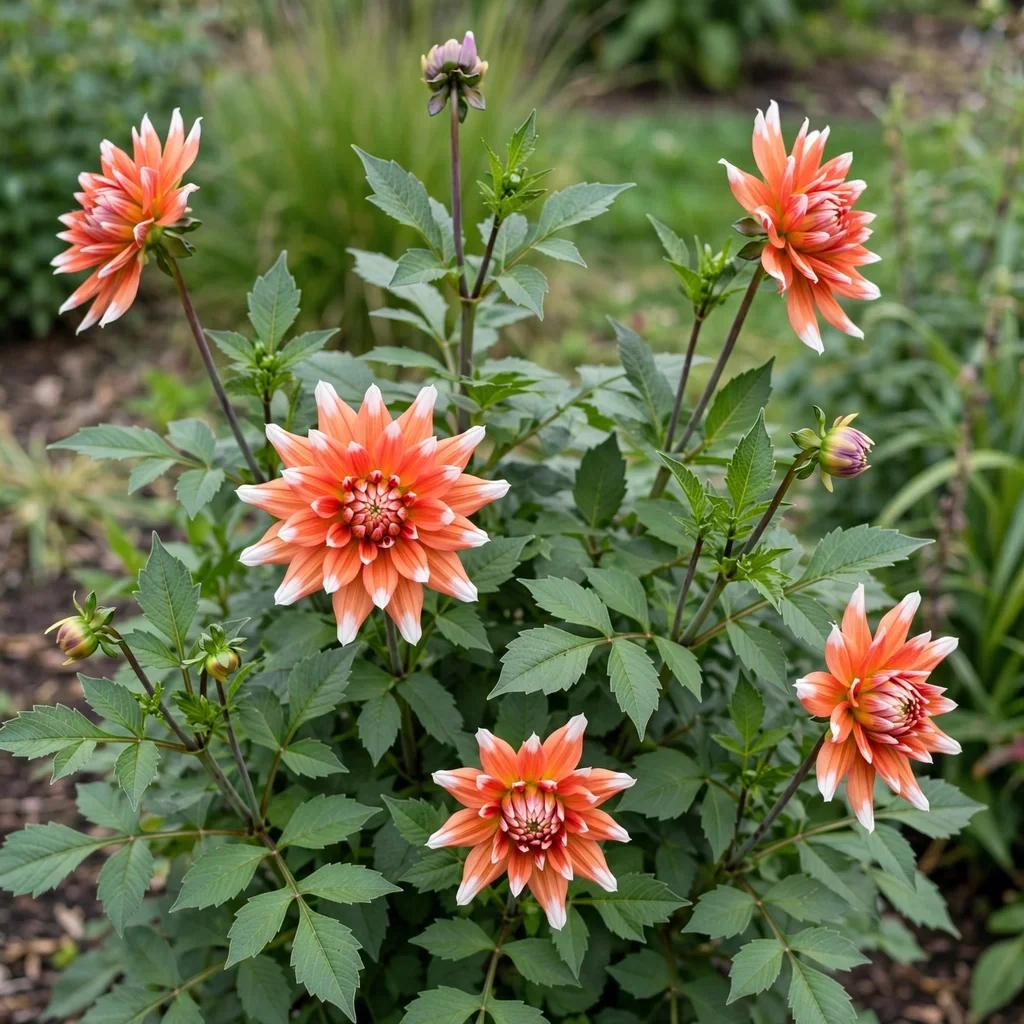 ‘Color Spectacle’Color Spectacle Dahlia
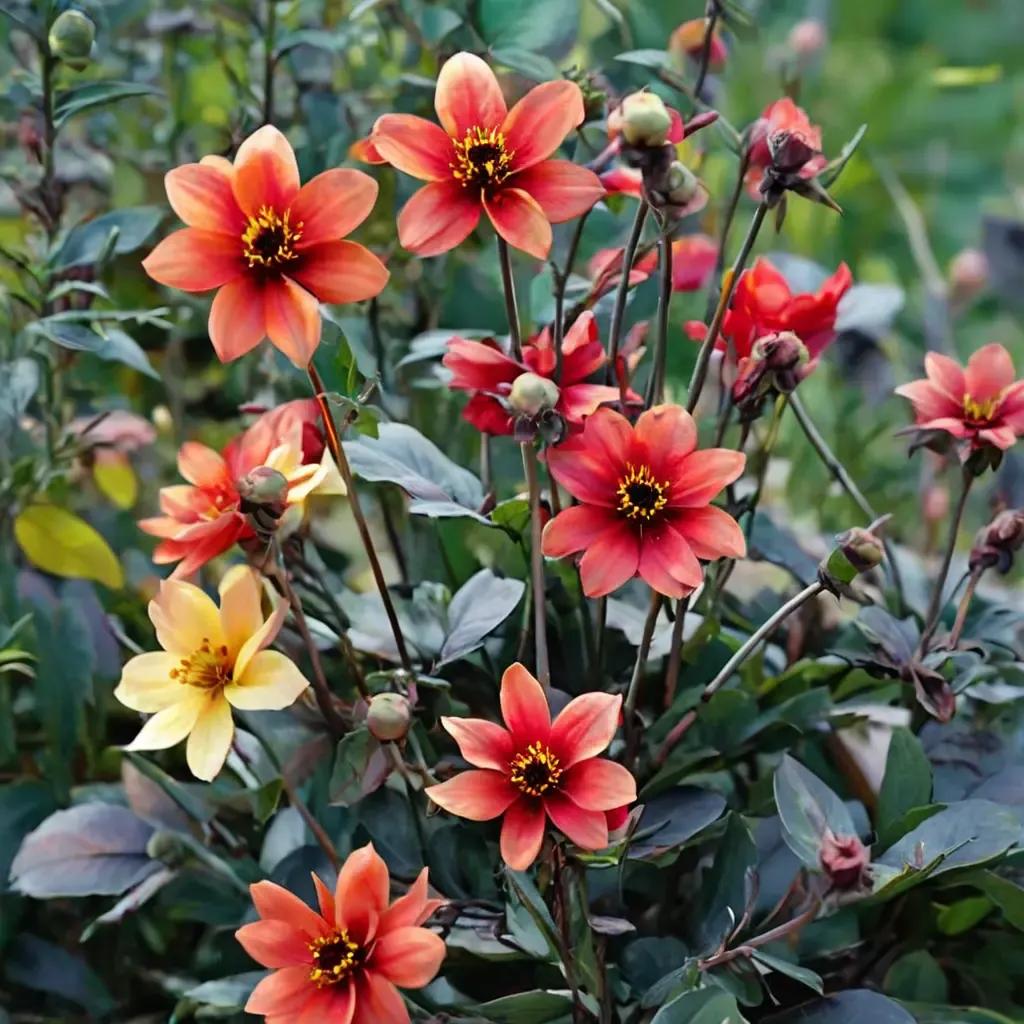 ‘Bishop's Children’Bishop's Children Dahlia
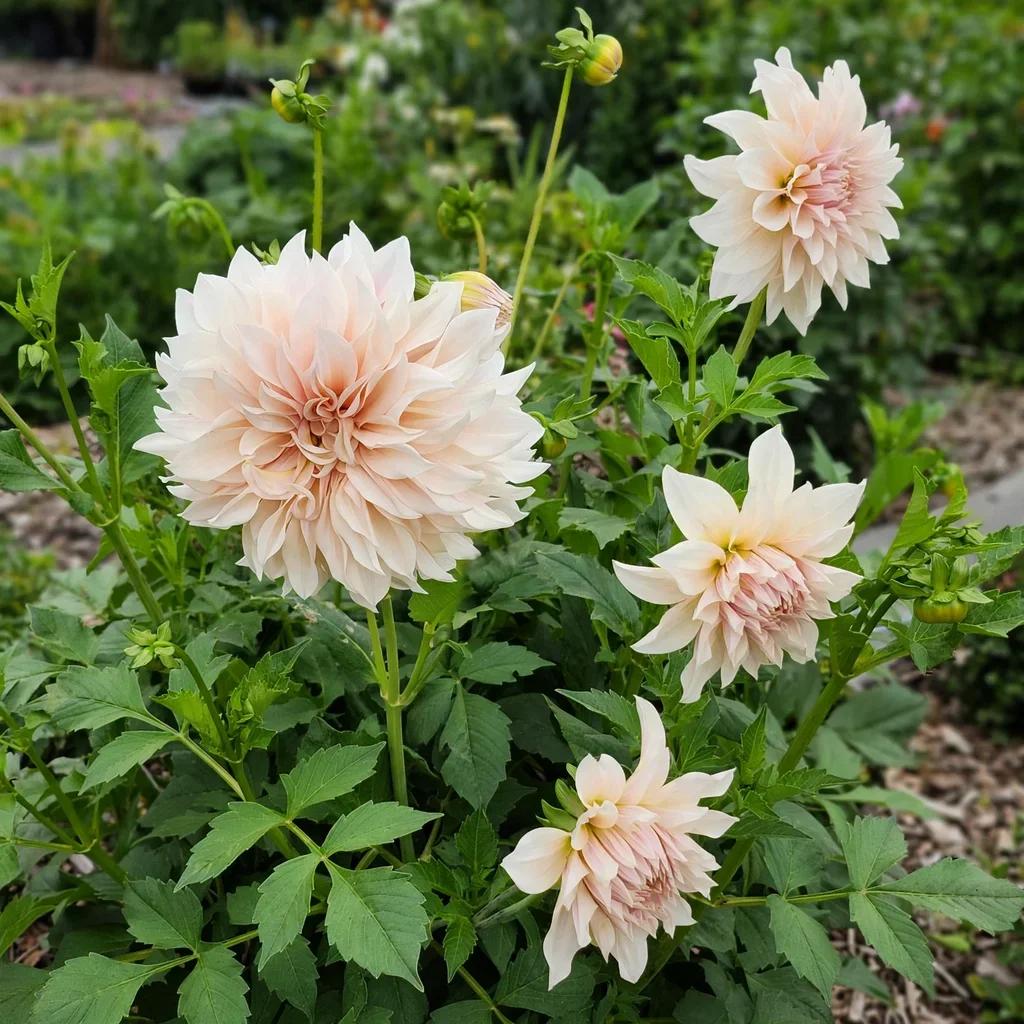 ‘Café au Lait’Café au Lait Dahlia
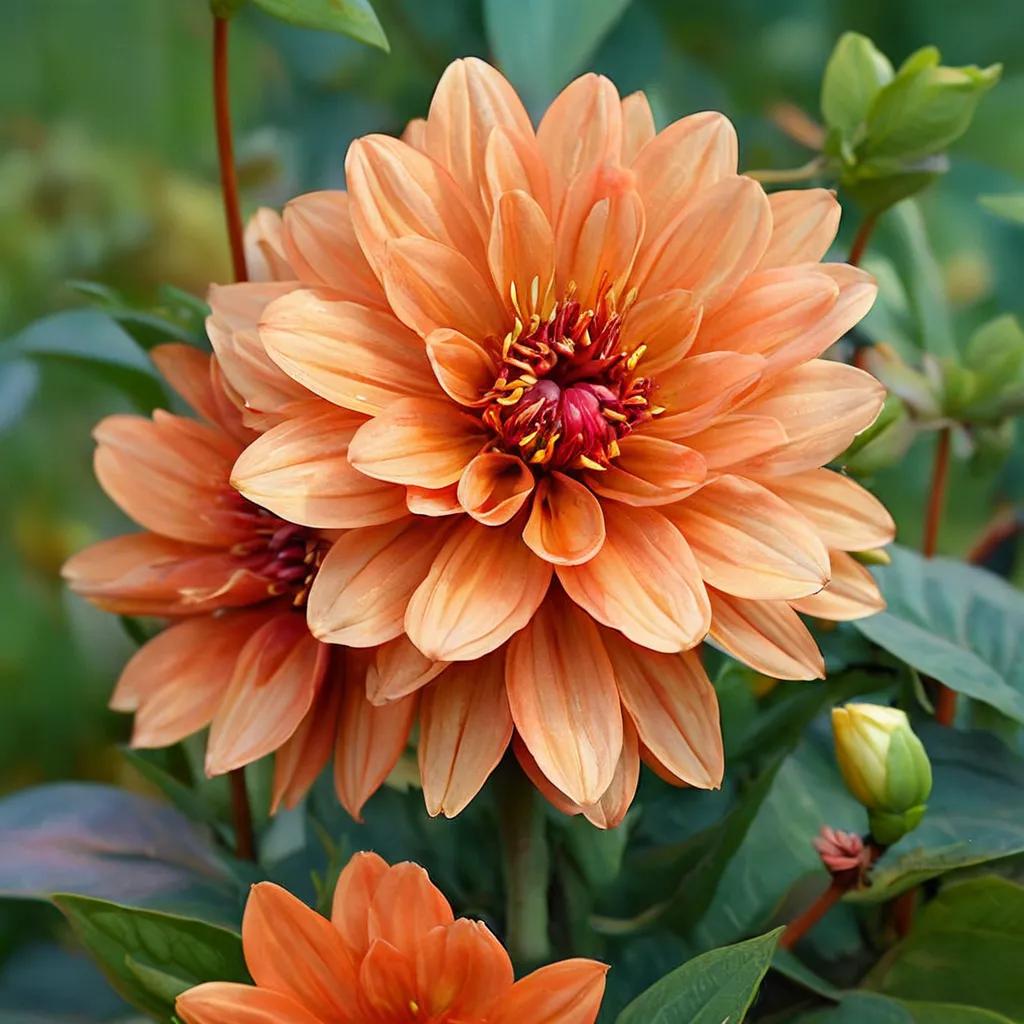 ‘Orange’Orange Dahlia
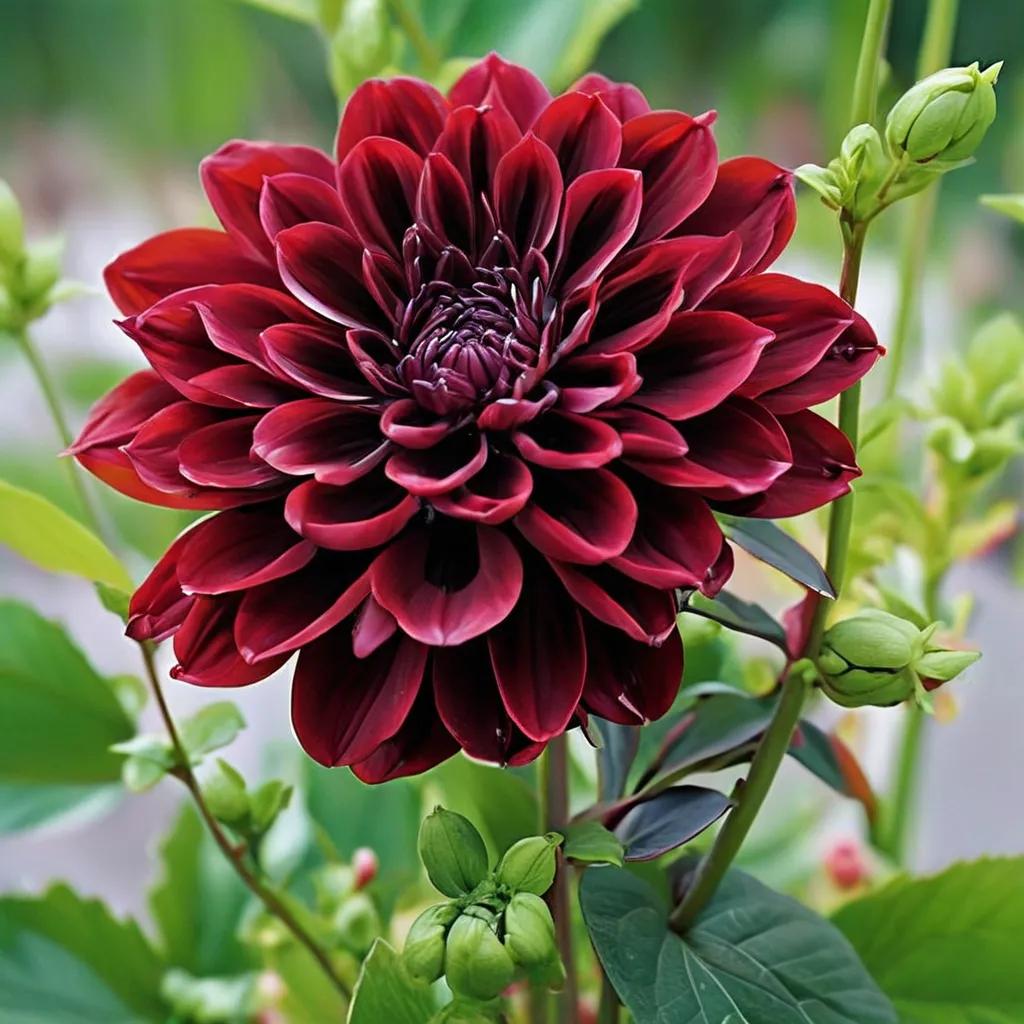 ‘Arabian Night’Arabian Night Dahlia
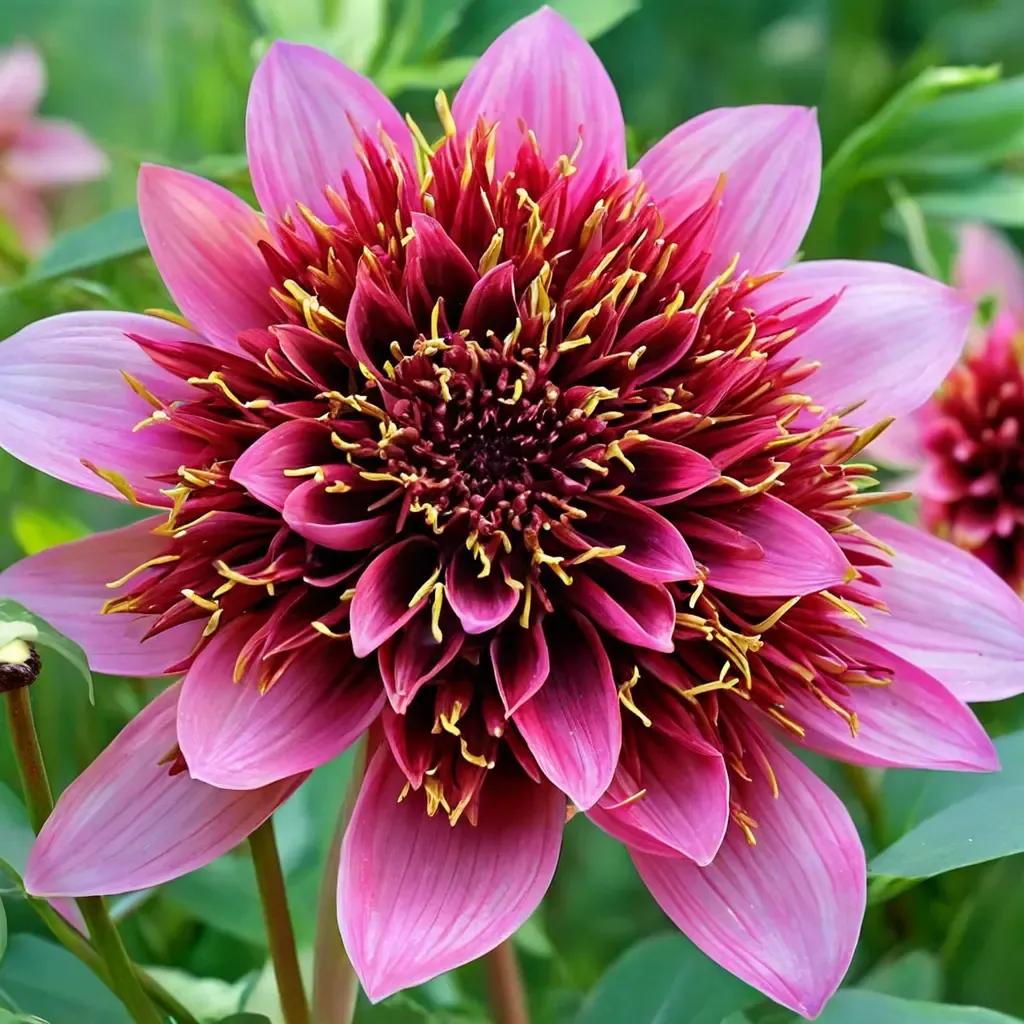 ‘The Phantom’The Phantom Dahlia
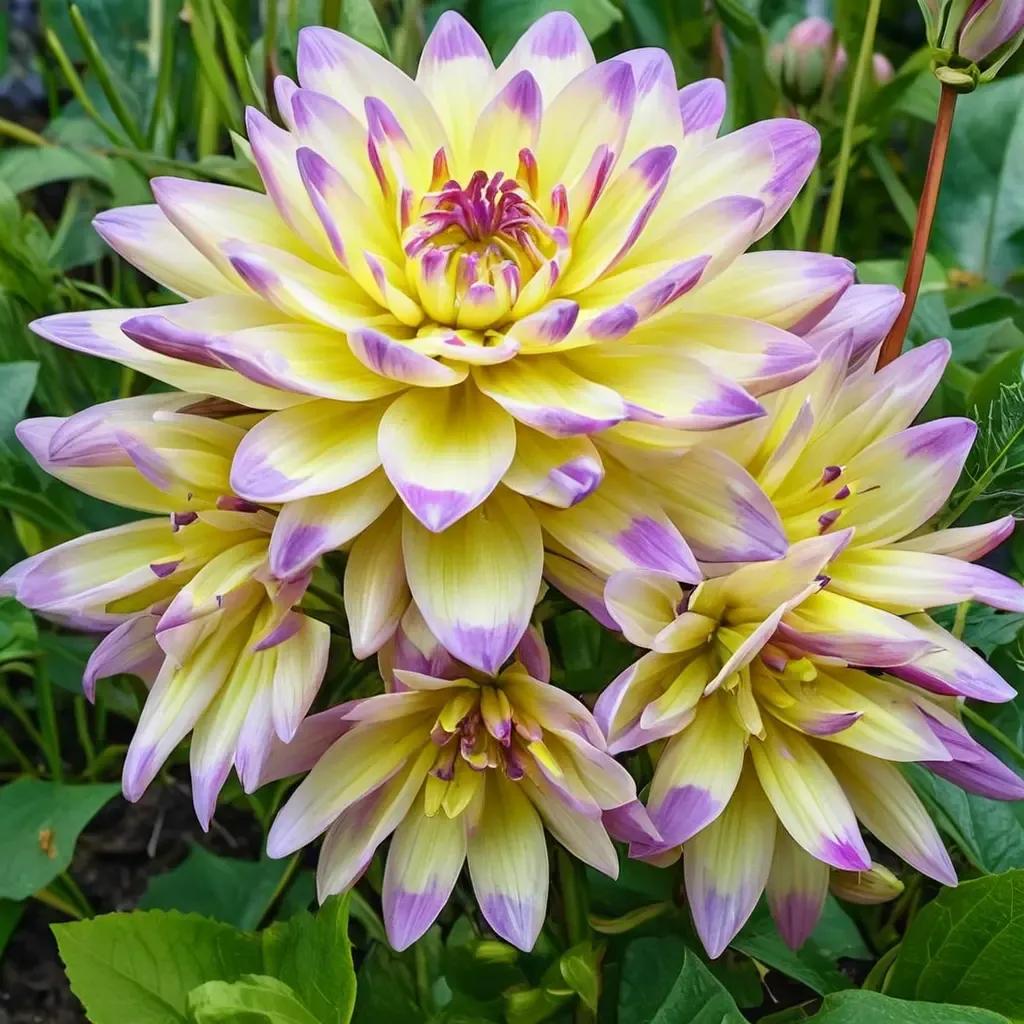 ‘Sagitta’Dahlia Sagitta
 ‘Thomas Edison’Thomas Edison Dahlia
 ‘Pooh’Pooh Dahlia
 ‘Peaches and Cream’Peaches and Cream Dahlia
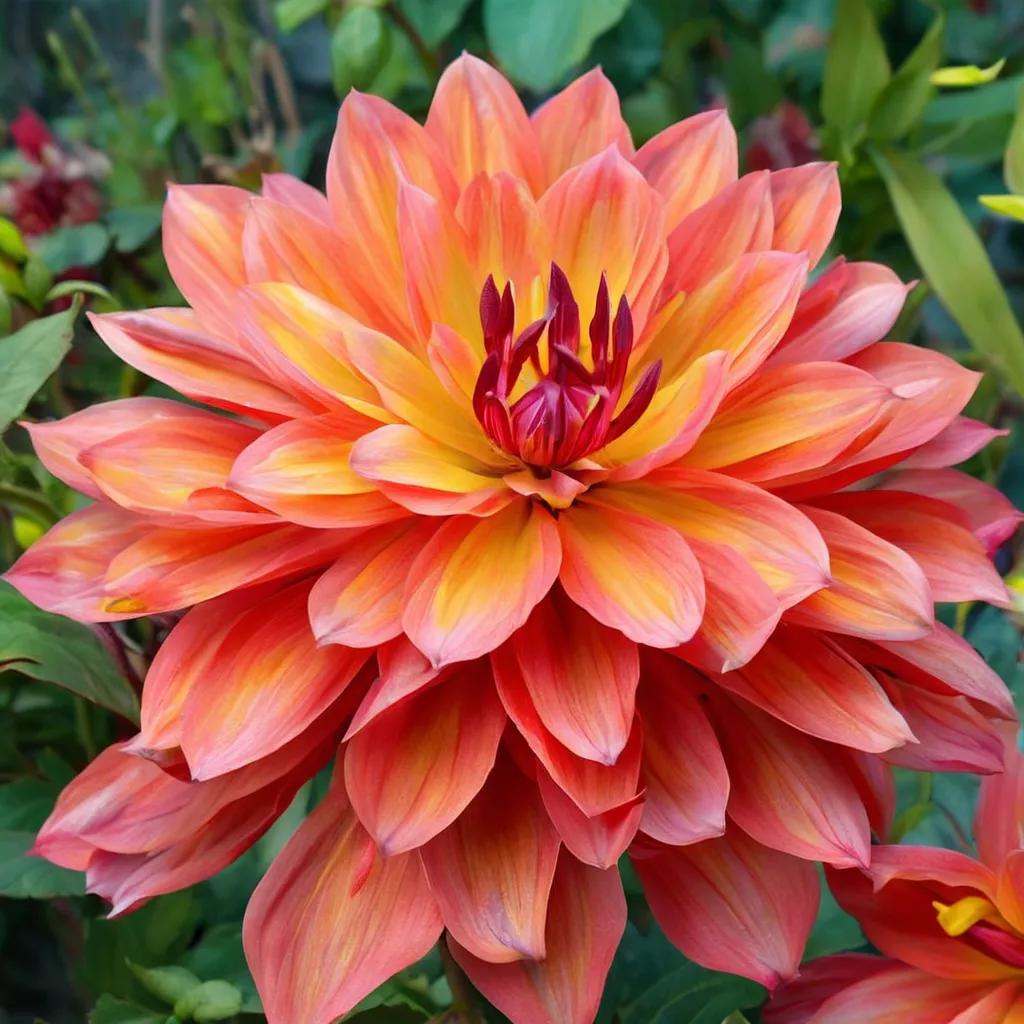 ‘Firepot’Firepot Dahlia
 ‘Jewel Pink’Jewel Pink Dahlia
 ‘Apricot Desire’Apricot Desire Dahlia
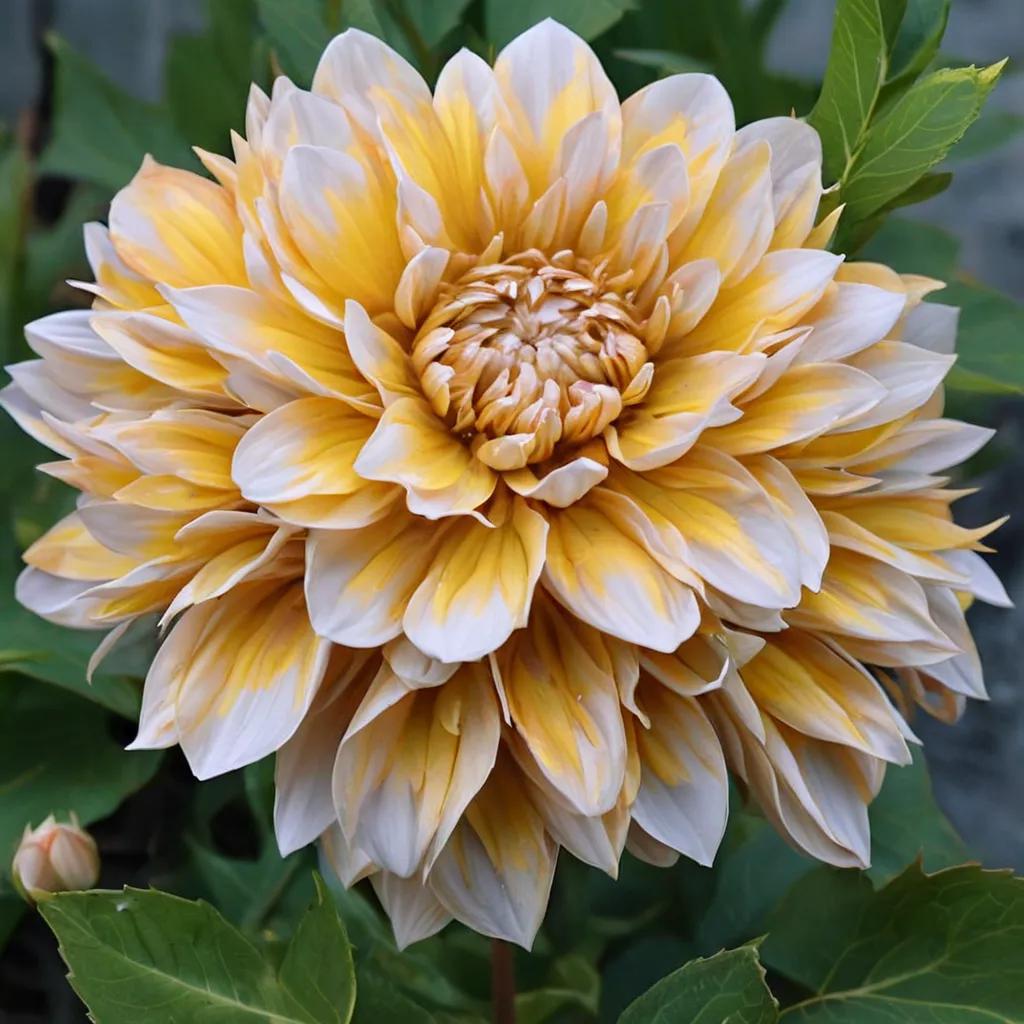 ‘Seattle’Seattle Dahlia
 ‘Mystic Dreamer’Mystic Dreamer Dahlia
 ‘Maki’Maki Dahlia
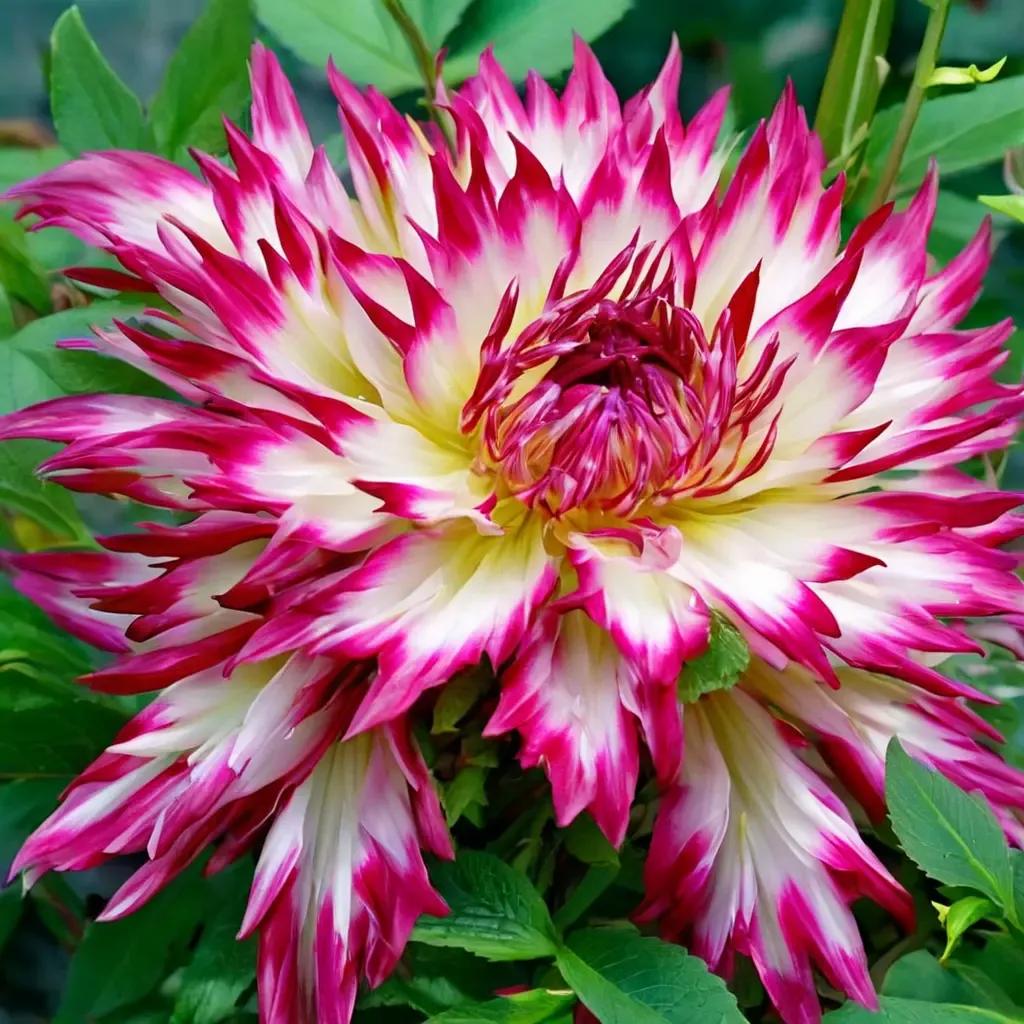 ‘Dutch Explosion’Dutch Explosion Dahlia
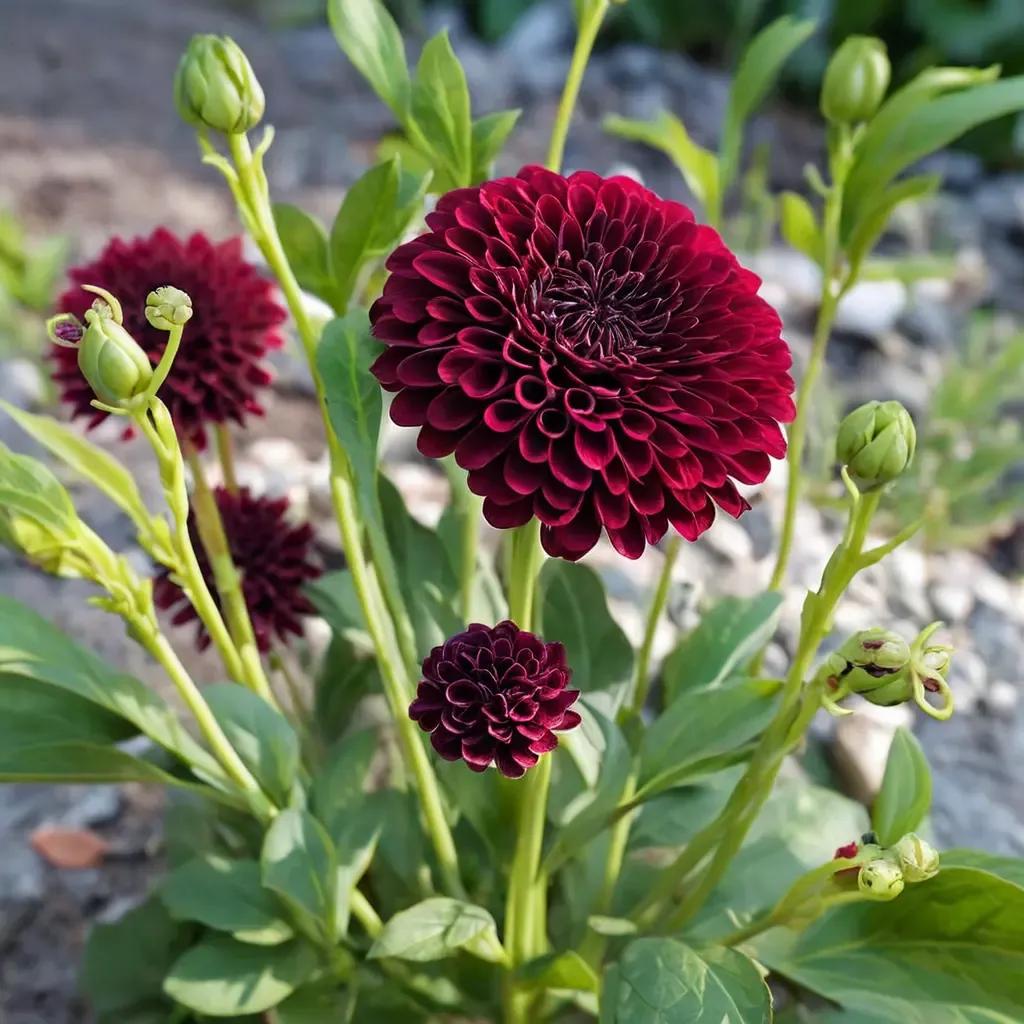 ‘Tam Tam’Tam Tam Dahlia
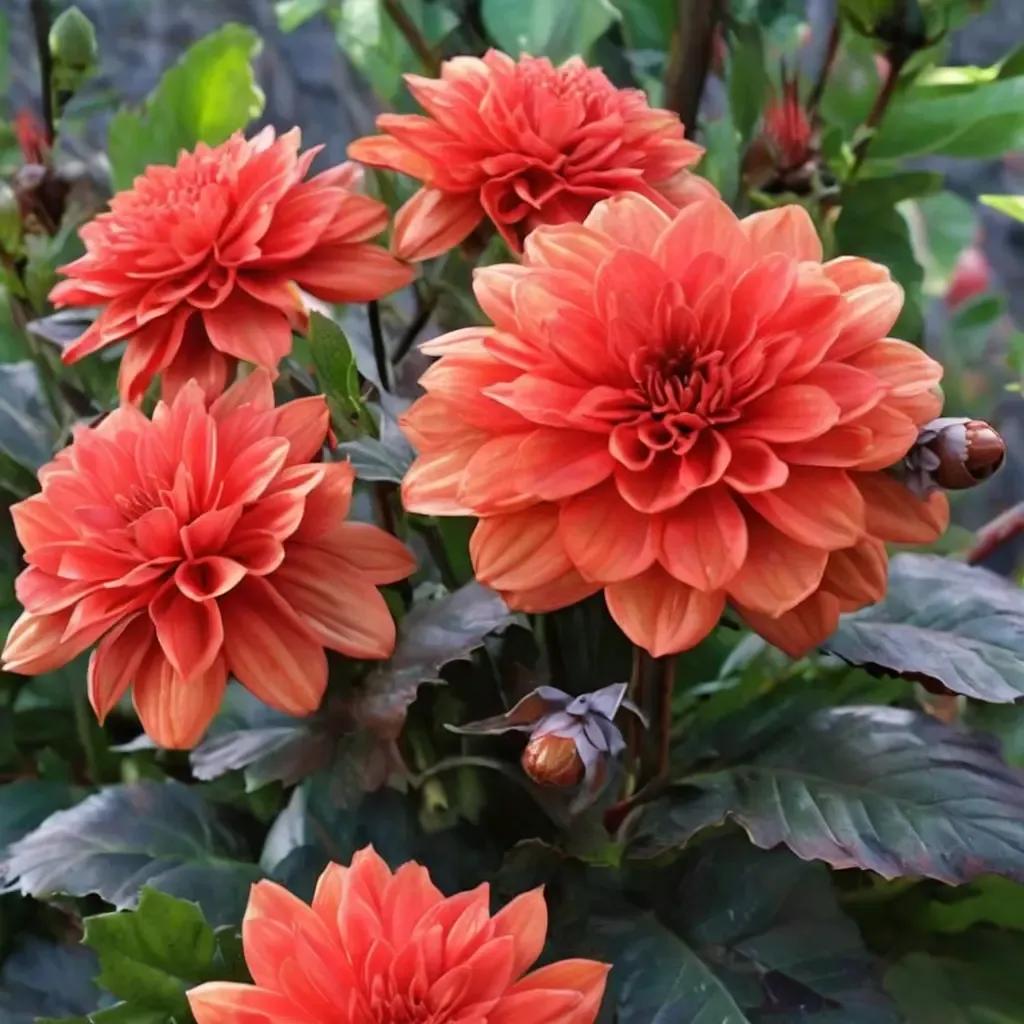 ‘Ellen Huston’Ellen Huston Dahlia
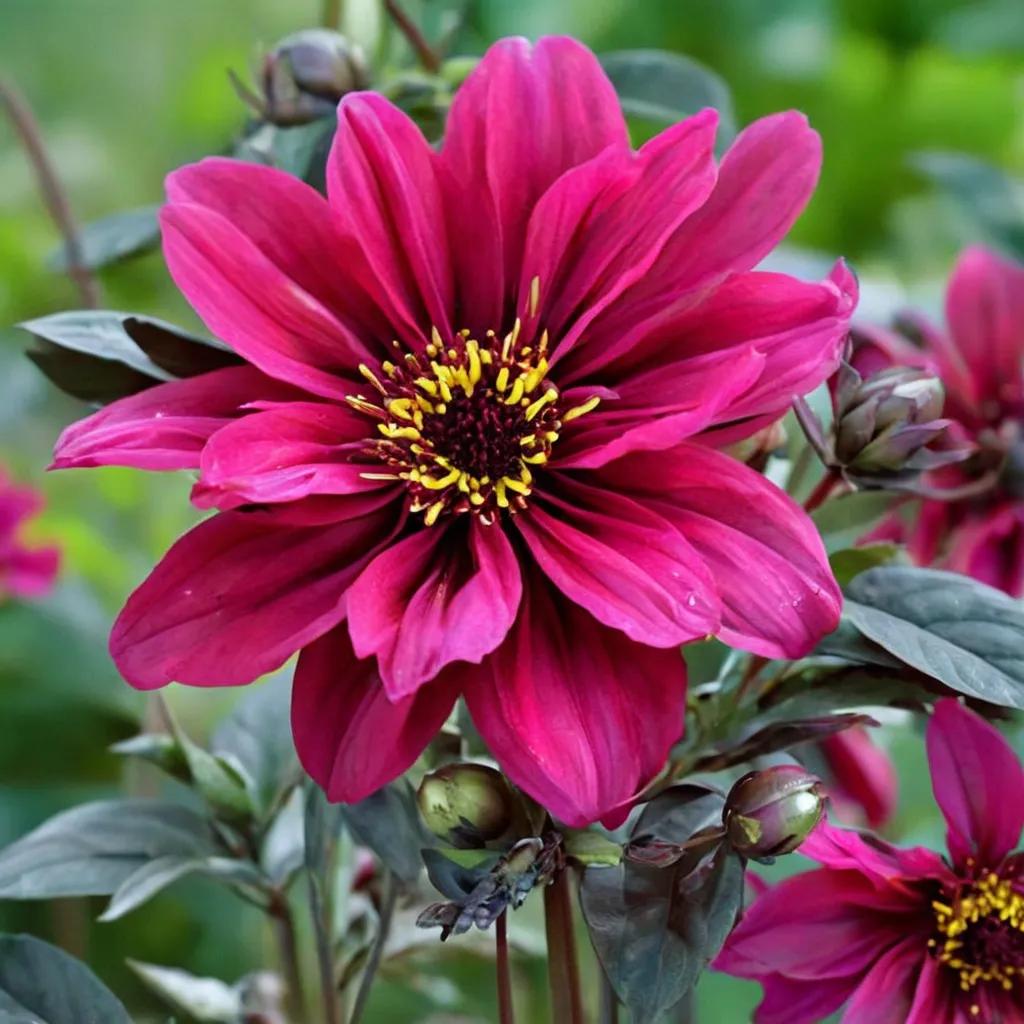 ‘Bishop of Canterbury’Bishop of Canterbury Dahlia
 ‘Labyrinth’Dahlia Labyrinth
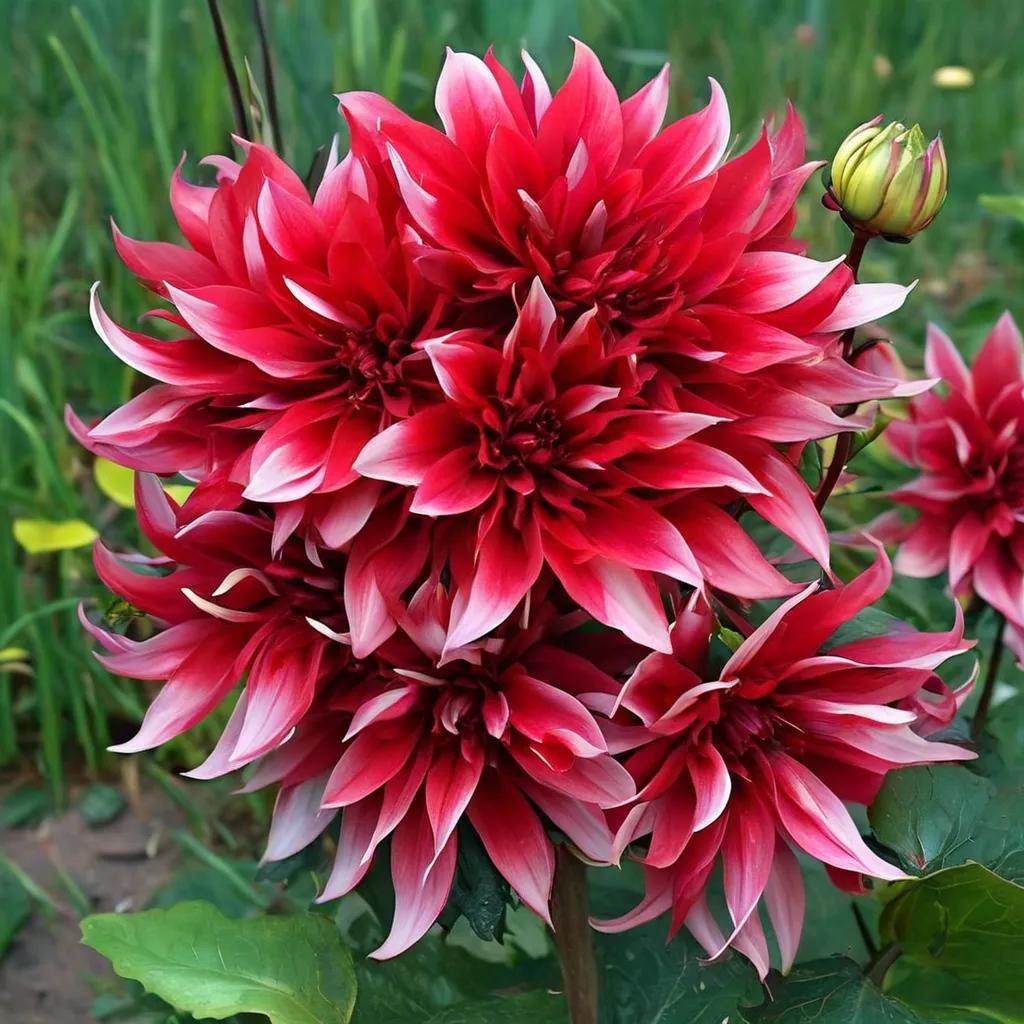 ‘Red Labyrinth’Red Labyrinth Dahlia
 ‘Karma Choc’Karma Choc Dahlia
 ‘Melody Dora’Melody Dora Dahlia
 ‘G.F. Hemerik’G.F. Hemerik Dahlia
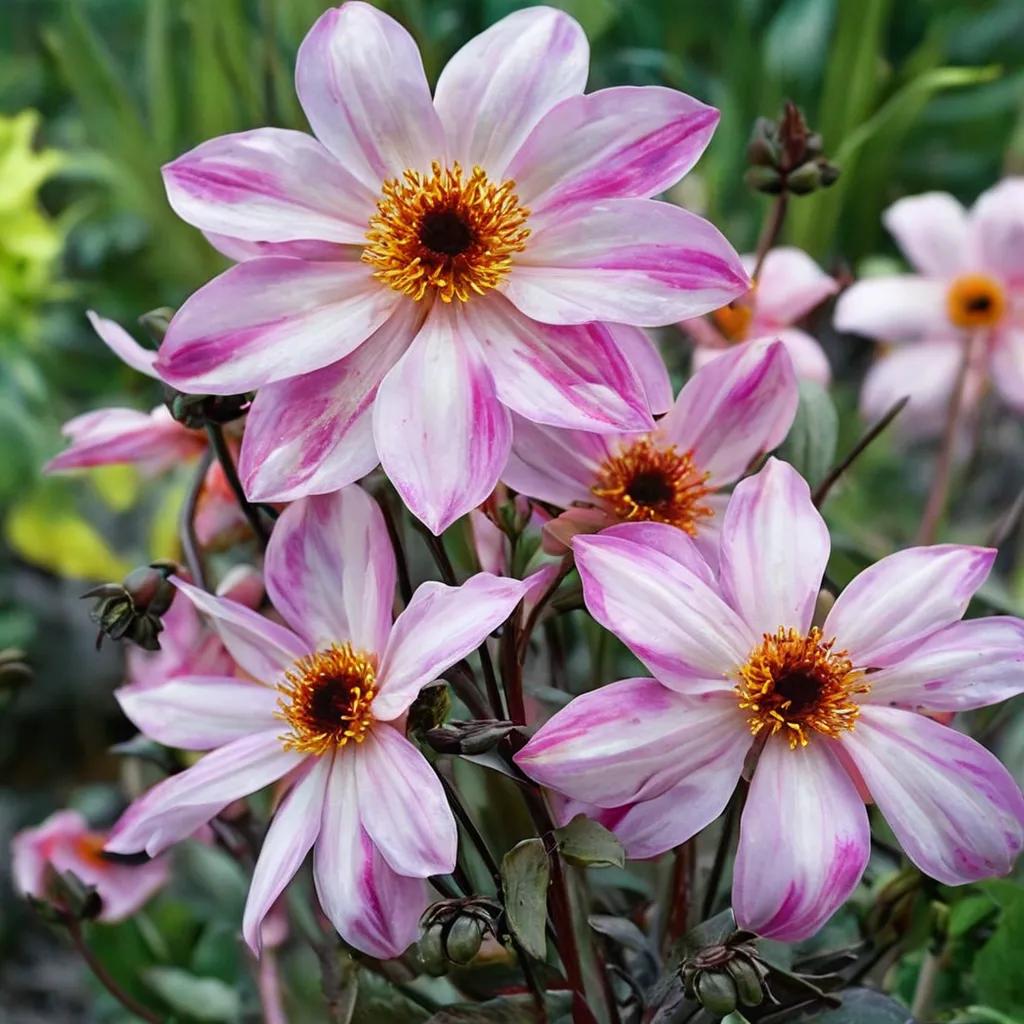 ‘Bishop of Leicester’Bishop of Leicester Dahlia
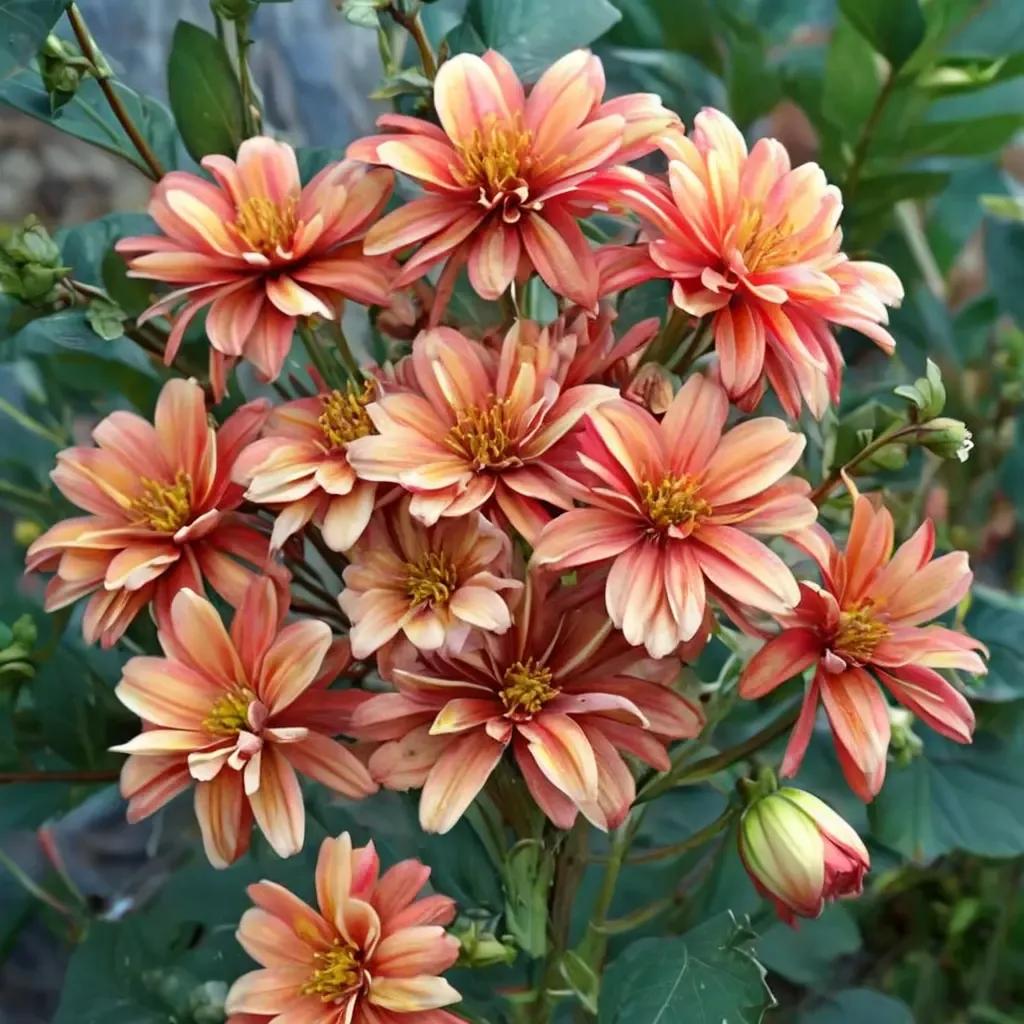 ‘Jescot Julie’Jescot Julie Dahlia
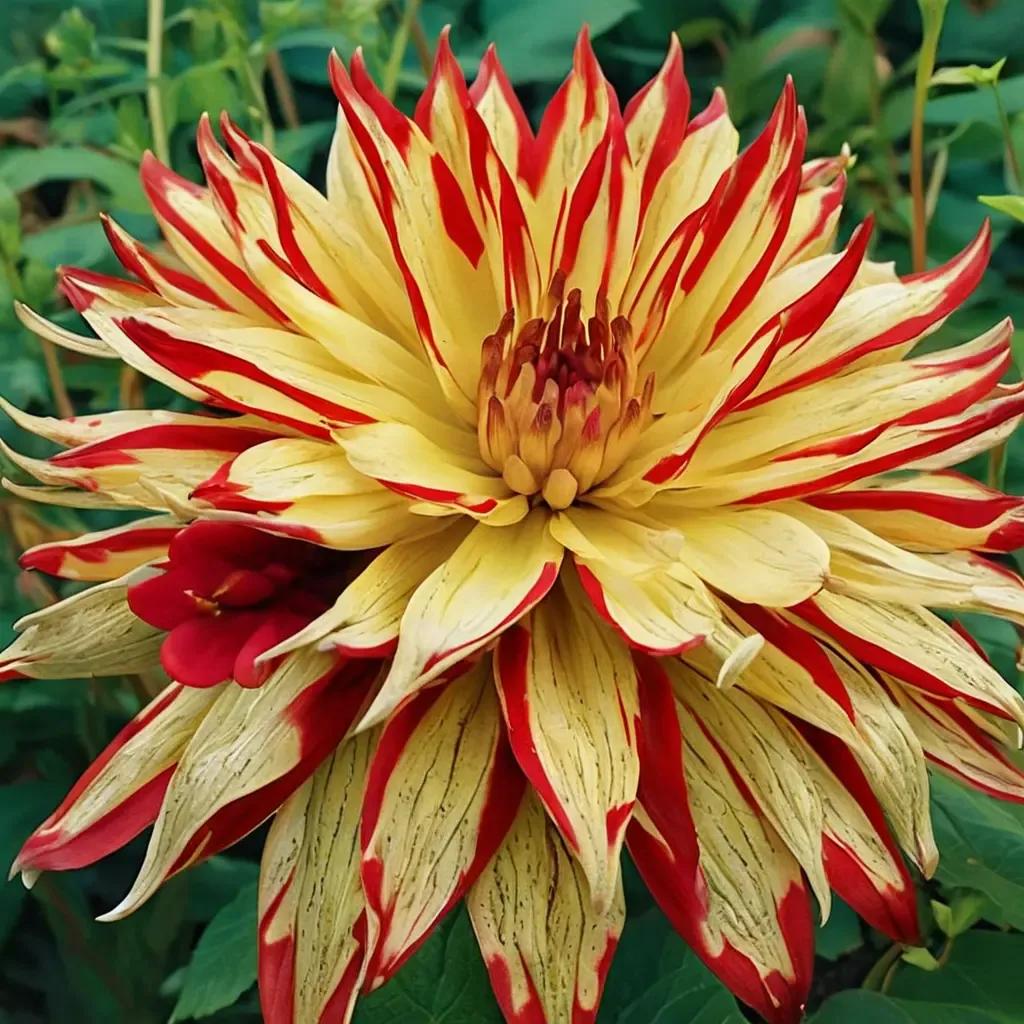 ‘Lisonette Dinnerplate’Lisonette Dinnerplate Dahlia
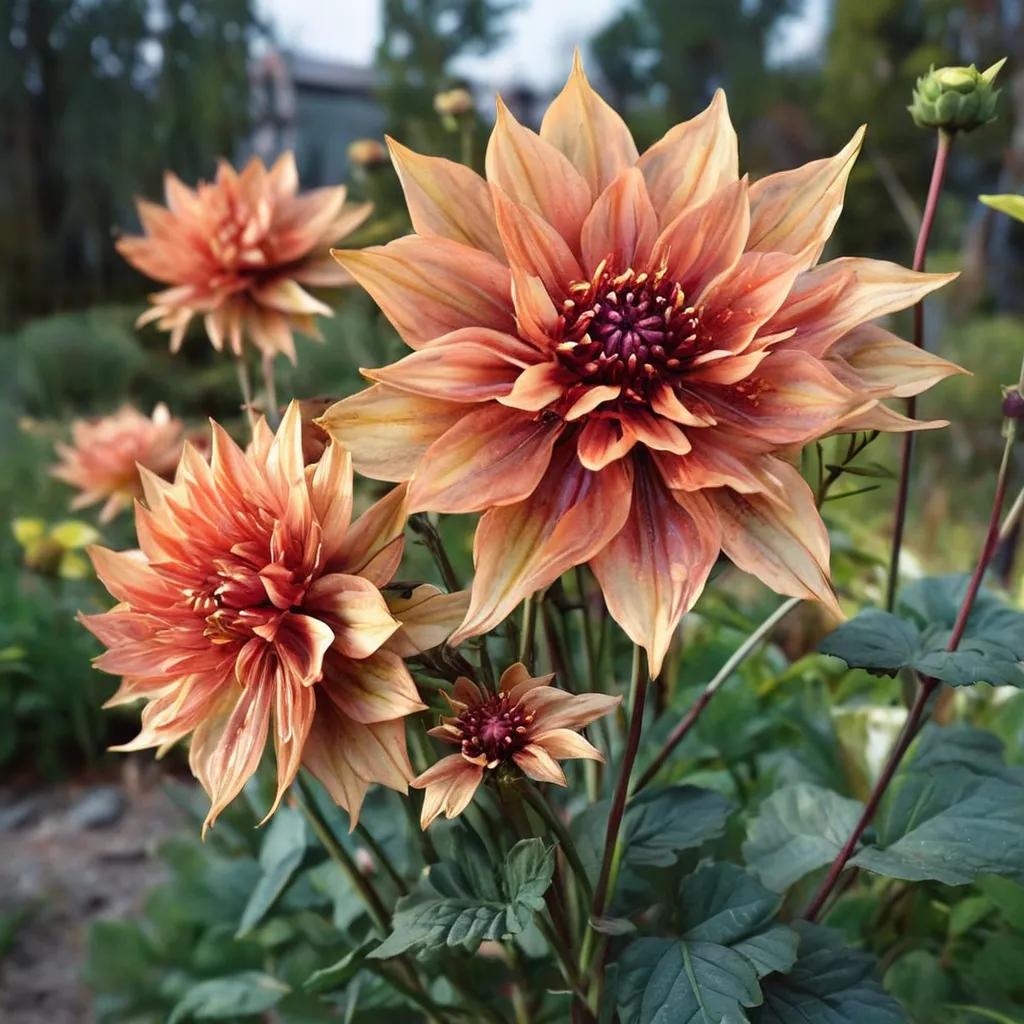 ‘Terracotta’Dahlia 'Terracotta'
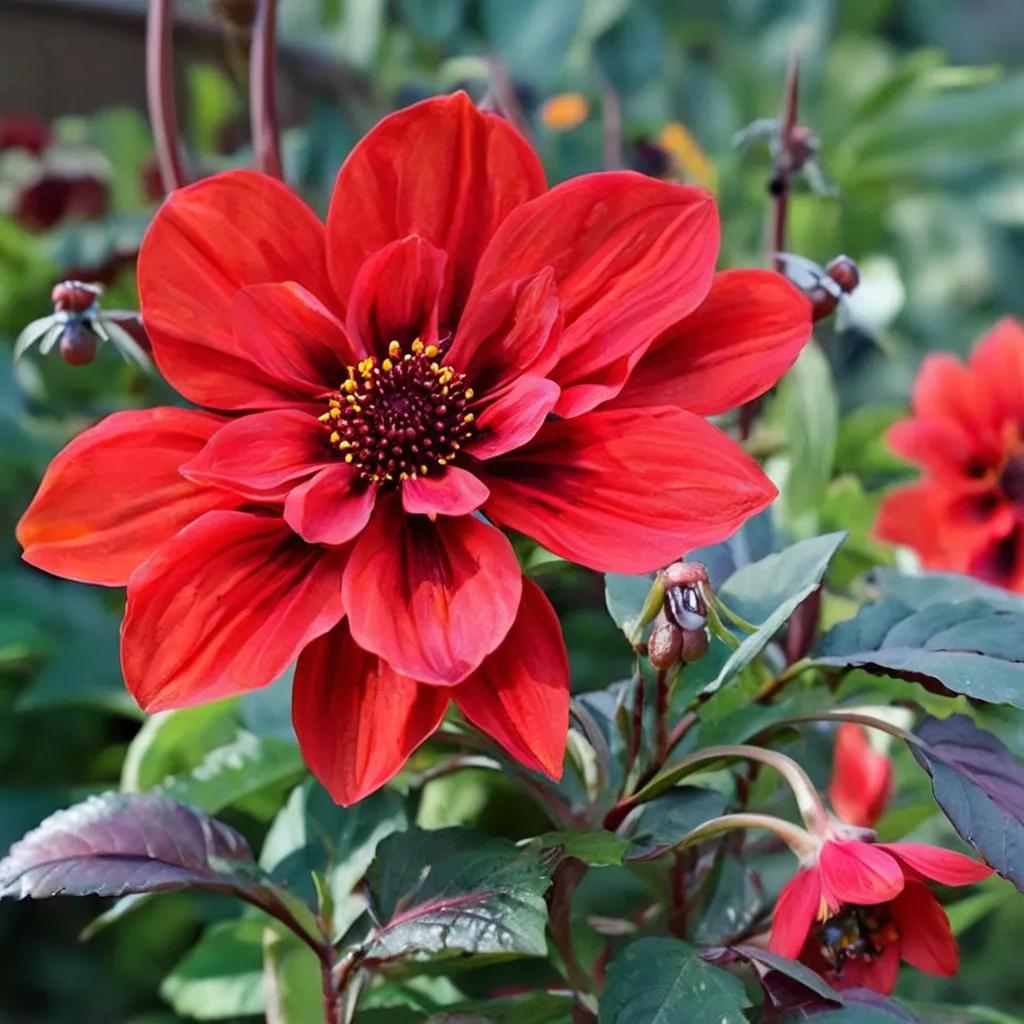 ‘Bednall Beauty’Bednall Beauty Dahlia
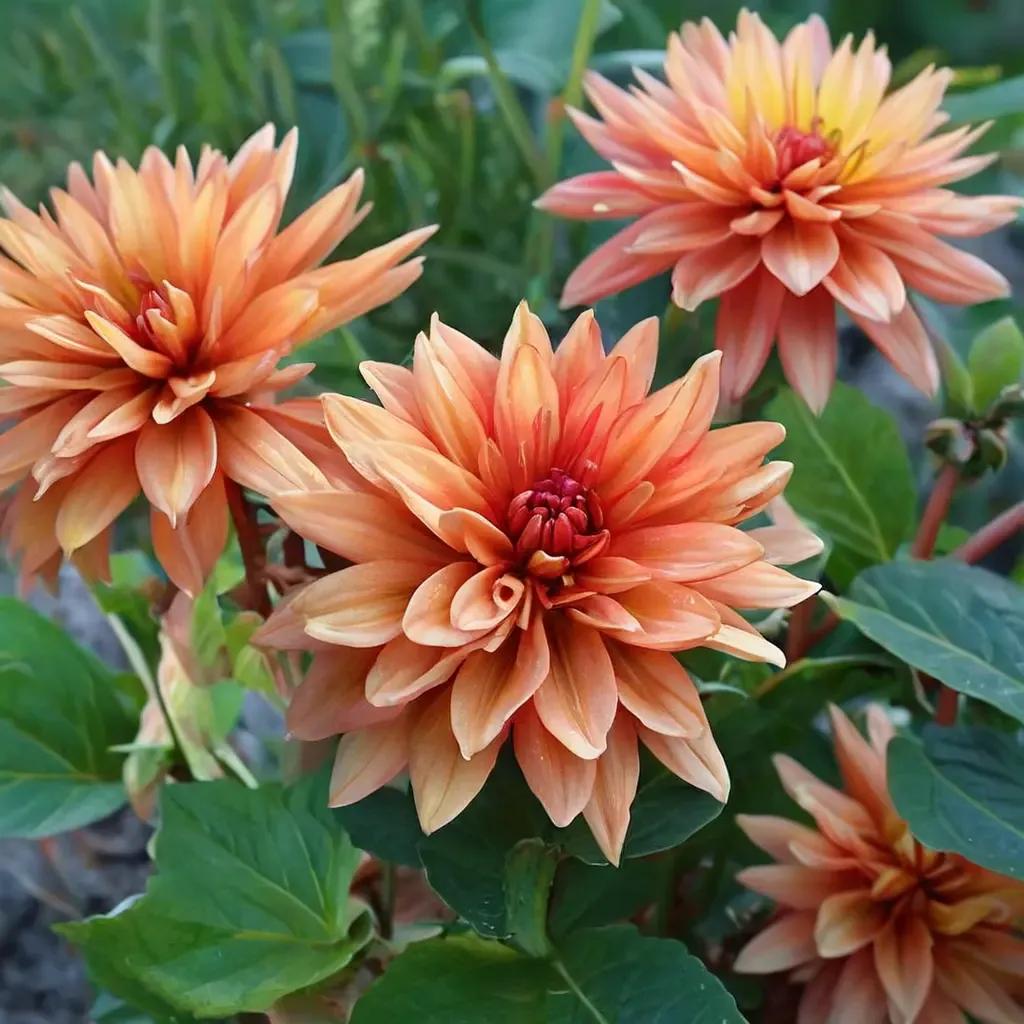 ‘Desert Sunset’Desert Sunset Dahlia
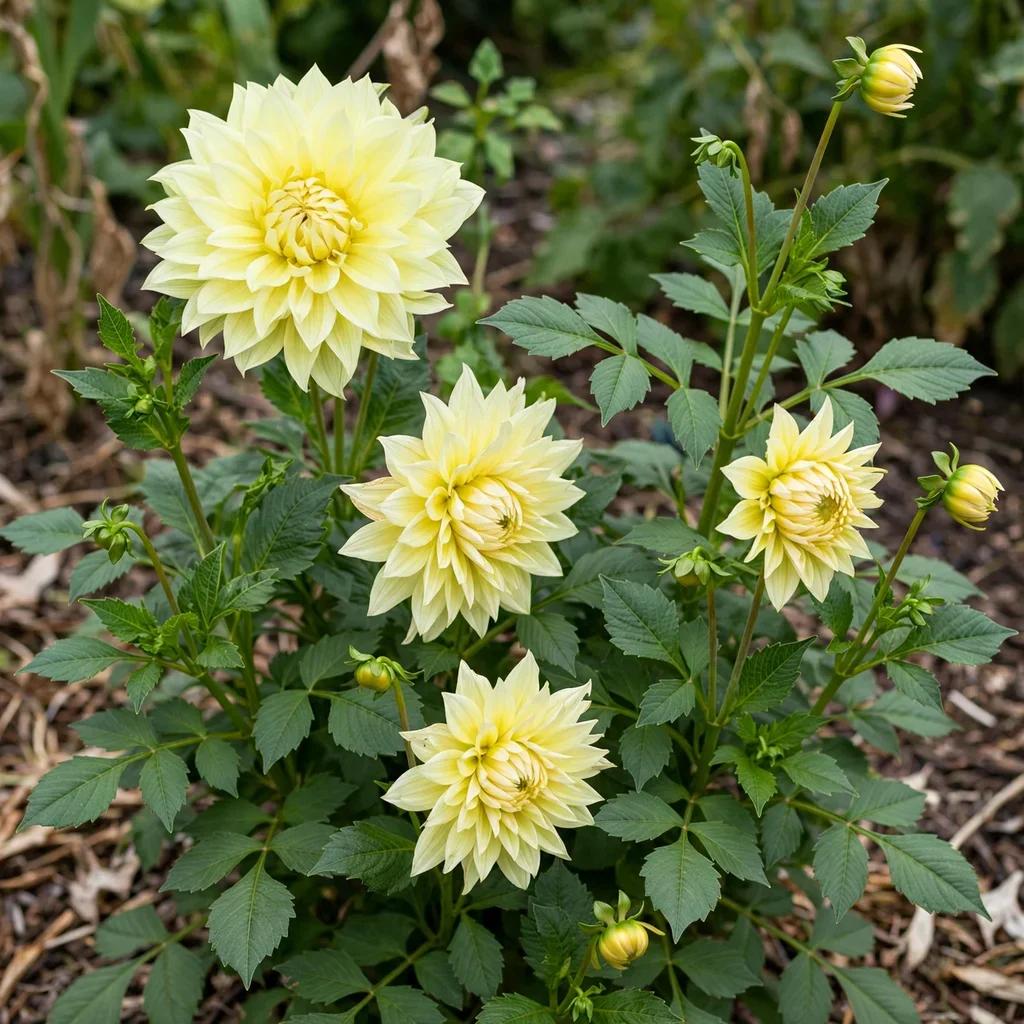 ‘La Luna’La Luna Dahlia
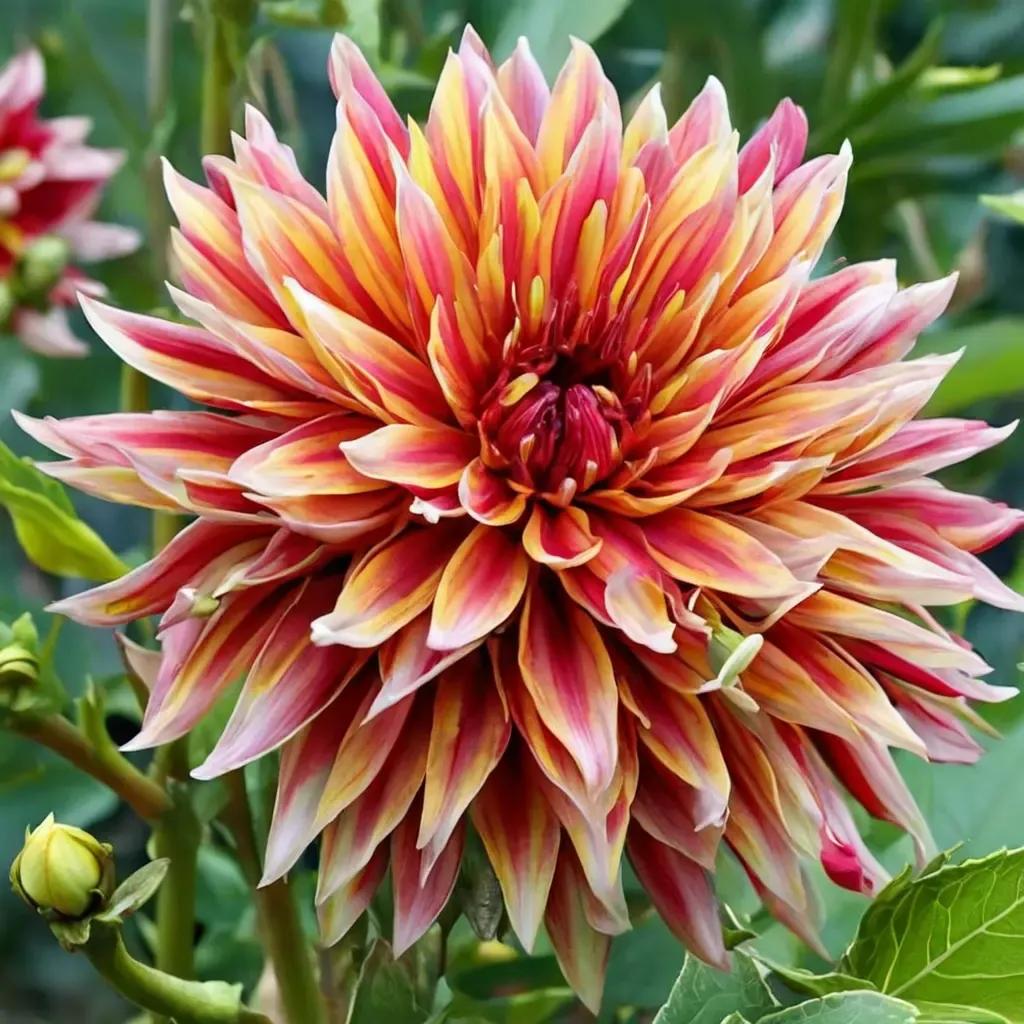 ‘Puerto Rico’Puerto Rico Cactus Dahlia
 ‘Hillcrest Sunfusion Giant Ball’Hillcrest Sunfusion Dahlia
 ‘Chat Noir’Chat Noir Dahlia
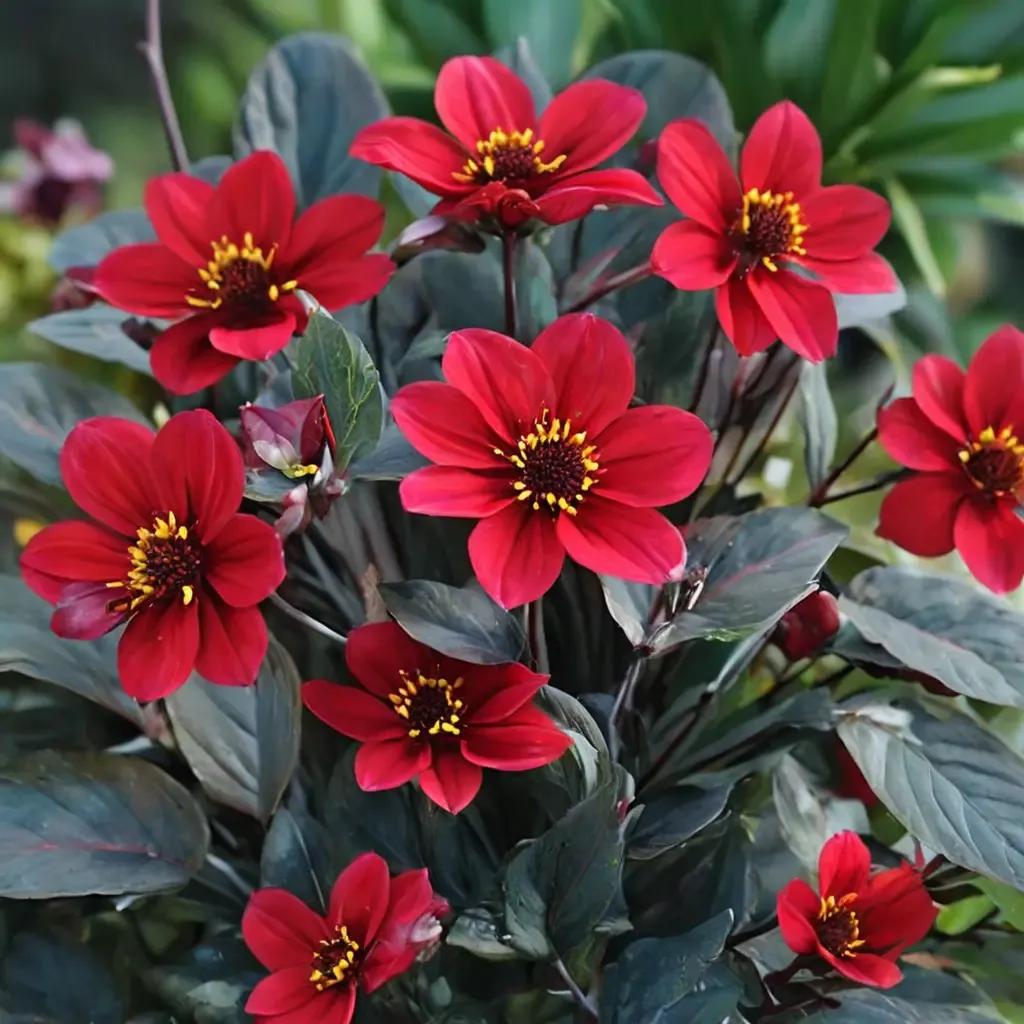 ‘Happy Single Romeo’Happy Single Romeo Dahlia
The Story
Plant Bio
A striking cultivar known for its vibrant red flowers and dark foliage.
This cultivar is particularly resistant to mildew and has a unique dark leaf color that contrasts beautifully with its bright blooms.
Uses & Benefits:
Essentials
At a Glance
Plant Type
Perennial
Height
36"
Width
24"
Light
Full Sun, Partial Sun
Zones
8, 9, 10
Water
Moderate
Humidity
Average
Lifespan
Perennial in USDA zones 8-10, otherwise treated as an annual
Native To
Central America
Toxicity
Mildly toxic to pets if ingested
Bloom period
Mid-summer – Late summer
In flower about 2 months of the year
Planting
How to Grow
- Tuck tubers into well-draining soil in early spring after the last frost.
- Water consistently to keep soil moist but not waterlogged.
- Pinch out the growing tips to encourage bushier growth.
- Stake tall varieties to support the heavy blooms during the growing season.
- Fertilize monthly with a balanced fertilizer for vibrant flowers.
- Deadhead spent flowers regularly to promote continuous blooming.
Pro Tip
Plant in a sunny spot with rich, well-draining soil for best results.
Keep It Thriving
Care Guide
Do
- Water regularly to keep soil moist 🌱
- Pinch back to encourage bushier growth
- Apply balanced fertilizer monthly
- Stake tall varieties for support
Don't
- Avoid overwatering to prevent tuber rot ❌
- Don’t neglect staking tall plants
- Avoid planting in poorly drained soil
- Don’t forget to deadhead for continued blooms
Seasonal Care Calendar
| Task | Jan | Feb | Mar | Apr | May | Jun | Jul | Aug | Sep | Oct | Nov | Dec |
|---|---|---|---|---|---|---|---|---|---|---|---|---|
| Deadhead | ||||||||||||
| Fertilize | ||||||||||||
| Lift Store | ||||||||||||
| Plant | ||||||||||||
| Stake |
Watch Out For
Pests & Diseases
Common Pests
Common Diseases
In the Garden
Landscape Uses & Companions
Landscape Uses
Multiply
Propagation Methods
Good to Know
Common Questions
Bishop of Llandaff Dahlia questions
What zones can Bishop of Llandaff Dahlia grow in?
Bishop of Llandaff Dahlia is hardy in USDA Zones 8–10. Inside that range it survives winter in the ground; outside it, grow it as an annual or a container plant you protect.
Is Bishop of Llandaff Dahlia deer resistant?
Not reliably. Deer may browse Bishop of Llandaff Dahlia, especially tender spring growth — plan on repellents or fencing where pressure is high.
When does Bishop of Llandaff Dahlia bloom?
Bishop of Llandaff Dahlia typically blooms in mid-summer through late summer. Exact timing shifts a week or two with your zone — Sow's bloom calendar maps it to your garden.
Does Bishop of Llandaff Dahlia need full sun?
Bishop of Llandaff Dahlia does best in full sun to part shade. In hot climates, afternoon shade keeps blooms fresher longer.
More Dahlia to compare
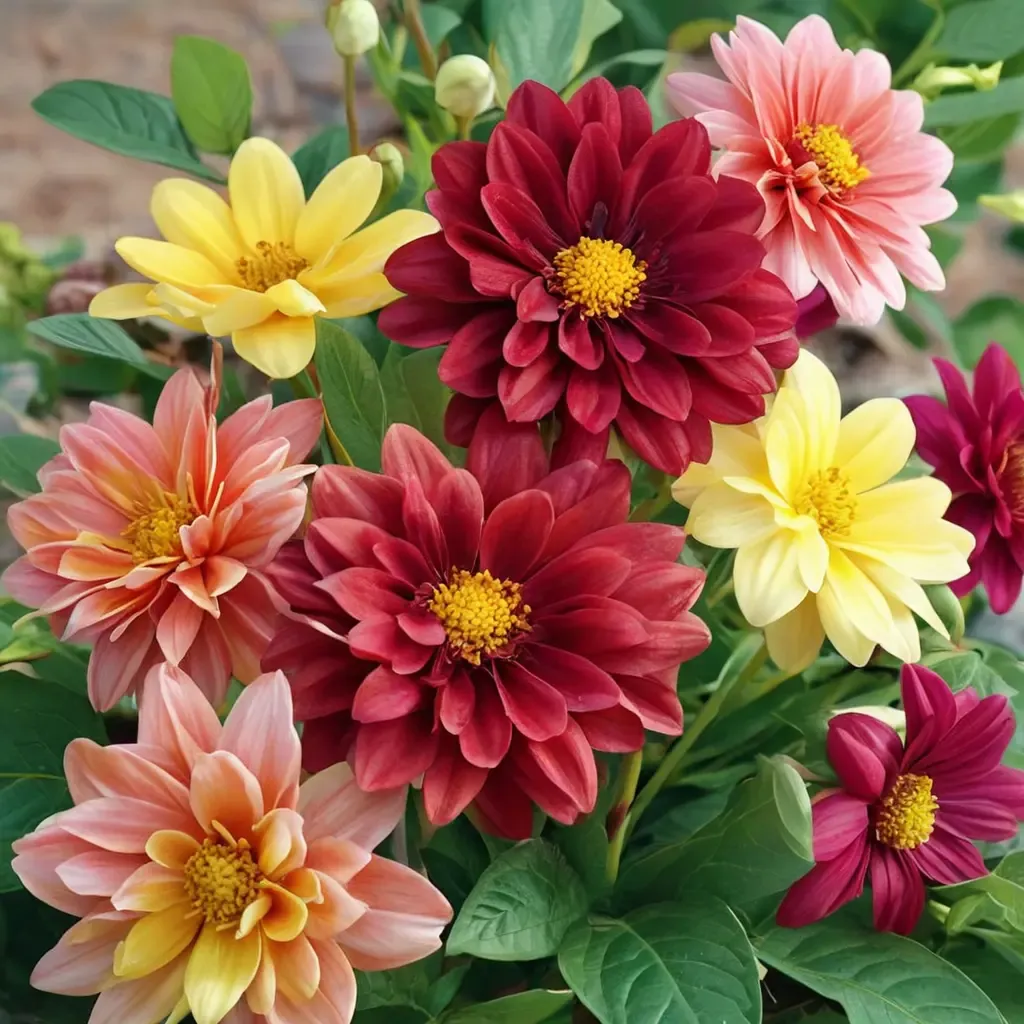
Dahlia
Dahlia variabilis
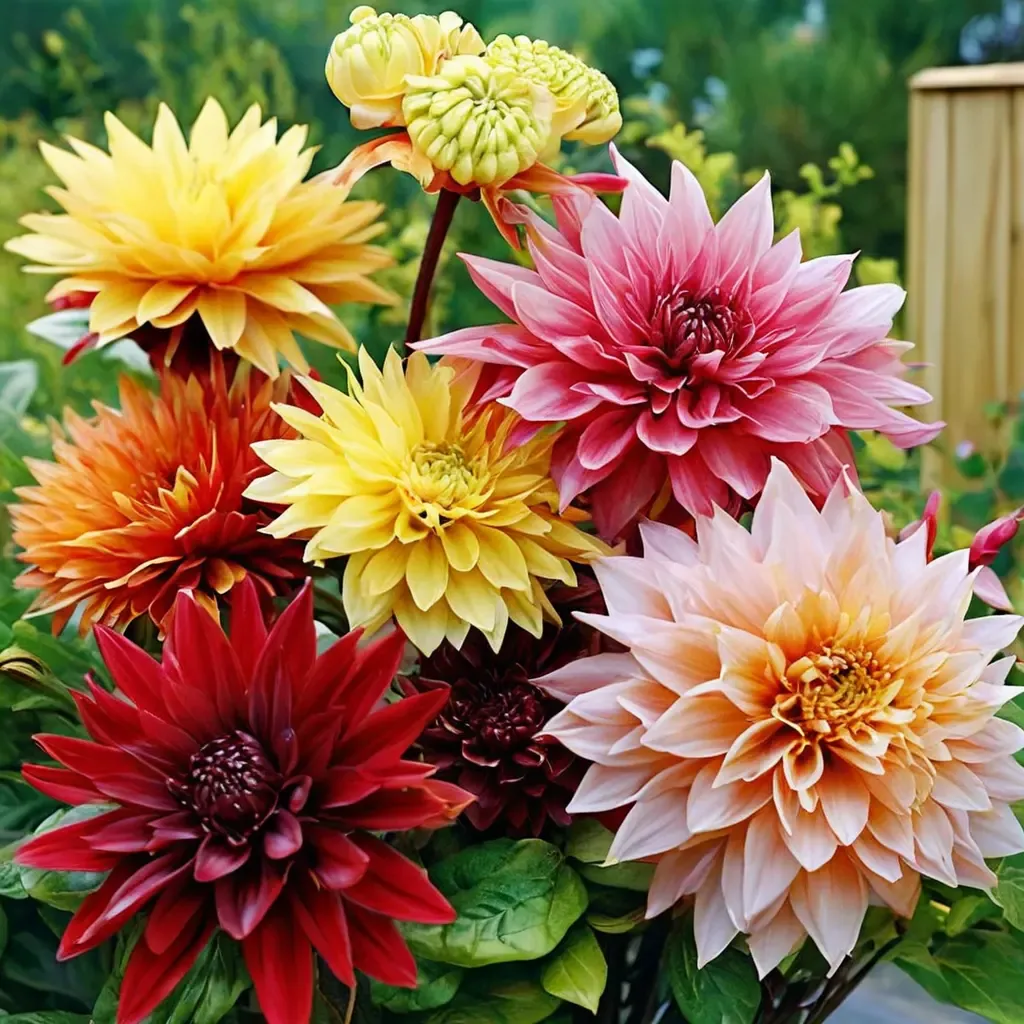
Dinnerplate Cutting Dahlia
Dahlia pinnata 'Dinnerplate Cutting Blend'
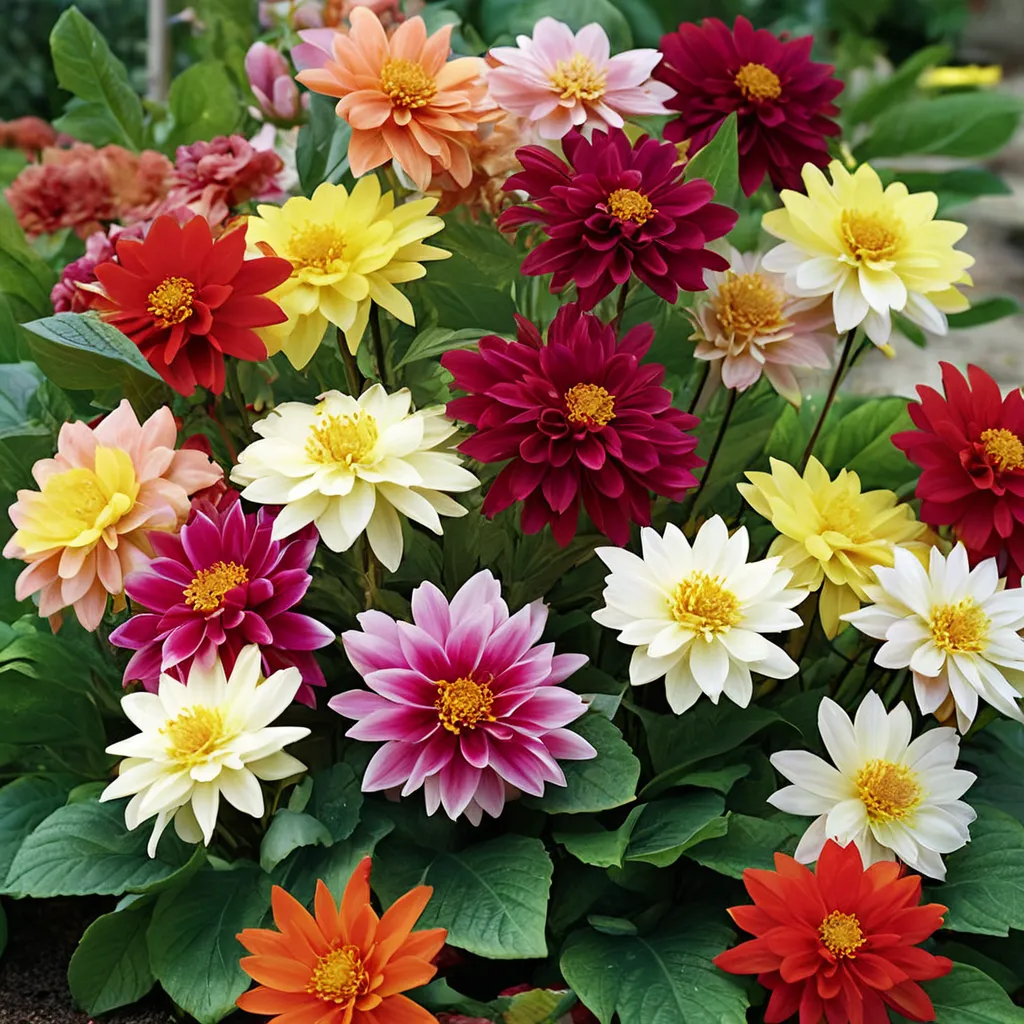
Dahlia Mix
Dahlia x hybrida 'Mix'
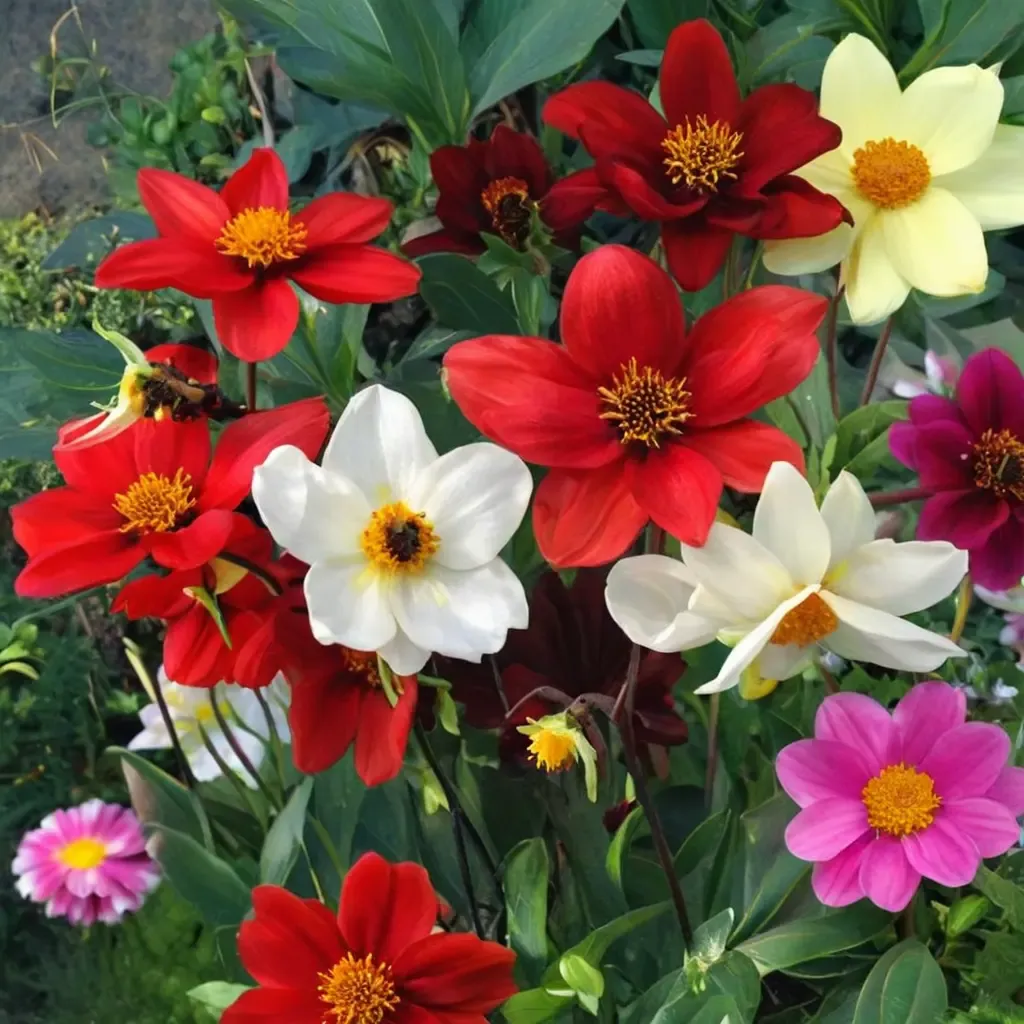
Hart Dahlia
Dahlia variabilis 'Hart'
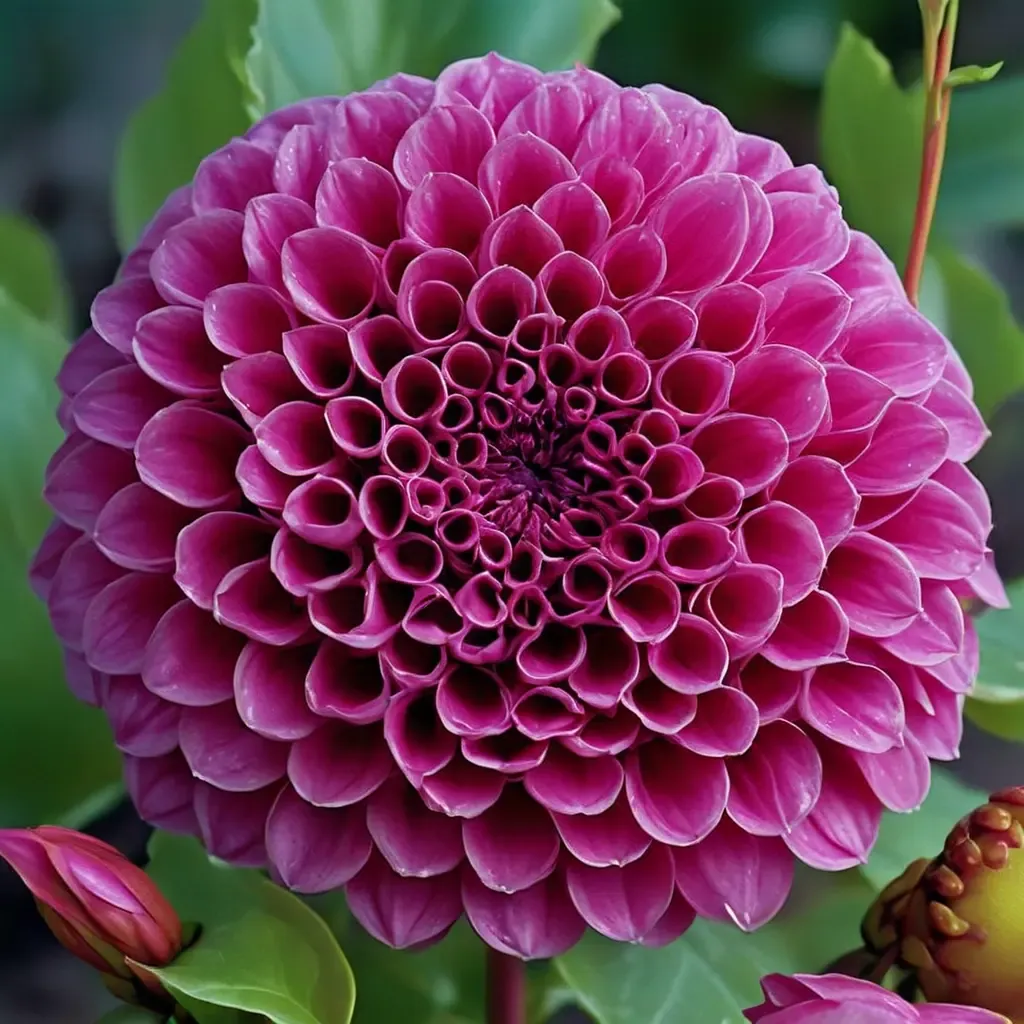
Babette Giant Ball Dahlia
Dahlia pinnata 'Babette Giant Ball'
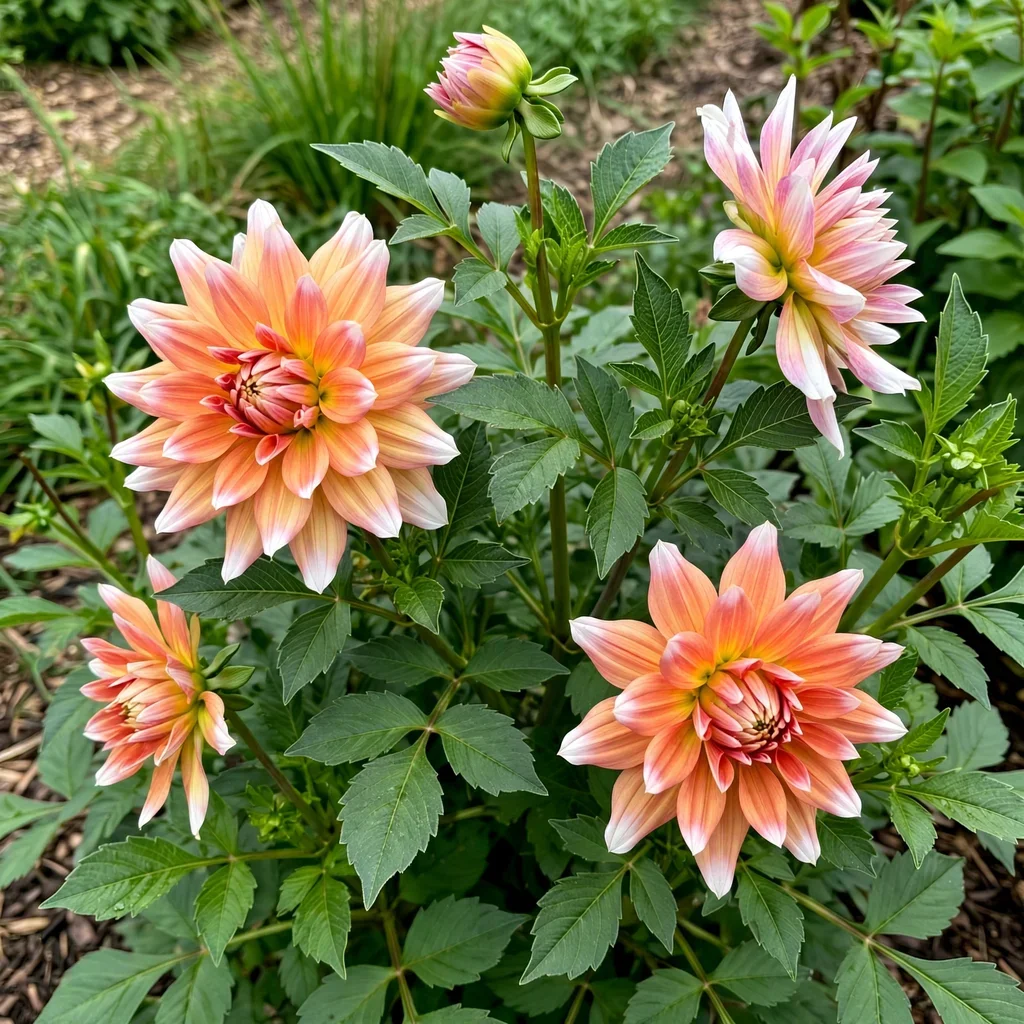
Garden Dahlia
Dahlia spectabilis
Keep exploring
Explore the genus
Hardy in your zone?
Grow Bishop of Llandaff Dahlia with confidence
See it in a design of your actual yard, get zone-matched care reminders, and track it season by season in your garden journal.