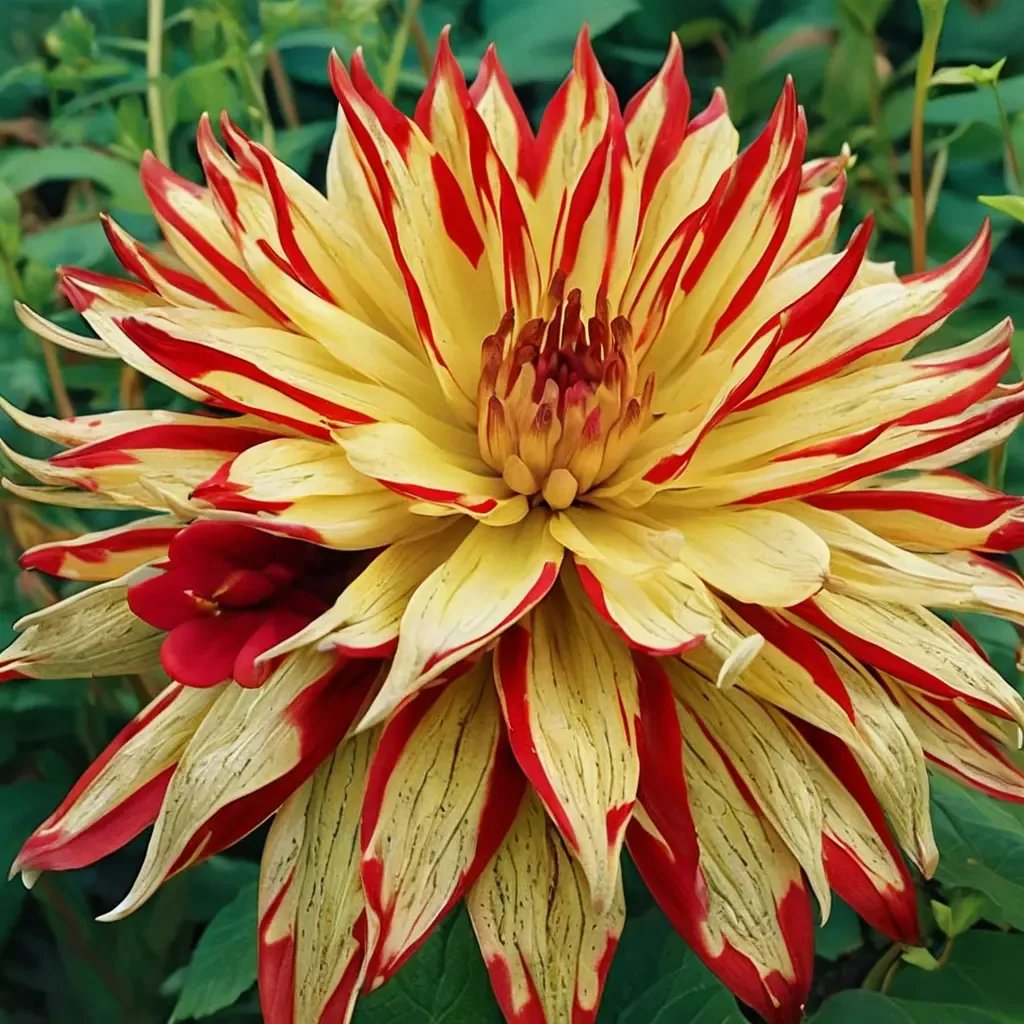
Garden hybrid
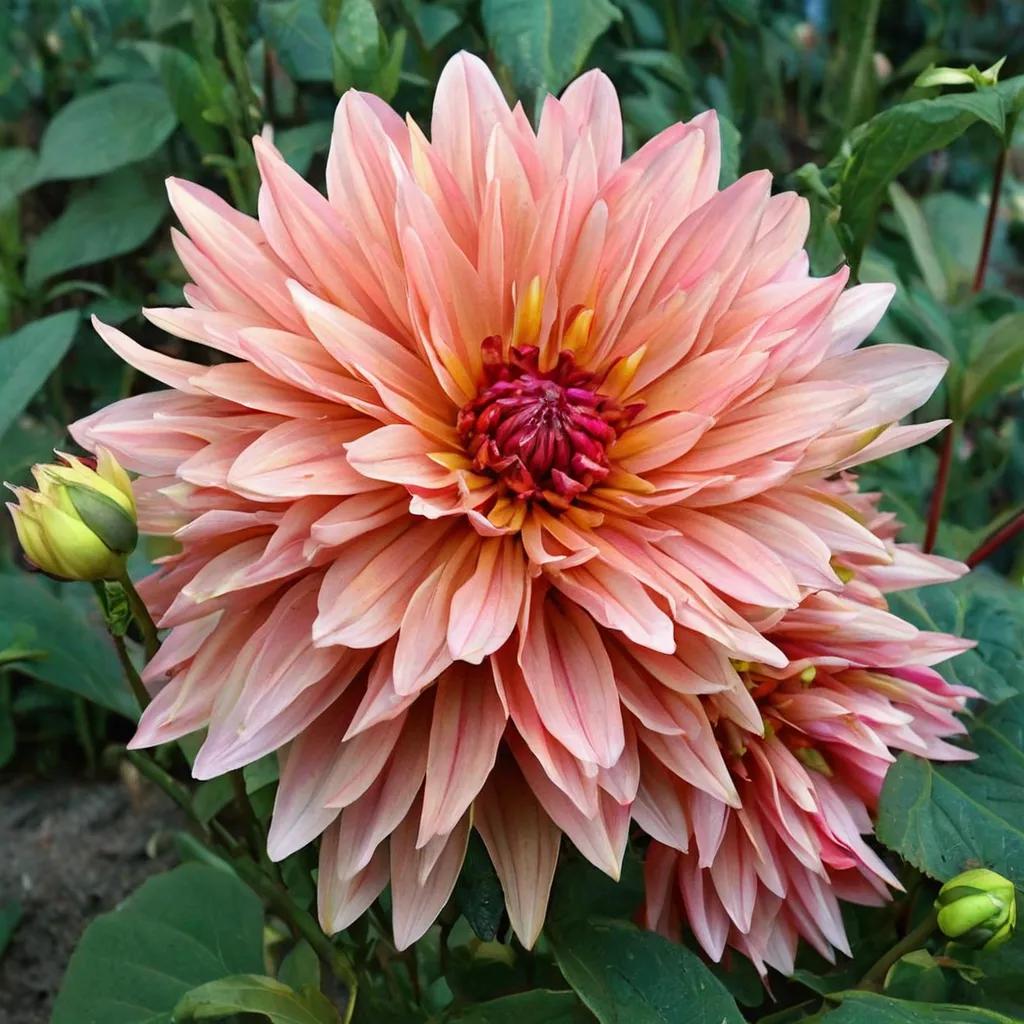 Dahlia x hybridaGarden Dahlia
16 other cultivars
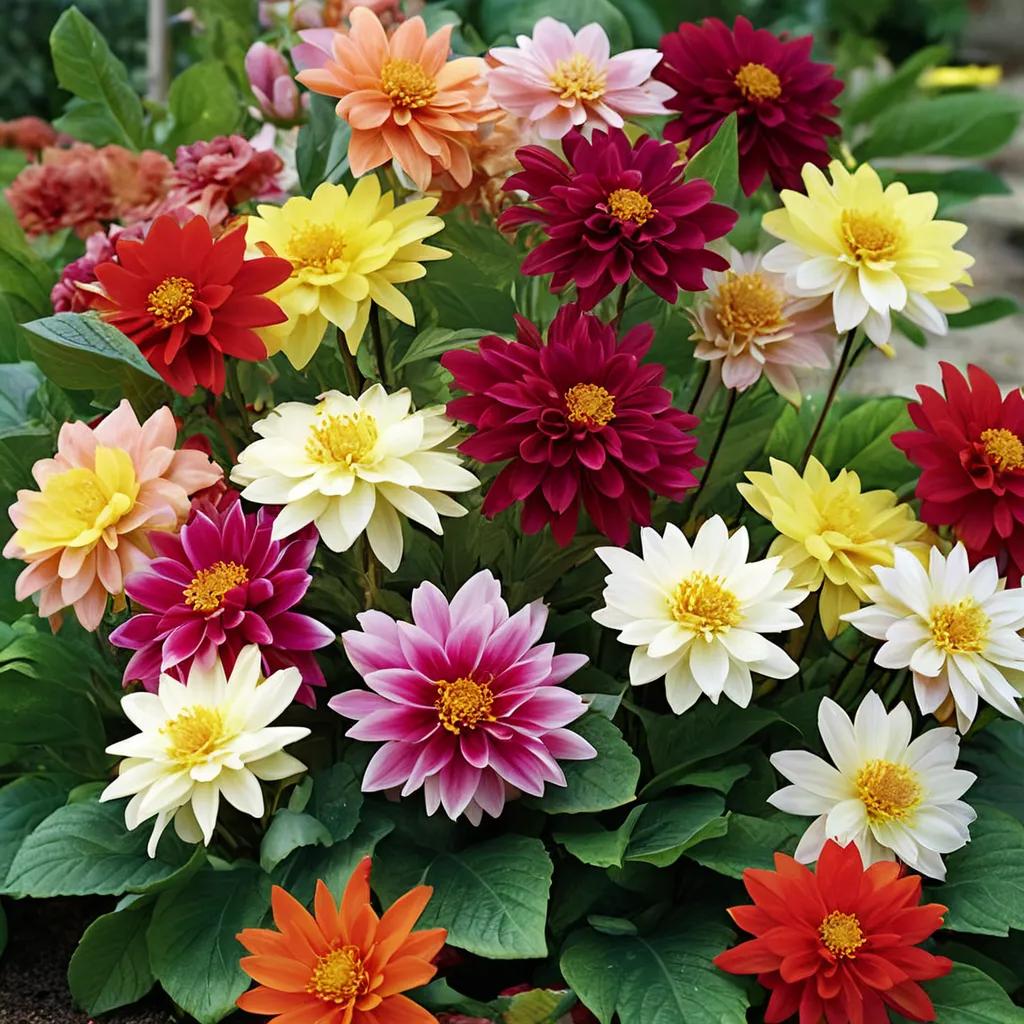 ‘Mix’Dahlia Mix
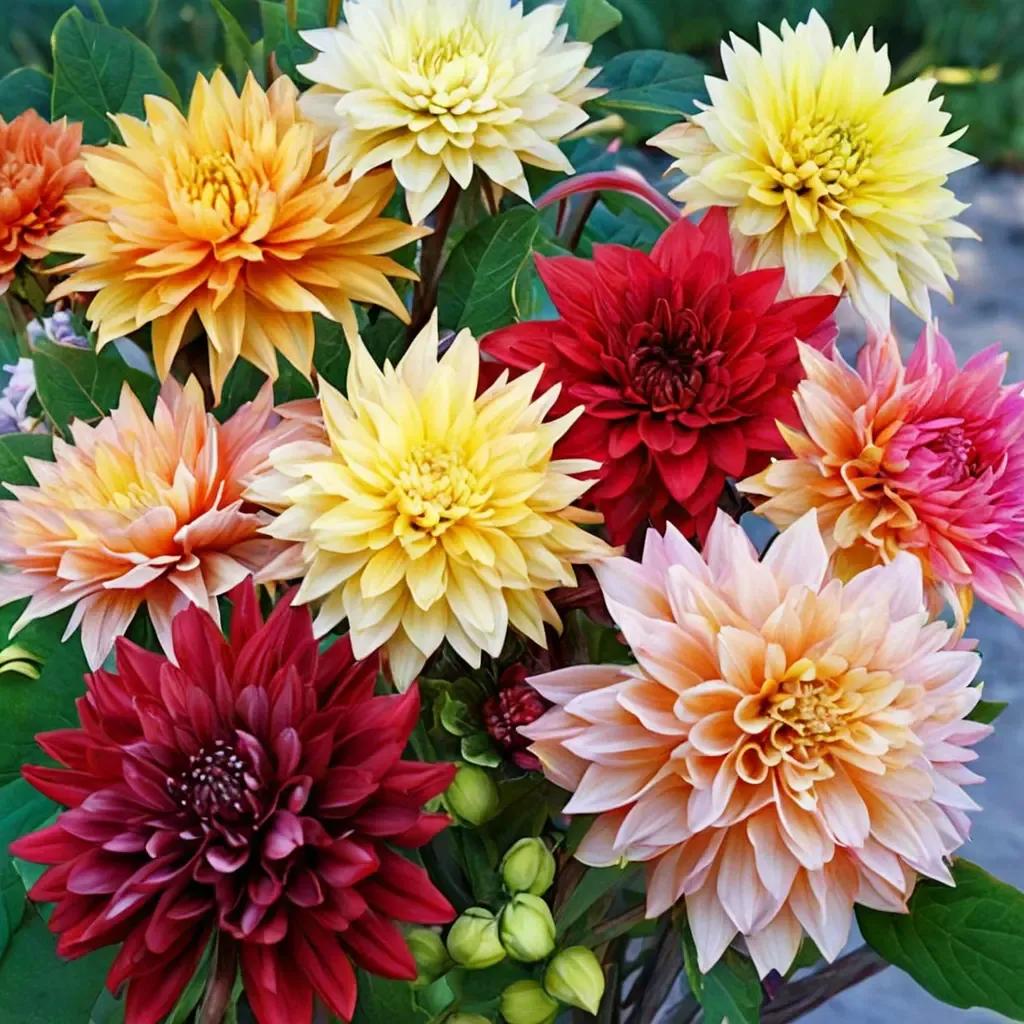 ‘Dinnerplate Blend’Dinnerplate Dahlia
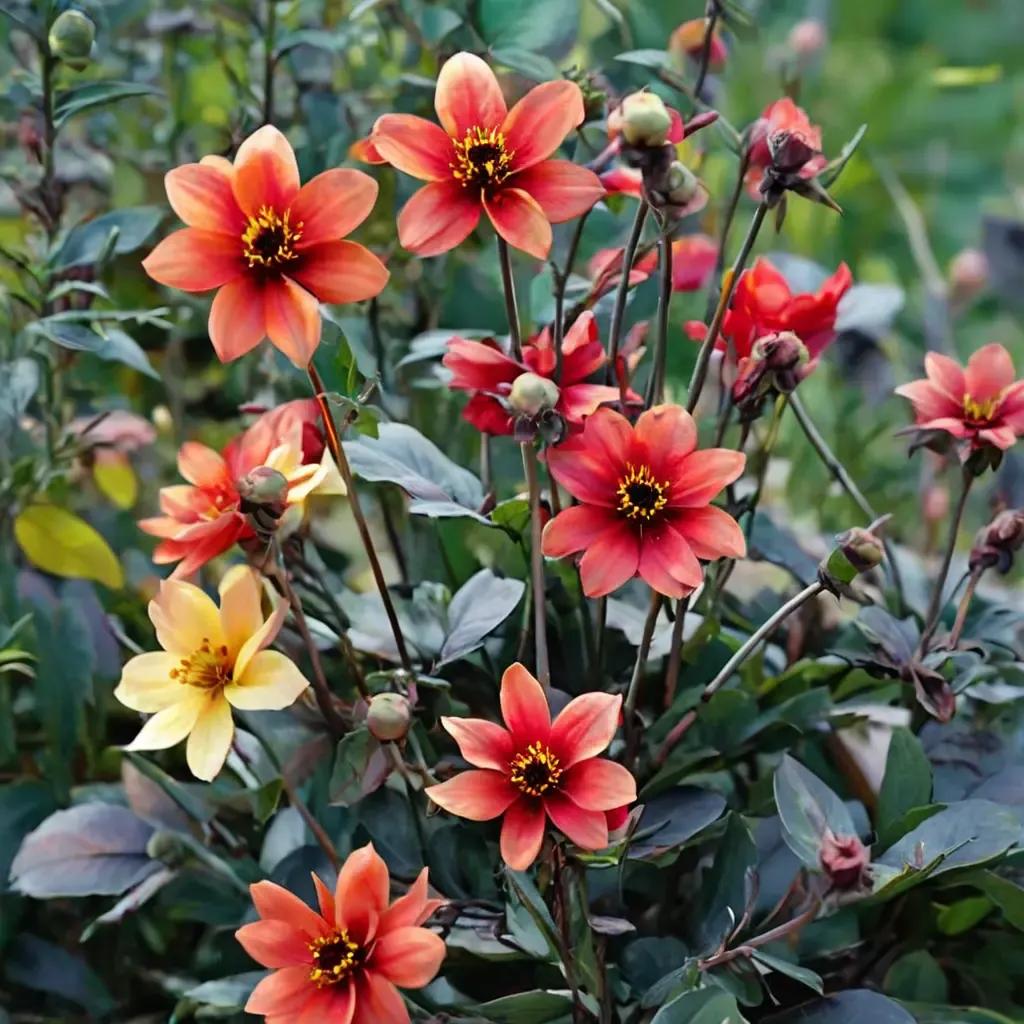 ‘Bishop's Children’Bishop's Children Dahlia
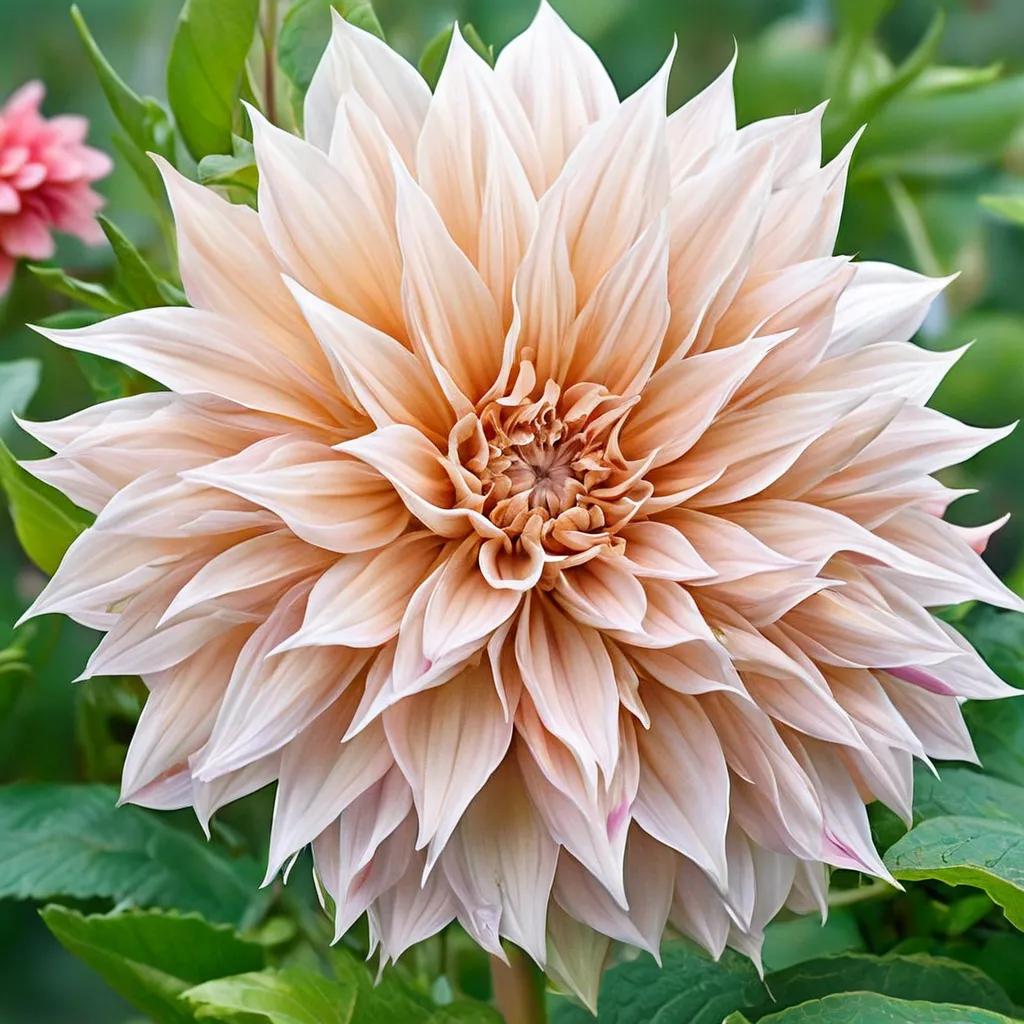 ‘Café au Lait’Café au Lait Dahlia
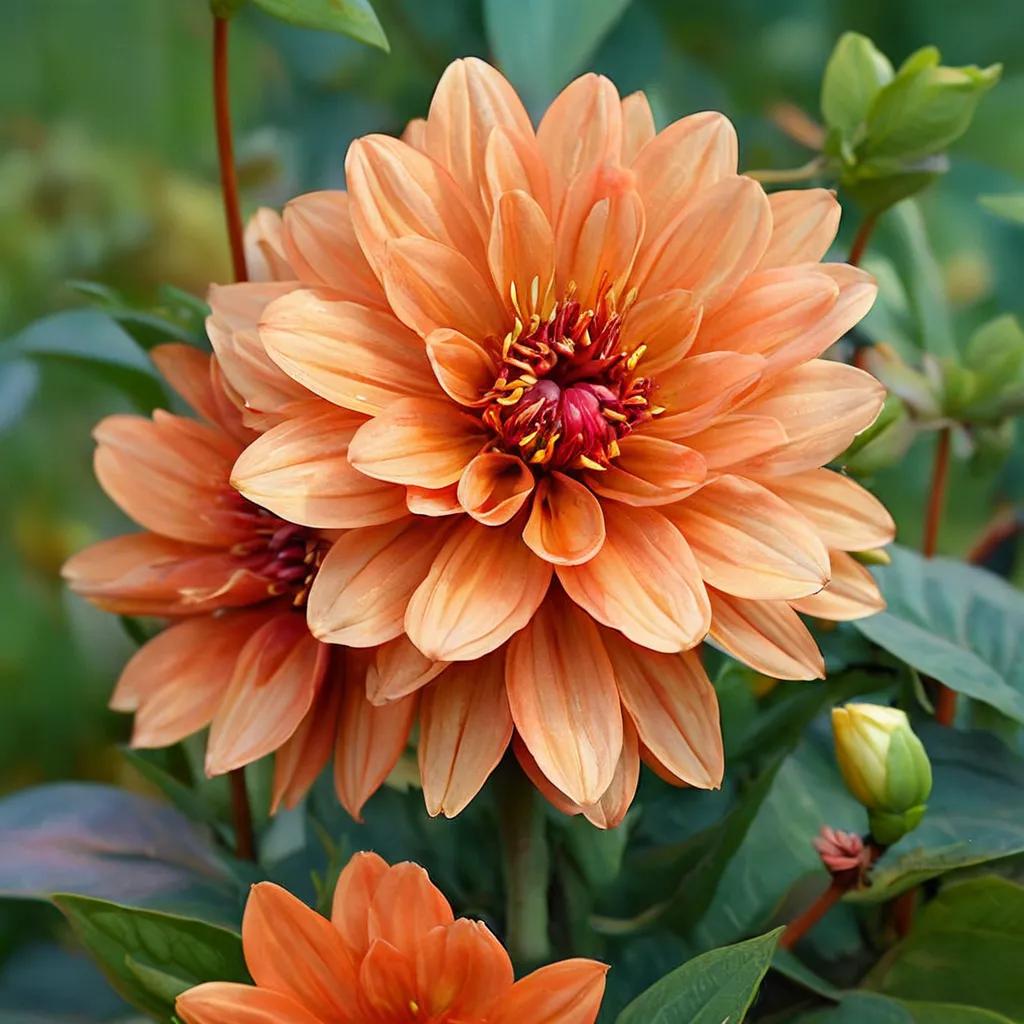 ‘Orange’Orange Dahlia
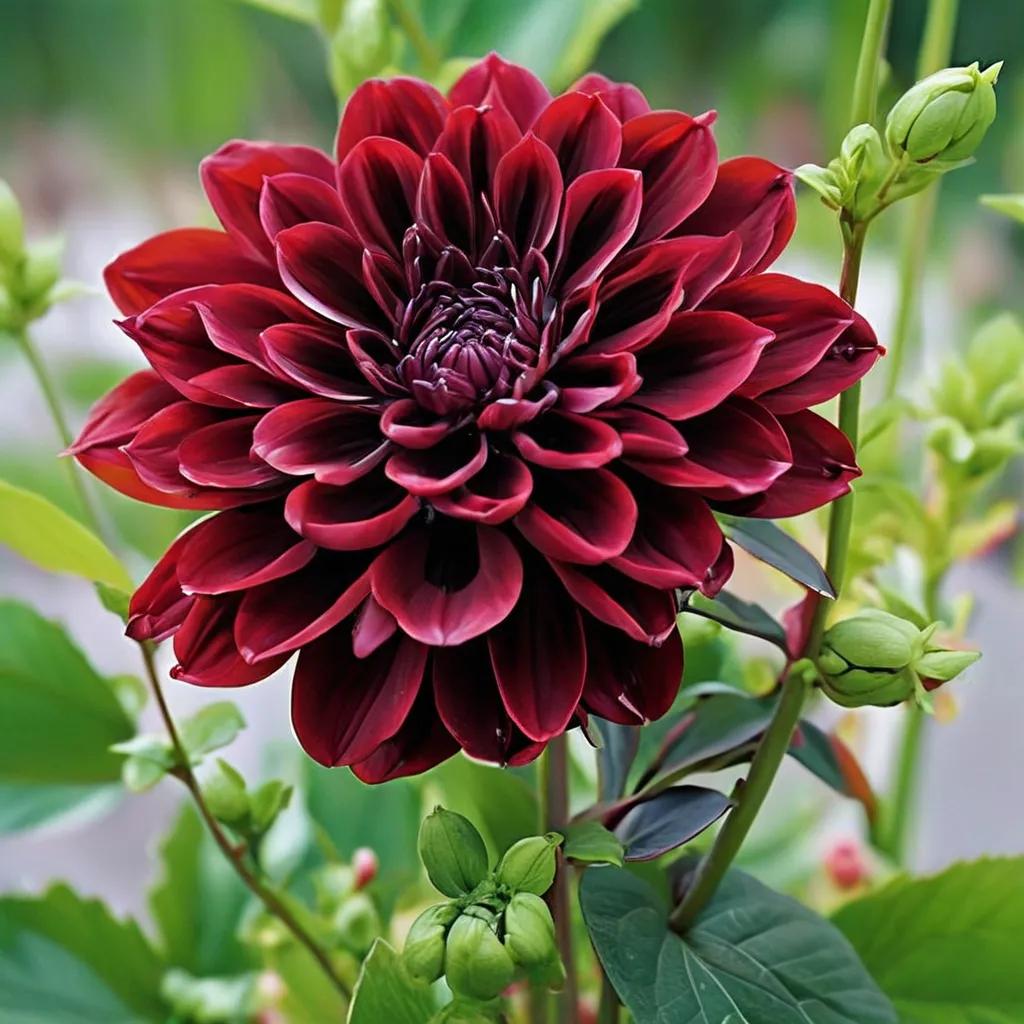 ‘Arabian Night’Arabian Night Dahlia
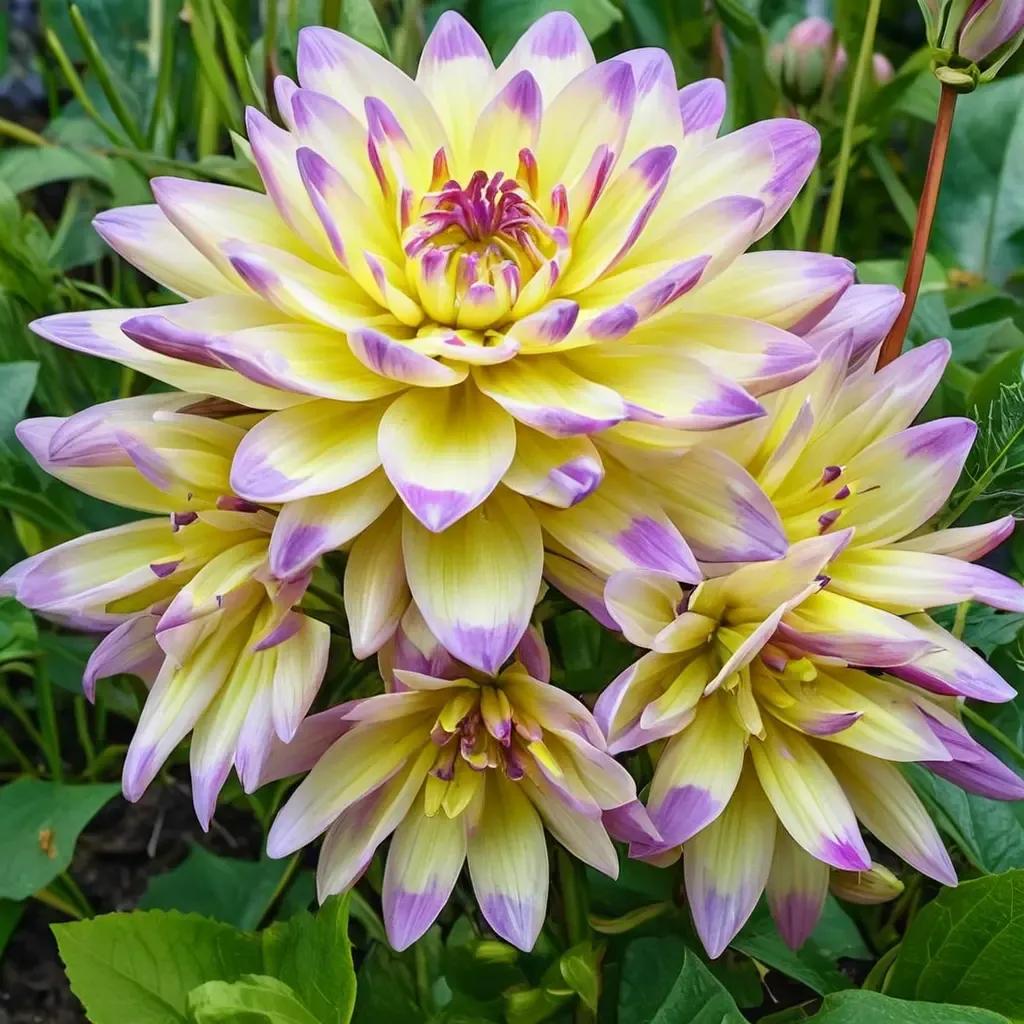 ‘Sagitta’Dahlia Sagitta
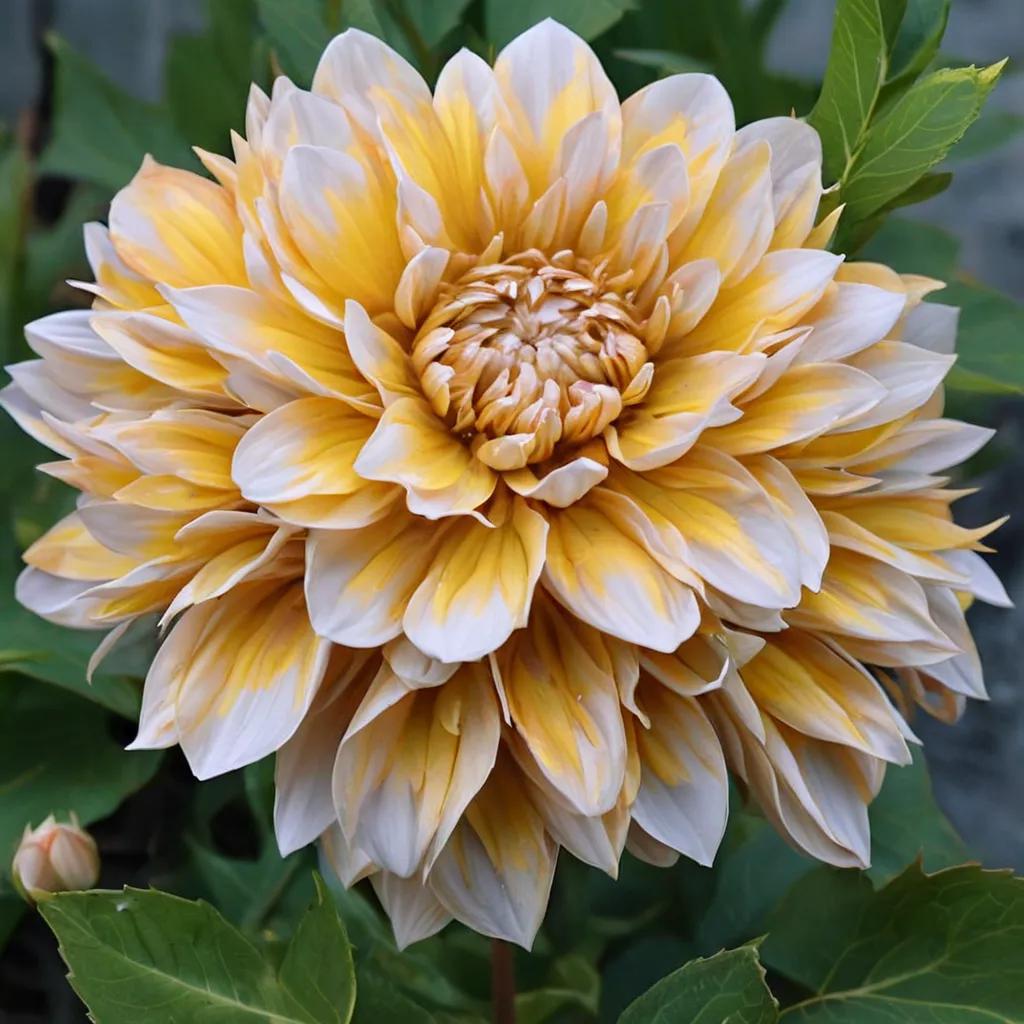 ‘Seattle’Seattle Dahlia
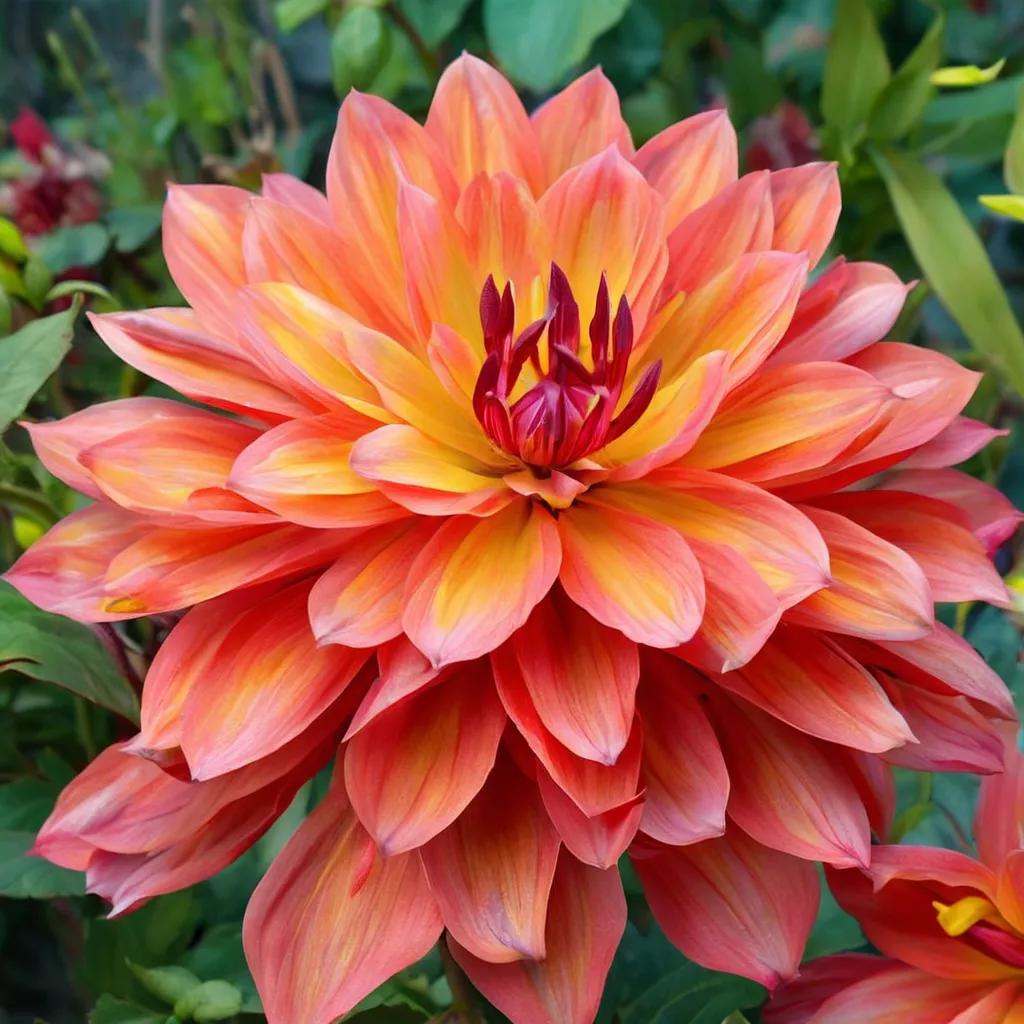 ‘Firepot’Firepot Dahlia
 ‘Labyrinth’Dahlia Labyrinth
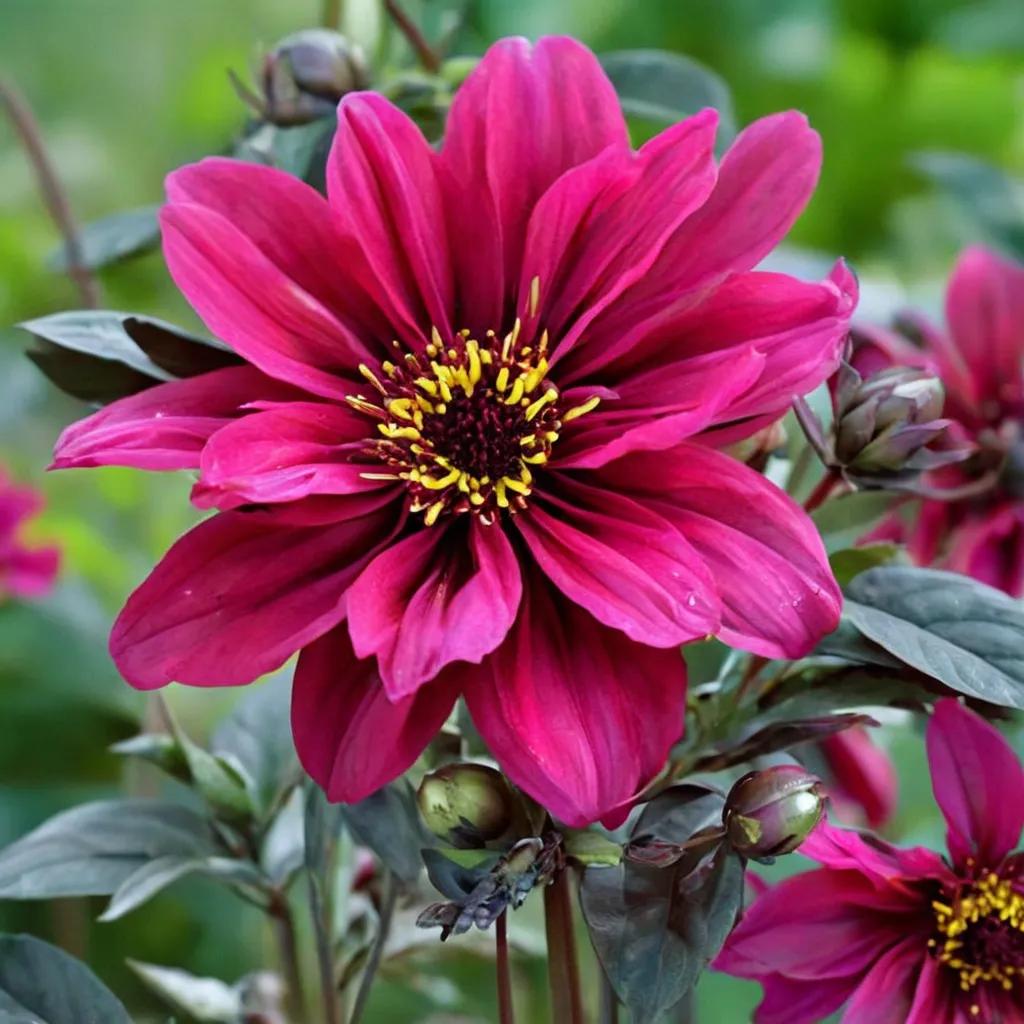 ‘Bishop of Canterbury’Bishop of Canterbury Dahlia
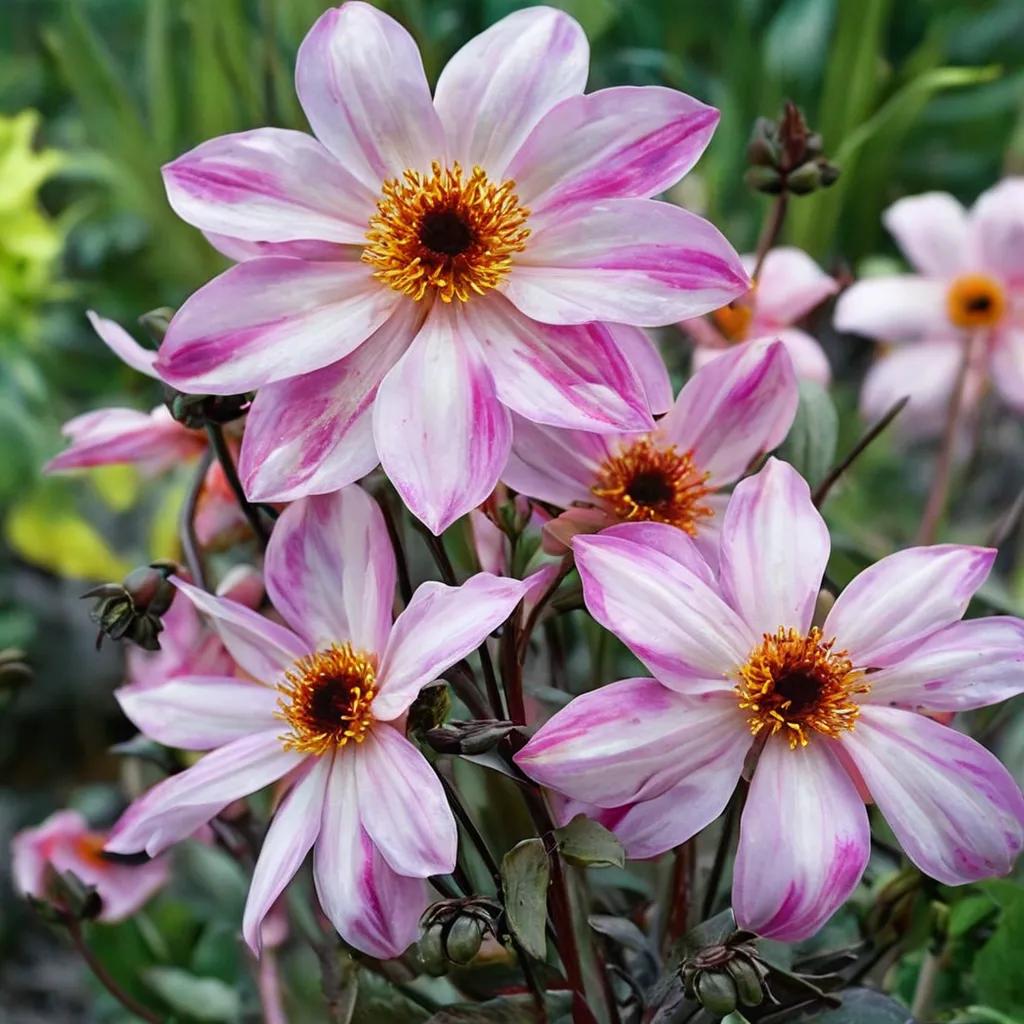 ‘Bishop of Leicester’Bishop of Leicester Dahlia
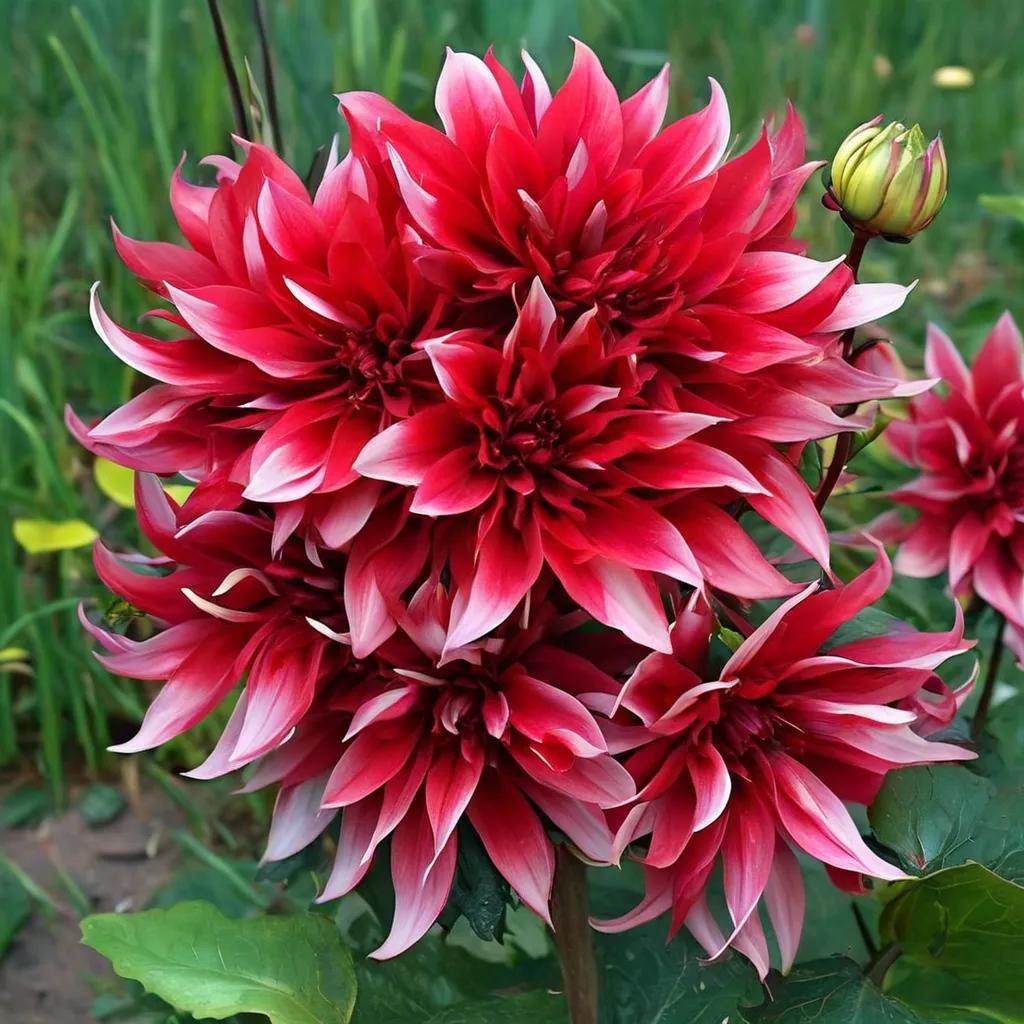 ‘Red Labyrinth’Red Labyrinth Dahlia
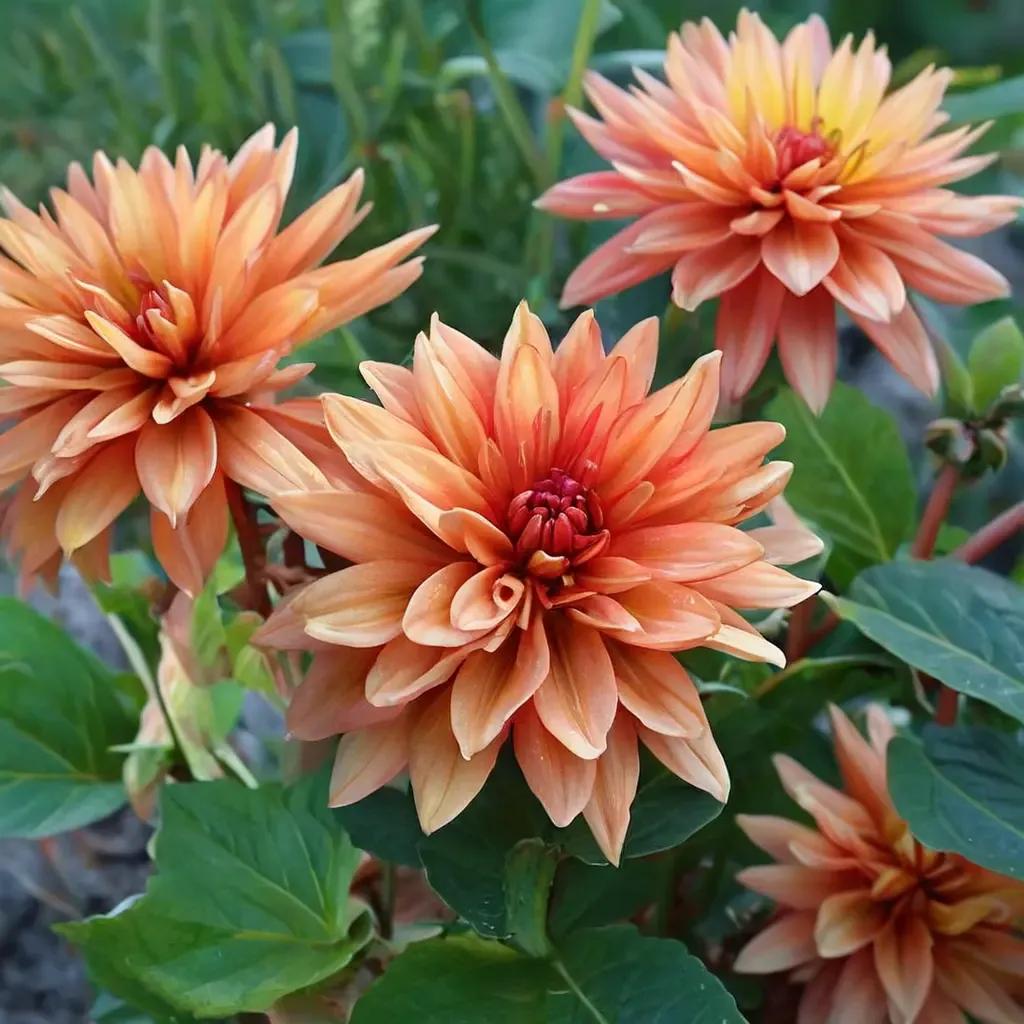 ‘Desert Sunset’Desert Sunset Dahlia
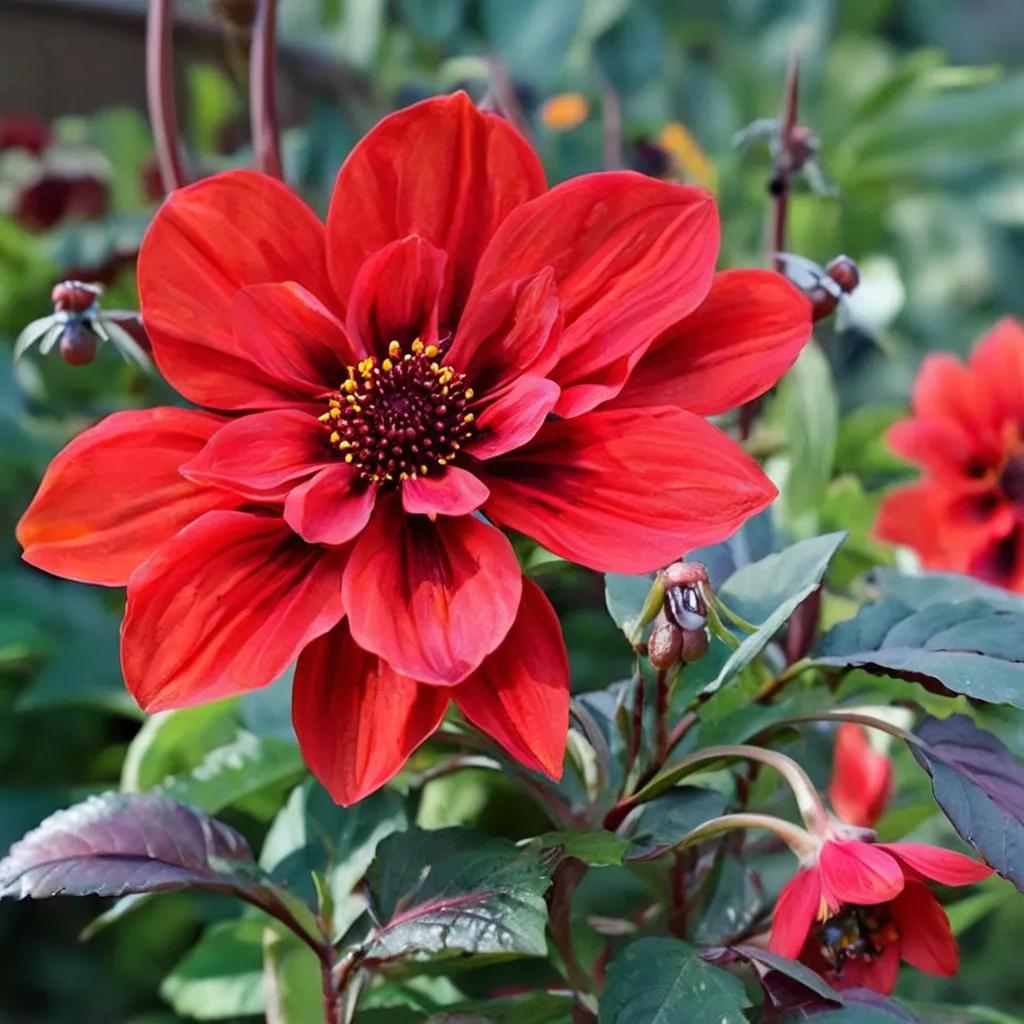 ‘Bednall Beauty’Bednall Beauty Dahlia
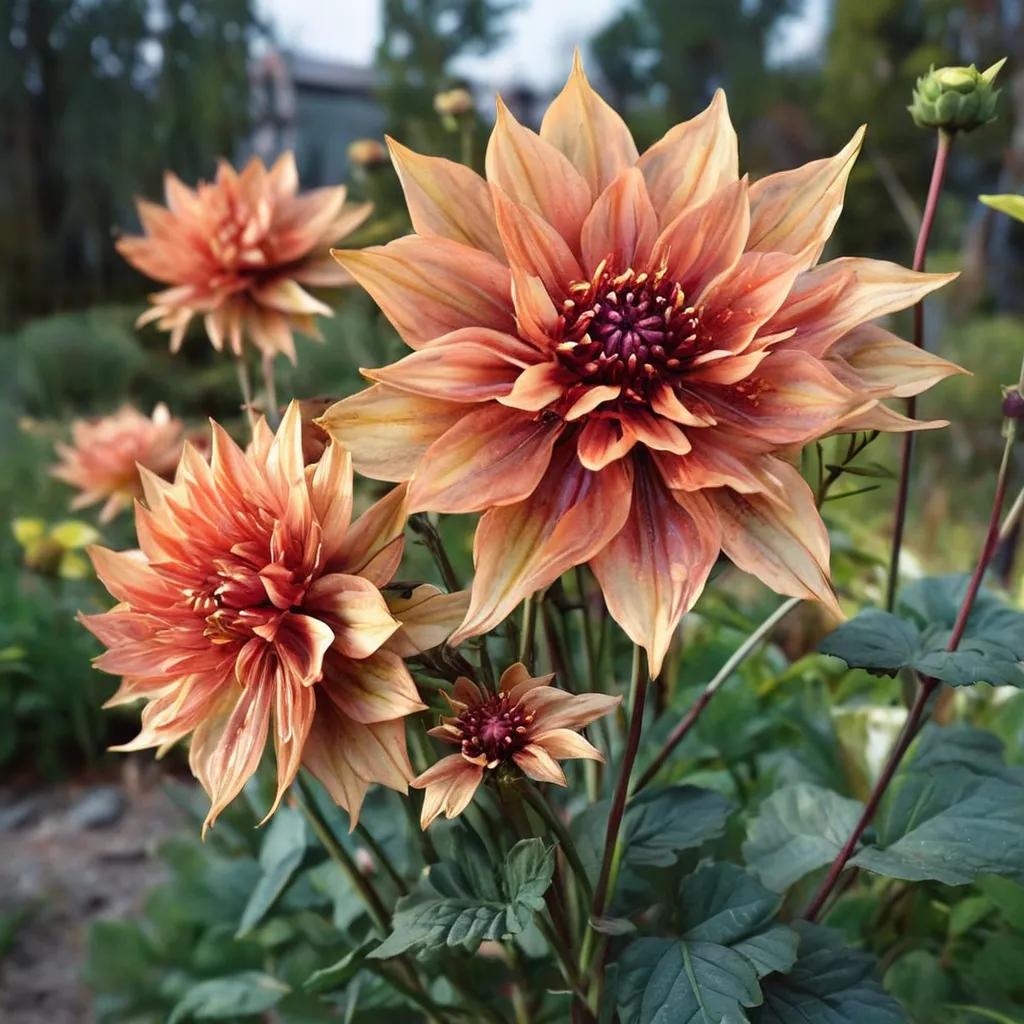 ‘Terracotta’Dahlia 'Terracotta'
The Story
Plant Bio
Herbaceous tuberous perennials with composite flowers in a vast range of sizes, forms, and colors. They bloom from summer to the first frost and require staking for taller varieties.
Features enormous, dinnerplate-sized blooms up to 10 inches across. Flowers are creamy white with a soft yellow center, and petal tips can be delicately brushed with lavender-pink.
Uses & Benefits:
Essentials
At a Glance
Plant Type
Perennial
Height
42"
Width
24"
Light
Full Sun
Zones
8, 9, 10
Water
Moderate
Humidity
Moderate
Lifespan
Perennial in mild climates, annual elsewhere
Native To
Central America
Toxicity
Toxic to cats, dogs, and horses, causing mild gastrointestinal upset and dermatitis.
Bloom period
Mid-summer to fall – Early fall
In flower about 3 months of the year
Planting
How to Grow
- Choose a sunny location with well-draining soil for planting.
- Tuck tubers 4-6 inches deep in early spring after the last frost.
- Water thoroughly after planting to settle the soil around the tubers.
- Provide consistent moisture throughout the growing season for vibrant blooms.
- Pinch back young plants to promote bushier growth and more flowers.
- Lift and store tubers in fall after foliage dies back for winter protection.
Pro Tip
Use organic compost to enrich soil and promote healthy, abundant blooms.
Keep It Thriving
Care Guide
Do
- Water regularly, keeping soil moist but not waterlogged 🌱
- Fertilize monthly with a balanced fertilizer during the growing season
- Remove spent flowers to encourage continuous blooming
- Support tall varieties with stakes to prevent flopping
Don't
- Avoid overwatering to prevent tuber rot ❌
- Do not let soil dry out completely during peak growth
- Refrain from fertilizing late in the season to prevent weak growth
- Avoid disturbing tubers during the flowering period
Seasonal Care Calendar
| Task | Jan | Feb | Mar | Apr | May | Jun | Jul | Aug | Sep | Oct | Nov | Dec |
|---|---|---|---|---|---|---|---|---|---|---|---|---|
| Deadhead | ||||||||||||
| Fertilize | ||||||||||||
| Lift Store | ||||||||||||
| Pest Check | ||||||||||||
| Pinch | ||||||||||||
| Plant | ||||||||||||
| Stake |
Watch Out For
Pests & Diseases
Common Pests
Common Diseases
In the Garden
Landscape Uses & Companions
Landscape Uses
Multiply
Propagation Methods
Good to Know
Common Questions
Lisonette Dinnerplate Dahlia questions
What zones can Lisonette Dinnerplate Dahlia grow in?
Lisonette Dinnerplate Dahlia is hardy in USDA Zones 8–10. Inside that range it survives winter in the ground; outside it, grow it as an annual or a container plant you protect.
Is Lisonette Dinnerplate Dahlia deer resistant?
Not reliably. Deer may browse Lisonette Dinnerplate Dahlia, especially tender spring growth — plan on repellents or fencing where pressure is high.
When does Lisonette Dinnerplate Dahlia bloom?
Lisonette Dinnerplate Dahlia typically blooms in mid-summer to fall through early fall. Exact timing shifts a week or two with your zone — Sow's bloom calendar maps it to your garden.
Does Lisonette Dinnerplate Dahlia need full sun?
Lisonette Dinnerplate Dahlia does best in full sun (6+ hours).
More Dahlia to compare
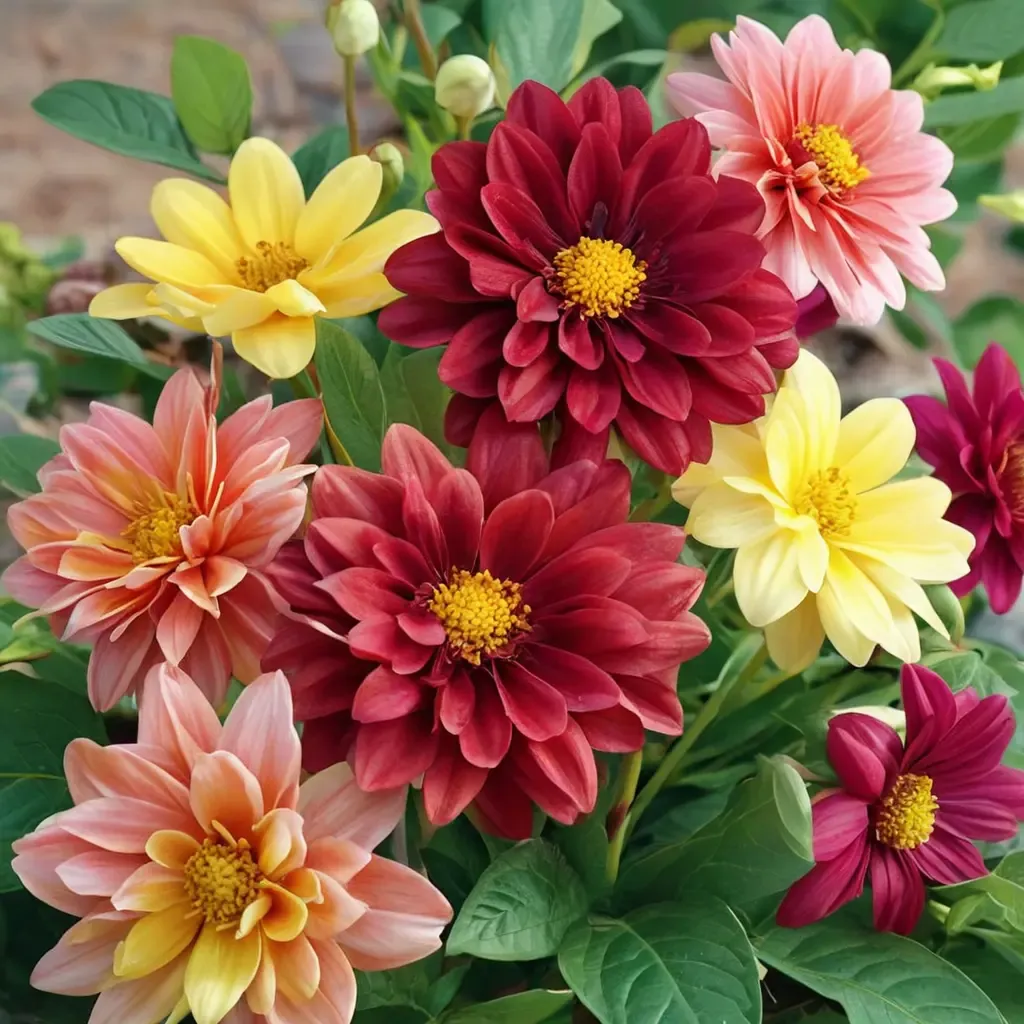
Dahlia
Dahlia variabilis
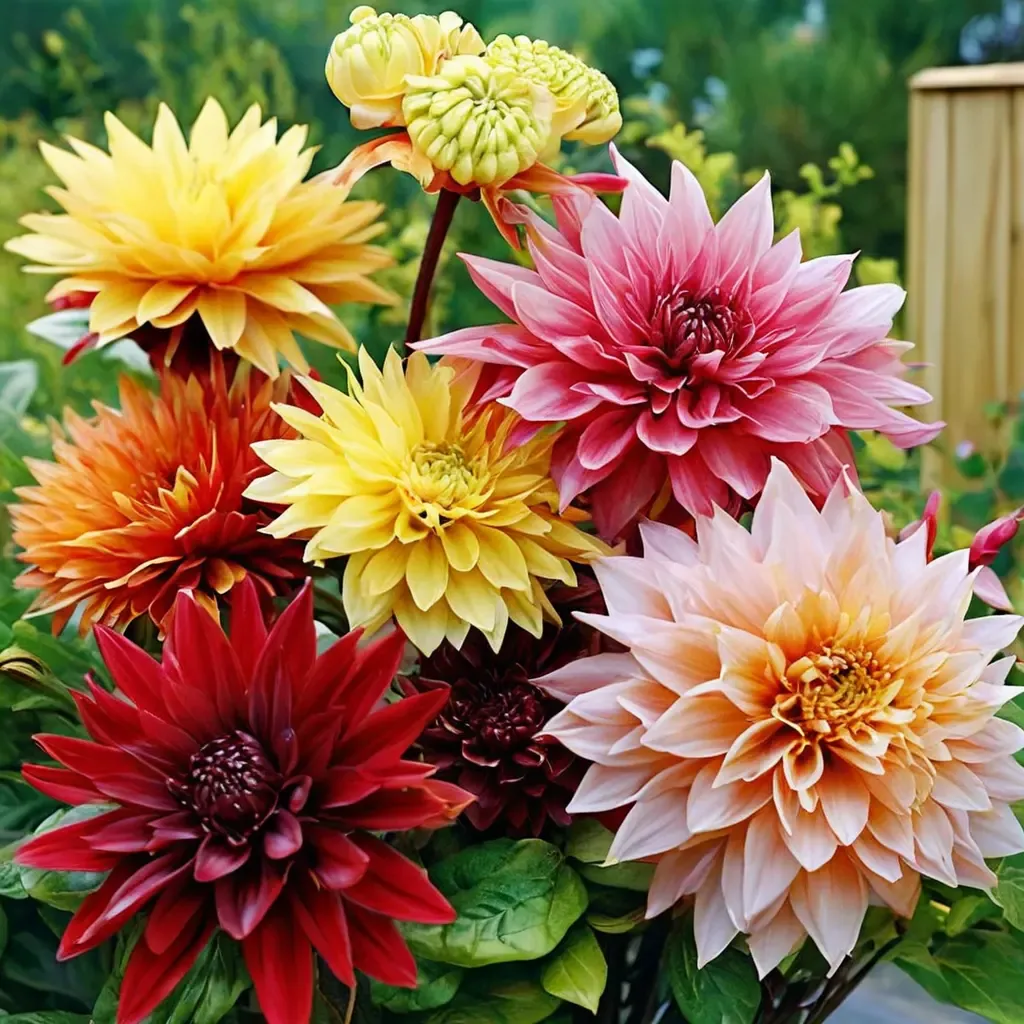
Dinnerplate Cutting Dahlia
Dahlia pinnata 'Dinnerplate Cutting Blend'
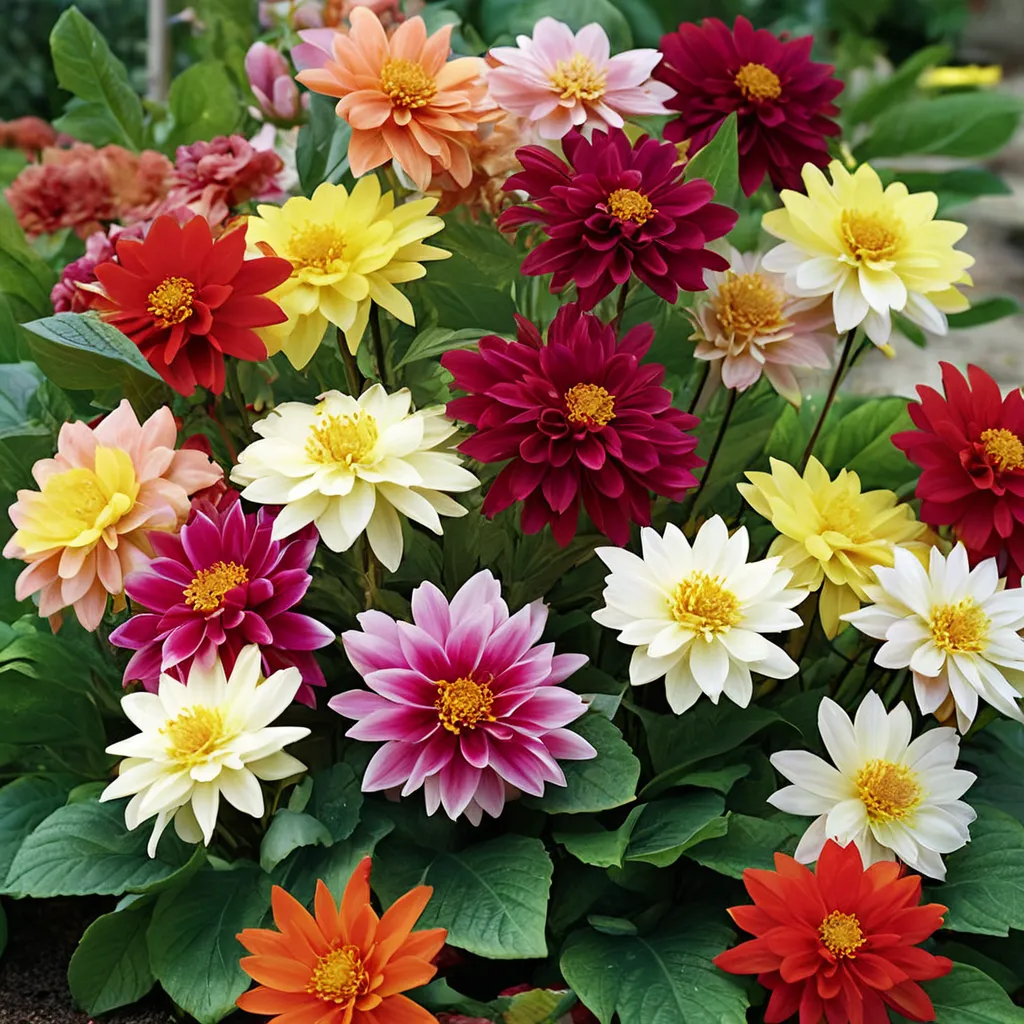
Dahlia Mix
Dahlia x hybrida 'Mix'
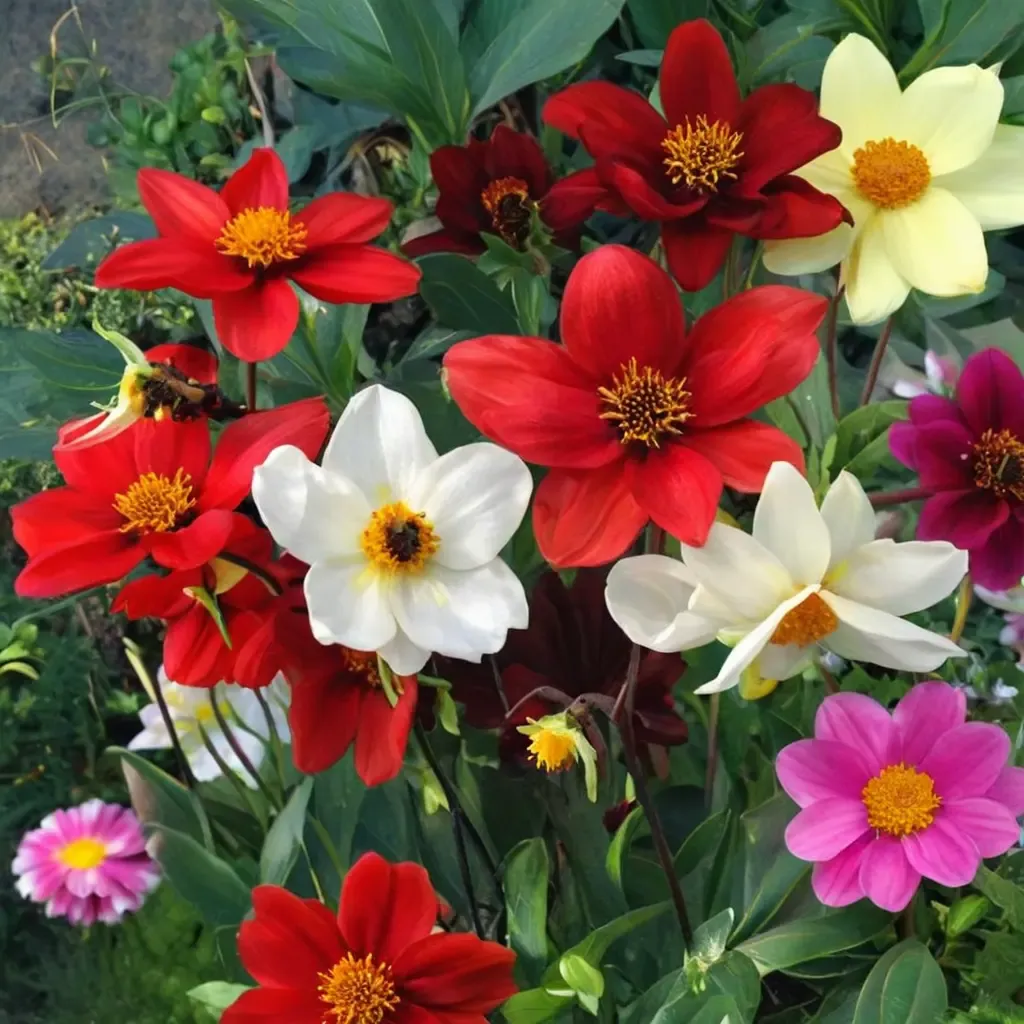
Hart Dahlia
Dahlia variabilis 'Hart'
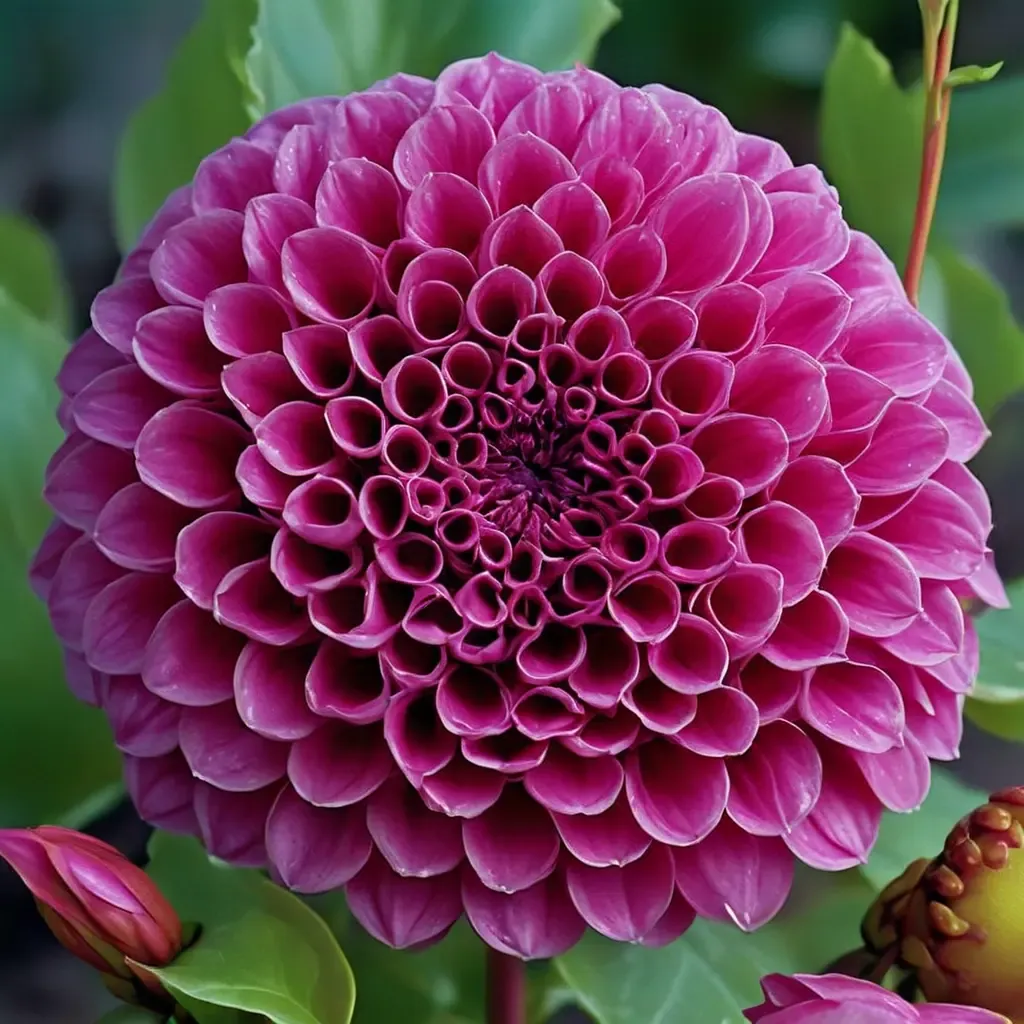
Babette Giant Ball Dahlia
Dahlia pinnata 'Babette Giant Ball'
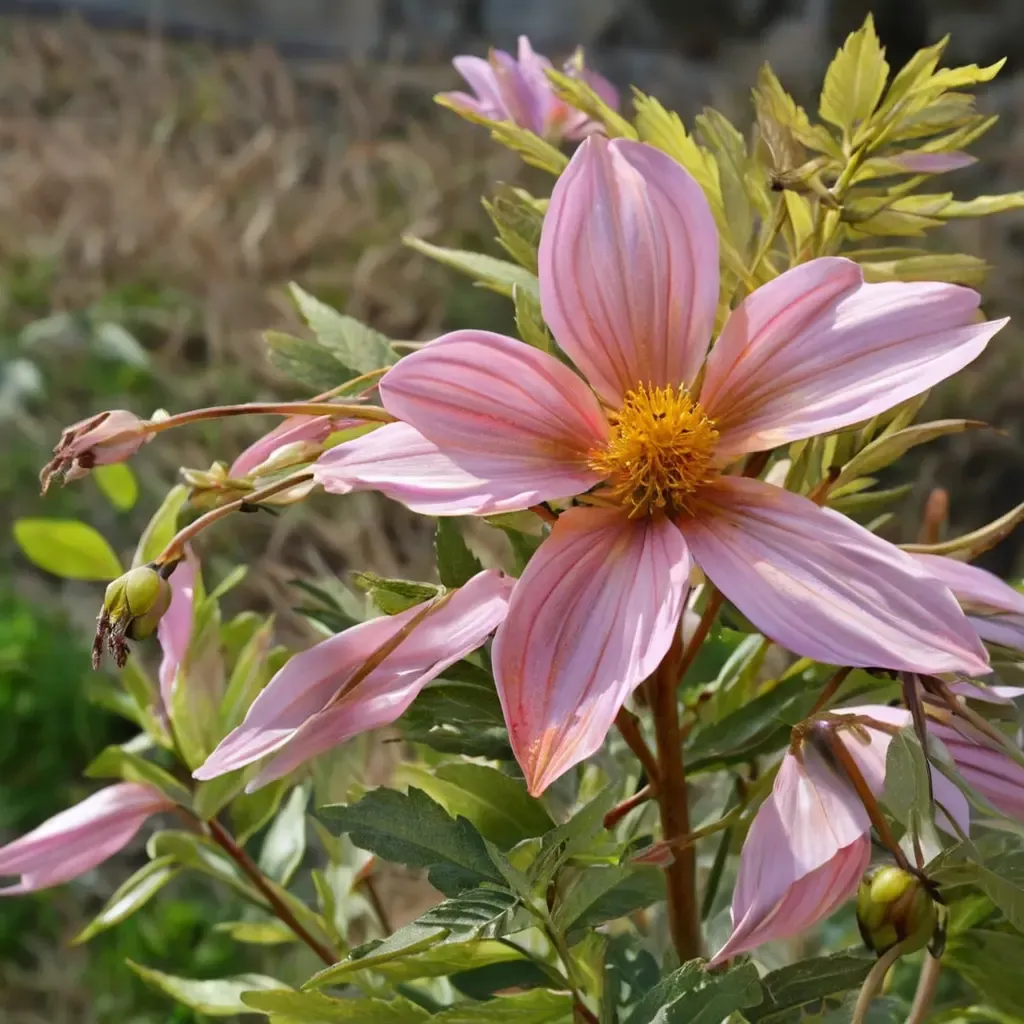
Garden Dahlia
Dahlia spectabilis
Keep exploring
Explore the genus
Hardy in your zone?
Grow Lisonette Dinnerplate Dahlia with confidence
See it in a design of your actual yard, get zone-matched care reminders, and track it season by season in your garden journal.