The Story
Plant Bio
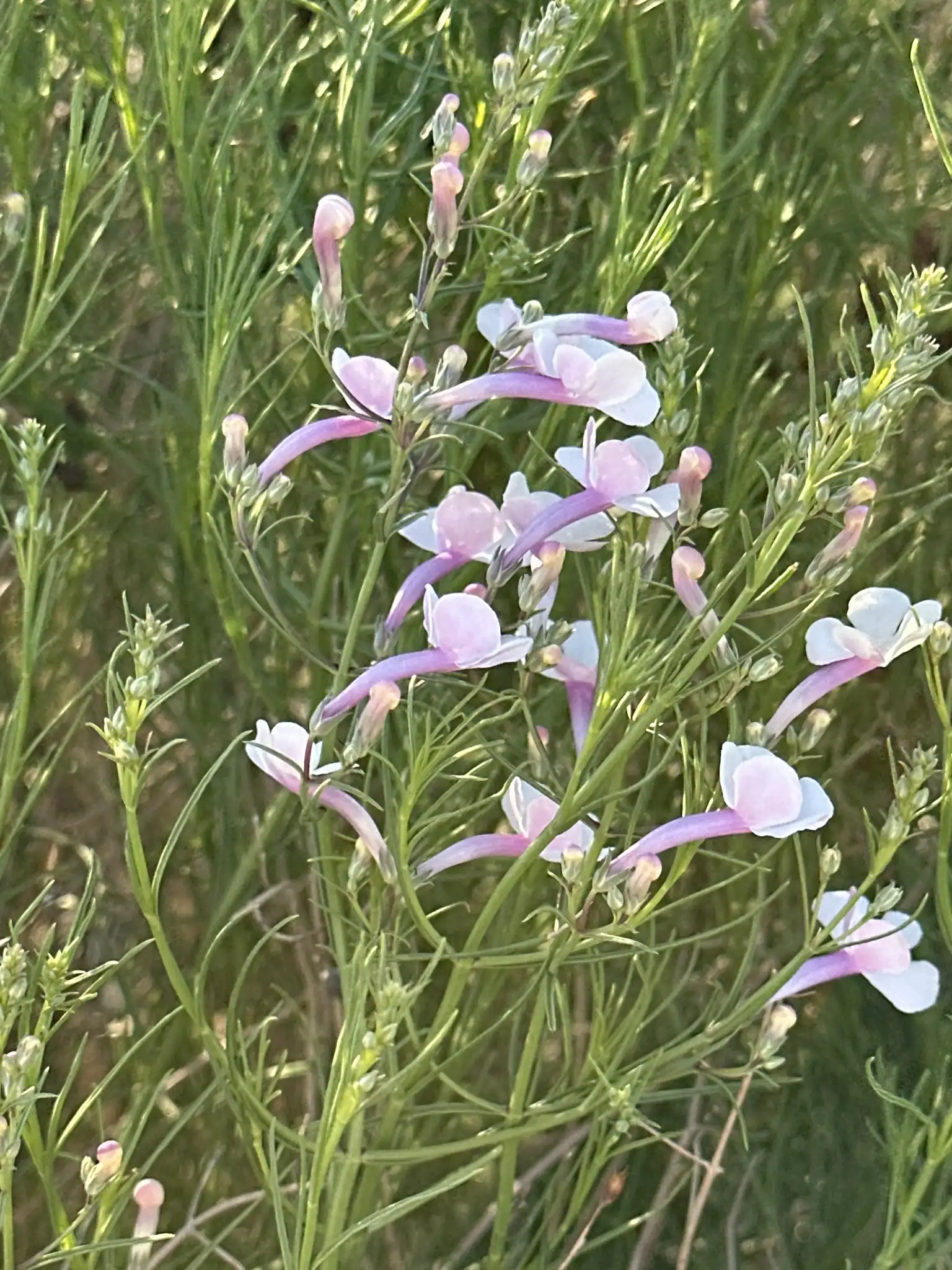
Penstemon ambiguus, the pink plains penstemon, is a mounded subshrubby perennial reaching one to three feet tall, with many fine slender stems woody at the base and narrow linear opposite leaves. The display comes from short cylindric panicles at the branch ends, each carrying tubular salverform flowers with five spreading lobes and a pansy-like face.
Unlike the usual beardtongues, its flowers are whitish pink to pale lavender with a rosy throat, fragrant, and borne in interrupted two to six inch panicles from spring to fall. It demands deep lean sand with sharp drainage in full sun, responds to spring and late-summer rains with fresh flushes, and is short-lived where soils stay rich or wet.
Uses & Benefits:
Essentials
At a Glance
Plant Type
Perennial
Height
36"
Width
36"
Light
Full Sun, Partial Sun
Zones
4, 5, 6, 7, 8, 9
Water
Very low
Humidity
Low, dislikes humidity
Lifespan
Short-lived perennial subshrub
Native To
South-central and southwestern USA to northeastern Mexico
Toxicity
Unknown
Bloom period
Late spring – Fall
In flower about 7 months of the year
Planting
How to Grow
- Plant in full sun in deep, lean sandy or sandy-gravel soil with sharp drainage.
- Water in at planting, then water sparingly until established and withhold extra water once growing.
- Leave soil lean with no rich fertilizer and keep organic mulch back from the crown.
- Allow spent flowers to stand for seed or shear lightly after summer rain to encourage a second flush.
Pro Tip
Give it deep sand, full sun, and lean dry conditions; rich soil and extra water rot the woody crown.
Keep It Thriving
Care Guide
Do
- Plant in full sun with excellent drainage.
- Water deeply but infrequently the first season, then keep dry.
- Use gravel mulch to keep the crown dry.
Don't
- Do not plant in heavy clay or low spots that stay wet.
- Do not feed heavily or overwater in summer.
- Do not cut hard into old leafless woody bases.
Seasonal Care Calendar
| Task | Jan | Feb | Mar | Apr | May | Jun | Jul | Aug | Sep | Oct | Nov | Dec |
|---|---|---|---|---|---|---|---|---|---|---|---|---|
| Deadhead | ||||||||||||
| Pest Check | ||||||||||||
| Plant | ||||||||||||
| Prune |
Watch Out For
Pests & Diseases
Common Pests
Common Diseases
In the Garden
Landscape Uses & Companions
Landscape Uses
Multiply
Propagation Methods
Good to Know
Common Questions
Pink Plains Penstemon questions
What zones can Pink Plains Penstemon grow in?
Pink Plains Penstemon is hardy in USDA Zones 4–9: in that range it survives winter in the ground. Warmer than Zone 9, winter isn't the problem: it prefers colder winters, and summer heat can shorten its life.
When does Pink Plains Penstemon bloom?
Pink Plains Penstemon typically blooms from late spring to late fall. Exact timing shifts a week or two with your zone — Sow's bloom calendar maps it to your garden.
Does Pink Plains Penstemon need full sun?
Pink Plains Penstemon does best in full sun to part shade. In hot climates, afternoon shade keeps blooms fresher longer.
Is Pink Plains Penstemon drought tolerant?
Yes — once established (usually after the first full season), Pink Plains Penstemon handles dry spells with minimal watering. Water deeply its first year to build the root system that makes that possible.
More Penstemon to compare
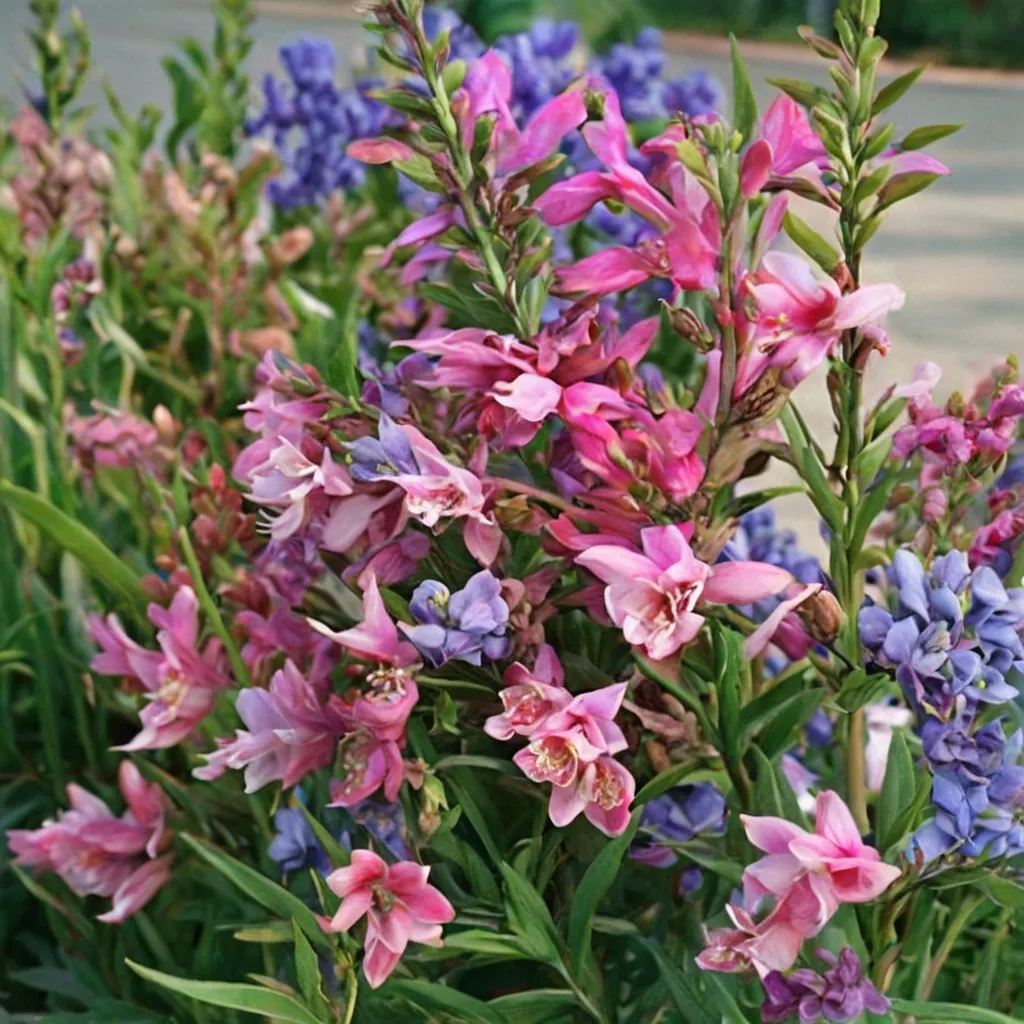
Beardtongue Rondo
Penstemon barbatus 'Rondo'
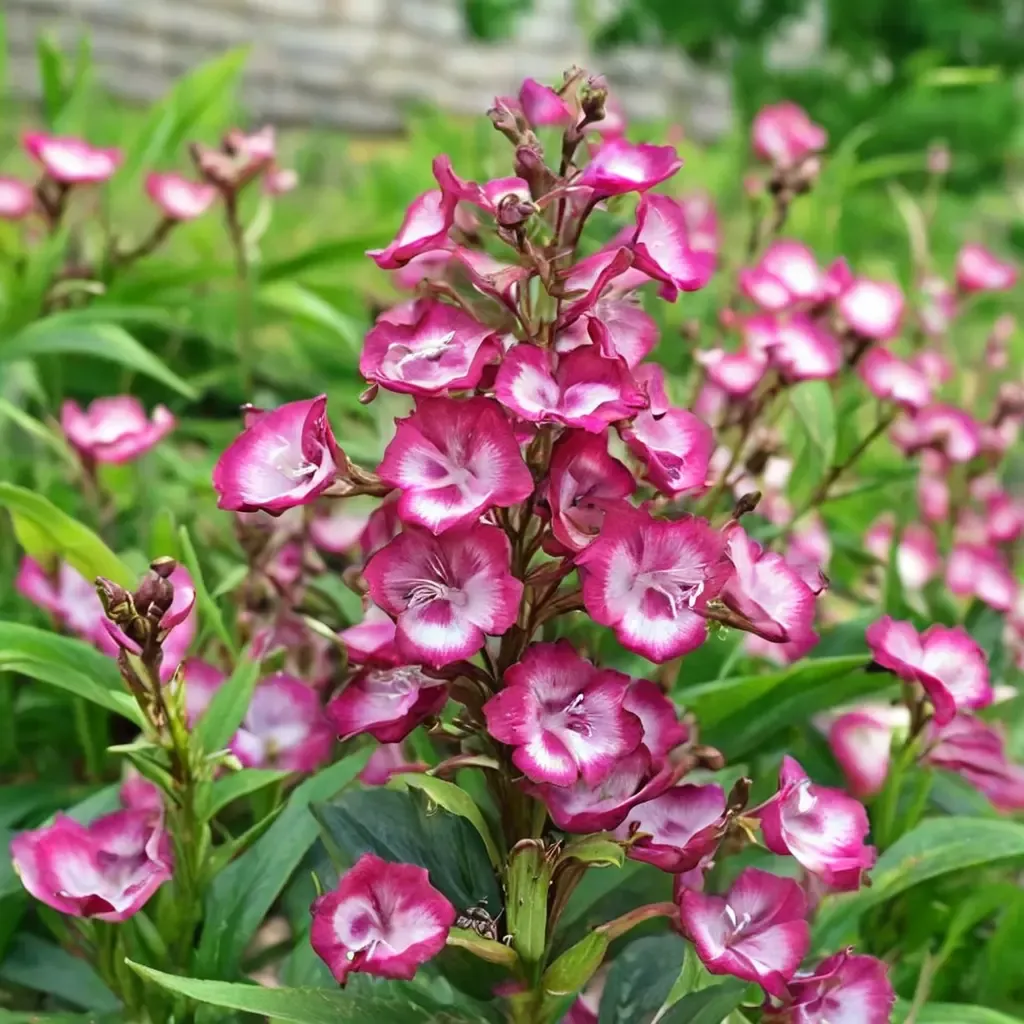
George Home Penstemon
Penstemon digitalis 'George Home'
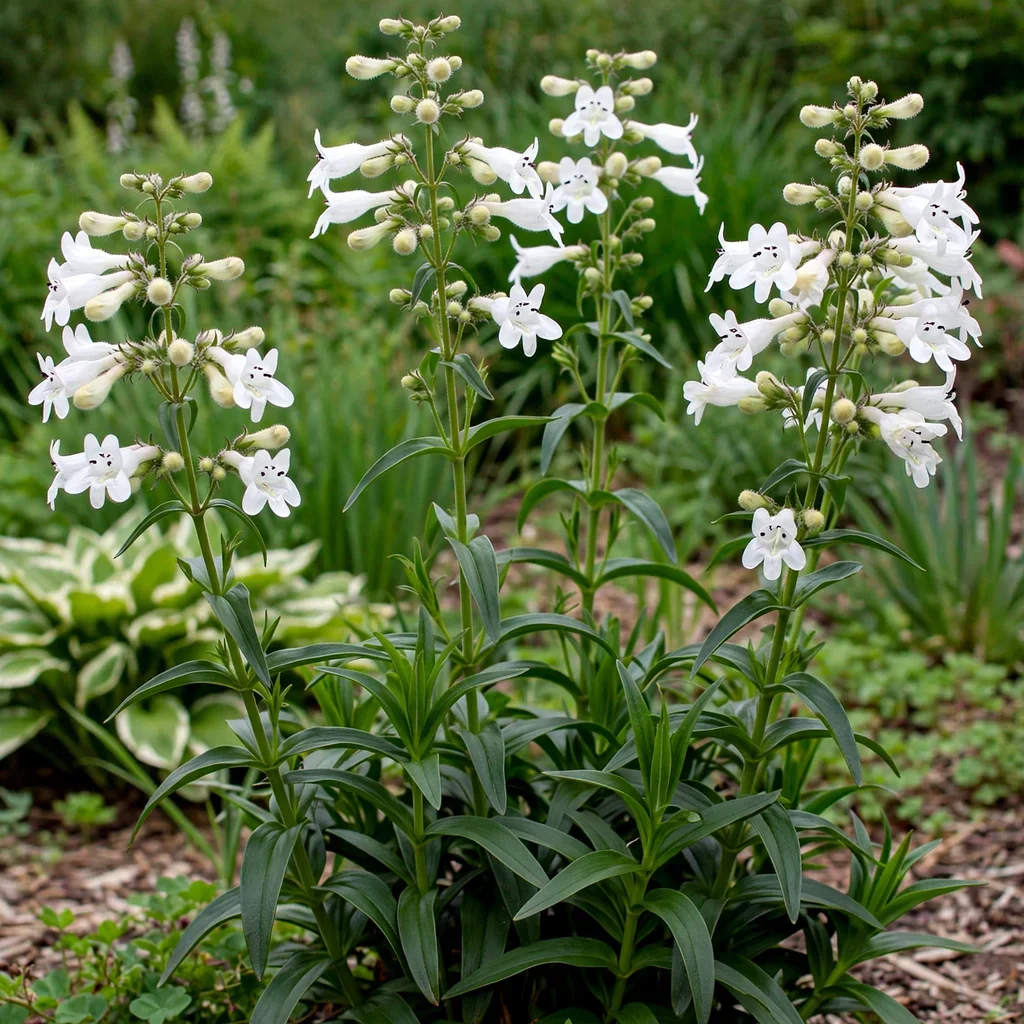
Foxglove Beardtongue
Penstemon digitalis
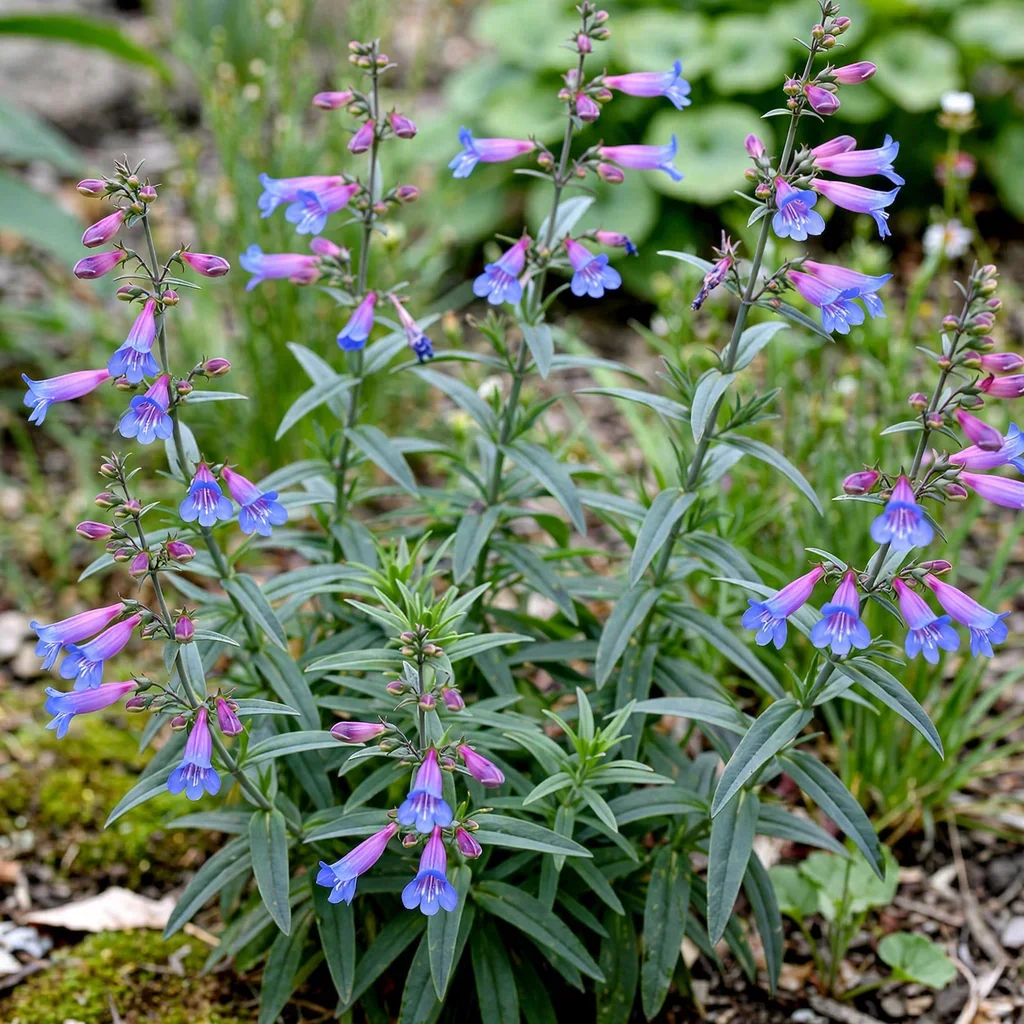
Blue Springs Penstemon
Penstemon heterophyllus 'Blue Springs'
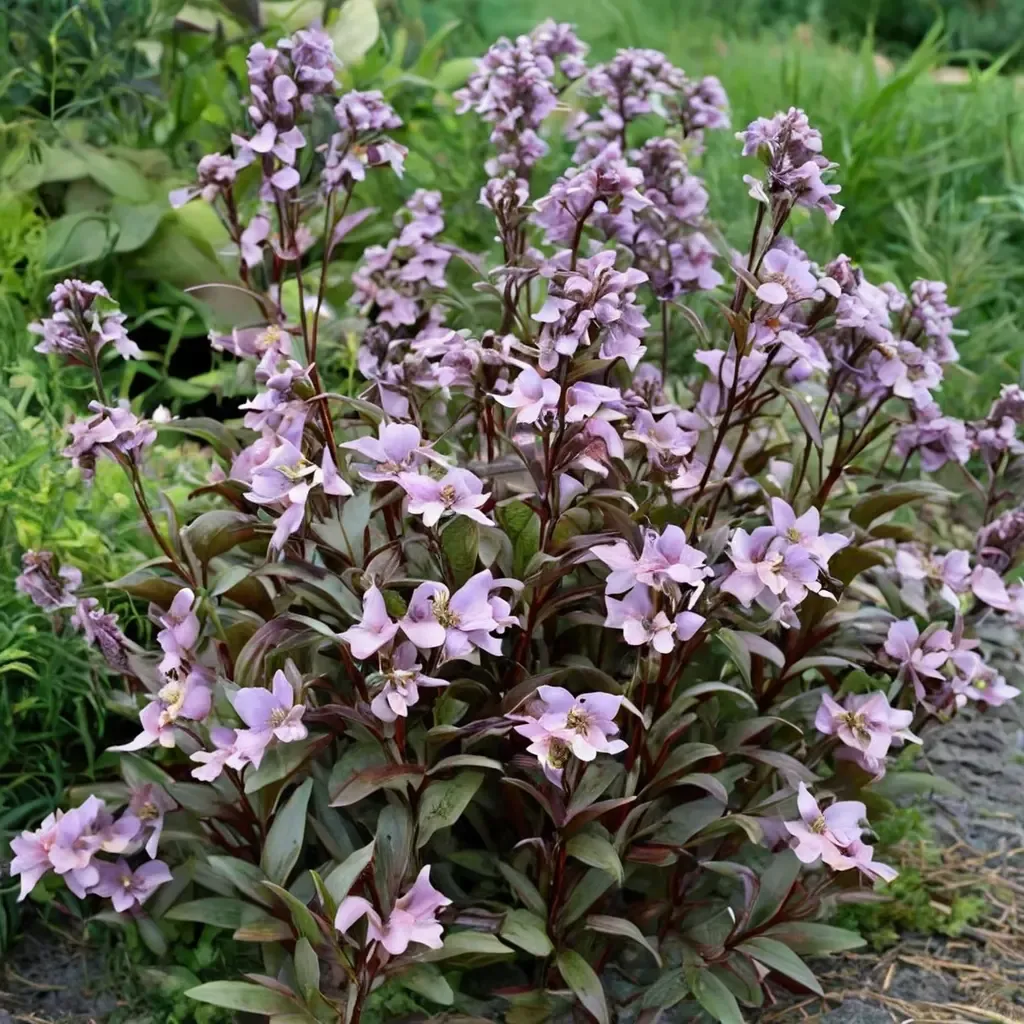
Blackbeard Beardtongue
Penstemon digitalis 'Blackbeard'
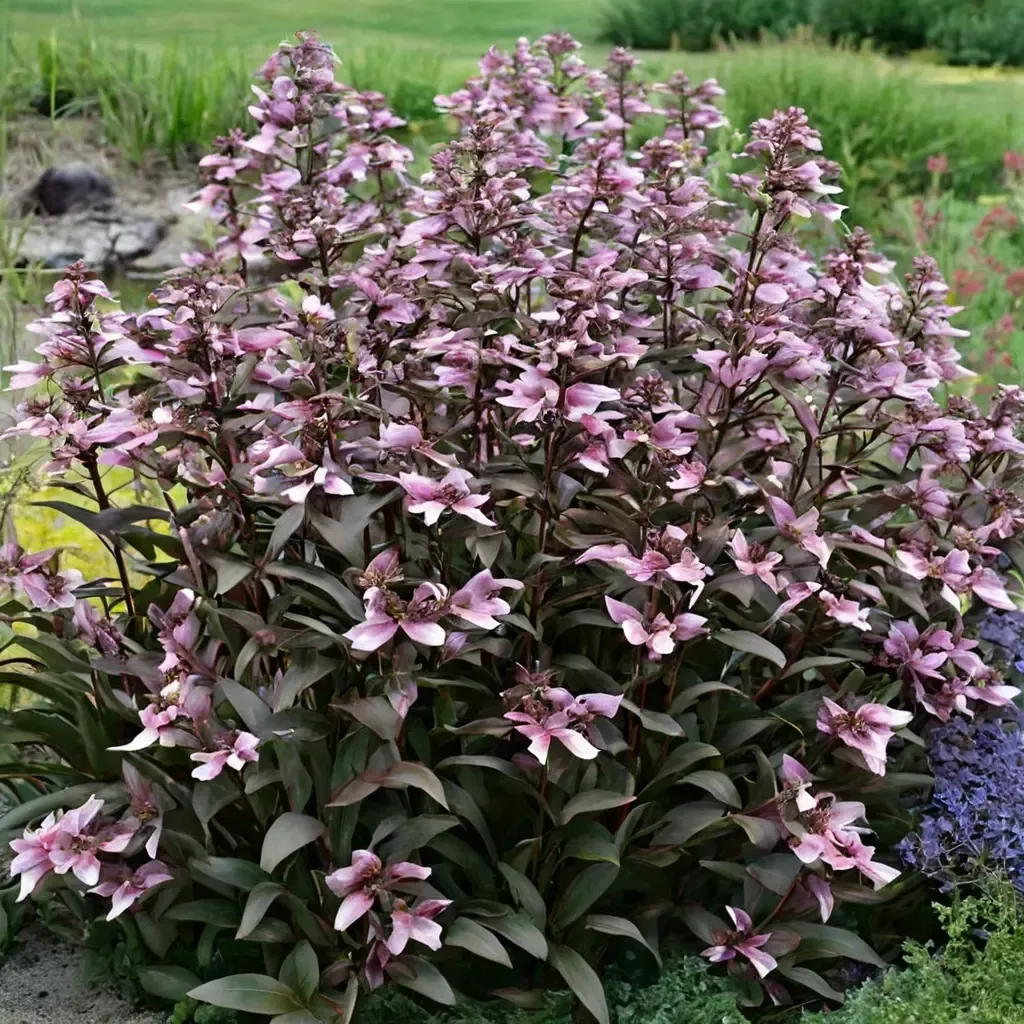
Dark Towers Penstemon
Penstemon digitalis 'Dark Towers'
Keep exploring
Explore the genus
Grow Pink Plains Penstemon with confidence
See it in a design of your actual yard, get zone-matched care reminders, and track it season by season in your garden journal.