The Story
Plant Bio
Populus × canadensis, the hybrid black poplar, is a massive, fast-growing deciduous tree reaching heights of up to 150 feet, characterized by a broad-oval crown and a strong central leader. The glossy green, triangular leaves turn bright yellow in fall, rustling in the breeze before dropping to reveal a stark winter silhouette.
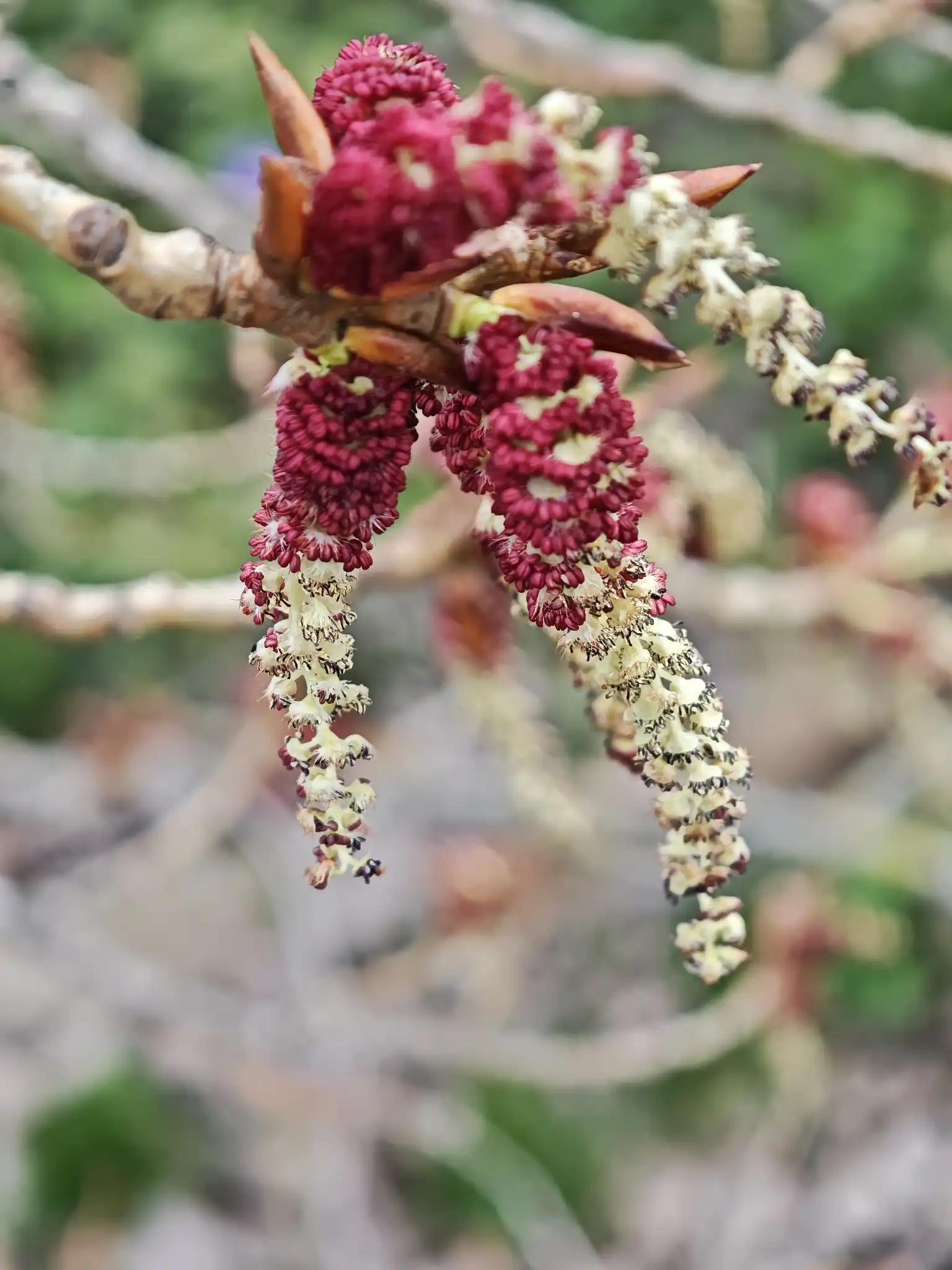
This spontaneous hybrid combines the vigor of its North American and European parentage, making it exceptionally cold-hardy and adaptable to various soil types. It produces pendulous, wind-pollinated catkins in early spring before the foliage emerges, with male trees bearing reddish flowers and female trees producing greenish ones.
Uses & Benefits:
Essentials
At a Glance
Plant Type
Tree
Height
1770"
Width
780"
Light
Full Sun
Zones
4, 5, 6, 7, 8, 9
Water
Moderate to High
Humidity
Moderate to High
Lifespan
Moderate
Native To
Europe (hybrid origin)
Toxicity
Non-toxic
Bloom period
Early spring – Mid-spring
In flower about 2 months of the year
Planting
How to Grow
- Select a planting site in full sun with deep, moist, well-draining soil, situated far from structures and underground utilities.
- Dig a hole twice as wide as the root ball and of equal depth, ensuring the trunk flare sits level with the surrounding soil.
- Backfill with native soil, water deeply to settle the ground, and apply a thick layer of organic mulch to retain moisture.
- Water young trees regularly during the first two growing seasons to establish a deep, resilient root system.
Pro Tip
Plant this tree at least 50 feet away from foundations, pipes, and paved areas, as the aggressive, shallow root system easily buckles concrete and invades sewer lines in search of moisture.
Keep It Thriving
Care Guide
Do
- Water consistently during dry spells while the tree is young.
- Prune exclusively during the dormant winter season to prevent disease entry.
- Clear fallen leaves in autumn to minimize fungal spore carryover.
Don't
- Do not plant near sewer lines, septic fields, or paved pathways.
- Do not apply heavy nitrogen fertilizers, which promote weak, breakable wood.
- Do not top or pollard the tree unless managing a specialized commercial system.
Seasonal Care Calendar
| Task | Jan | Feb | Mar | Apr | May | Jun | Jul | Aug | Sep | Oct | Nov | Dec |
|---|---|---|---|---|---|---|---|---|---|---|---|---|
| Fertilize | ||||||||||||
| Pest Check | ||||||||||||
| Prune | ||||||||||||
| Spring Cleanup |
Watch Out For
Pests & Diseases
Common Pests
Common Diseases
In the Garden
Landscape Uses & Companions
Landscape Uses
Companion Plants
Multiply
Propagation Methods
Good to Know
Common Questions
Hybrid Black Poplar questions
What zones can Hybrid Black Poplar grow in?
Hybrid Black Poplar is hardy in USDA Zones 4–9. Inside that range it survives winter in the ground; outside it, grow it as an annual or a container plant you protect.
When does Hybrid Black Poplar bloom?
Hybrid Black Poplar typically blooms in early spring through mid-spring. Exact timing shifts a week or two with your zone — Sow's bloom calendar maps it to your garden.
Does Hybrid Black Poplar need full sun?
Hybrid Black Poplar does best in full sun (6+ hours).
Is Hybrid Black Poplar drought tolerant?
Yes — once established (usually after the first full season), Hybrid Black Poplar handles dry spells with minimal watering. Water deeply its first year to build the root system that makes that possible.
More Populus to compare
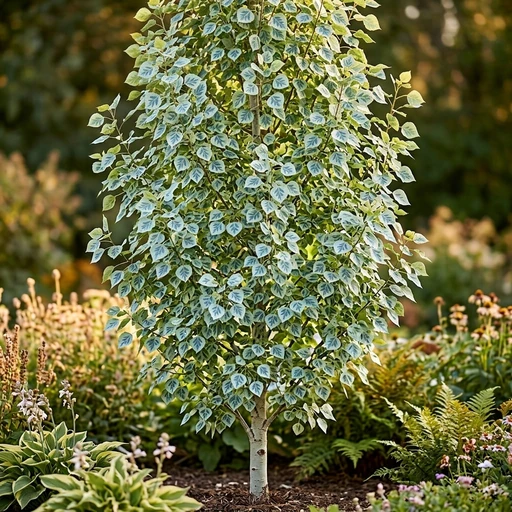
Summer Shimmer Aspen
Populus tremuloides 'Klaus Select'
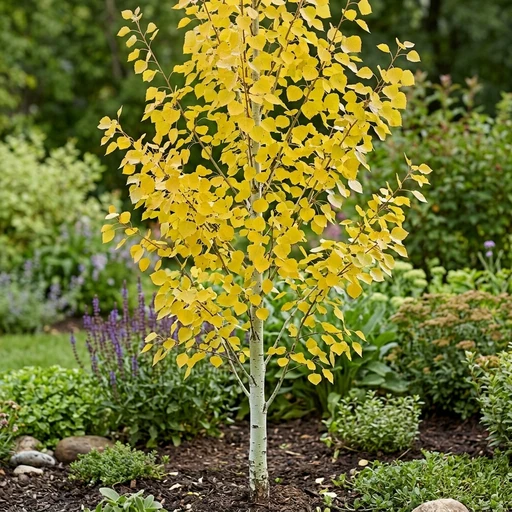
Prairie Gold Quaking Aspen
Populus tremuloides 'Prairie Gold'
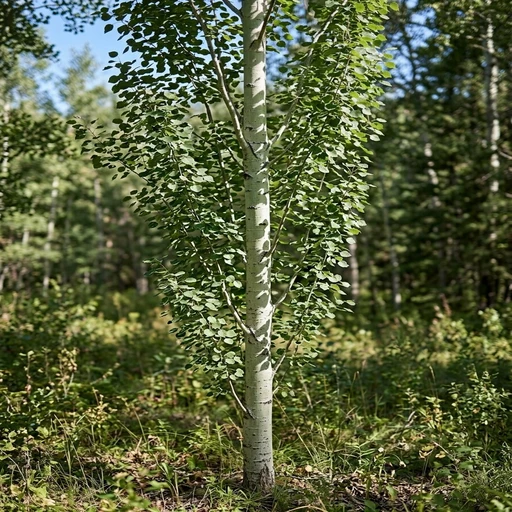
Mountain Sentinel Aspen
Populus tremuloides 'Mountain Sentinel'
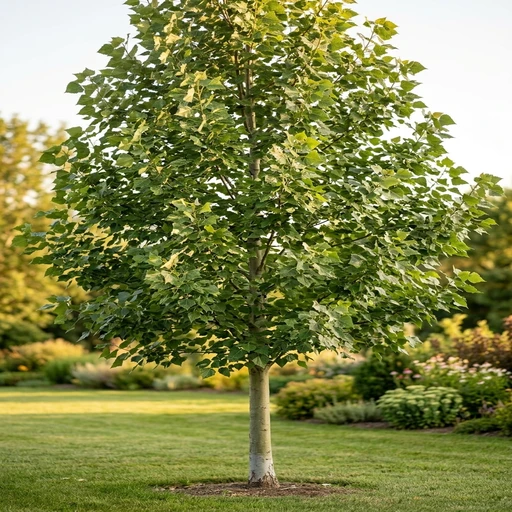
Siouxland Cottonless Poplar
Populus deltoides 'Siouxland'
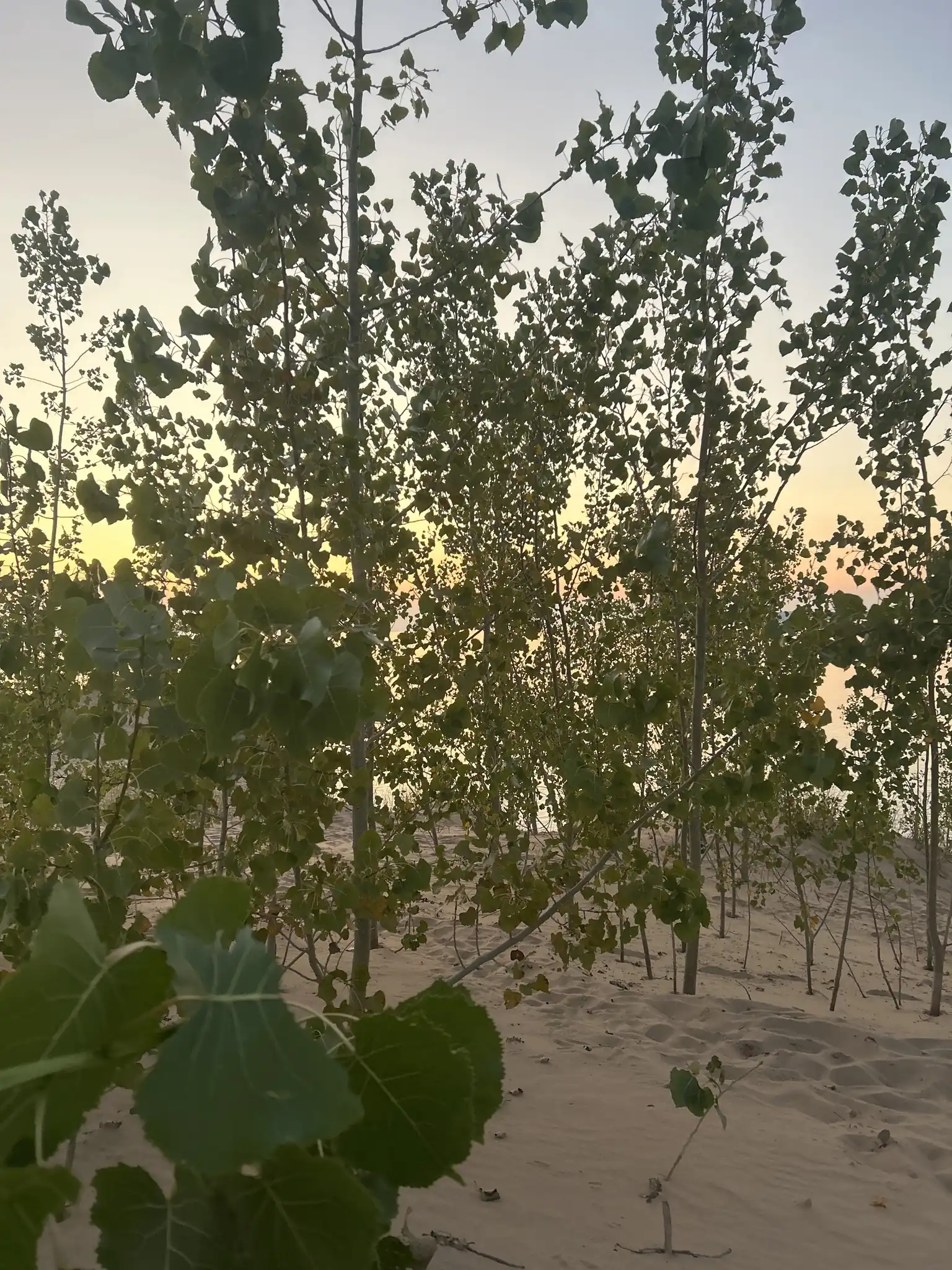
Eastern Cottonwood
Populus deltoides
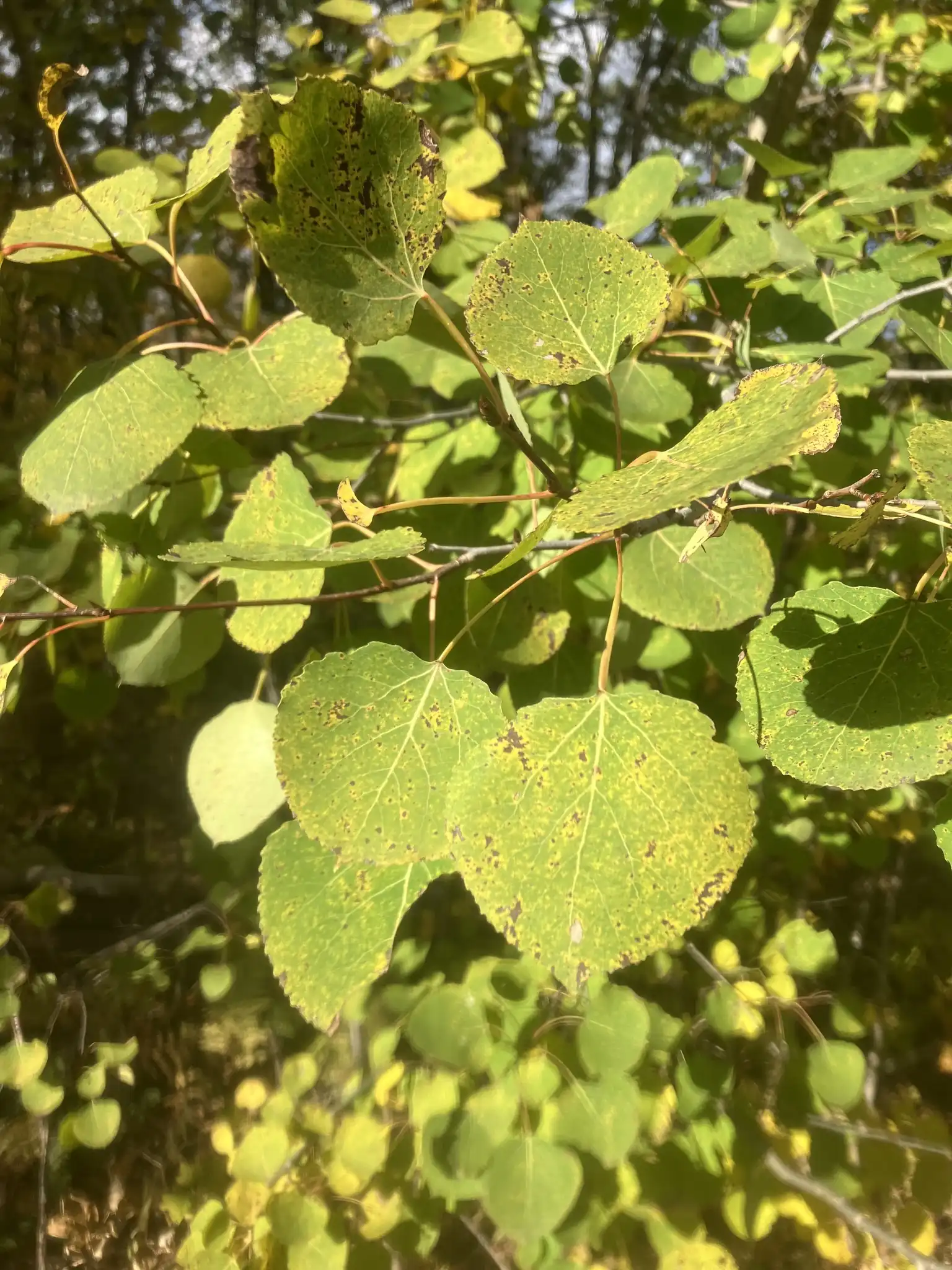
Quaking Aspen
Populus tremuloides
Keep exploring
Explore the genus
Grow Hybrid Black Poplar with confidence
See it in a design of your actual yard, get zone-matched care reminders, and track it season by season in your garden journal.