The Story
Plant Bio
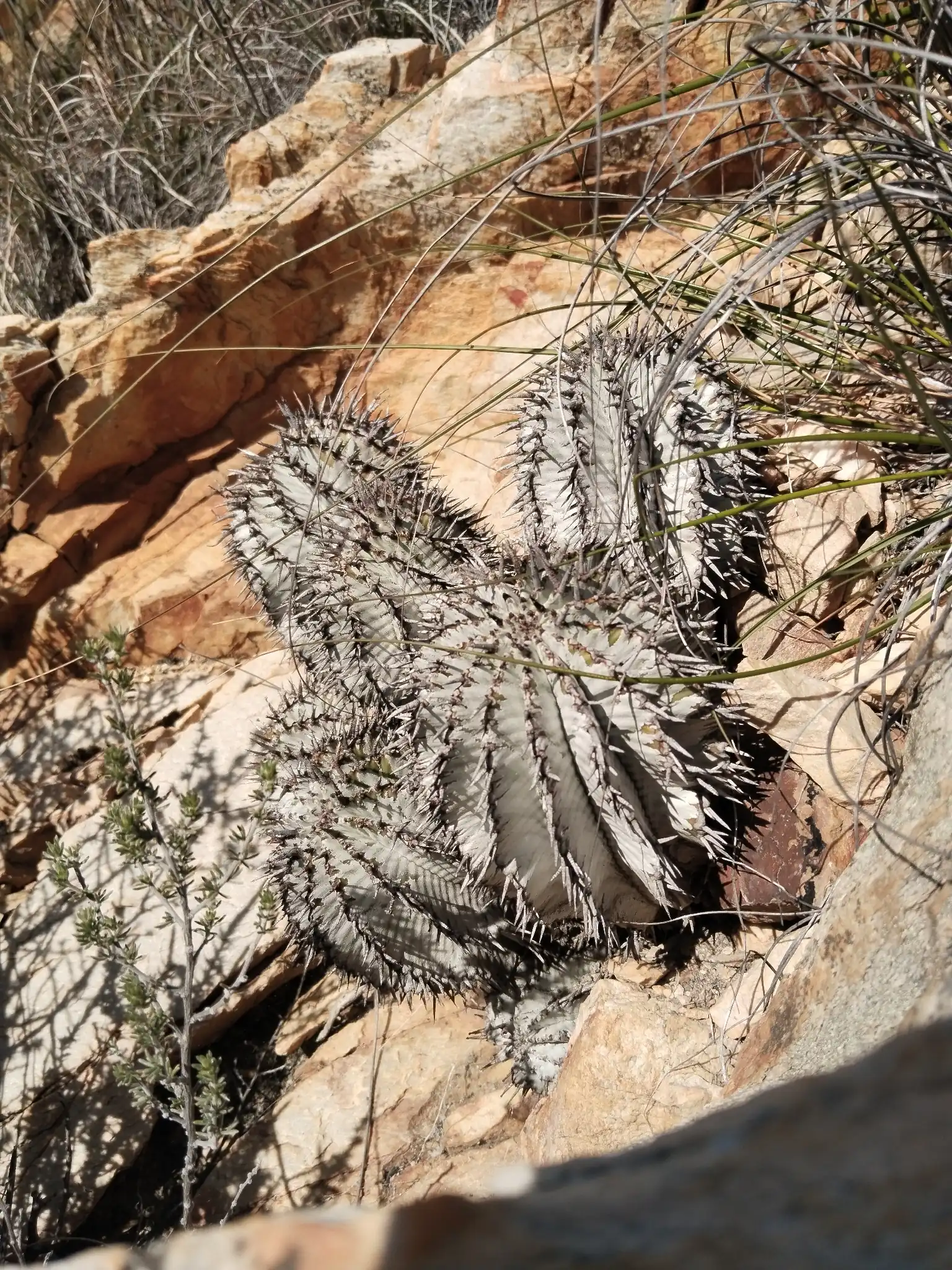
Euphorbia polygona, the African milk barrel, is a spiny, succulent shrub native to South Africa that forms dense basal clumps of heavily ribbed, columnar stems. The vertical ribs are lined with persistent woody peduncles that function as sharp spines, while the tiny, ephemeral leaves drop quickly to leave the green-to-powdery-blue stems bare.
This species is distinguished by its wing-like, sharp-angled vertical ribs, which number between 7 and 20 per stem. In spring and summer, it produces tiny, cup-shaped cyathia with dark purple or yellow-green glands clustered near the stem tips.
Uses & Benefits:
Essentials
At a Glance
Plant Type
Cactus Succulent
Height
48"
Width
24"
Light
Full Sun, Partial Sun
Zones
9, 10
Water
Low
Humidity
Low to Moderate
Lifespan
Long-lived
Native To
South Africa
Toxicity
Highly toxic latex sap; skin and eye irritant
Bloom period
Spring – Summer
In flower about 6 months of the year
Planting
How to Grow
- Plant in an exceptionally well-draining, gritty cactus and succulent mix within a container or elevated garden bed.
- Position the plant where it receives at least four to six hours of direct daily sunlight.
- Water thoroughly only when the soil has dried out completely, reducing irrigation to zero during the winter months.
- Wear protective gloves and eyewear when handling to avoid contact with the toxic, caustic white latex sap.
Pro Tip
Keep the plant completely dry during its winter dormancy; cold, wet soil triggers collar rot that rapidly destroys the root system.
Keep It Thriving
Care Guide
Do
- Allow the soil to dry out completely between waterings.
- Provide bright, direct sunlight to maintain tight, compact stem growth.
- Protect the plant from hard freezes and prolonged winter wet.
Don't
- Do not overwater or let the plant sit in standing water.
- Do not prune into old, leafless wood as it will not regenerate.
- Do not handle the plant without gloves due to the irritating milky sap.
Seasonal Care Calendar
| Task | Jan | Feb | Mar | Apr | May | Jun | Jul | Aug | Sep | Oct | Nov | Dec |
|---|---|---|---|---|---|---|---|---|---|---|---|---|
| Fertilize | ||||||||||||
| Pest Check | ||||||||||||
| Propagate | ||||||||||||
| Winter Prep |
Watch Out For
Pests & Diseases
Common Pests
Common Diseases
In the Garden
Landscape Uses & Companions
Landscape Uses
Companion Plants
Multiply
Propagation Methods
Good to Know
Common Questions
African Milk Barrel questions
What zones can African Milk Barrel grow in?
African Milk Barrel is hardy in USDA Zones 9–10. Inside that range it survives winter in the ground; outside it, grow it as an annual or a container plant you protect.
Is African Milk Barrel deer resistant?
Yes — African Milk Barrel is rated deer-resistant. Deer typically pass it over, though extreme hunger can override any plant's defenses.
When does African Milk Barrel bloom?
African Milk Barrel typically blooms in spring through summer. Exact timing shifts a week or two with your zone — Sow's bloom calendar maps it to your garden.
Does African Milk Barrel need full sun?
African Milk Barrel does best in full sun to part shade. In hot climates, afternoon shade keeps blooms fresher longer.
Is African Milk Barrel drought tolerant?
Yes — once established (usually after the first full season), African Milk Barrel handles dry spells with minimal watering. Water deeply its first year to build the root system that makes that possible.
More Euphorbia to compare
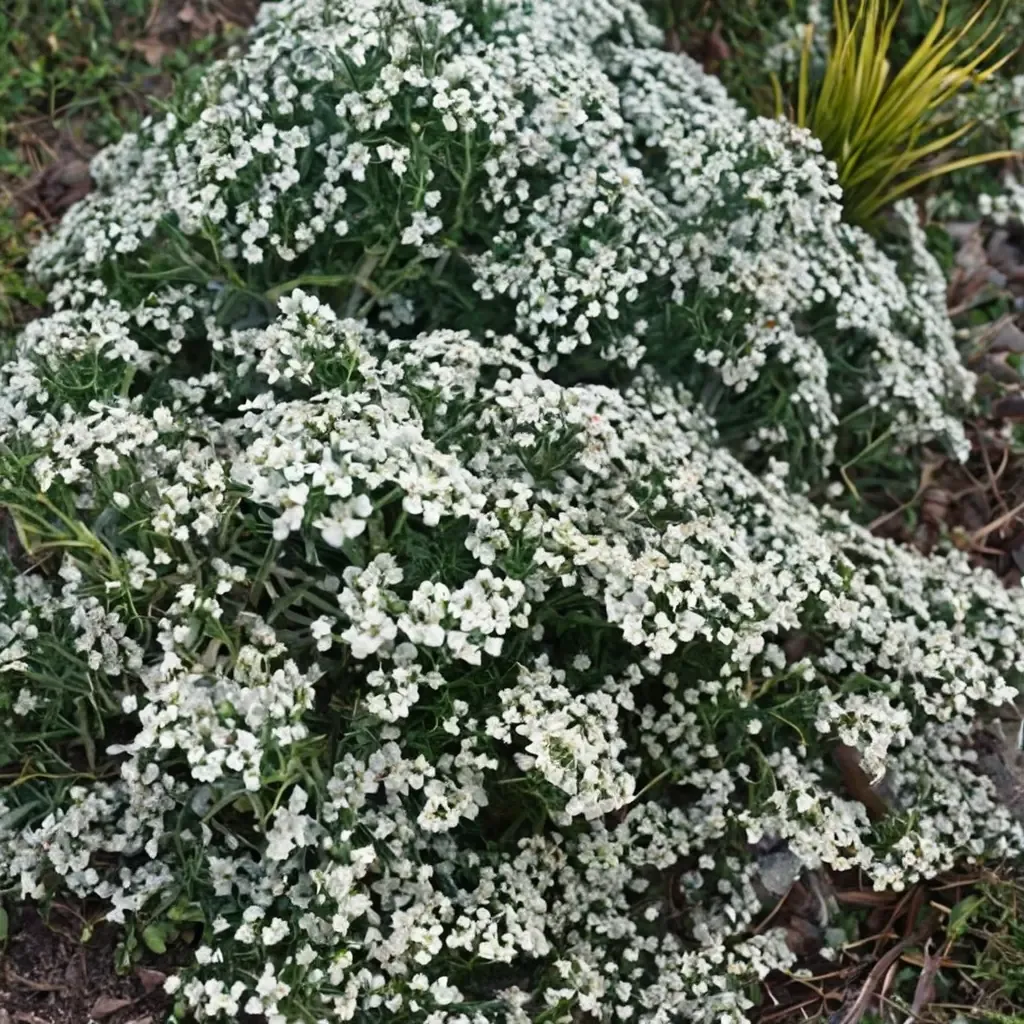
Flowering Spurge
Euphorbia corollata 'Carolina Snow'
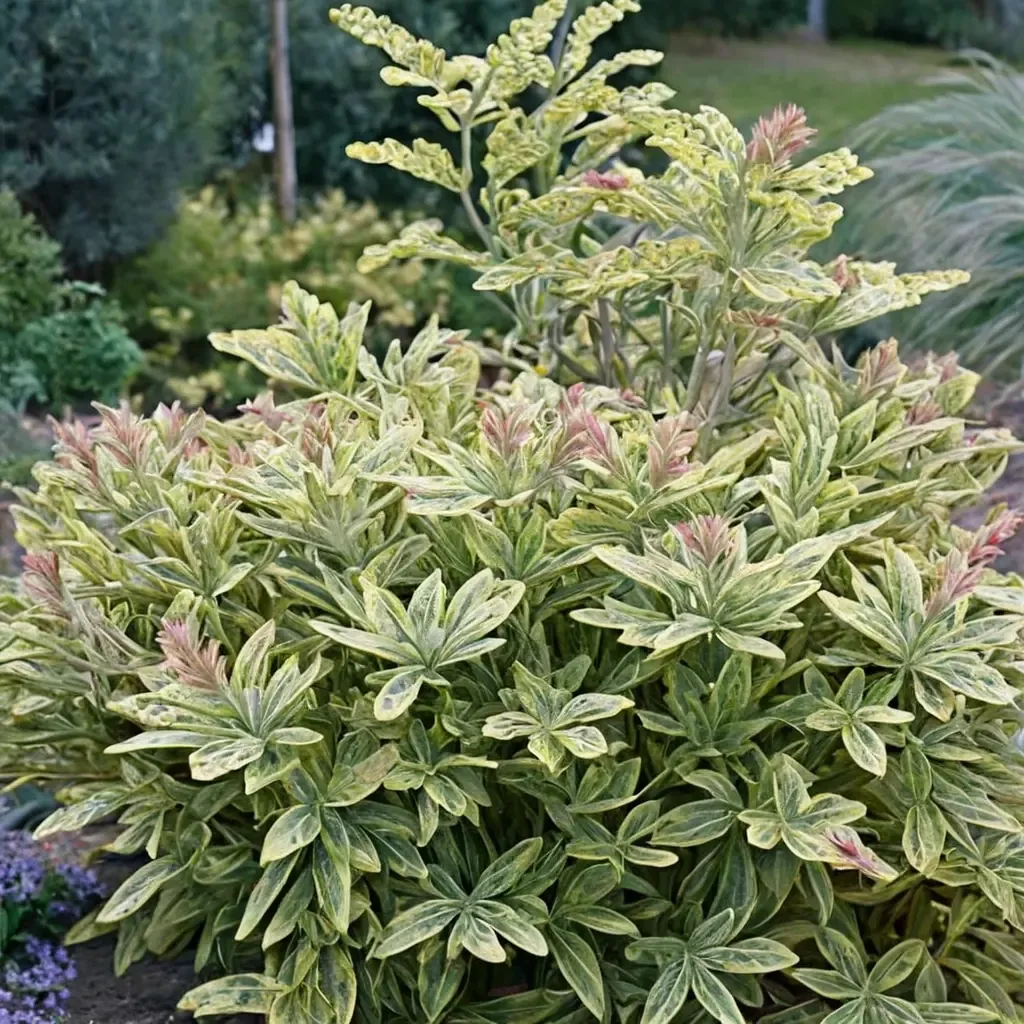
Ascot Rainbow Spurge
Euphorbia x hybrida 'Ascot Rainbow'
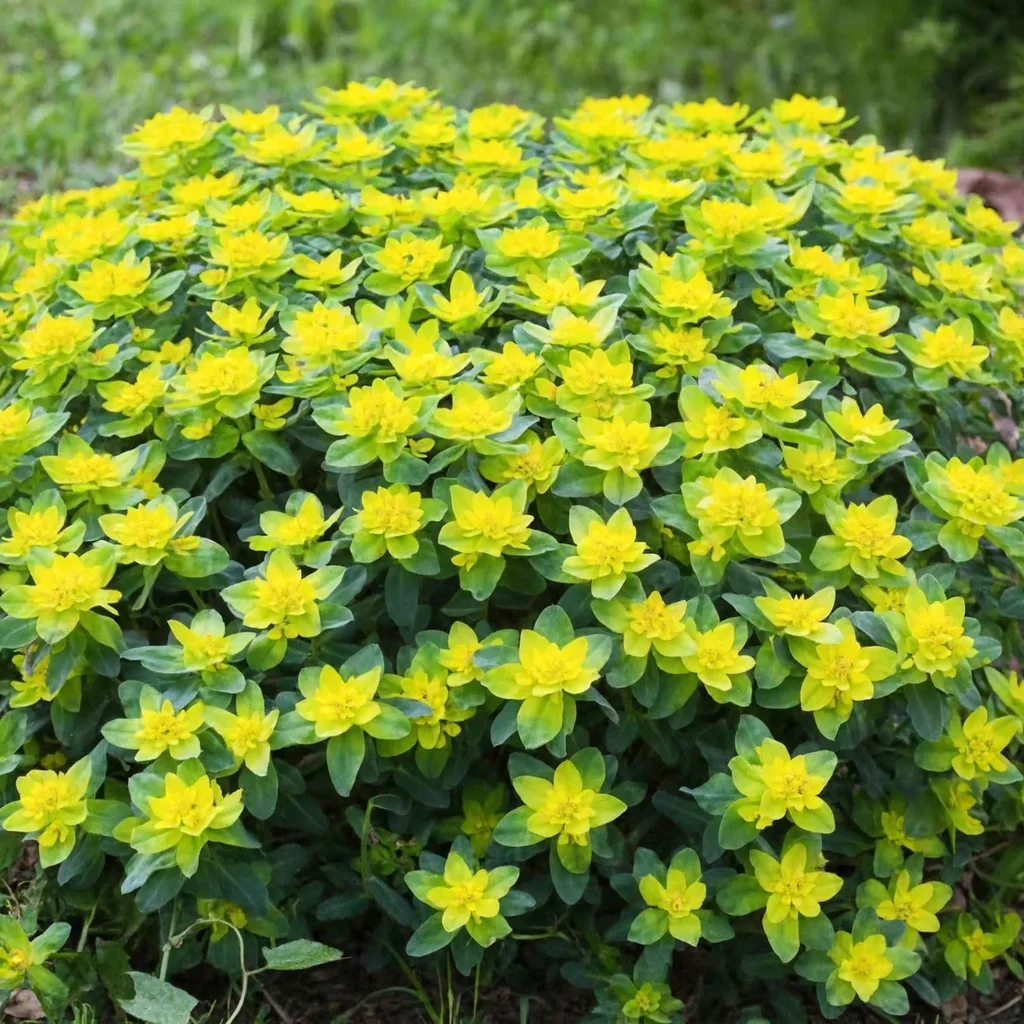
Mediterranean Spurge
Euphorbia polychroma
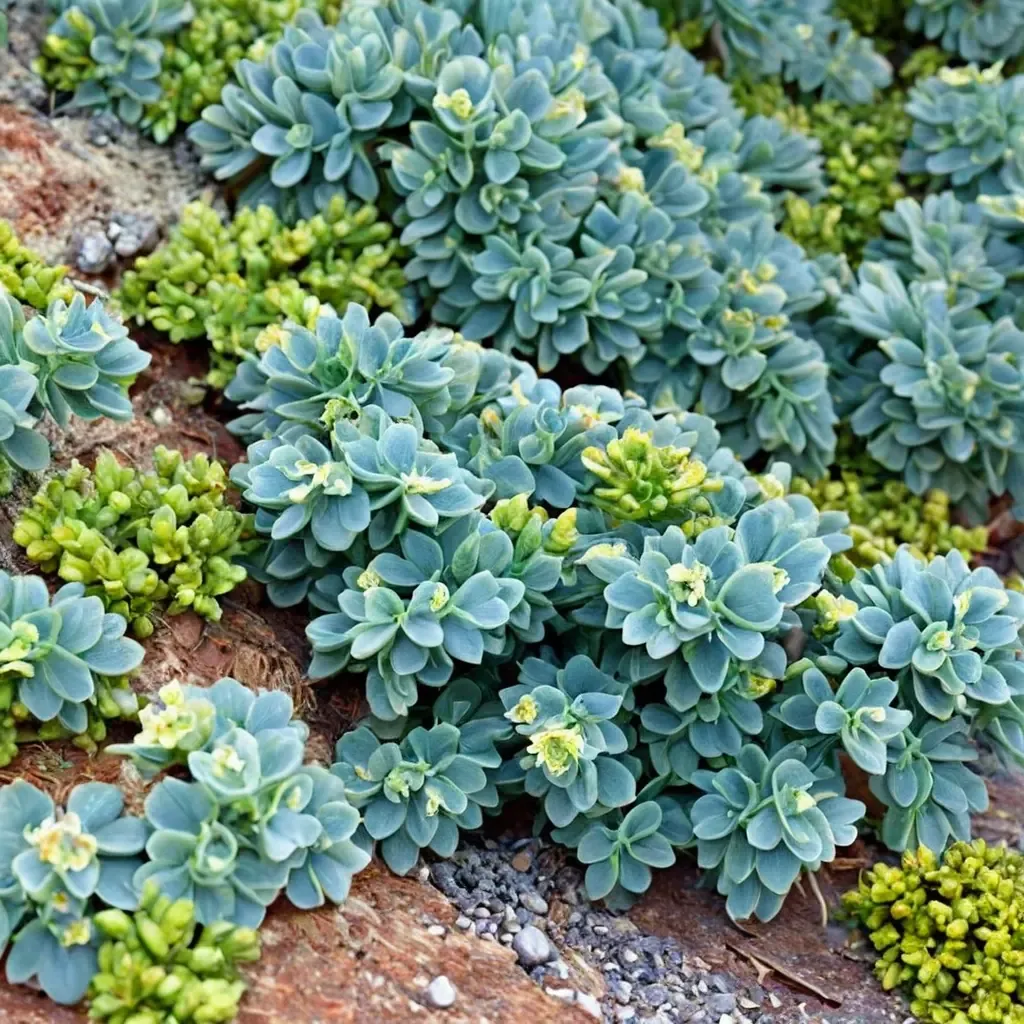
Myrtle Spurge
Euphorbia myrsinites
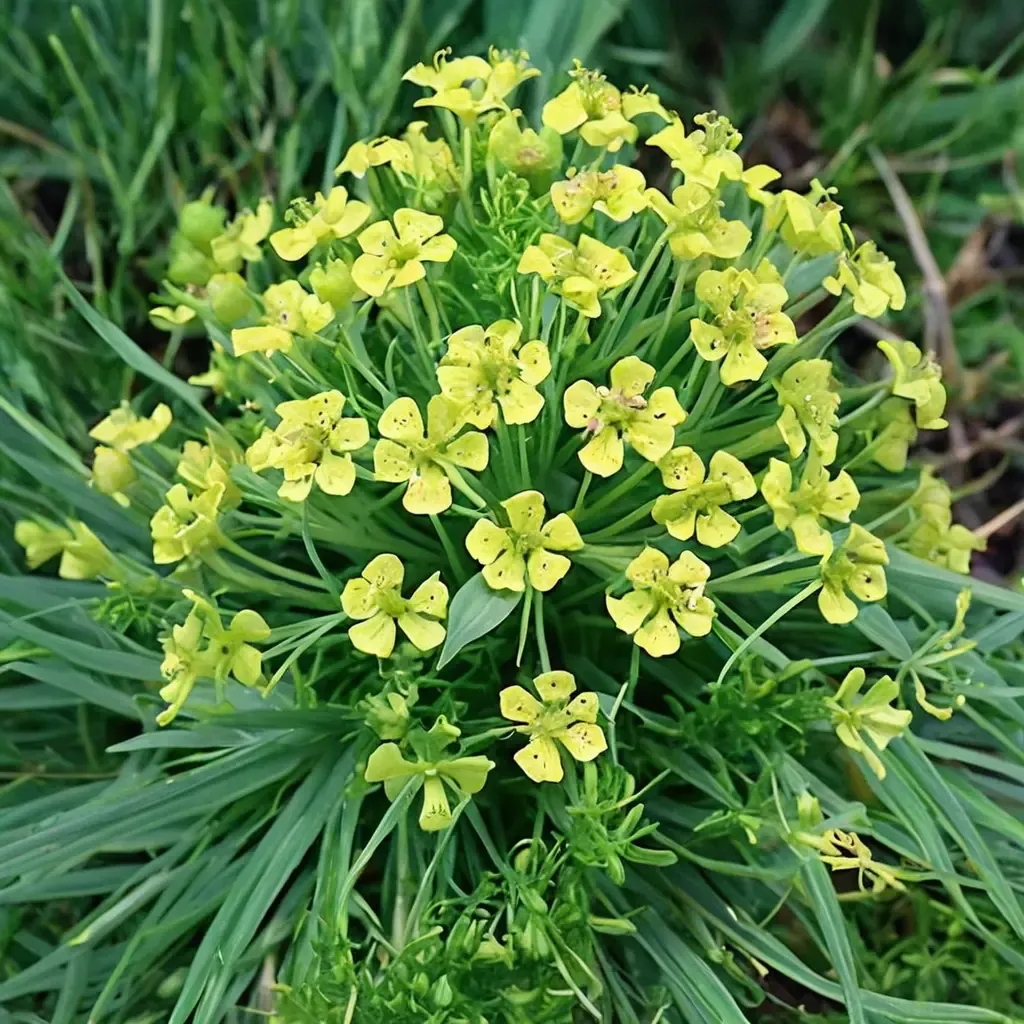
Cypress Spurge
Euphorbia cyparissias
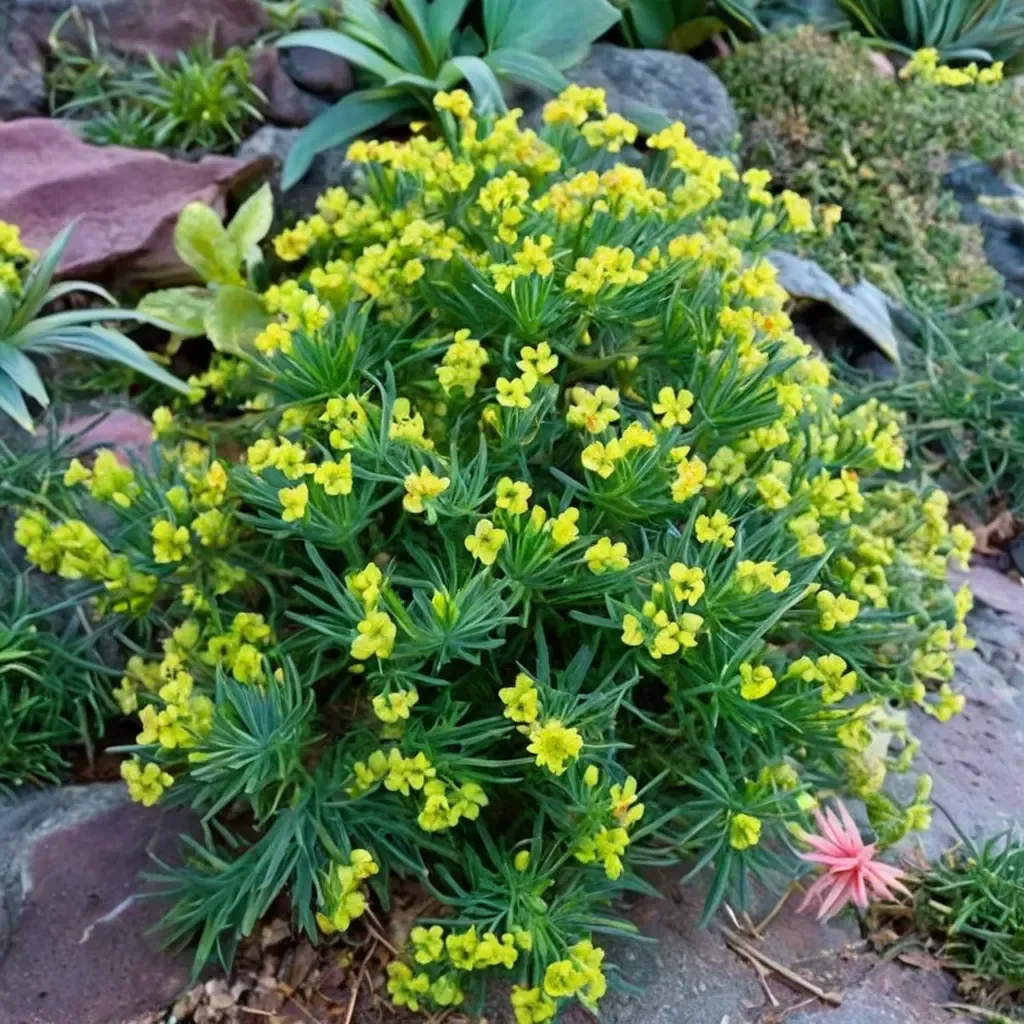
Ruby Spurge
Euphorbia cyparissias 'Fens Ruby'
Keep exploring
Explore the genus
Hardy in your zone?
Grow African Milk Barrel with confidence
See it in a design of your actual yard, get zone-matched care reminders, and track it season by season in your garden journal.