The Story
Plant Bio
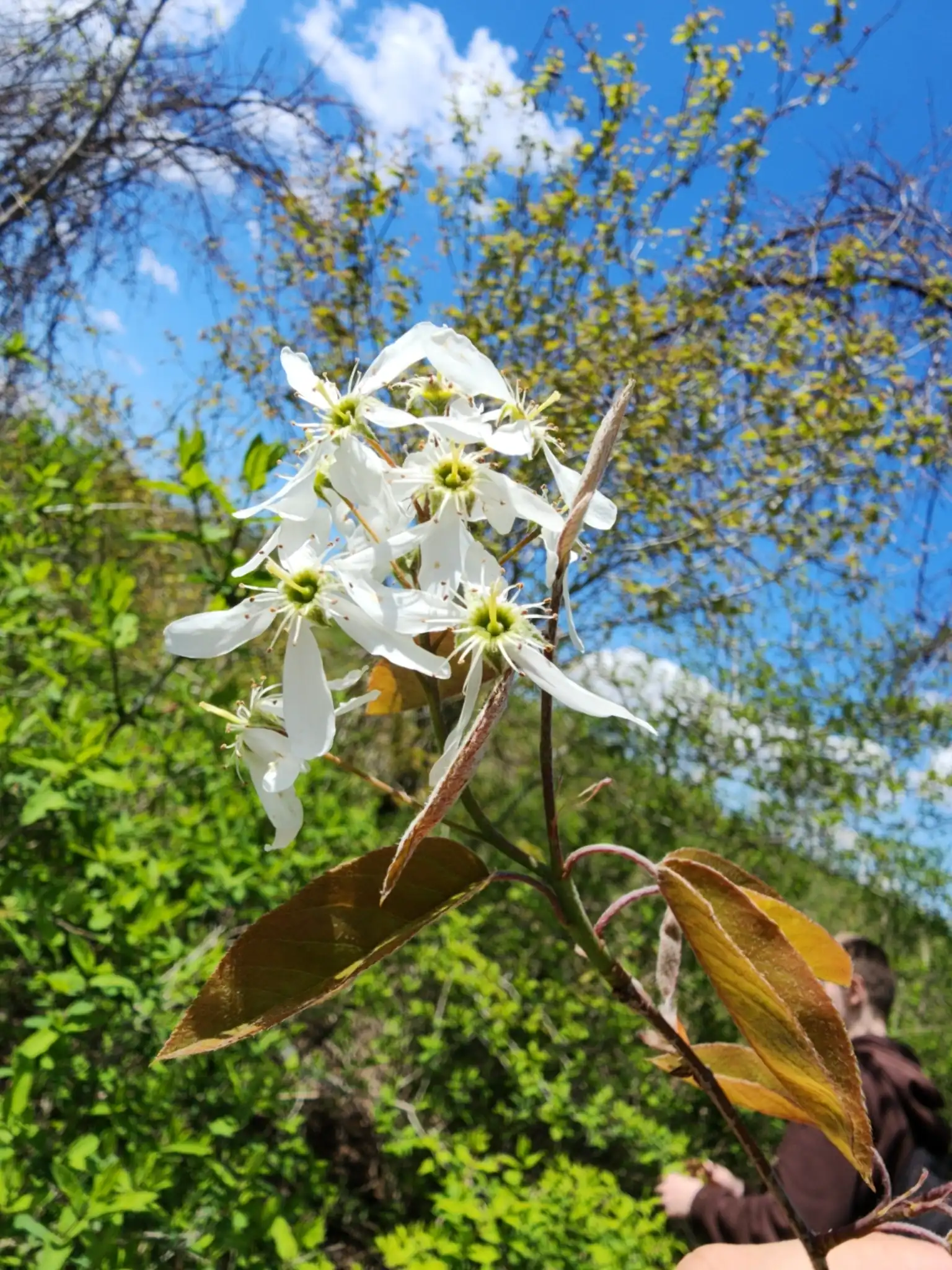
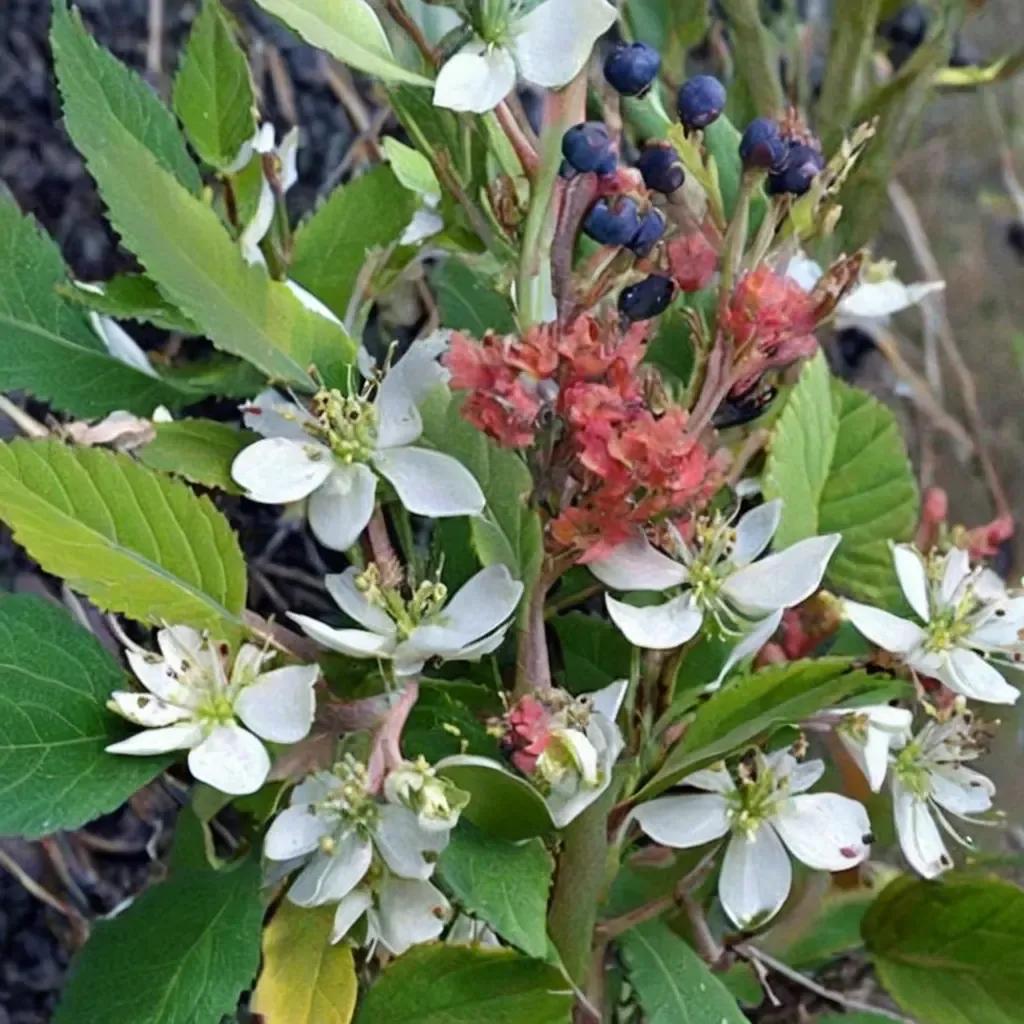
Amelanchier arborea, downy serviceberry, is a small deciduous tree native to eastern North America, found naturally at woodland edges. Drooping clusters of white star-shaped flowers open in early spring before the leaves, which emerge softly downy and grey-green. Sweet purple-black berries ripen in June, and autumn brings orange to red colour.
It carries four distinct seasons of interest on a frame small enough for an ordinary garden — early blossom, edible summer fruit, autumn colour and smooth grey bark that fissures with age. The berries taste like a mild blueberry with an almond note, though birds usually strip them within days of ripening.
Uses & Benefits:
Essentials
At a Glance
Plant Type
Tree
Height
240"
Width
150"
Light
Full Sun, Partial Sun
Zones
4, 5, 6, 7, 8, 9
Water
Moderate
Humidity
Moderate
Lifespan
Perennial
Native To
Eastern North America
Toxicity
Non-toxic
Marketplace
Where to Buy
Shipping costs Year-round shipping Free shipping
Planting
How to Grow
- Plant in autumn or early spring in moist, well-drained soil.
- Choose full sun to partial shade; both flower well.
- Set the root ball level with the soil and water in thoroughly.
- Water through the first two seasons while it establishes.
- Mulch to keep the roots cool, clear of the trunk.
- Prune lightly after flowering to keep a single leader if wanted.
Pro Tip
Decide early whether you want a tree or a thicket — it suckers, and left alone it becomes multi-stemmed.
Keep It Thriving
Care Guide
Do
- Plant in moist, well-drained soil 🌱
- Prune after flowering, not before ✂️
- Net the fruit if you want any for yourself 🐦
- Remove suckers to keep a single trunk 🌳
Don't
- Let it dry out in its first two summers ❌
- Plant in waterlogged ground ❌
- Expect fruit to hang; birds take it fast ❌
Seasonal Care Calendar
| Task | Jan | Feb | Mar | Apr | May | Jun | Jul | Aug | Sep | Oct | Nov | Dec |
|---|---|---|---|---|---|---|---|---|---|---|---|---|
| Monitor | ||||||||||||
| Prune |
Watch Out For
Pests & Diseases
Common Pests
Common Diseases
In the Garden
Landscape Uses & Companions
Landscape Uses
Multiply
Propagation Methods
Good to Know
Common Questions
Serviceberry questions
What zones can Serviceberry grow in?
Serviceberry is hardy in USDA Zones 4–9. Inside that range it survives winter in the ground; outside it, grow it as an annual or a container plant you protect.
Is Serviceberry deer resistant?
Yes — Serviceberry is rated deer-resistant. Deer typically pass it over, though extreme hunger can override any plant's defenses.
When does Serviceberry bloom?
Serviceberry typically blooms in early spring through mid-spring. Exact timing shifts a week or two with your zone — Sow's bloom calendar maps it to your garden.
Does Serviceberry need full sun?
Serviceberry does best in full sun to part shade. In hot climates, afternoon shade keeps blooms fresher longer.
Is Serviceberry drought tolerant?
Yes — once established (usually after the first full season), Serviceberry handles dry spells with minimal watering. Water deeply its first year to build the root system that makes that possible.
More Amelanchier to compare
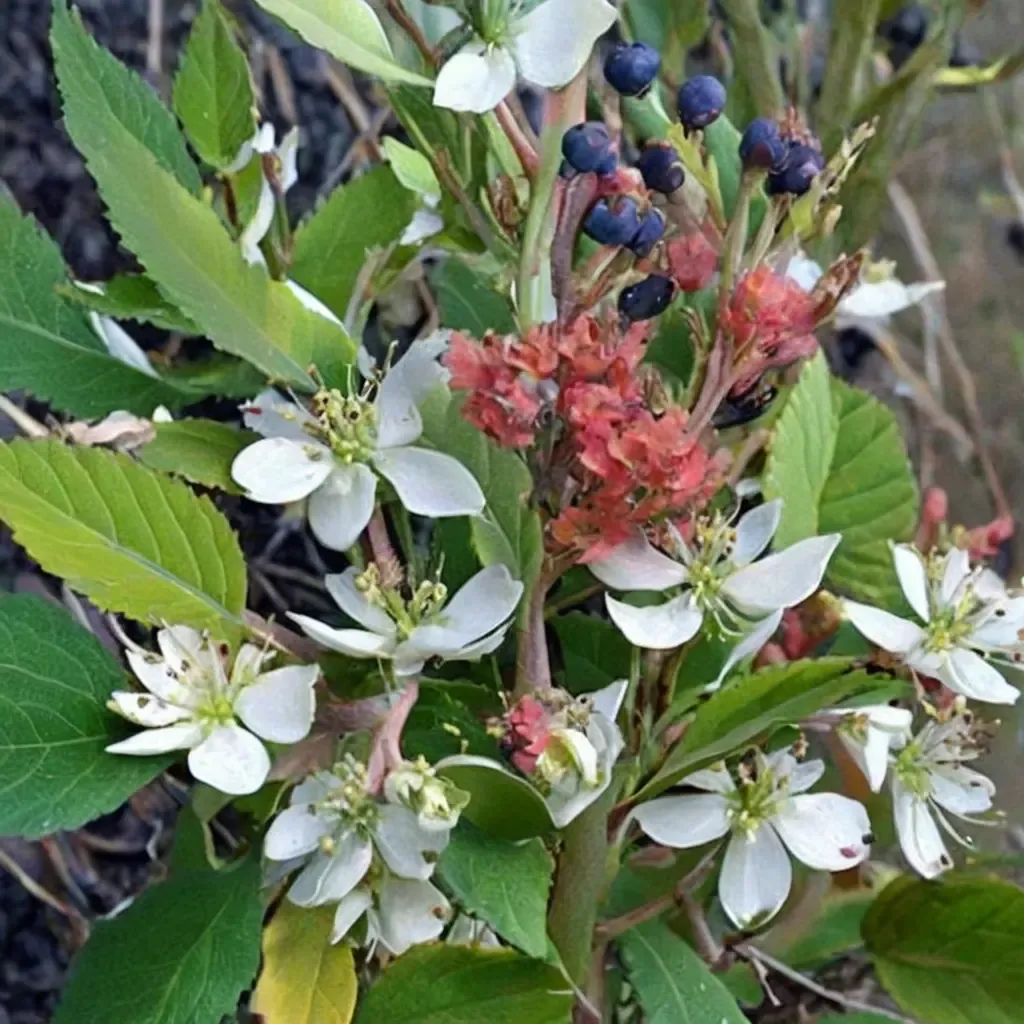
Timm Success Serviceberry
Amelanchier arborea 'Timm Success'
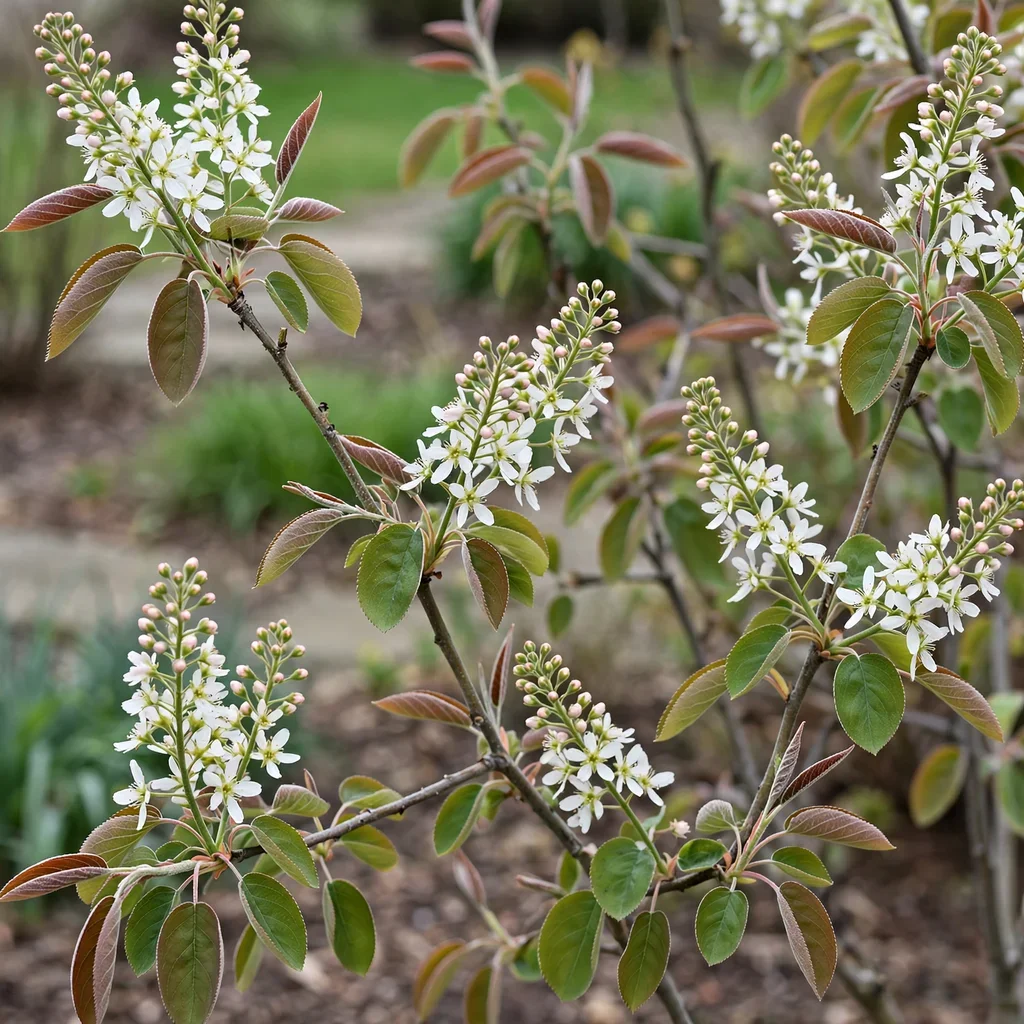
Autumn Brilliance Serviceberry
Amelanchier x grandiflora 'Autumn Brilliance'
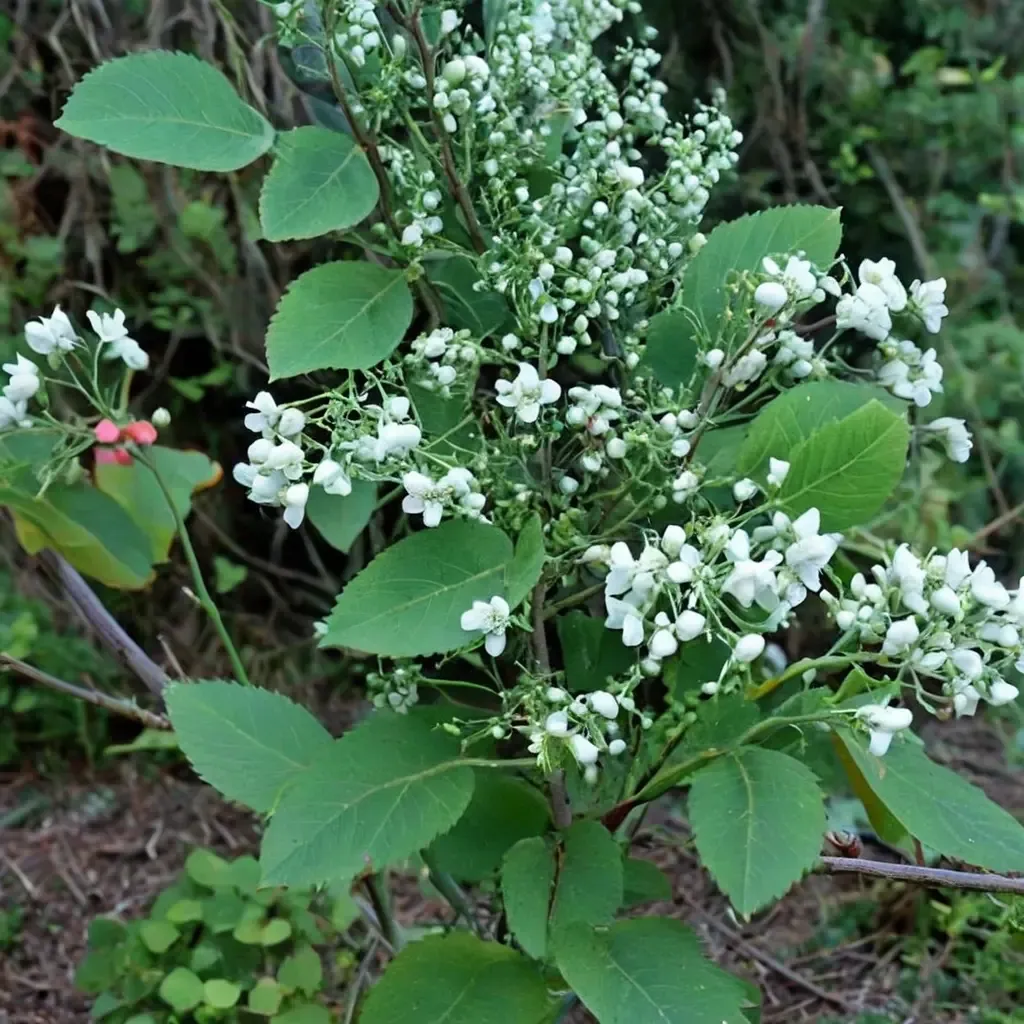
Saskatoon Serviceberry
Amelanchier alnifolia
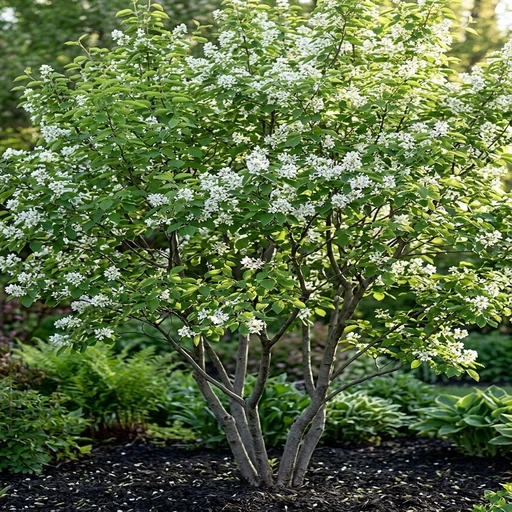
Allegheny Serviceberry
Amelanchier laevis
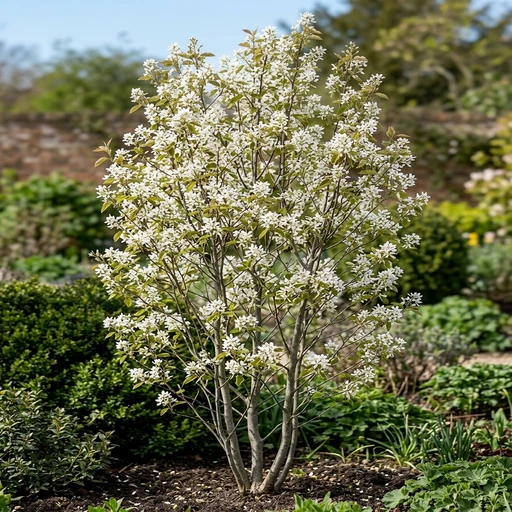
Glennform Serviceberry
Amelanchier canadensis 'Glennform'
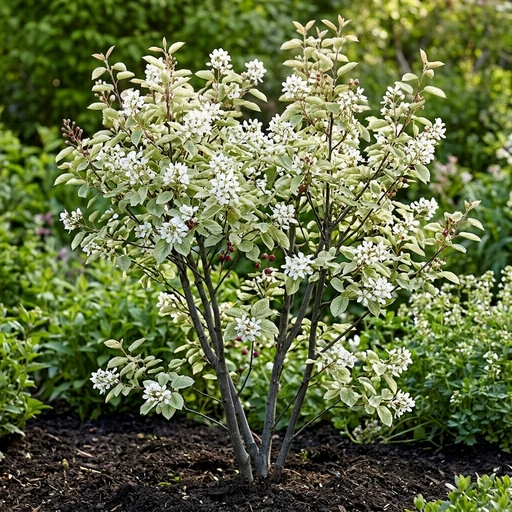
Spring Flurry Serviceberry
Amelanchier laevis 'JFS-Arb'
Keep exploring
Explore the genus
Grow Serviceberry with confidence
See it in a design of your actual yard, get zone-matched care reminders, and track it season by season in your garden journal.