

The Story
Plant Bio
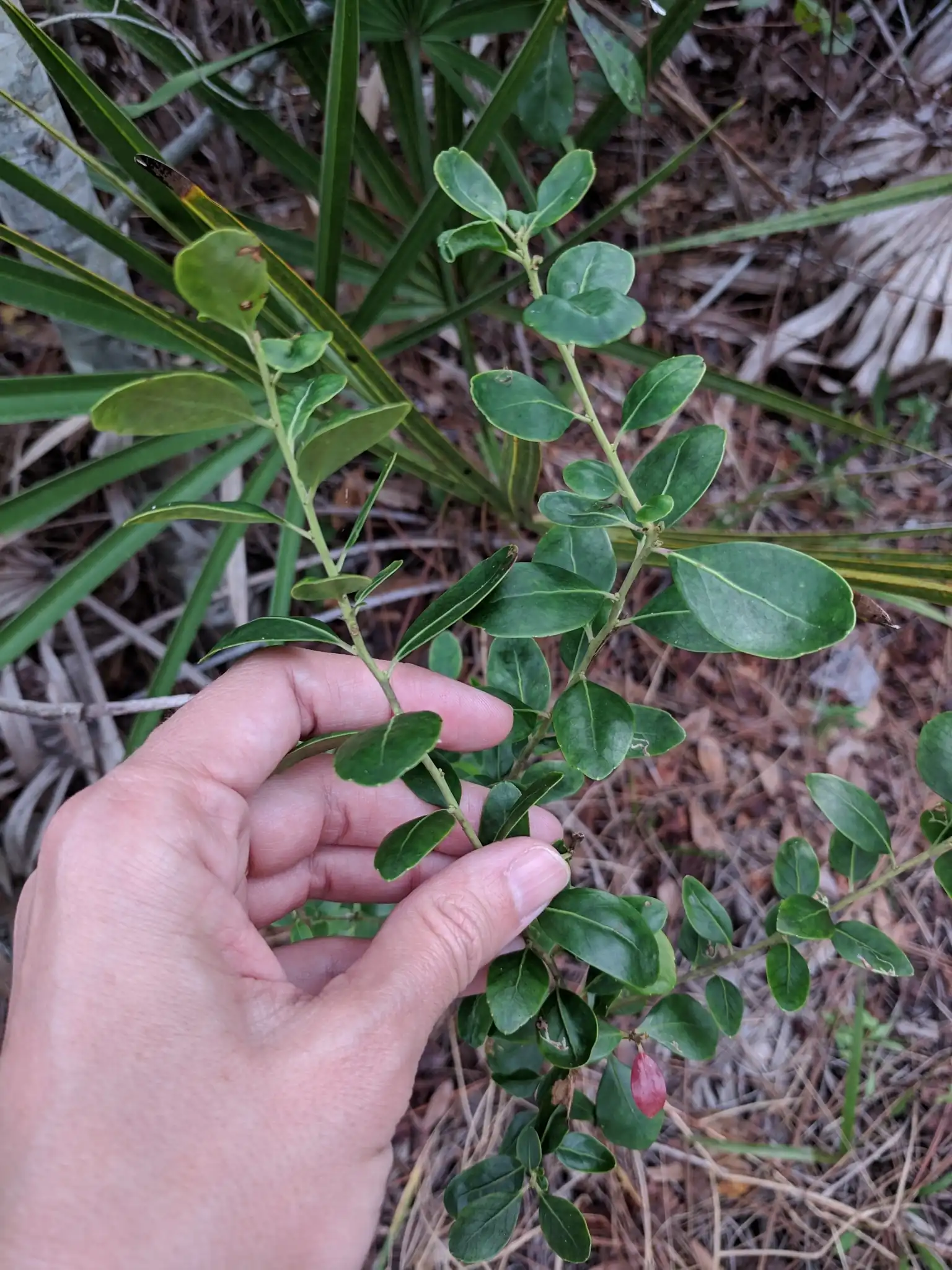
Ilex glabra, inkberry, is a broadleaf evergreen shrub native to the southeastern United States and north into Canada, reaching five to ten feet. Small glossy dark green leaves with a few marginal teeth clothe upright rounded stems, and pea-sized jet-black fruits ripen in September and persist into late autumn on female plants.
It is one of very few evergreen shrubs that genuinely thrives in wet, acidic soil, which makes it the native answer to boxwood in rain gardens and pond edges. It suckers from the base and can go leggy with age; cutting the oldest stems out keeps it furnished to the ground.
Uses & Benefits:
Essentials
At a Glance
Plant Type
Shrub
Height
90"
Width
78"
Light
Full Sun, Partial Sun
Zones
4, 5, 6, 7, 8, 9
Water
Moderate to high
Humidity
Moderate
Lifespan
Perennial
Native To
Eastern North America
Toxicity
Non-toxic
Planting
How to Grow
- Plant in spring in moist, acidic soil.
- Choose full sun to partial shade.
- Space plants for the mature five to eight foot spread.
- Keep the soil moist; it tolerates occasional wet.
- Prune in late winter to renew leggy stems.
- Plant a male nearby if fruit is wanted.
Pro Tip
Cut the oldest third of the stems out every few years — inkberry goes bare-legged with age and renewal pruning is the only reliable fix.
Keep It Thriving
Care Guide
Do
- Plant in moist, acidic soil 🌱
- Prune in late winter to renew stems ✂️
- Use it where boxwood would rot 💧
- Include a male plant for berries 🖤
Don't
- Plant in dry alkaline soil ❌
- Shear it into a tight ball and let the base go bare ❌
- Expect fruit from a lone female ❌
Seasonal Care Calendar
| Task | Jan | Feb | Mar | Apr | May | Jun | Jul | Aug | Sep | Oct | Nov | Dec |
|---|---|---|---|---|---|---|---|---|---|---|---|---|
| Prune |
Watch Out For
Pests & Diseases
Common Pests
Common Diseases
In the Garden
Landscape Uses & Companions
Landscape Uses
Multiply
Propagation Methods
Good to Know
Common Questions
Inkberry Holly questions
What zones can Inkberry Holly grow in?
Inkberry Holly is hardy in USDA Zones 4–9. Inside that range it survives winter in the ground; outside it, grow it as an annual or a container plant you protect.
Is Inkberry Holly deer resistant?
Yes — Inkberry Holly is rated deer-resistant. Deer typically pass it over, though extreme hunger can override any plant's defenses.
When does Inkberry Holly bloom?
Inkberry Holly typically blooms in late spring through early summer. Exact timing shifts a week or two with your zone — Sow's bloom calendar maps it to your garden.
Does Inkberry Holly need full sun?
Inkberry Holly does best in full sun to part shade. In hot climates, afternoon shade keeps blooms fresher longer.
More Ilex to compare
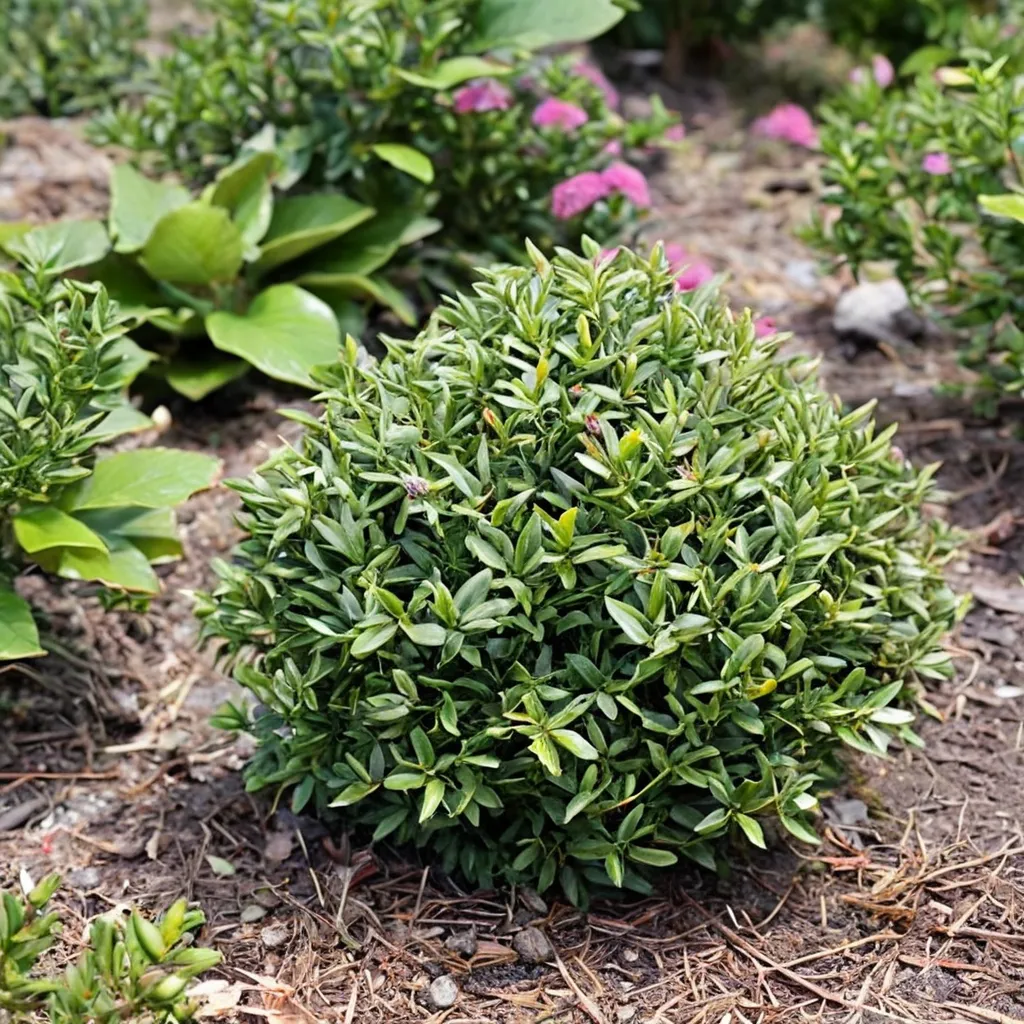
Gem Box Inkberry Holly
Ilex glabra 'Gem Box'
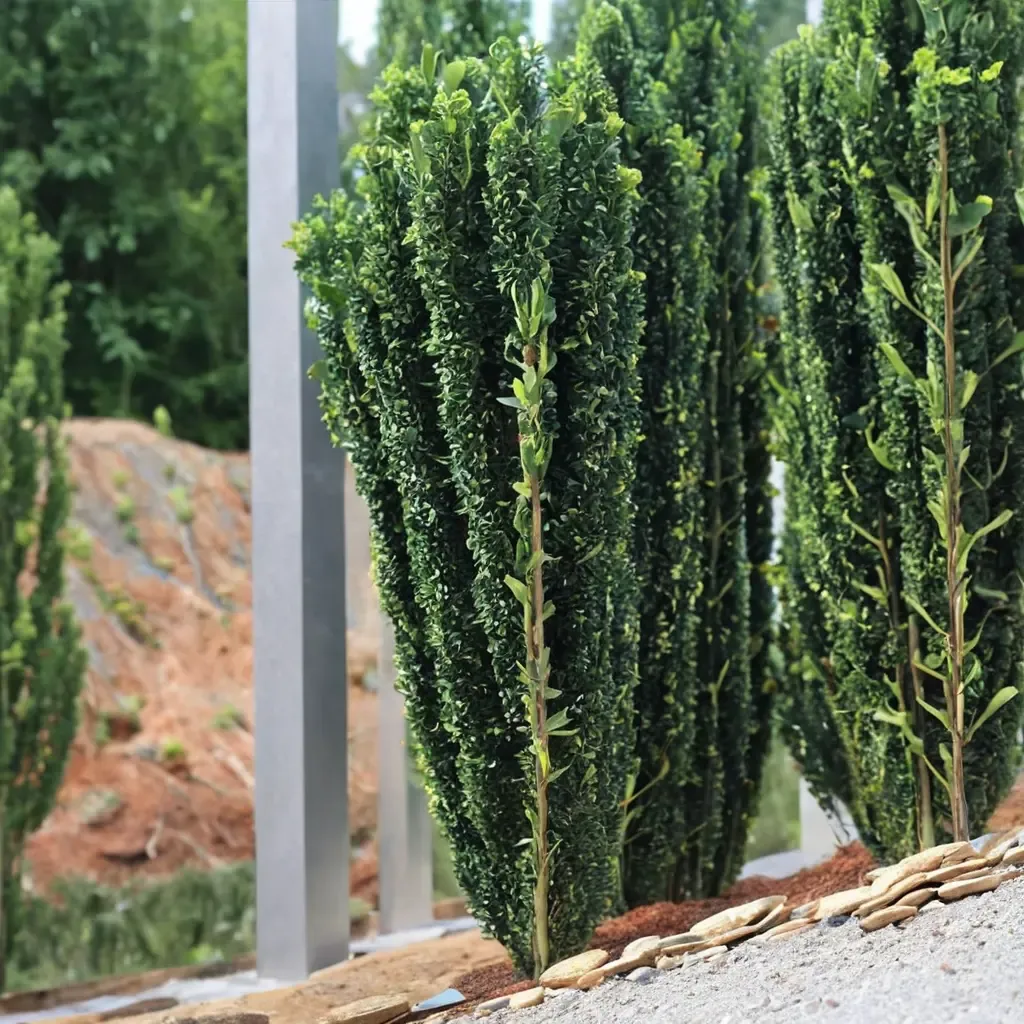
Sky Pencil Holly
Ilex crenata 'Sky Pencil'
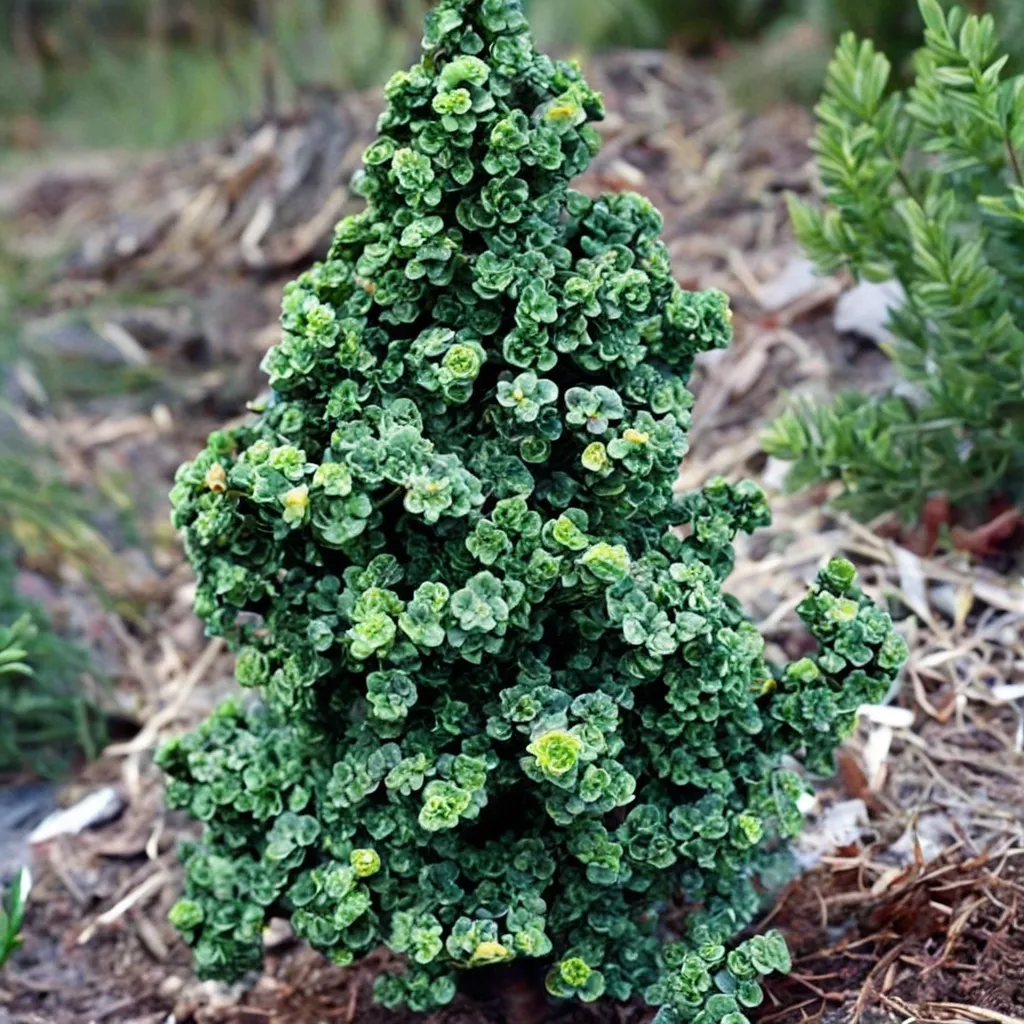
Dwarf Pagoda Holly
Ilex crenata 'Dwarf Pagoda'
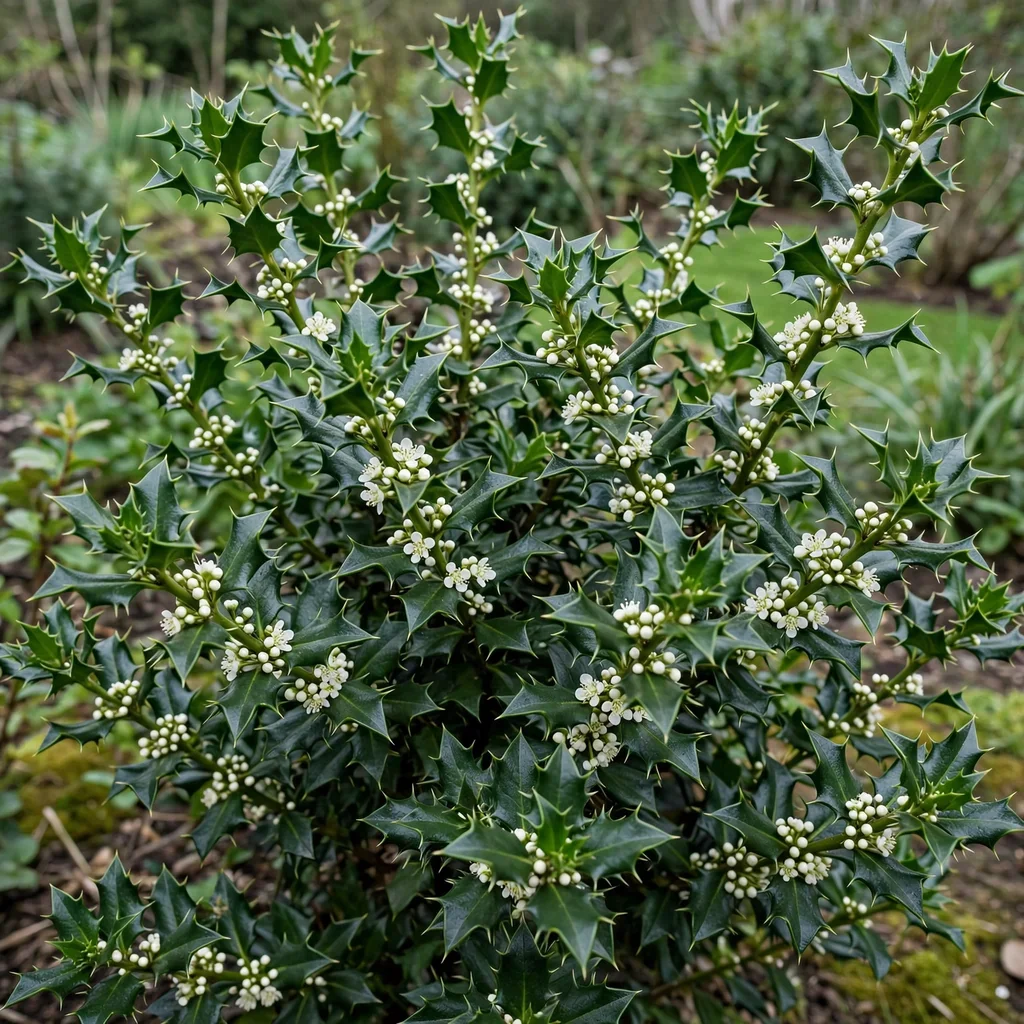
Mr Poppins Holly
Ilex x meserveae 'Mr Poppins'
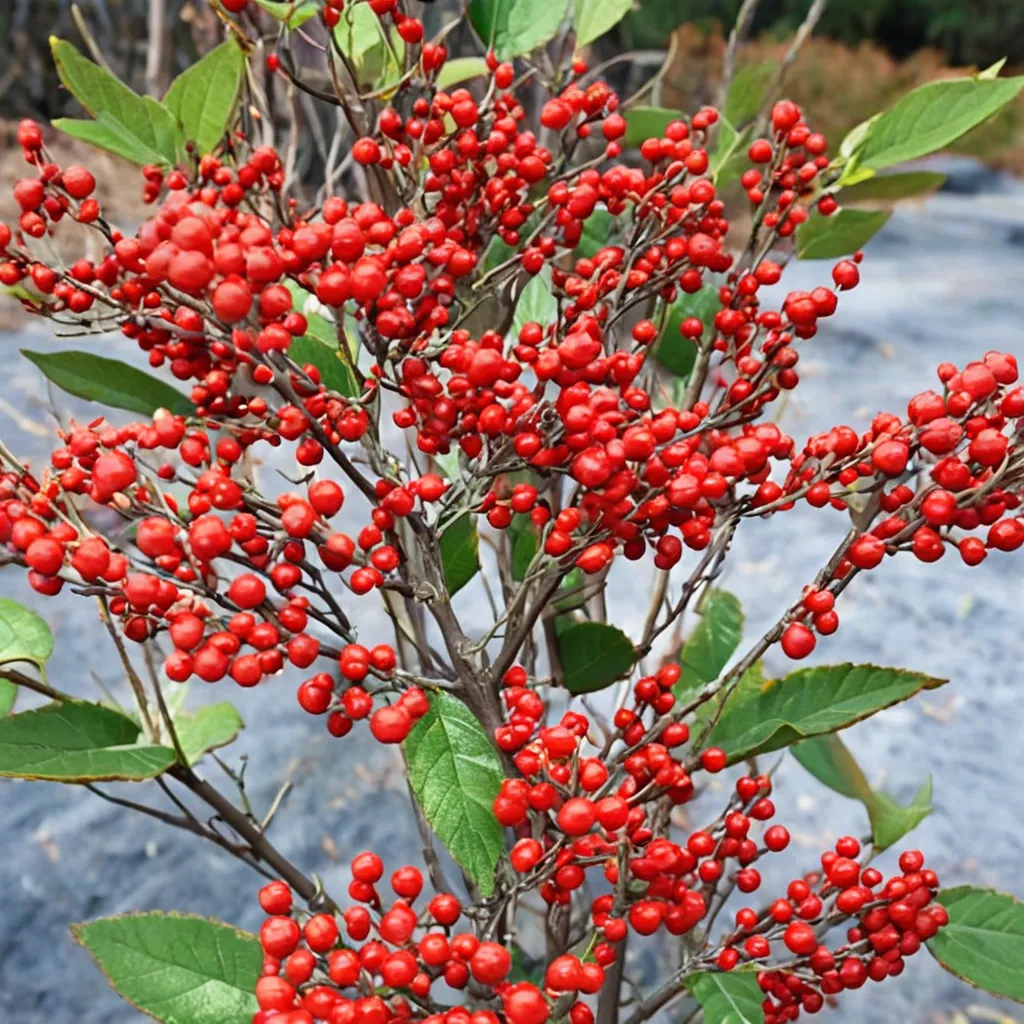
Blue Holly Berry Poppins
Ilex x meserveae 'Berry Poppins'
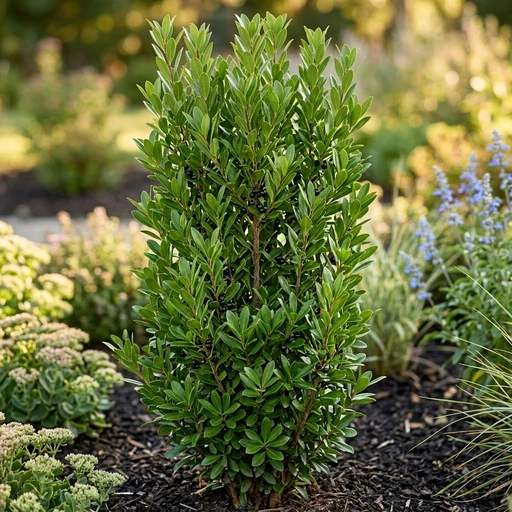
Squeeze Box Inkberry Holly
Ilex glabra 'Squeeze Box'
Keep exploring
Explore the genus
Grow Inkberry Holly with confidence
See it in a design of your actual yard, get zone-matched care reminders, and track it season by season in your garden journal.