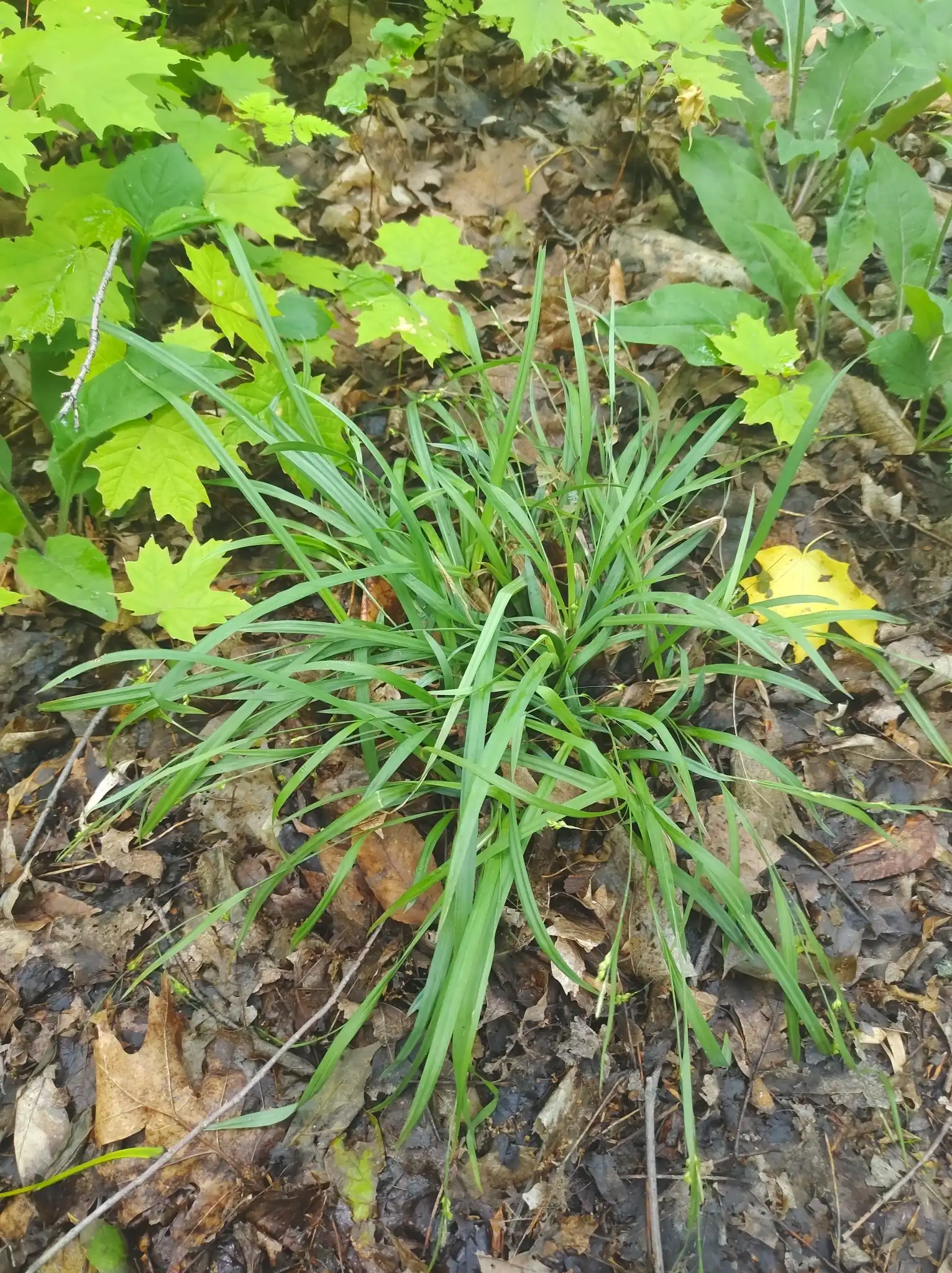
2 named cultivars

The Story
Plant Bio
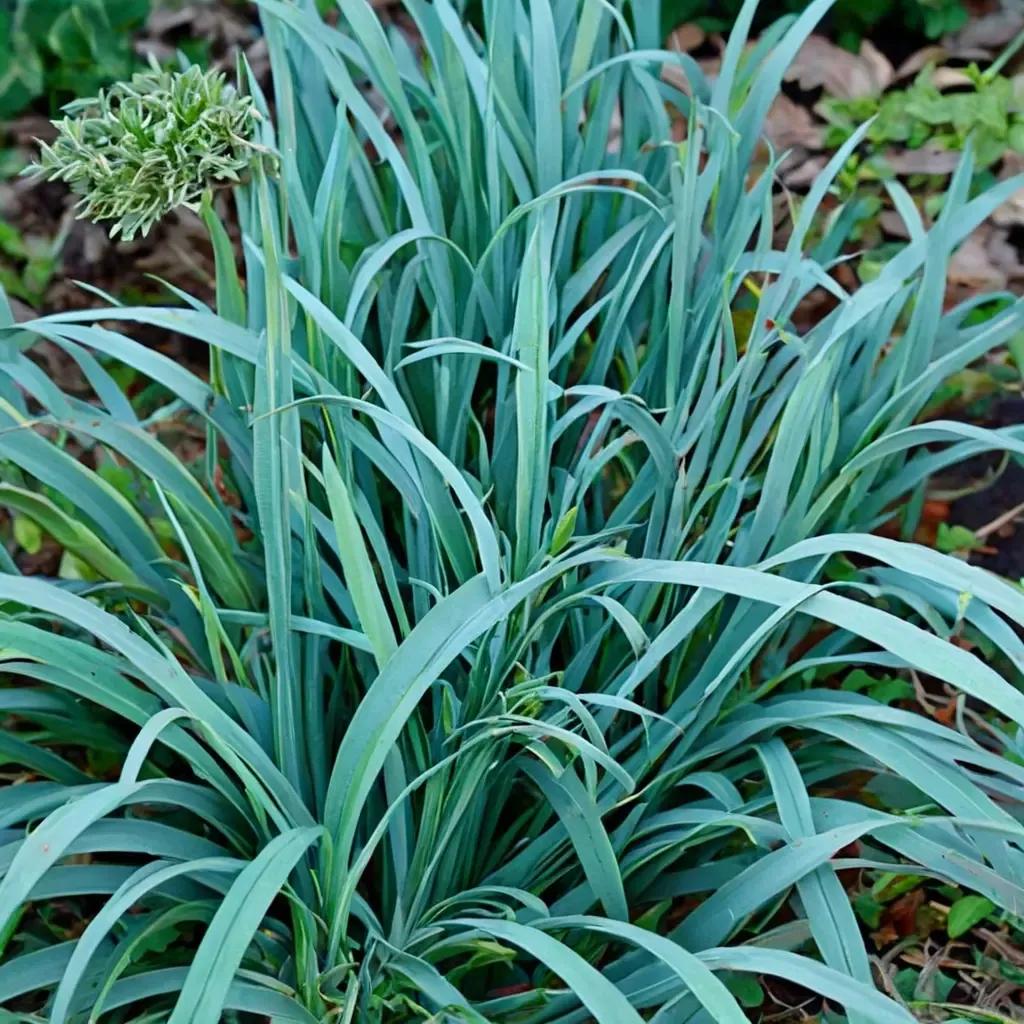
Carex laxiculmis, creeping sedge, is a low clumping evergreen sedge native to Canada and the central and southeastern United States, reaching about a foot. Its distinction is foliage colour: broad, papery, strikingly blue-green to silver-blue leaves that hold through winter, forming a spreading mound in shade where few plants offer that colour.
It is one of the bluest plants available for shade, and unlike most blue-foliage plants it does not need sun to hold the colour. It spreads slowly by rhizome into drifts, tolerates deep shade and occasional wet, and supports satyrine butterfly larvae.
Uses & Benefits:
Essentials
At a Glance
Plant Type
Grass
Height
12"
Width
12"
Light
Partial Sun, Shade
Zones
5, 6, 7, 8, 9
Water
Moderate
Humidity
Moderate
Lifespan
Perennial
Native To
Canada and the central and southeastern United States
Toxicity
Non-toxic
Planting
How to Grow
- Plant in spring in moist, humus-rich soil.
- Choose partial to deep shade.
- Space about a foot apart for a drift.
- Keep the soil moist; it dislikes drying out.
- Comb out dead foliage in early spring.
- Divide every few years to spread it.
Pro Tip
Comb the old foliage out with your fingers in spring rather than shearing — it is evergreen, and cutting it back removes the winter colour you grew it for.
Keep It Thriving
Care Guide
Do
- Plant in moist shade 🌱
- Comb out old leaves in spring 🧤
- Use it as a blue groundcover under trees 💙
- Divide to spread the drift ✂️
Don't
- Shear the whole clump to the ground ❌
- Let it dry out ❌
- Plant in hot full sun ❌
Seasonal Care Calendar
| Task | Jan | Feb | Mar | Apr | May | Jun | Jul | Aug | Sep | Oct | Nov | Dec |
|---|---|---|---|---|---|---|---|---|---|---|---|---|
| Divide | ||||||||||||
| Prune |
Watch Out For
Pests & Diseases
Common Pests
Common Diseases
In the Garden
Landscape Uses & Companions
Landscape Uses
Multiply
Propagation Methods
Good to Know
Common Questions
Creeping Sedge questions
What zones can Creeping Sedge grow in?
Creeping Sedge is hardy in USDA Zones 5–9. Inside that range it survives winter in the ground; outside it, grow it as an annual or a container plant you protect.
Is Creeping Sedge deer resistant?
Yes — Creeping Sedge is rated deer-resistant. Deer typically pass it over, though extreme hunger can override any plant's defenses.
When does Creeping Sedge bloom?
Creeping Sedge typically blooms in late spring through early summer. Exact timing shifts a week or two with your zone — Sow's bloom calendar maps it to your garden.
Does Creeping Sedge need full sun?
Creeping Sedge does best in part shade.
More Carex to compare
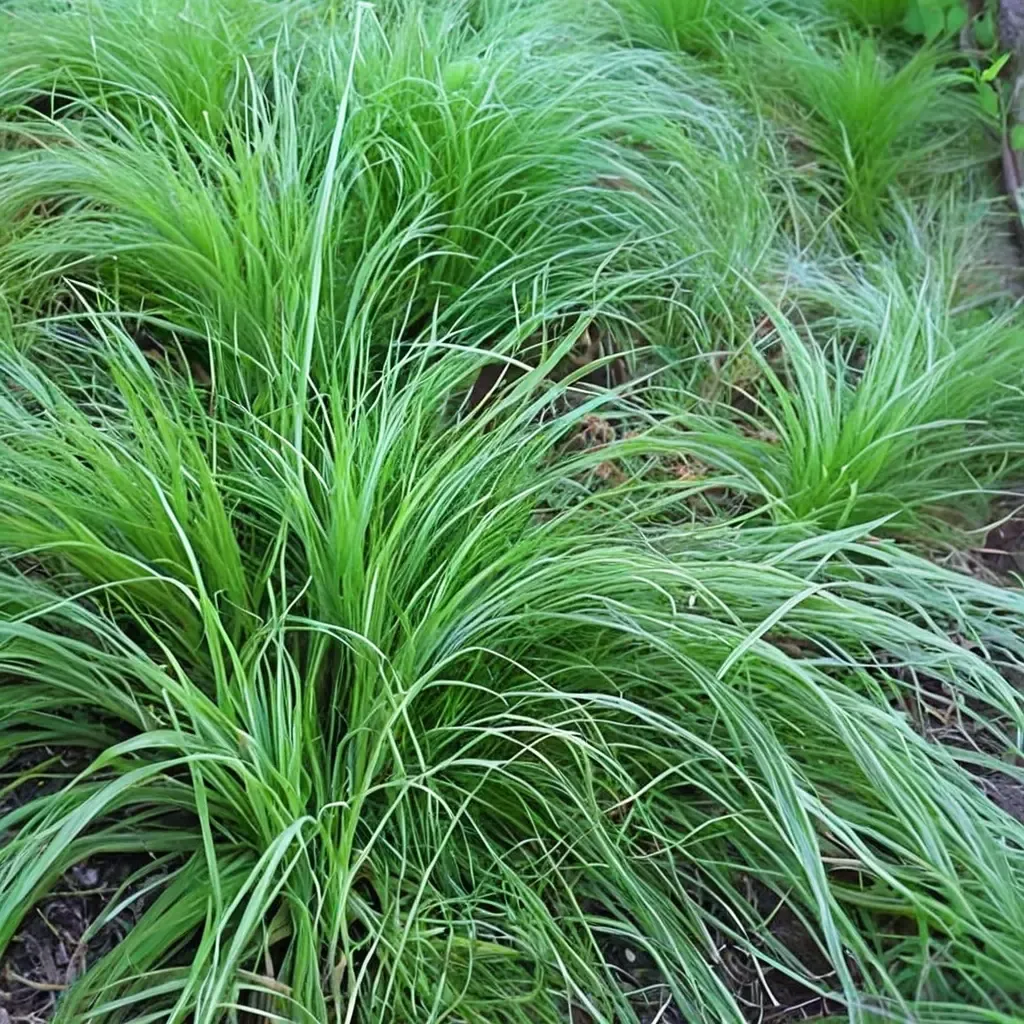
Pennsylvania Sedge
Carex pensylvanica
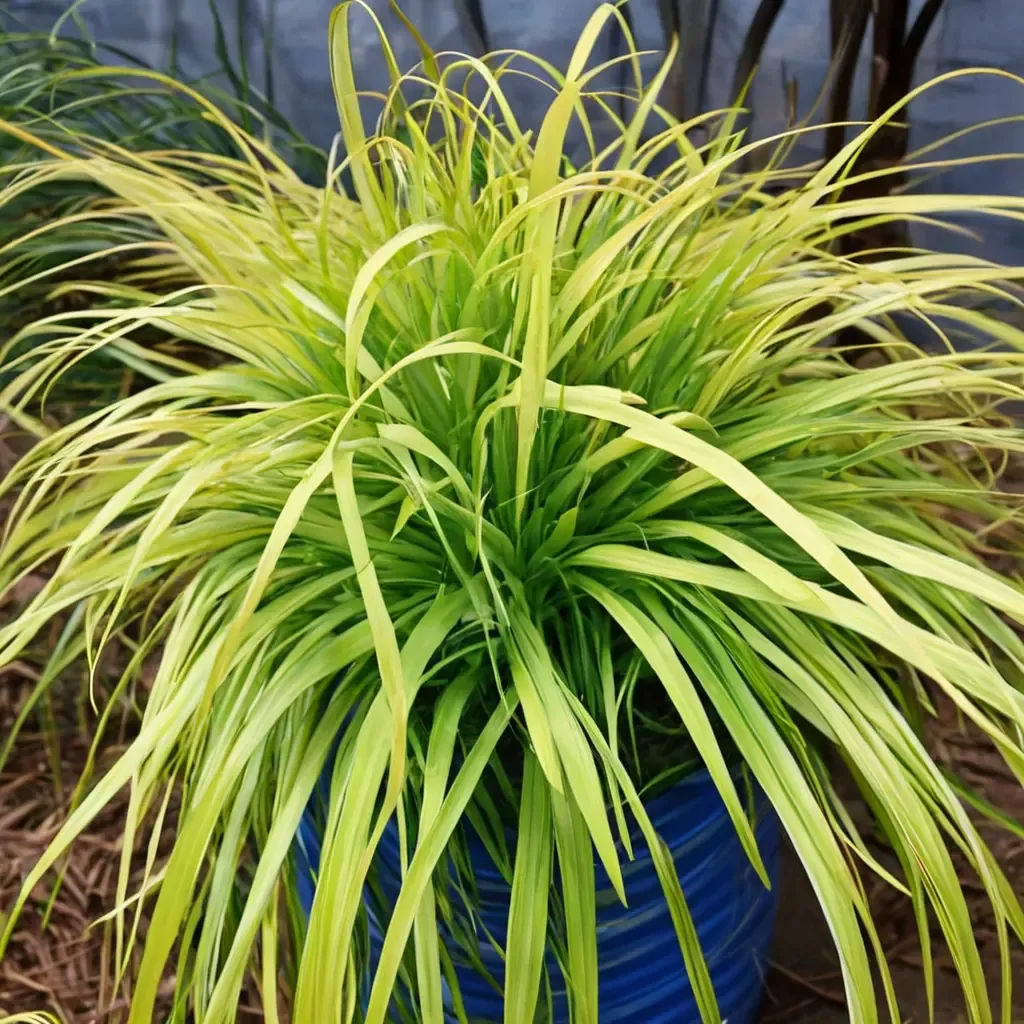
Everillo Sedge
Carex oshimensis 'Everillo'
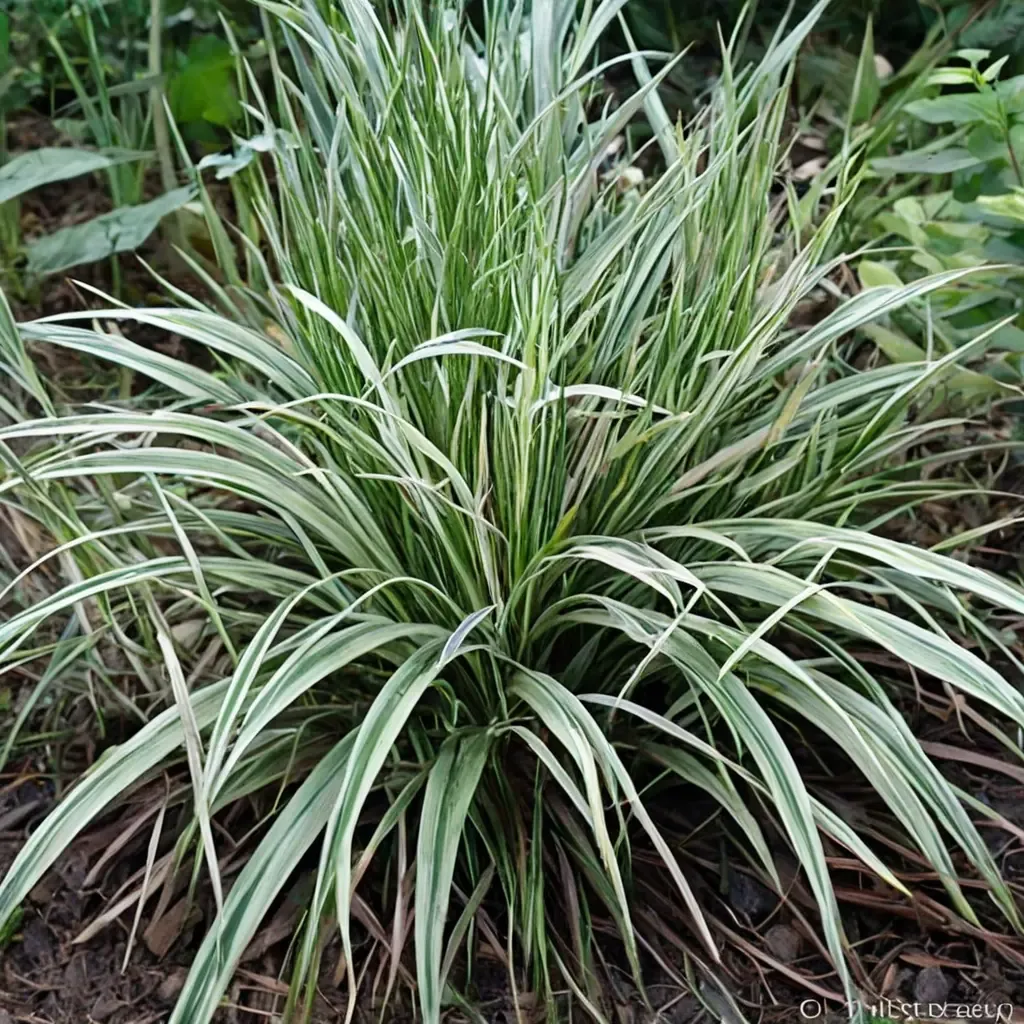
Japanese Sedge
Carex morrowii
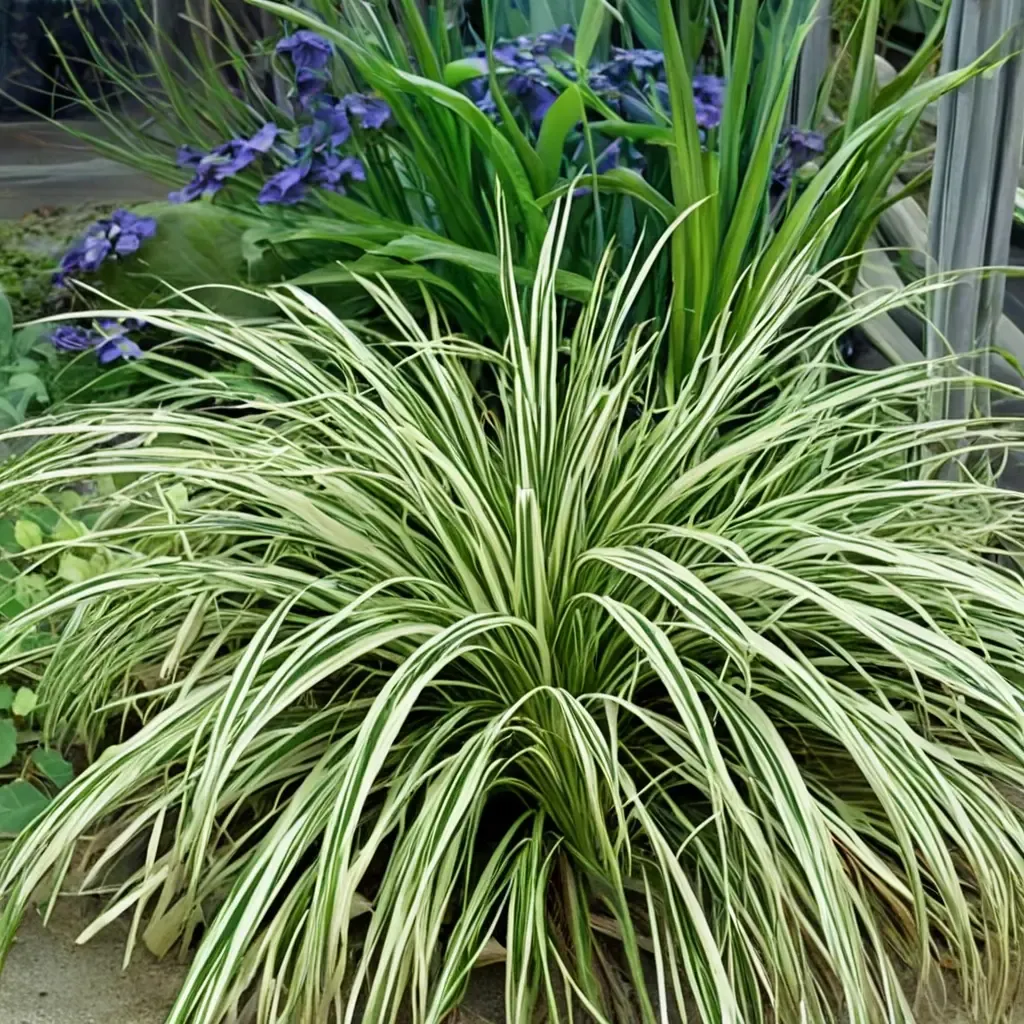
Evergold Japanese Sedge
Carex oshimensis 'Evergold'
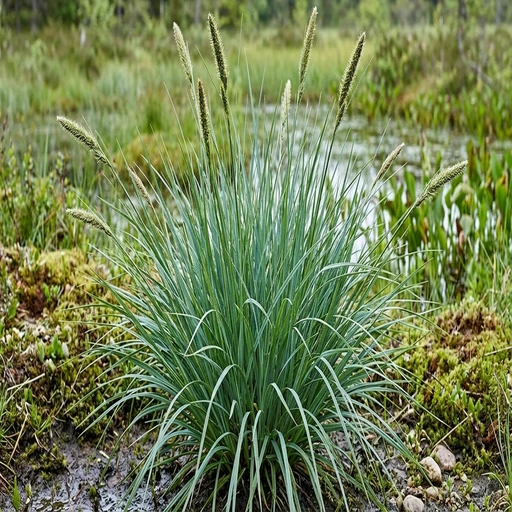
Comosa Sedge
Carex comosa
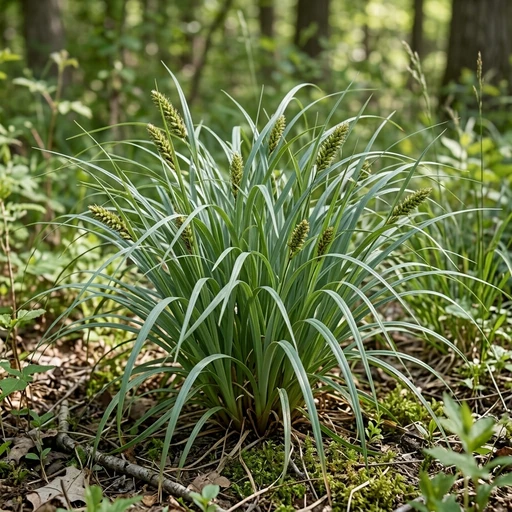
Shortbeak Sedge
Carex brevior
Keep exploring
Explore the genus
Hardy in your zone?
Grow Creeping Sedge with confidence
See it in a design of your actual yard, get zone-matched care reminders, and track it season by season in your garden journal.