
The Story
Plant Bio
Betula utilis subsp. jacquemontii is a deciduous tree native to the Himalayas, characterized by its exceptionally bright, smooth white bark that peels in thin, papery layers. It develops an open, pyramidal to oval canopy of dark green, double-serrate leaves that turn a clear yellow in fall.
This subspecies is distinguished from the parent species by its intensely white bark, which develops at a younger age, and its larger leaves with seven to nine pairs of veins. The spring flowers appear as drooping, yellowish-brown male catkins and smaller, upright female catkins on the same branch.
Uses & Benefits:
Essentials
At a Glance
Plant Type
Tree
Height
590"
Width
393"
Light
Full Sun, Partial Sun
Zones
4, 5, 6, 7
Water
Medium to wet
Humidity
Low to moderate
Lifespan
Decades
Native To
Himalayas
Toxicity
Non-toxic
Bloom period
Spring
In flower about 3 months of the year
Planting
How to Grow
- Select a planting site in full sun to partial shade with moist, well-draining, acidic to neutral loam or sandy soil.
- Dig a hole twice as wide as the root ball and set the tree so the root flare sits slightly above the surrounding soil level.
- Backfill with native soil, water deeply to settle the roots, and apply a three-inch layer of organic mulch over the root zone, keeping it clear of the trunk.
- Maintain consistent soil moisture, especially during hot summer months, to prevent drought stress and deter wood-boring insects.
Pro Tip
Never prune this tree in spring when the sap is actively flowing, as heavy bleeding weakens the wood and invites pathogens; restrict all structural pruning to the fully dormant winter months.
Keep It Thriving
Care Guide
Do
- Apply a thick layer of organic mulch annually to keep the shallow root system cool and moist.
- Water deeply and regularly during dry spells to maintain consistent soil moisture.
- Prune exclusively during late fall or winter when the tree is fully dormant.
Don't
- Do not prune in spring, as active sap flow causes heavy bleeding that weakens the tree.
- Do not plant in hot, dry, or compacted clay soils where the tree will succumb to heat stress.
- Do not apply high-nitrogen fertilizers that stimulate weak, pest-vulnerable growth.
Seasonal Care Calendar
| Task | Jan | Feb | Mar | Apr | May | Jun | Jul | Aug | Sep | Oct | Nov | Dec |
|---|---|---|---|---|---|---|---|---|---|---|---|---|
| Fertilize | ||||||||||||
| Mulch | ||||||||||||
| Pest Check | ||||||||||||
| Prune |
Watch Out For
Pests & Diseases
Common Pests
Common Diseases
In the Garden
Landscape Uses & Companions
Landscape Uses
Companion Plants
Multiply
Propagation Methods
Good to Know
Common Questions
Himalayan Birch questions
What zones can Himalayan Birch grow in?
Himalayan Birch is hardy in USDA Zones 4–7. Inside that range it survives winter in the ground; outside it, grow it as an annual or a container plant you protect.
Is Himalayan Birch deer resistant?
Not reliably. Deer may browse Himalayan Birch, especially tender spring growth — plan on repellents or fencing where pressure is high.
When does Himalayan Birch bloom?
Himalayan Birch typically blooms in spring through spring. Exact timing shifts a week or two with your zone — Sow's bloom calendar maps it to your garden.
Does Himalayan Birch need full sun?
Himalayan Birch does best in full sun to part shade. In hot climates, afternoon shade keeps blooms fresher longer.
More Betula to compare
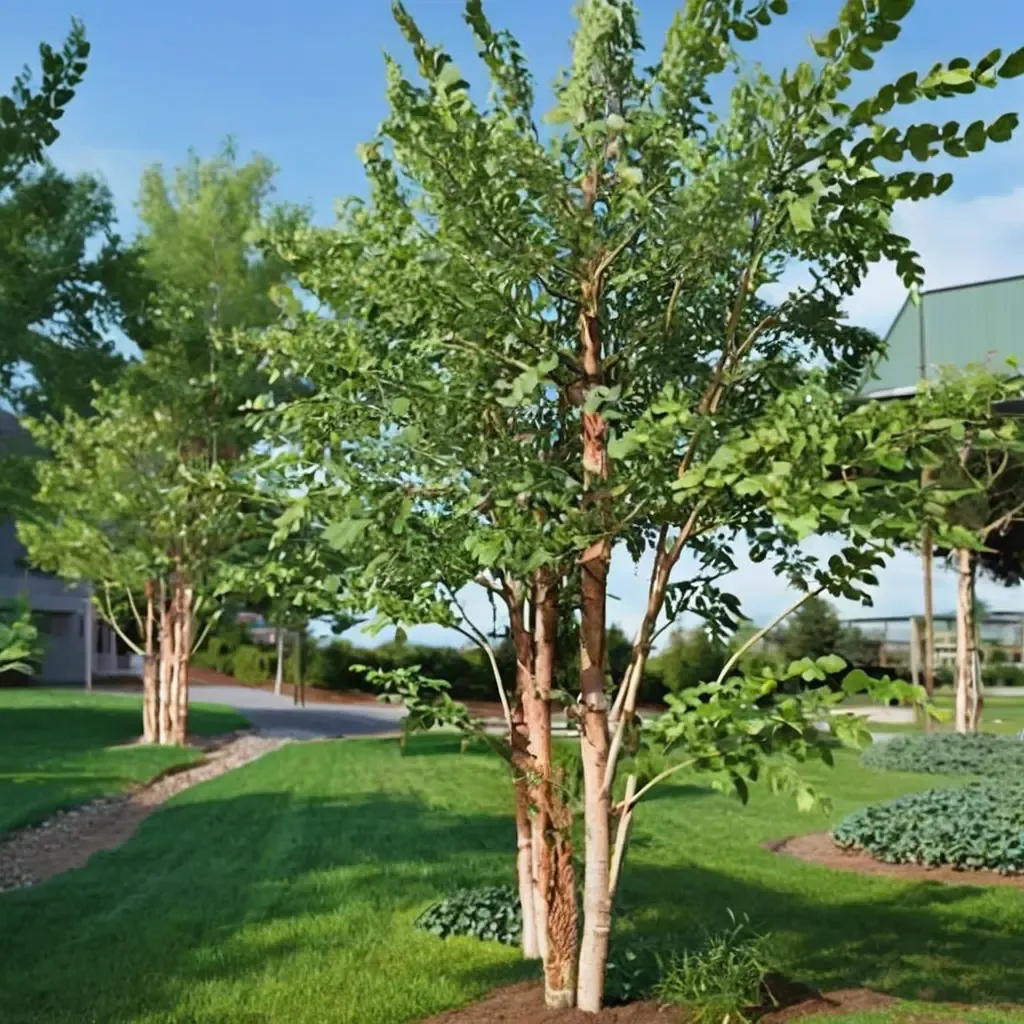
River Birch
Betula nigra
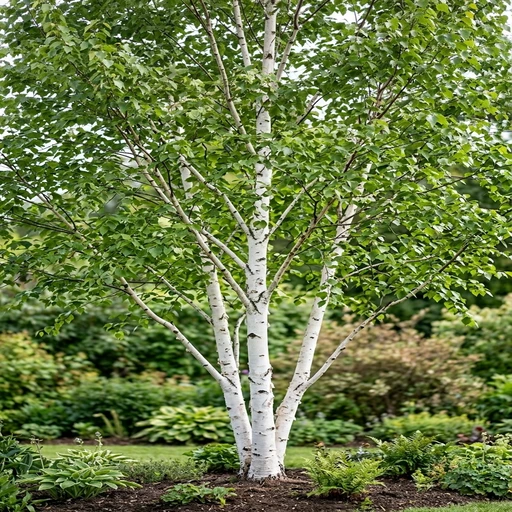
Paper Birch
Betula papyrifera
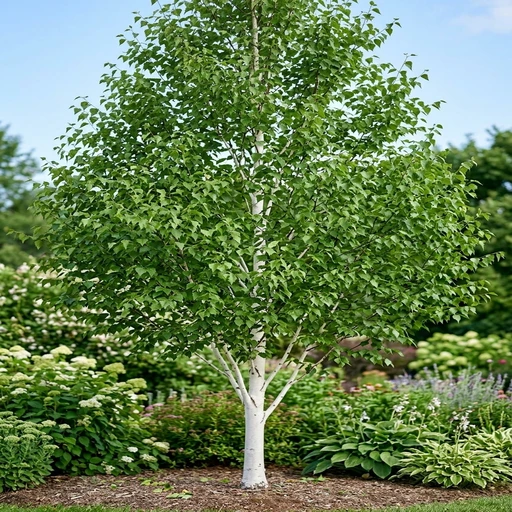
Whitespire Birch
Betula platyphylla 'Whitespire'
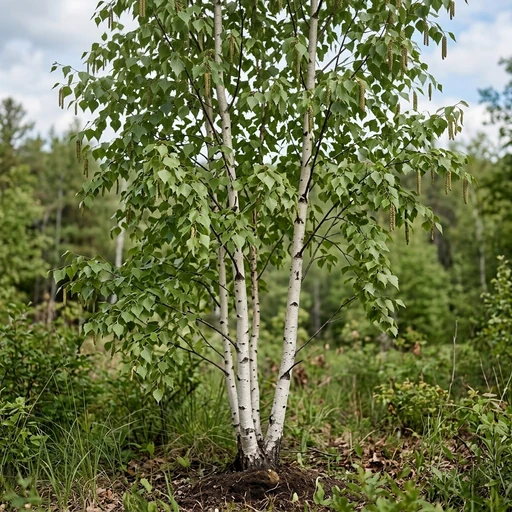
Gray Birch
Betula populifolia
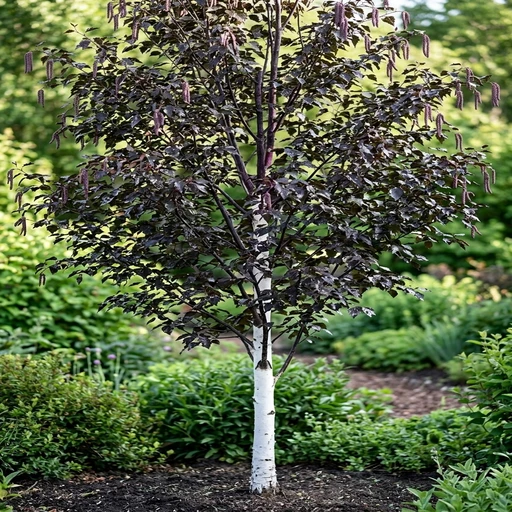
Birch
Betula x hybrida 'Royal Frost'
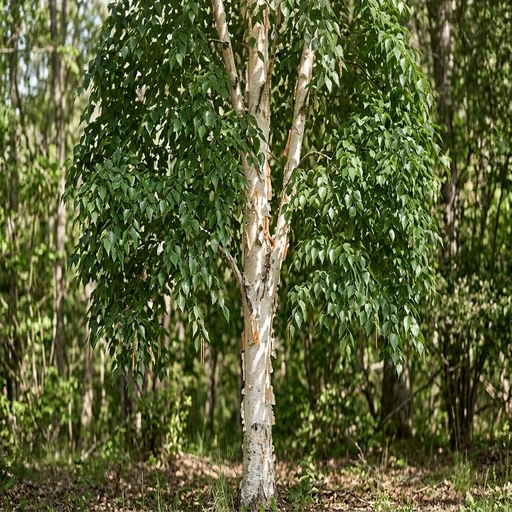
Renaissance Oasis Paper Birch
Betula papyrifera 'Oenci'
Keep exploring
Explore the genus
Hardy in your zone?
Grow Himalayan Birch with confidence
See it in a design of your actual yard, get zone-matched care reminders, and track it season by season in your garden journal.