The Story
Plant Bio
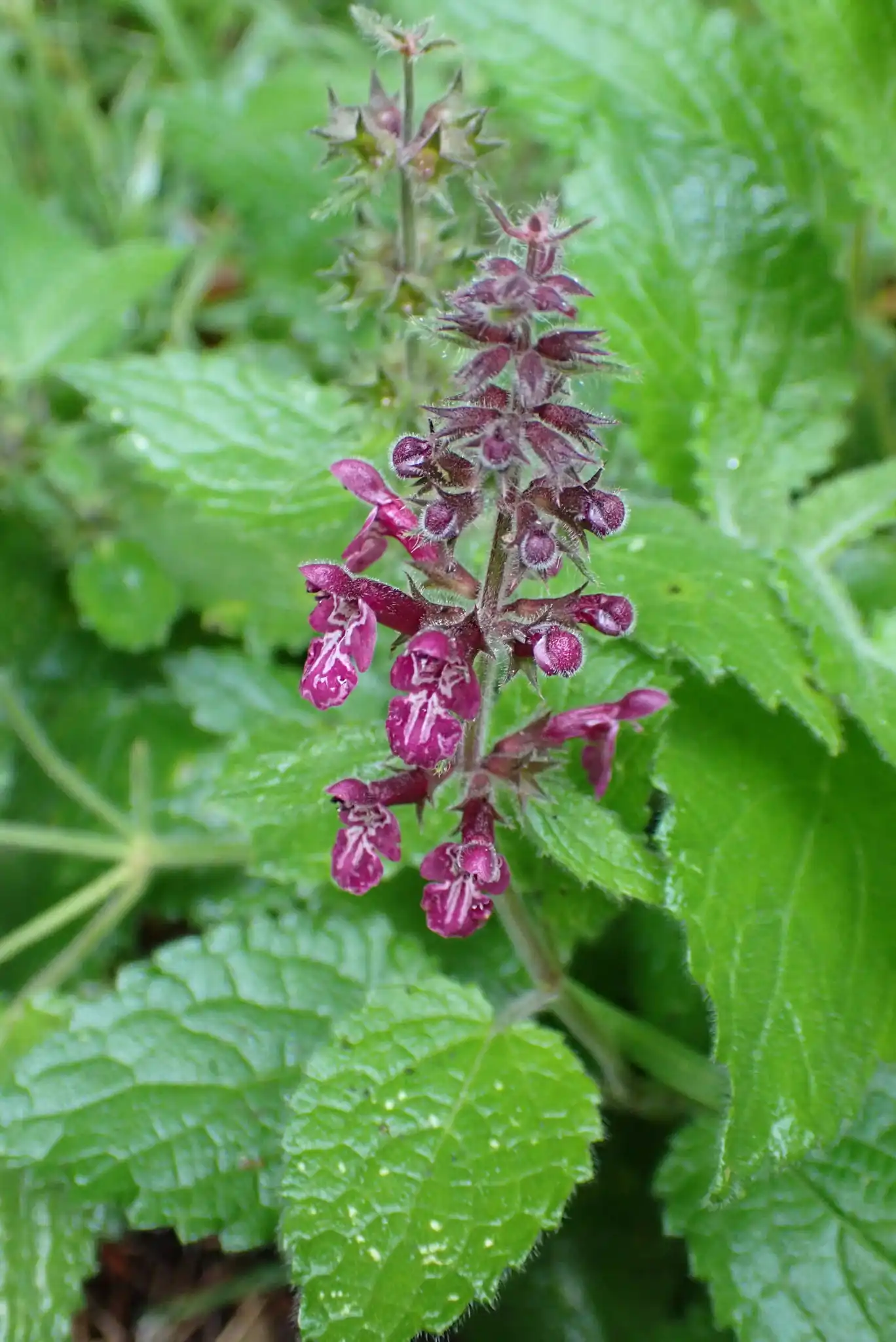
Stachys sylvatica is an herbaceous perennial native to European and Asian woodland margins, growing two to three feet tall. It forms erect, hairy, square stems bearing heart-shaped, toothed green leaves and dense terminal spikes of two-lipped, reddish-purple flowers marked with white.
Unlike velvety ornamental cultivars like lamb's ears, this species expands via creeping underground stolons to colonize damp, shady spaces naturally. Its foliage emits a distinct, pungent scent when crushed, which helps deter browsing animals.
Uses & Benefits:
Essentials
At a Glance
Plant Type
Perennial
Height
30"
Width
36"
Light
Partial Sun, Shade
Zones
5, 6, 7, 8
Water
Moderate
Humidity
Moderate
Lifespan
Perennial
Native To
Europe, Western Asia, Macaronesia
Toxicity
Non-toxic (glandular hairs may cause mild skin irritation)
Bloom period
Summer – Fall
In flower about 6 months of the year
Planting
How to Grow
- Select a site in partial to full shade with rich, organic-rich soil that retains moisture.
- Space plants 24 to 36 inches apart to accommodate their creeping underground runners.
- Water thoroughly at planting and maintain steady soil moisture throughout the first growing season.
- Mulch annually with leaf mold or compost to preserve root moisture and shade the soil.
Pro Tip
Position this plant back from narrow walkways where brush contact will release the strong foliage odor, and cut spent flowering stems to the ground after blooming to restrict aggressive spreading.
Keep It Thriving
Care Guide
Do
- Keep soil consistently moist, especially during hot summer periods.
- Cut spent flower stalks back to the basal leaves once bloom flushes conclude.
- Divide dense colonies every three to four years in spring to manage spread.
Don't
- Do not plant in full, unshaded afternoon sun where foliage will scorch.
- Do not allow soil to dry out completely during extended droughts.
- Avoid planting near high-traffic paths where foliage will be repeatedly crushed.
Seasonal Care Calendar
| Task | Jan | Feb | Mar | Apr | May | Jun | Jul | Aug | Sep | Oct | Nov | Dec |
|---|---|---|---|---|---|---|---|---|---|---|---|---|
| Deadhead | ||||||||||||
| Divide | ||||||||||||
| Fertilize | ||||||||||||
| Spring Cleanup |
Watch Out For
Pests & Diseases
Common Pests
Common Diseases
In the Garden
Landscape Uses & Companions
Landscape Uses
Multiply
Propagation Methods
Good to Know
Common Questions
Hedge Woundwort questions
What zones can Hedge Woundwort grow in?
Hedge Woundwort is hardy in USDA Zones 5–8: in that range it survives winter in the ground. Colder than Zone 5, grow it in a container you can move to shelter for the winter, or as an annual. Warmer than Zone 8, winter isn't the problem: it prefers colder winters, and summer heat can shorten its life.
When does Hedge Woundwort bloom?
Hedge Woundwort typically blooms from summer to fall. Exact timing shifts a week or two with your zone — Sow's bloom calendar maps it to your garden.
Does Hedge Woundwort need full sun?
Hedge Woundwort does best in part shade.
More Stachys to compare
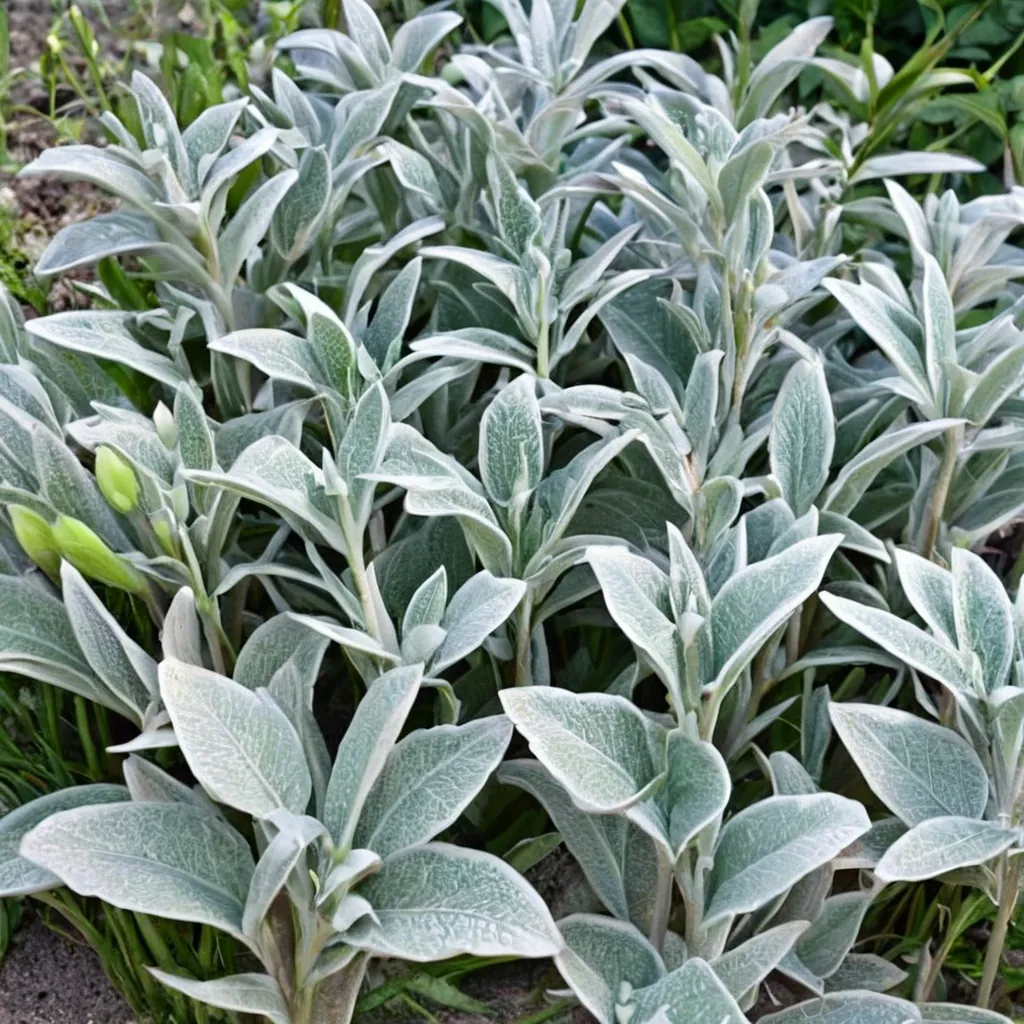
Lamb's Ear
Stachys lanata
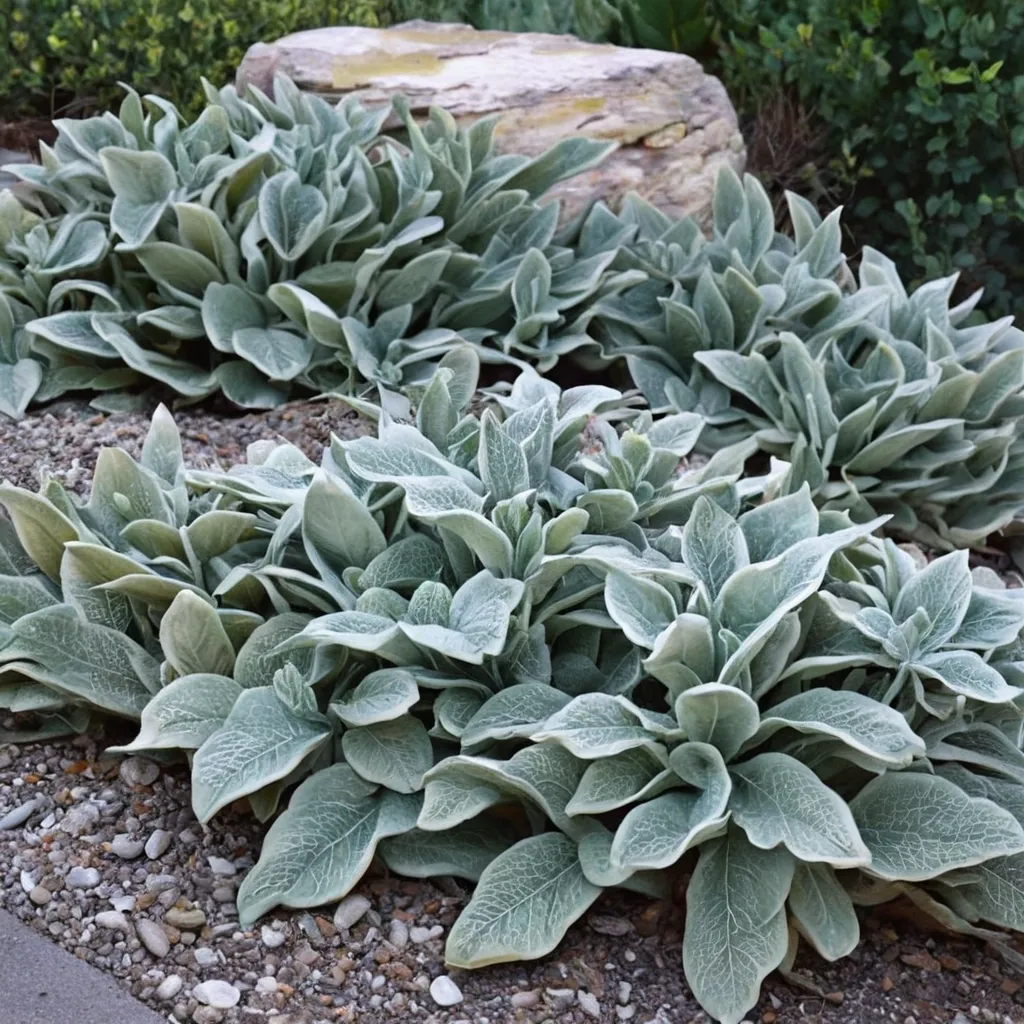
Silver Carpet Lamb's Ear
Stachys lanata 'Silver Carpet'
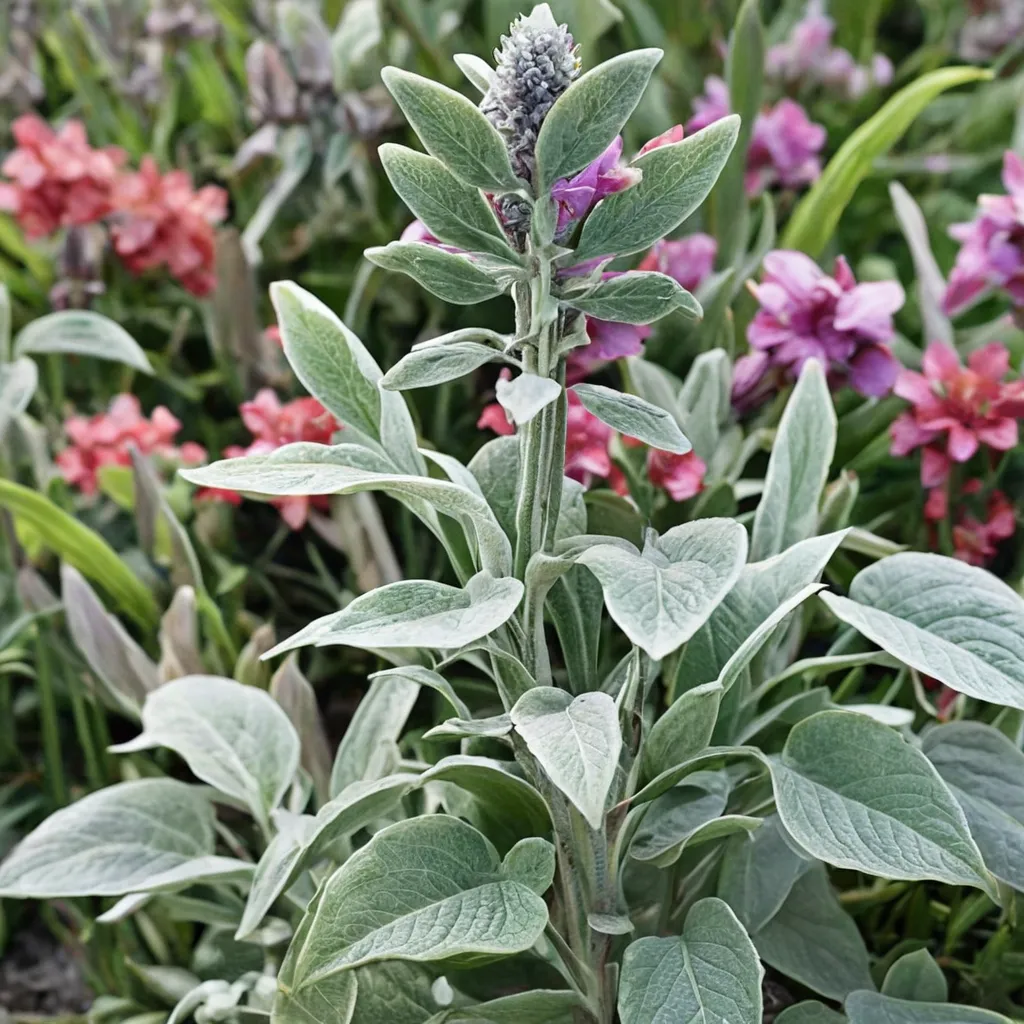
Fuzzy Wuzzy Lamb's Ear
Stachys byzantina 'Fuzzy Wuzzy'
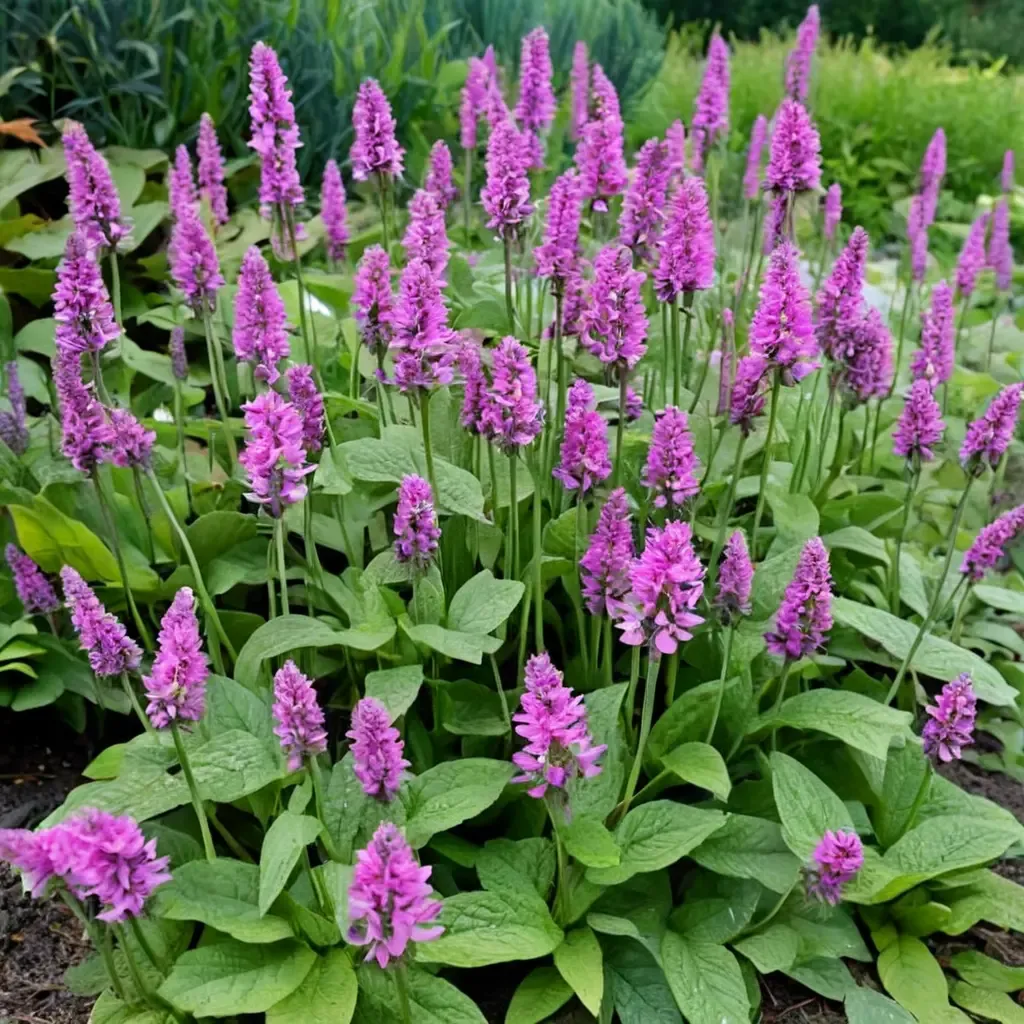
Hummelo Betony
Stachys officinalis 'Hummelo'
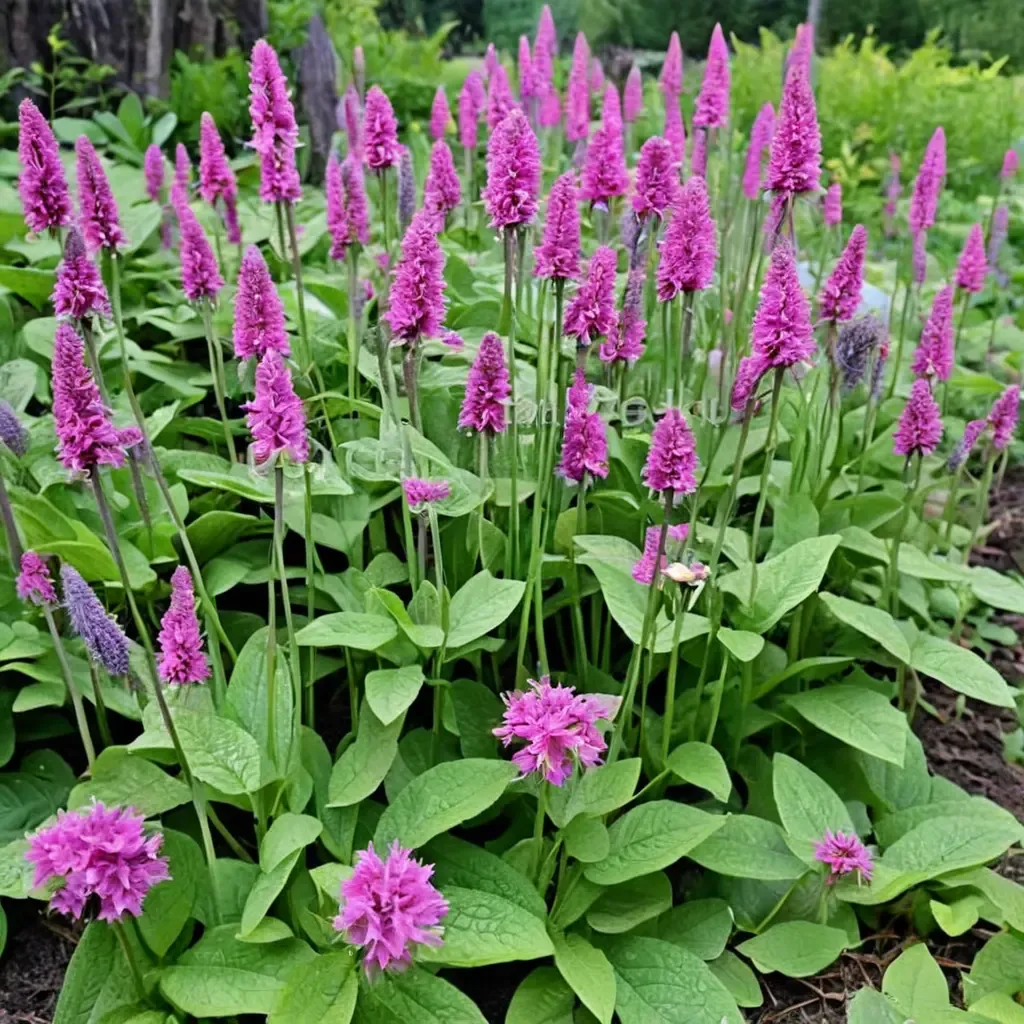
Wood Betony
Stachys officinalis
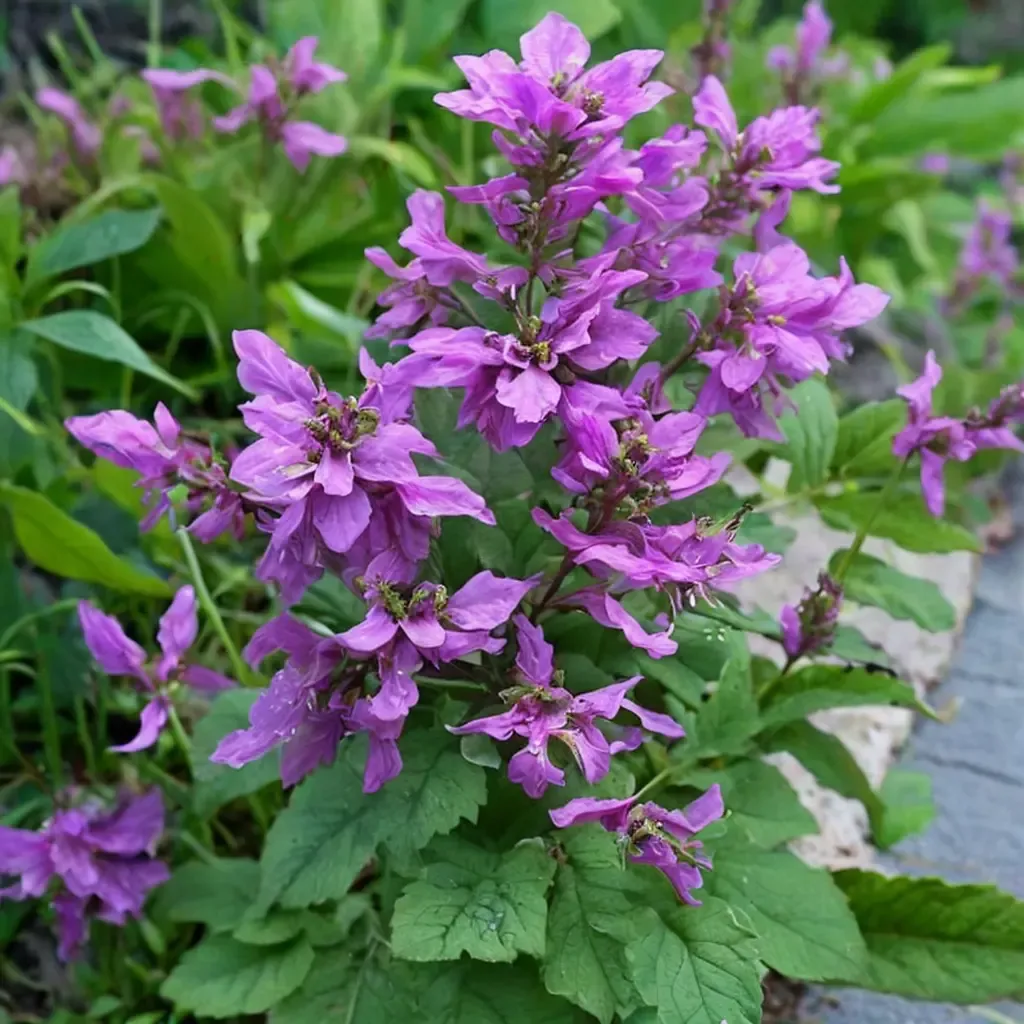
Big Betony 'Superba'
Stachys macrantha 'Superba'
Keep exploring
Explore the genus
Hardy in your zone?
Grow Hedge Woundwort with confidence
See it in a design of your actual yard, get zone-matched care reminders, and track it season by season in your garden journal.