The Story
Plant Bio
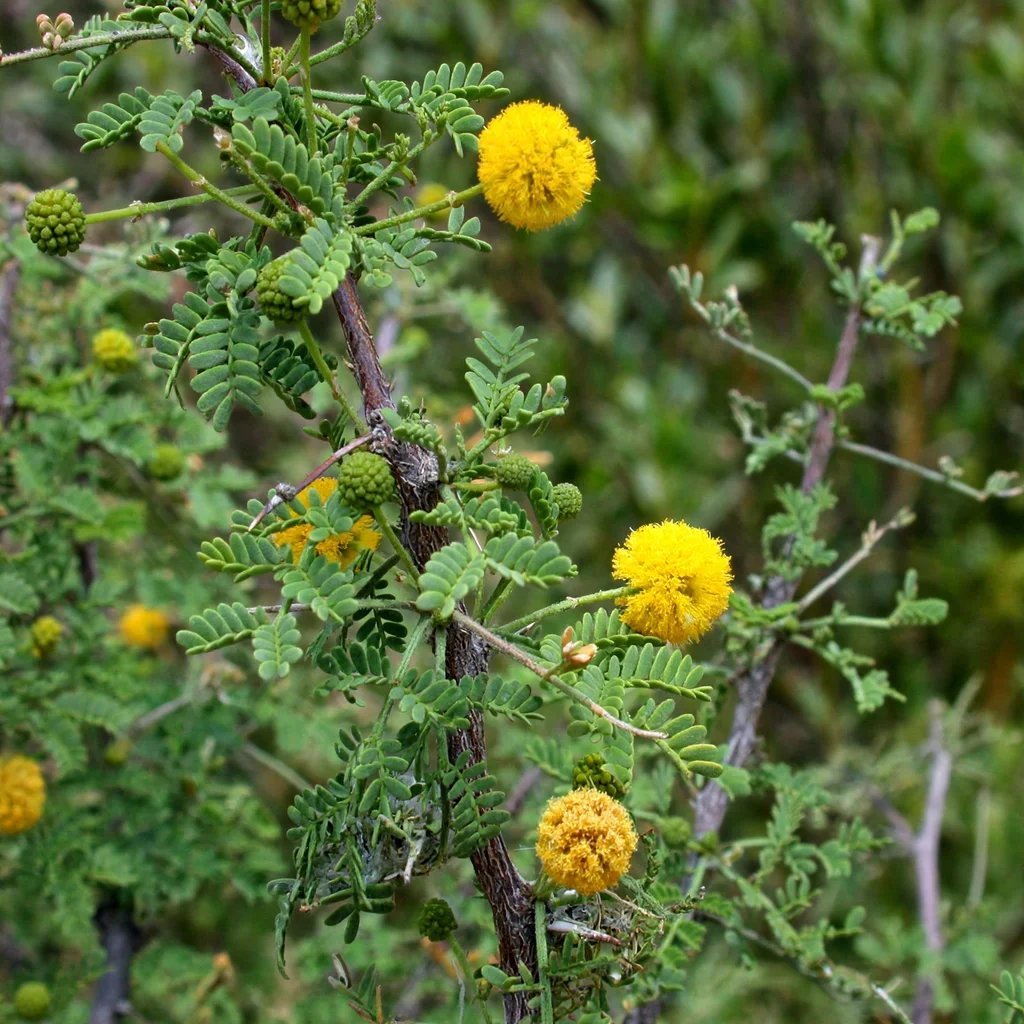
Vachellia constricta, still sold as Acacia constricta, is a multi-stemmed drought-deciduous shrub to small tree reaching 9 to 15 feet with straight paired spines 3 to 6 mm long on purplish branchlets. Its alternate leaves are finely pinnate, 1 to 2 inches long with three to six pairs of thick green leaflets that drop in dry seasons.
It blooms in dense fragrant balls about half an inch across, bright yellow to yellow-orange, followed by narrow beans that ripen bright red. Extrafloral nectaries on the leaves feed ants, and wild thornless individuals occur, though nursery stock is armed and trains readily to a single trunk or barrier hedge.
Uses & Benefits:
Essentials
At a Glance
Plant Type
Shrub
Height
120"
Width
180"
Light
Full Sun
Zones
6, 7, 8, 9, 10
Water
Low
Humidity
Low
Lifespan
Long-lived woody perennial
Native To
Arizona, New Mexico, Texas to Oaxaca, Mexico
Toxicity
Unknown
Bloom period
Spring – Summer
In flower about 6 months of the year
Planting
How to Grow
- Plant in full hot sun in sandy, rocky or caliche soil with sharp drainage.
- Dig the hole no deeper than the rootball and backfill with native soil only.
- Water deeply at planting, then taper to occasional deep soakings the first summer.
- Withhold routine irrigation once established and prune to shape after bloom.
Pro Tip
Set it high in lean, well-drained alkaline soil and keep summer water off once established; overwatering produces soft growth and invites mistletoe.
Keep It Thriving
Care Guide
Do
- Grow in full sun and dry, alkaline, well-drained ground.
- Allow leaf drop in drought; it leafs out again with moisture.
- Prune to a small tree form or clip as an armed barrier hedge.
Don't
- Do not overwater or plant in wet clay; it invites weak growth and mistletoe.
- Do not shear into old bare wood expecting fast regrowth.
- Do not expect hummingbird use; the flowers are small bee-pollinated balls.
Seasonal Care Calendar
| Task | Jan | Feb | Mar | Apr | May | Jun | Jul | Aug | Sep | Oct | Nov | Dec |
|---|---|---|---|---|---|---|---|---|---|---|---|---|
| Pest Check | ||||||||||||
| Plant | ||||||||||||
| Propagate | ||||||||||||
| Prune |
Watch Out For
Pests & Diseases
Common Pests
Common Diseases
In the Garden
Landscape Uses & Companions
Landscape Uses
Multiply
Propagation Methods
Good to Know
Common Questions
Whitethorn Acacia questions
What zones can Whitethorn Acacia grow in?
Whitethorn Acacia is hardy in USDA Zones 6–10: in that range it survives winter in the ground. Colder than Zone 6, grow it in a container you can move to shelter for the winter.
Is Whitethorn Acacia deer resistant?
Not reliably. Deer may browse Whitethorn Acacia, especially tender spring growth — plan on repellents or fencing where pressure is high.
When does Whitethorn Acacia bloom?
Whitethorn Acacia typically blooms from spring to summer. Exact timing shifts a week or two with your zone — Sow's bloom calendar maps it to your garden.
Does Whitethorn Acacia need full sun?
Whitethorn Acacia does best in full sun (6+ hours).
Is Whitethorn Acacia drought tolerant?
Yes — once established (usually after the first full season), Whitethorn Acacia handles dry spells with minimal watering. Water deeply its first year to build the root system that makes that possible.
More Acacia to compare
Silver wattle
Acacia dealbata
Cootamundra Wattle 'Purpurea'
Acacia baileyana 'Purpurea'
Pearl Acacia
Acacia podalyriifolia
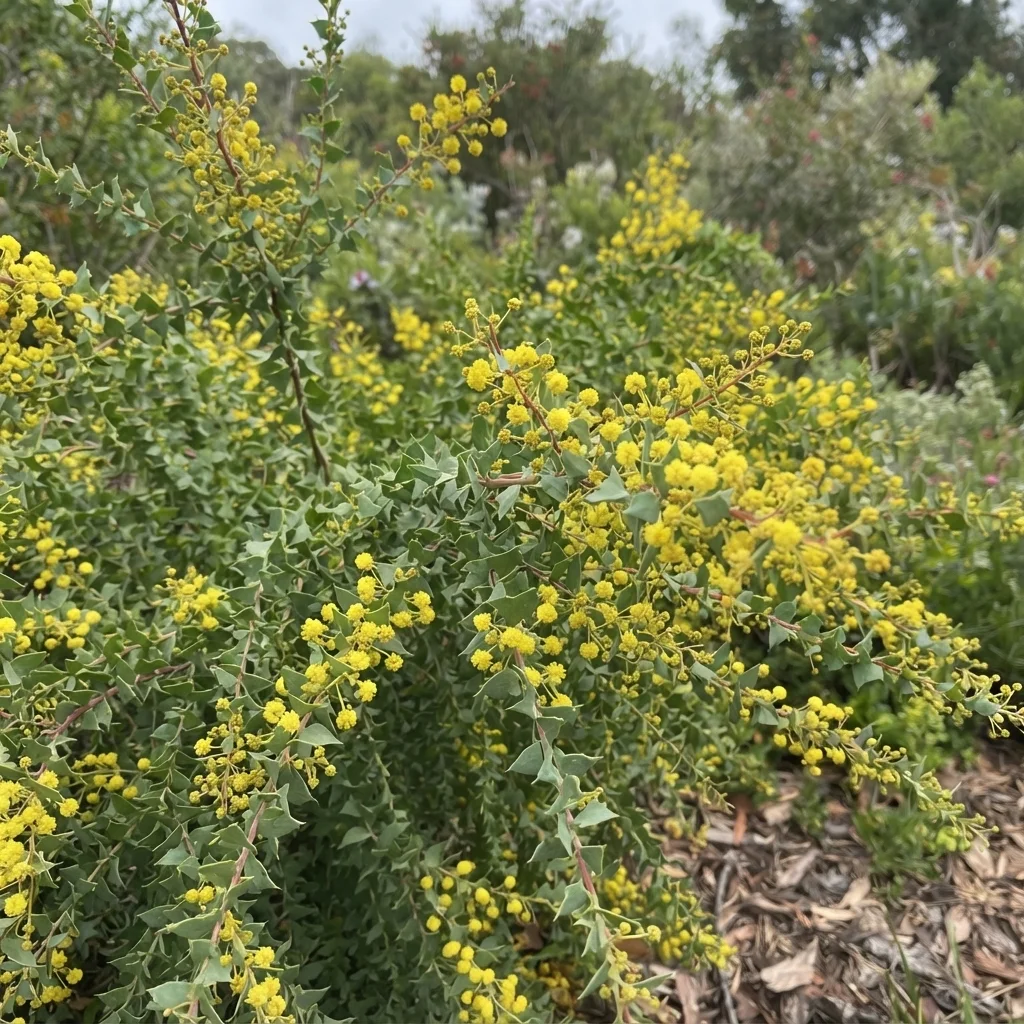
Ovens Wattle
Acacia pravissima
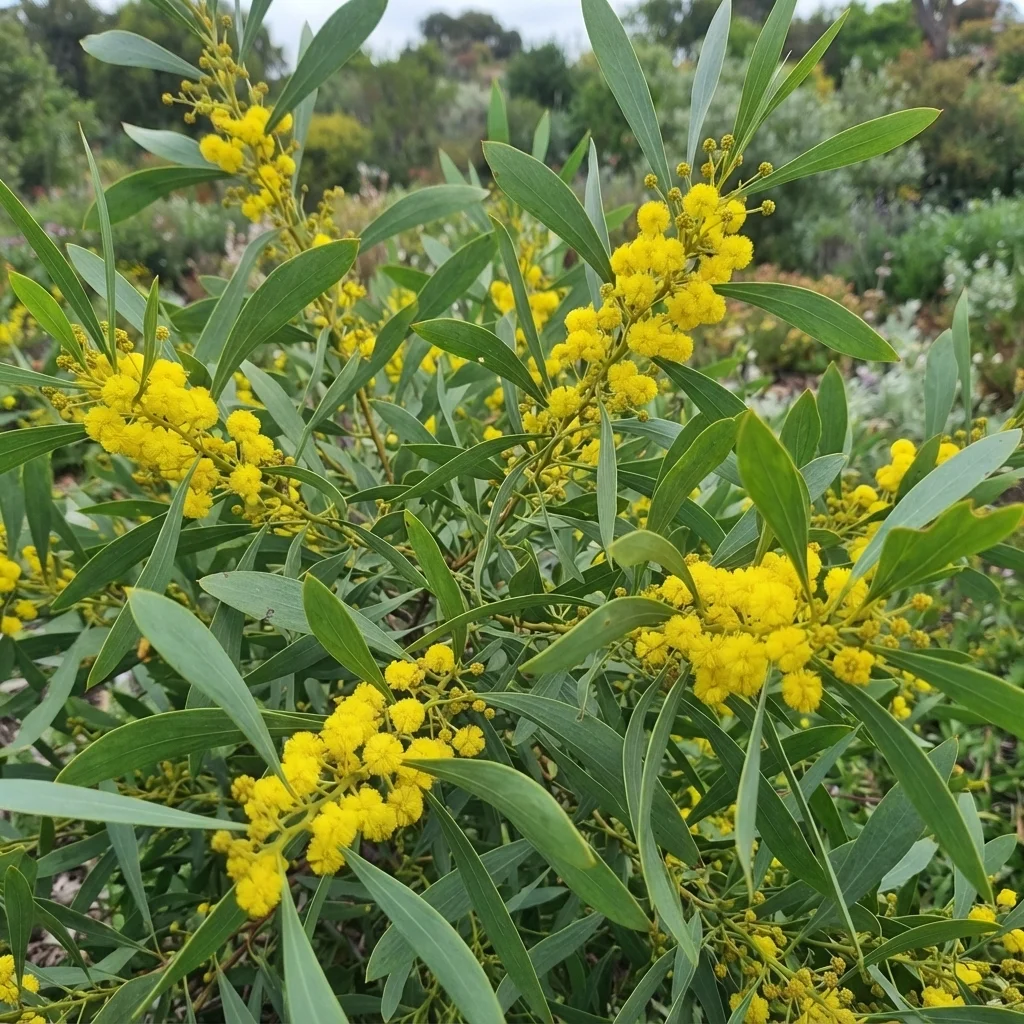
Golden Wreath Wattle
Acacia saligna
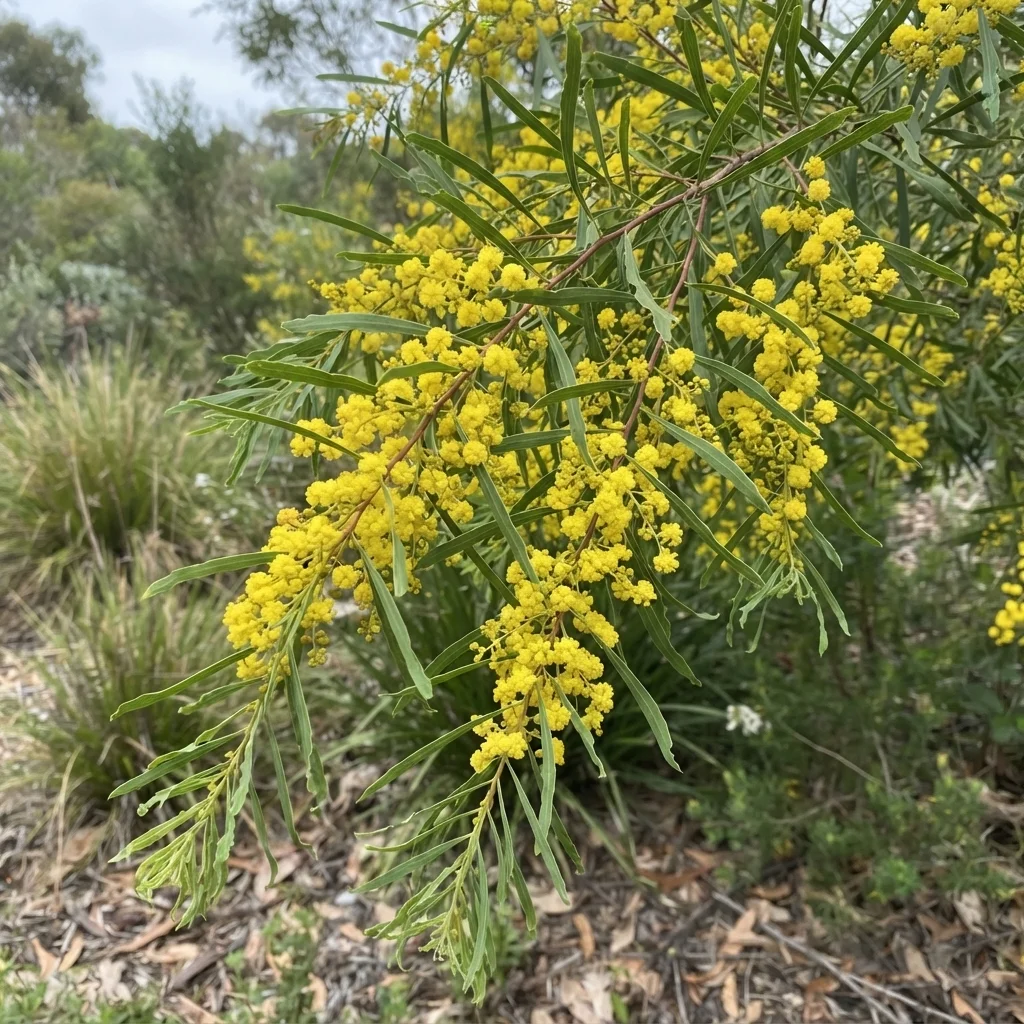
Fringed Wattle
Acacia fimbriata
Keep exploring
Explore the genus
Hardy in your zone?
Grow Whitethorn Acacia with confidence
See it in a design of your actual yard, get zone-matched care reminders, and track it season by season in your garden journal.