The Story
Plant Bio
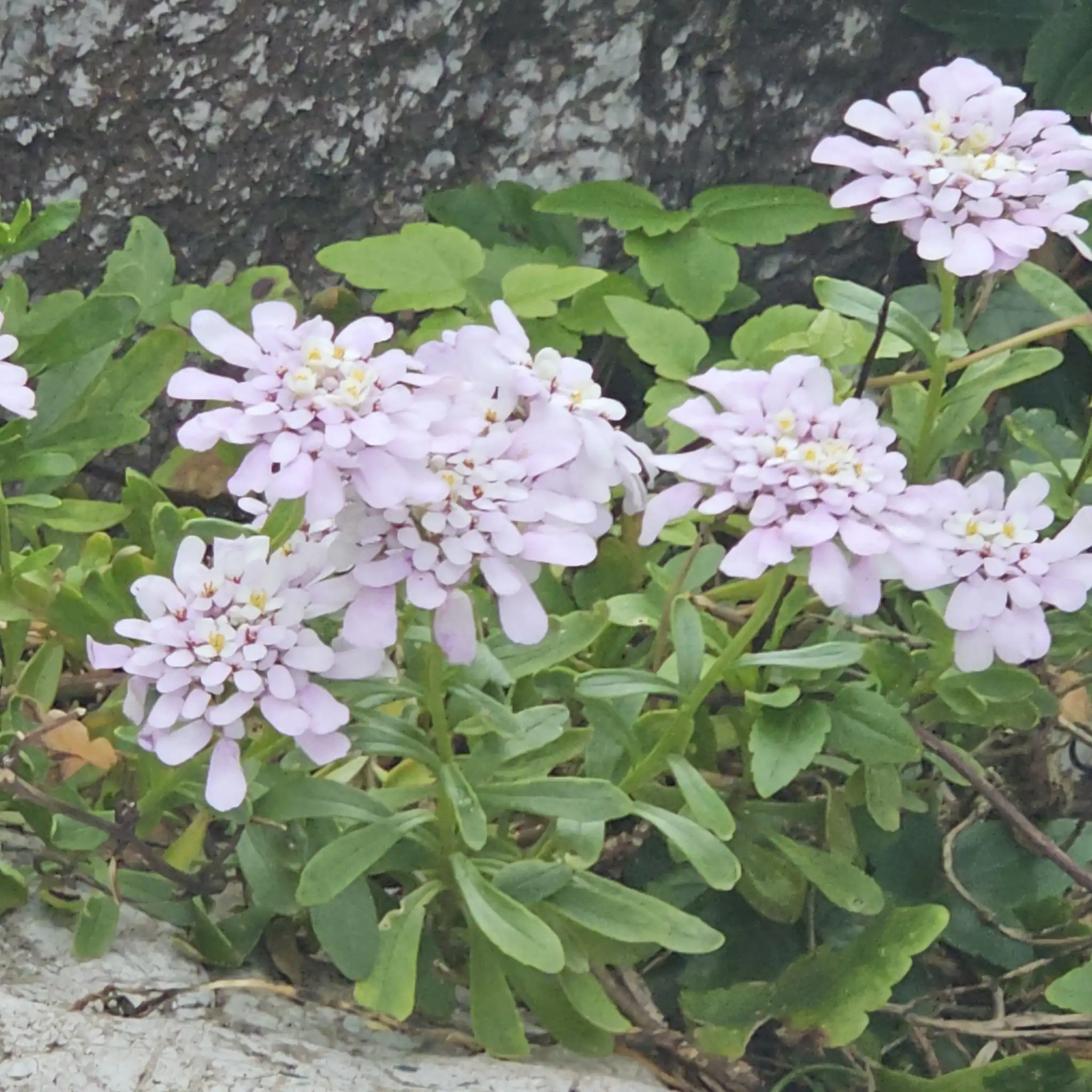
Iberis gibraltarica is a low evergreen subshrub from limestone cliffs in southern Spain and northern Morocco, forming a flat-topped mound six to twelve inches high with half-woody, arching stems. The dark gray-green leaves are linear to spoon-shaped with toothed tips and persist through winter in tight clumps.
It differs from common evergreen candytuft by its larger, looser habit and pale lilac flowers that fade almost white, carried in dense rounded corymbs up to three inches across in late spring. The blooms are scented and open from violet buds, giving the whole cushion a two-tone effect at peak.
Uses & Benefits:
Essentials
At a Glance
Plant Type
Perennial
Height
12"
Width
12"
Light
Full Sun, Partial Sun
Zones
5, 6, 7, 8, 9
Water
Low
Humidity
Tolerant
Lifespan
Perennial
Native To
Southern Spain and Morocco
Toxicity
Unknown - not edible
Bloom period
Late spring – Early summer
In flower about 2 months of the year
Planting
How to Grow
- Choose full sun with sharp drainage; plants bloom poorly in shade and rot in wet soil.
- Work limestone chips or coarse grit into neutral to alkaline soil and plant at the same depth as in the pot.
- Water to settle in, then water sparingly at the base and never let the crown sit wet.
- Shear lightly immediately after spring bloom to keep the mound tight and encourage a second flush.
- Top-dress with gravel rather than rich organic mulch and feed only lightly in spring.
Pro Tip
Trim lightly just behind the spent flower heads; stems cut back into old bare wood fail to break.
Keep It Thriving
Care Guide
Do
- Plant in full sun in poor, rocky, well-drained soil.
- Shear lightly right after bloom to keep growth compact.
- Water at the base and allow soil to dry between waterings.
Don't
- Do not overwater or overfeed; both cause leggy growth and crown rot.
- Do not cut back into old leafless wood; it does not resprout.
- Do not pile wet mulch against the crown over winter.
Seasonal Care Calendar
| Task | Jan | Feb | Mar | Apr | May | Jun | Jul | Aug | Sep | Oct | Nov | Dec |
|---|---|---|---|---|---|---|---|---|---|---|---|---|
| Fertilize | ||||||||||||
| Pest Check | ||||||||||||
| Plant | ||||||||||||
| Prune | ||||||||||||
| Winter Prep |
Watch Out For
Pests & Diseases
Common Pests
Common Diseases
In the Garden
Landscape Uses & Companions
Landscape Uses
Multiply
Propagation Methods
Good to Know
Common Questions
Gibraltar Candytuft questions
What zones can Gibraltar Candytuft grow in?
Gibraltar Candytuft is hardy in USDA Zones 5–9: in that range it survives winter in the ground. Colder than Zone 5, grow it in a container you can move to shelter for the winter, or as an annual. Warmer than Zone 9, winter isn't the problem: it prefers colder winters, and summer heat can shorten its life.
Is Gibraltar Candytuft deer resistant?
Yes — Gibraltar Candytuft is rated deer-resistant. Deer typically pass it over, though extreme hunger can override any plant's defenses.
When does Gibraltar Candytuft bloom?
Gibraltar Candytuft typically blooms from late spring to early summer. Exact timing shifts a week or two with your zone — Sow's bloom calendar maps it to your garden.
Does Gibraltar Candytuft need full sun?
Gibraltar Candytuft does best in full sun to part shade. In hot climates, afternoon shade keeps blooms fresher longer.
Is Gibraltar Candytuft drought tolerant?
Yes — once established (usually after the first full season), Gibraltar Candytuft handles dry spells with minimal watering. Water deeply its first year to build the root system that makes that possible.
More Iberis to compare
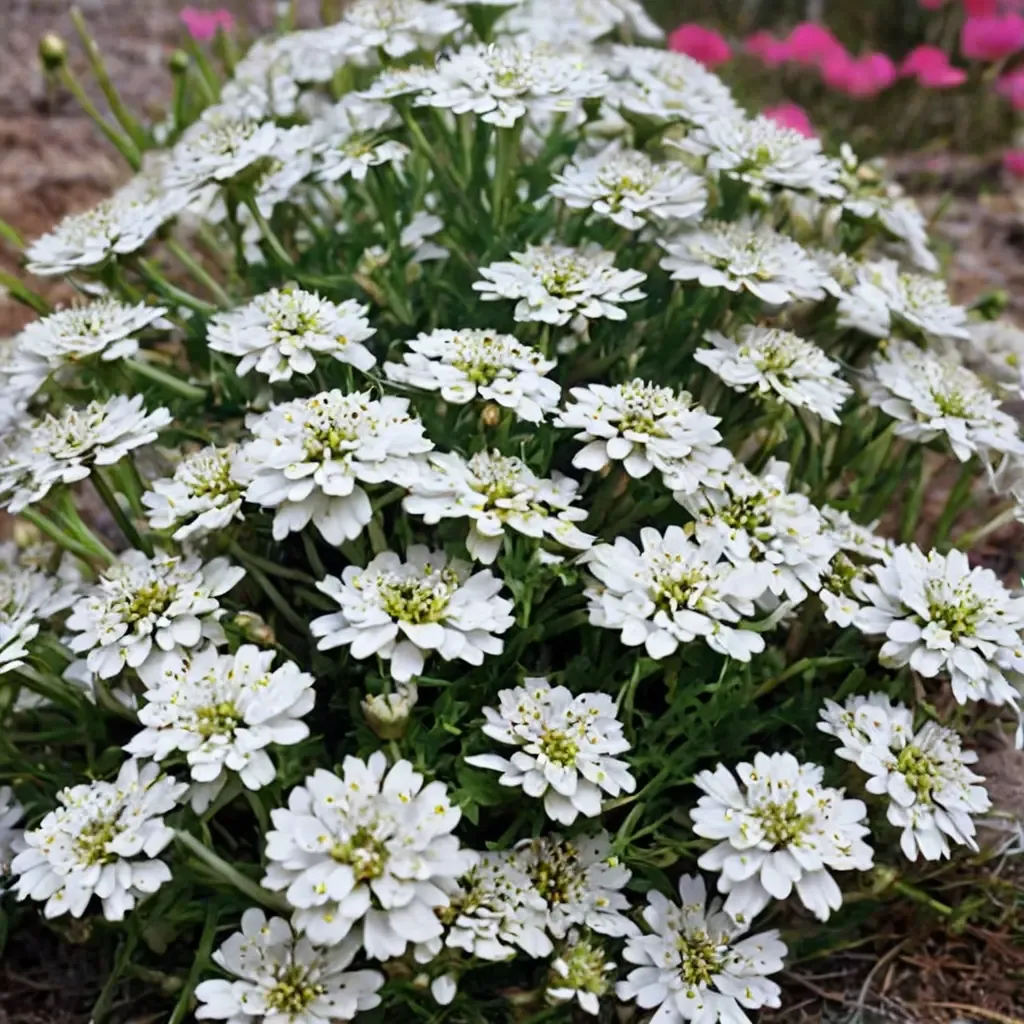
Autumn Beauty Candytuft
Iberis sempervirens 'Autumn Beauty'
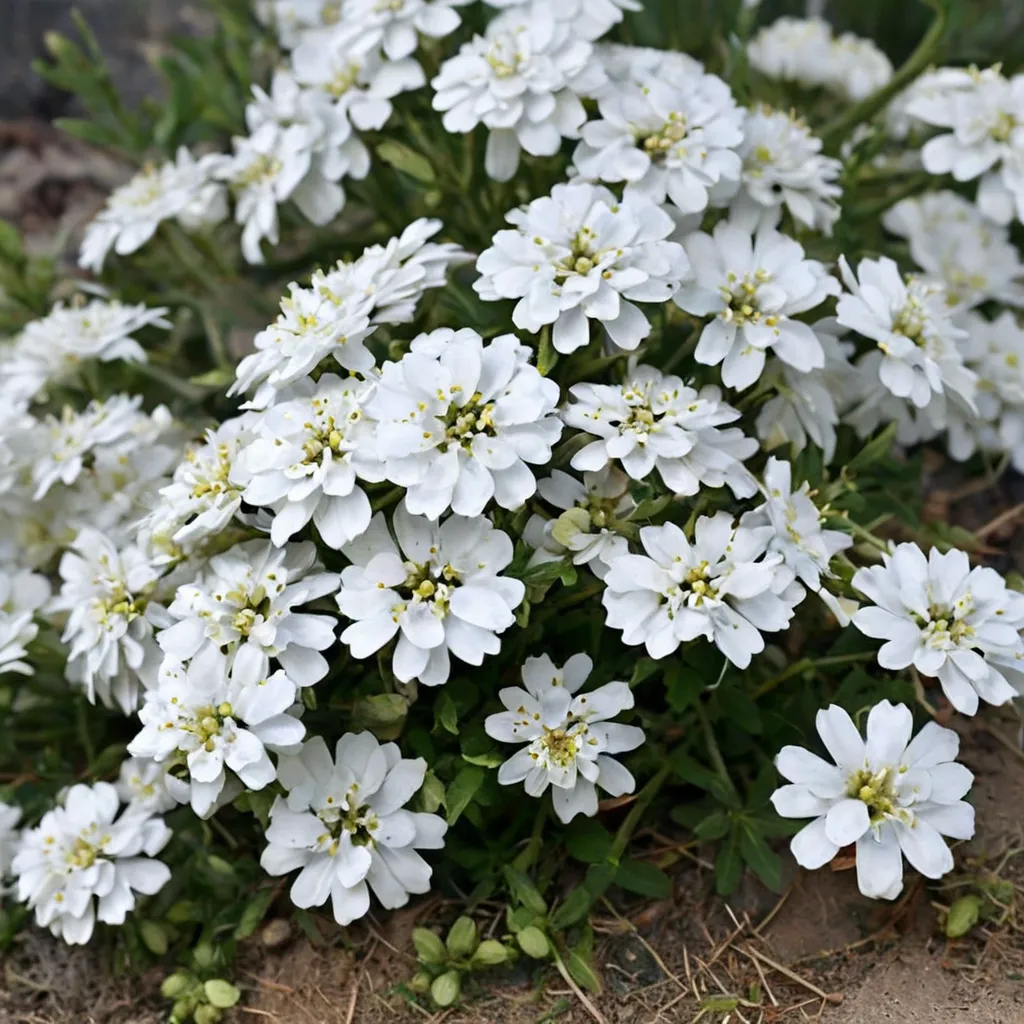
Snowsation Evergreen Candytuft
Iberis sempervirens 'Snowsation'
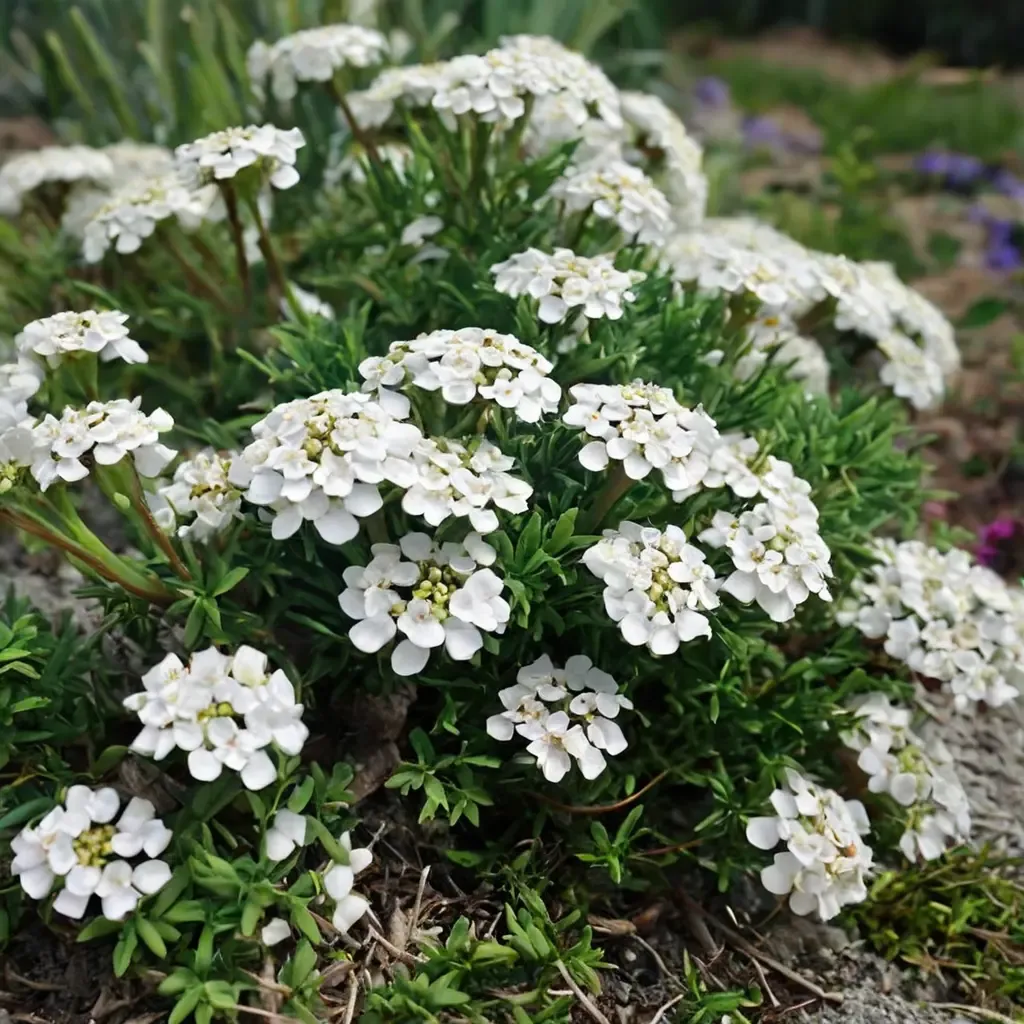
Evergreen Candytuft
Iberis sempervirens
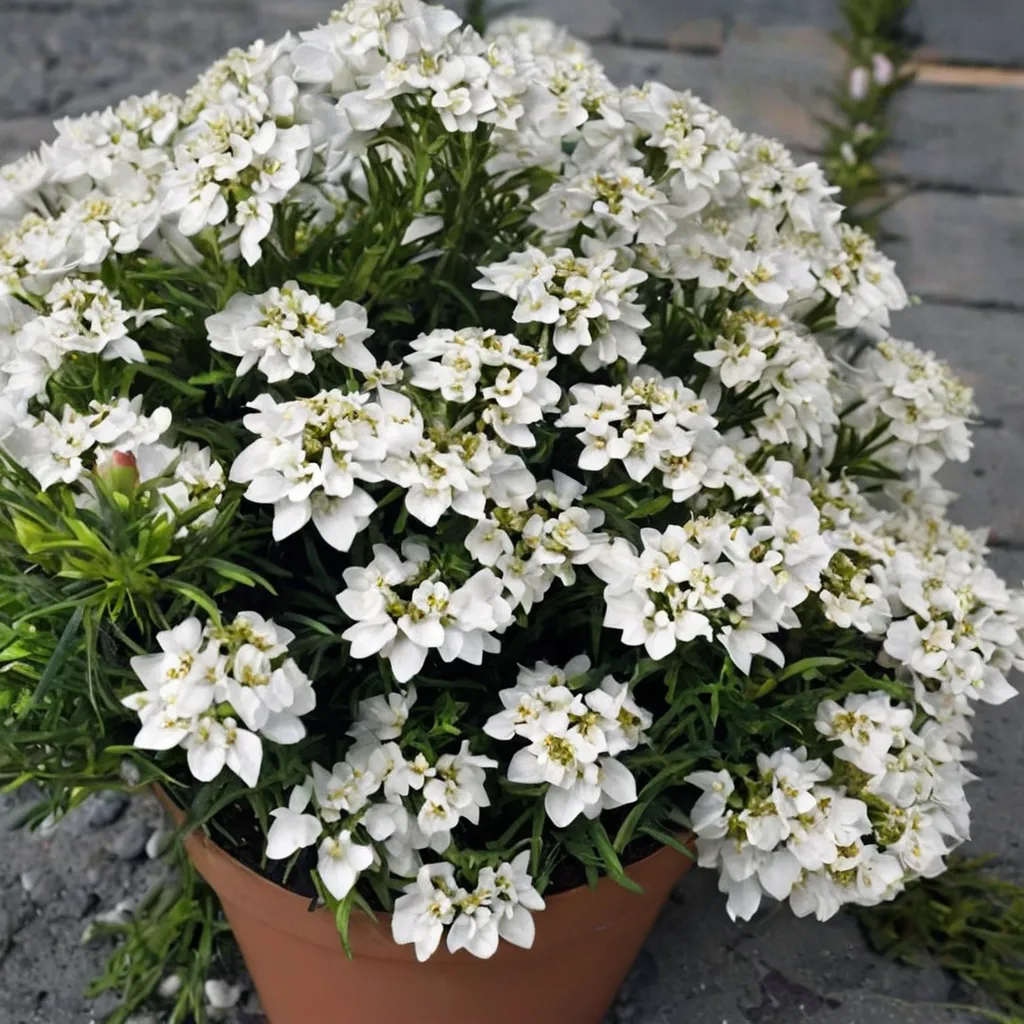
Snow Cone Candytuft
Iberis sempervirens 'Snow Cone'
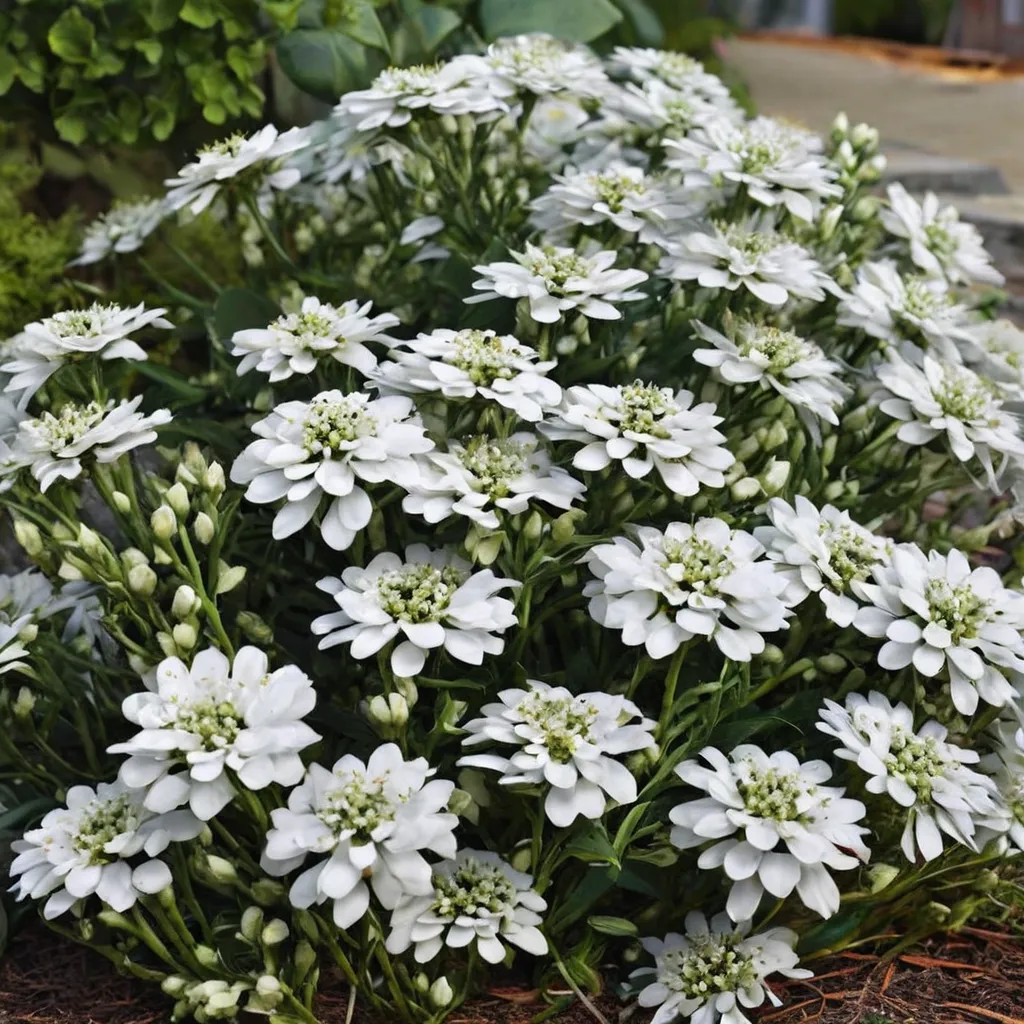
'Snowsurfer Forte' Candytuft
Iberis sempervirens 'Snowsurfer Forte'
Keep exploring
Explore the genus
Hardy in your zone?
Grow Gibraltar Candytuft with confidence
See it in a design of your actual yard, get zone-matched care reminders, and track it season by season in your garden journal.