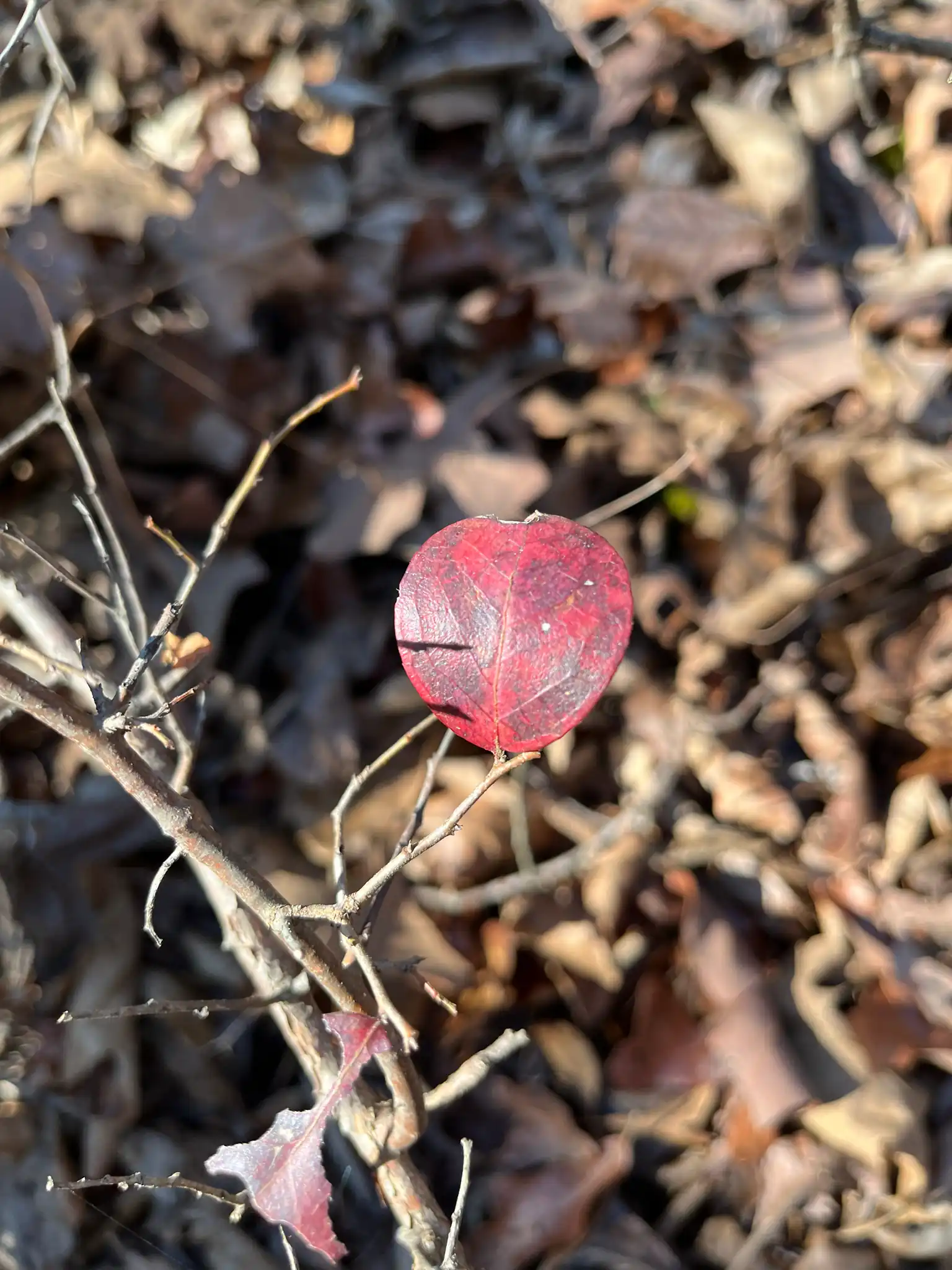
The Story
Plant Bio
Vaccinium arboreum is a multi-stemmed deciduous to semi-evergreen shrub or small crooked tree native to dry, sandy, or rocky woodlands of the southeastern and south-central United States. In spring, it produces short racemes of small, nodding, white bell-shaped flowers that mature into glossy black, persistent berries.
Unlike most members of the genus, this species exhibits a notable tolerance for slightly alkaline or calcareous soils and thrives in dry, well-drained conditions. It is highly valued for its winter interest, featuring a naturally contorted, sculptural branching habit and exfoliating cinnamon-colored bark.
Uses & Benefits:
Essentials
At a Glance
Plant Type
Shrub
Height
118"
Width
78"
Light
Full Sun, Partial Sun
Zones
7, 8, 9
Water
Low to moderate
Humidity
High
Lifespan
Long-lived
Native To
North America
Toxicity
Non-toxic
Bloom period
Spring – Early summer
In flower about 4 months of the year
Planting
How to Grow
- Select a planting site with sandy, sandy loam, or rocky soil that drains rapidly.
- Position the plant in full sun to partial shade to ensure strong structural branching and optimal flowering.
- Dig a hole twice as wide as the root ball and set the plant at the same depth as it was in the container.
- Water thoroughly at planting, then maintain moderate moisture until the root system is fully established.
Pro Tip
Avoid treating this species like a traditional highbush blueberry; it requires dry, well-drained root zones and responds poorly to heavy annual shearing or aggressive pruning into old bare wood.
Keep It Thriving
Care Guide
Do
- Apply an organic acidic mulch in spring to help maintain soil conditions if growth appears sluggish.
- Prune in late winter to shape the structural trunk or remove dead, crossing, or damaged branches.
- Ensure the soil drains completely, as the root system is highly intolerant of prolonged waterlogging.
Don't
- Do not shear or hedge the plant annually, which destroys its naturally contorted, sculptural habit.
- Do not cut aggressively back into old, leafless bare wood, as it will not regenerate well.
- Do not plant in heavy, poorly drained clay soils where water tends to collect.
Seasonal Care Calendar
| Task | Jan | Feb | Mar | Apr | May | Jun | Jul | Aug | Sep | Oct | Nov | Dec |
|---|---|---|---|---|---|---|---|---|---|---|---|---|
| Fertilize | ||||||||||||
| Mulch | ||||||||||||
| Pest Check | ||||||||||||
| Prune |
Watch Out For
Pests & Diseases
Common Pests
Common Diseases
In the Garden
Landscape Uses & Companions
Landscape Uses
Companion Plants
Multiply
Propagation Methods
Good to Know
Common Questions
Farkleberry questions
What zones can Farkleberry grow in?
Farkleberry is hardy in USDA Zones 7–9. Inside that range it survives winter in the ground; outside it, grow it as an annual or a container plant you protect.
Is Farkleberry deer resistant?
Not reliably. Deer may browse Farkleberry, especially tender spring growth — plan on repellents or fencing where pressure is high.
When does Farkleberry bloom?
Farkleberry typically blooms in spring through early summer. Exact timing shifts a week or two with your zone — Sow's bloom calendar maps it to your garden.
Does Farkleberry need full sun?
Farkleberry does best in full sun to part shade. In hot climates, afternoon shade keeps blooms fresher longer.
Is Farkleberry drought tolerant?
Yes — once established (usually after the first full season), Farkleberry handles dry spells with minimal watering. Water deeply its first year to build the root system that makes that possible.
More Vaccinium to compare
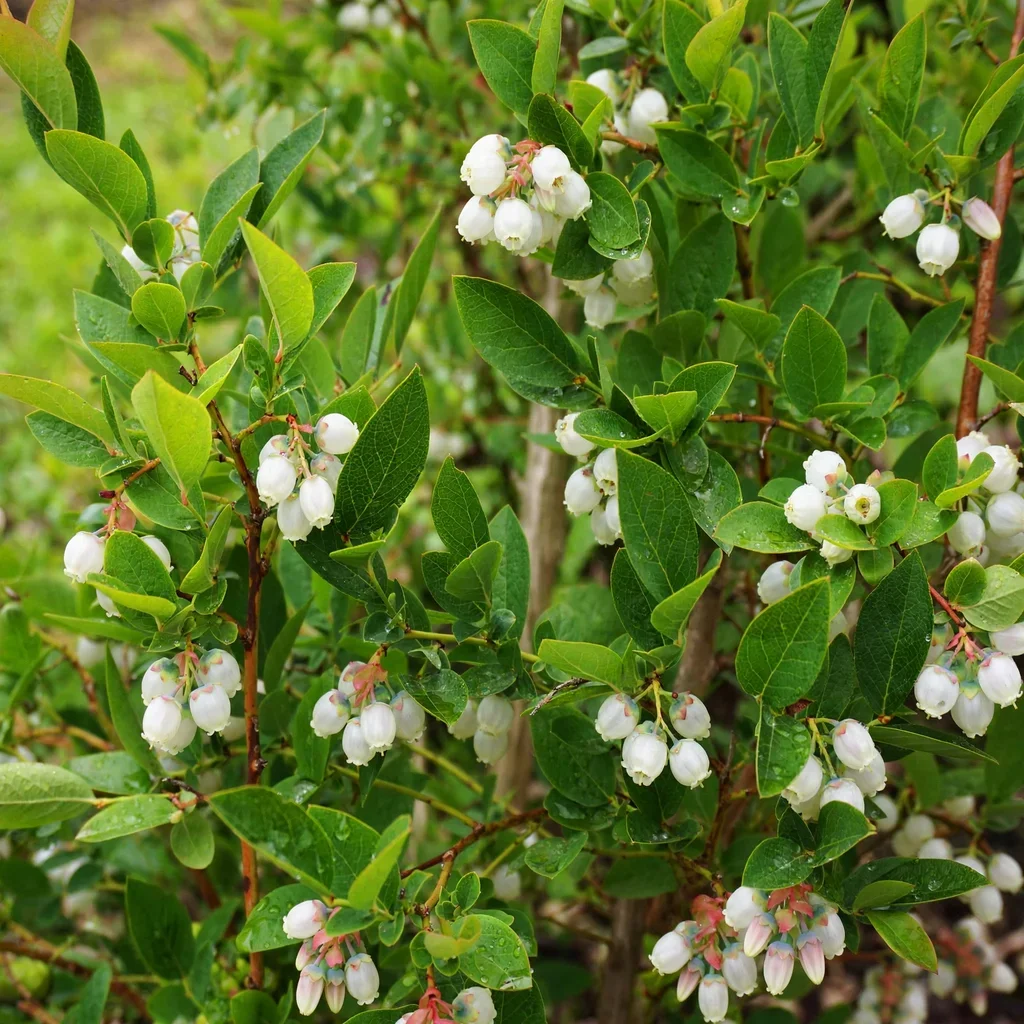
Highbush Blueberry
Vaccinium corymbosum
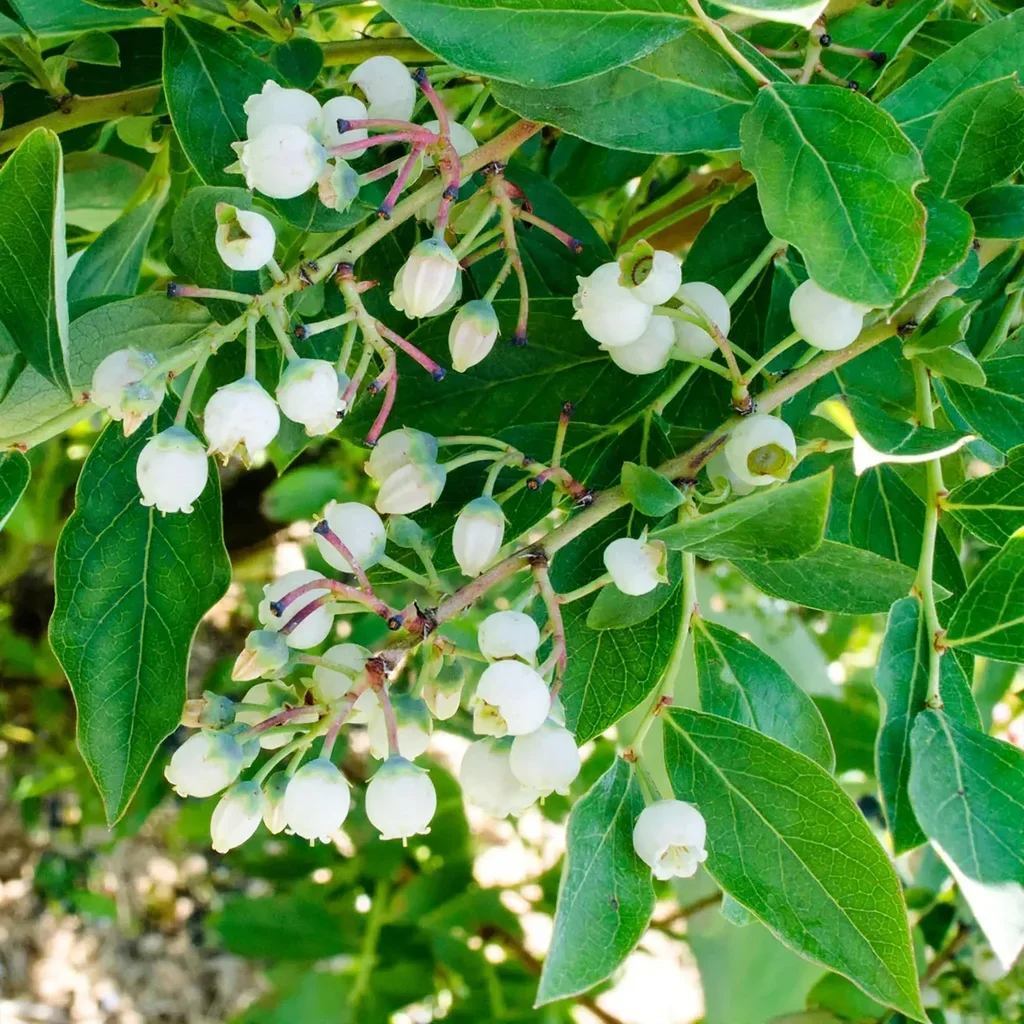
Echo Blueberry
Vaccinium corymbosum 'Echo'
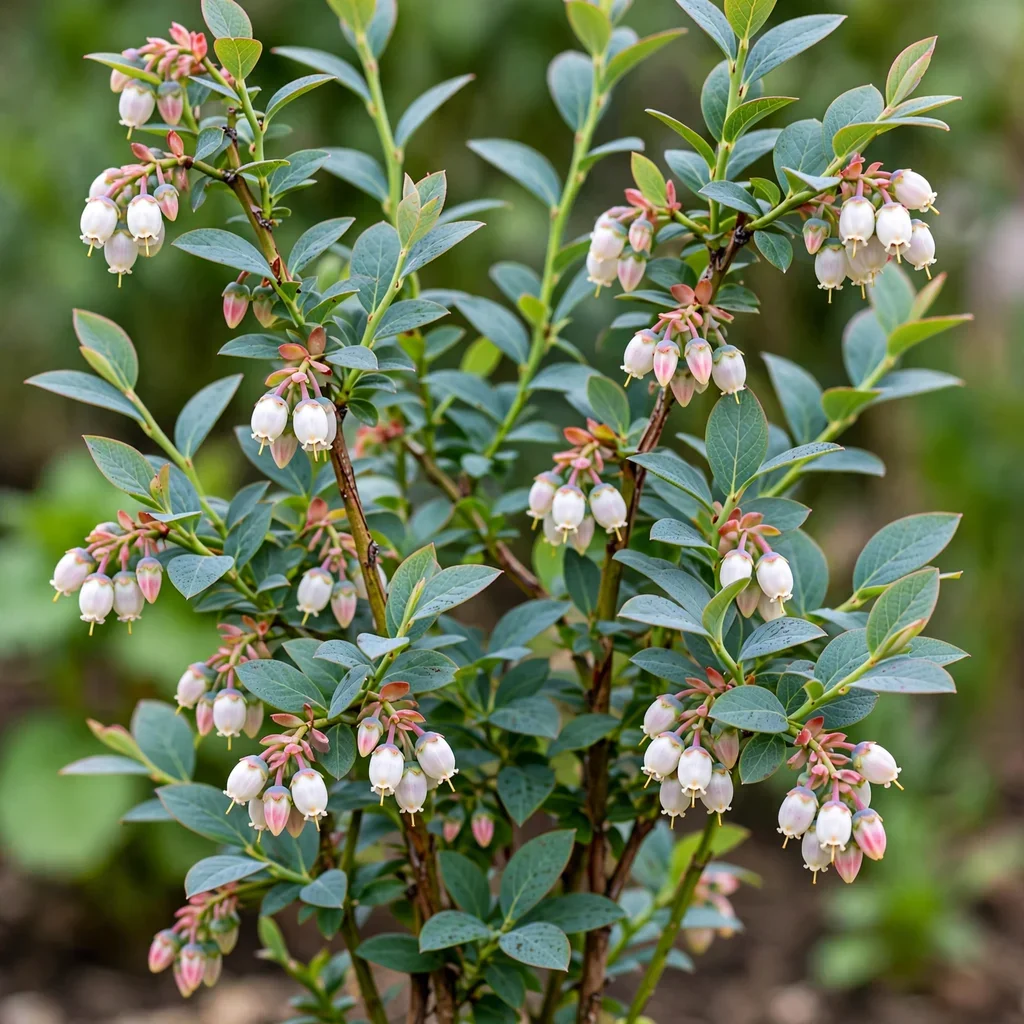
Sunshine Blue Blueberry
Vaccinium corymbosum 'Blueberry Sunshine Blue'
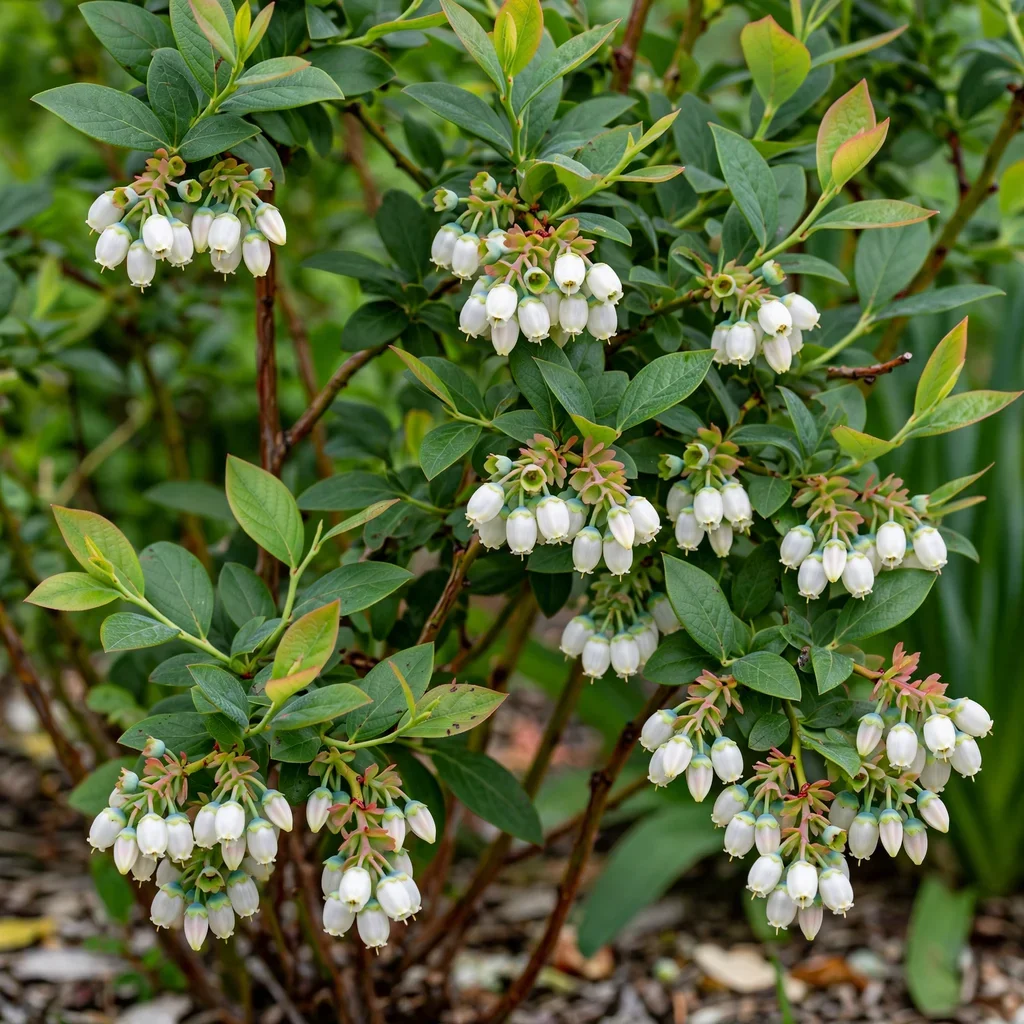
Chandler Blueberry
Vaccinium corymbosum 'Chandler'
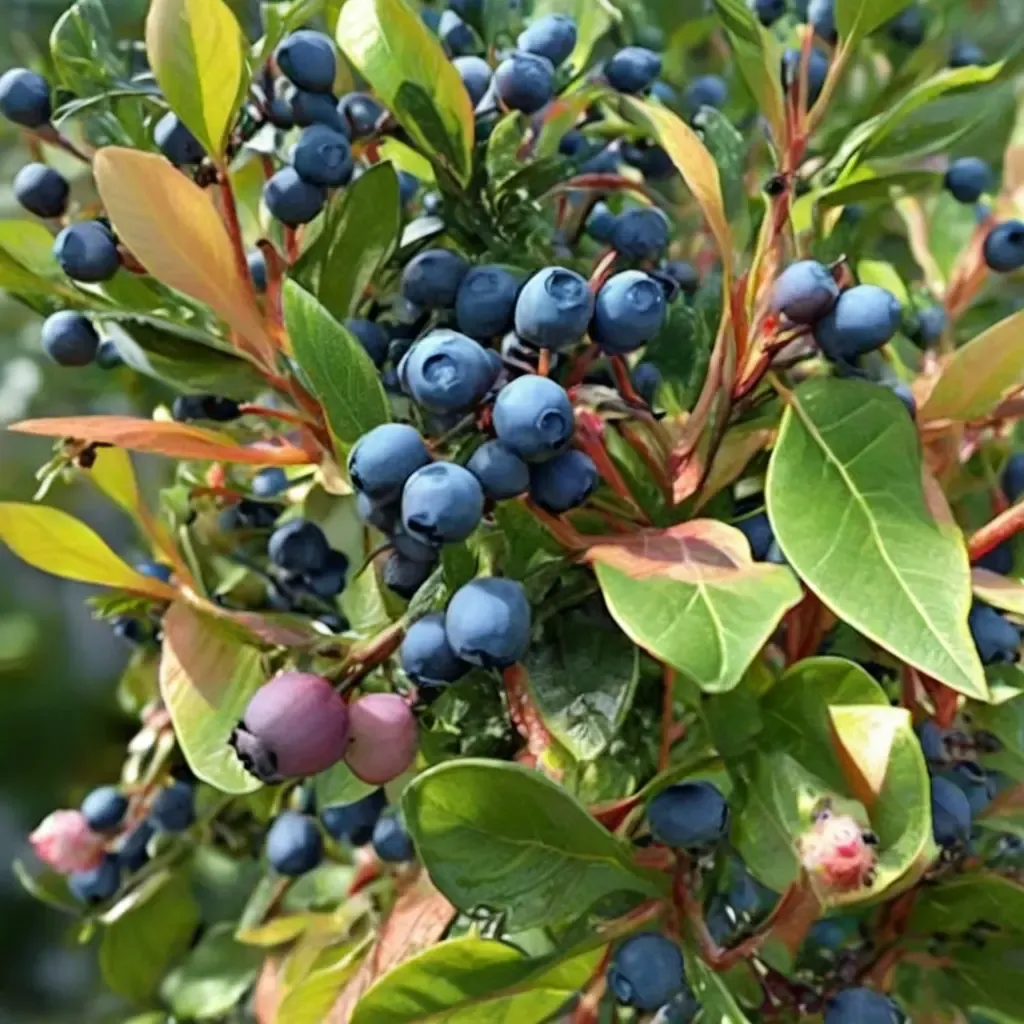
Bonus Blueberry
Vaccinium corymbosum 'Bonus'
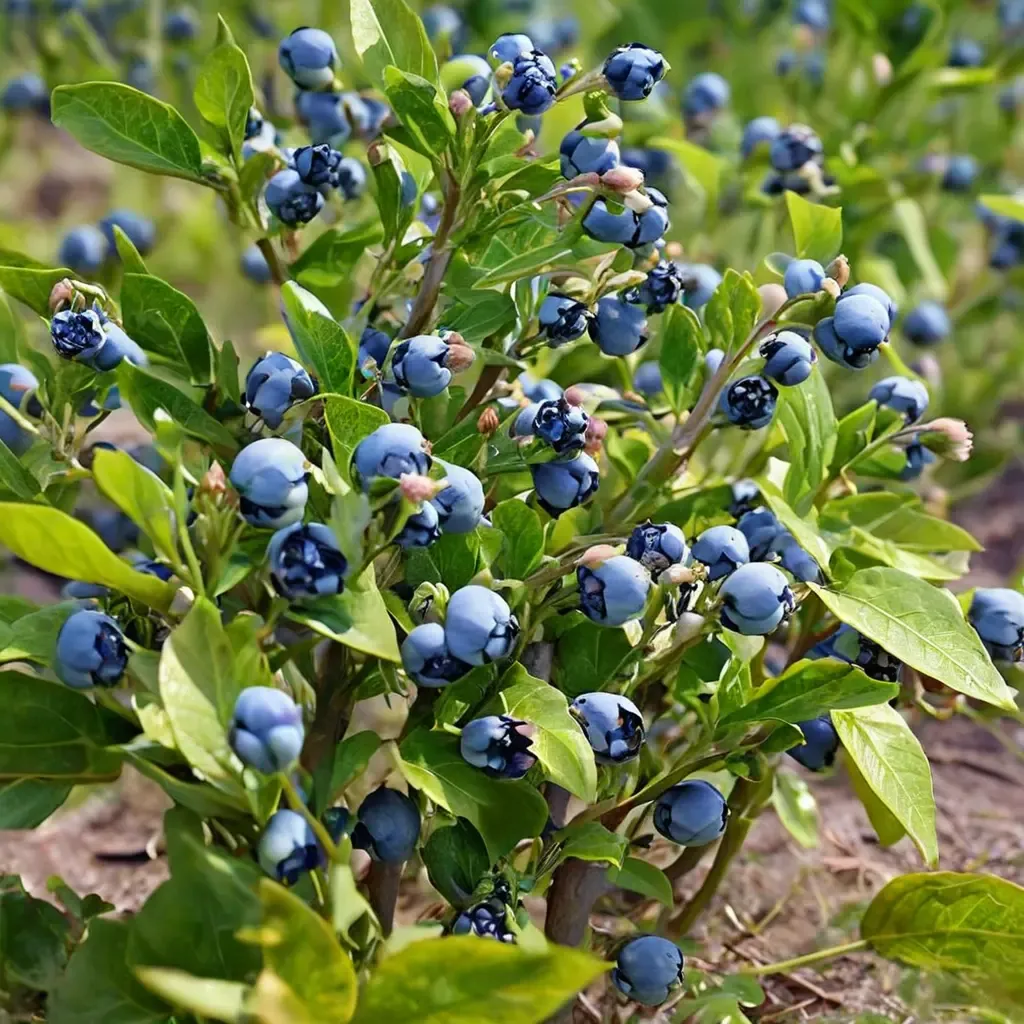
Duke blueberry
Vaccinium corymbosum 'Duke'
Keep exploring
Explore the genus
Hardy in your zone?
Grow Farkleberry with confidence
See it in a design of your actual yard, get zone-matched care reminders, and track it season by season in your garden journal.