The Story
Plant Bio
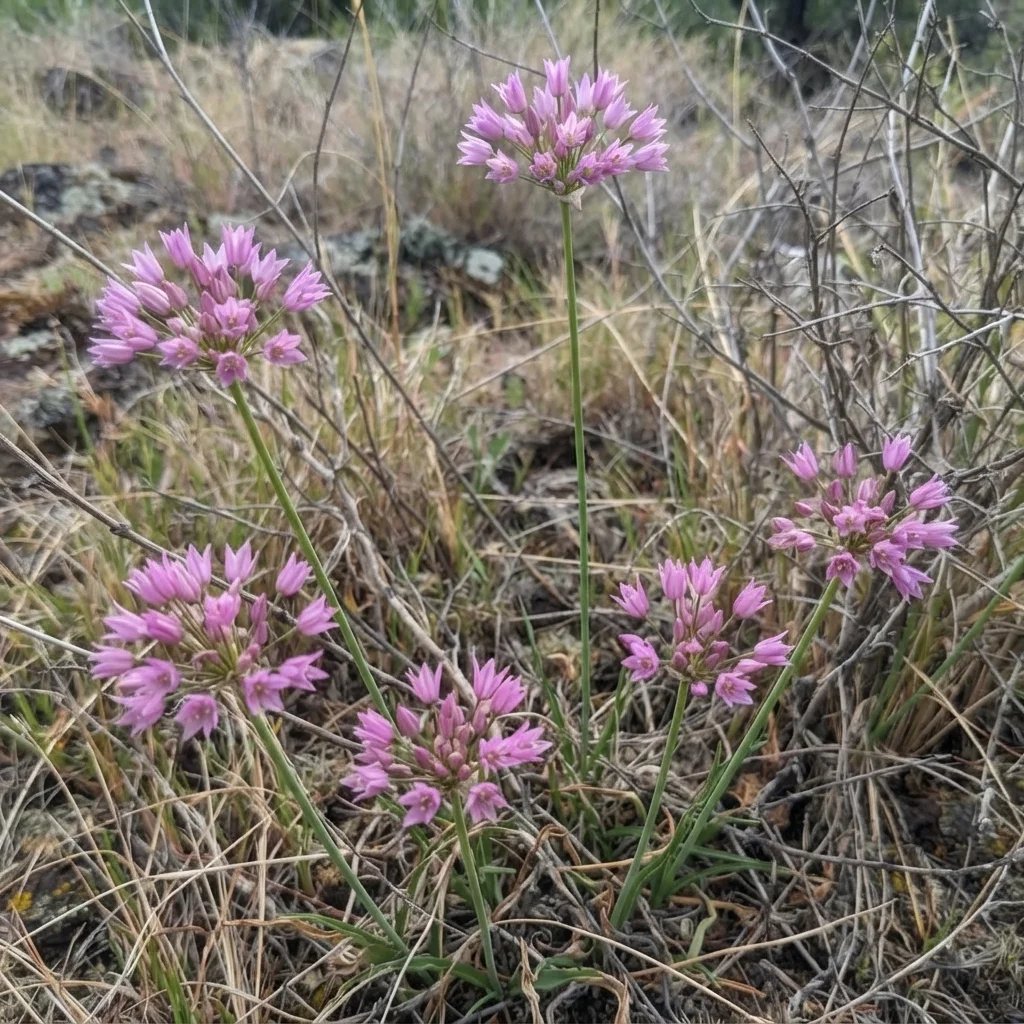
Allium acuminatum, commonly known as tapertip onion, is a bulbous perennial native to dry open habitats across western North America. In late spring, slender leafless stems rise up to fourteen inches high, topped by compact rounded clusters of deep pink to rose-purple flowers.
The blossoms are distinguished by long-tapering, recurved tepal tips that create a starry effect within each umbel. The narrow channelled foliage shrivels away before peak bloom, leaving the showy flower heads standing cleanly on bare scapes during early summer.
Uses & Benefits:
Essentials
At a Glance
Plant Type
Bulb Corm Tuber
Height
14"
Width
6"
Light
Full Sun
Zones
5, 6, 7, 8, 9
Water
Low
Humidity
Low to Moderate
Lifespan
Perennial
Native To
North America
Toxicity
Mildly toxic to pets and humans if ingested in quantity
Bloom period
Late spring – Early summer
In flower about 2 months of the year
Planting
How to Grow
- Select a planting location in full sun with gritty, fast-draining soil or sharp clay on a slope.
- Plant dormant bulbs in fall three inches deep and four inches apart with the pointed tip facing upward.
- Water lightly at planting to settle the soil, then rely on natural winter moisture for root establishment.
- Allow the foliage to dry out completely in summer without applying supplemental irrigation.
Pro Tip
Withhold all supplemental watering once foliage turns yellow in early summer; summer moisture in garden beds will rot the dormant bulbs.
Keep It Thriving
Care Guide
Do
- Provide full sun to keep flowering stems upright and sturdy.
- Ensure exceptional soil drainage, especially during the summer dormancy period.
- Let green foliage die back naturally to feed the bulb for next season's bloom.
Don't
- Do not water planting beds during summer rest when foliage has yellowed.
- Do not trim off green leaves before they completely shrivel.
- Do not plant in soggy, heavy soils without adding grit or planting on a gravelly slope.
Seasonal Care Calendar
| Task | Jan | Feb | Mar | Apr | May | Jun | Jul | Aug | Sep | Oct | Nov | Dec |
|---|---|---|---|---|---|---|---|---|---|---|---|---|
| Deadhead | ||||||||||||
| Divide | ||||||||||||
| Plant | ||||||||||||
| Spring Cleanup |
Watch Out For
Pests & Diseases
Common Pests
Common Diseases
In the Garden
Landscape Uses & Companions
Landscape Uses
Multiply
Propagation Methods
Good to Know
Common Questions
Tapertip Onion questions
What zones can Tapertip Onion grow in?
Tapertip Onion is hardy in USDA Zones 5–9: in that range it survives winter in the ground. Colder than Zone 5, grow it in a container you can move to shelter for the winter, or as an annual. Warmer than Zone 9, winter isn't the problem: it prefers colder winters, and summer heat can shorten its life.
Is Tapertip Onion deer resistant?
Yes — Tapertip Onion is rated deer-resistant. Deer typically pass it over, though extreme hunger can override any plant's defenses.
When does Tapertip Onion bloom?
Tapertip Onion typically blooms from late spring to early summer. Exact timing shifts a week or two with your zone — Sow's bloom calendar maps it to your garden.
Does Tapertip Onion need full sun?
Tapertip Onion does best in full sun (6+ hours).
Is Tapertip Onion drought tolerant?
Yes — once established (usually after the first full season), Tapertip Onion handles dry spells with minimal watering. Water deeply its first year to build the root system that makes that possible.
More Allium to compare
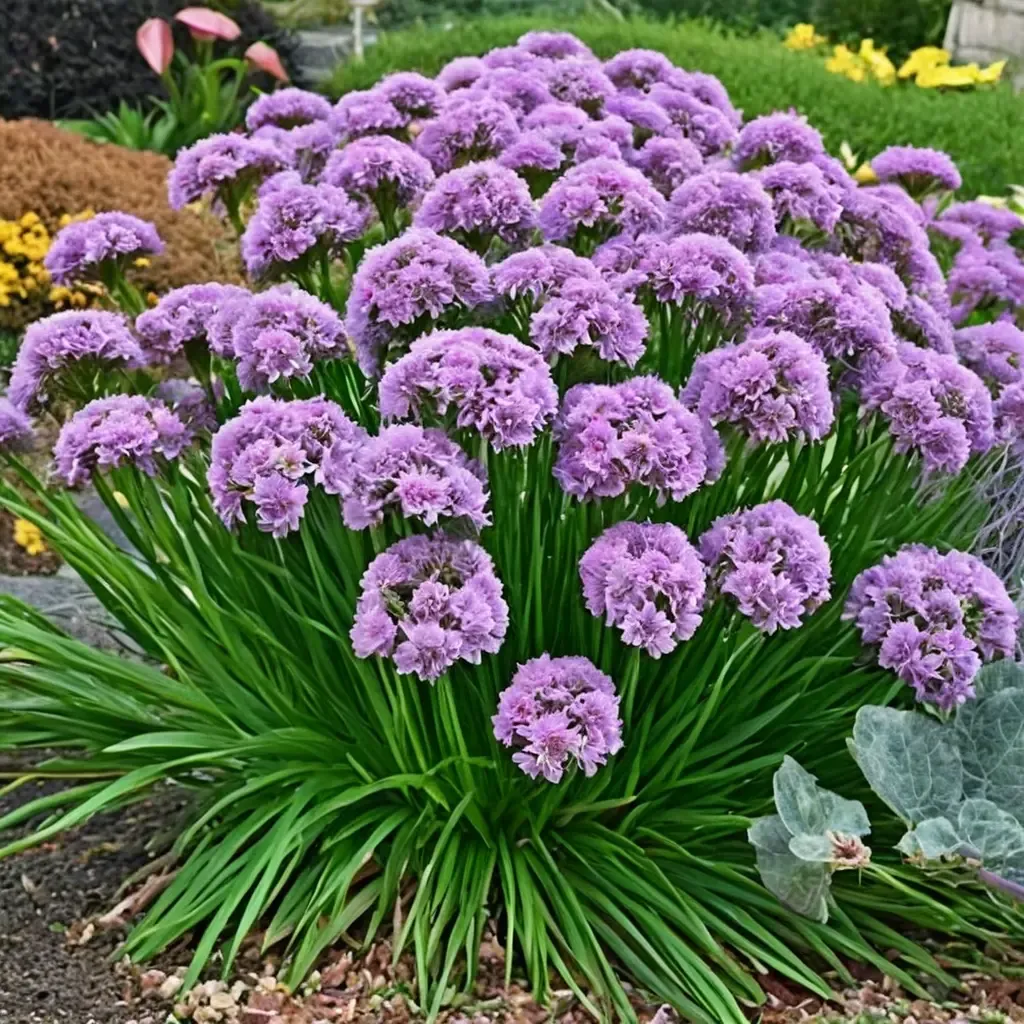
Millennium Gold Onion Moly Onion
Allium x moly 'Millenium'
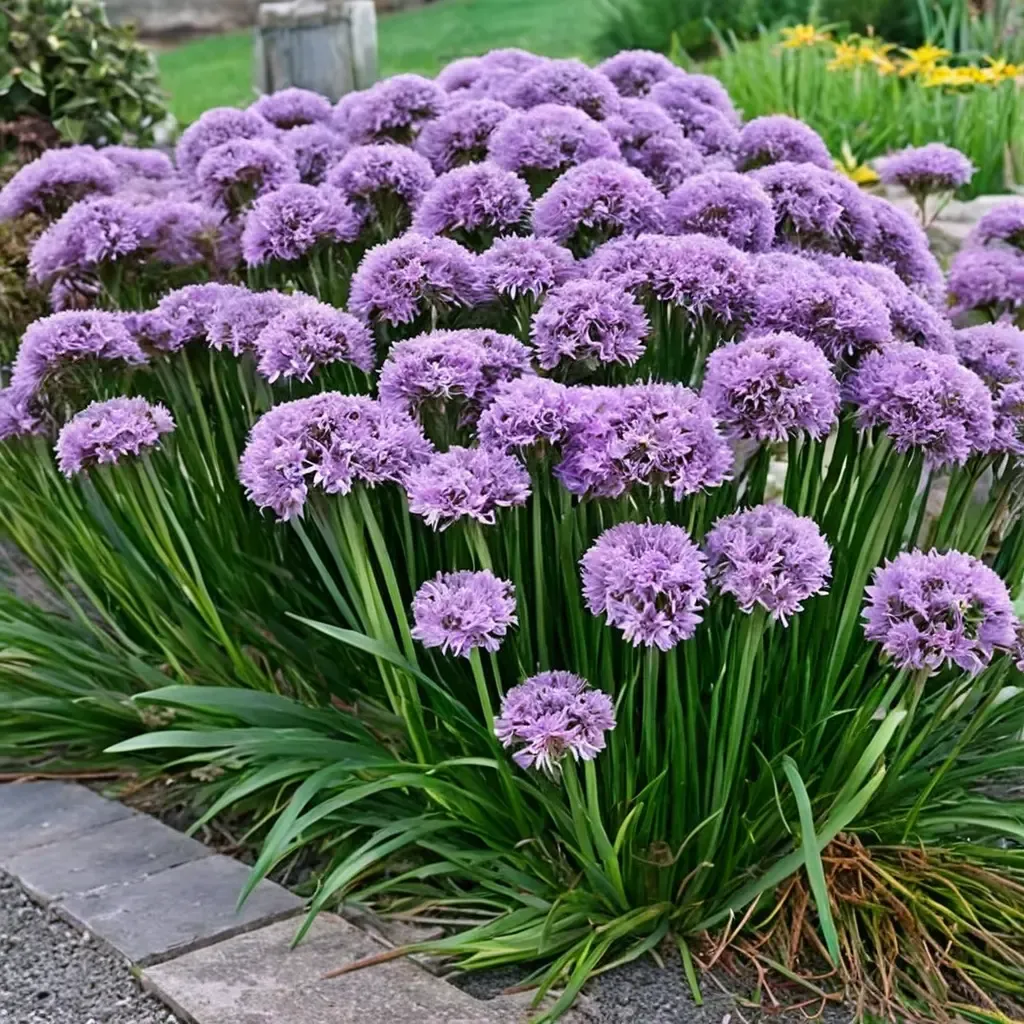
Millennium Ornamental Onion
Allium x hybrida 'Millenium'
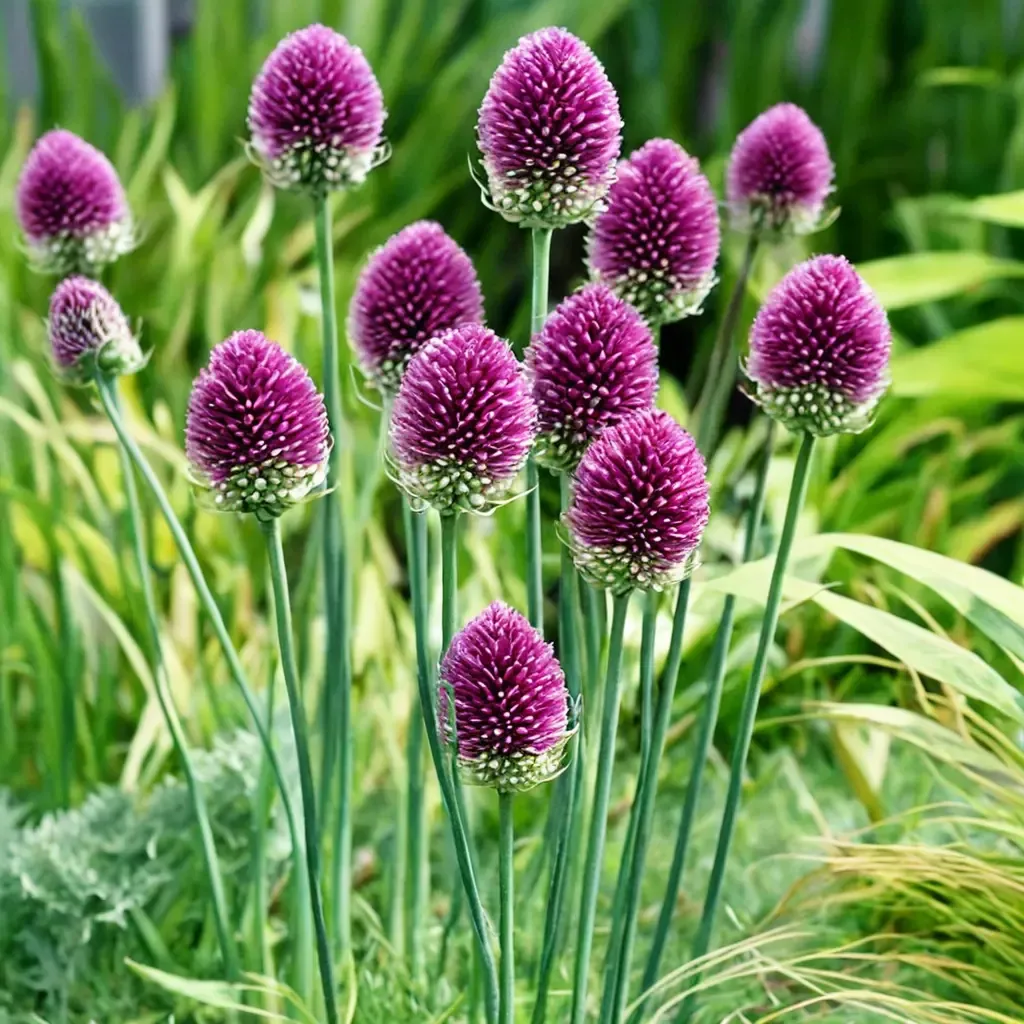
Drumstick Allium
Allium sphaerocephalon
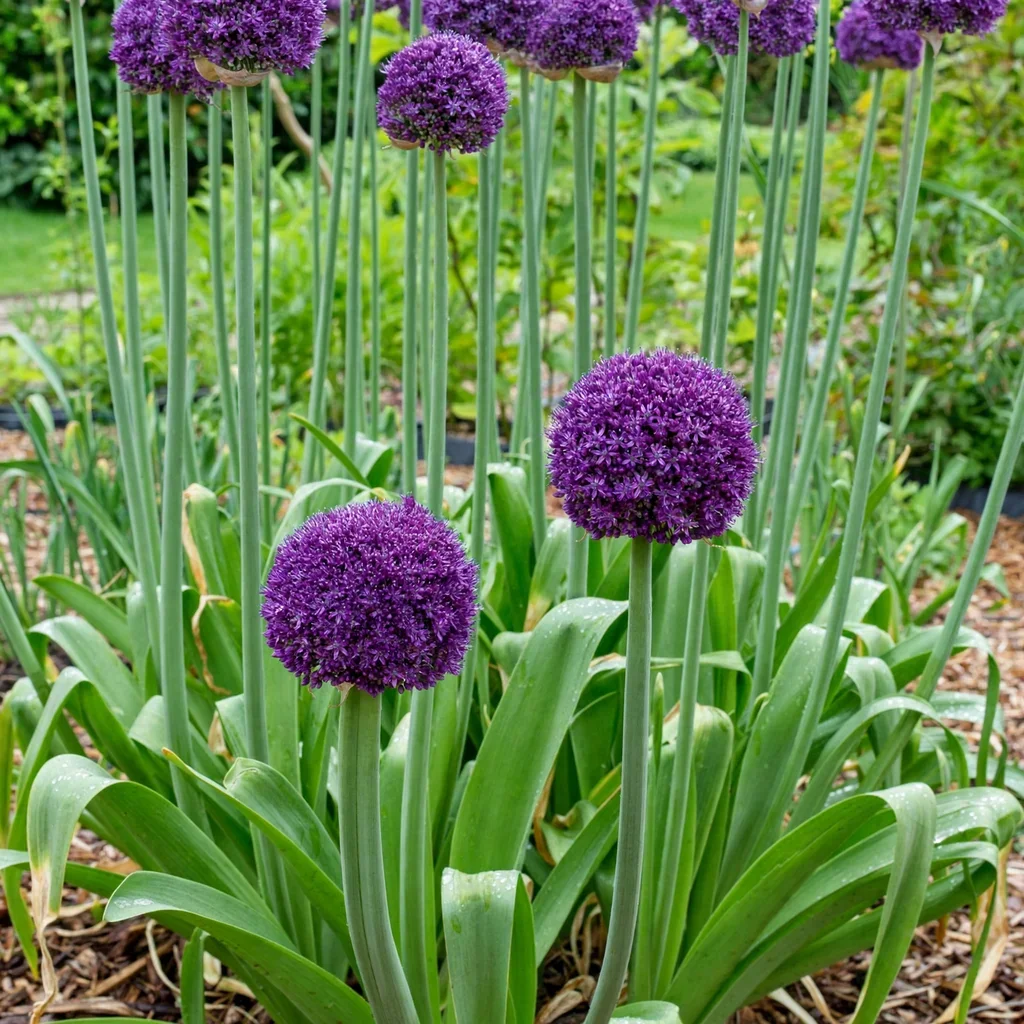
Ornamental Onion 'Ambassador'
Allium x hybrida 'Ambassador'
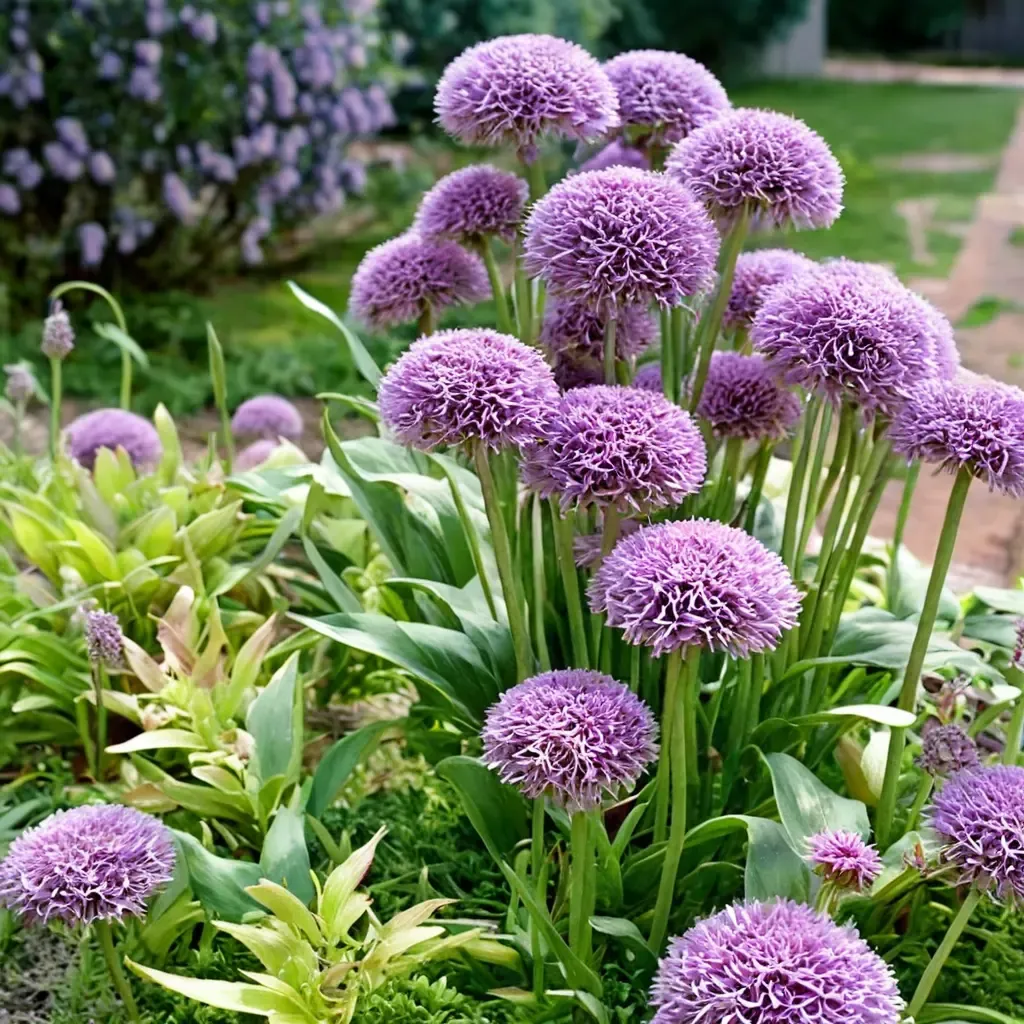
Globemaster Allium
Allium giganteum 'Globemaster'
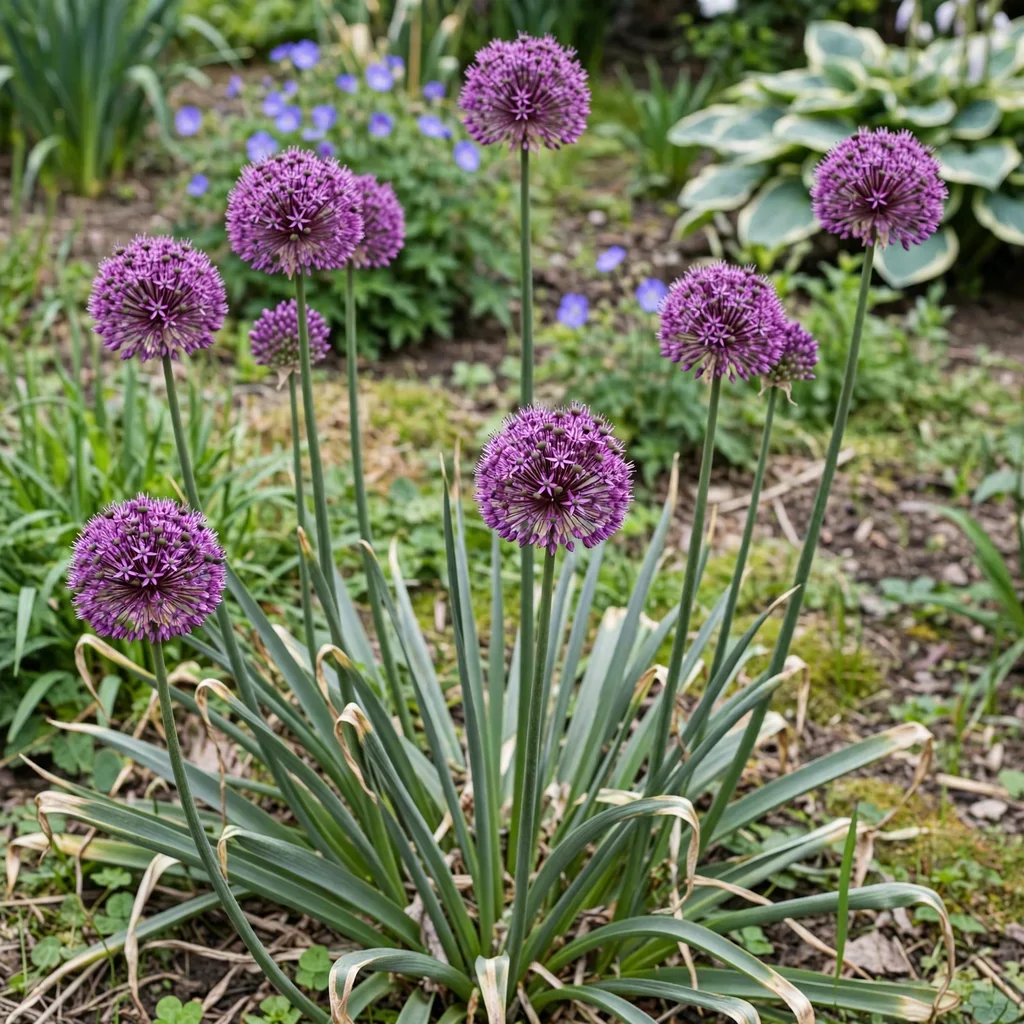
Purple Sensation Allium
Allium hollandicum 'Purple Sensation'
Keep exploring
Explore the genus
Hardy in your zone?
Grow Tapertip Onion with confidence
See it in a design of your actual yard, get zone-matched care reminders, and track it season by season in your garden journal.