The Story
Plant Bio
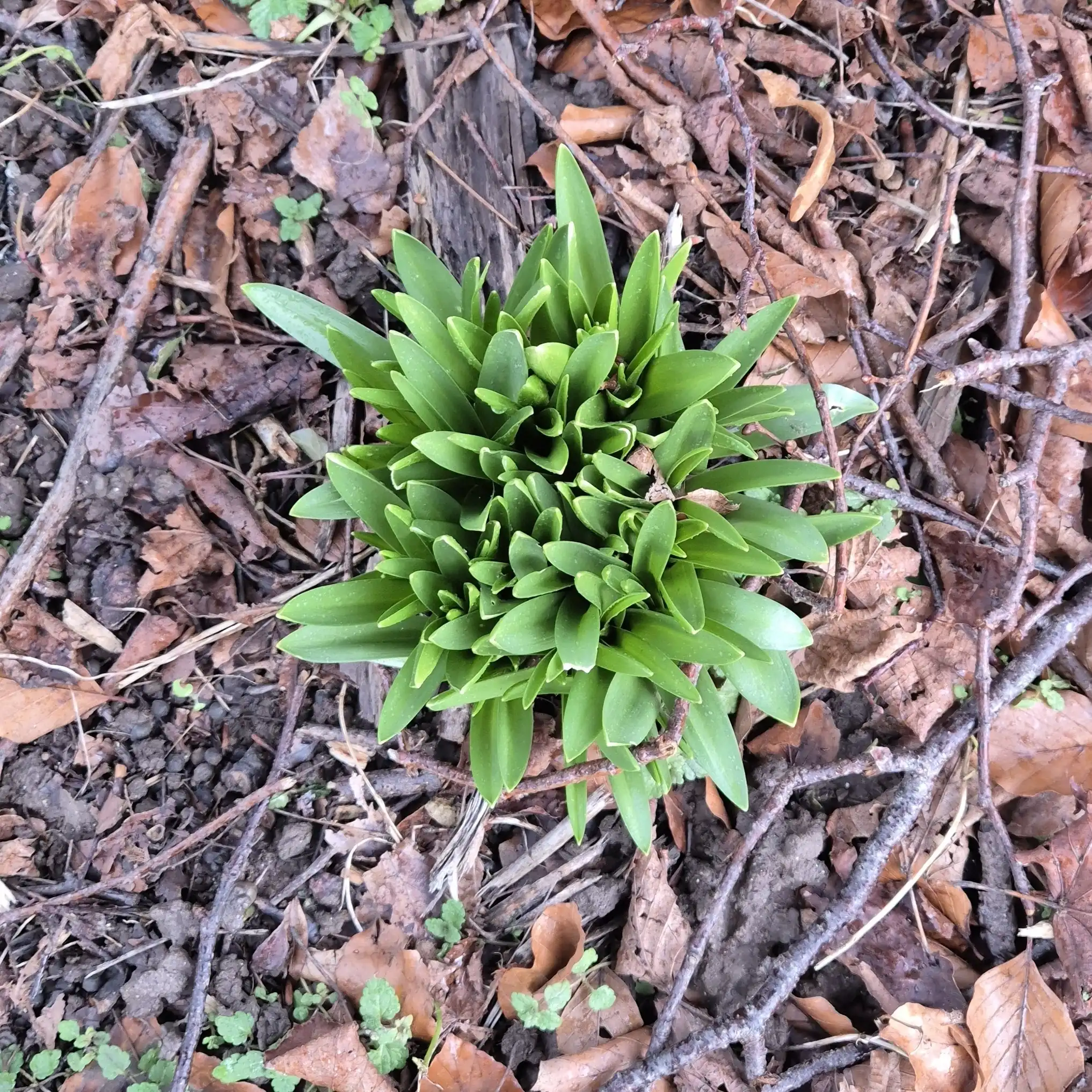
Allium ursinum is a bulbous, spring-active geophyte that forms dense spreading colonies beneath deciduous trees. Broad, glossy basal leaves emerge in late winter, emitting a pungent garlic fragrance when crushed, followed by erect triangular scapes carrying loose clusters of white, star-shaped flowers.
Unlike most cultivated alliums that prefer full sun and dry conditions, this species thrives in damp shade and dies back completely to underground bulbs by mid-summer. The entire plant vanishes into dormancy during hot months, allowing companion woodland perennials to fill the canopy.
Uses & Benefits:
Essentials
At a Glance
Plant Type
Bulb Corm Tuber
Height
18"
Width
12"
Light
Partial Sun, Shade
Zones
5, 6, 7, 8, 9
Water
Medium to High
Humidity
Moderate to High
Lifespan
Perennial
Native To
Europe, Western Asia
Toxicity
Toxic to dogs, cats, and livestock
Bloom period
Spring – Late spring
In flower about 3 months of the year
Planting
How to Grow
- Select a shaded site with rich, humus-dense woodland soil that stays damp through spring.
- Plant bulbs 2 to 3 inches deep in late fall or early spring, setting them broad-side down.
- Keep soil consistently moist during active spring growth, avoiding waterlogged conditions in winter.
- Top-dress the soil annually with leaf mold or organic compost in fall to nourish dormant bulbs.
Pro Tip
Allow the foliage to turn yellow and decay naturally after flowering; cutting leaves back early starves the underground bulbs and prevents bloom development the following year.
Keep It Thriving
Care Guide
Do
- Plant in rich, moisture-retentive, shaded woodland soil.
- Allow foliage to yellow and die back completely before removing.
- Top-dress dormant beds with organic leaf mold each fall.
Don't
- Do not overwater or submerge bulbs during summer dormancy.
- Do not trim green leaves early while they are feeding the bulb.
- Do not plant in full, hot afternoon sun where foliage will scorch.
Seasonal Care Calendar
| Task | Jan | Feb | Mar | Apr | May | Jun | Jul | Aug | Sep | Oct | Nov | Dec |
|---|---|---|---|---|---|---|---|---|---|---|---|---|
| Divide | ||||||||||||
| Mulch | ||||||||||||
| Plant | ||||||||||||
| Spring Cleanup |
Watch Out For
Pests & Diseases
Common Pests
Common Diseases
In the Garden
Landscape Uses & Companions
Landscape Uses
Multiply
Propagation Methods
Good to Know
Common Questions
Ramsons questions
What zones can Ramsons grow in?
Ramsons is hardy in USDA Zones 5–9: in that range it survives winter in the ground. Colder than Zone 5, grow it in a container you can move to shelter for the winter, or as an annual. Warmer than Zone 9, winter isn't the problem: it prefers colder winters, and summer heat can shorten its life.
Is Ramsons deer resistant?
Yes — Ramsons is rated deer-resistant. Deer typically pass it over, though extreme hunger can override any plant's defenses.
When does Ramsons bloom?
Ramsons typically blooms in spring. Exact timing shifts a week or two with your zone — Sow's bloom calendar maps it to your garden.
Does Ramsons need full sun?
Ramsons does best in part shade.
More Allium to compare
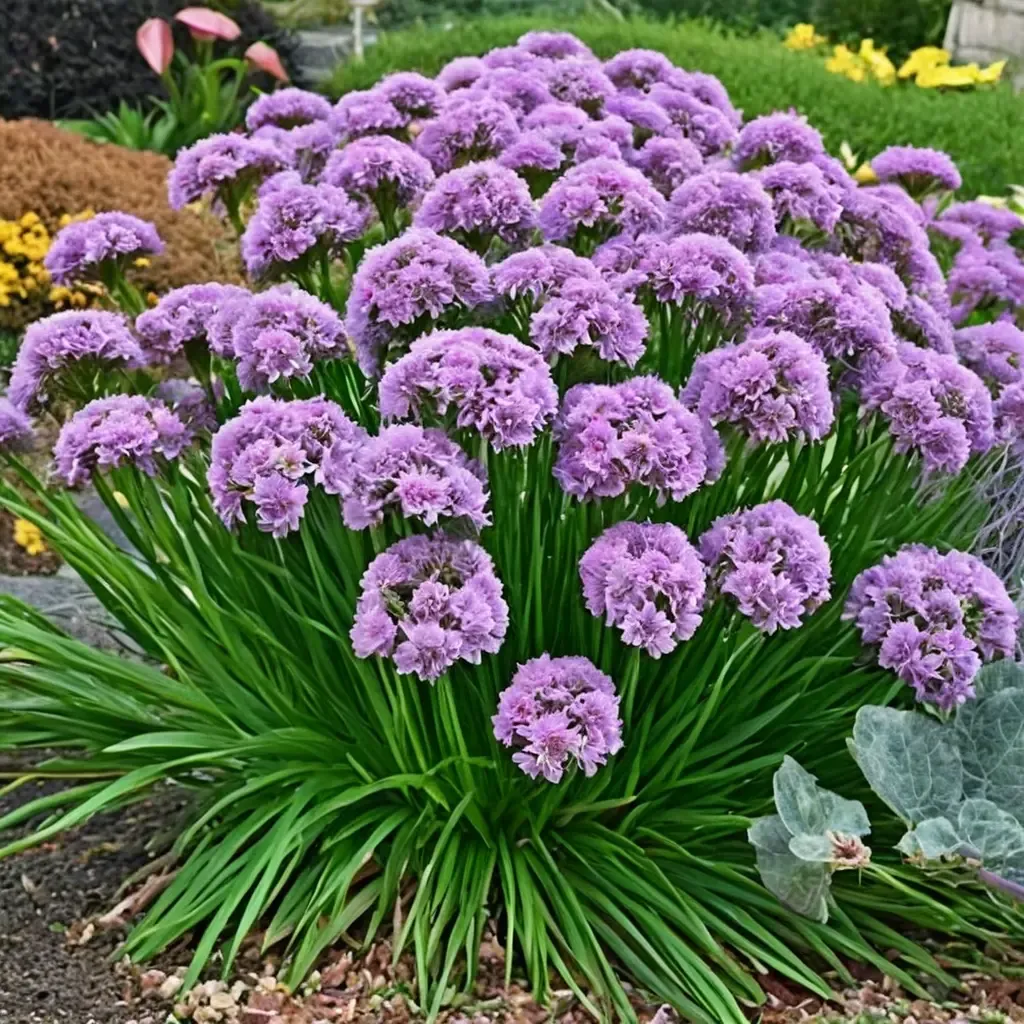
Millennium Gold Onion Moly Onion
Allium x moly 'Millenium'
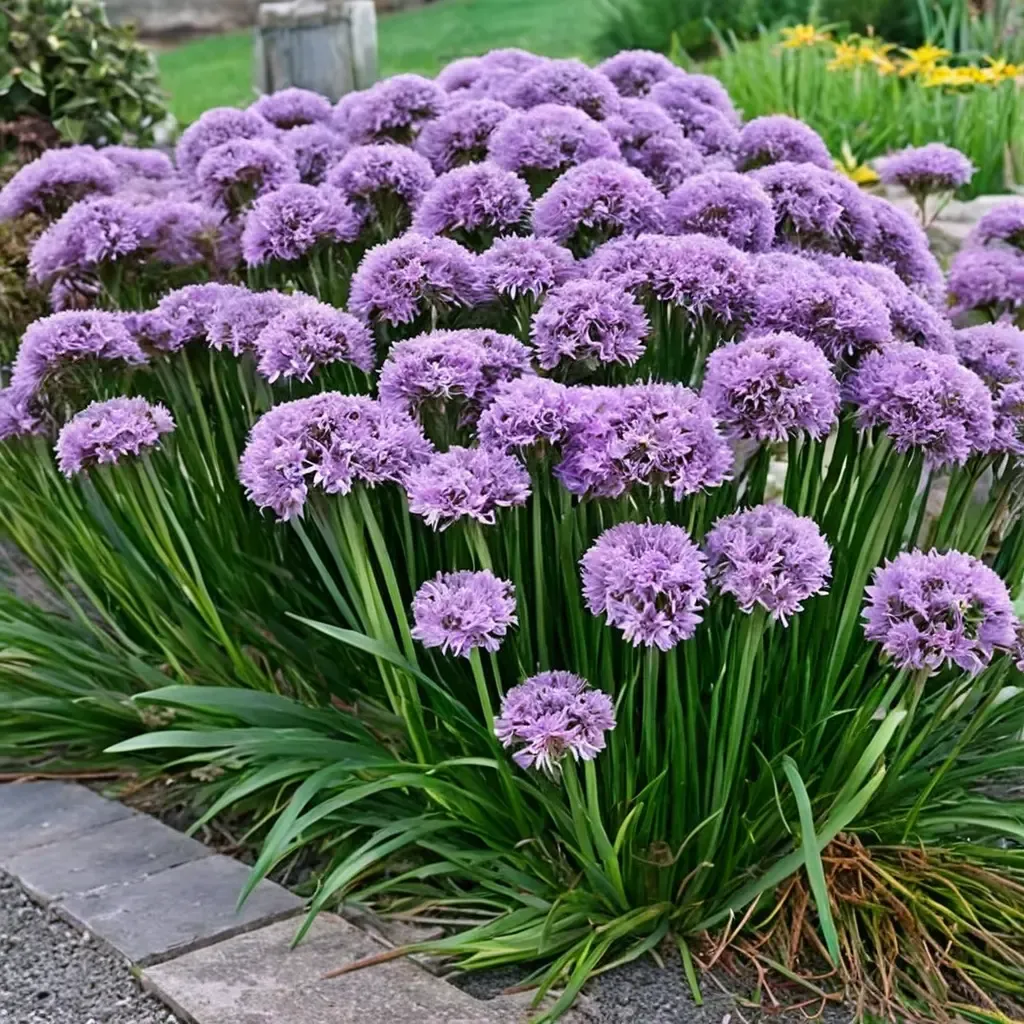
Millennium Ornamental Onion
Allium x hybrida 'Millenium'
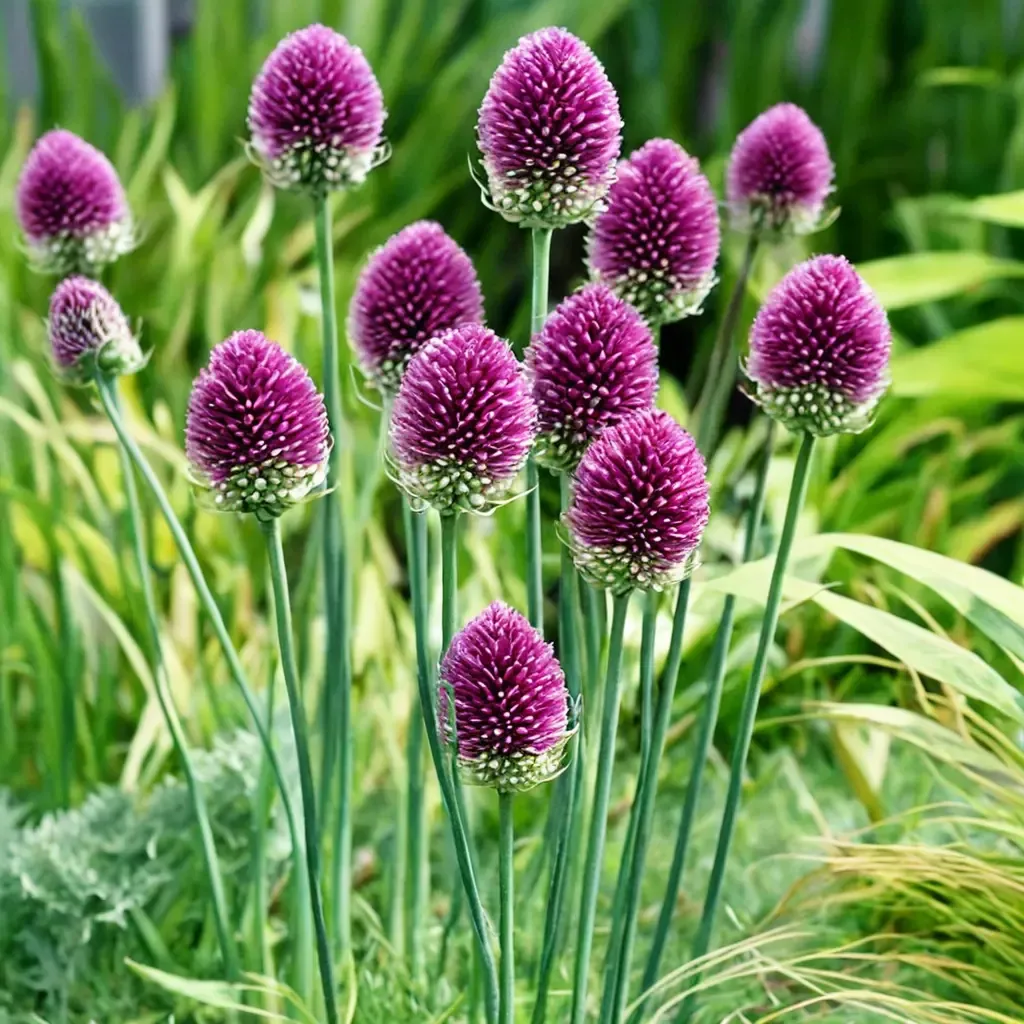
Drumstick Allium
Allium sphaerocephalon
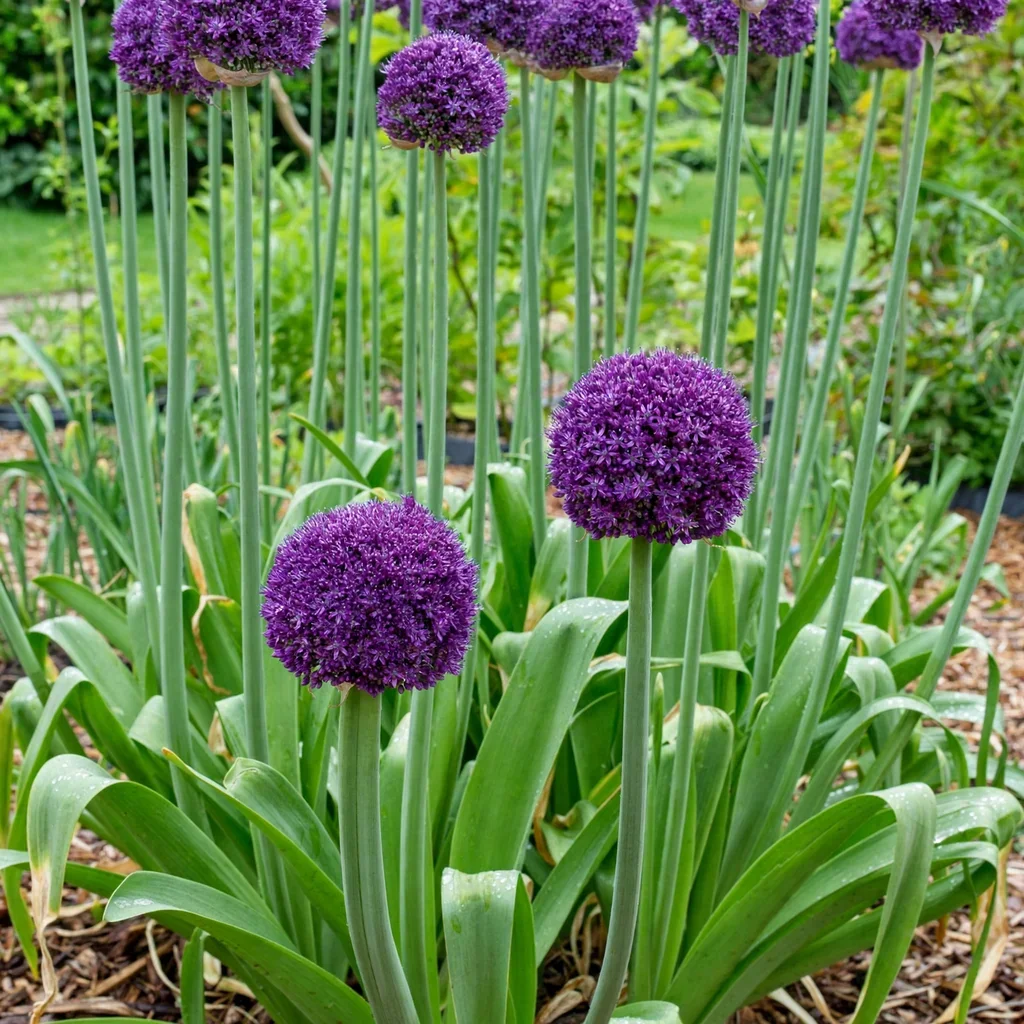
Ornamental Onion 'Ambassador'
Allium x hybrida 'Ambassador'
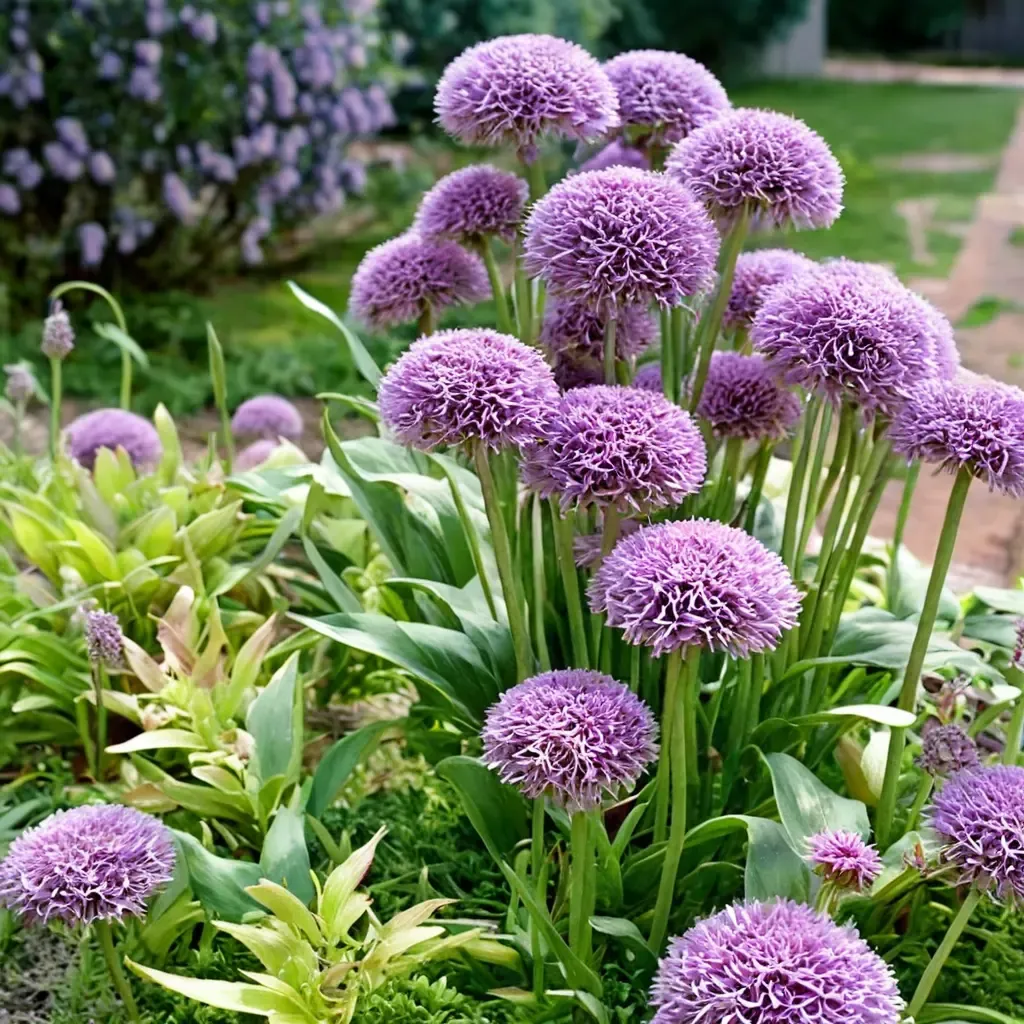
Globemaster Allium
Allium giganteum 'Globemaster'
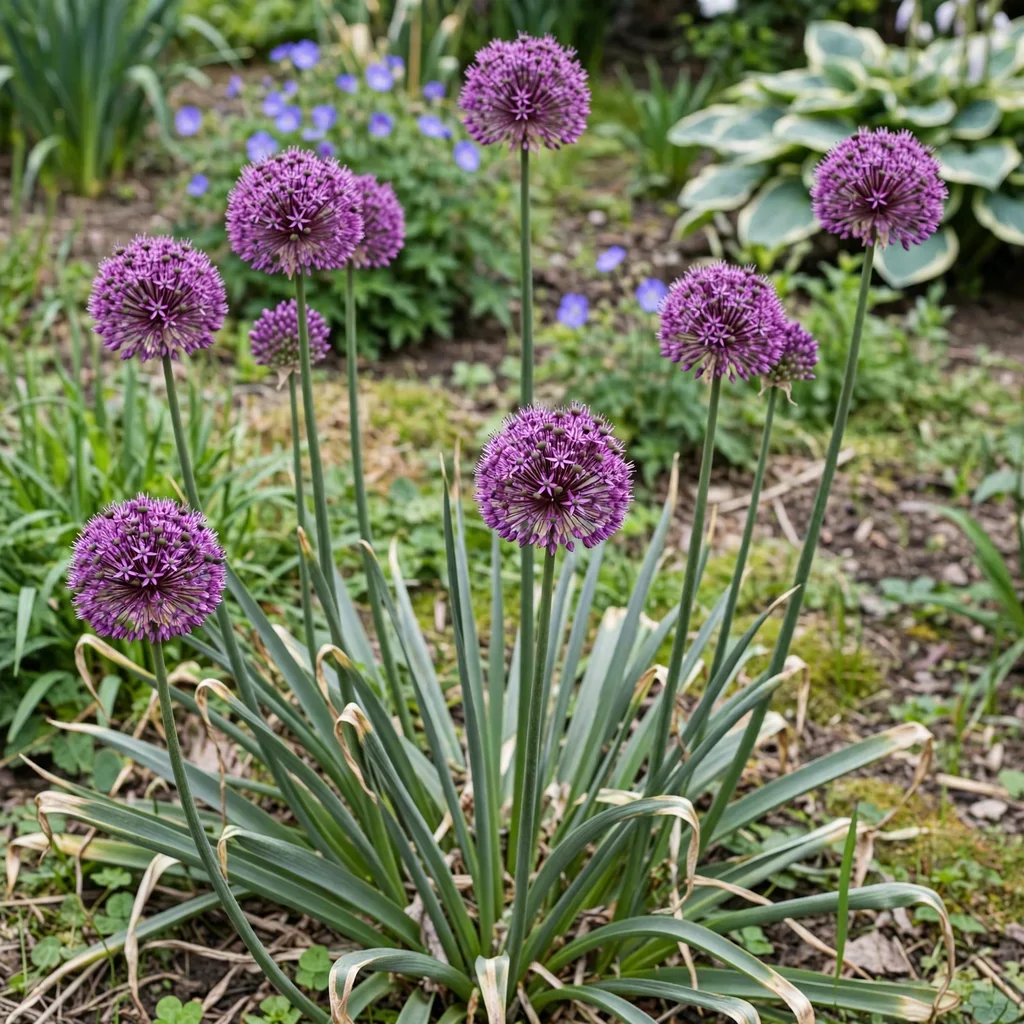
Purple Sensation Allium
Allium hollandicum 'Purple Sensation'
Keep exploring
Explore the genus
Hardy in your zone?
Grow Ramsons with confidence
See it in a design of your actual yard, get zone-matched care reminders, and track it season by season in your garden journal.