The Story
Plant Bio
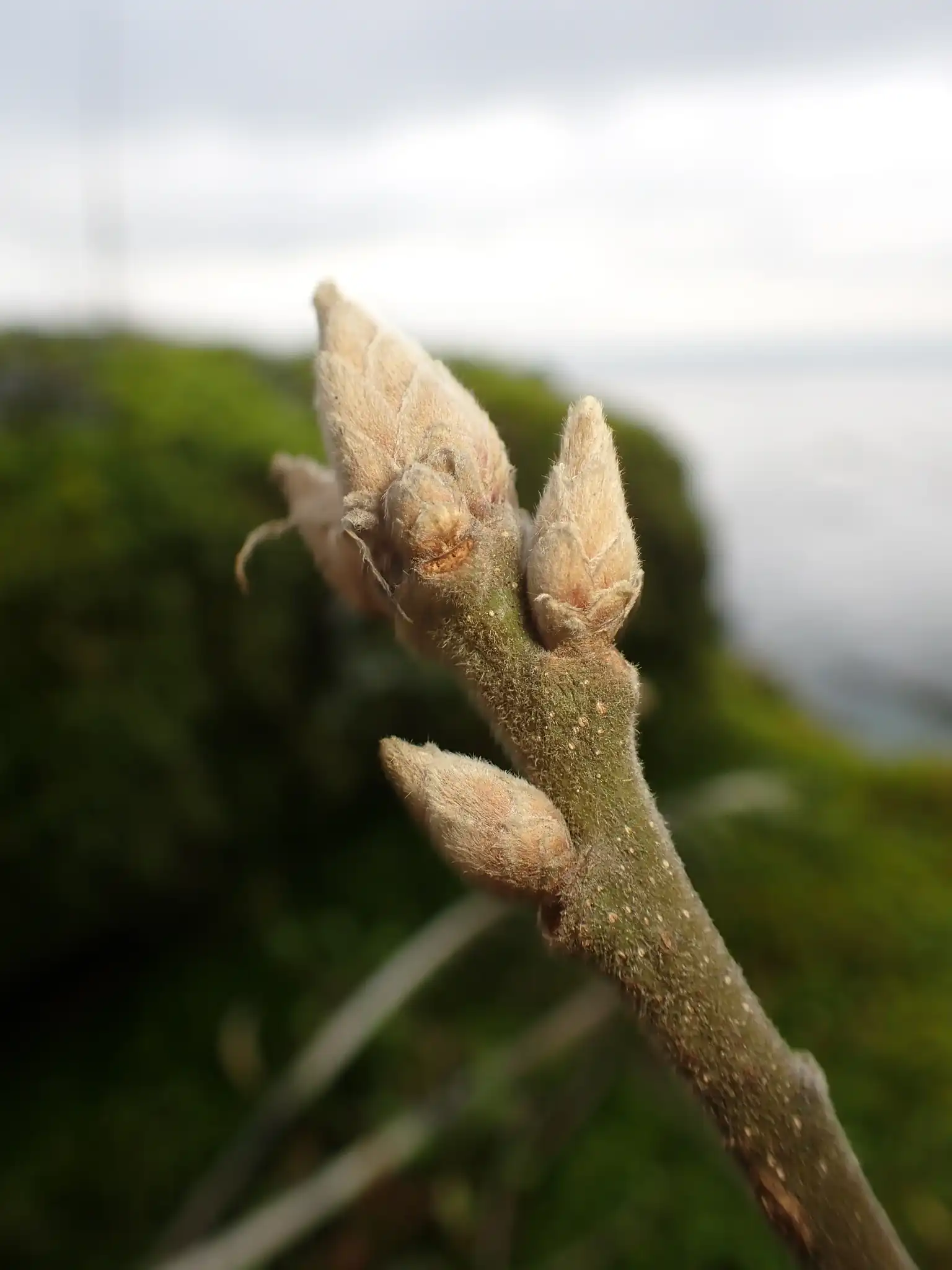
Quercus garryana, known as the Oregon white oak, is a massive deciduous tree native to western North America that develops a broad, rounded crown and stout, gnarled branching when grown in full sun. Its leathery, dark glossy green leaves feature deeply rounded lobes and shift to muted shades of yellow and brown before dropping in fall.
This species relies on a deep, aggressive taproot system that grants exceptional drought tolerance once established in dry prairies and rocky slopes. In spring, male trees produce pendulous yellow-green catkins alongside emerging light green foliage, later yielding heavy crops of acorns vital to local wildlife.
Uses & Benefits:
Essentials
At a Glance
Plant Type
Tree
Height
1080"
Width
1080"
Light
Full Sun, Partial Sun
Zones
5, 6, 7, 8, 9
Water
Low
Humidity
Moderate
Lifespan
Perennial
Native To
Western North America
Toxicity
Low toxicity if acorns/leaves ingested in bulk
Bloom period
Spring
In flower about 3 months of the year
Marketplace
Where to Buy
Shipping costs Year-round shipping Free shipping
Planting
How to Grow
- Select a full-sun site with deep, gravelly or well-drained soil far from turf lawns or irrigated garden beds.
- Plant young bareroot liners or container saplings in fall or early winter to allow taproot development before spring top-growth begins.
- Erect a sturdy wire mesh cage around the young trunk to prevent browsing from deer, rabbits, and rodents.
- Water deeply during the first two summers only, allowing the soil to dry completely between applications.
- Mulch the root zone lightly with organic matter, keeping mulch pulled back six inches from the trunk flare.
Pro Tip
Sow fresh acorns directly into their permanent outdoor site or deep taproot-friendly pots immediately after fall drop, and strictly avoid summer irrigation near mature trees to prevent fatal phytophthora root rot.
Keep It Thriving
Care Guide
Do
- Do plant in full sun with high-drainage, deep soils.
- Do protect young saplings with deer mesh cages.
- Do prune exclusively during midwinter dormancy to avoid disease vectors.
Don't
- Don't irrigate established trees during summer, which invites fatal root rot.
- Don't attempt to transplant mature or deeply established specimens.
- Don't cut back into old leafless wood without proper structural assessment.
Seasonal Care Calendar
| Task | Jan | Feb | Mar | Apr | May | Jun | Jul | Aug | Sep | Oct | Nov | Dec |
|---|---|---|---|---|---|---|---|---|---|---|---|---|
| Mulch | ||||||||||||
| Pest Check | ||||||||||||
| Prune | ||||||||||||
| Winter Prep |
Watch Out For
Pests & Diseases
Common Pests
Common Diseases
In the Garden
Landscape Uses & Companions
Landscape Uses
Multiply
Propagation Methods
Good to Know
Common Questions
Oregon White Oak questions
What zones can Oregon White Oak grow in?
Oregon White Oak is hardy in USDA Zones 5–9. Inside that range it survives winter in the ground; outside it, grow it as an annual or a container plant you protect.
Is Oregon White Oak deer resistant?
Not reliably. Deer may browse Oregon White Oak, especially tender spring growth — plan on repellents or fencing where pressure is high.
When does Oregon White Oak bloom?
Oregon White Oak typically blooms in spring through spring. Exact timing shifts a week or two with your zone — Sow's bloom calendar maps it to your garden.
Does Oregon White Oak need full sun?
Oregon White Oak does best in full sun to part shade. In hot climates, afternoon shade keeps blooms fresher longer.
Is Oregon White Oak drought tolerant?
Yes — once established (usually after the first full season), Oregon White Oak handles dry spells with minimal watering. Water deeply its first year to build the root system that makes that possible.
More Quercus to compare
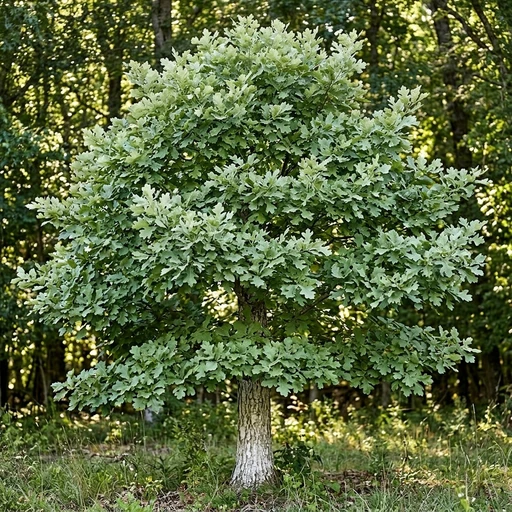
White Oak
Quercus alba
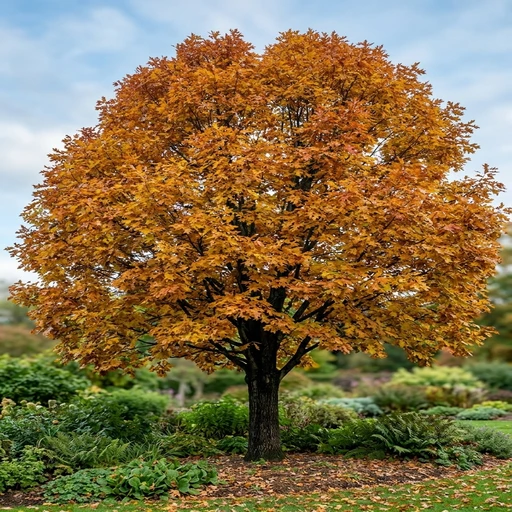
Black Oak
Quercus velutina
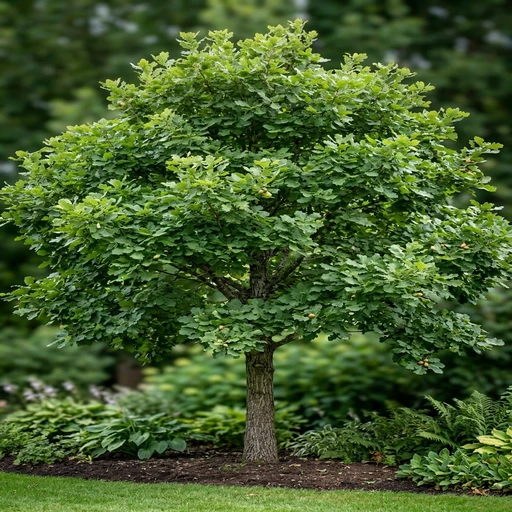
English Oak
Quercus robur
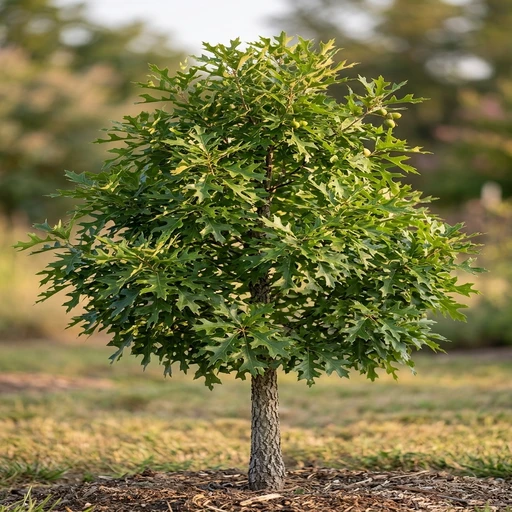
Nuttall Oak
Quercus texana
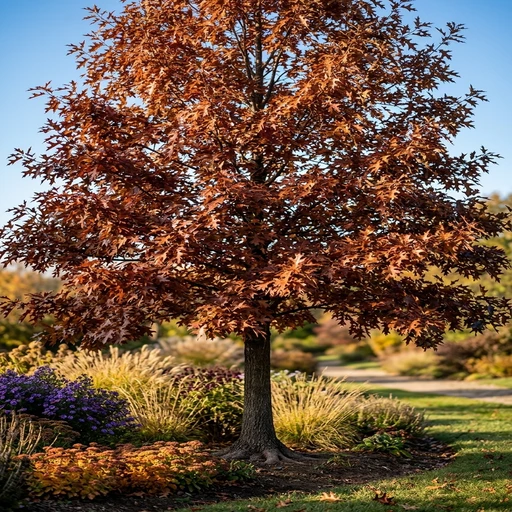
Pin Oak
Quercus palustris
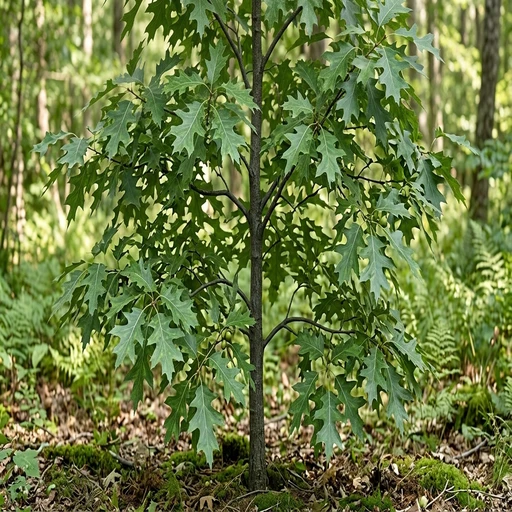
Scarlet Oak
Quercus coccinea
Keep exploring
Explore the genus
Hardy in your zone?
Grow Oregon White Oak with confidence
See it in a design of your actual yard, get zone-matched care reminders, and track it season by season in your garden journal.