
Species
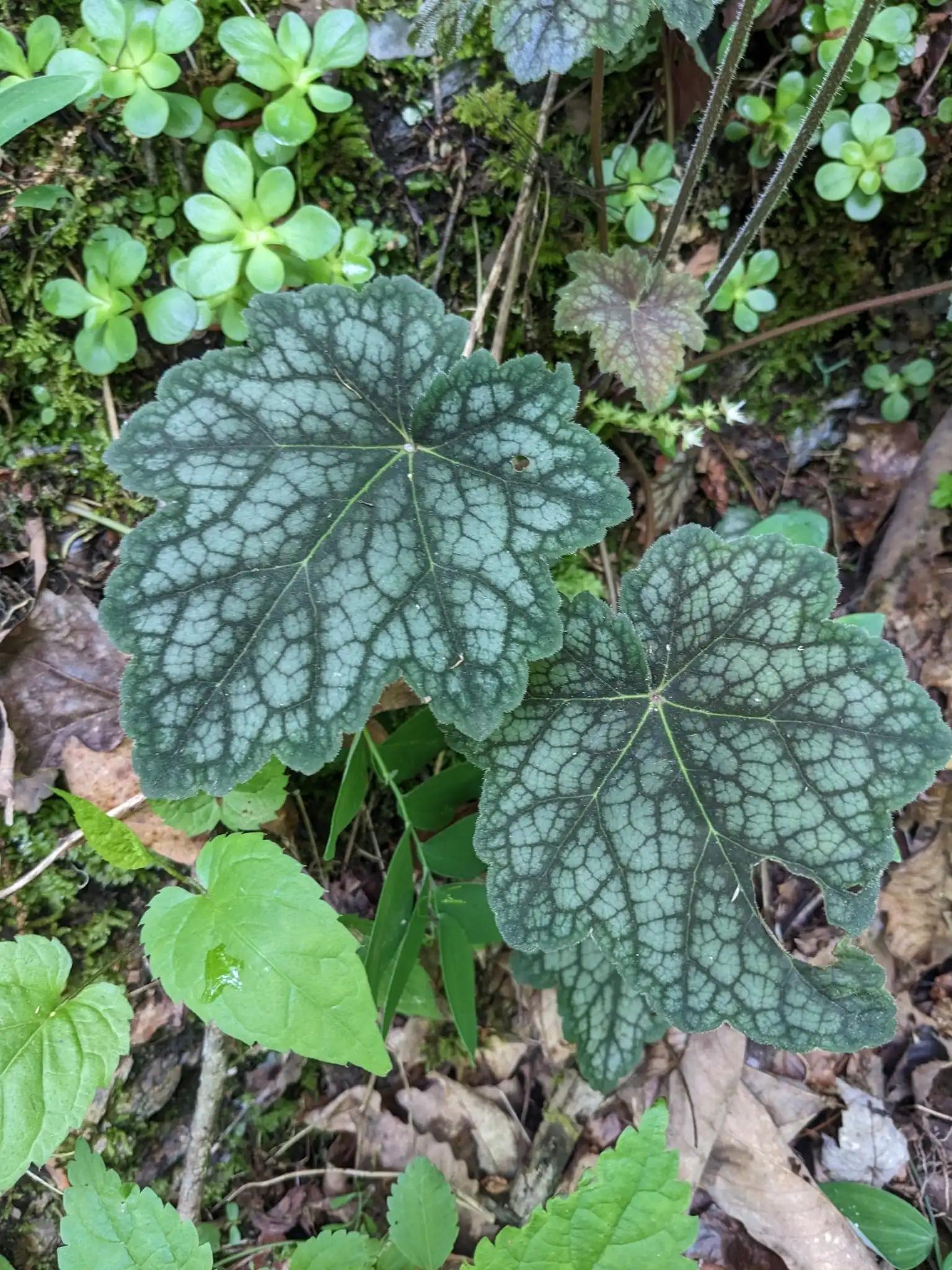 Heuchera americanaCoral Bells
13 other cultivars
 ‘Palace Purple’Palace Purple Coral Bells
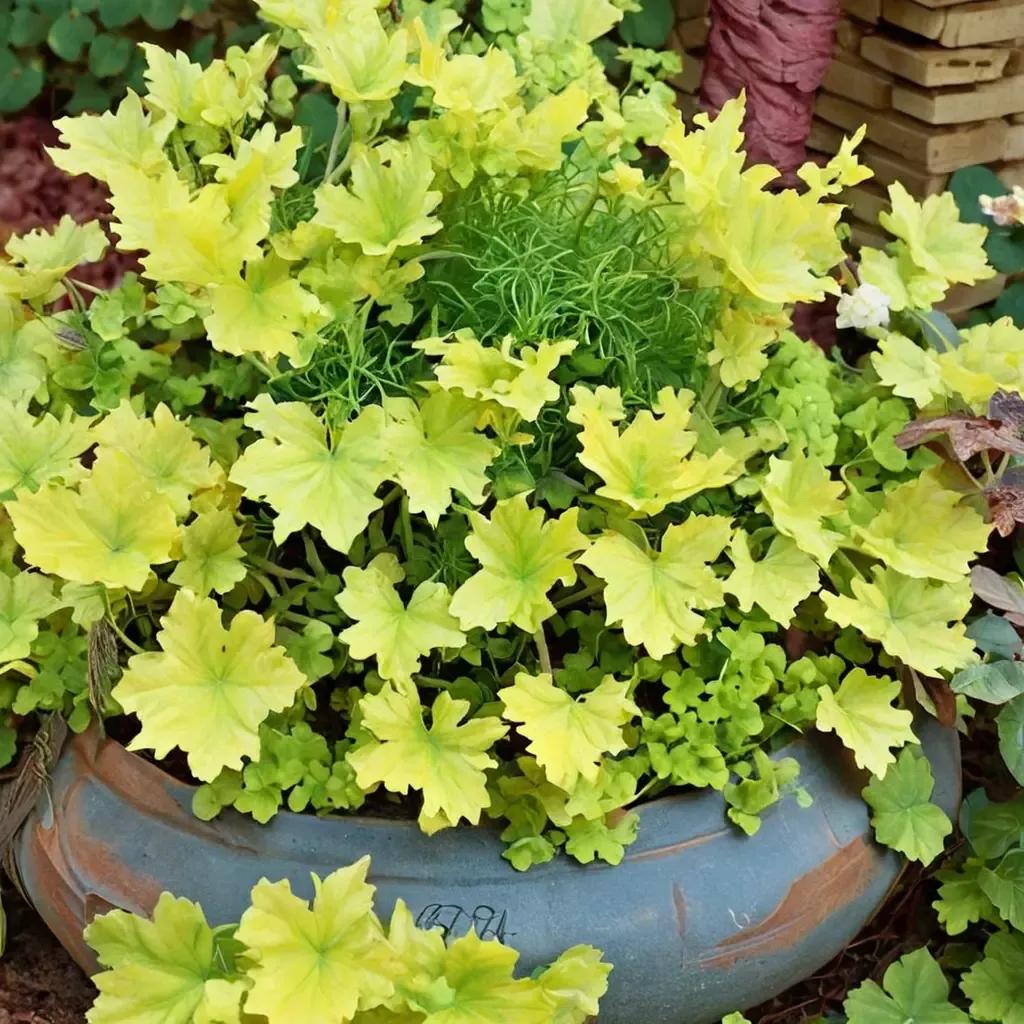 ‘Lime Marmalade’Lime Marmalade Coral Bells
 ‘Autumn Leaves’Autumn Leaves Coral Bell
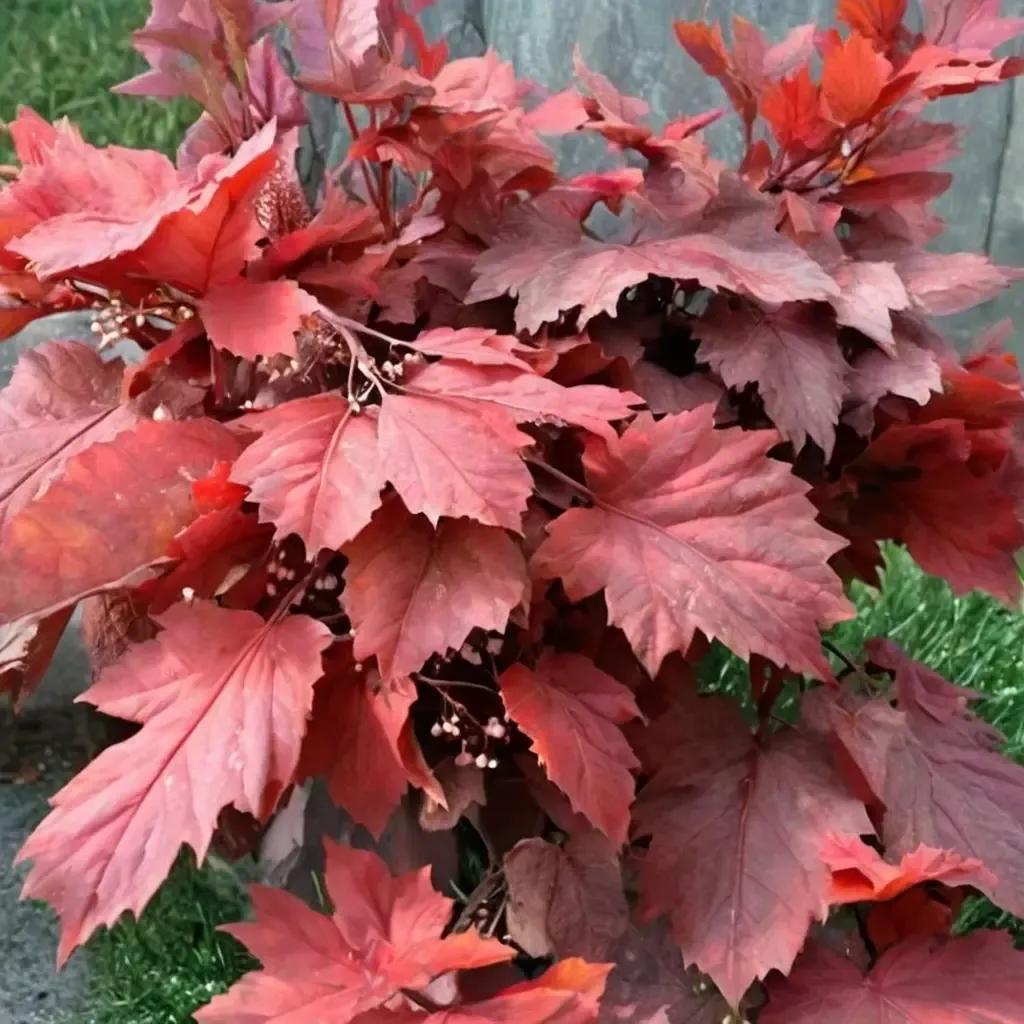 ‘Magma’Magma Coral Bell
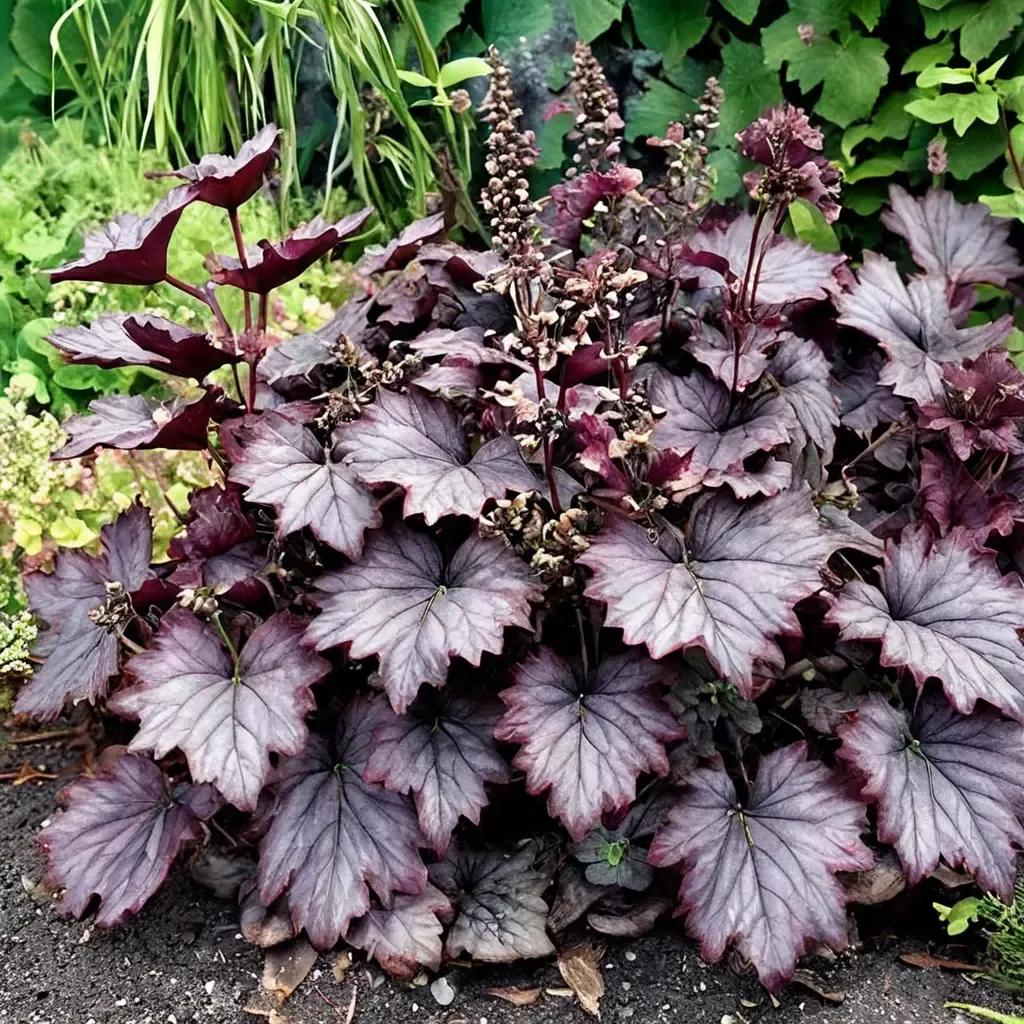 ‘Northern Exposure Purple’Northern Exposure Purple Coral Bells
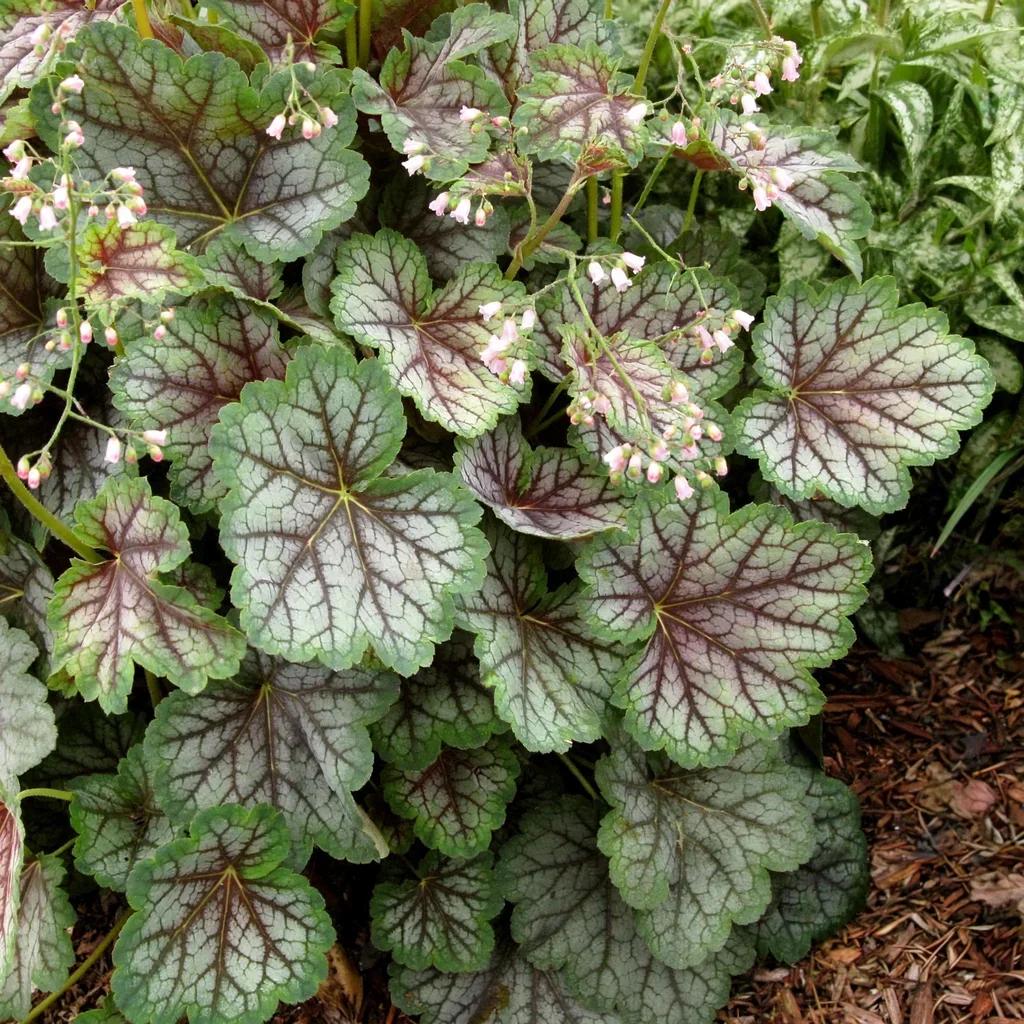 ‘Green Spice’Green Spice Coral Bells
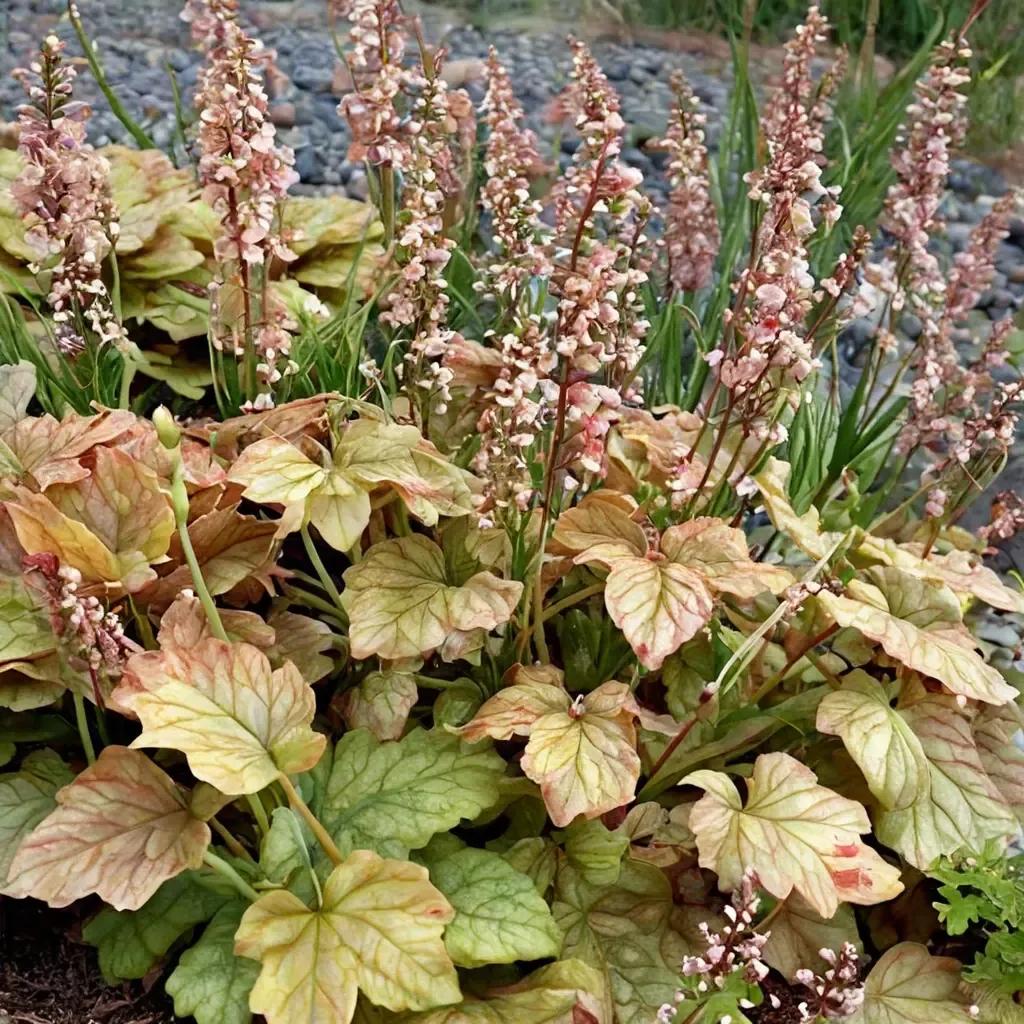 ‘Champagne’Champagne Coral Bell
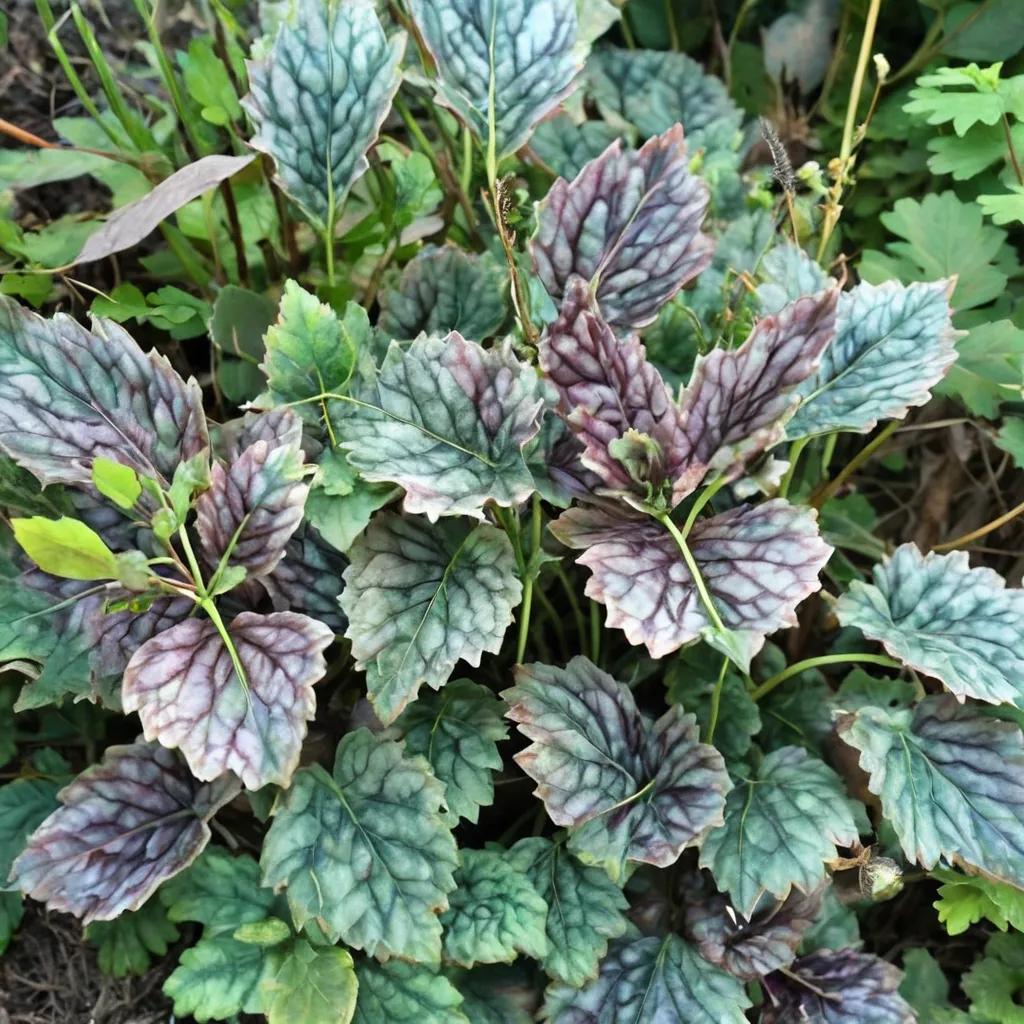 ‘Sterling Silver’Sterling Silver Coral Bells
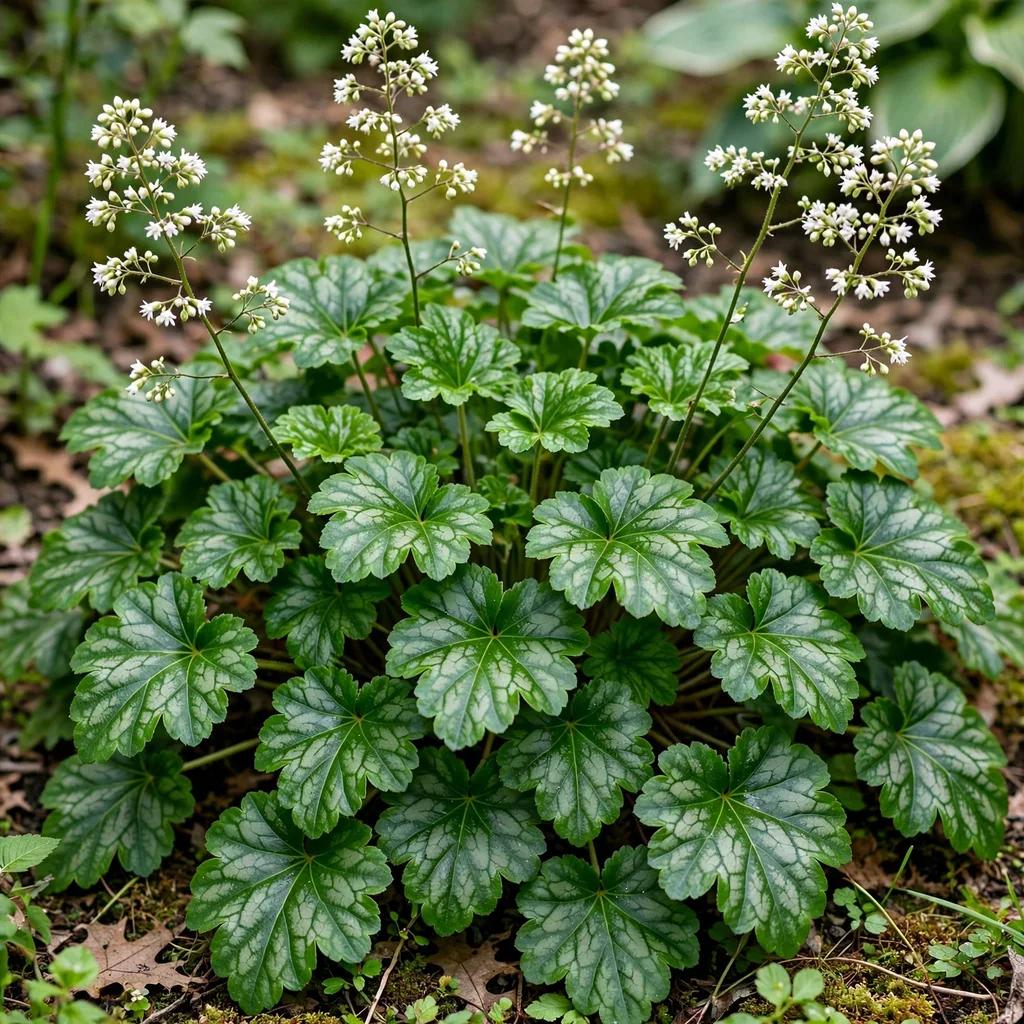 ‘Emerald Veil’Emerald Veil American Alumroot
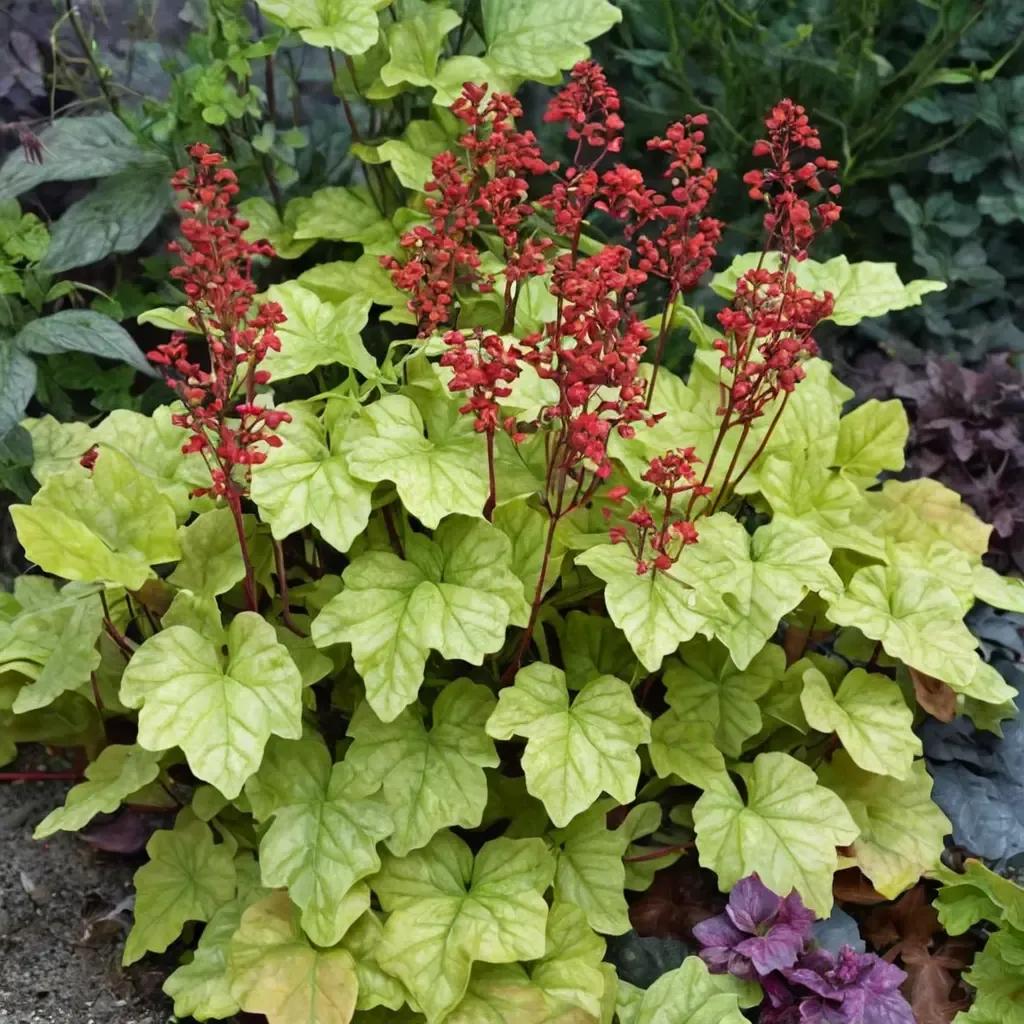 ‘Appletini’Appletini Heuchera
 ‘Frilly’Frilly Alumroot
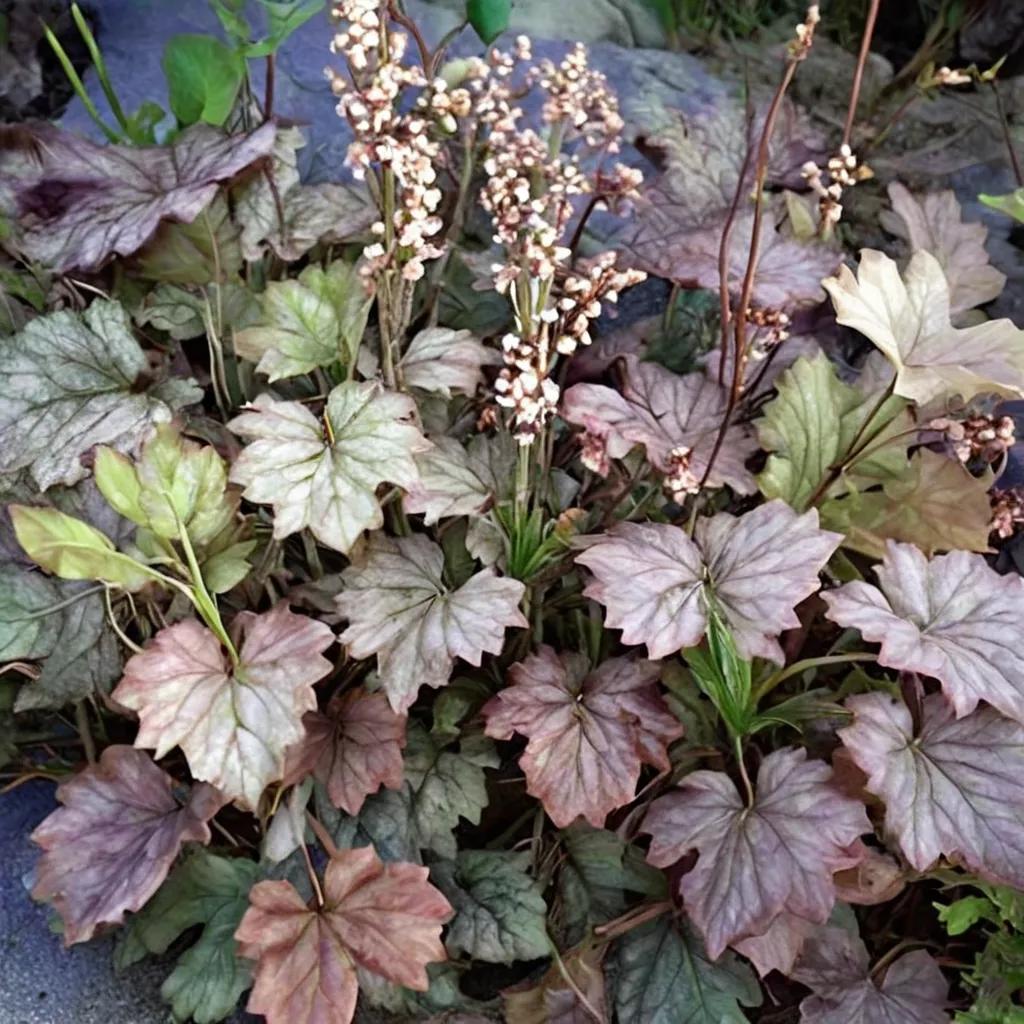 ‘Bartram’Bartram American Alumroot
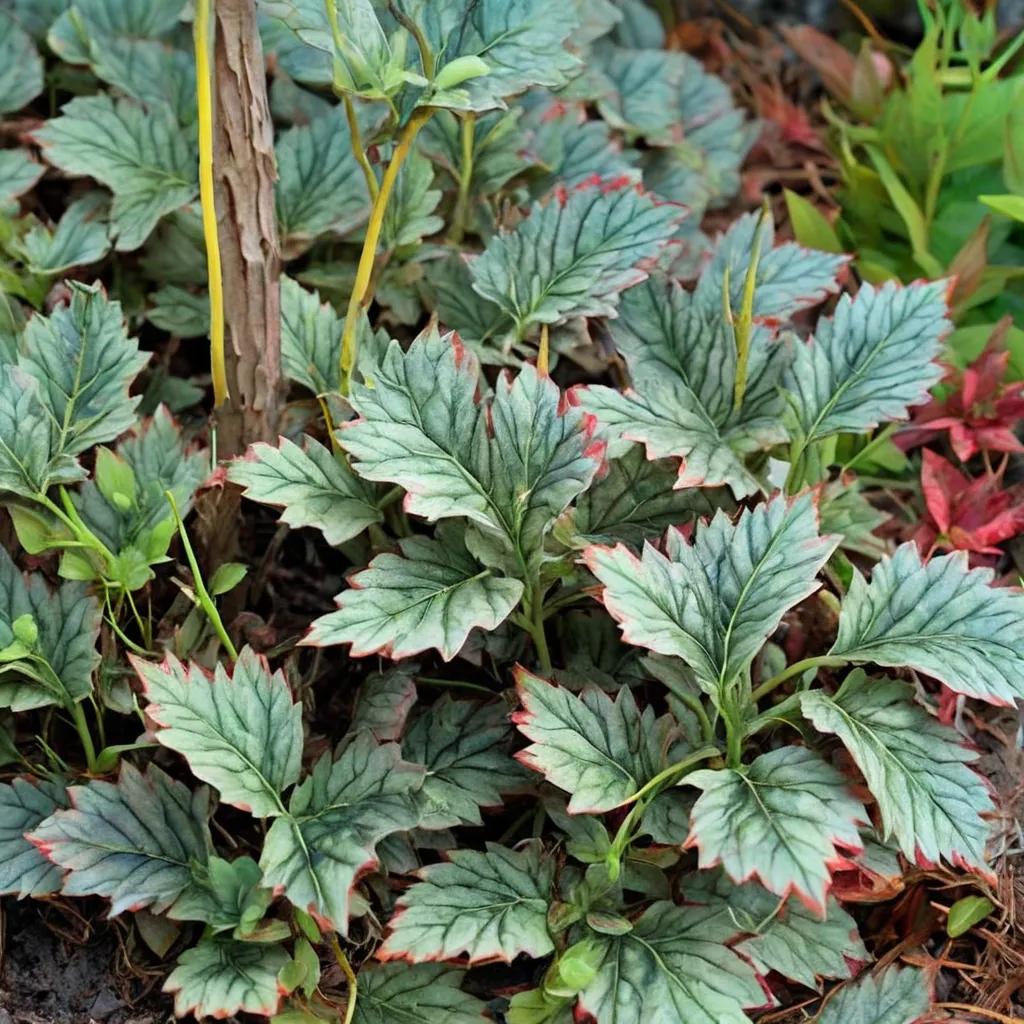 ‘Ring of Fire’Ring of Fire Coral Bells
The Story
Plant Bio
Heuchera americana is a woodland perennial native to eastern North America, known for its attractive basal mounds of lobed leaves and airy flower panicles.
'Dale's Strain' is a popular seed-grown variety selected for its striking silver-veined, green to bronze foliage that often develops rich reddish tones in winter.
Uses & Benefits:
Essentials
At a Glance
Plant Type
Perennial
Height
24"
Width
18"
Light
Full Sun, Partial Sun, Shade
Zones
4, 5, 6, 7, 8, 9
Water
Low to moderate
Humidity
Average
Lifespan
Perennial
Native To
Eastern North America
Toxicity
Non-toxic
Bloom period
Late spring – Mid-summer
In flower about 3 months of the year
Planting
How to Grow
- Select a location with partial shade and well-drained, humus-rich soil.
- Amend heavy clay soils with compost to improve drainage.
- Dig a hole as deep and twice as wide as the root ball.
- Set the plant so the crown is slightly above soil level.
- Backfill the hole, gently firming the soil around the roots.
- Water thoroughly and apply a light layer of mulch around the plant.
Pro Tip
Provide excellent drainage and avoid burying the crown to prevent rot, the most common issue with Heuchera.
Keep It Thriving
Care Guide
Do
- Provide consistent moisture, but allow soil to dry slightly between waterings.
- Mulch in winter in colder zones to prevent frost heaving.
- Remove spent flower stalks to direct energy into foliage growth.
- Divide every 3-4 years to rejuvenate the plant.
Don't
- Don't plant in waterlogged soil; root rot is a major threat.
- Don't bury the crown when planting or mulching.
- Avoid deep cultivation around the shallow roots.
- Don't over-fertilize, which can lead to weak, floppy growth.
Seasonal Care Calendar
| Task | Jan | Feb | Mar | Apr | May | Jun | Jul | Aug | Sep | Oct | Nov | Dec |
|---|---|---|---|---|---|---|---|---|---|---|---|---|
| Divide | ||||||||||||
| Mulch | ||||||||||||
| Plant | ||||||||||||
| Spring Cleanup |
Watch Out For
Pests & Diseases
Common Pests
Common Diseases
In the Garden
Landscape Uses & Companions
Landscape Uses
Multiply
Propagation Methods
Good to Know
Common Questions
Dale's Strain Alumroot questions
What zones can Dale's Strain Alumroot grow in?
Dale's Strain Alumroot is hardy in USDA Zones 4–9. Inside that range it survives winter in the ground; outside it, grow it as an annual or a container plant you protect.
Is Dale's Strain Alumroot deer resistant?
Yes — Dale's Strain Alumroot is rated deer-resistant. Deer typically pass it over, though extreme hunger can override any plant's defenses.
When does Dale's Strain Alumroot bloom?
Dale's Strain Alumroot typically blooms in late spring through mid-summer. Exact timing shifts a week or two with your zone — Sow's bloom calendar maps it to your garden.
Does Dale's Strain Alumroot need full sun?
Dale's Strain Alumroot does best in full sun to part shade. In hot climates, afternoon shade keeps blooms fresher longer.
Is Dale's Strain Alumroot drought tolerant?
Yes — once established (usually after the first full season), Dale's Strain Alumroot handles dry spells with minimal watering. Water deeply its first year to build the root system that makes that possible.
More Heuchera to compare
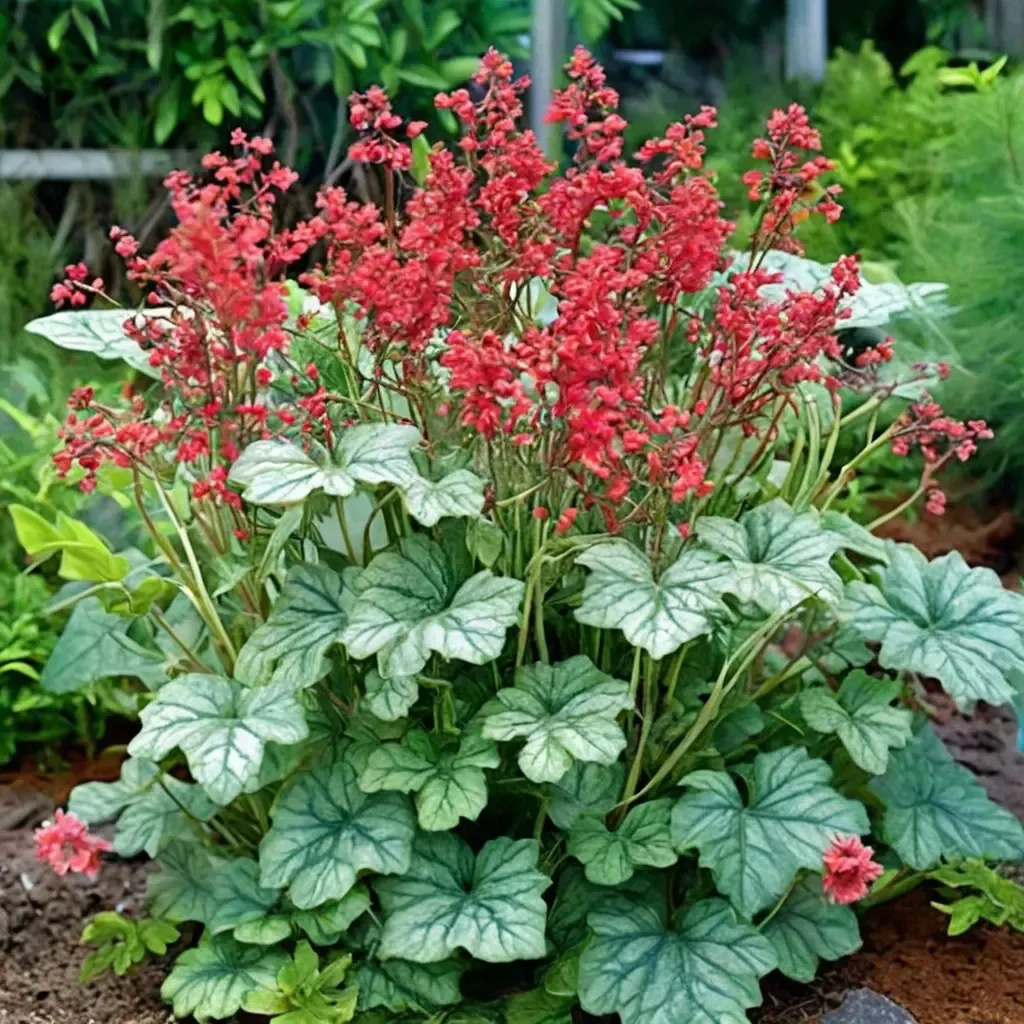
Mixed Coral Bells
Heuchera sanguinea 'Mixed Coral Bells'
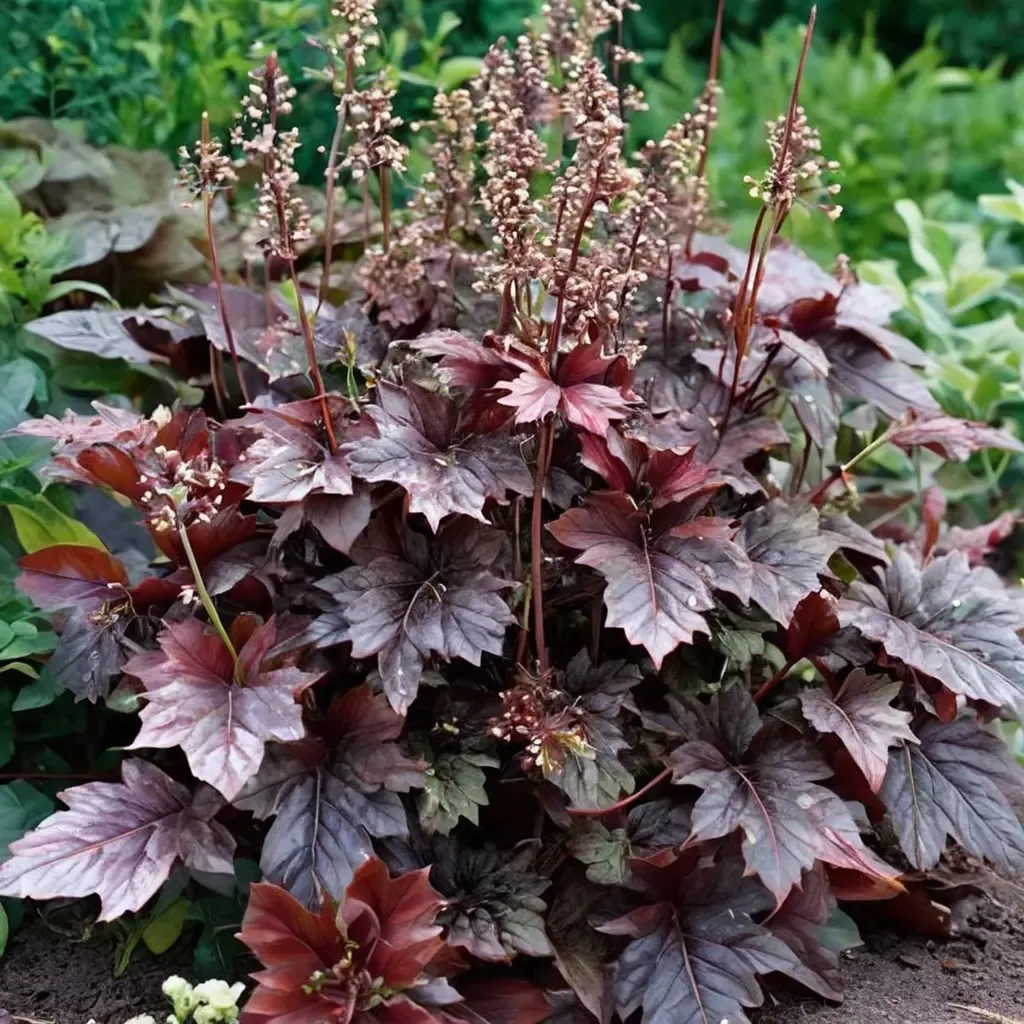
Palace Purple Coral Bells
Heuchera americana 'Palace Purple'
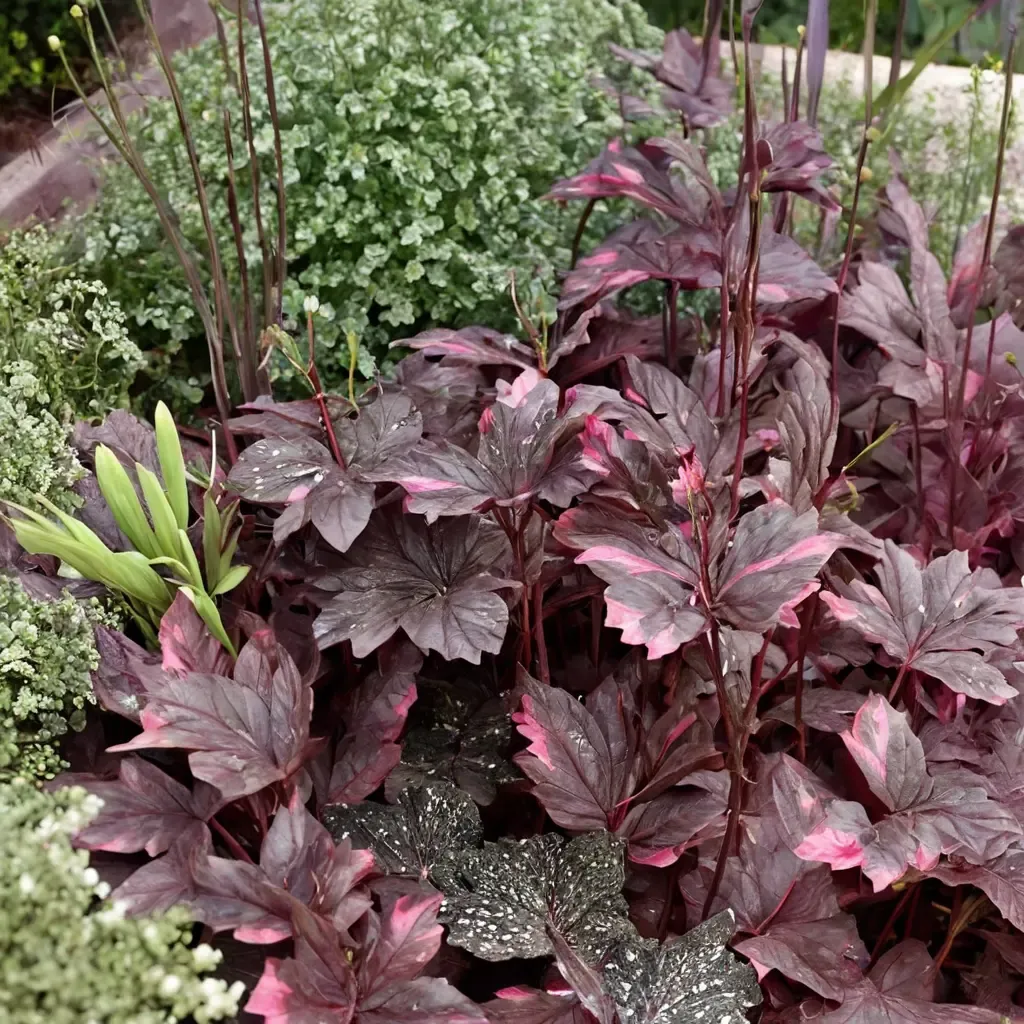
Midnight Rose Coral Bell
Heuchera x brizoides 'Midnight Rose'
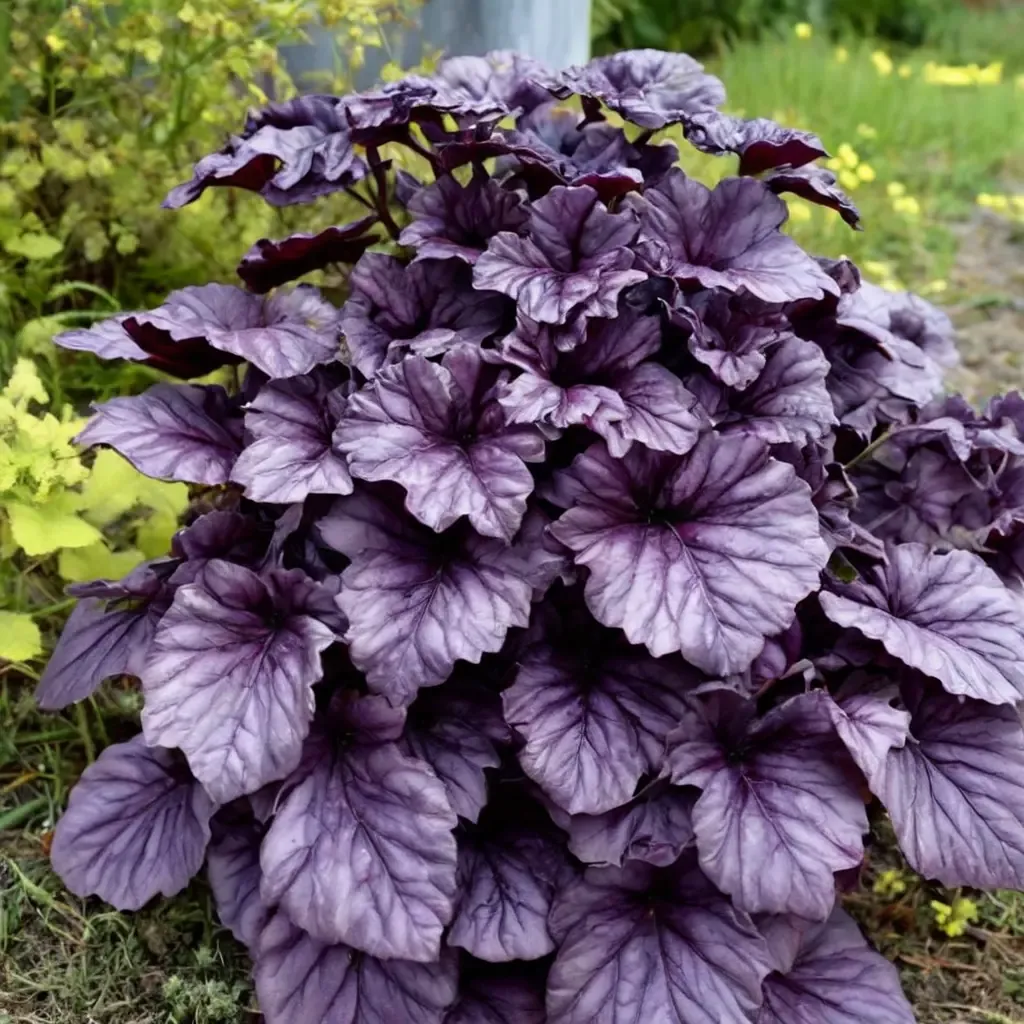
Wildberry Coral Bells
Heuchera x brizoides 'Wildberry'
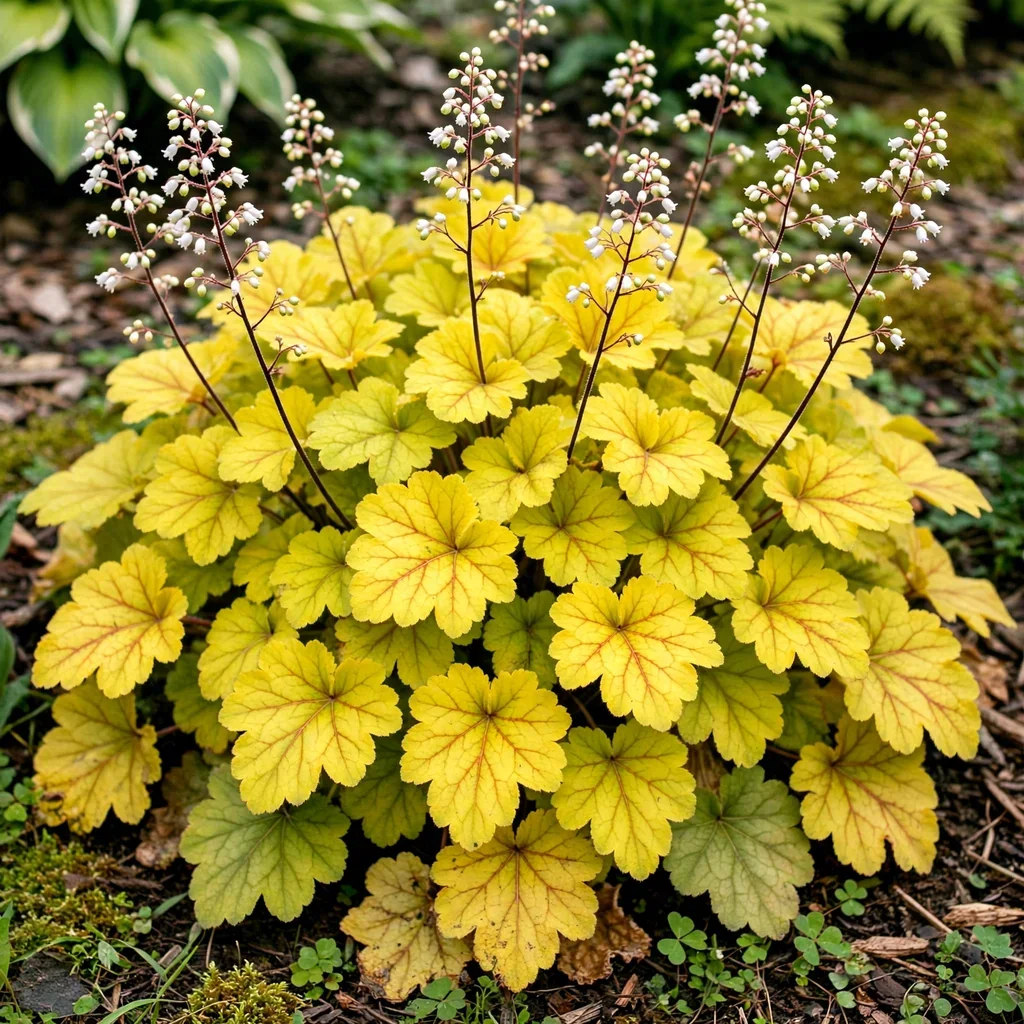
Electra Coral Bells
Heuchera sanguinea 'Electra'
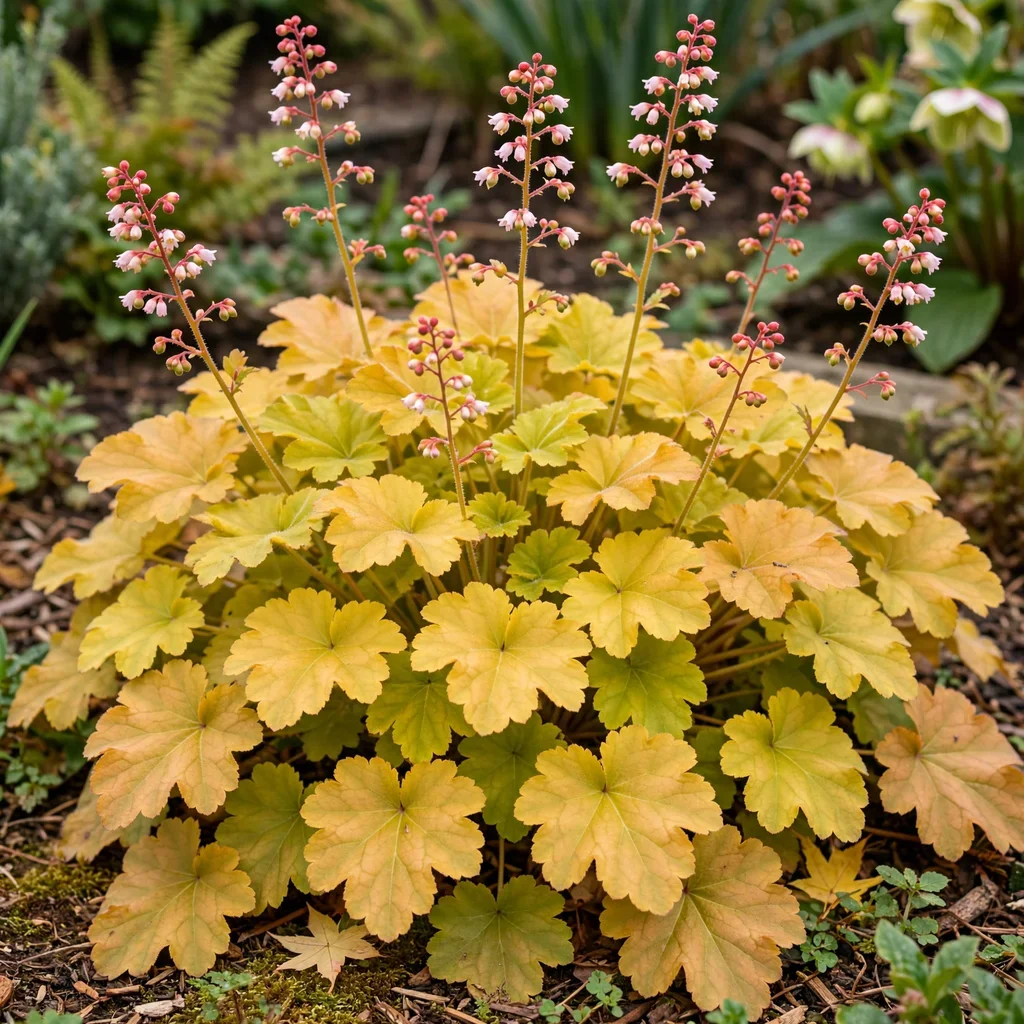
Caramel Coral Bells
Heuchera sanguinea 'Caramel'
Keep exploring
Explore the genus
Grow Dale's Strain Alumroot with confidence
See it in a design of your actual yard, get zone-matched care reminders, and track it season by season in your garden journal.