The Story
Plant Bio
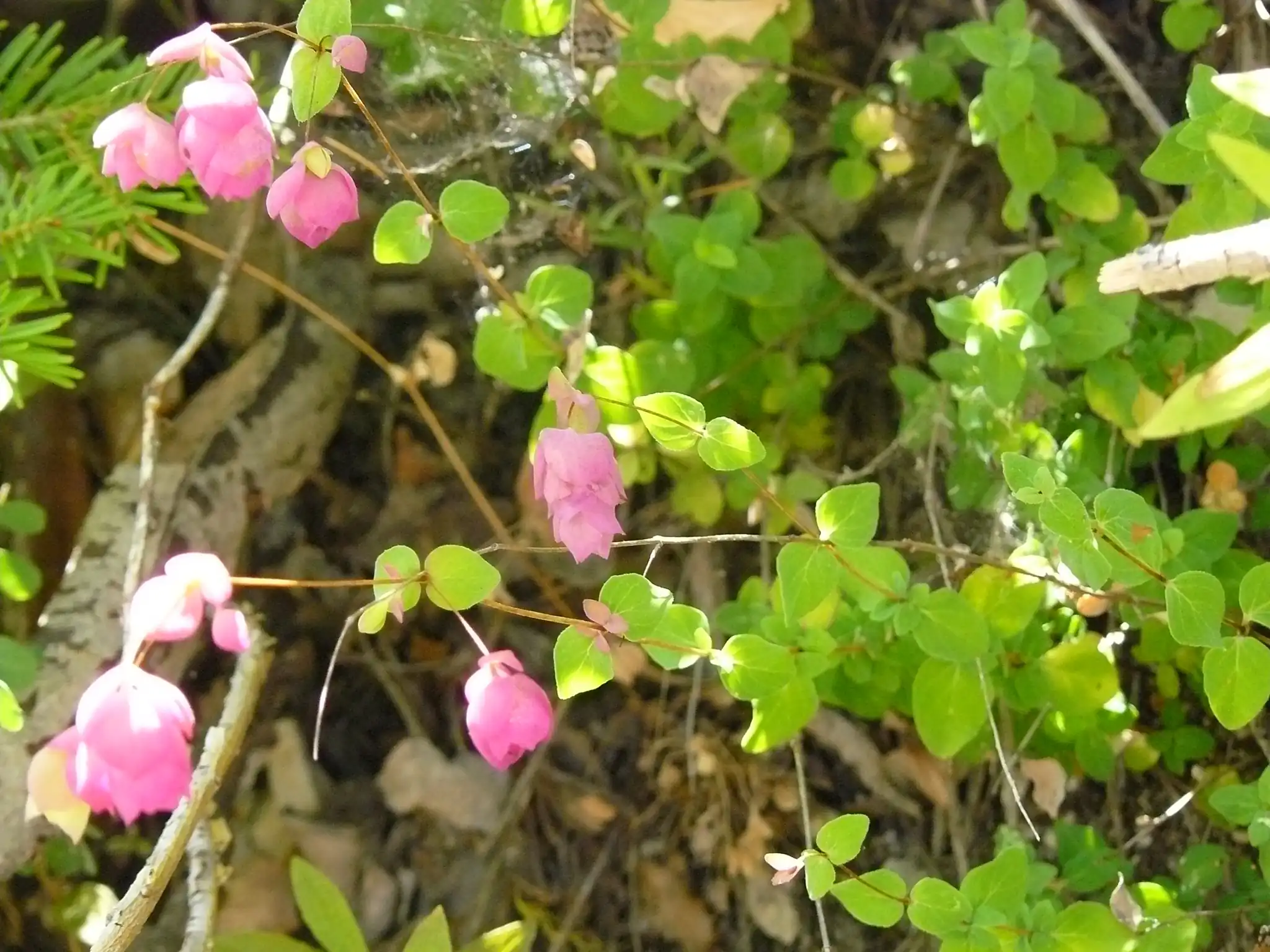
Origanum libanoticum is a herbaceous perennial that forms a low spreading mound 9 to 18 inches high and wide, with wiry stems that lengthen and cascade with age. It carries small green ovate leaves to about half an inch long that are fragrant when crushed but lack culinary pungency, and it is deciduous.
This species is grown for its nodding ovoid spikes of overlapping pale-green bracts flushed pink, each carrying tiny rose-pink flowers through summer to fall. Unlike culinary oregano, it is an ornamental trailer for containers, hanging baskets and rock edges, where drainage matters more than fertility and winter wet kills more plants than cold.
Uses & Benefits:
Essentials
At a Glance
Plant Type
Perennial
Height
18"
Width
18"
Light
Full Sun
Zones
4, 5, 6, 7, 8, 9
Water
Low
Humidity
Low
Lifespan
Perennial
Native To
Lebanon and Syria
Toxicity
Unknown - ornamental only
Bloom period
Summer – Fall
In flower about 6 months of the year
Marketplace
Where to Buy
Shipping costs Year-round shipping Free shipping
Planting
How to Grow
- Plant in full sun in lean, gritty, well-drained soil with pH 6.5 to 8.0 after last frost.
- Set the crown slightly high and space 12 to 18 inches apart to keep air around the wiry stems.
- Water to establish, then water sparingly; allow the top inches to dry between waterings.
- Shear spent bract spikes in late summer to keep the mound dense and extend display into fall.
- In cold or wet winters, move containers under cover and mulch the crown with gravel, not organic mulch that holds water.
Pro Tip
Set the crown high in gritty, lean mix and keep winter water off it; cold to zone 5 is tolerated, but saturated soil rots the roots.
Keep It Thriving
Care Guide
Do
- Give full sun and sharp drainage in sandy or rocky loam.
- Grow in pots, hanging baskets or raised rock edges where water drains fast.
- Leave spent bracts for bees and butterflies through summer.
Don't
- Do not plant in heavy wet soil or low spots that stay saturated in winter.
- Do not overfertilize or use rich moisture-holding mixes; poor to moderate fertility is enough.
- Do not harvest for cooking; this is an ornamental oregano with low pungency.
Seasonal Care Calendar
| Task | Jan | Feb | Mar | Apr | May | Jun | Jul | Aug | Sep | Oct | Nov | Dec |
|---|---|---|---|---|---|---|---|---|---|---|---|---|
| Deadhead | ||||||||||||
| Mulch | ||||||||||||
| Pest Check | ||||||||||||
| Plant | ||||||||||||
| Winter Prep |
Watch Out For
Pests & Diseases
Common Pests
Common Diseases
In the Garden
Landscape Uses & Companions
Landscape Uses
Multiply
Propagation Methods
Good to Know
Common Questions
Hopflower Oregano questions
What zones can Hopflower Oregano grow in?
Hopflower Oregano is hardy in USDA Zones 4–9: in that range it survives winter in the ground. Warmer than Zone 9, winter isn't the problem: it prefers colder winters, and summer heat can shorten its life.
Is Hopflower Oregano deer resistant?
Yes — Hopflower Oregano is rated deer-resistant. Deer typically pass it over, though extreme hunger can override any plant's defenses.
When does Hopflower Oregano bloom?
Hopflower Oregano typically blooms from summer to fall. Exact timing shifts a week or two with your zone — Sow's bloom calendar maps it to your garden.
Does Hopflower Oregano need full sun?
Hopflower Oregano does best in full sun (6+ hours).
Is Hopflower Oregano drought tolerant?
Yes — once established (usually after the first full season), Hopflower Oregano handles dry spells with minimal watering. Water deeply its first year to build the root system that makes that possible.
More Origanum to compare
Italian Oregano
Origanum vulgare 'Italian'
Oregano
Origanum vulgare
Kirigami Oregano
Origanum vulgare 'Kirigami'
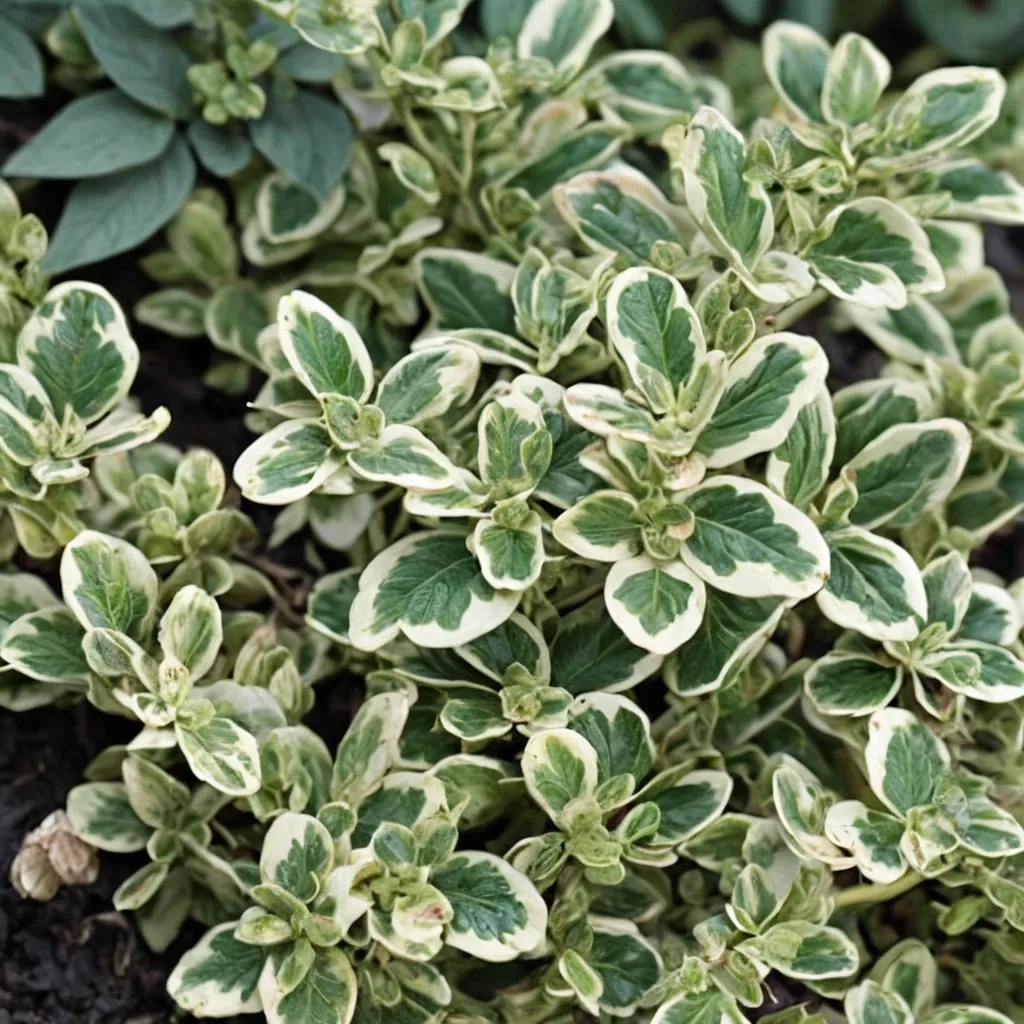
Variegated Oregano
Origanum vulgare 'Variegata'
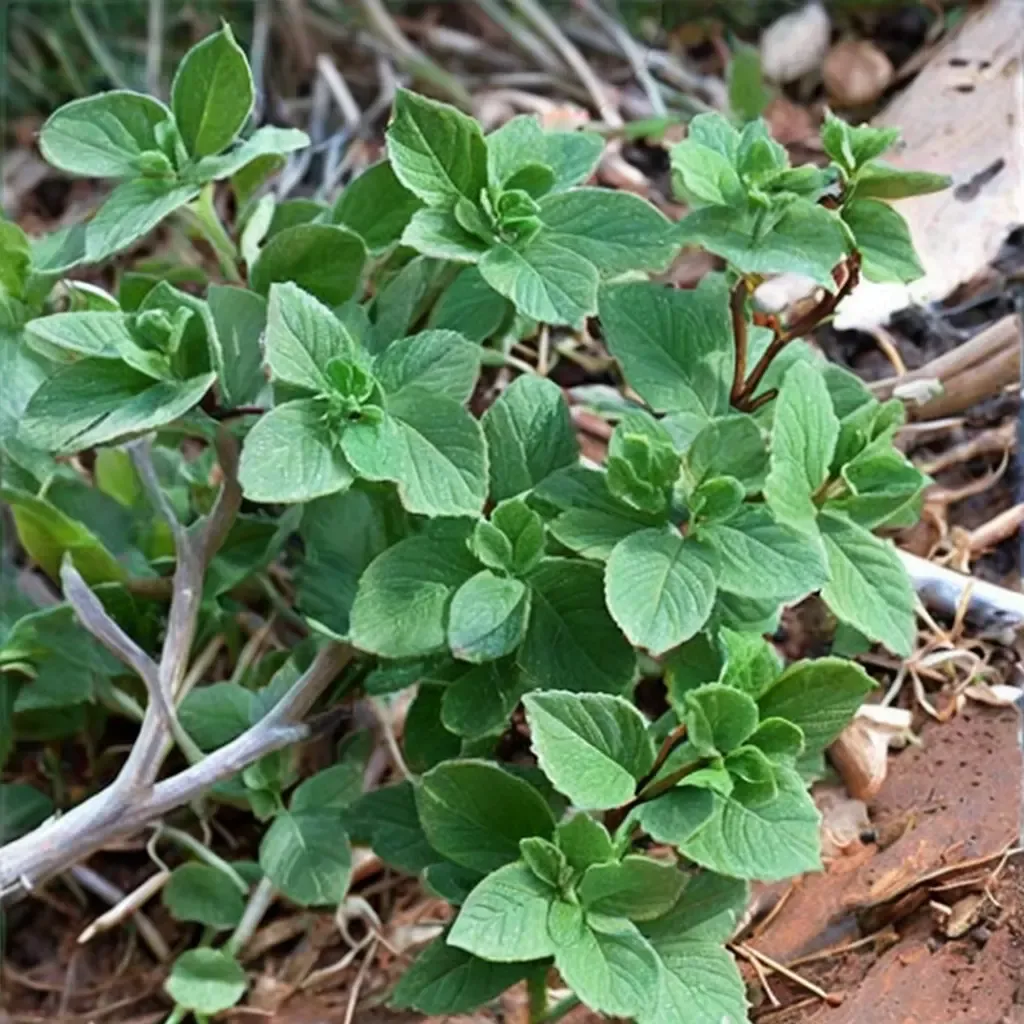
True Greek Oregano
Origanum vulgare 'True Greek'
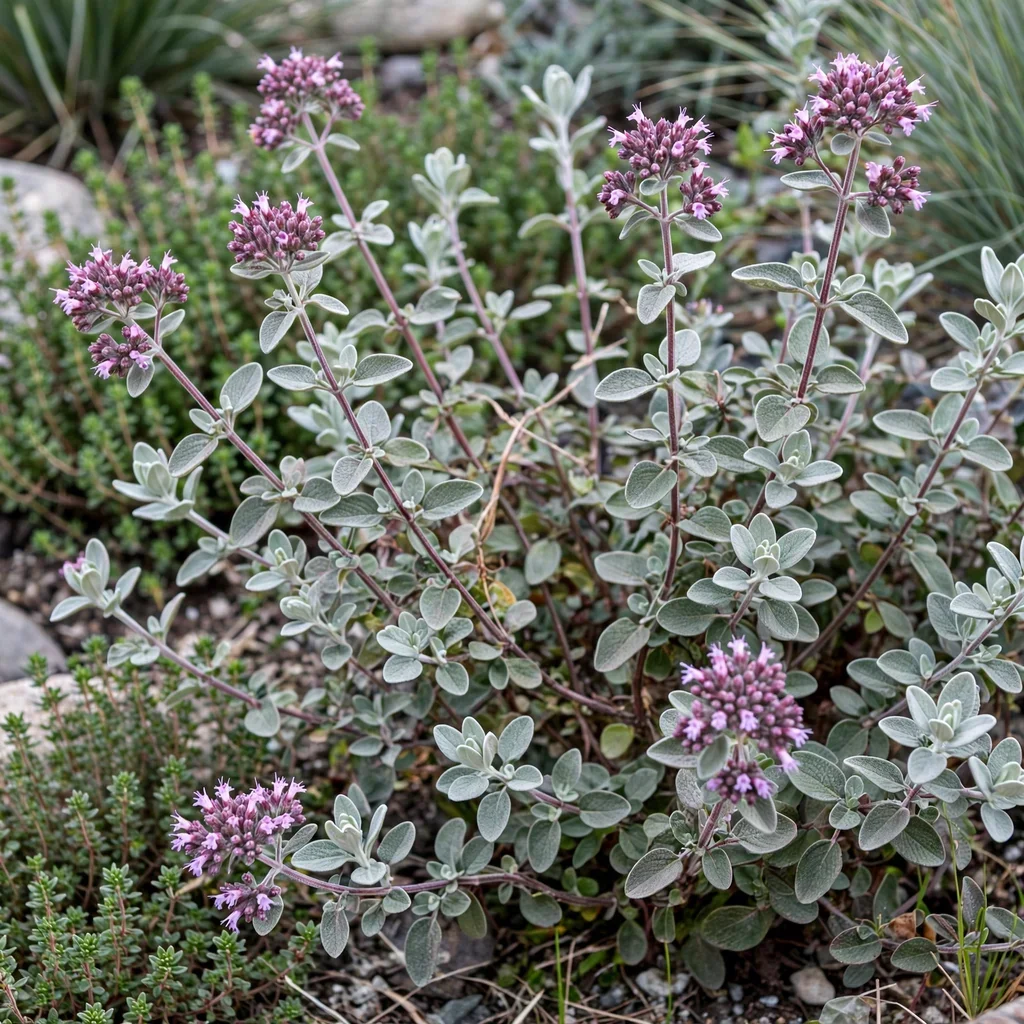
Ornamental Oregano
Origanum laevigatum
Keep exploring
Explore the genus
Grow Hopflower Oregano with confidence
See it in a design of your actual yard, get zone-matched care reminders, and track it season by season in your garden journal.