The Story
Plant Bio
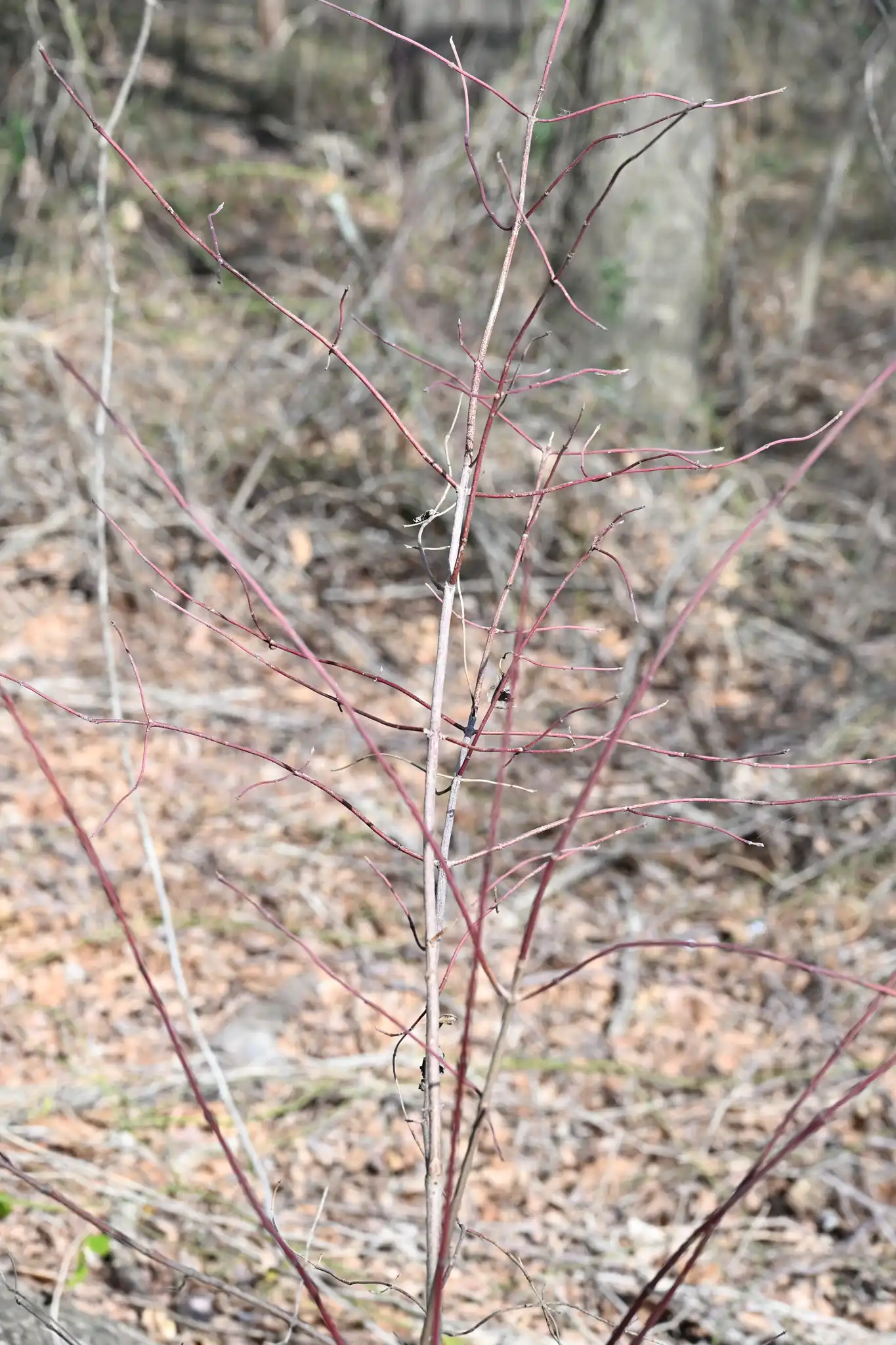
Cornus drummondii, commonly known as roughleaf dogwood, is a multi-stemmed deciduous shrub native to central and eastern North America that reaches six to sixteen feet tall. It forms open, rounded thickets with green ovate leaves that turn purplish-red in fall and produces flat-topped clusters of creamy-white spring flowers followed by white berries.
Unlike flowering dogwoods that feature large petal-like bracts, this species produces flat cymes of small four-petaled flowers measuring two to four inches across. It is distinguished from similar shrubby dogwoods by its rough, sandpapery upper leaf surfaces coated in stiff hairs and its pubescent young shoots.
Uses & Benefits:
Essentials
At a Glance
Plant Type
Shrub
Height
192"
Width
192"
Light
Full Sun, Partial Sun
Zones
5, 6, 7, 8, 9
Water
Low to High
Humidity
High
Lifespan
Perennial
Native To
North America
Toxicity
Non-toxic
Bloom period
Late spring – Early summer
In flower about 2 months of the year
Planting
How to Grow
- Select a planting location in full sun to partial shade with adequate space for thicket spread.
- Dig a hole twice as wide as the root container and set the root crown flush with the surrounding soil.
- Backfill with native soil, firming gently around the base to remove air pockets.
- Water thoroughly after planting and apply a two-inch layer of organic mulch around the root zone.
- Maintain consistent soil moisture during the first season until the root system establishes.
Pro Tip
Prune root suckers at ground level in late winter to restrict thicket expansion if growing as an isolated specimen.
Keep It Thriving
Care Guide
Do
- Prune in late winter or early spring to remove dead or damaged wood.
- Sever root suckers promptly at ground level if thicket formation is undesirable.
- Provide supplemental water during extended summer dry spells until plants are established.
Don't
- Do not apply overhead irrigation late in the day, which encourages powdery mildew.
- Do not damage trunk bark with lawnmowers or string trimmers, as wounds open entry points for dogwood borers.
- Do not worry about supplemental fertilizing in standard garden or restoration soils.
Seasonal Care Calendar
| Task | Jan | Feb | Mar | Apr | May | Jun | Jul | Aug | Sep | Oct | Nov | Dec |
|---|---|---|---|---|---|---|---|---|---|---|---|---|
| Fertilize | ||||||||||||
| Mulch | ||||||||||||
| Pest Check | ||||||||||||
| Prune |
Watch Out For
Pests & Diseases
Common Pests
Common Diseases
In the Garden
Landscape Uses & Companions
Landscape Uses
Multiply
Propagation Methods
Good to Know
Common Questions
Roughleaf Dogwood questions
What zones can Roughleaf Dogwood grow in?
Roughleaf Dogwood is hardy in USDA Zones 5–9. Inside that range it survives winter in the ground; outside it, grow it as an annual or a container plant you protect.
Is Roughleaf Dogwood deer resistant?
Not reliably. Deer may browse Roughleaf Dogwood, especially tender spring growth — plan on repellents or fencing where pressure is high.
When does Roughleaf Dogwood bloom?
Roughleaf Dogwood typically blooms in late spring through early summer. Exact timing shifts a week or two with your zone — Sow's bloom calendar maps it to your garden.
Does Roughleaf Dogwood need full sun?
Roughleaf Dogwood does best in full sun to part shade. In hot climates, afternoon shade keeps blooms fresher longer.
Is Roughleaf Dogwood drought tolerant?
Yes — once established (usually after the first full season), Roughleaf Dogwood handles dry spells with minimal watering. Water deeply its first year to build the root system that makes that possible.
More Cornus to compare
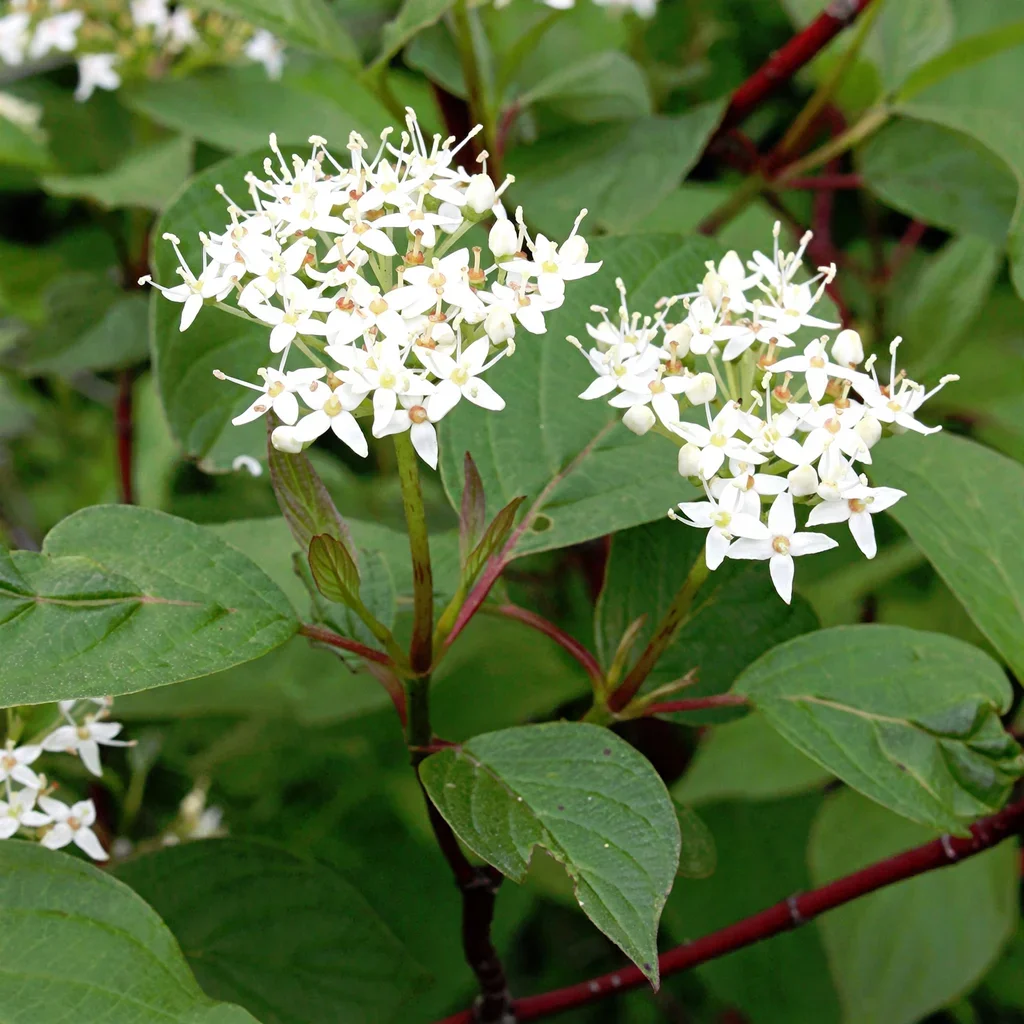
Red Twig Dogwood
Cornus sericea 'Red Twig'
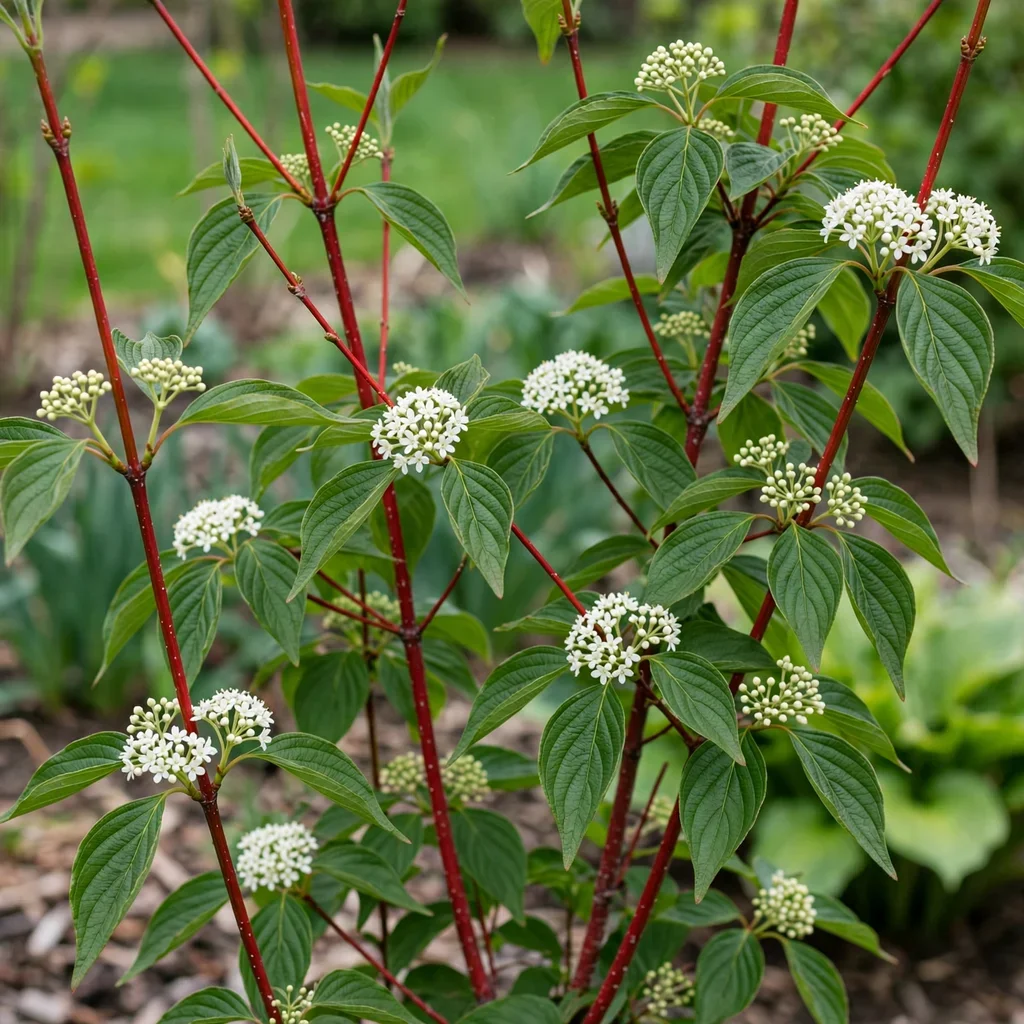
Arctic Fire Red Osier Dogwood
Cornus sericea 'Arctic Fire'
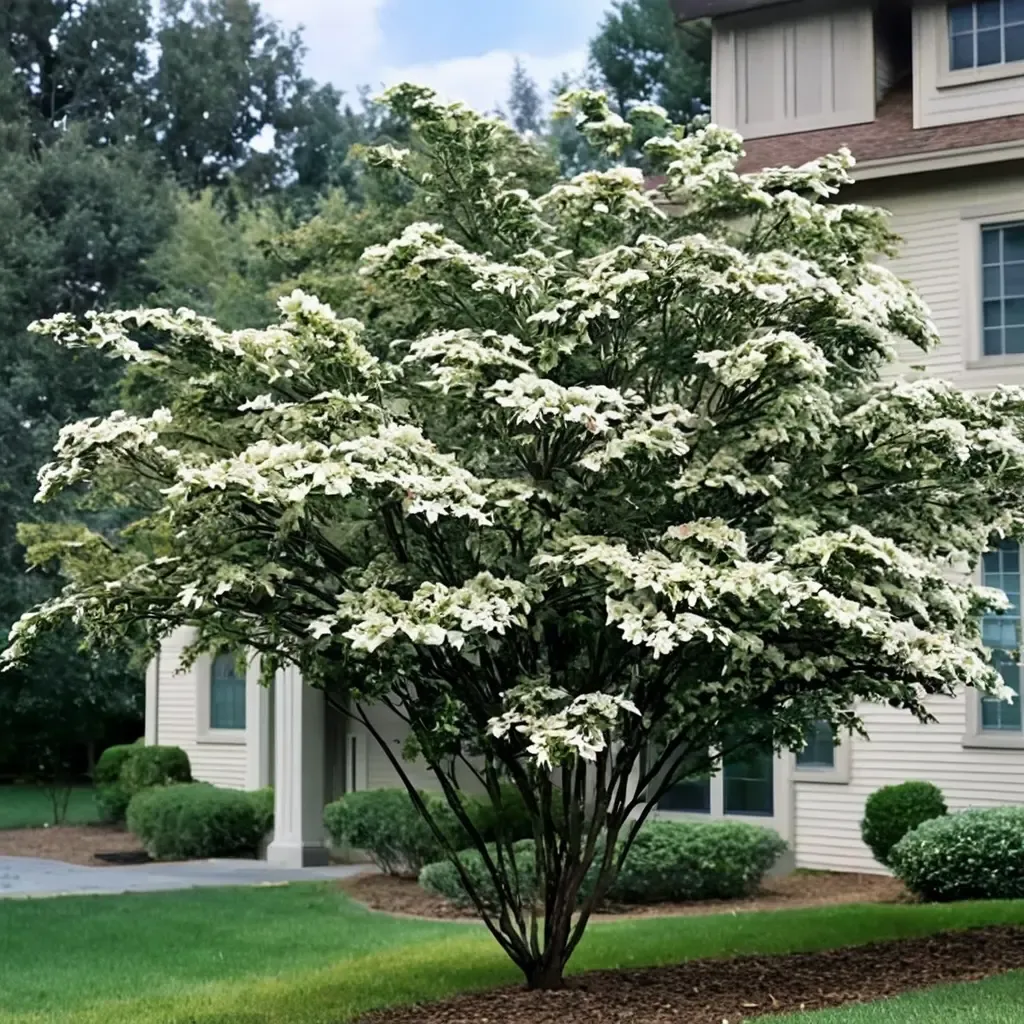
Kousa Dogwood
Cornus kousa
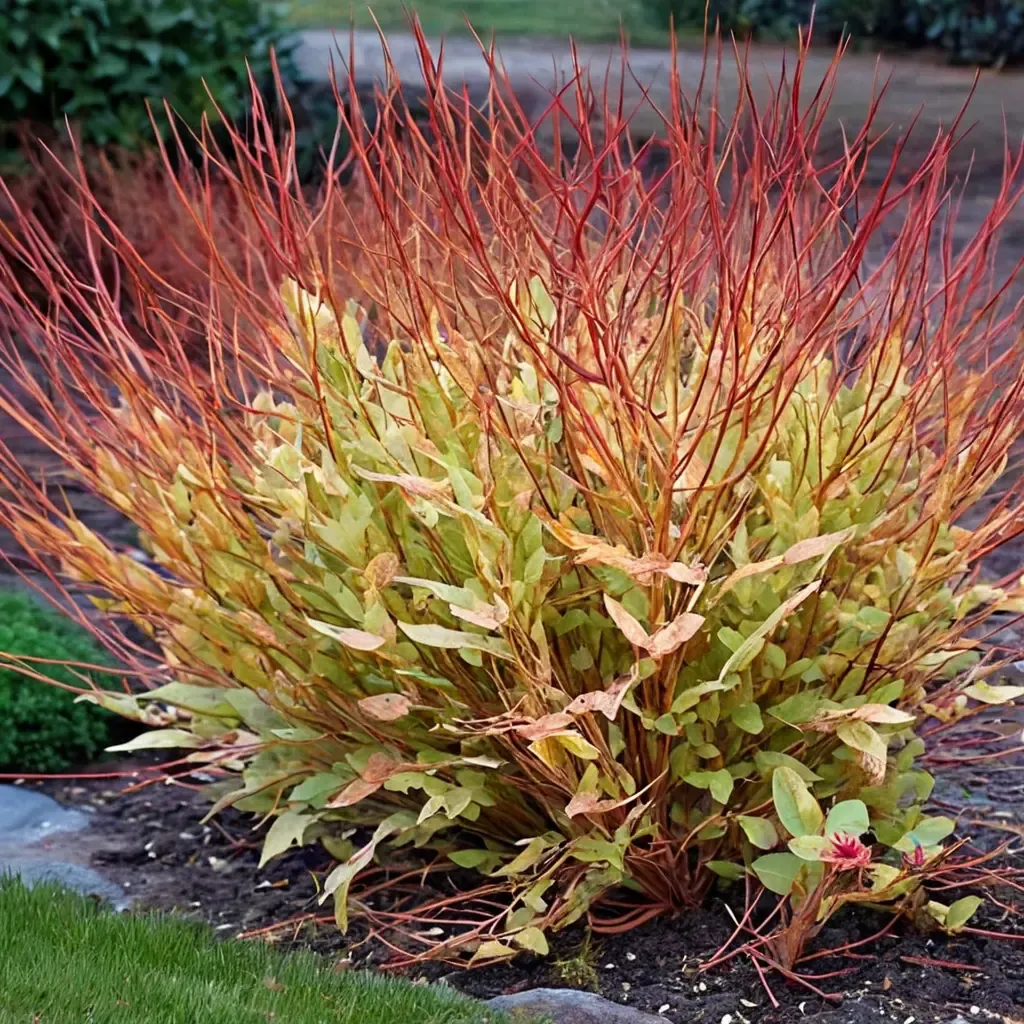
Midwinter Fire Dogwood
Cornus sanguinea 'Midwinter Fire'
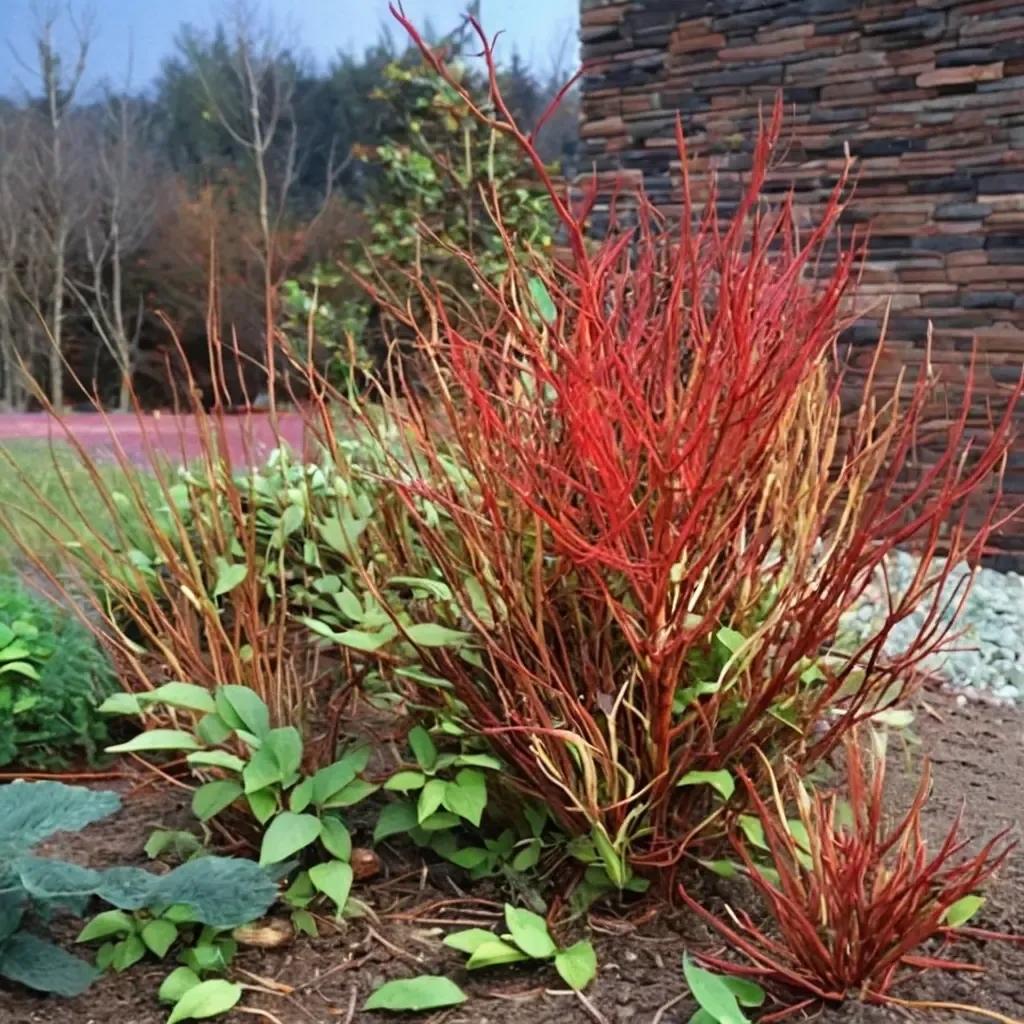
Cardinal Red Osier Dogwood
Cornus sericea 'Cardinal'
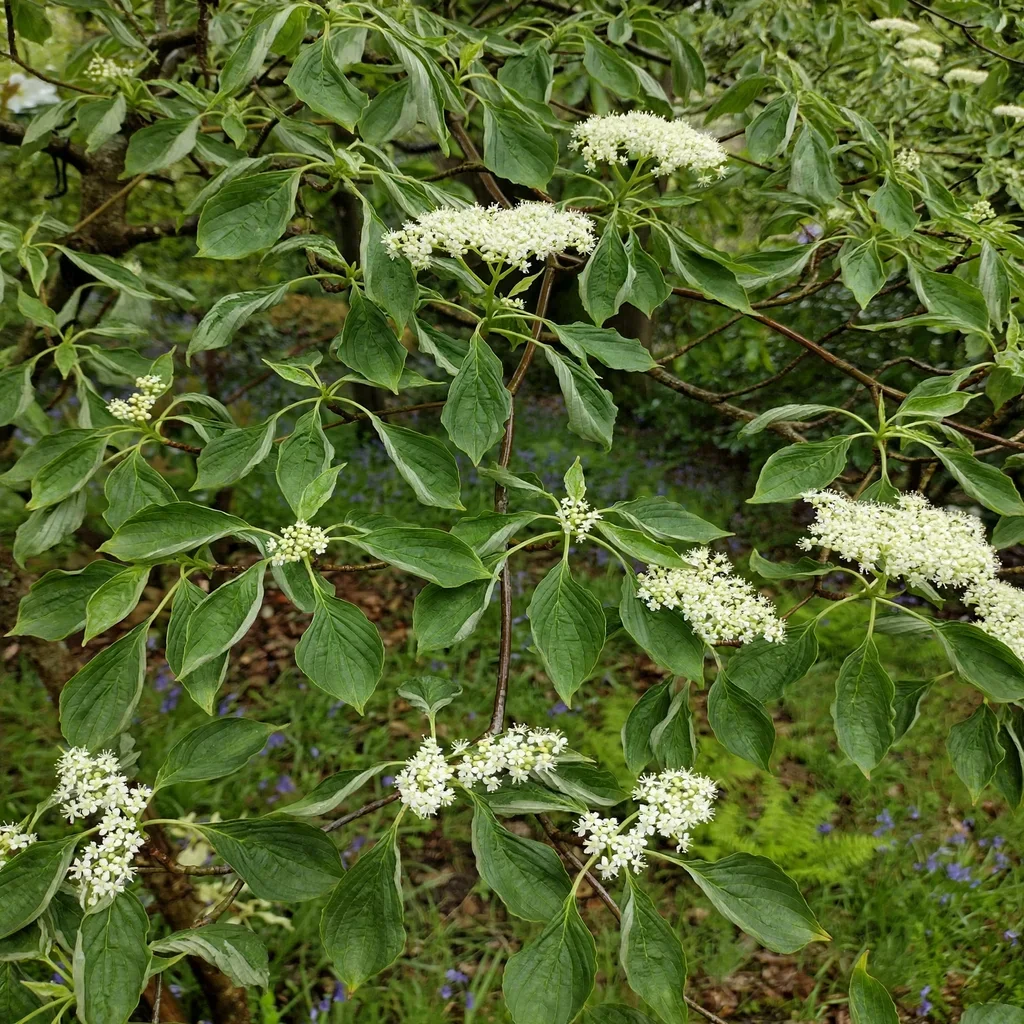
Giant Dogwood
Cornus controversa
Keep exploring
Explore the genus
Hardy in your zone?
Grow Roughleaf Dogwood with confidence
See it in a design of your actual yard, get zone-matched care reminders, and track it season by season in your garden journal.