The Story
Plant Bio
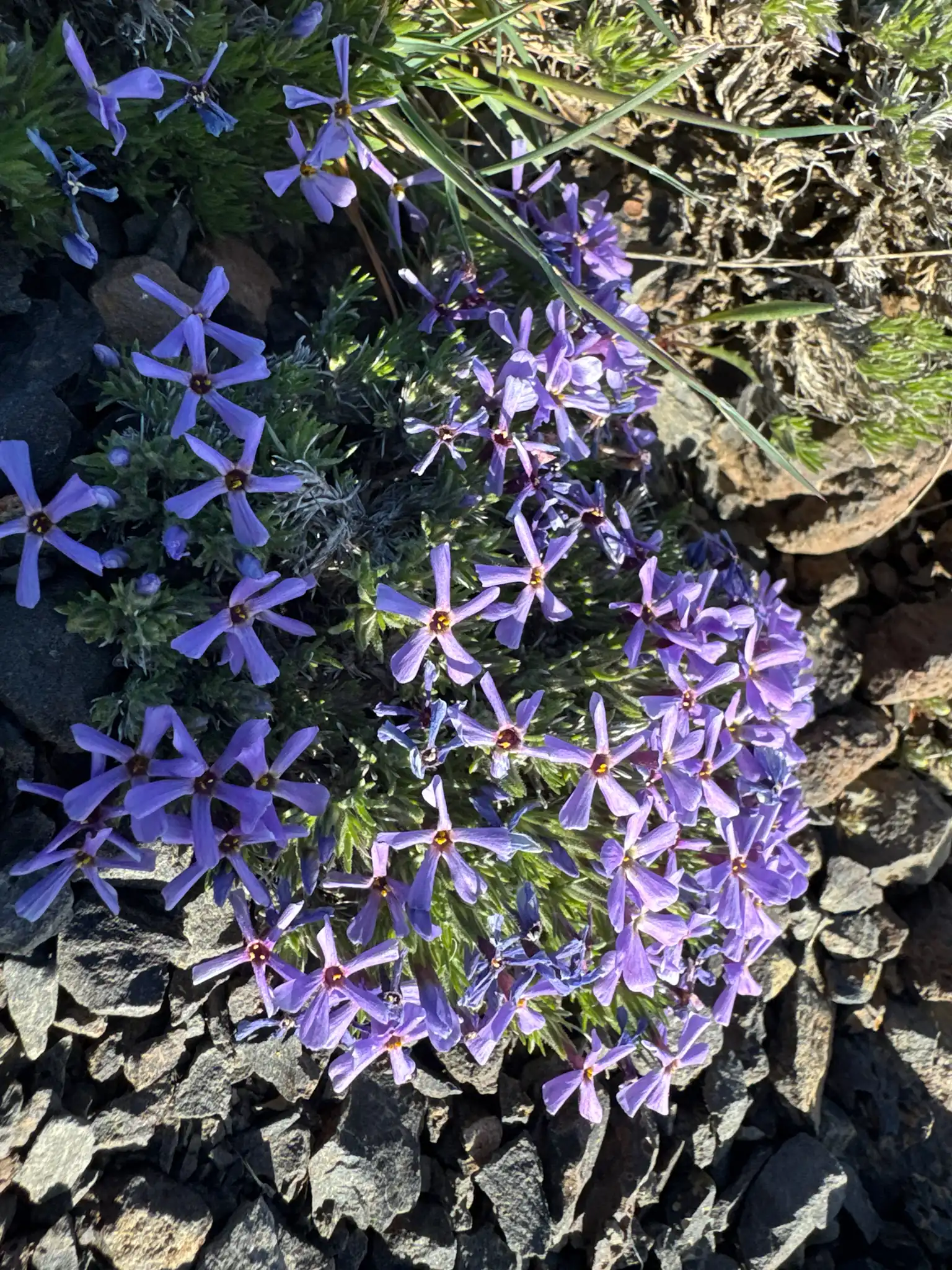
Phlox douglasii is an evergreen subshrub from dry hillsides and open forests of western North America, forming a woody-based mat 4 to 8 inches tall and up to 20 inches wide, wider in old colonies. The leaves are small stiff dark green and awl-shaped, packed along branching stems, with single five-lobed salverform flowers about 3/4 inch across covering the mat in spring.
Wild plants bear pink-purple to white flowers, while named selections fix the color, including dark-eyed purplish-pink Boothman's Variety and white Iceberg. Nursery stock labeled as P. douglasii is sometimes P. diffusa, so check the tight cushion habit and short stiff leaves against the label before buying for a rock garden.
Uses & Benefits:
Essentials
At a Glance
Plant Type
Perennial
Height
8"
Width
20"
Light
Full Sun, Partial Sun
Zones
4, 5, 6, 7, 8
Water
Low to moderate
Humidity
Low, needs good air circulation
Lifespan
Perennial evergreen subshrub
Native To
Western North America
Toxicity
Non-toxic
Bloom period
Spring – Early summer
In flower about 4 months of the year
Planting
How to Grow
- Set plants 12 to 18 inches apart in full sun to light shade in sharply drained, humus-rich soil.
- Plant with the crown level with the soil surface, firm in and water once to settle.
- Water only during extended dry spells once rooted; keep winter wet off the mat.
- Shear lightly after spring bloom to tighten growth and remove spent flowers.
- Thin congested edges to maintain airflow and prevent mildew in the center.
Pro Tip
Give it lean well-drained soil and open spacing; crowded constantly wet crowns develop powdery mildew first. Shear lightly right after bloom to keep the cushion tight, and confirm the label because nursery P. douglasii is often P. diffusa.
Keep It Thriving
Care Guide
Do
- Space plants openly for sun and air circulation.
- Grow in sharply drained soil with the crown kept dry.
- Water deeply but infrequently in dry periods once established.
Don't
- Do not overwater or crowd mats where air cannot move.
- Do not plant in heavy clay or low wet spots that hold water.
- Do not cut back into bare woody stems to rejuvenate.
Seasonal Care Calendar
| Task | Jan | Feb | Mar | Apr | May | Jun | Jul | Aug | Sep | Oct | Nov | Dec |
|---|---|---|---|---|---|---|---|---|---|---|---|---|
| Pest Check | ||||||||||||
| Plant | ||||||||||||
| Prune | ||||||||||||
| Spring Cleanup |
Watch Out For
Pests & Diseases
Common Pests
Common Diseases
In the Garden
Landscape Uses & Companions
Landscape Uses
Multiply
Propagation Methods
Good to Know
Common Questions
Douglas Phlox questions
What zones can Douglas Phlox grow in?
Douglas Phlox is hardy in USDA Zones 4–8: in that range it survives winter in the ground. Warmer than Zone 8, winter isn't the problem: it prefers colder winters, and summer heat can shorten its life.
When does Douglas Phlox bloom?
Douglas Phlox typically blooms from early spring to early summer. Exact timing shifts a week or two with your zone — Sow's bloom calendar maps it to your garden.
Does Douglas Phlox need full sun?
Douglas Phlox does best in full sun to part shade. In hot climates, afternoon shade keeps blooms fresher longer.
Is Douglas Phlox drought tolerant?
Yes — once established (usually after the first full season), Douglas Phlox handles dry spells with minimal watering. Water deeply its first year to build the root system that makes that possible.
More Phlox to compare
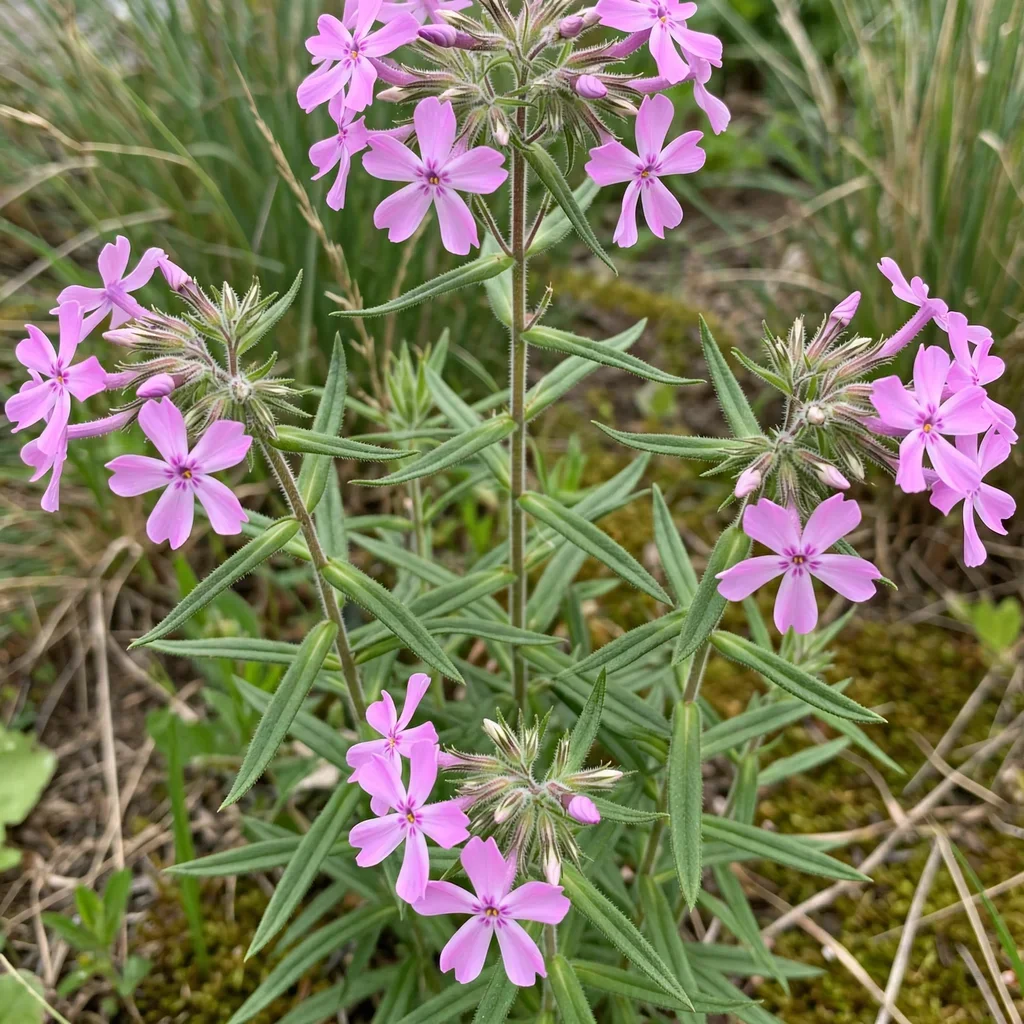
Prairie Phlox
Phlox pilosa
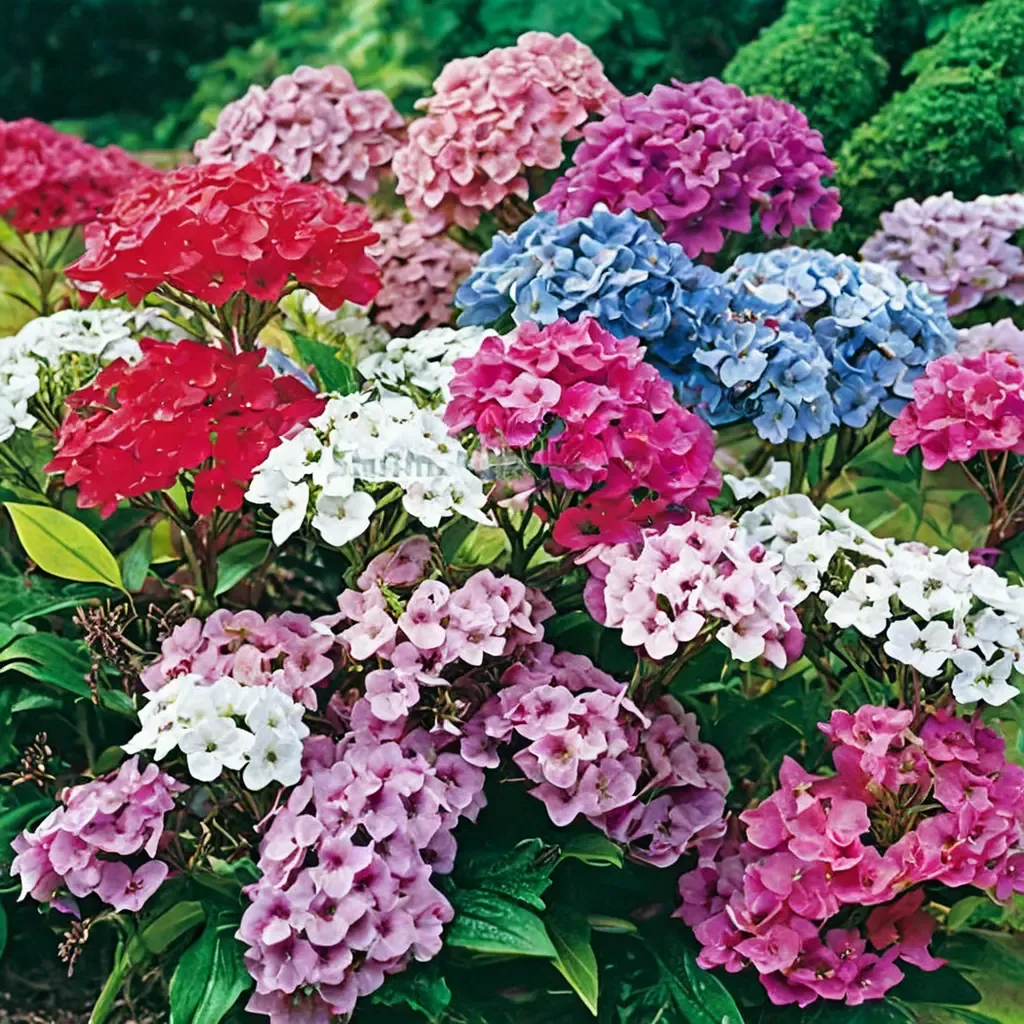
Garden Phlox Mix
Phlox paniculata 'Mix'
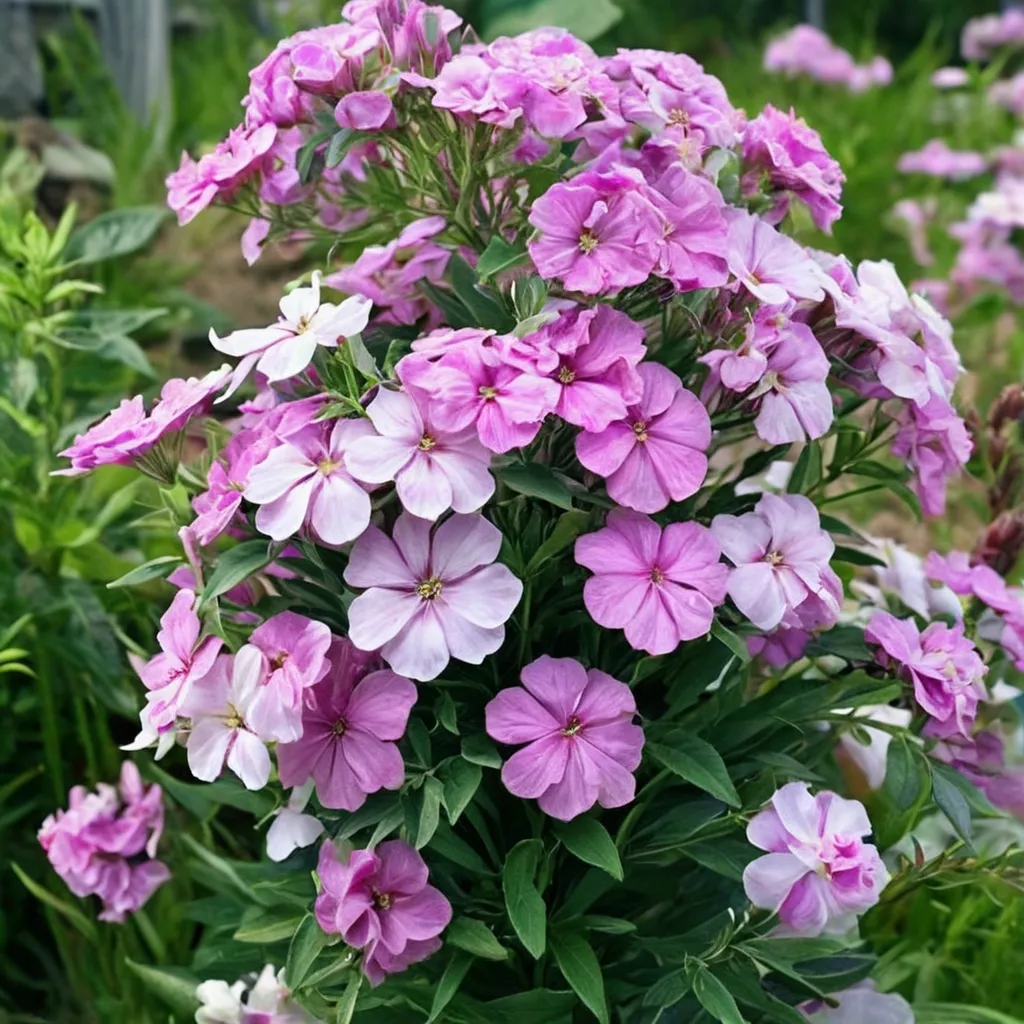
Garden Phlox 'Rene Duval'
Phlox paniculata 'Rene Duval'
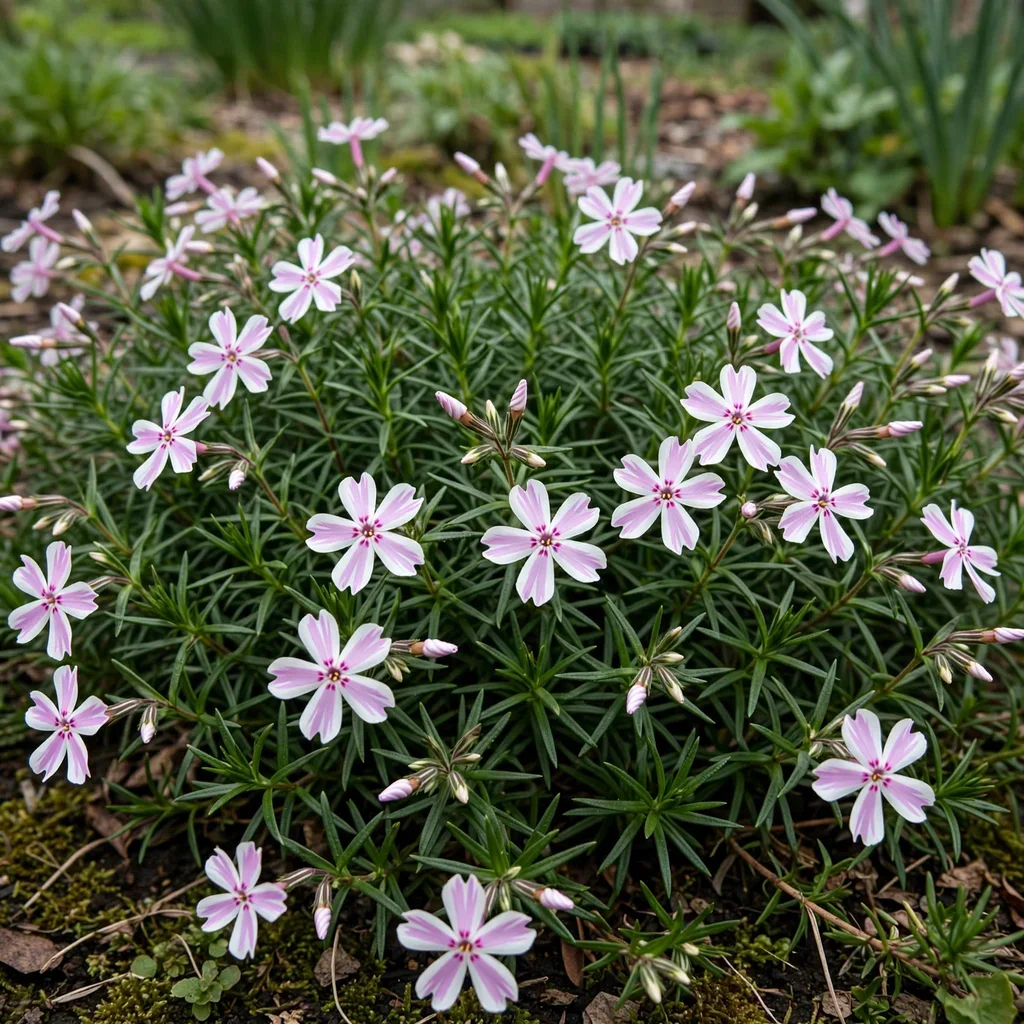
Candy Stripe Creeping Phlox
Phlox subulata 'Candy Stripe'
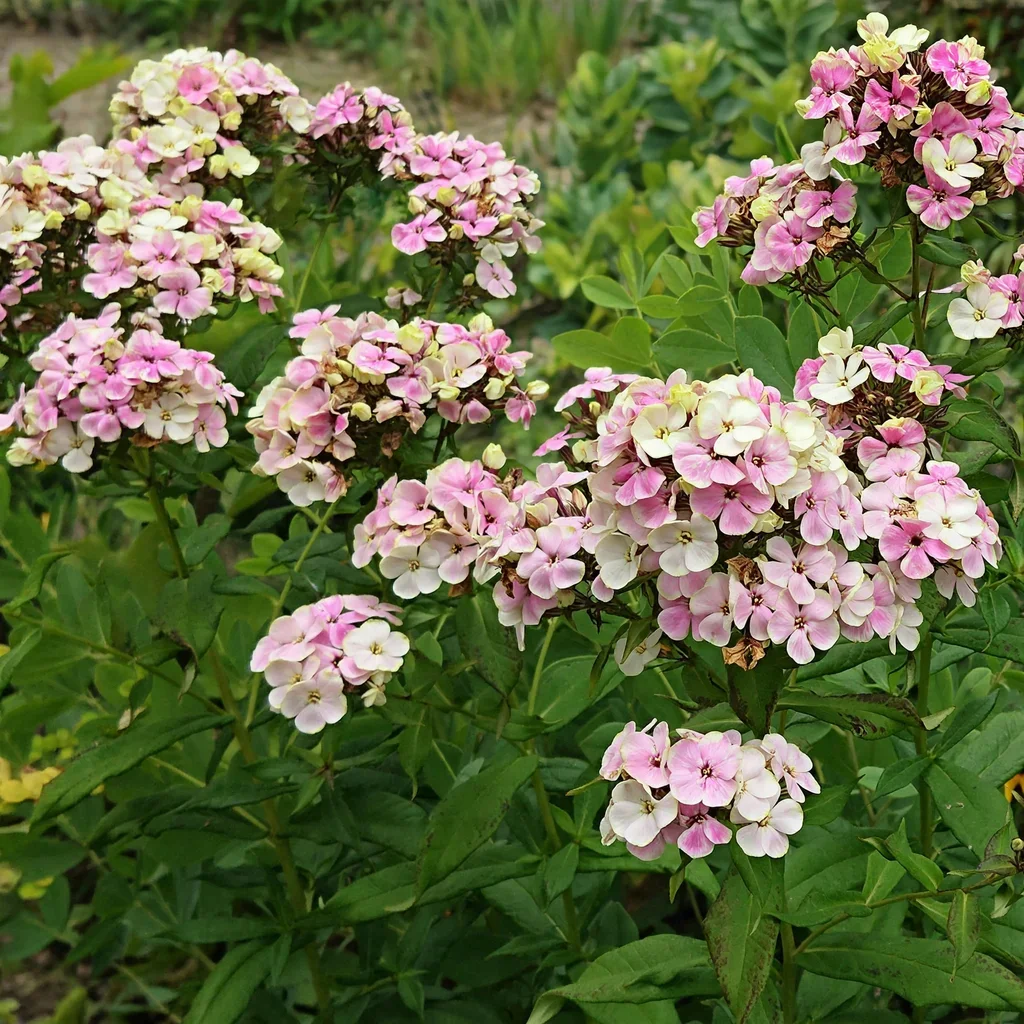
Sherbet Cocktail Garden Phlox
Phlox paniculata 'Sherbet Cocktail'
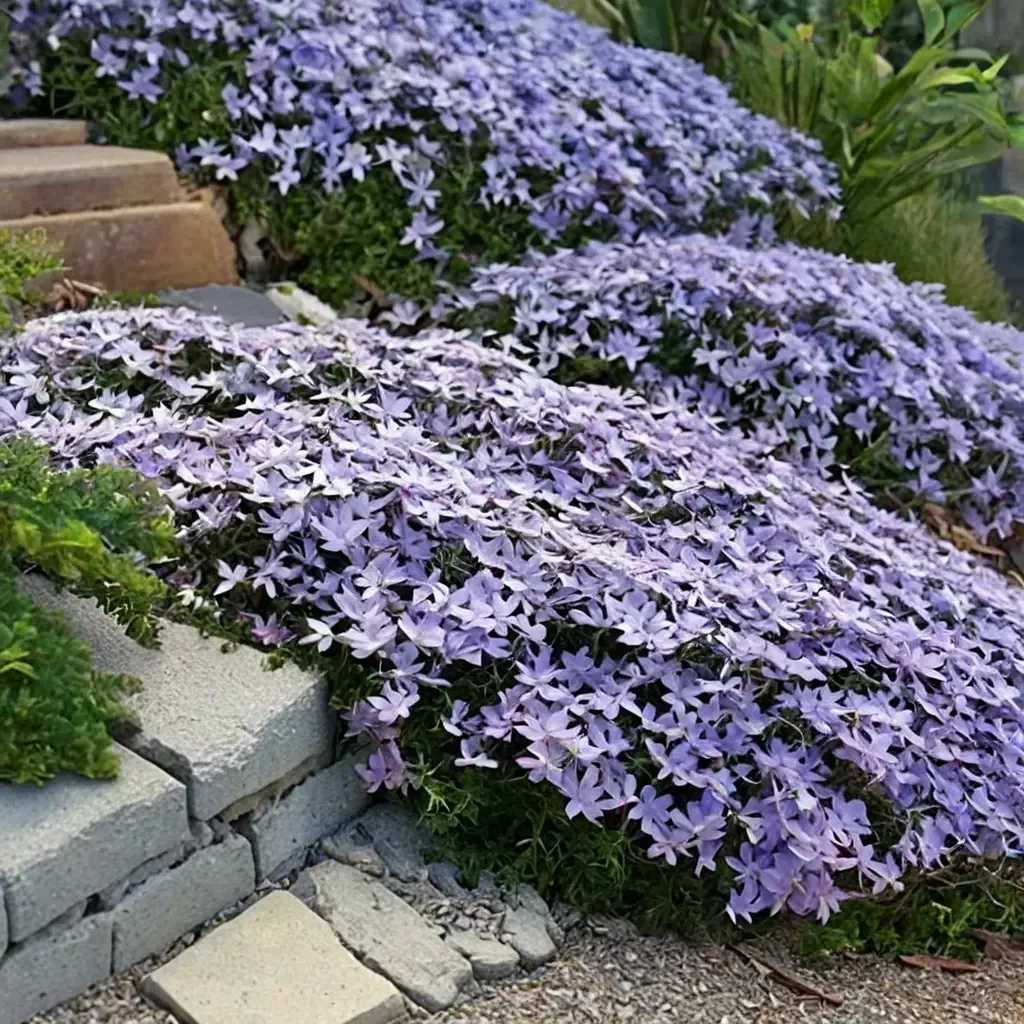
Emerald Blue Moss Phlox
Phlox subulata 'Emerald Blue'
Keep exploring
Explore the genus
Hardy in your zone?
Grow Douglas Phlox with confidence
See it in a design of your actual yard, get zone-matched care reminders, and track it season by season in your garden journal.