2 named cultivars
The Story
Plant Bio
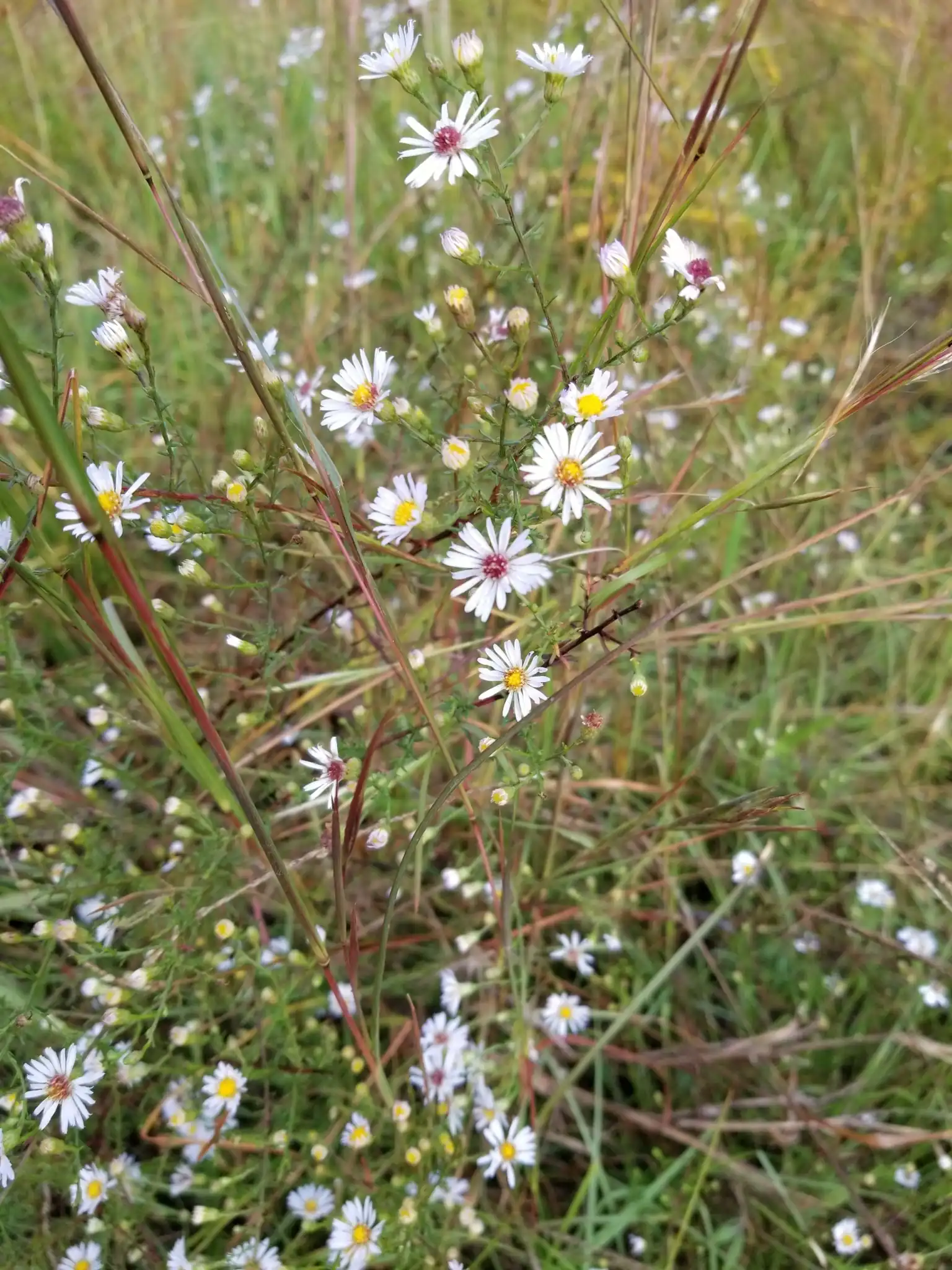
Symphyotrichum dumosum, bushy aster, is a low mounding perennial native to eastern Canada and the United States, reaching one to three feet with a neat rounded outline. Small daisy flowers with white, pale pink or pale blue rays and yellow centres cover the plant from late summer into autumn. The stem leaves are small, rigid and clasping, giving it a fine, twiggy texture.
It is naturally denser and more compact than most native asters, so it holds its shape without staking or pinching — much of the modern compact aster breeding traces back to this species. It also tolerates poor sandy soil and dry conditions once established, flowering well where richer-fed asters flop.
Uses & Benefits:
Essentials
At a Glance
Plant Type
Perennial
Height
24"
Width
18"
Light
Full Sun, Partial Sun
Zones
4, 5, 6, 7, 8
Water
Low to moderate
Humidity
Moderate
Lifespan
Perennial
Native To
Eastern Canada and the United States
Toxicity
Non-toxic
Marketplace
Where to Buy
Shipping costs Year-round shipping Free shipping
Planting
How to Grow
- Plant in spring in average, well-drained soil.
- Choose full sun to partial shade.
- Space about eighteen inches apart to allow the mound to fill.
- Water through the first season, then only in prolonged drought.
- Divide every three years or so to keep clumps vigorous.
- Cut back in late winter after the seed has fed birds.
Pro Tip
Leave it unfed and unpinched — this is one aster that stays compact on its own, and richer soil only makes it lax.
Keep It Thriving
Care Guide
Do
- Plant in full sun for the densest habit ☀️
- Let it dry between waterings once established 🌱
- Divide every few years to keep it vigorous ✂️
- Leave seed heads for birds over winter 🐦
Don't
- Feed it richly; it loses its compact shape ❌
- Crowd it, which encourages mildew ❌
- Cut it down in autumn and lose the winter seed ❌
Seasonal Care Calendar
| Task | Jan | Feb | Mar | Apr | May | Jun | Jul | Aug | Sep | Oct | Nov | Dec |
|---|---|---|---|---|---|---|---|---|---|---|---|---|
| Divide | ||||||||||||
| Prune |
Watch Out For
Pests & Diseases
Common Pests
Common Diseases
In the Garden
Landscape Uses & Companions
Landscape Uses
Companion Plants
Multiply
Propagation Methods
Good to Know
Common Questions
Rice Button Aster questions
What zones can Rice Button Aster grow in?
Rice Button Aster is hardy in USDA Zones 4–8. Inside that range it survives winter in the ground; outside it, grow it as an annual or a container plant you protect.
Is Rice Button Aster deer resistant?
Yes — Rice Button Aster is rated deer-resistant. Deer typically pass it over, though extreme hunger can override any plant's defenses.
When does Rice Button Aster bloom?
Rice Button Aster typically blooms in late summer to fall through late fall. Exact timing shifts a week or two with your zone — Sow's bloom calendar maps it to your garden.
Does Rice Button Aster need full sun?
Rice Button Aster does best in full sun to part shade. In hot climates, afternoon shade keeps blooms fresher longer.
Is Rice Button Aster drought tolerant?
Yes — once established (usually after the first full season), Rice Button Aster handles dry spells with minimal watering. Water deeply its first year to build the root system that makes that possible.
More Symphyotrichum to compare
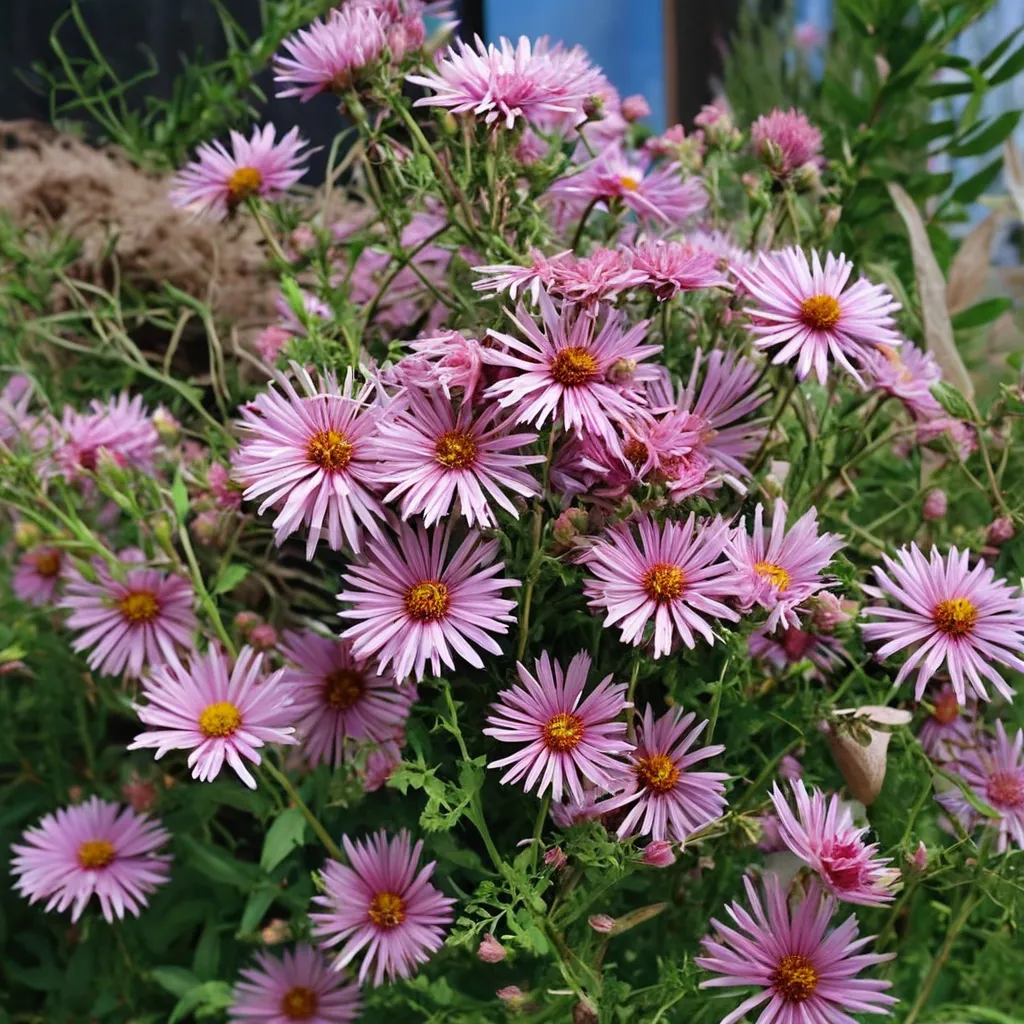
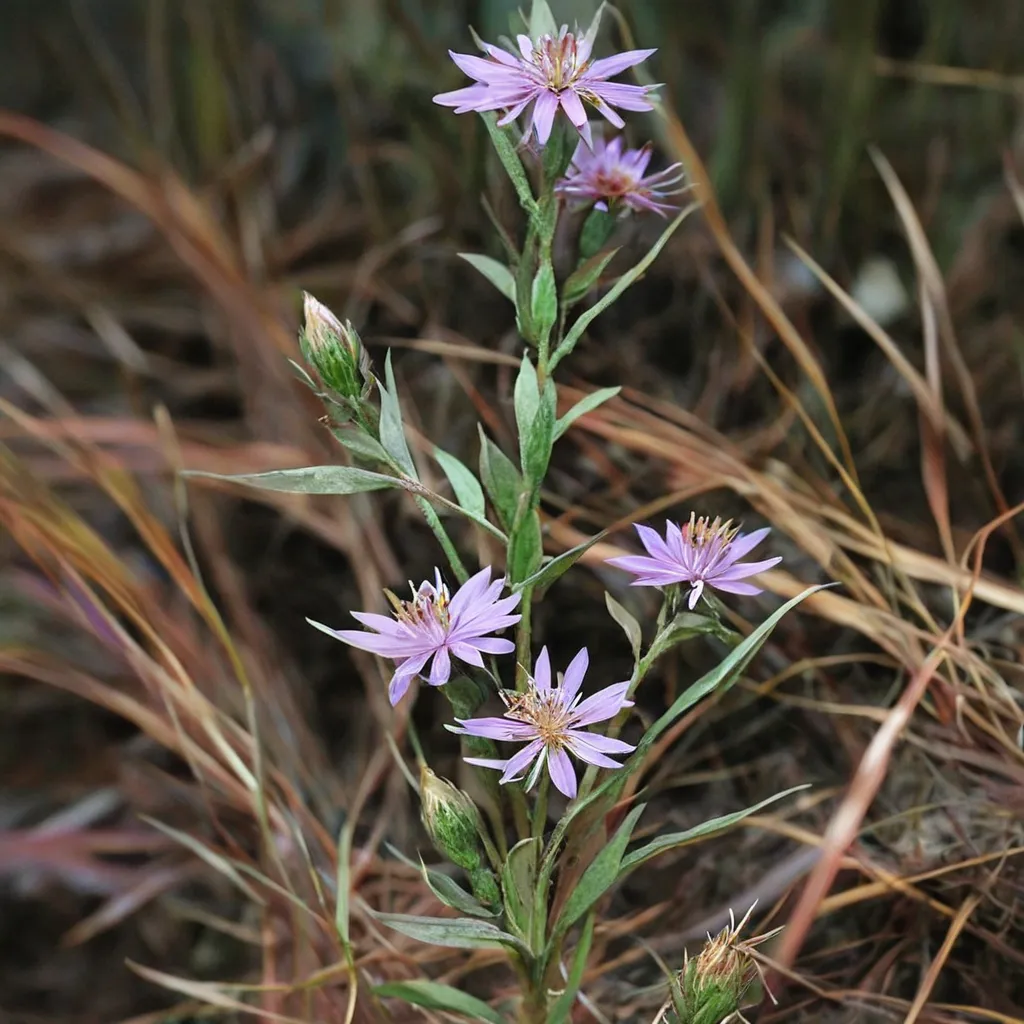
New England Aster Harringtons Pink
Symphyotrichum novae-angliae 'Harringtons Pink'
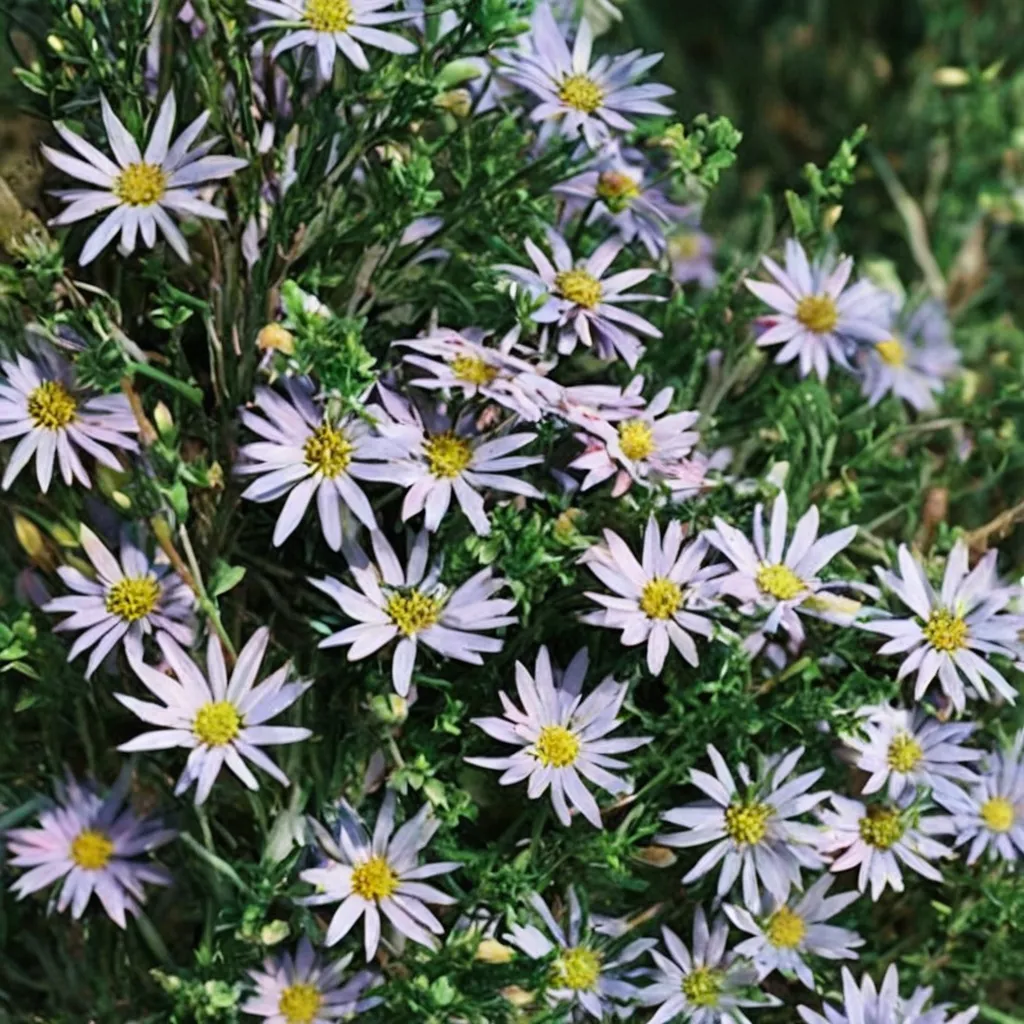
Eastern Silver Aster
Symphyotrichum concolor
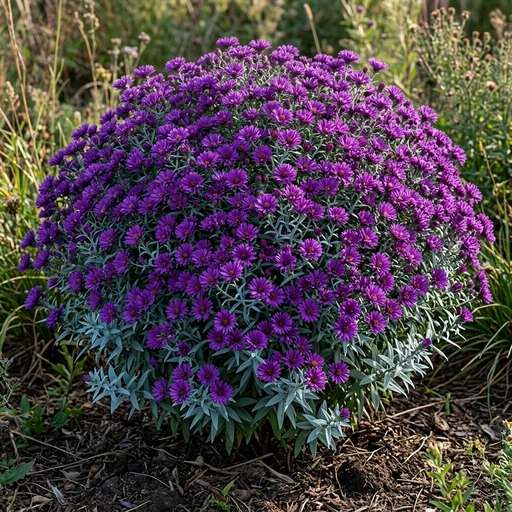
New Mexico Aster My Antonia
Symphyotrichum fendleri 'My Antonia'
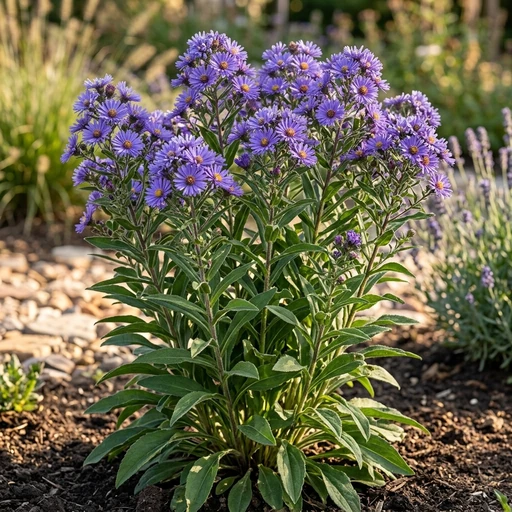
Purple Dome New England Aster
Symphyotrichum novae-angliae 'Purple Dome'
New England Aster
Symphyotrichum novae-angliae '05-196-10'
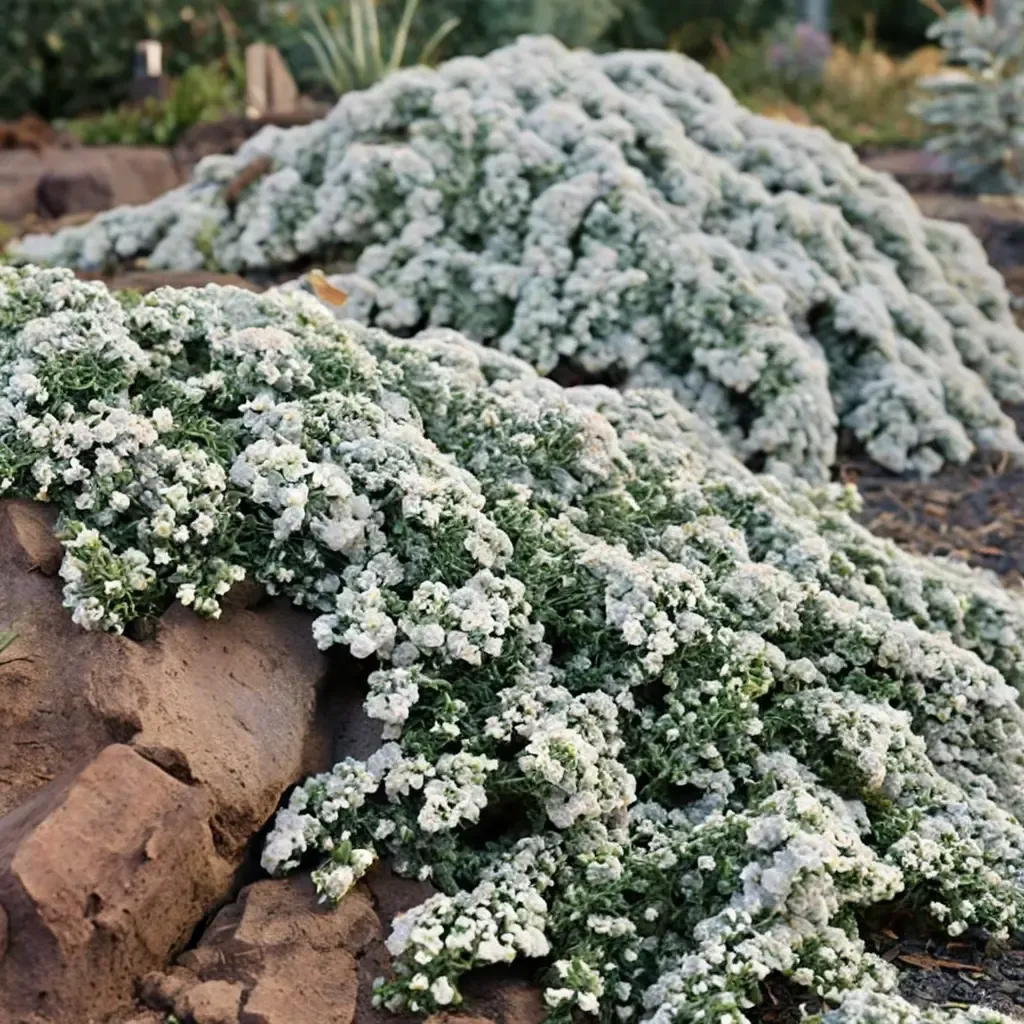
Snow Flurry Heath Aster
Symphyotrichum ericoides 'Snow Flurry'
Keep exploring
Explore the genus
Hardy in your zone?
Grow Rice Button Aster with confidence
See it in a design of your actual yard, get zone-matched care reminders, and track it season by season in your garden journal.