The Story
Plant Bio
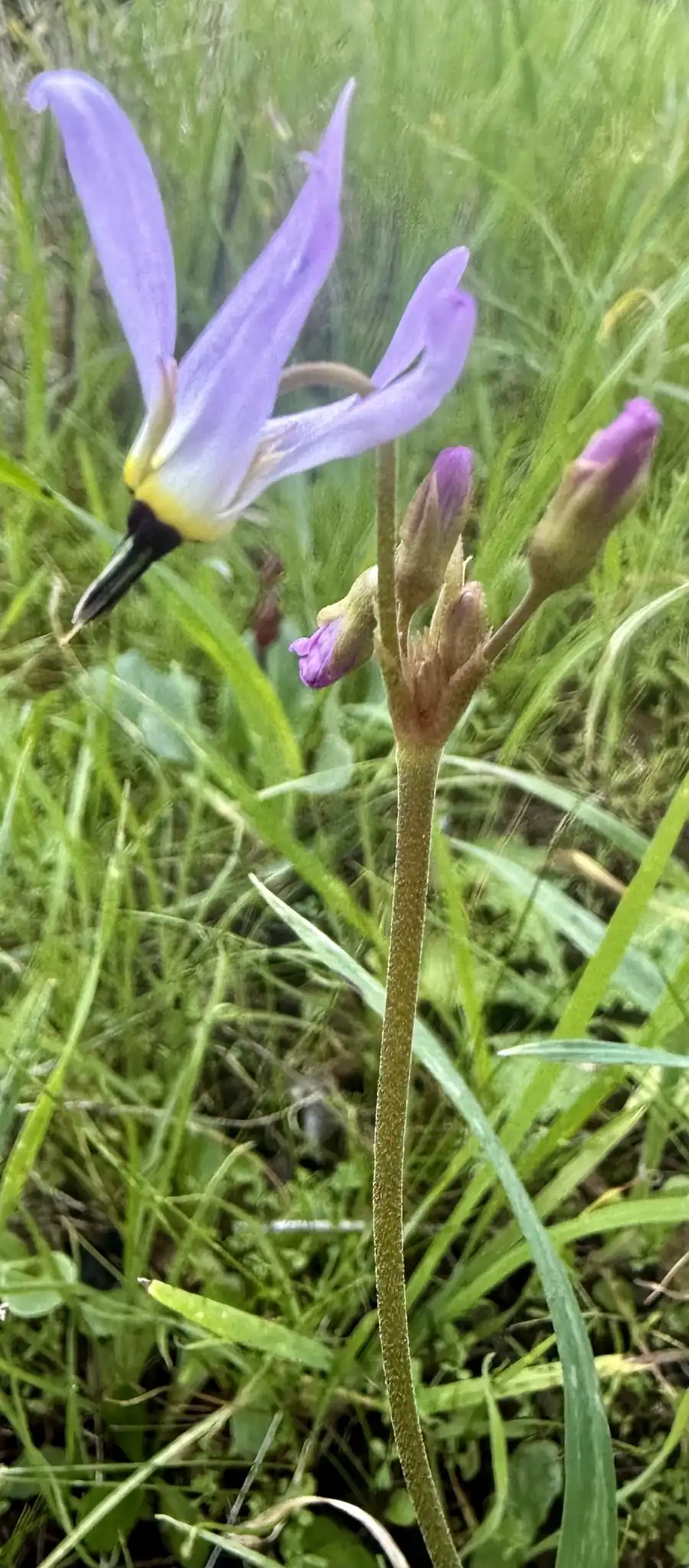
Primula hendersonii, commonly known as Henderson's shooting star, is an herbaceous perennial geophyte native to western North America from British Columbia south to California. It produces a compact basal rosette of fleshy, spoon-shaped leaves during winter that give rise to slender erect flower scapes in early spring.
The blooms feature four or five sharply reflexed magenta to deep pink petals surrounding a dark reddish-purple ring at the base of the yellow tube. The entire above-ground growth dies back completely in summer as the tuberous root system enters a strict dry-season dormancy.
Uses & Benefits:
Essentials
At a Glance
Plant Type
Perennial
Height
18"
Width
12"
Light
Full Sun, Partial Sun
Zones
4, 5, 6, 7, 8
Water
Low (dry in summer)
Humidity
Moderate
Lifespan
Perennial
Native To
Western North America
Toxicity
Mild stomach upset if ingested; potential skin irritant
Bloom period
Early spring – Mid-spring
In flower about 2 months of the year
Planting
How to Grow
- Plant dormant tubers in late fall 1 to 2 inches deep in light, well-draining soil with added leaf mold.
- Position in partial shade or filtered sunlight, particularly in warmer inland locations.
- Maintain moderate soil moisture throughout late winter and spring while the plant actively flowers and grows.
- Allow the plant to dry out completely as foliage withered in late spring, withholding all summer water.
Pro Tip
Completely withhold irrigation once the foliage yellows and dies back in late spring, as damp soil during summer dormancy induces crown rot.
Keep It Thriving
Care Guide
Do
- Ensure soil has high drainage capacity to prevent water stagnation around the tuberous roots.
- Top-dress soil with organic compost or leaf mold during fall to supply mild nutrition.
- Wear gloves when handling green foliage if you have sensitive skin.
Don't
- Do not irrigate or apply summer water after the plant enters natural summer dormancy.
- Do not prune or remove green leaves while they are actively photosynthesizing.
- Do not plant in poorly drained depressions or heavy clay without adding coarse grit or humus.
Seasonal Care Calendar
| Task | Jan | Feb | Mar | Apr | May | Jun | Jul | Aug | Sep | Oct | Nov | Dec |
|---|---|---|---|---|---|---|---|---|---|---|---|---|
| Fertilize | ||||||||||||
| Pest Check | ||||||||||||
| Plant | ||||||||||||
| Spring Cleanup |
Watch Out For
Pests & Diseases
Common Pests
Common Diseases
In the Garden
Landscape Uses & Companions
Landscape Uses
Companion Plants
Multiply
Propagation Methods
Good to Know
Common Questions
Henderson's Shooting Star questions
What zones can Henderson's Shooting Star grow in?
Henderson's Shooting Star is hardy in USDA Zones 4–8: in that range it survives winter in the ground. Warmer than Zone 8, winter isn't the problem: it prefers colder winters, and summer heat can shorten its life.
When does Henderson's Shooting Star bloom?
Henderson's Shooting Star typically blooms in early to mid-spring. Exact timing shifts a week or two with your zone — Sow's bloom calendar maps it to your garden.
Does Henderson's Shooting Star need full sun?
Henderson's Shooting Star does best in full sun to part shade. In hot climates, afternoon shade keeps blooms fresher longer.
Is Henderson's Shooting Star drought tolerant?
Yes — once established (usually after the first full season), Henderson's Shooting Star handles dry spells with minimal watering. Water deeply its first year to build the root system that makes that possible.
More Primula to compare
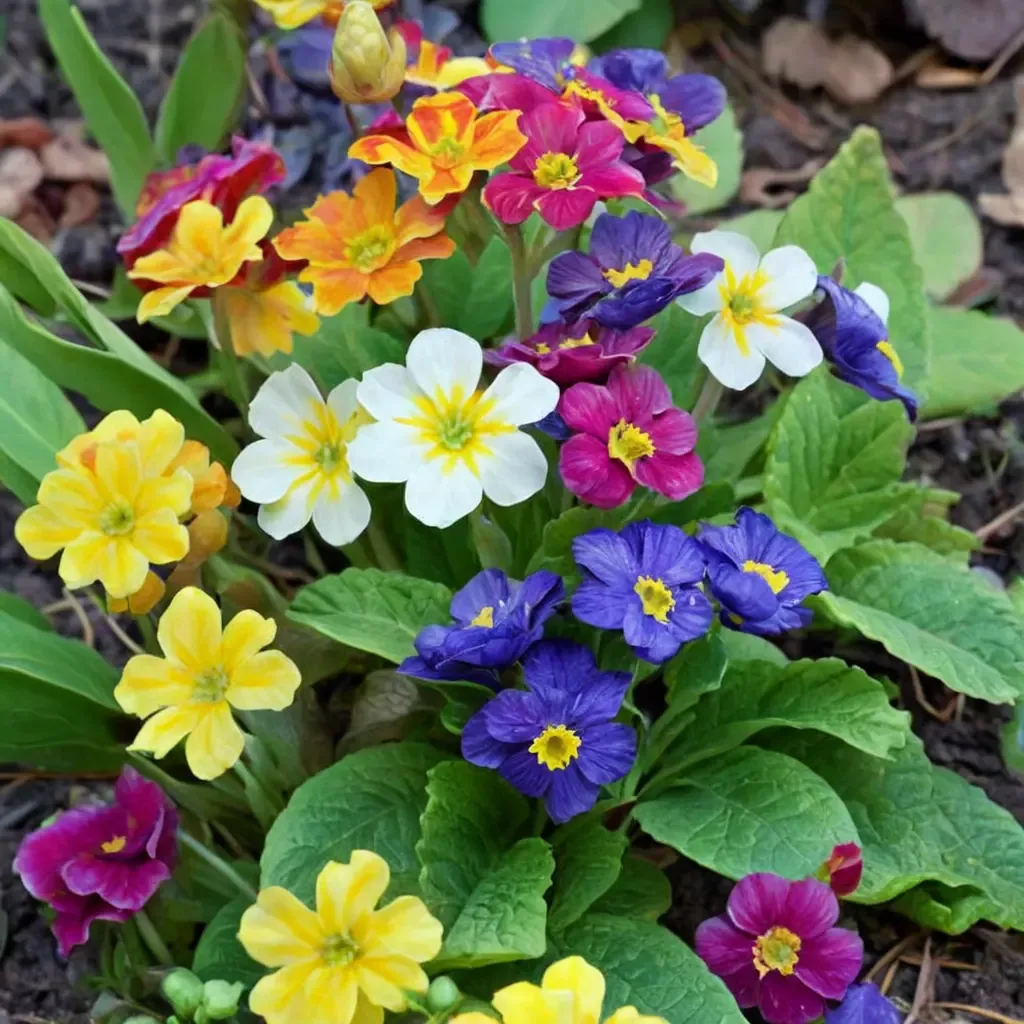
Pacific Hybrids Primrose
Primula x polyantha 'Pacific Hybrids'
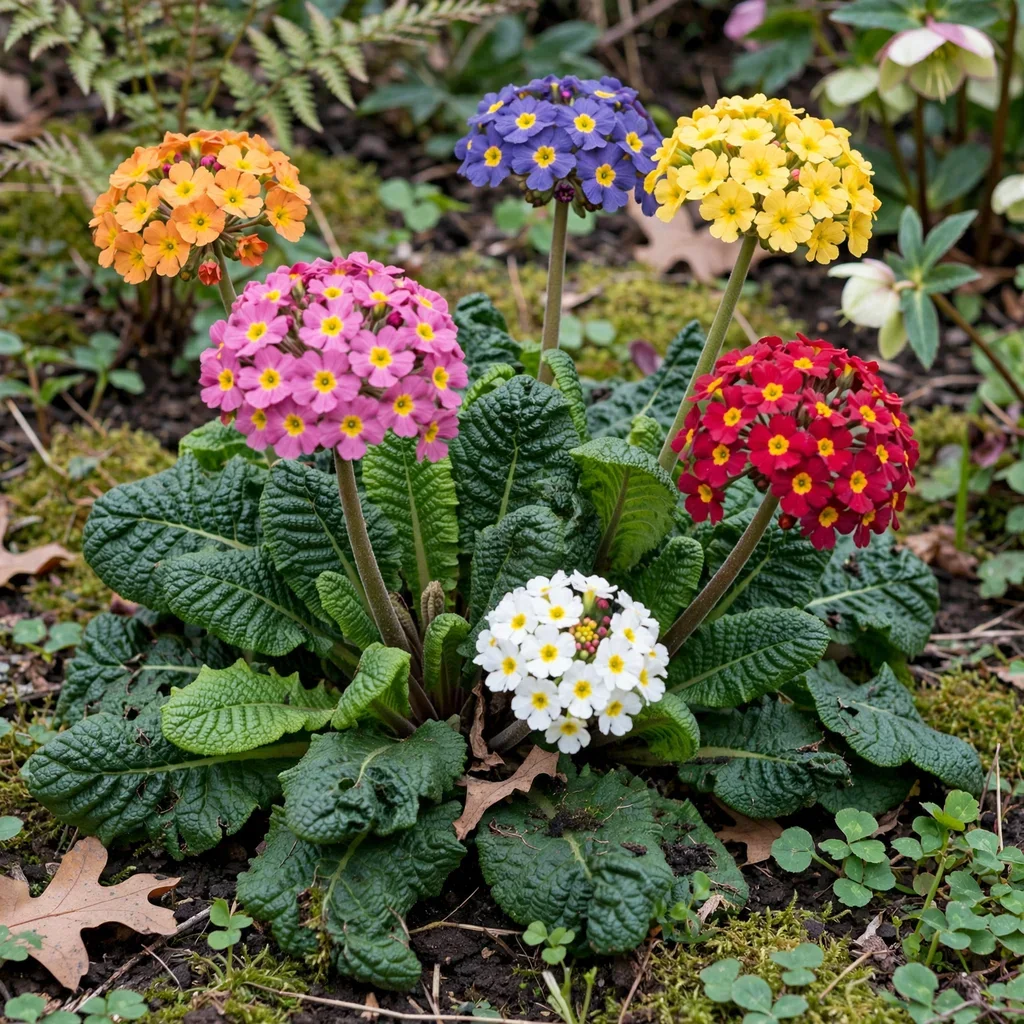
Primula Crescendo Mix
Primula x polyantha 'Crescendo Mix'
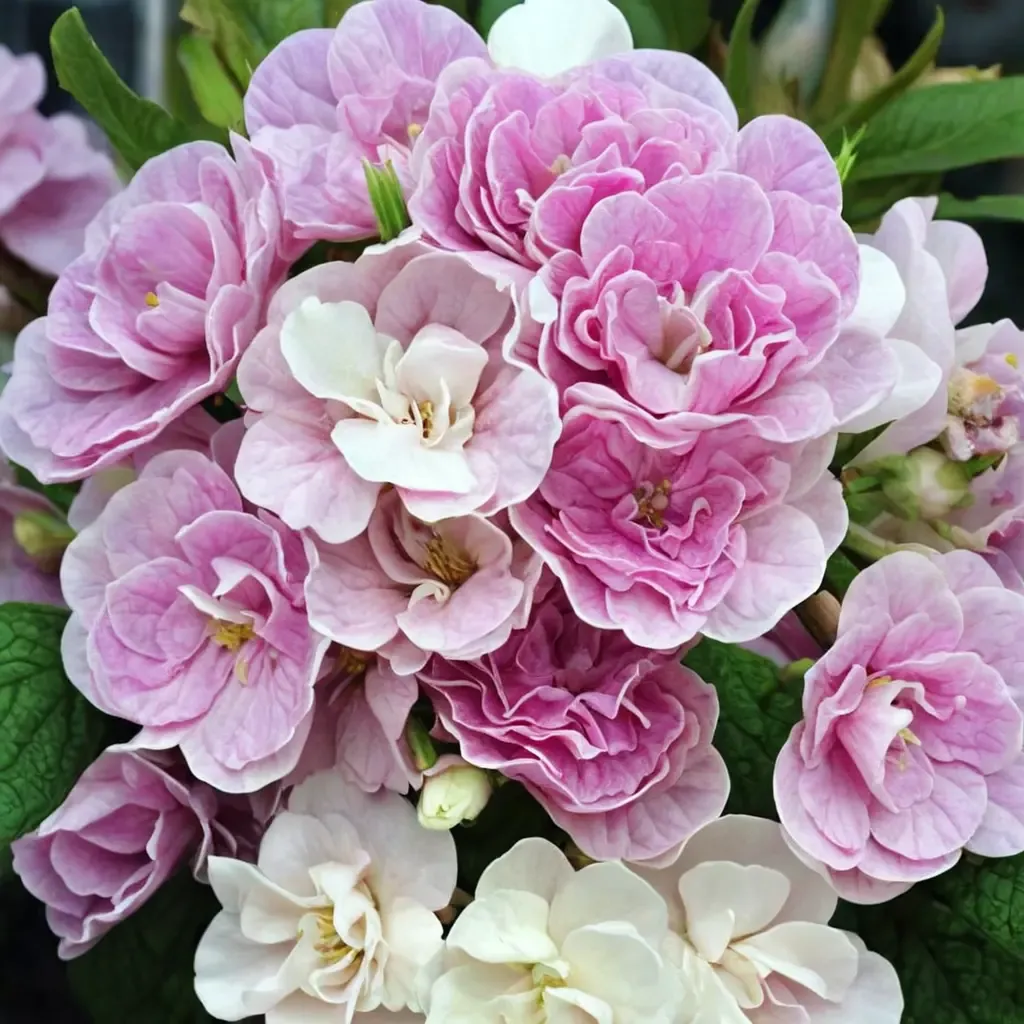
Belarina Pink Ice Primrose
Primula vulgaris 'Belarina Pink Ice'
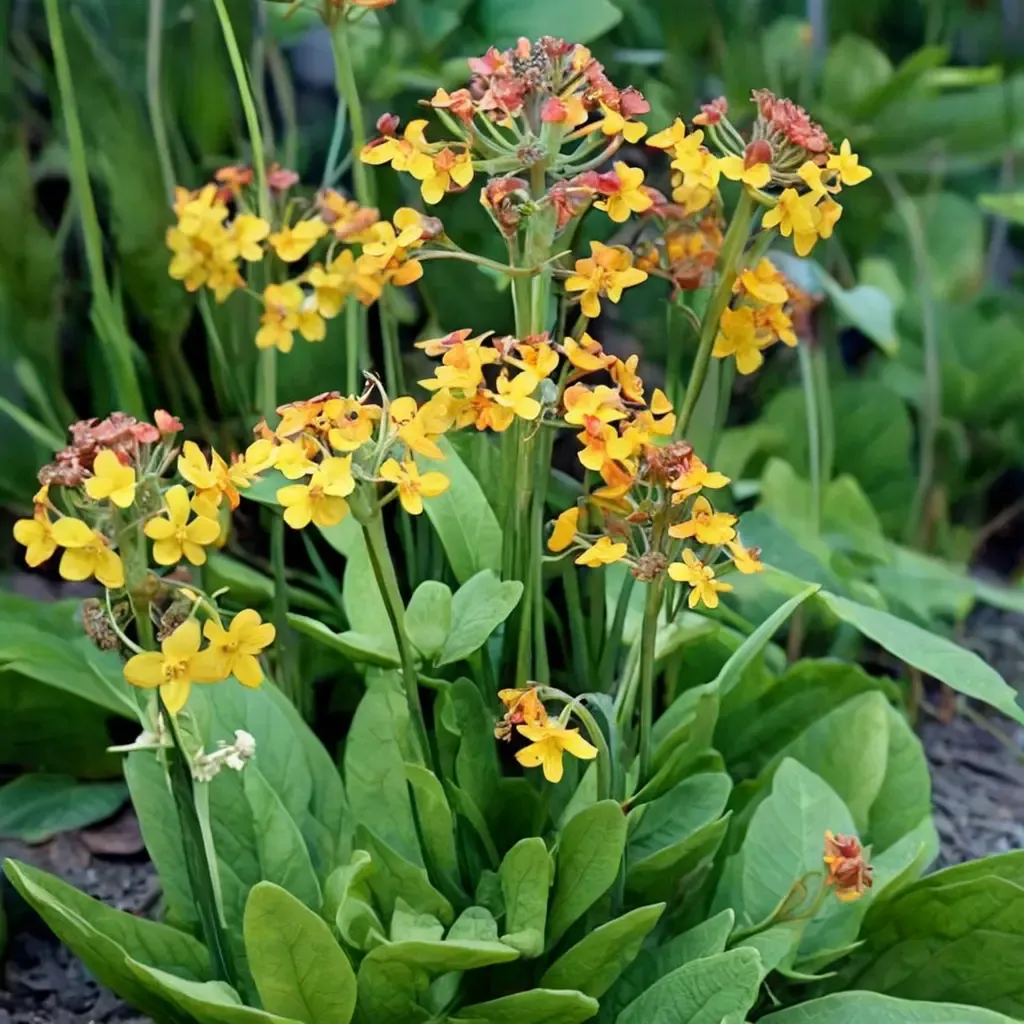
Bulley's Primrose
Primula bulleyana
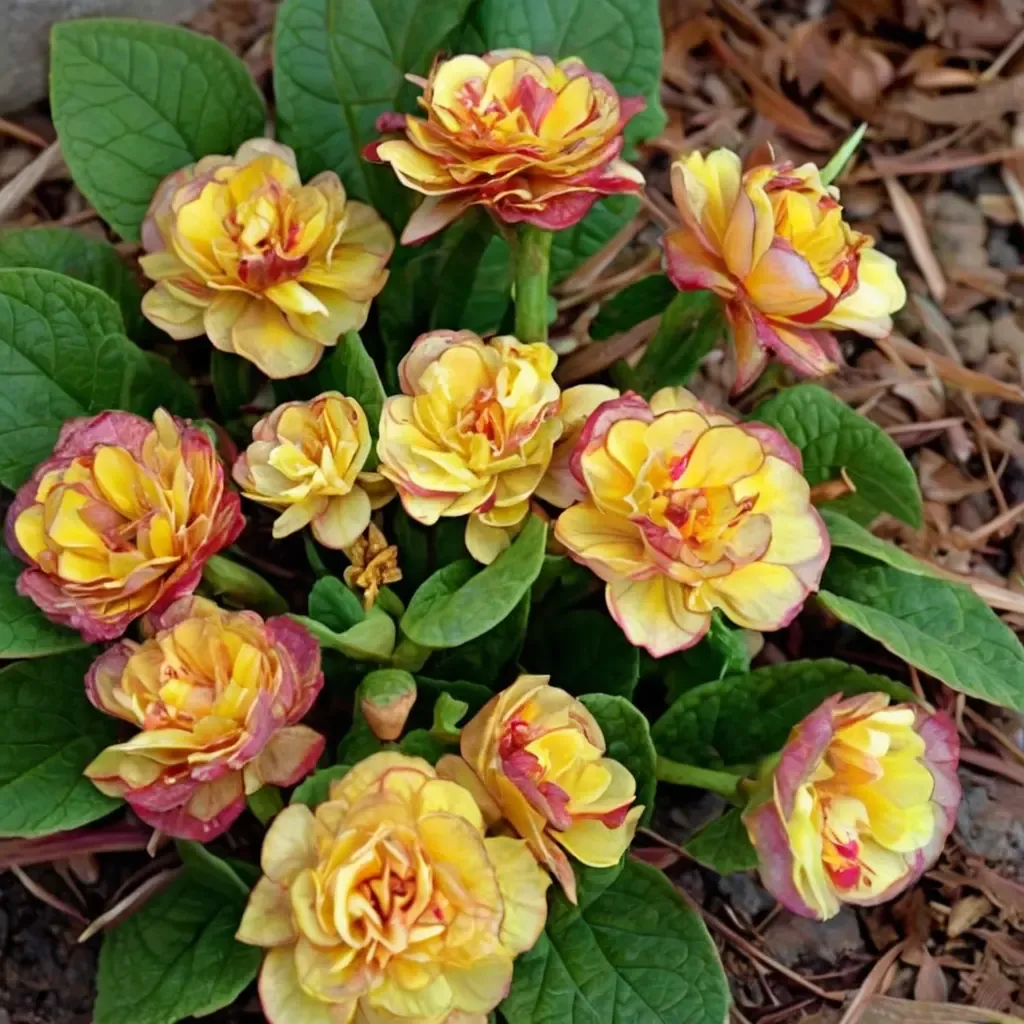
Nectarine Cowslip
Primula veris 'Nectarine'
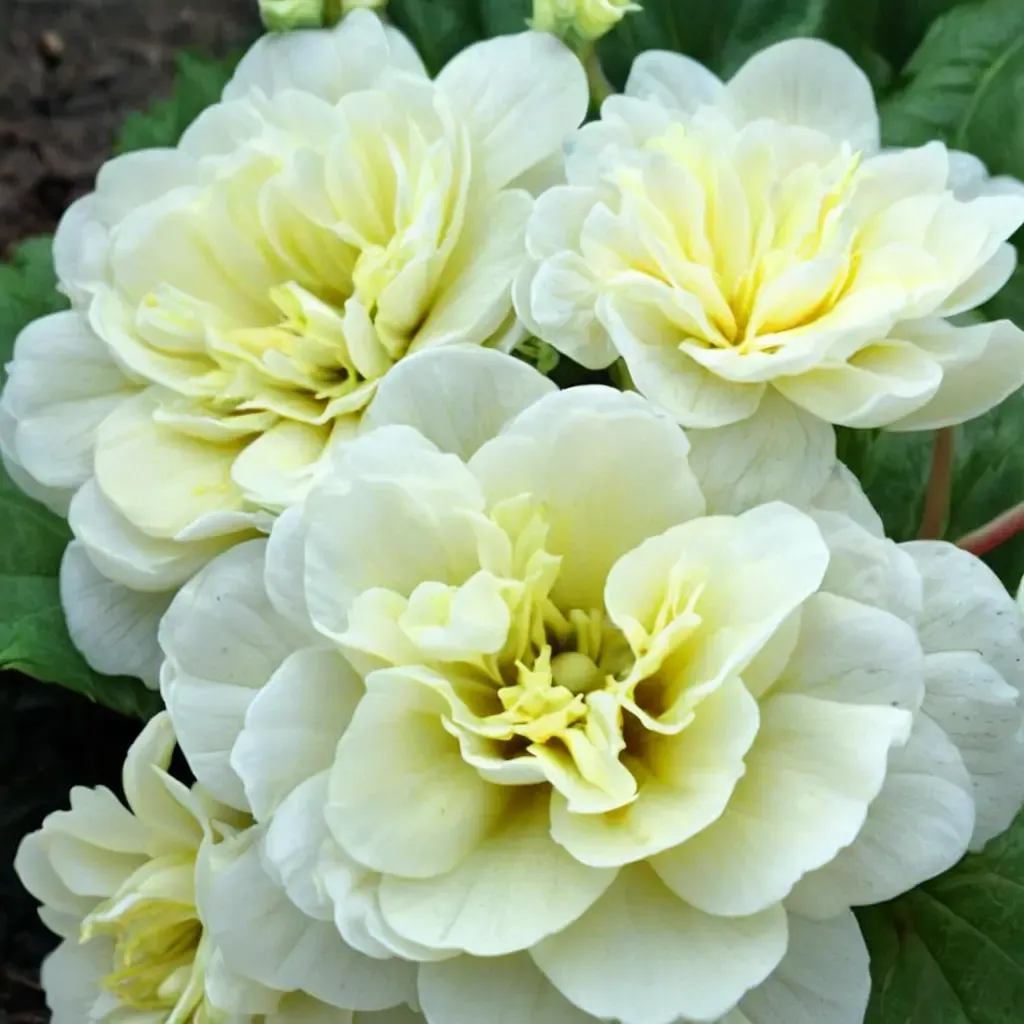
Belarina Cream Primrose
Primula veris 'Belarina Cream'
Keep exploring
Explore the genus
Hardy in your zone?
Grow Henderson's Shooting Star with confidence
See it in a design of your actual yard, get zone-matched care reminders, and track it season by season in your garden journal.