The Story
Plant Bio
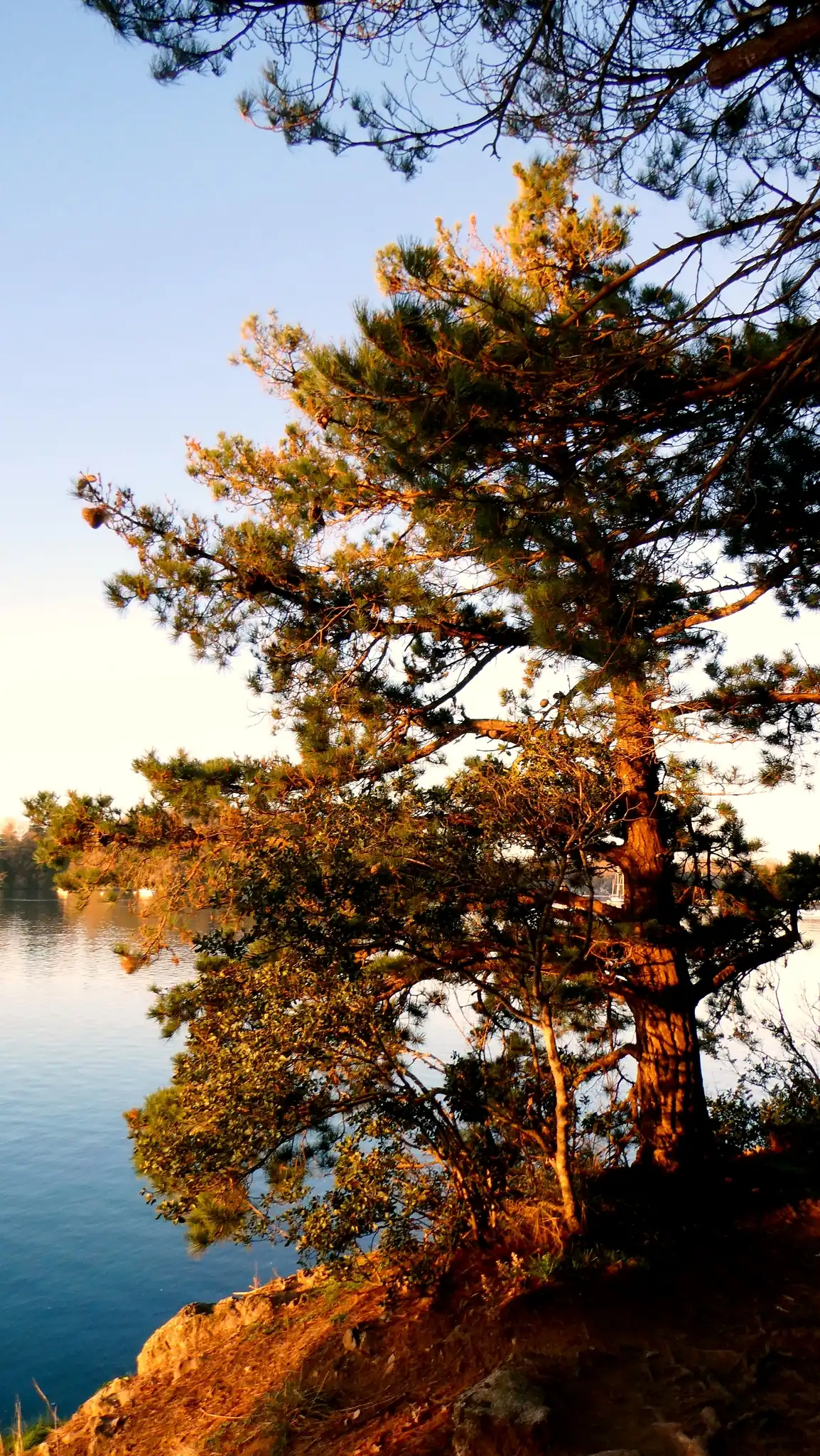
Pinus radiata, the Monterey pine, is a fast-growing evergreen coniferous tree native to a highly restricted range along the California coast. Young specimens develop a dense, broadly conical crown that matures into a wide, rounded, or flat-topped canopy supported by heavy branching.
The slender needles are held in clusters of three, displaying a bright to dark green color that contrasts with the light-green new growth candles in spring. Asymmetrical, woody female cones measure up to six inches long and persist on the branches for years.
Uses & Benefits:
Essentials
At a Glance
Plant Type
Tree
Height
1181"
Width
708"
Light
Full Sun
Zones
7, 8, 9, 10
Water
Low
Humidity
Moderate
Lifespan
Long
Native To
North America
Toxicity
Non-toxic
Bloom period
Spring
In flower about 3 months of the year
Planting
How to Grow
- Select a planting site in full sun with deep, sandy or loamy soil that drains rapidly.
- Dig a hole twice as wide as the root ball but no deeper, ensuring the root flare sits level with or slightly above the surrounding soil.
- Backfill with native soil without adding organic amendments or high-nitrogen fertilizers, which can cause weak wood structure.
- Water deeply immediately after planting to settle the soil, then establish a watering schedule that allows the soil to dry completely between applications.
Pro Tip
Never top or hedge this pine to control its height, as this destroys its structural integrity and triggers weak, hazardous epicormic sprouting. Plant only in highly drained soils, as summer overwatering or heavy clay leads to fatal root rot.
Keep It Thriving
Care Guide
Do
- Inspect the canopy annually for deadwood, structural integrity, and signs of pest activity.
- Prune exclusively during dry, dormant winter periods to minimize the risk of pest invasion.
- Apply a thick layer of organic mulch over the root zone, keeping it clear of the trunk.
Don't
- Do not prune back into old, bare wood, as pines lack dormant buds to regenerate foliage on leafless branches.
- Do not apply regular or heavy nitrogen fertilizers, which encourage rapid, weak growth susceptible to pitch canker.
- Do not plant in low-lying areas or heavy clay soils prone to waterlogging.
Seasonal Care Calendar
| Task | Jan | Feb | Mar | Apr | May | Jun | Jul | Aug | Sep | Oct | Nov | Dec |
|---|---|---|---|---|---|---|---|---|---|---|---|---|
| Mulch | ||||||||||||
| Pest Check | ||||||||||||
| Prune | ||||||||||||
| Spring Cleanup |
Watch Out For
Pests & Diseases
Common Pests
Common Diseases
In the Garden
Landscape Uses & Companions
Landscape Uses
Companion Plants
Multiply
Propagation Methods
Good to Know
Common Questions
Monterey Pine questions
What zones can Monterey Pine grow in?
Monterey Pine is hardy in USDA Zones 7–10. Inside that range it survives winter in the ground; outside it, grow it as an annual or a container plant you protect.
When does Monterey Pine bloom?
Monterey Pine typically blooms in spring through spring. Exact timing shifts a week or two with your zone — Sow's bloom calendar maps it to your garden.
Does Monterey Pine need full sun?
Monterey Pine does best in full sun (6+ hours).
Is Monterey Pine drought tolerant?
Yes — once established (usually after the first full season), Monterey Pine handles dry spells with minimal watering. Water deeply its first year to build the root system that makes that possible.
More Pinus to compare
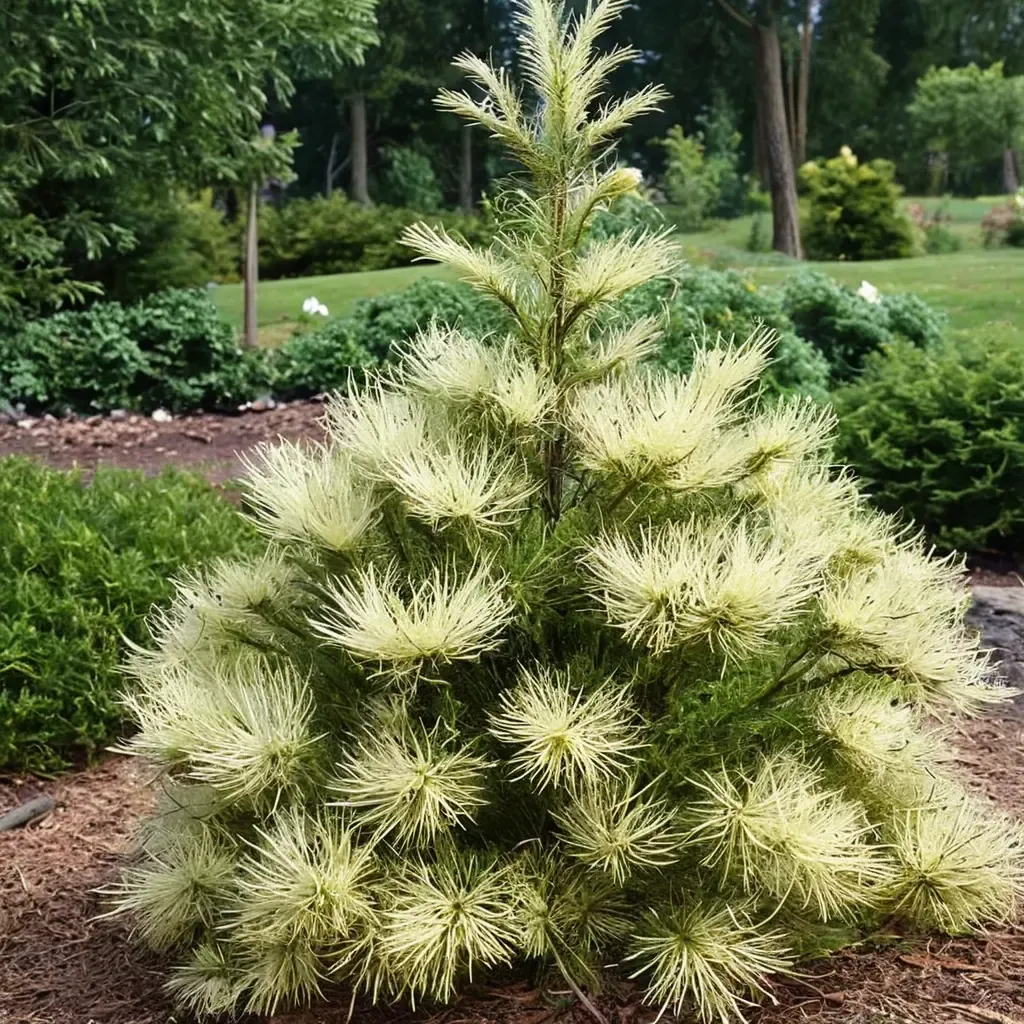
Golden Ghost Pine
Pinus densiflora 'Golden Ghost'
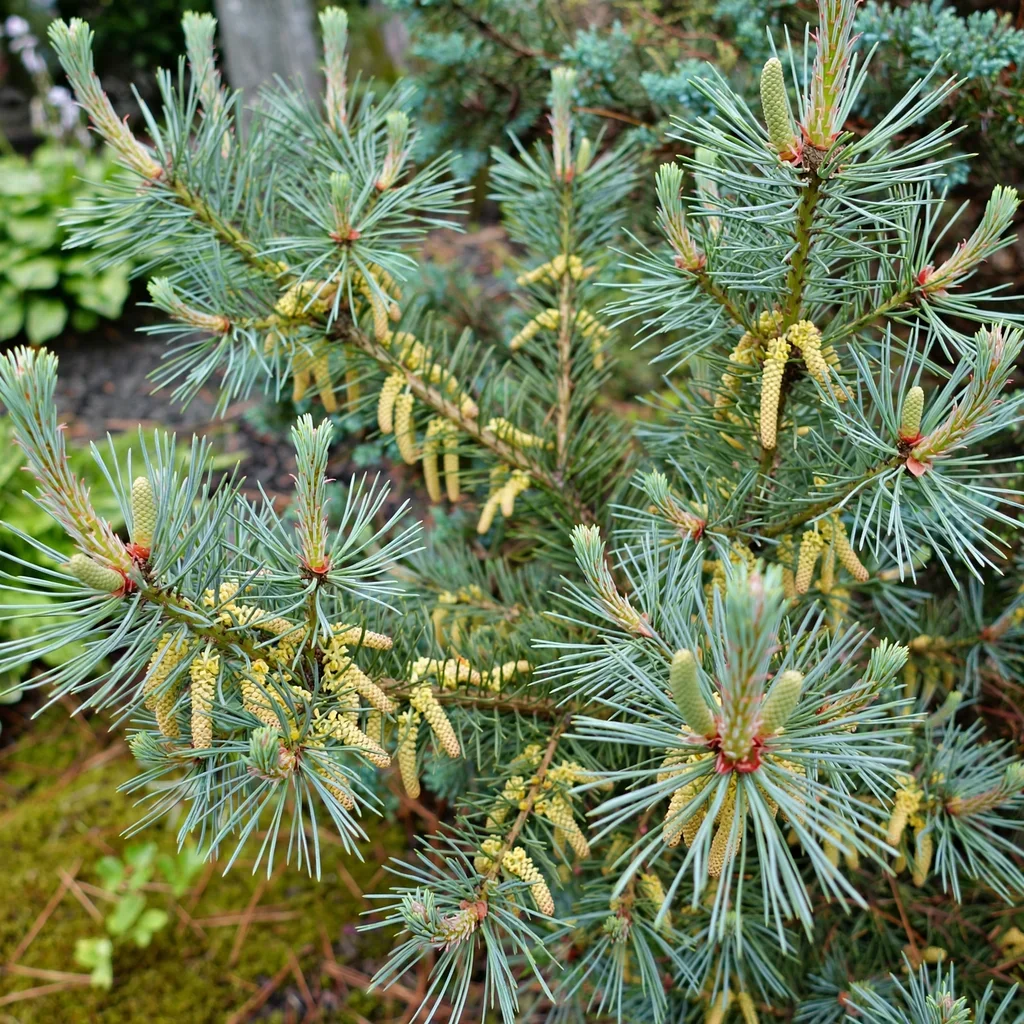
Eastern White Pine
Pinus strobus
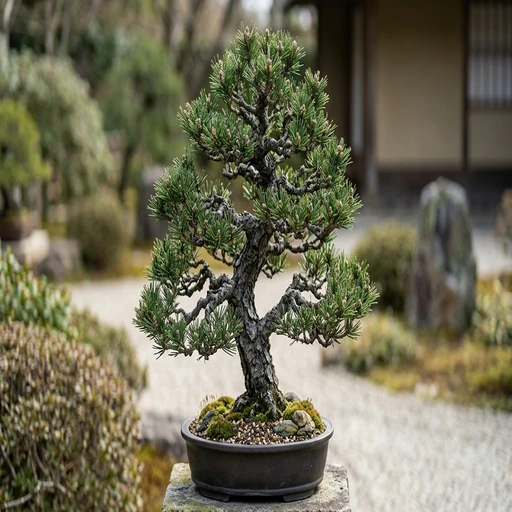
Thunderhead Japanese Black Pine
Pinus thunbergii 'Thunderhead'
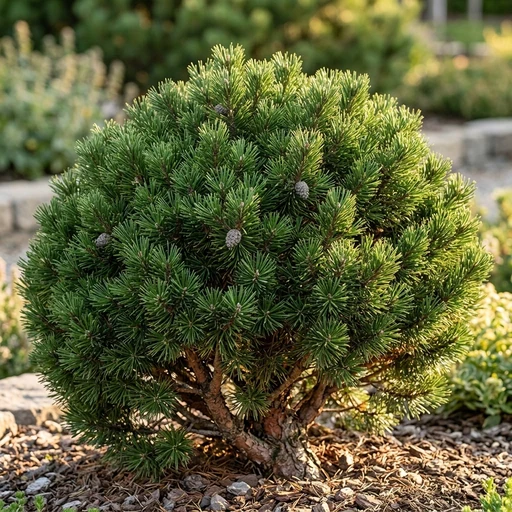
Slowmound Mugo Pine
Pinus mugo 'Slowmound'
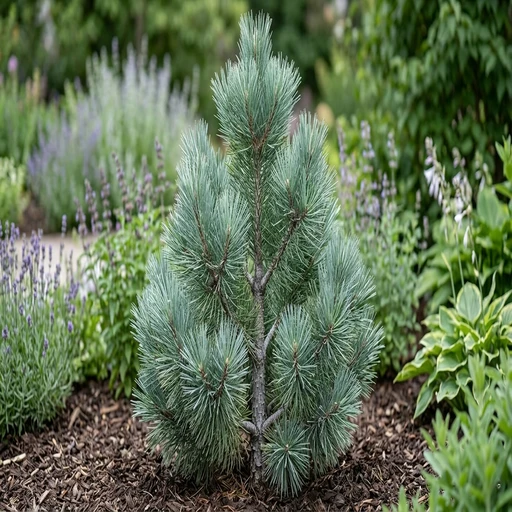
Vanderwolf's Pyramid Limber Pine
Pinus flexilis 'Vanderwolf'
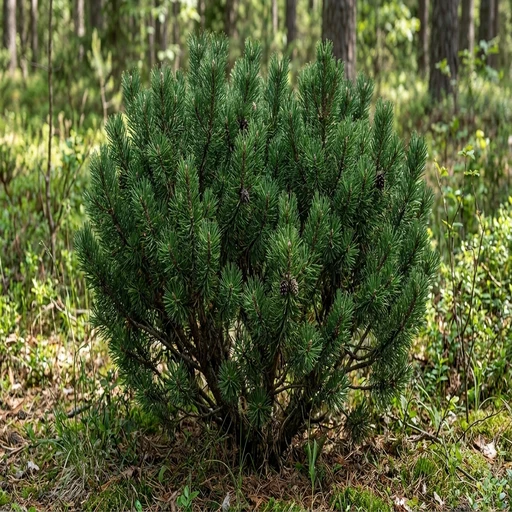
Mugo Pine
Pinus mugo
Keep exploring
Explore the genus
Hardy in your zone?
Grow Monterey Pine with confidence
See it in a design of your actual yard, get zone-matched care reminders, and track it season by season in your garden journal.