
The Story
Plant Bio
Corylus cornuta, the beaked hazelnut, is a deciduous, multi-stemmed North American shrub that forms dense, rounded thickets up to fourteen feet tall. In late winter, drooping male catkins expand to shed pollen before the simple, doubly serrate leaves emerge.
This species is distinguished by its small, edible nuts enclosed in tubular, bristly husks that extend into a distinct beak-like projection. The foliage turns variable shades of yellow to dull red-orange in fall, supported by pubescent veins on the leaf undersides.
Uses & Benefits:
Essentials
At a Glance
Plant Type
Shrub
Height
168"
Width
120"
Light
Full Sun, Partial Sun
Zones
4, 5, 6, 7, 8
Water
Medium
Humidity
Moderate
Native To
North America
Toxicity
Non-toxic (husks can cause skin irritation)
Bloom period
Late winter – Spring
In flower about 4 months of the year
Planting
How to Grow
- Select a planting site in full sun to partial shade with moist, well-drained loam or sandy loam.
- Amend heavy clay soils with organic matter to improve drainage, as the root system will rot in waterlogged winter conditions.
- Dig a hole twice as wide as the root ball, set the plant at its original growing depth, and backfill with native soil.
- Water thoroughly and apply a layer of organic compost around the root zone to retain moisture and supply nutrients.
Pro Tip
Remove root suckers at ground level annually to maintain a single-mound specimen and prevent the plant from spreading into an aggressive colonial thicket.
Keep It Thriving
Care Guide
Do
- Prune selectively in late winter to remove dead, damaged, or crossing branches.
- Clear away root suckers annually if you wish to restrict colonial spread.
- Wear gloves when harvesting nuts to avoid skin irritation from the bristly husks.
Don't
- Do not plant in waterlogged, boggy, or poorly drained soils.
- Do not apply heavy synthetic chemical fertilizers, as a simple annual compost mulch is sufficient.
- Do not let young, newly planted shrubs dry out completely during summer droughts.
Seasonal Care Calendar
| Task | Jan | Feb | Mar | Apr | May | Jun | Jul | Aug | Sep | Oct | Nov | Dec |
|---|---|---|---|---|---|---|---|---|---|---|---|---|
| Mulch | ||||||||||||
| Pest Check | ||||||||||||
| Propagate | ||||||||||||
| Prune |
Watch Out For
Pests & Diseases
Common Pests
Common Diseases
In the Garden
Landscape Uses & Companions
Landscape Uses
Multiply
Propagation Methods
Good to Know
Common Questions
Beaked Hazelnut questions
What zones can Beaked Hazelnut grow in?
Beaked Hazelnut is hardy in USDA Zones 4–8. Inside that range it survives winter in the ground; outside it, grow it as an annual or a container plant you protect.
Is Beaked Hazelnut deer resistant?
Not reliably. Deer may browse Beaked Hazelnut, especially tender spring growth — plan on repellents or fencing where pressure is high.
When does Beaked Hazelnut bloom?
Beaked Hazelnut typically blooms in late winter through spring. Exact timing shifts a week or two with your zone — Sow's bloom calendar maps it to your garden.
Does Beaked Hazelnut need full sun?
Beaked Hazelnut does best in full sun to part shade. In hot climates, afternoon shade keeps blooms fresher longer.
Is Beaked Hazelnut drought tolerant?
Yes — once established (usually after the first full season), Beaked Hazelnut handles dry spells with minimal watering. Water deeply its first year to build the root system that makes that possible.
More Corylus to compare
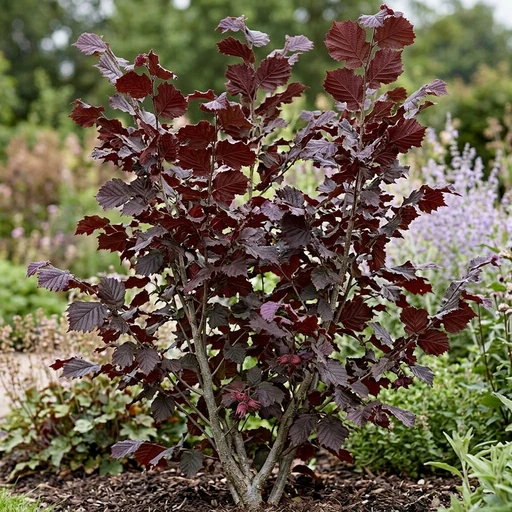
Burgundy Lace European Filbert
Corylus avellana 'Burgundy Lace'
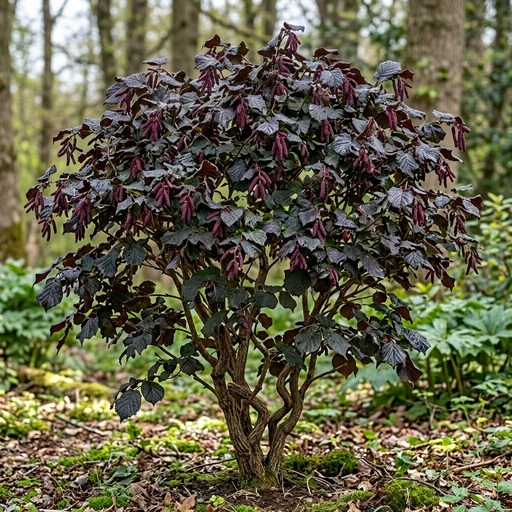
Red Dragon Contorted Filbert
Corylus avellana 'Red Dragon'
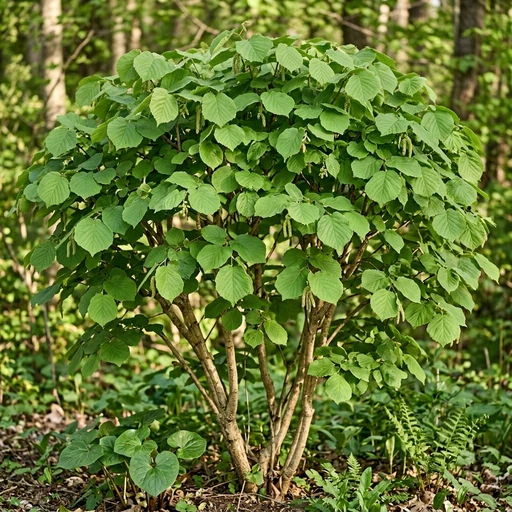
American Hazelnut
Corylus americana
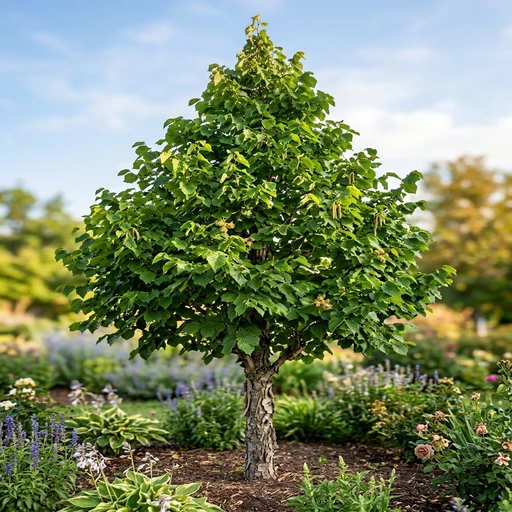
Turkish Filbert
Corylus colurna
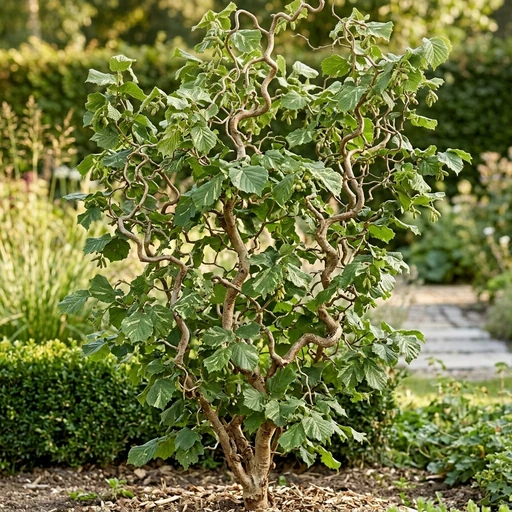
Harry Lauder's Walking Stick
Corylus avellana 'Contorta'
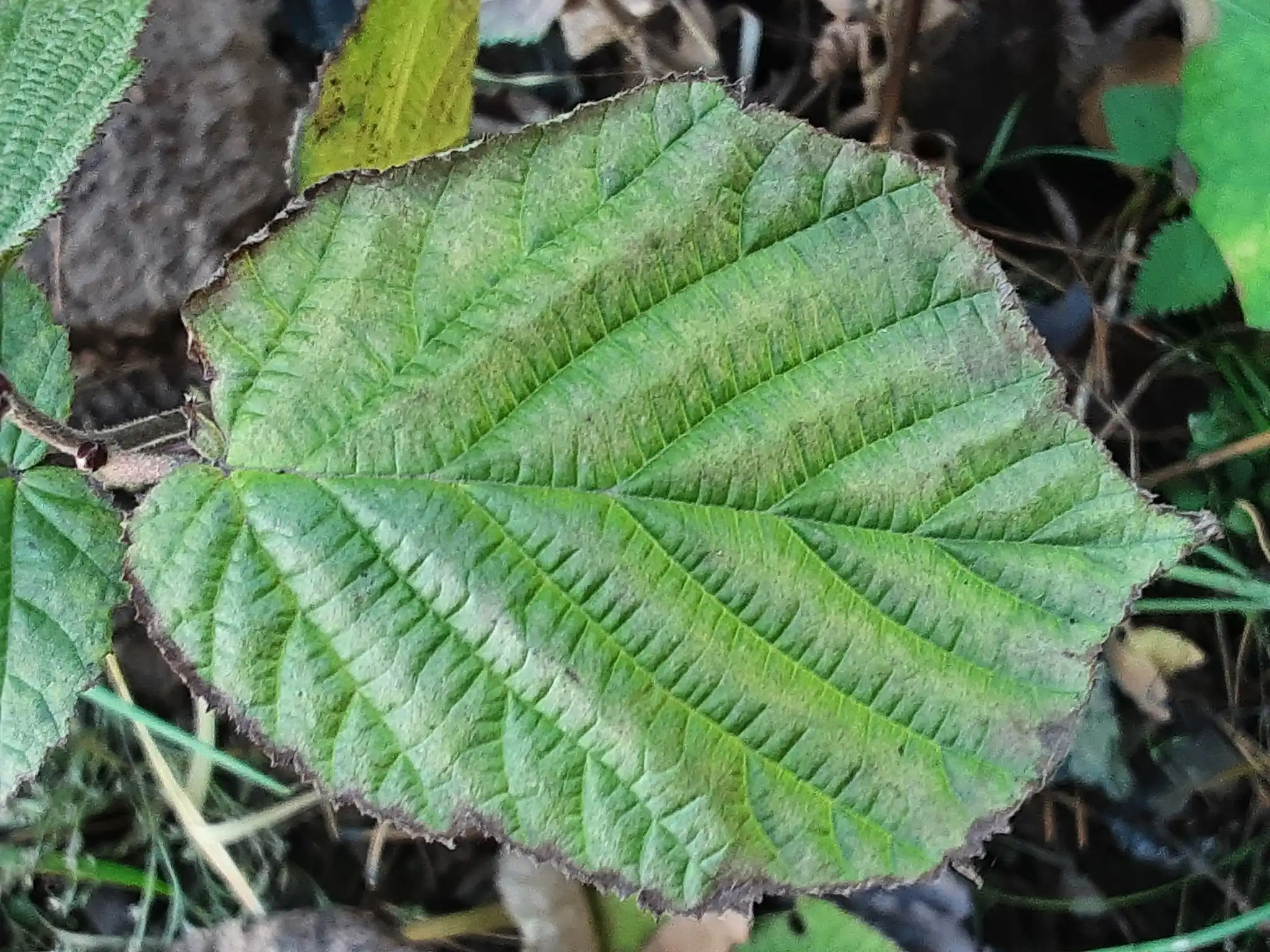
Common Hazel
Corylus avellana
Keep exploring
Explore the genus
Hardy in your zone?
Grow Beaked Hazelnut with confidence
See it in a design of your actual yard, get zone-matched care reminders, and track it season by season in your garden journal.