
The Story
Plant Bio
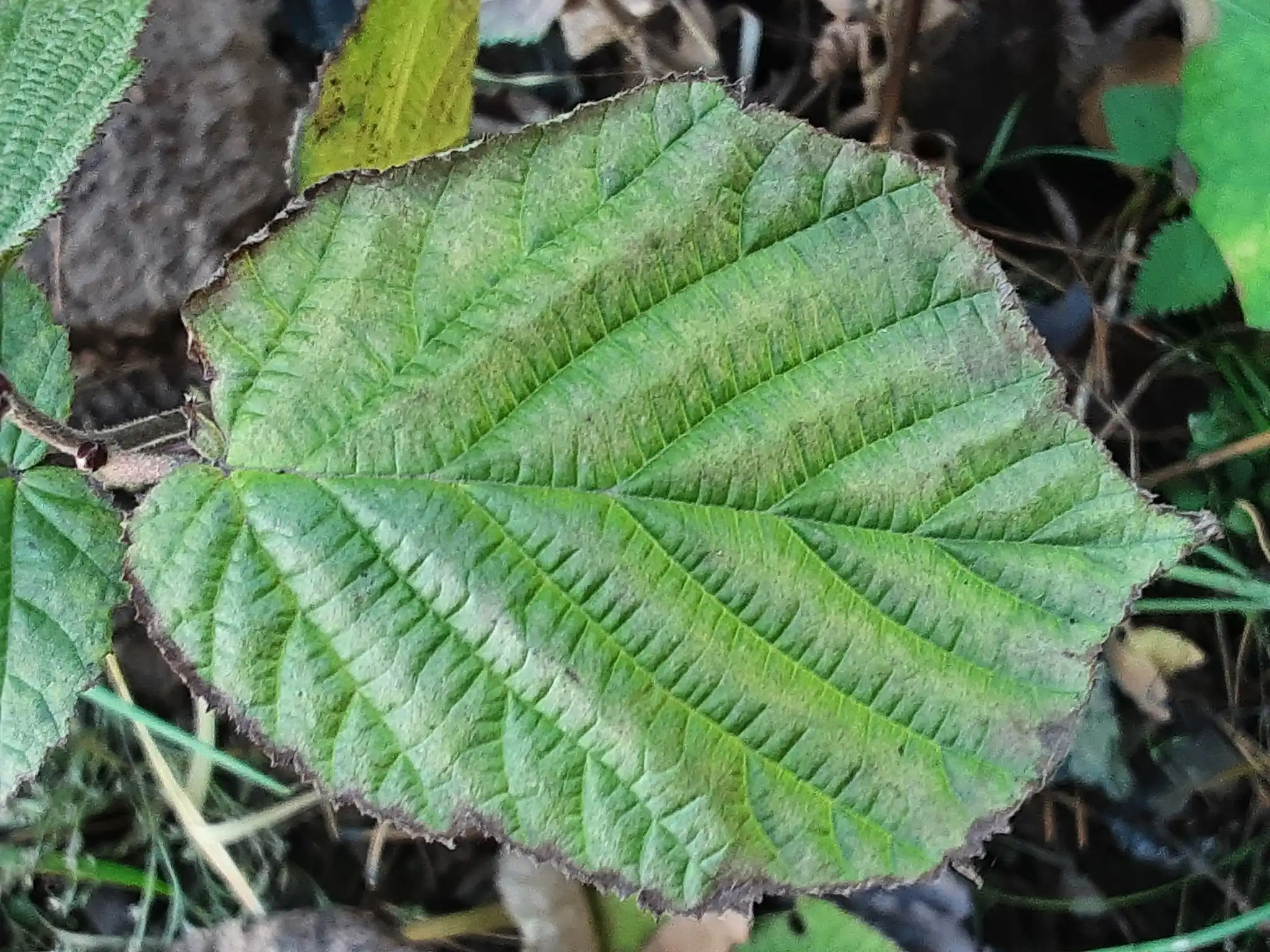
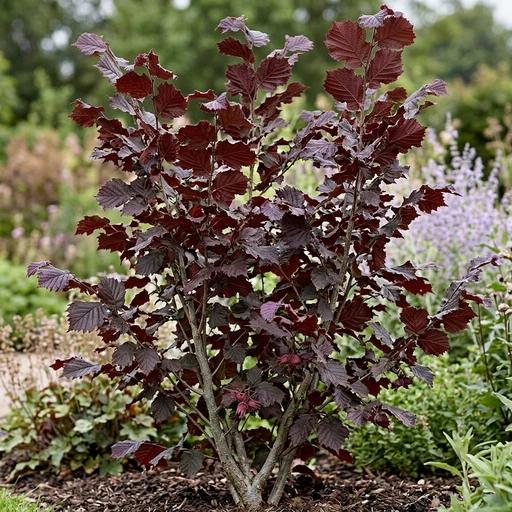
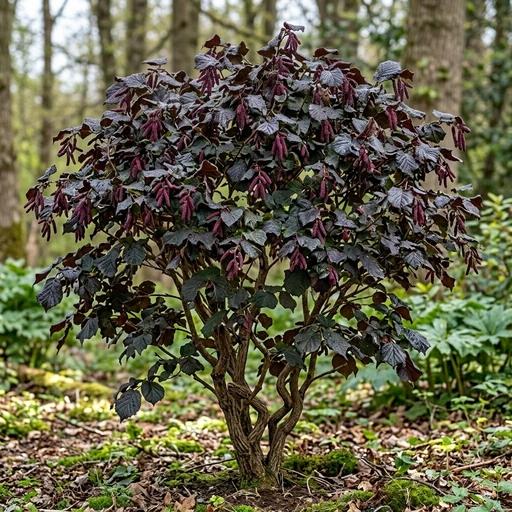
Corylus avellana, hazel or cobnut, is a vigorous multi-stemmed deciduous shrub or small tree from Europe and western Asia, reaching 12 to 20 ft tall and 8 to 15 ft wide. The habit is erect and rounded, on smooth light grey-brown zig-zagging stems. Rounded leaves are softly hairy on both surfaces and turn yellow in autumn.
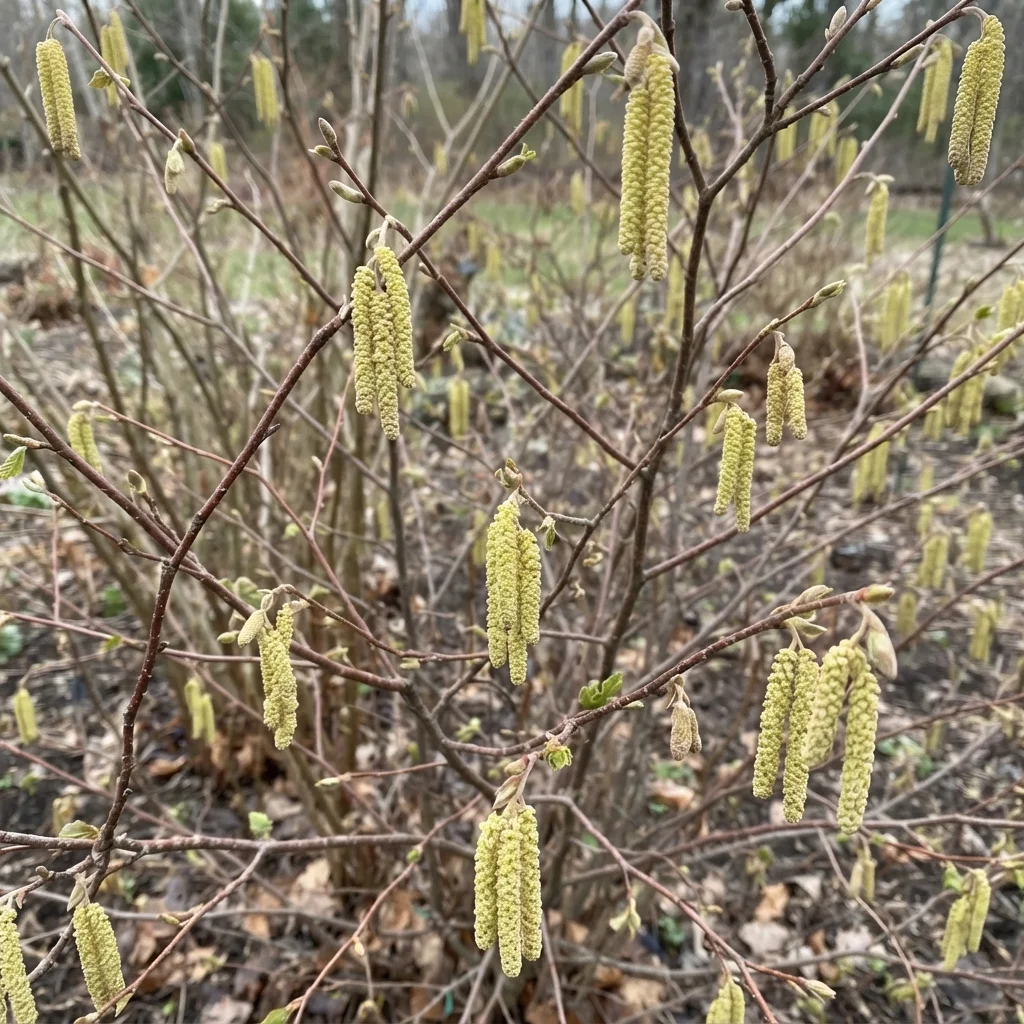
Long yellow male catkins hang from bare stems in late winter, well before the leaves, while the female flowers are tiny crimson tufts on the same plant. Two different cultivars are needed for a reliable nut crop. The pliable stems have been coppiced for centuries for bean poles, hurdles and hedging stakes.
Uses & Benefits:
Essentials
At a Glance
Plant Type
Shrub
Height
192"
Width
120"
Light
Full Sun, Partial Sun
Zones
4, 5, 6, 7, 8
Water
Medium; even moisture, well-drained soil
Humidity
Adaptable to most conditions
Lifespan
Long-lived; indefinite under regular coppicing
Native To
Europe and western Asia
Toxicity
No significant toxicity reported; nuts are edible
Marketplace
Where to Buy
Shipping costs Year-round shipping Free shipping
Planting
How to Grow
- Choose full sun to partial shade with shelter from hard wind.
- Plant into well-drained neutral to alkaline soil; it dislikes acidity.
- Set two different cultivars within about 50 ft for cross-pollination.
- Plant while dormant, firming well and watering in thoroughly.
- Remove suckers each winter unless you want a thicket.
- Coppice a proportion of old stems every few years to renew growth.
Pro Tip
One hazel will produce catkins and almost no nuts; two different cultivars flowering together is what makes the crop.
Keep It Thriving
Care Guide
Do
- Plant two different cultivars for nuts 🌰
- Keep the soil neutral to slightly alkaline 🧪
- Cut out suckers annually to hold a defined shape ✂️
- Net or pick early if squirrels take the crop 🐿️
Don't
- Do not rely on a single plant for nuts ❌
- Do not plant in strongly acid or waterlogged ground ❌
- Do not prune in spring when the sap is rising ❌
Seasonal Care Calendar
| Task | Jan | Feb | Mar | Apr | May | Jun | Jul | Aug | Sep | Oct | Nov | Dec |
|---|---|---|---|---|---|---|---|---|---|---|---|---|
| Harvest Nuts | ||||||||||||
| Winter Pruning |
Watch Out For
Pests & Diseases
Common Pests
Common Diseases
In the Garden
Landscape Uses & Companions
Landscape Uses
Companion Plants
Multiply
Propagation Methods
Good to Know
Common Questions
Common Hazel questions
What zones can Common Hazel grow in?
Common Hazel is hardy in USDA Zones 4–8. Inside that range it survives winter in the ground; outside it, grow it as an annual or a container plant you protect.
Is Common Hazel deer resistant?
Yes — Common Hazel is rated deer-resistant. Deer typically pass it over, though extreme hunger can override any plant's defenses.
When does Common Hazel bloom?
Common Hazel typically blooms in late winter to early spring through early spring. Exact timing shifts a week or two with your zone — Sow's bloom calendar maps it to your garden.
Does Common Hazel need full sun?
Common Hazel does best in full sun to part shade. In hot climates, afternoon shade keeps blooms fresher longer.
More Corylus to compare
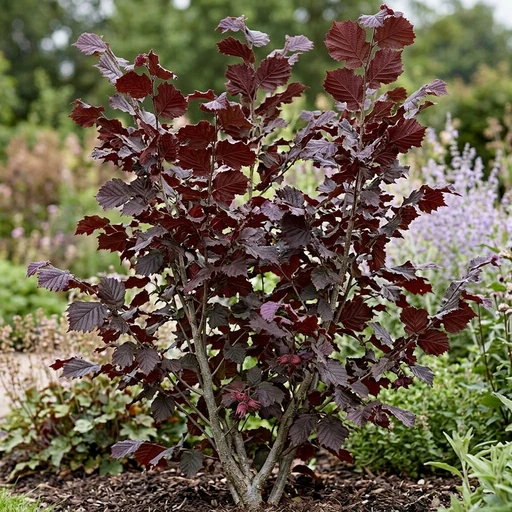
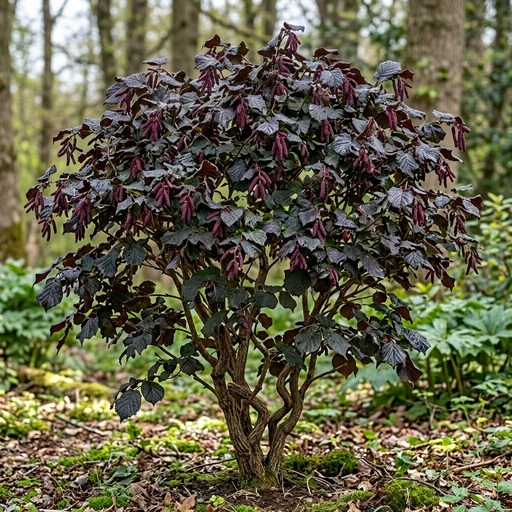
Burgundy Lace European Filbert
Corylus avellana 'Burgundy Lace'
Red Dragon Contorted Filbert
Corylus avellana 'Red Dragon'
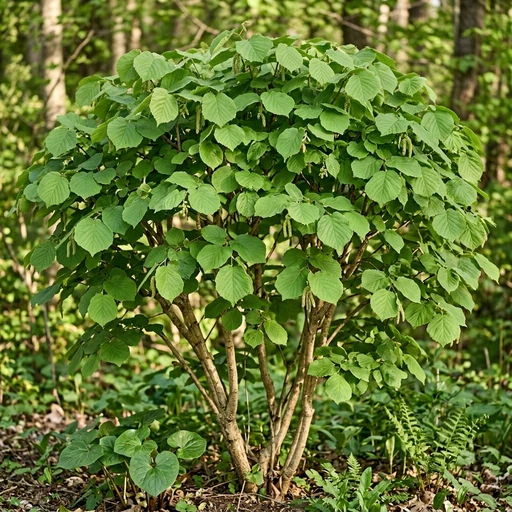
American Hazelnut
Corylus americana
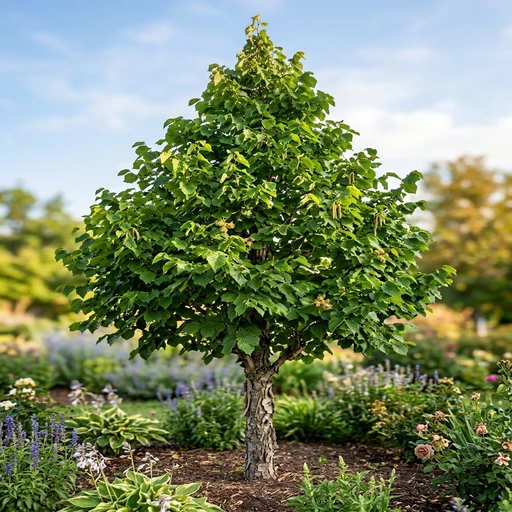
Turkish Filbert
Corylus colurna
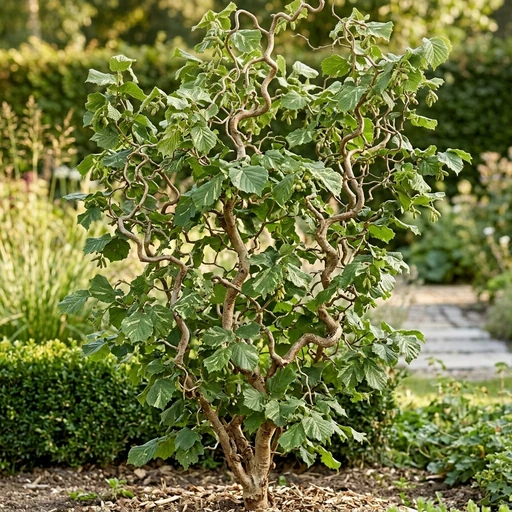
Harry Lauder's Walking Stick
Corylus avellana 'Contorta'
Beaked Hazelnut
Corylus cornuta
Keep exploring
Explore the genus
Hardy in your zone?
Grow Common Hazel with confidence
See it in a design of your actual yard, get zone-matched care reminders, and track it season by season in your garden journal.