The Story
Plant Bio
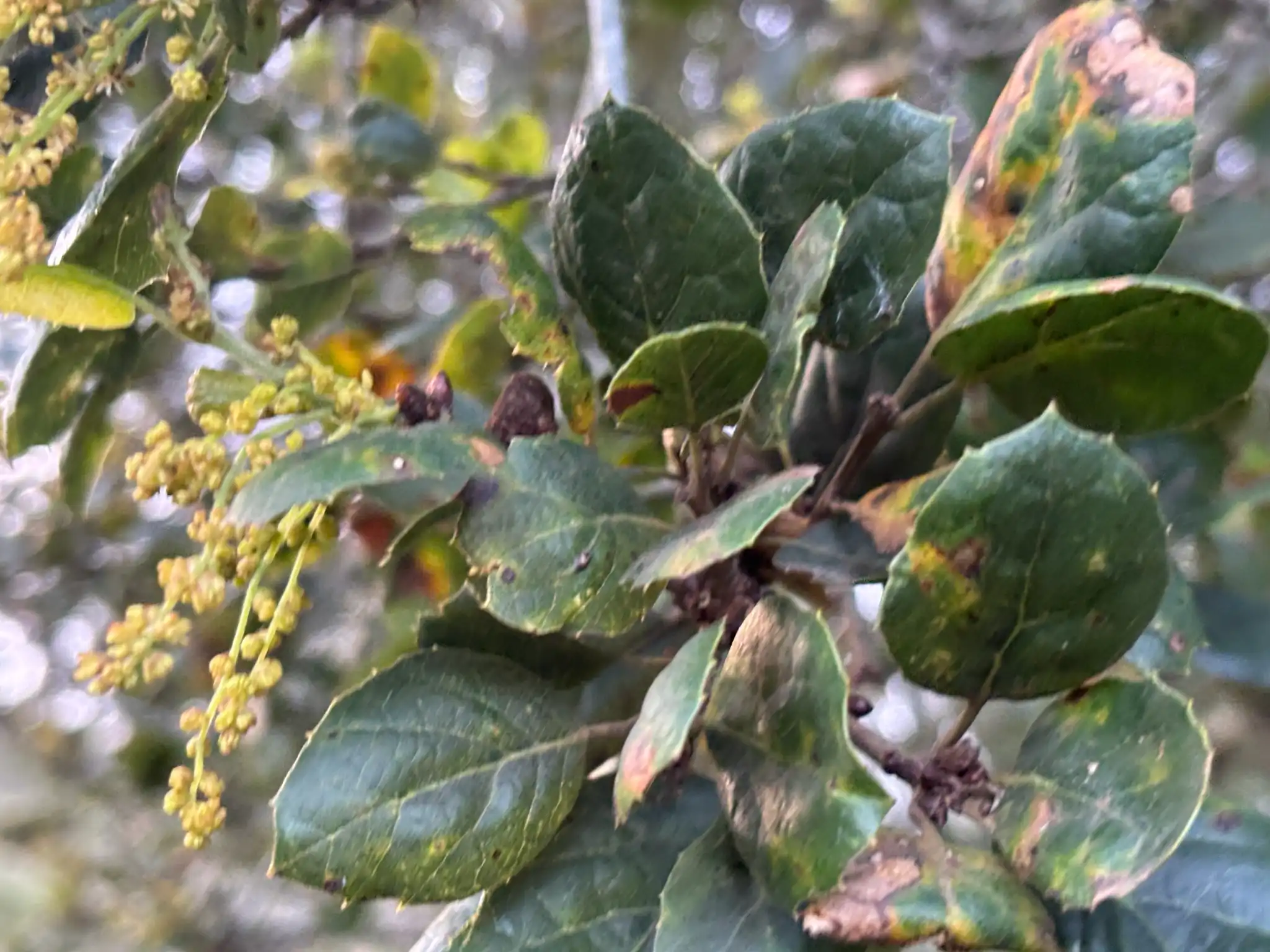
Quercus agrifolia, the coast live oak, is a broad-canopied evergreen tree native to the California Floristic Province, characterized by its short, stout trunk and heavy, crooked branches. The stiff, leathery leaves feature spiny, holly-like margins and a glossy dark green upper surface with pale, dull undersides.
This species is highly adapted to Mediterranean climates, producing yellow-green male catkins and small reddish-green female spikes in spring. New foliage emerges in late spring as older leaves are shed, maintaining a dense, year-round canopy that supports hundreds of native wildlife species.
Uses & Benefits:
Essentials
At a Glance
Plant Type
Tree
Height
984"
Width
984"
Light
Full Sun, Partial Sun
Zones
8, 9, 10
Water
Low
Humidity
Moderate
Lifespan
Long-lived
Native To
North America
Toxicity
Toxic if ingested
Bloom period
Spring
In flower about 3 months of the year
Planting
How to Grow
- Select a planting site in full sun to partial shade with well-drained sandy loam, clay, or weathered granite soil.
- Dig a hole twice as wide as the root ball but no deeper, ensuring the root crown sits slightly above the surrounding soil grade.
- Water the newly planted tree deeply to settle the soil, and maintain moisture during its first two to three dry seasons.
- Once established, cease all summer irrigation and avoid disturbing the soil within the tree's drip line.
Pro Tip
Never irrigate established trees during the summer months; introducing water to warm, dry soil triggers lethal crown rot and oak root fungus.
Keep It Thriving
Care Guide
Do
- Prune exclusively during the dry summer months to minimize the risk of fungal infections.
- Check the root system of nursery stock for circling roots before planting.
- Allow fallen oak leaves to remain on the ground to form a natural, protective mulch layer.
Don't
- Do not apply heavy nitrogen fertilizers, which stimulate weak, disease-susceptible growth.
- Do not water established trees during the summer, especially in poorly drained soils.
- Do not prune back into old, leafless wood, as epicormic sprouting is highly erratic.
Seasonal Care Calendar
| Task | Jan | Feb | Mar | Apr | May | Jun | Jul | Aug | Sep | Oct | Nov | Dec |
|---|---|---|---|---|---|---|---|---|---|---|---|---|
| Mulch | ||||||||||||
| Pest Check | ||||||||||||
| Plant | ||||||||||||
| Prune |
Watch Out For
Pests & Diseases
Common Pests
Common Diseases
In the Garden
Landscape Uses & Companions
Landscape Uses
Companion Plants
Multiply
Propagation Methods
Good to Know
Common Questions
Coast Live Oak questions
What zones can Coast Live Oak grow in?
Coast Live Oak is hardy in USDA Zones 8–10. Inside that range it survives winter in the ground; outside it, grow it as an annual or a container plant you protect.
Is Coast Live Oak deer resistant?
Not reliably. Deer may browse Coast Live Oak, especially tender spring growth — plan on repellents or fencing where pressure is high.
When does Coast Live Oak bloom?
Coast Live Oak typically blooms in spring through spring. Exact timing shifts a week or two with your zone — Sow's bloom calendar maps it to your garden.
Does Coast Live Oak need full sun?
Coast Live Oak does best in full sun to part shade. In hot climates, afternoon shade keeps blooms fresher longer.
Is Coast Live Oak drought tolerant?
Yes — once established (usually after the first full season), Coast Live Oak handles dry spells with minimal watering. Water deeply its first year to build the root system that makes that possible.
More Quercus to compare
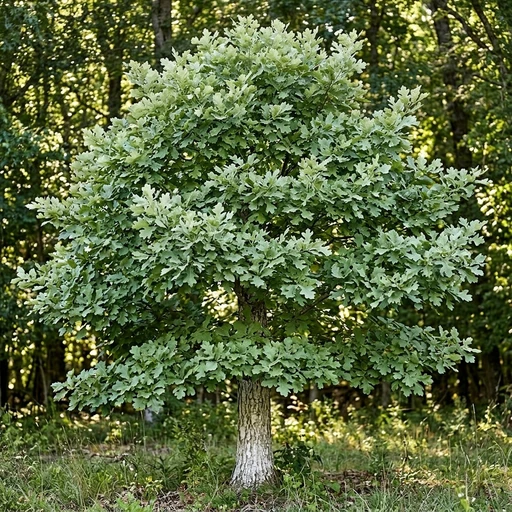
White Oak
Quercus alba
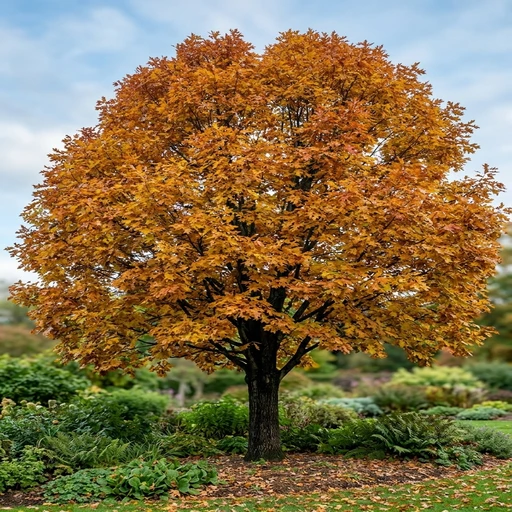
Black Oak
Quercus velutina
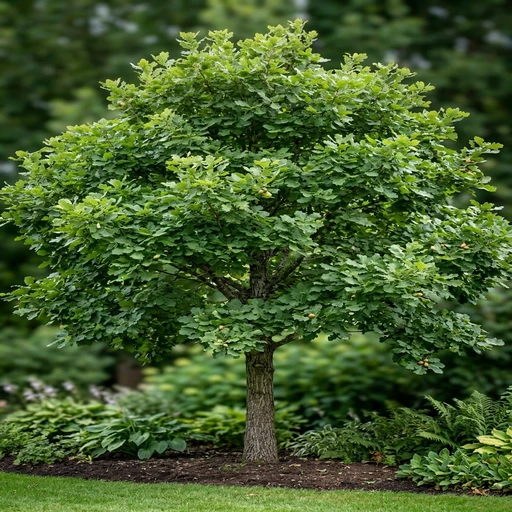
English Oak
Quercus robur
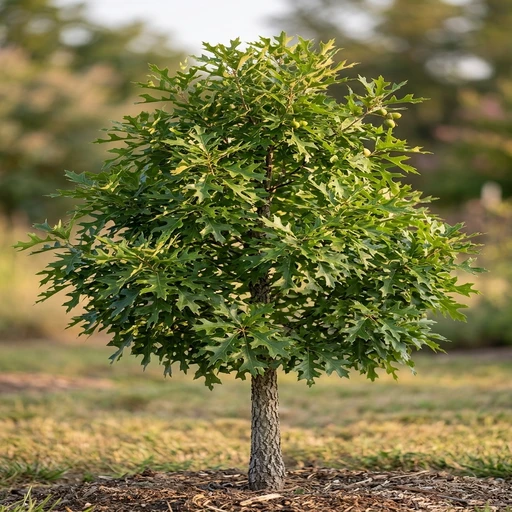
Nuttall Oak
Quercus texana
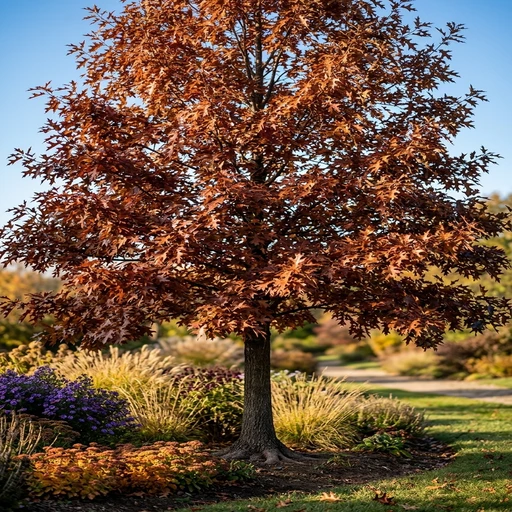
Pin Oak
Quercus palustris
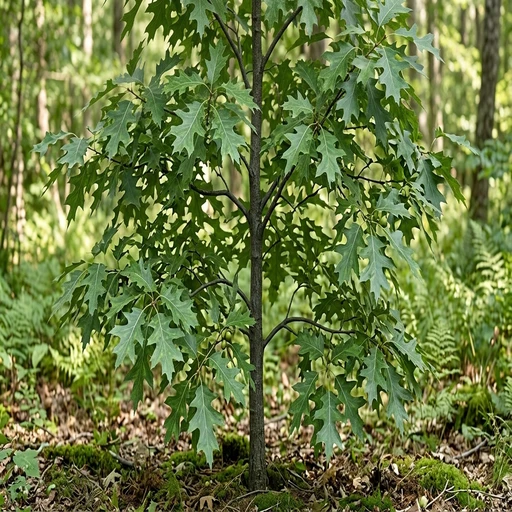
Scarlet Oak
Quercus coccinea
Keep exploring
Explore the genus
Hardy in your zone?
Grow Coast Live Oak with confidence
See it in a design of your actual yard, get zone-matched care reminders, and track it season by season in your garden journal.