The Story
Plant Bio
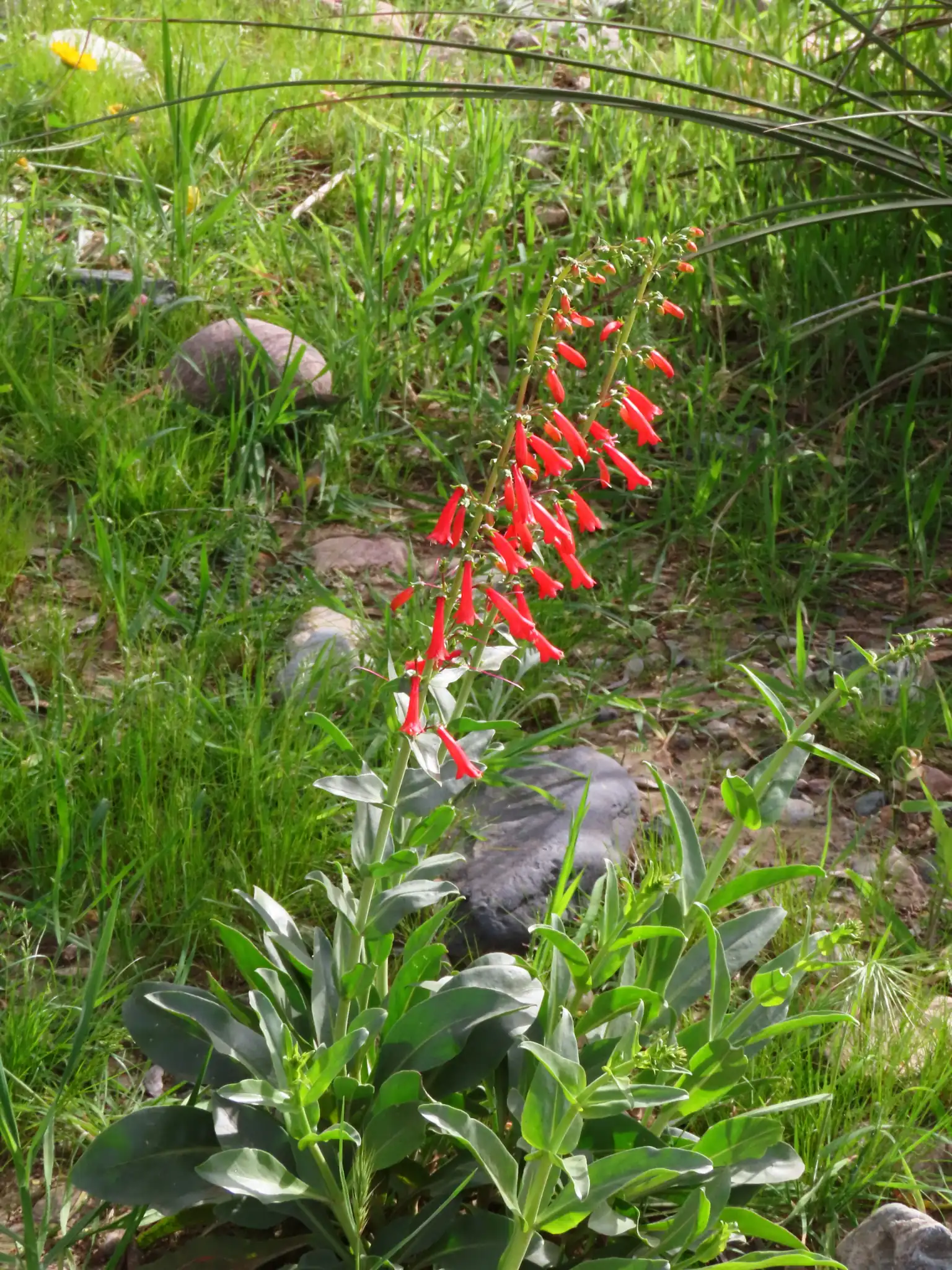
Penstemon eatonii is an evergreen to semi-evergreen perennial native to dry slopes, desert scrub, and pinyon-juniper woodlands across the western United States. Multiple erect, stiff stems arise from a woody crown, carrying thick, leathery, blue-green foliage and tall spikes of brilliant red blossoms.
The narrow corollas are vivid scarlet-red and adapted specifically for hummingbird pollination, appearing from late winter through early summer. It thrives in poor, mineral-rich soils and requires complete summer dryness to maintain health and longevity in cultivation.
Uses & Benefits:
Essentials
At a Glance
Plant Type
Perennial
Height
36"
Width
24"
Light
Full Sun
Zones
4, 5, 6, 7, 8, 9
Water
Low
Humidity
Low
Lifespan
Perennial (Short-lived)
Native To
Western United States
Toxicity
Non-toxic
Bloom period
Late winter – Early summer
In flower about 5 months of the year
Planting
How to Grow
- Select a planting site in full sun with gravelly, sandy, or coarse mineral soil that provides sharp drainage.
- Space plants 1 to 2 feet apart to allow air movement around the basal foliage.
- Water sparingly during the first growing season to establish roots, then eliminate summer irrigation.
- Cut spent flower stalks cleanly down to the basal foliage after blooming, leaving some seed heads if self-sowing is desired.
Pro Tip
Keep the soil lean, coarse, and completely un-irrigated during hot summer months to prevent lethal crown rot.
Keep It Thriving
Care Guide
Do
- Plant in full sun and sharply draining mineral or gravelly soil.
- Cut spent flower stems down to the basal rosette after flowering finishes.
- Allow seed heads to mature if you wish to naturalize the plant via self-seeding.
Don't
- Do not irrigate established plants during the hot summer season.
- Do not add rich organic compost, heavy manures, or high-nitrogen fertilizers.
- Do not prune hard into old, leafless woody stems, as they will fail to regenerate growth.
Seasonal Care Calendar
| Task | Jan | Feb | Mar | Apr | May | Jun | Jul | Aug | Sep | Oct | Nov | Dec |
|---|---|---|---|---|---|---|---|---|---|---|---|---|
| Pest Check | ||||||||||||
| Plant | ||||||||||||
| Propagate | ||||||||||||
| Prune |
Watch Out For
Pests & Diseases
Common Pests
Common Diseases
In the Garden
Landscape Uses & Companions
Landscape Uses
Companion Plants
Multiply
Propagation Methods
Good to Know
Common Questions
Firecracker Penstemon questions
What zones can Firecracker Penstemon grow in?
Firecracker Penstemon is hardy in USDA Zones 4–9: in that range it survives winter in the ground. Warmer than Zone 9, winter isn't the problem: it prefers colder winters, and summer heat can shorten its life.
Is Firecracker Penstemon deer resistant?
Yes — Firecracker Penstemon is rated deer-resistant. Deer typically pass it over, though extreme hunger can override any plant's defenses.
When does Firecracker Penstemon bloom?
Firecracker Penstemon typically blooms from late winter to early summer. Exact timing shifts a week or two with your zone — Sow's bloom calendar maps it to your garden.
Does Firecracker Penstemon need full sun?
Firecracker Penstemon does best in full sun (6+ hours).
Is Firecracker Penstemon drought tolerant?
Yes — once established (usually after the first full season), Firecracker Penstemon handles dry spells with minimal watering. Water deeply its first year to build the root system that makes that possible.
More Penstemon to compare
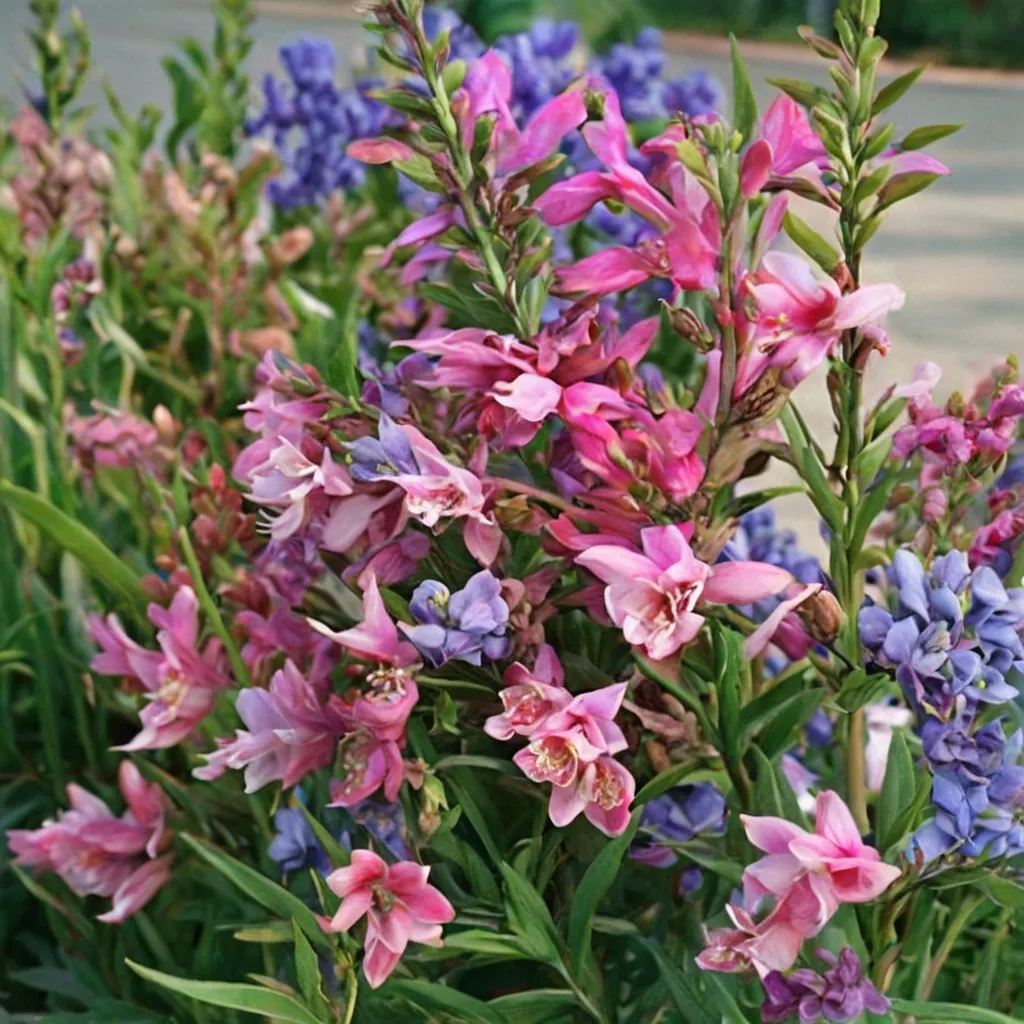
Beardtongue Rondo
Penstemon barbatus 'Rondo'
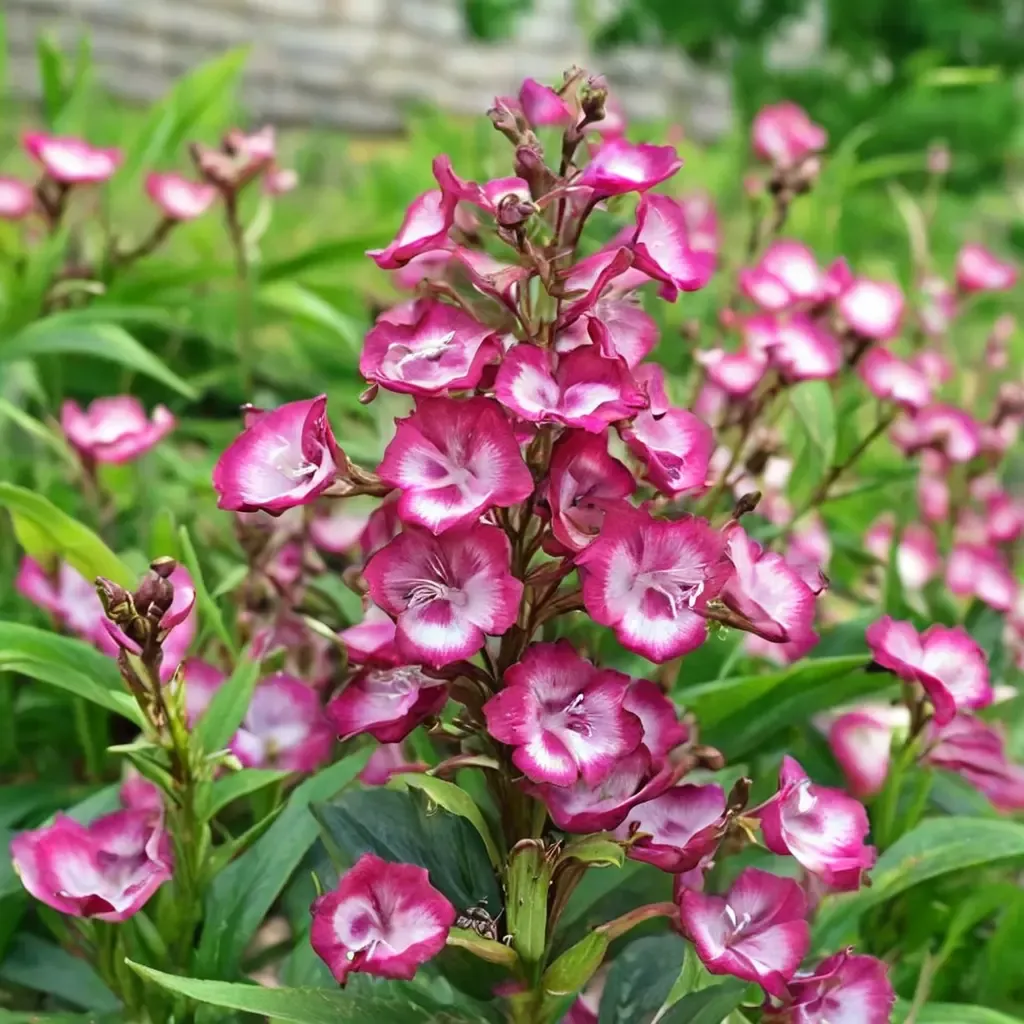
George Home Penstemon
Penstemon digitalis 'George Home'
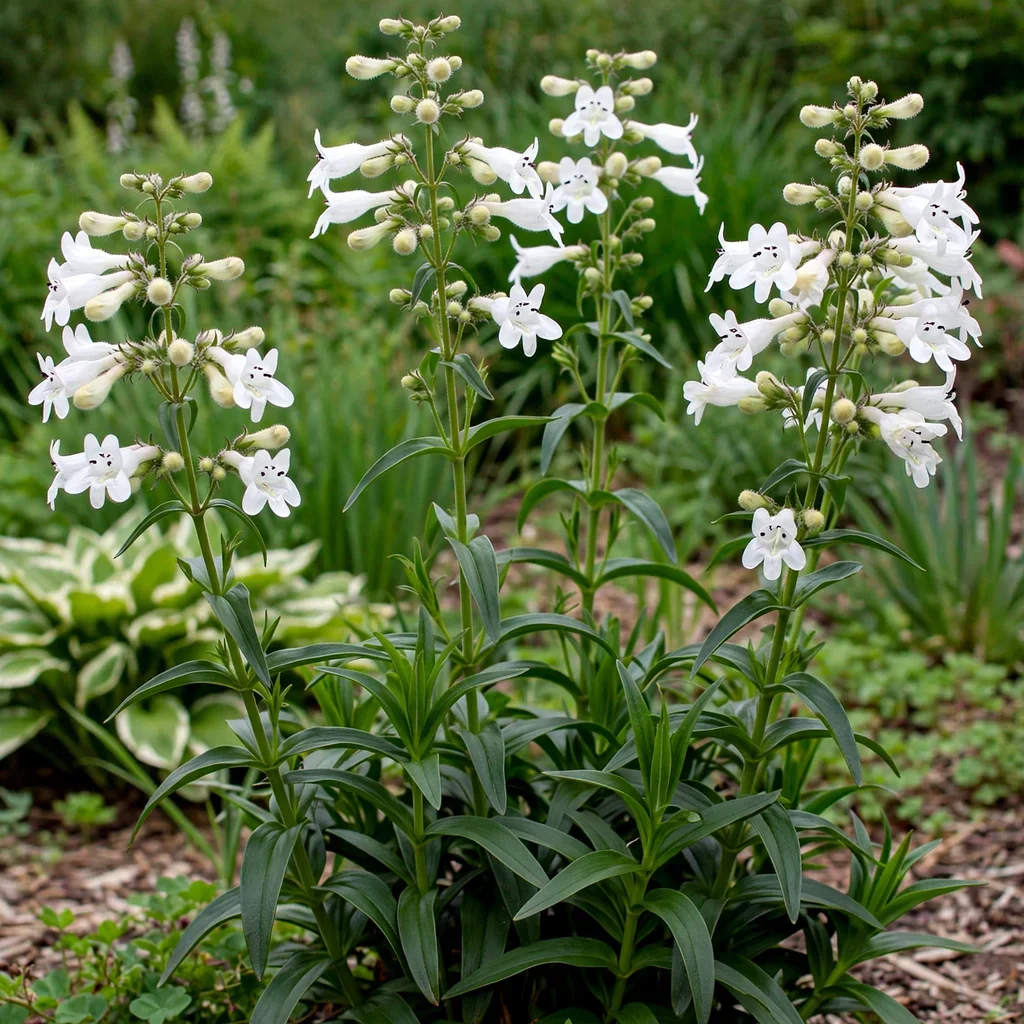
Foxglove Beardtongue
Penstemon digitalis
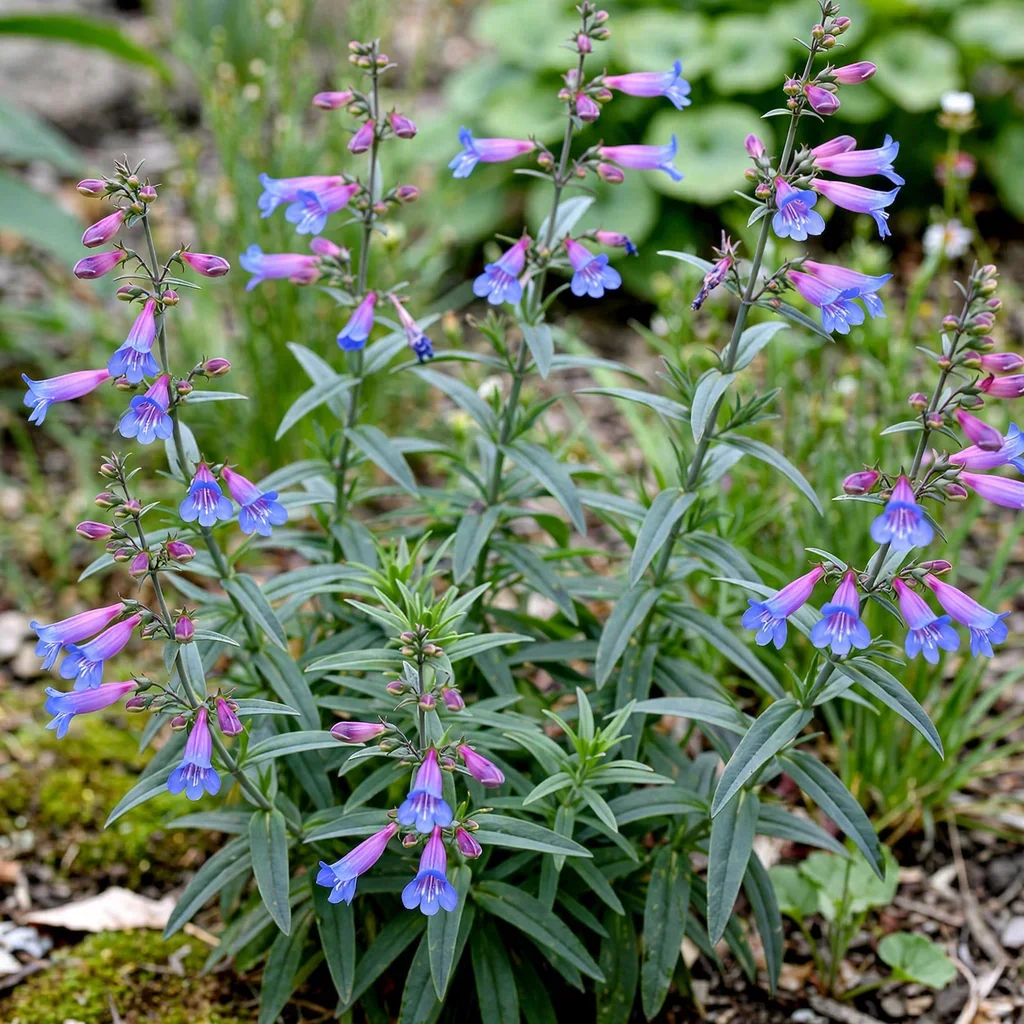
Blue Springs Penstemon
Penstemon heterophyllus 'Blue Springs'
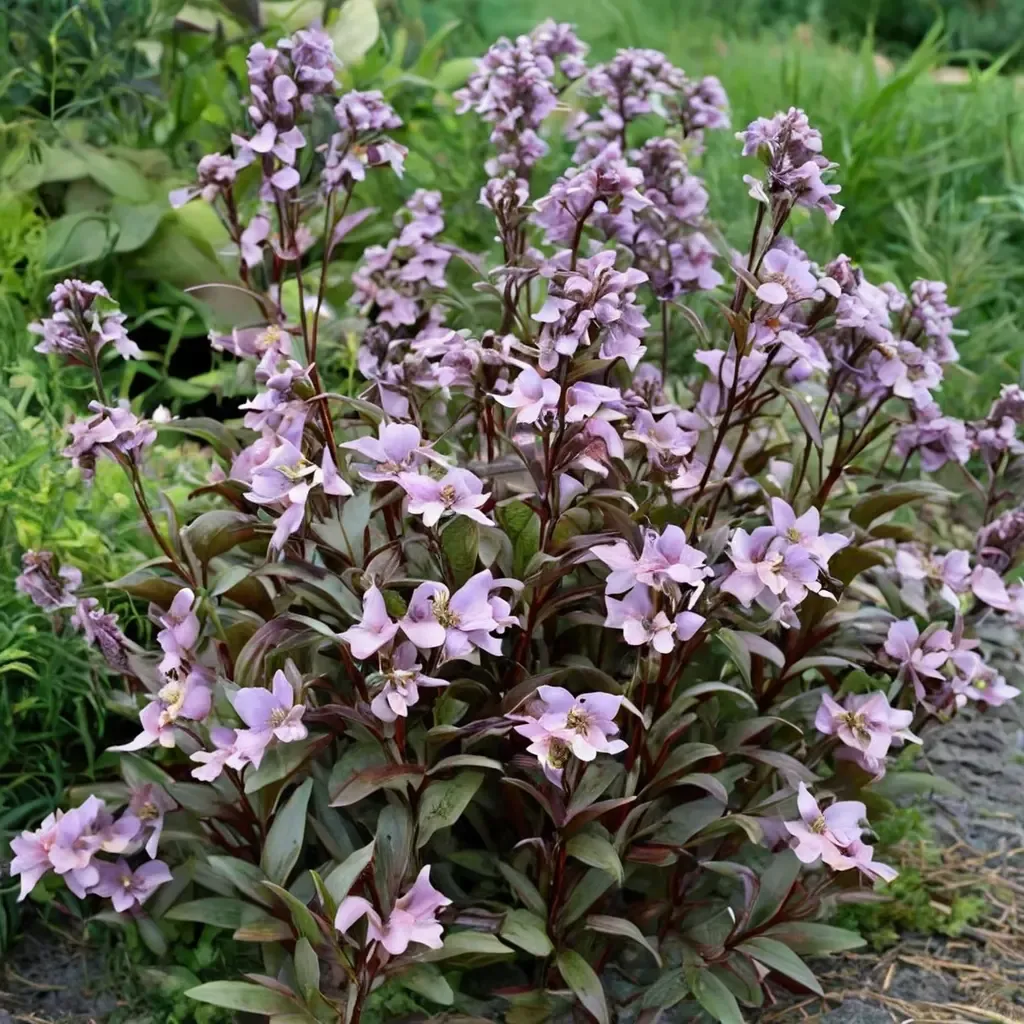
Blackbeard Beardtongue
Penstemon digitalis 'Blackbeard'
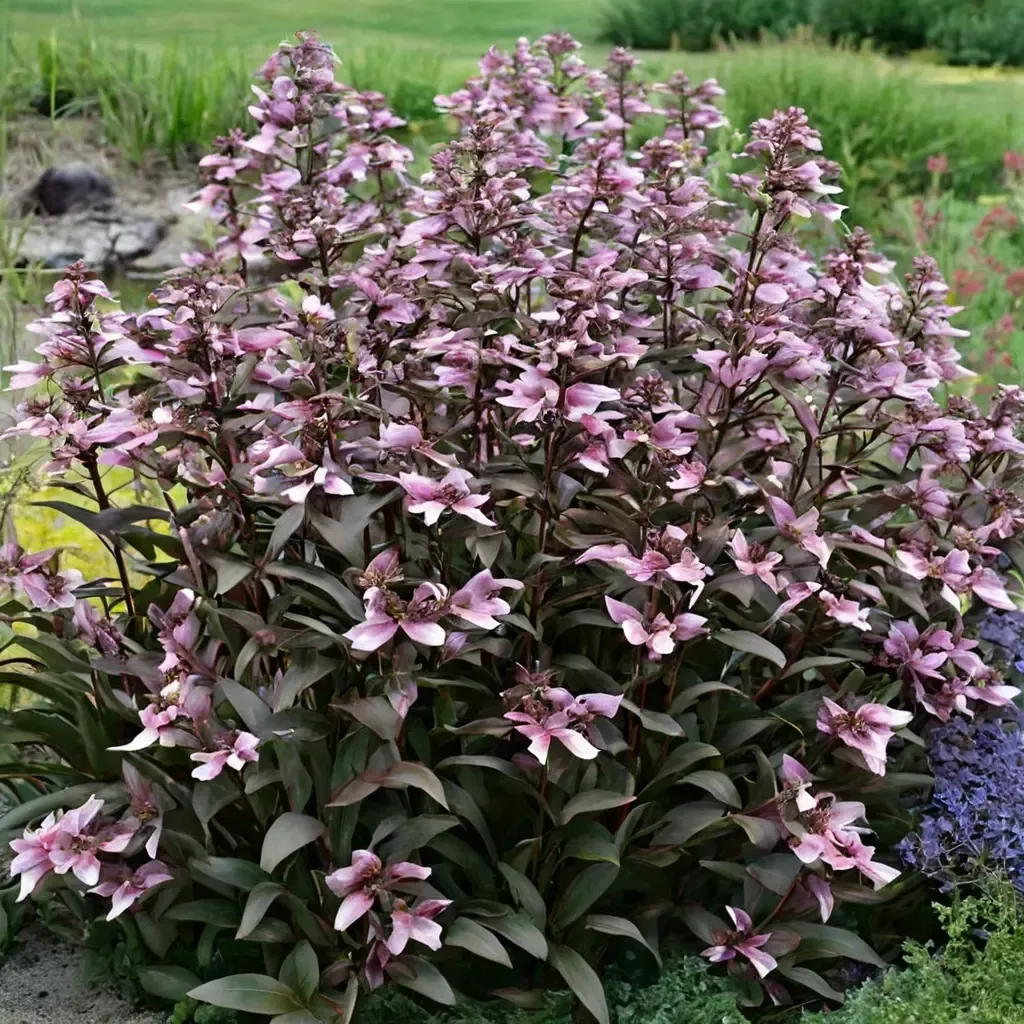
Dark Towers Penstemon
Penstemon digitalis 'Dark Towers'
Keep exploring
Explore the genus
Grow Firecracker Penstemon with confidence
See it in a design of your actual yard, get zone-matched care reminders, and track it season by season in your garden journal.