The Story
Plant Bio
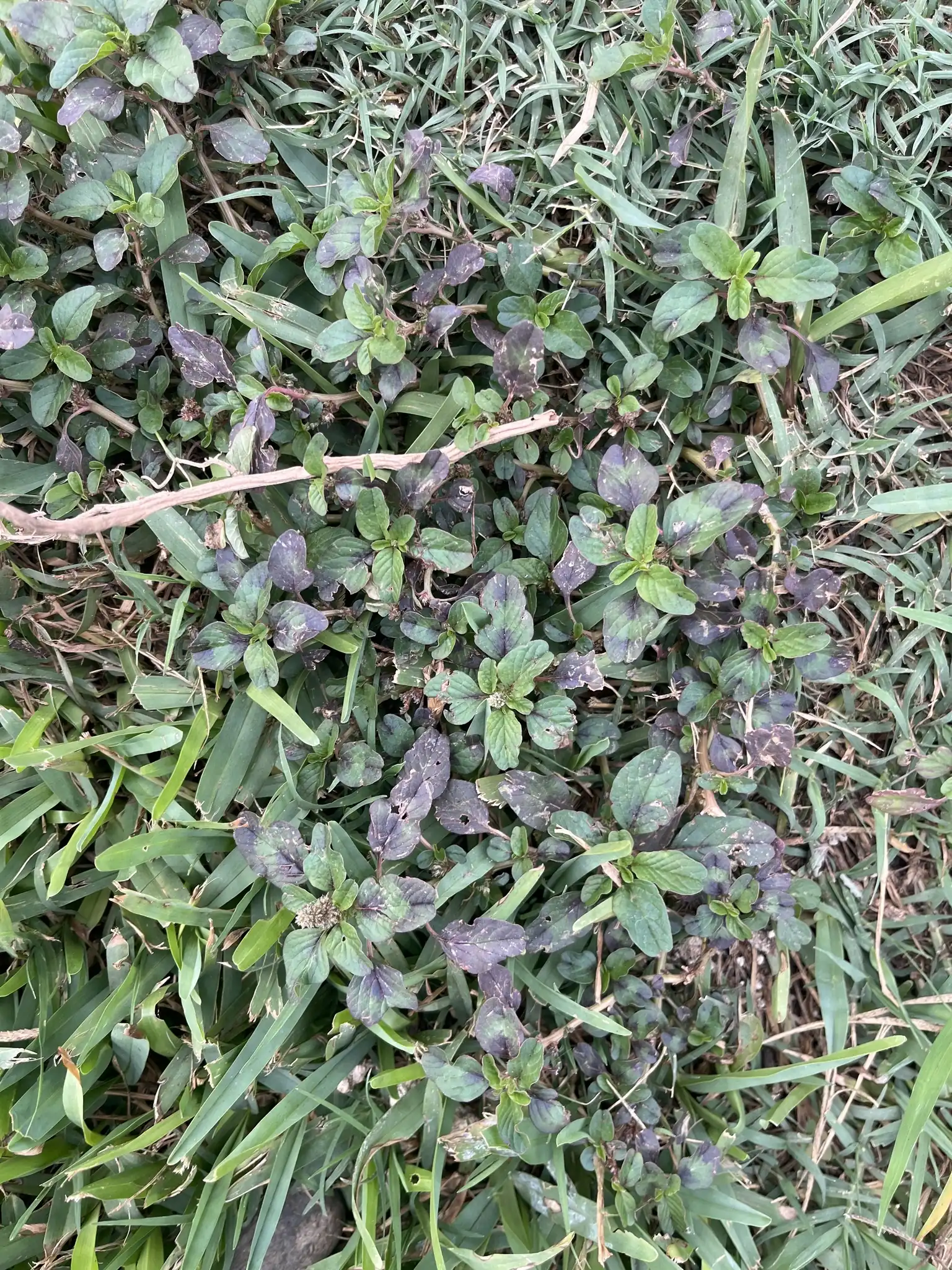
Amaranthus blitum, commonly known as livid amaranth, is a low-growing annual herb native to the Mediterranean region and temperate Eurasia. It develops an erect to prostrate habit, branching from the base to form dense mats of foliage in disturbed soils.
This species is distinguished by its hairless stems and small, notched rhombic leaves that often display a purplish or livid tinge on new growth. The flowers are tiny, greenish-white clusters produced in the leaf axils and terminal spikes, followed by smooth or slightly wrinkled indehiscent fruits.
Uses & Benefits:
Essentials
At a Glance
Plant Type
Annual
Height
24"
Width
20"
Light
Full Sun
Zones
4, 5, 6, 7, 8, 9, 10
Water
Moderate
Humidity
Moderate to high
Lifespan
Annual
Native To
Mediterranean region, Europe, North Africa, Temperate Asia
Toxicity
Toxic to livestock if nitrate-stressed
Bloom period
Summer – Autumn
In flower about 6 months of the year
Planting
How to Grow
- Select a site in full sun with fertile, well-drained sandy or loamy soil.
- Sow seeds directly on the soil surface in late spring once soil temperatures warm.
- Thin emerging seedlings to stand roughly eight to twelve inches apart to allow for lateral branching.
- Water moderately during dry spells to encourage lush foliage growth, though established plants tolerate brief dry periods.
Pro Tip
Distinguish this species from similar pigweeds by its completely hairless stems and the specific wrinkled texture of its mature seed pods. To prevent rapid self-seeding and local spread, hand-pull plants before the green axillary flower clusters mature and drop seed.
Keep It Thriving
Care Guide
Do
- Pull plants early in the season if you wish to control their spread in cultivated beds.
- Harvest young, tender leaves before flowering begins for the best culinary quality.
Don't
- Do not apply heavy nitrogen fertilizers, as this species readily accumulates toxic levels of nitrates.
- Do not plant in poorly drained, waterlogged soils where root rot pathogens thrive.
Seasonal Care Calendar
| Task | Jan | Feb | Mar | Apr | May | Jun | Jul | Aug | Sep | Oct | Nov | Dec |
|---|---|---|---|---|---|---|---|---|---|---|---|---|
| Harvest | ||||||||||||
| Pest Check | ||||||||||||
| Propagate | ||||||||||||
| Spring Cleanup |
Watch Out For
Pests & Diseases
Common Pests
Common Diseases
In the Garden
Landscape Uses & Companions
Landscape Uses
Companion Plants
Multiply
Propagation Methods
Good to Know
Common Questions
Livid Amaranth questions
What zones can Livid Amaranth grow in?
Livid Amaranth is hardy in USDA Zones 4–10. Inside that range it survives winter in the ground; outside it, grow it as an annual or a container plant you protect.
Is Livid Amaranth deer resistant?
Not reliably. Deer may browse Livid Amaranth, especially tender spring growth — plan on repellents or fencing where pressure is high.
When does Livid Amaranth bloom?
Livid Amaranth typically blooms in summer through autumn. Exact timing shifts a week or two with your zone — Sow's bloom calendar maps it to your garden.
Does Livid Amaranth need full sun?
Livid Amaranth does best in full sun (6+ hours).
Is Livid Amaranth drought tolerant?
Yes — once established (usually after the first full season), Livid Amaranth handles dry spells with minimal watering. Water deeply its first year to build the root system that makes that possible.
More Amaranthus to compare
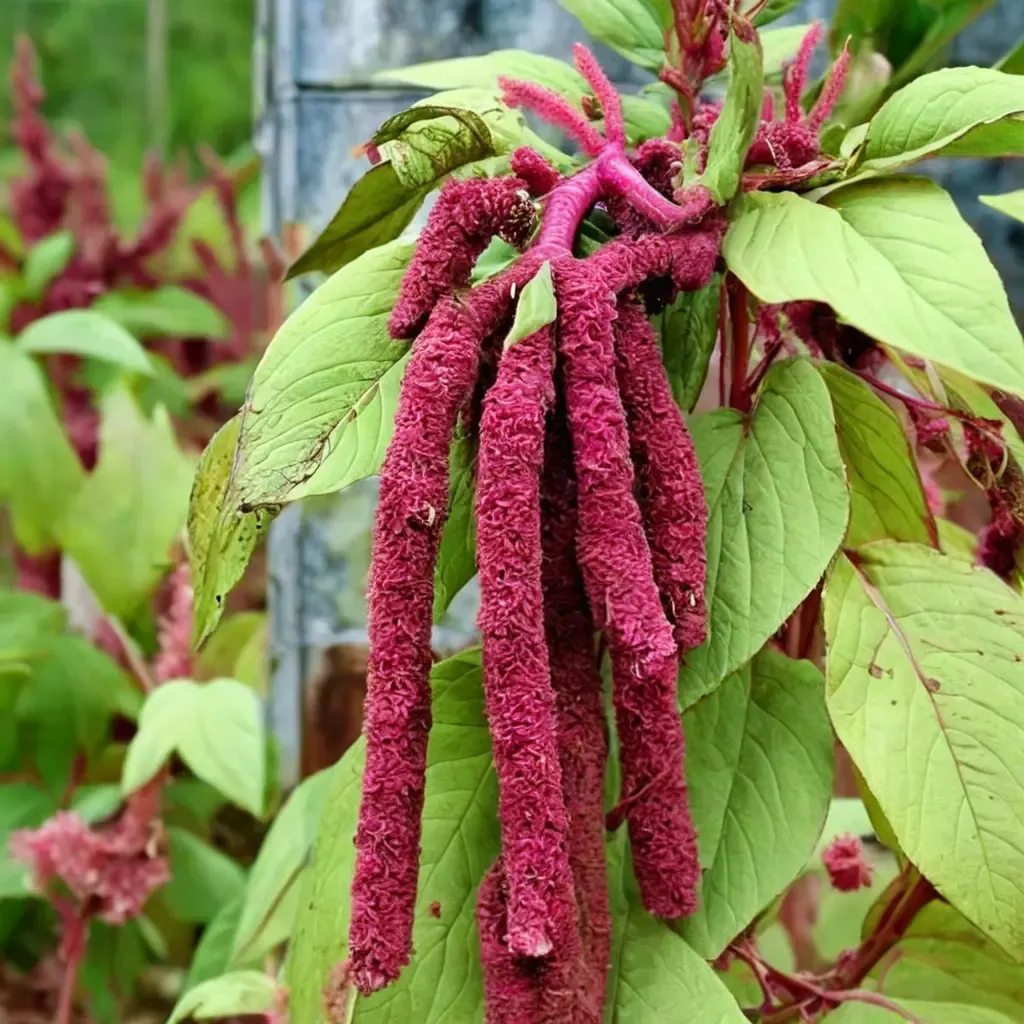
Love-Lies-Bleeding
Amaranthus caudatus
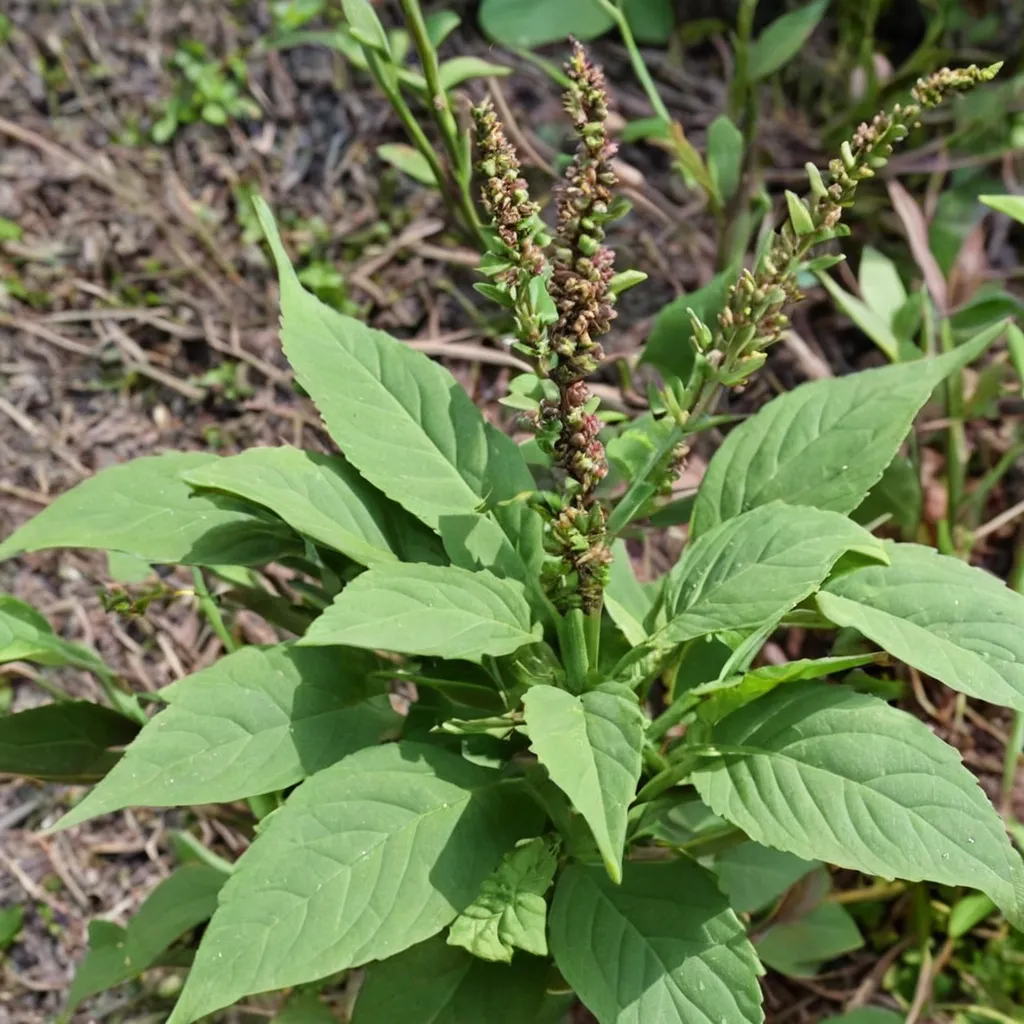
Green Amaranth
Amaranthus viridis
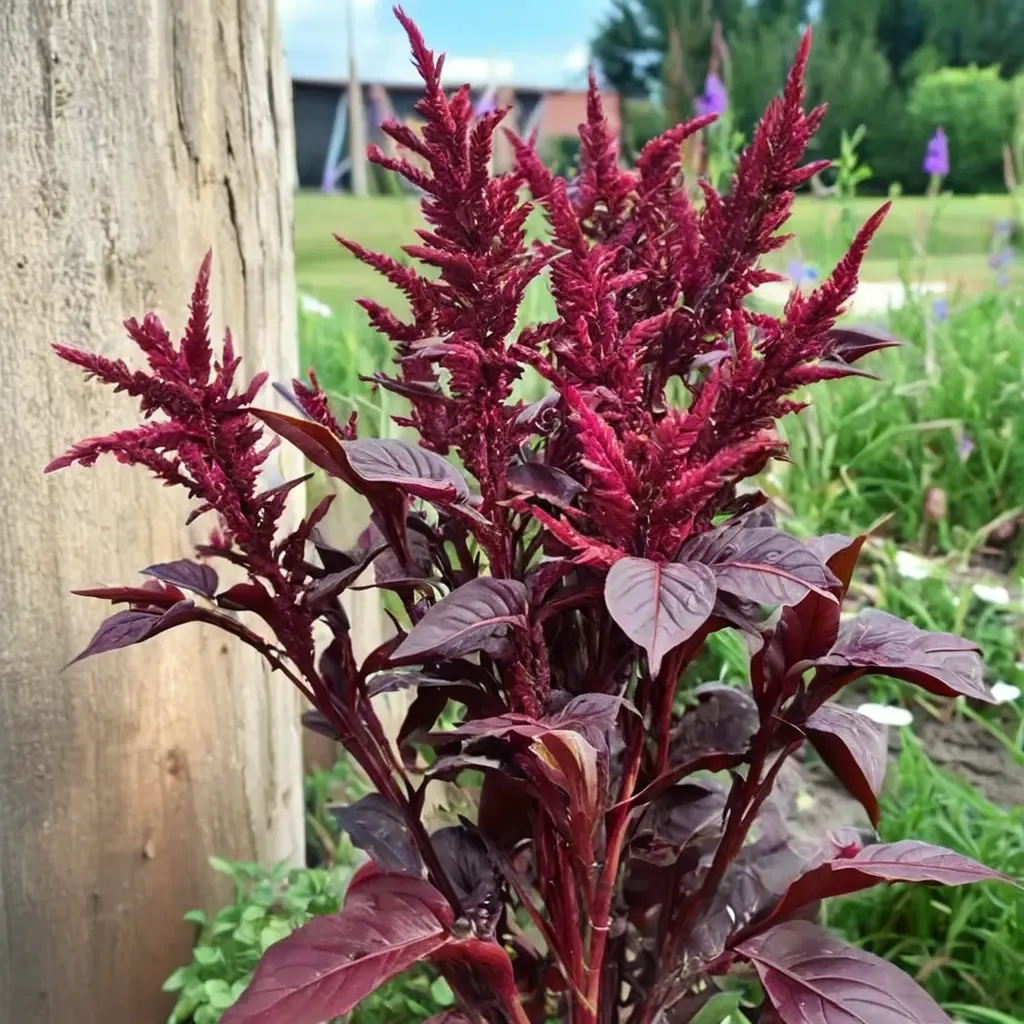
Velvet Curtains Amaranth
Amaranthus cruentus 'Velvet Curtains'
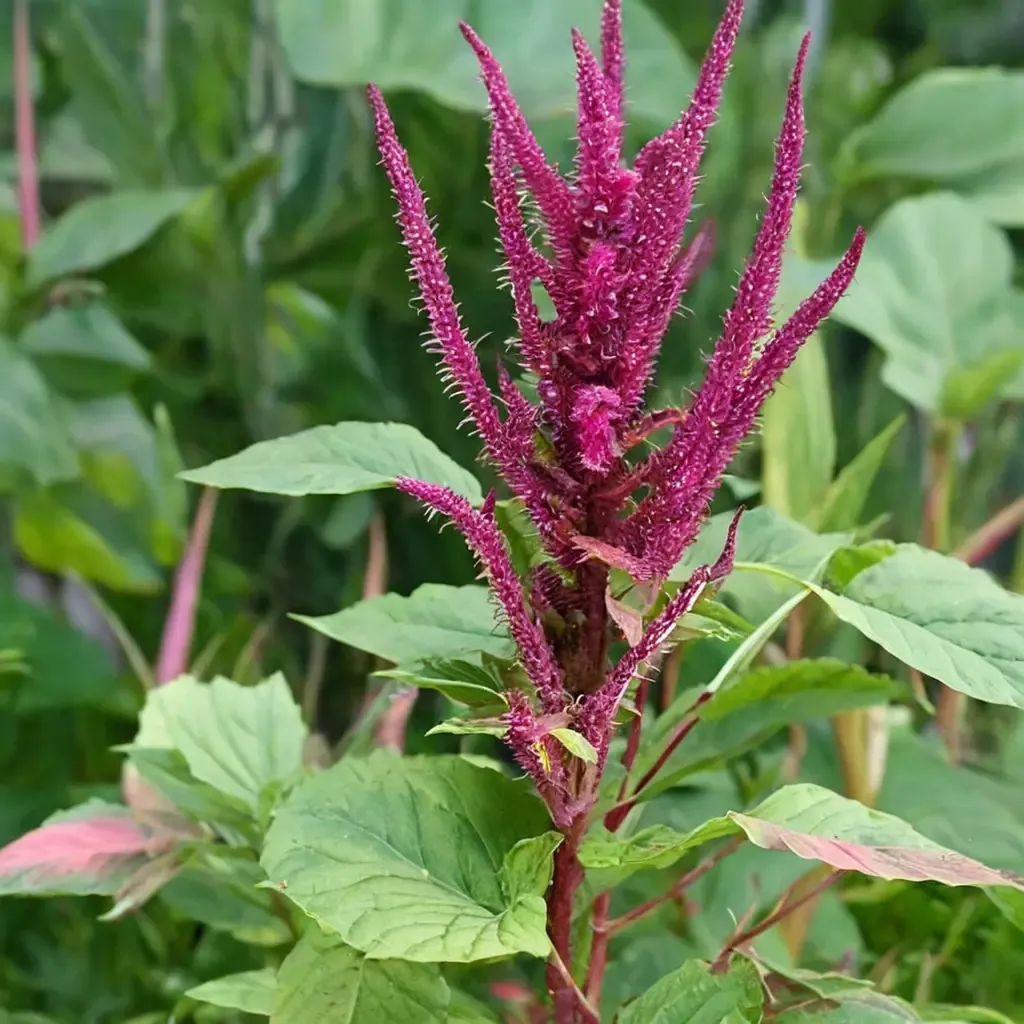
Red Amaranth
Amaranthus cruentus
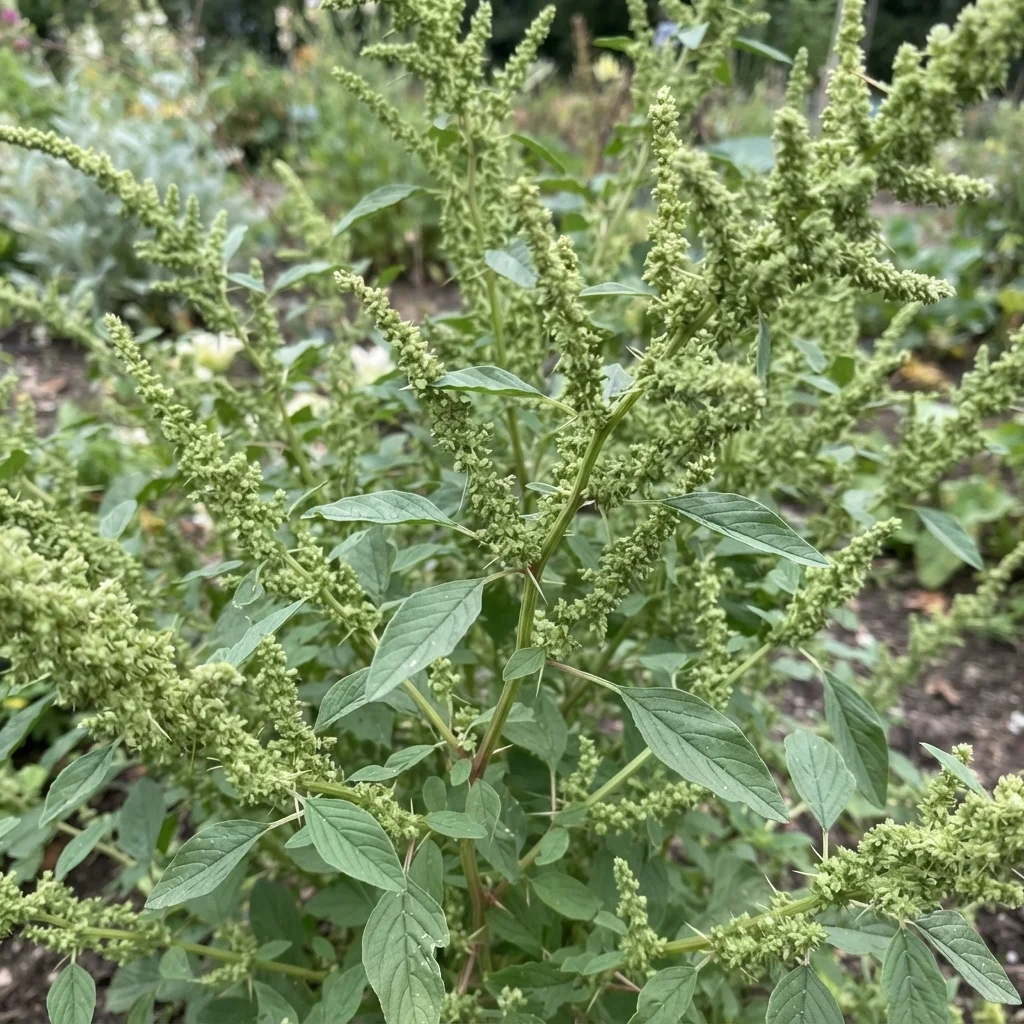
Spiny Amaranth
Amaranthus spinosus
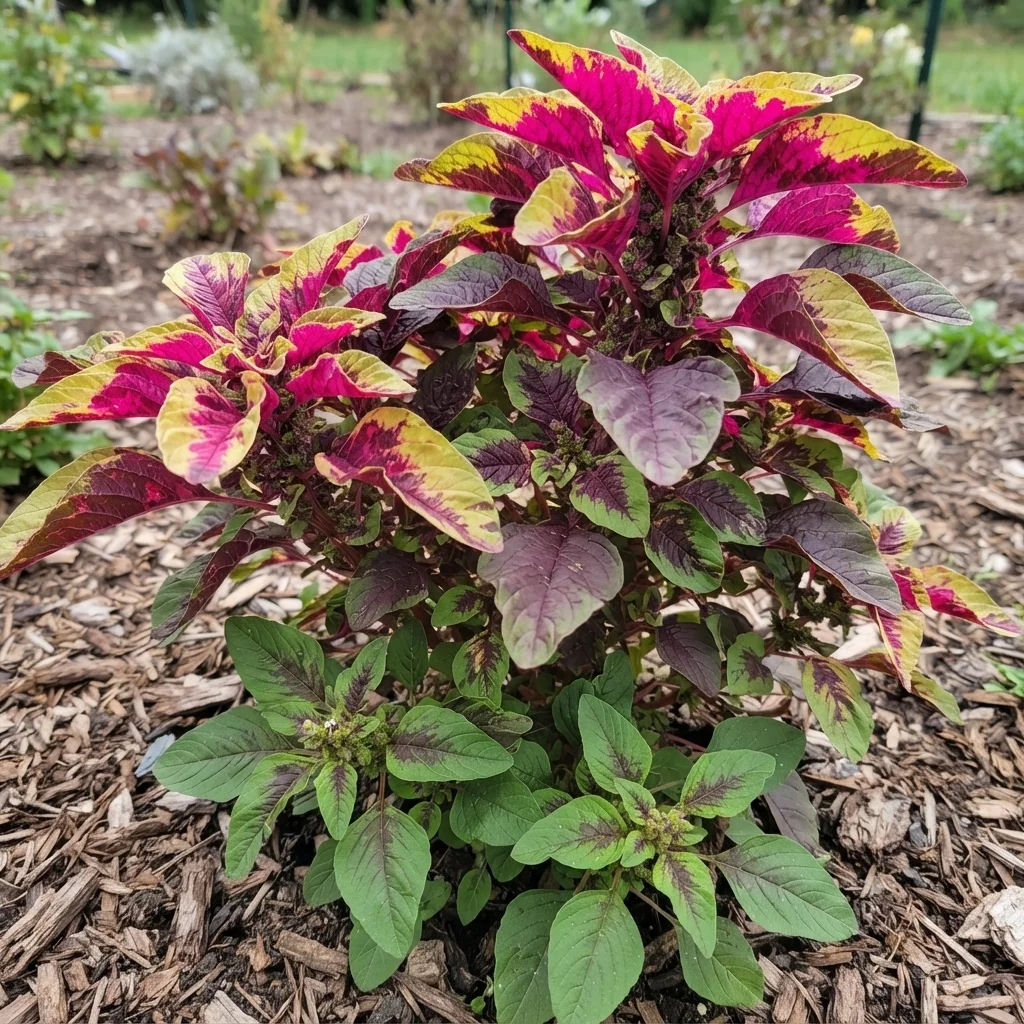
Joseph's Coat
Amaranthus tricolor
Keep exploring
Explore the genus
Grow Livid Amaranth with confidence
See it in a design of your actual yard, get zone-matched care reminders, and track it season by season in your garden journal.