The Story
Plant Bio
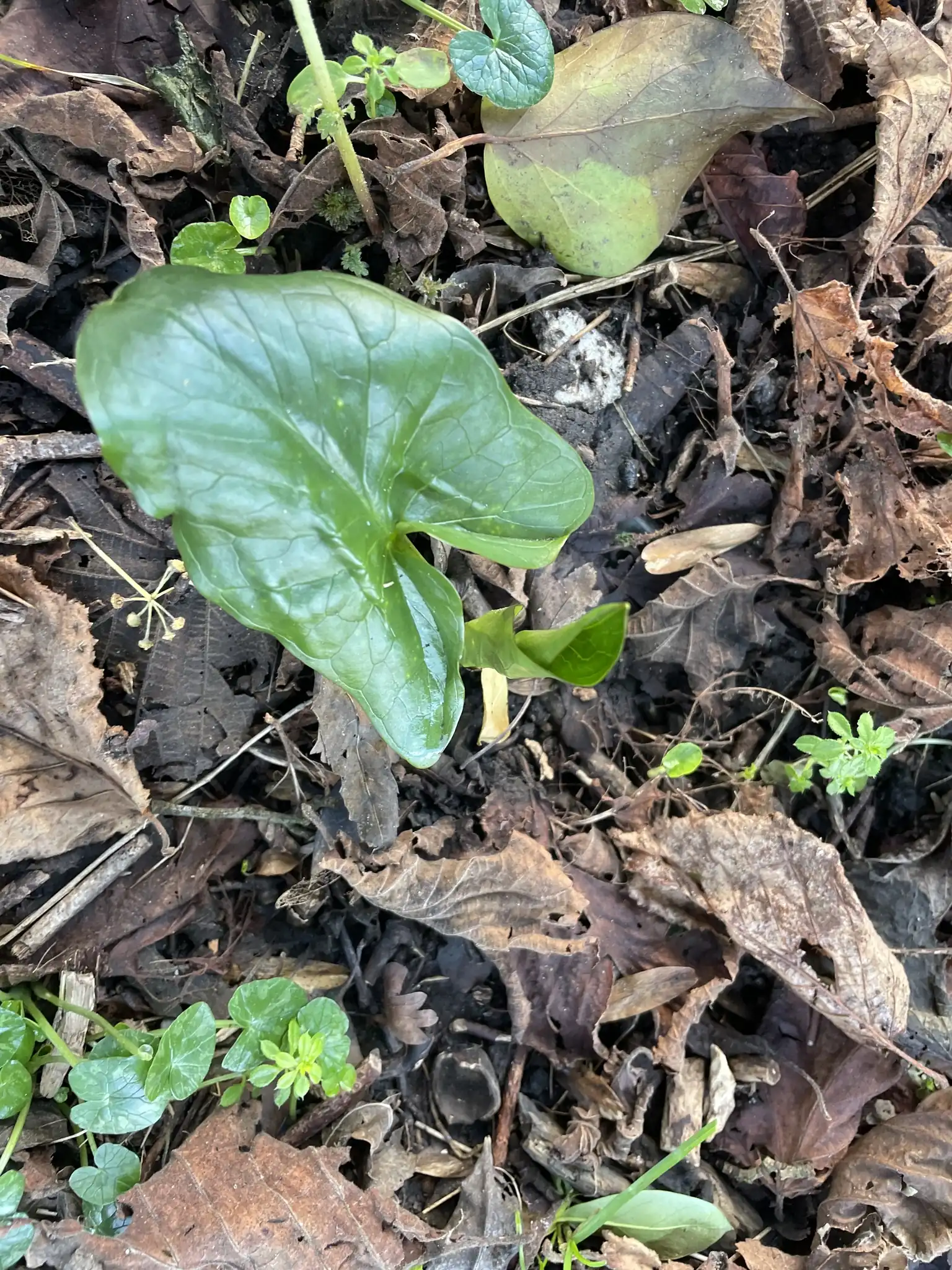
Arum maculatum is a European tuberous perennial that produces glossy, arrow-shaped green leaves often marked with dark purple spots in early spring. In spring, a pale green spathe encloses a purplish or pale yellow spadix emitting a sour scent to attract fly pollinators, followed by bright orange-red berries before the plant goes dormant in summer.
The species is distinguished from Arum italicum by its spring emergence and dark-spotted foliage that dies back completely in summer rather than overwintering. Deeply buried tubers allow established plants to regenerate rapidly if surface foliage is pulled without extracting the underground corm.
Uses & Benefits:
Essentials
At a Glance
Plant Type
Bulb Corm Tuber
Height
18"
Width
16"
Light
Partial Sun, Shade
Zones
5, 6, 7, 8, 9
Water
Moderate
Humidity
Moderate to High
Lifespan
Perennial
Native To
Europe, North Turkey, West Caucasus
Toxicity
Toxic if ingested, skin irritant
Bloom period
Spring – Late spring
In flower about 3 months of the year
Planting
How to Grow
- Select a shaded planting site with moist, humus-rich, neutral to alkaline soil.
- Plant tubers 4 to 6 inches deep in late summer or fall while dormant.
- Water thoroughly after planting and keep soil consistently moist through spring.
- Allow foliage to turn yellow and die back naturally in mid-summer to nourish the corm.
Pro Tip
Wear gloves when handling any part of the plant, as the sap contains sharp calcium oxalate crystals that cause skin dermatitis.
Keep It Thriving
Care Guide
Do
- Wear gloves when handling foliage, flowers, or tubers.
- Top-dress with organic leaf mold in fall to maintain soil organic matter.
Don't
- Do not compost plant parts or tubers, as discarded fragments can root and spread.
- Do not plant near areas accessible to children or pets due to high toxicity.
Seasonal Care Calendar
| Task | Jan | Feb | Mar | Apr | May | Jun | Jul | Aug | Sep | Oct | Nov | Dec |
|---|---|---|---|---|---|---|---|---|---|---|---|---|
| Mulch | ||||||||||||
| Plant | ||||||||||||
| Prune | ||||||||||||
| Spring Cleanup |
Watch Out For
Pests & Diseases
Common Pests
Common Diseases
In the Garden
Landscape Uses & Companions
Landscape Uses
Multiply
Propagation Methods
Good to Know
Common Questions
Lords-and-Ladies questions
What zones can Lords-and-Ladies grow in?
Lords-and-Ladies is hardy in USDA Zones 5–9: in that range it survives winter in the ground. Colder than Zone 5, grow it in a container you can move to shelter for the winter, or as an annual. Warmer than Zone 9, winter isn't the problem: it prefers colder winters, and summer heat can shorten its life.
Is Lords-and-Ladies deer resistant?
Yes — Lords-and-Ladies is rated deer-resistant. Deer typically pass it over, though extreme hunger can override any plant's defenses.
When does Lords-and-Ladies bloom?
Lords-and-Ladies typically blooms in spring. Exact timing shifts a week or two with your zone — Sow's bloom calendar maps it to your garden.
Does Lords-and-Ladies need full sun?
Lords-and-Ladies does best in part shade.
More Arum to compare
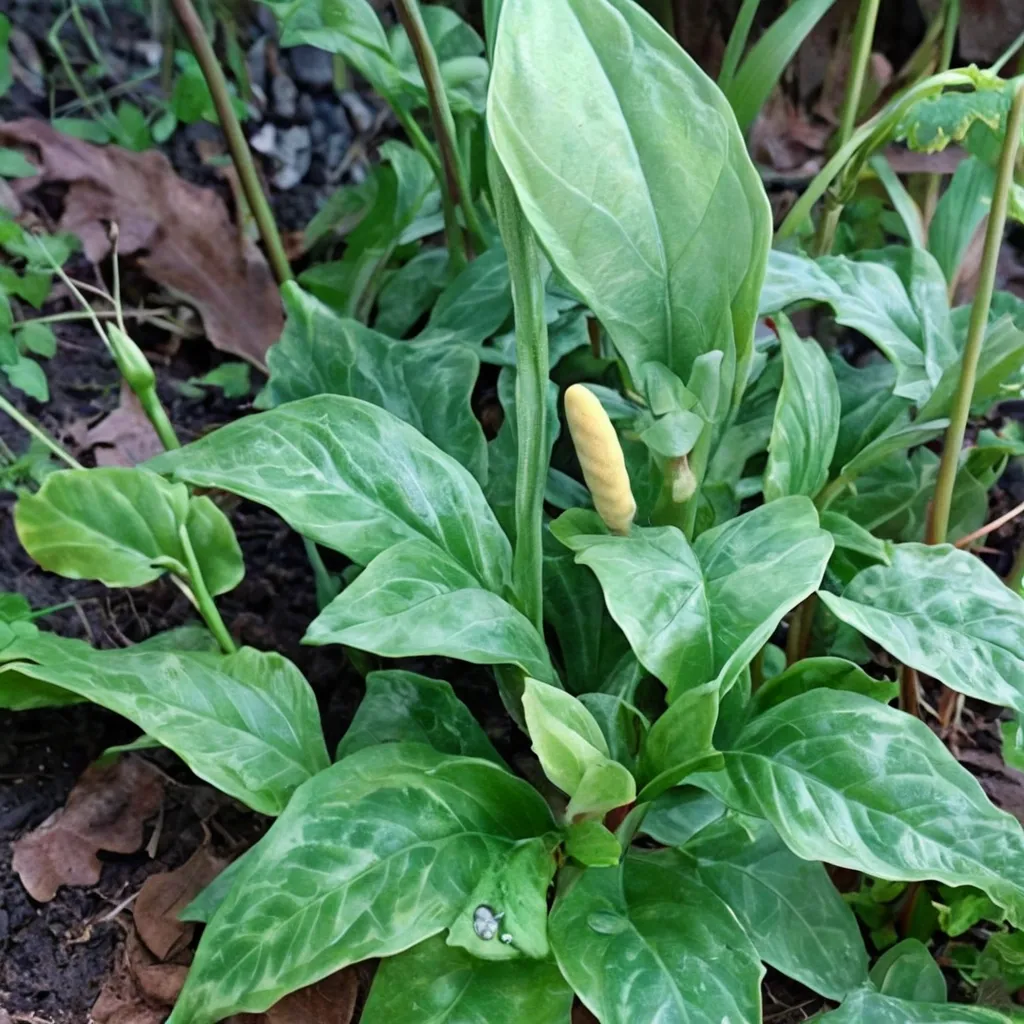
Italian Arum
Arum italicum ssp neglectum
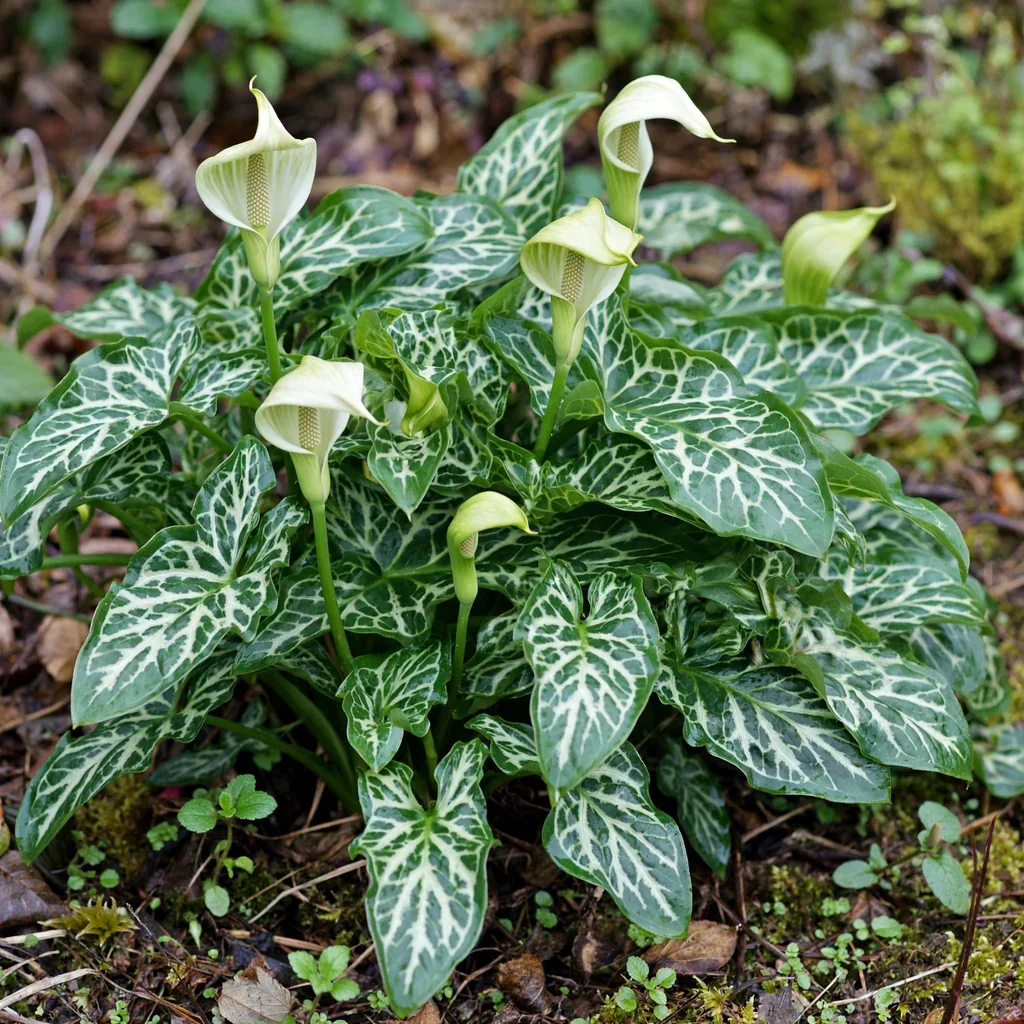
Italian Arum White Winter Arum
Arum italicum 'White Winter'
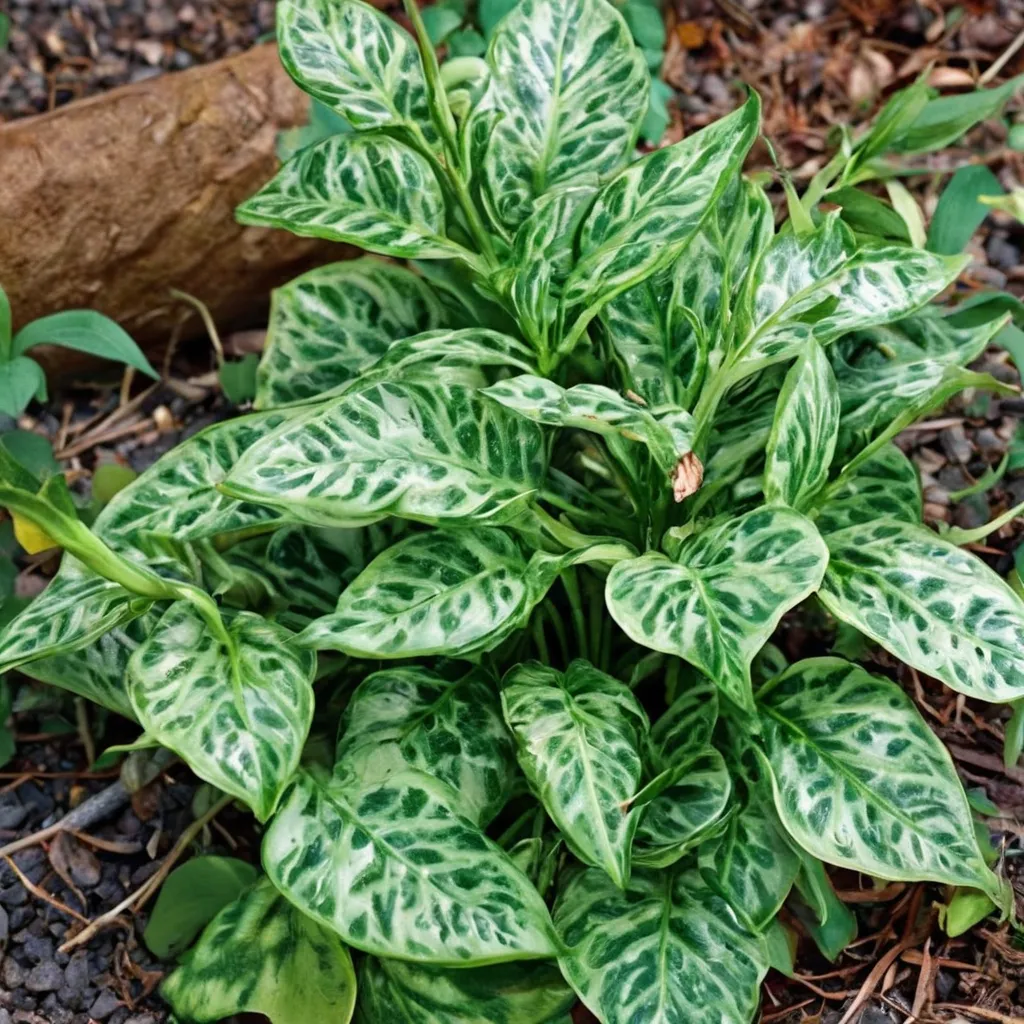
Silver Vein Pattern Italian Arum
Arum italicum 'Silver Vein Pattern'
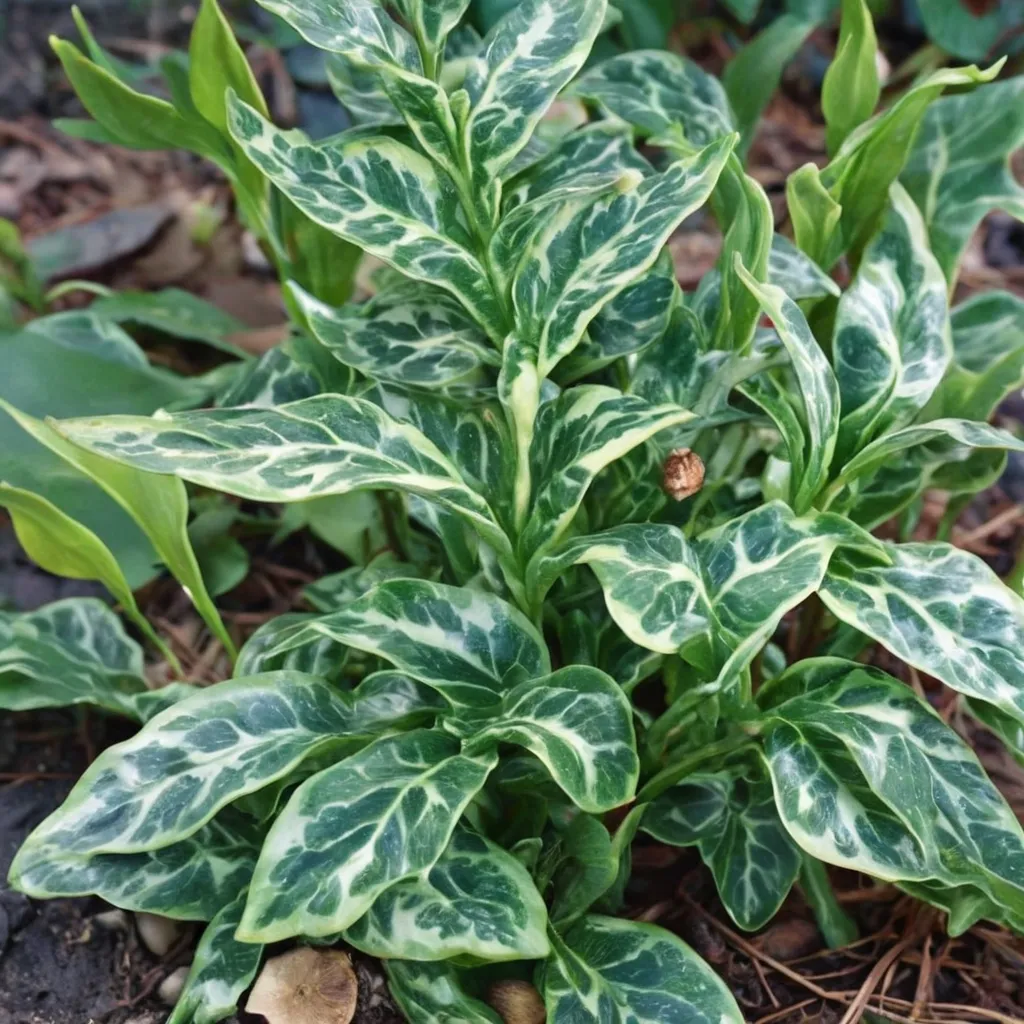
Italian Arum Marmoratum
Arum italicum 'Marmoratum'
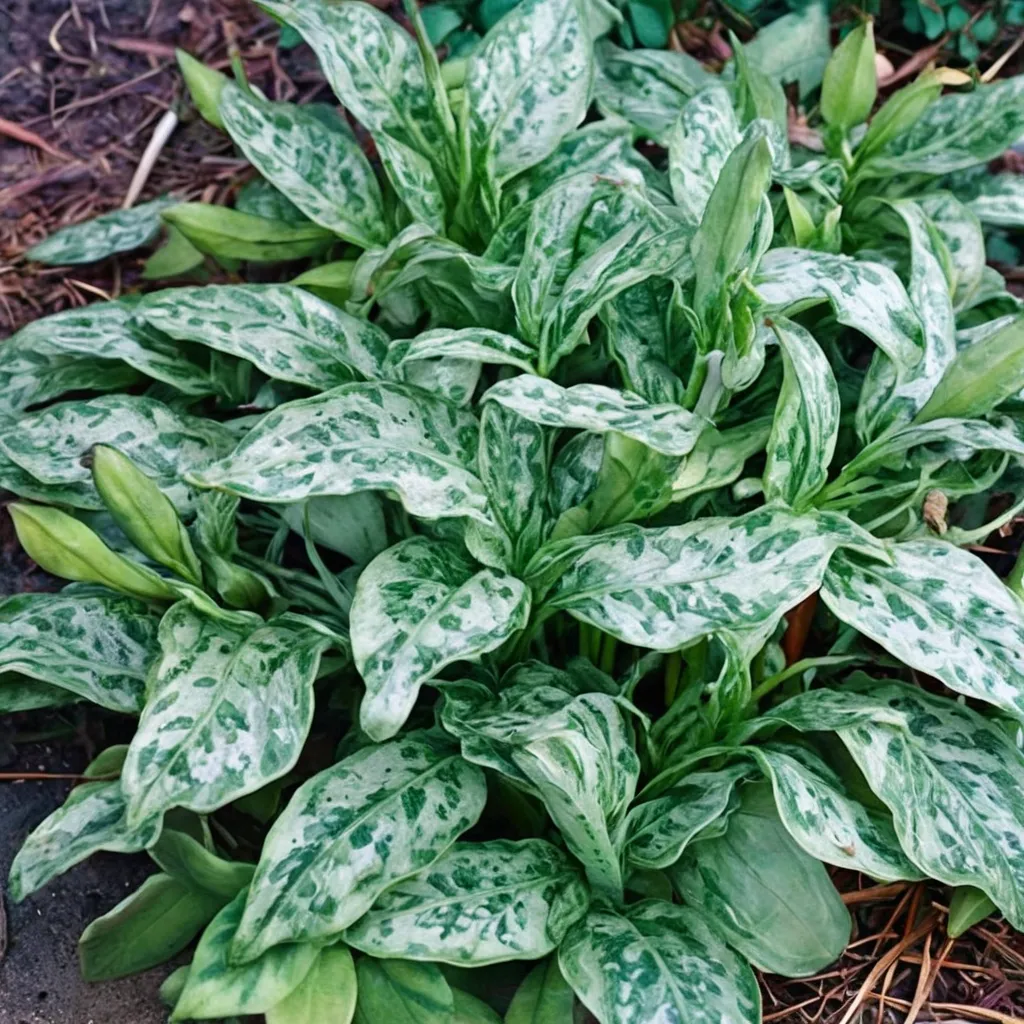
Silver Cloud Arum
Arum italicum 'Silver Cloud'
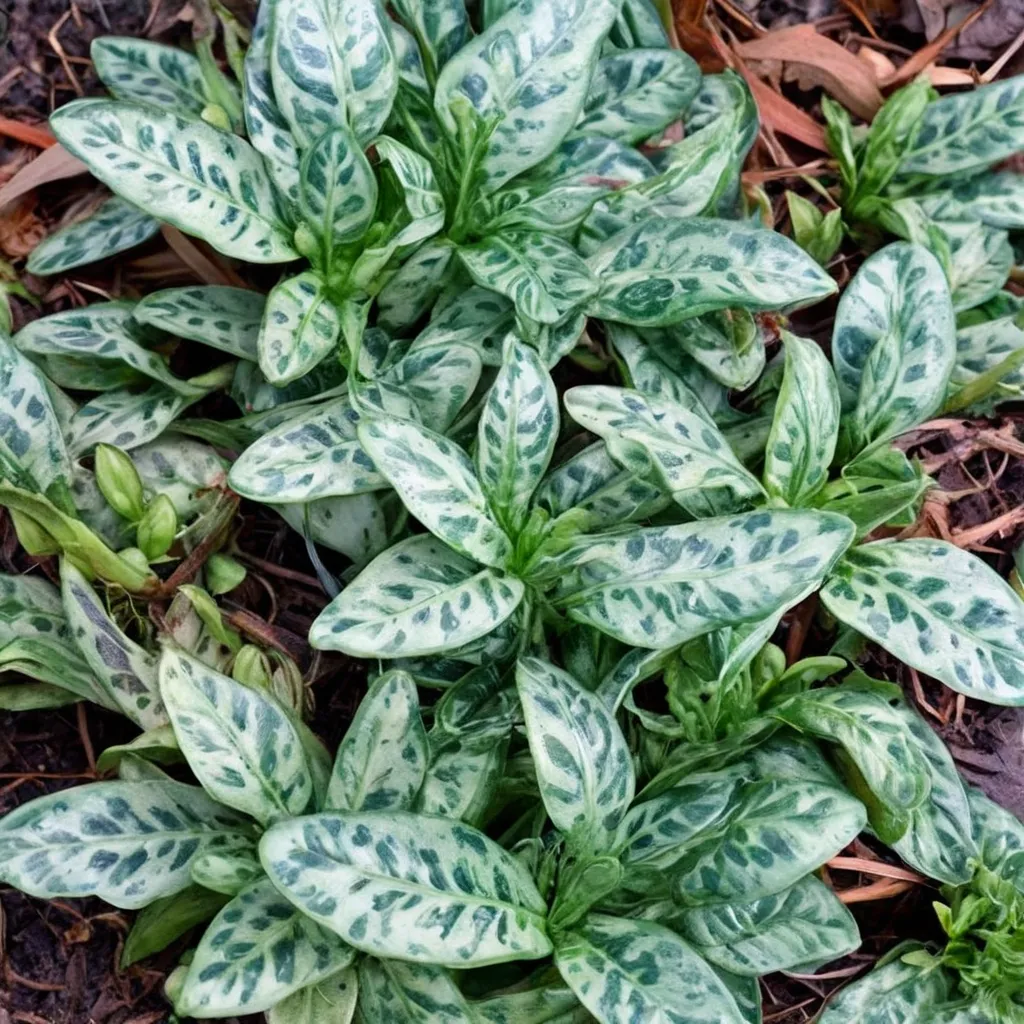
Scottish Silver Italian Arum
Arum italicum 'Scottish Silver'
Keep exploring
Explore the genus
Hardy in your zone?
Grow Lords-and-Ladies with confidence
See it in a design of your actual yard, get zone-matched care reminders, and track it season by season in your garden journal.