The Story
Plant Bio
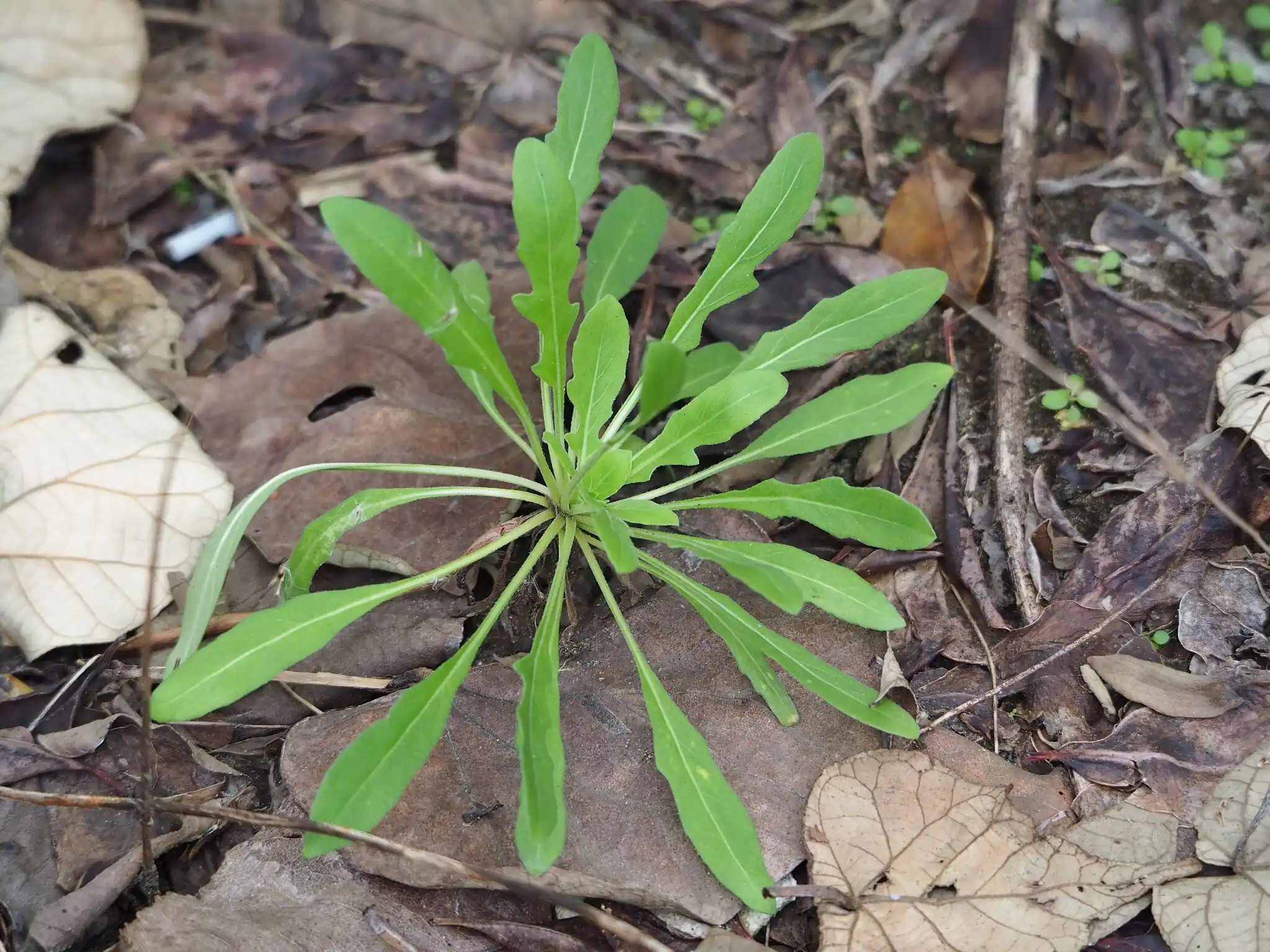
Oenothera laciniata is a low annual or winter-annual herb with erect to prostrate stems to two feet long, clothed in alternate simple leaves. Flowers open singly in the upper leaf axils near sunset, with four pale yellow petals that fade to orange-red with age.
Leaves are sinuate-pinnatifid with cleft rounded lobes to wavy-toothed margins, about two inches long by half an inch wide with a white midvein. Each flower carries a pinkish sepal tube twelve to thirty-five millimeters long below petals five to twenty-two millimeters across, and plants self-pollinate with only about half the pollen fertile.
Uses & Benefits:
Essentials
At a Glance
Plant Type
Annual
Height
24"
Width
30"
Light
Partial Sun
Zones
4, 5, 6, 7, 8, 9, 10
Water
Low
Humidity
Average
Lifespan
Annual to biennial
Native To
Central and eastern U.S. to Guatemala
Toxicity
Unknown
Bloom period
Spring – Fall
In flower about 9 months of the year
Planting
How to Grow
- Sow seed in spring on the surface of well-drained sandy soil in part shade, pressing in without deep covering.
- Water to settle, then keep evenly moist until germination and thin to prevent crowding.
- Mulch lightly to conserve moisture while keeping the crown dry.
- Remove spent blossoms to prolong bloom unless you want self-sown seed for next year.
Pro Tip
Treat it as a self-sowing annual of open sand, not a perennial border plant; allow seed to drop where you want it and pull extras rather than trying to keep old plants alive.
Keep It Thriving
Care Guide
Do
- Plant in well-drained sandy or limestone ground in part shade.
- Mulch to hold moisture without waterlogging.
- Fertilize once in spring as growth resumes.
Don't
- Do not keep soil constantly wet; crowns rot in moist ground.
- Do not expect plants to persist as perennials; re-sow rather than coddling old stems.
- Do not plant where self-sowing cannot be controlled in turf or crop beds.
Seasonal Care Calendar
| Task | Jan | Feb | Mar | Apr | May | Jun | Jul | Aug | Sep | Oct | Nov | Dec |
|---|---|---|---|---|---|---|---|---|---|---|---|---|
| Deadhead | ||||||||||||
| Fertilize | ||||||||||||
| Mulch | ||||||||||||
| Pest Check | ||||||||||||
| Plant |
Watch Out For
Pests & Diseases
Common Pests
Common Diseases
In the Garden
Landscape Uses & Companions
Landscape Uses
Multiply
Propagation Methods
Good to Know
Common Questions
Cutleaf Evening-Primrose questions
What zones can Cutleaf Evening-Primrose grow in?
Cutleaf Evening-Primrose is an annual: it grows, flowers and sets seed in one season, so winter cold doesn't limit where it grows. Gardeners in any zone can grow it by planting at the right time, usually after the last spring frost.
When does Cutleaf Evening-Primrose bloom?
Cutleaf Evening-Primrose typically blooms from spring to fall. Exact timing shifts a week or two with your zone — Sow's bloom calendar maps it to your garden.
Does Cutleaf Evening-Primrose need full sun?
Cutleaf Evening-Primrose does best in part shade.
Is Cutleaf Evening-Primrose drought tolerant?
Yes — once established (usually after the first full season), Cutleaf Evening-Primrose handles dry spells with minimal watering. Water deeply its first year to build the root system that makes that possible.
More Oenothera to compare
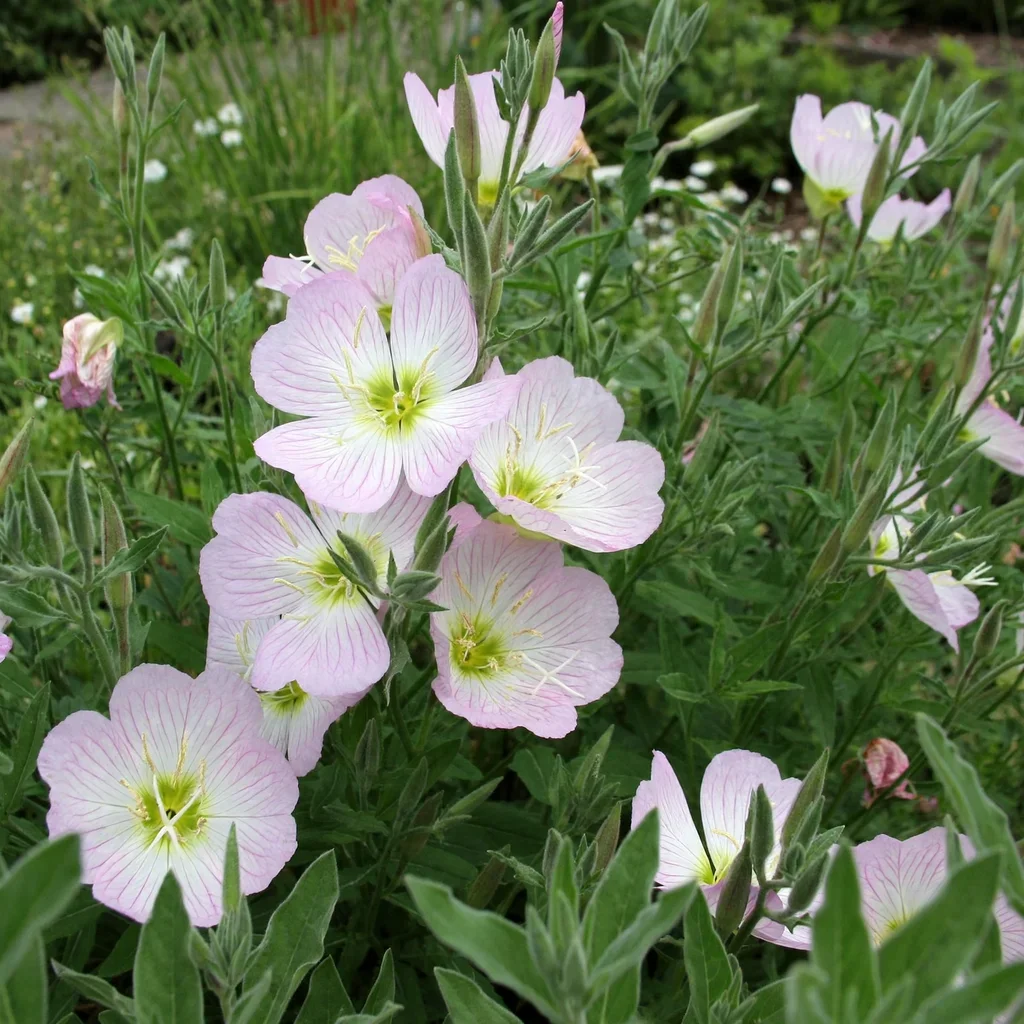
Pink Evening Primrose
Oenothera speciosa
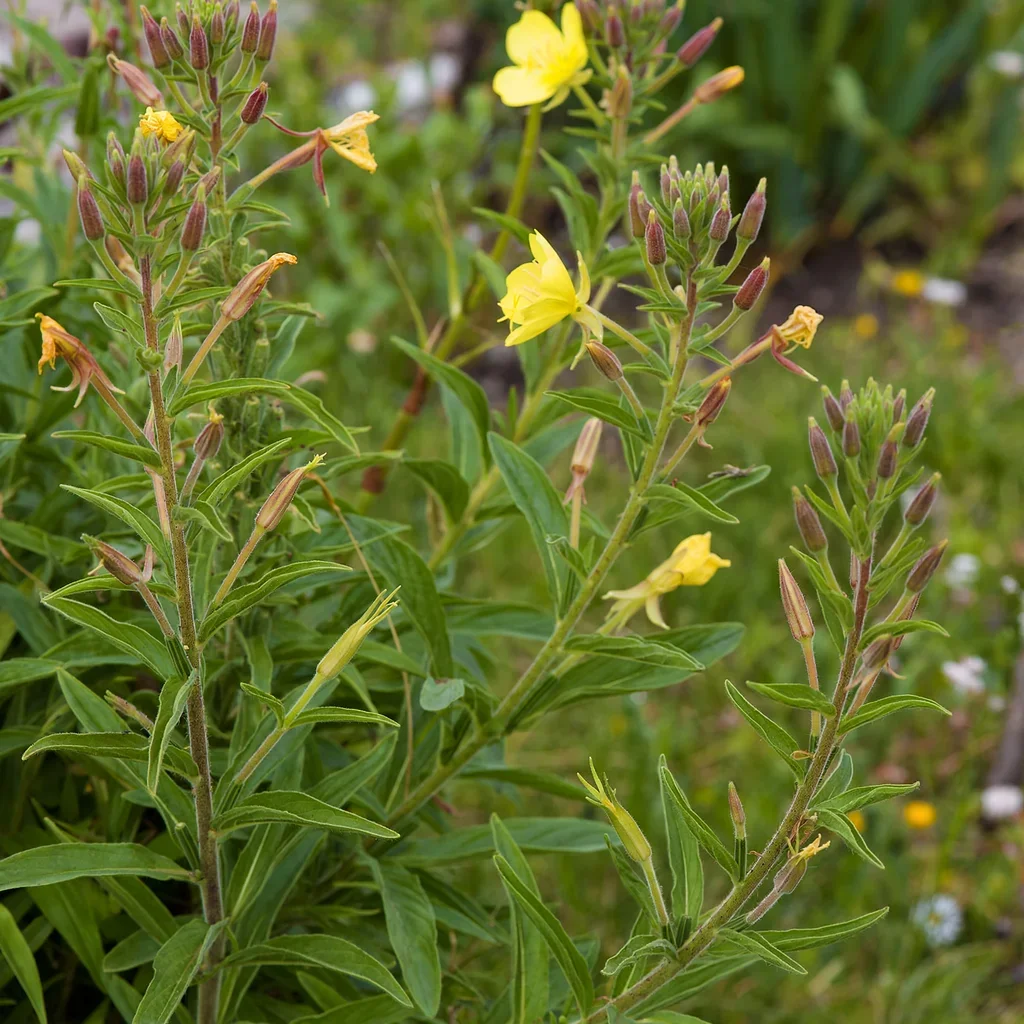
Evening Primrose
Oenothera biennis
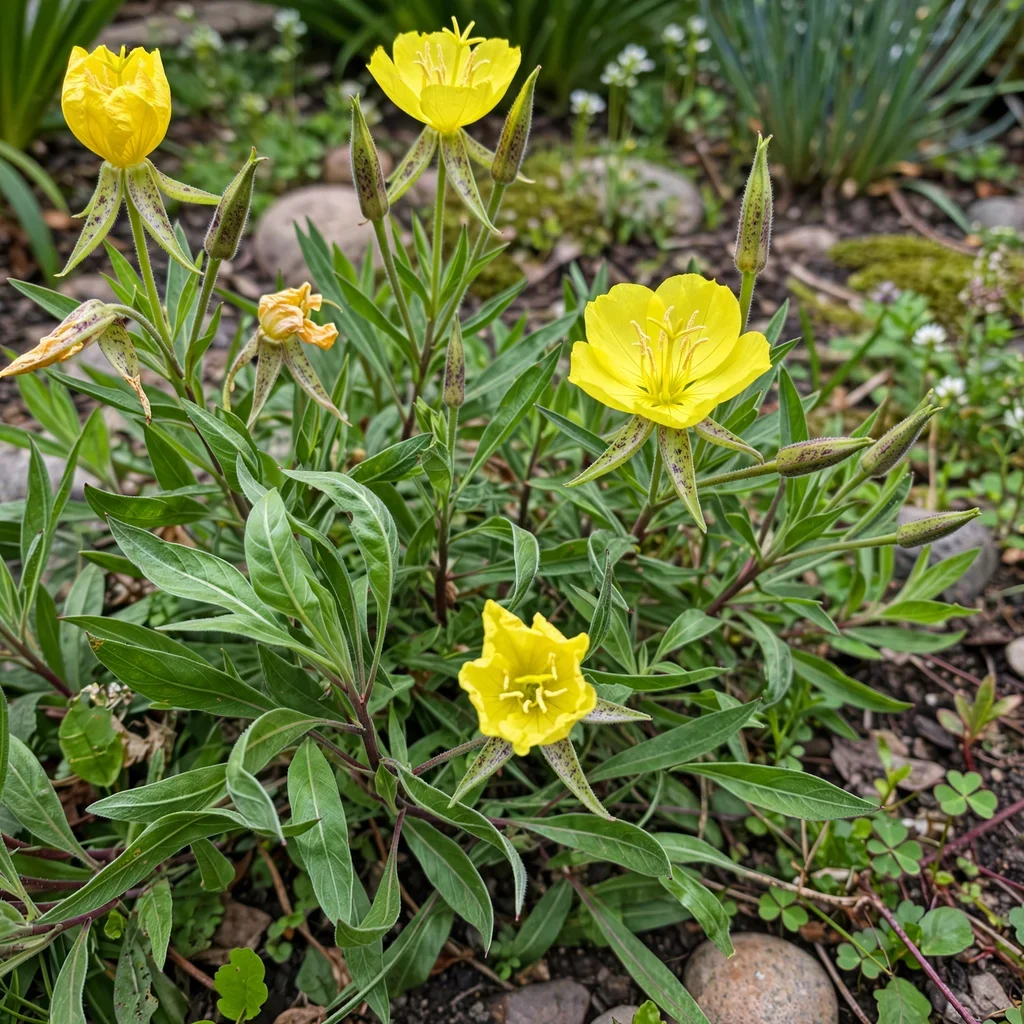
Missouri Evening Primrose Giant Evening Primrose
Oenothera macrocarpa
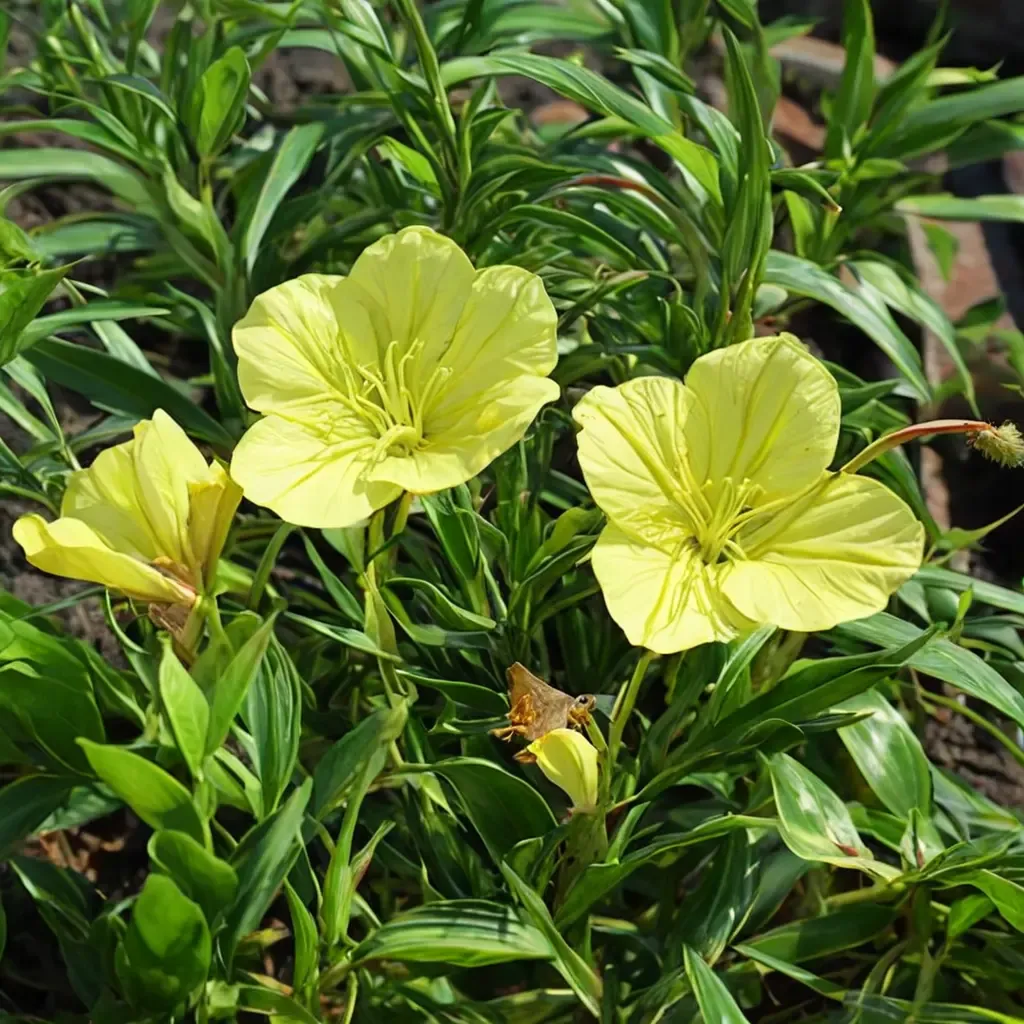
Ozark Sundrop
Oenothera missouriensis 'Ozark Sundrop'
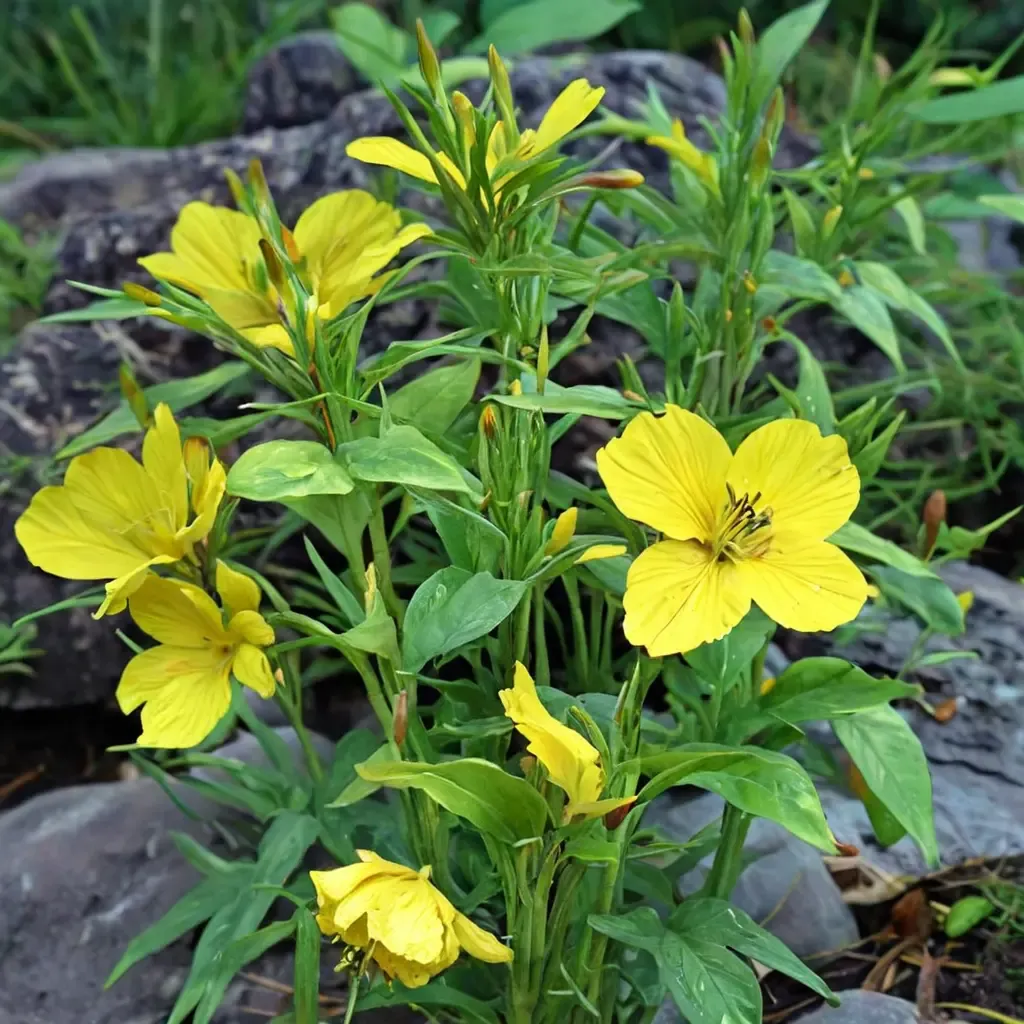
Native Yellow Sundrops
Oenothera fruticosa 'Native Yellow Bellflower'
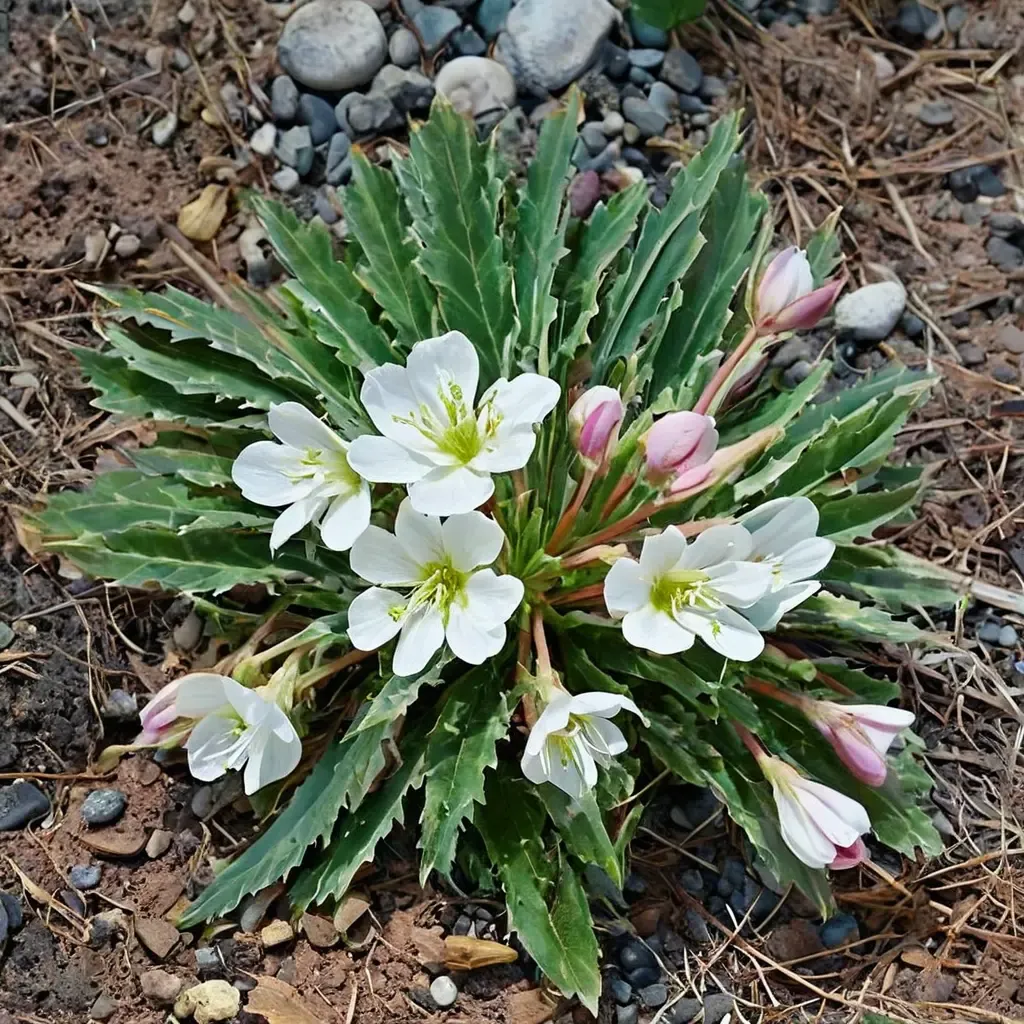
Tufted Evening Primrose
Oenothera caespitosa
Keep exploring
Explore the genus
Grow Cutleaf Evening-Primrose with confidence
See it in a design of your actual yard, get zone-matched care reminders, and track it season by season in your garden journal.