
The Story
Plant Bio
Picea rubens, the red spruce, is a narrowly conical to pyramidal evergreen tree native to eastern North America, where it thrives in cool, moist mountain climates. The dense crown features horizontal to slightly ascending branches clothed in shiny yellow-green, four-sided needles that curve sharply at the tips.
This species is distinguished by its exceptionally high frost tolerance, allowing it to withstand harsh sub-arctic winters. In spring, it produces inconspicuous reddish male structures and cylindrical female cones that mature to a rich, glossy reddish-brown by fall.
Uses & Benefits:
Essentials
At a Glance
Plant Type
Tree
Height
540"
Width
180"
Light
Full Sun, Partial Sun
Zones
4, 5, 6, 7
Water
Medium
Humidity
High
Lifespan
Long-lived
Native To
Eastern North America
Toxicity
Skin irritant
Bloom period
Spring
In flower about 3 months of the year
Planting
How to Grow
- Plant in a location with full sun to partial shade, ensuring protection from hot afternoon sun in southern climates.
- Provide rich, moist, sandy or loamy soil with a strongly acidic pH between 4.0 and 5.5.
- Water regularly during the establishment years to maintain consistent soil moisture, as young trees have low drought tolerance.
- Apply a thick layer of organic mulch around the root zone to conserve moisture and keep the soil cool.
Pro Tip
Never shear back into old, leafless wood, as spruces lack adventitious buds on mature stems and will not resprout.
Keep It Thriving
Care Guide
Do
- Maintain consistent soil moisture for young, establishing trees.
- Prune exclusively during the dormant season to remove dead or diseased wood.
- Apply a balanced, slow-release acidifying fertilizer sparingly in early spring if growth appears sluggish.
Don't
- Do not plant in hot, dry, alkaline urban soils where spider mites and scorch thrive.
- Do not prune back into old, bare wood, which causes permanent dieback.
- Do not allow water to stagnate around the roots, as the tree is intolerant of waterlogged conditions.
Seasonal Care Calendar
| Task | Jan | Feb | Mar | Apr | May | Jun | Jul | Aug | Sep | Oct | Nov | Dec |
|---|---|---|---|---|---|---|---|---|---|---|---|---|
| Fertilize | ||||||||||||
| Mulch | ||||||||||||
| Pest Check | ||||||||||||
| Prune |
Watch Out For
Pests & Diseases
Common Pests
Common Diseases
In the Garden
Landscape Uses & Companions
Landscape Uses
Companion Plants
Multiply
Propagation Methods
Good to Know
Common Questions
Red Spruce questions
What zones can Red Spruce grow in?
Red Spruce is hardy in USDA Zones 4–7. Inside that range it survives winter in the ground; outside it, grow it as an annual or a container plant you protect.
Is Red Spruce deer resistant?
Not reliably. Deer may browse Red Spruce, especially tender spring growth — plan on repellents or fencing where pressure is high.
When does Red Spruce bloom?
Red Spruce typically blooms in spring through spring. Exact timing shifts a week or two with your zone — Sow's bloom calendar maps it to your garden.
Does Red Spruce need full sun?
Red Spruce does best in full sun to part shade. In hot climates, afternoon shade keeps blooms fresher longer.
More Picea to compare
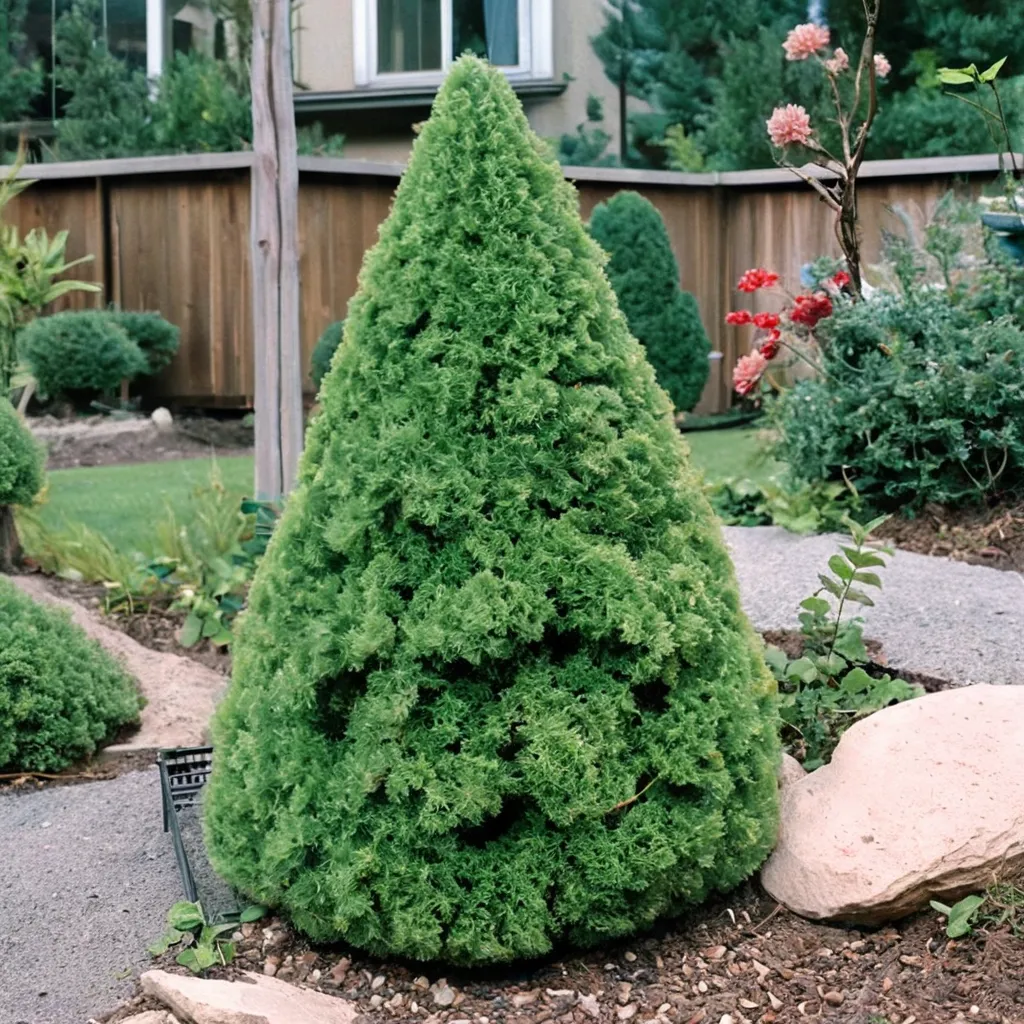
Dwarf Alberta Spruce
Picea glauca 'Conica'
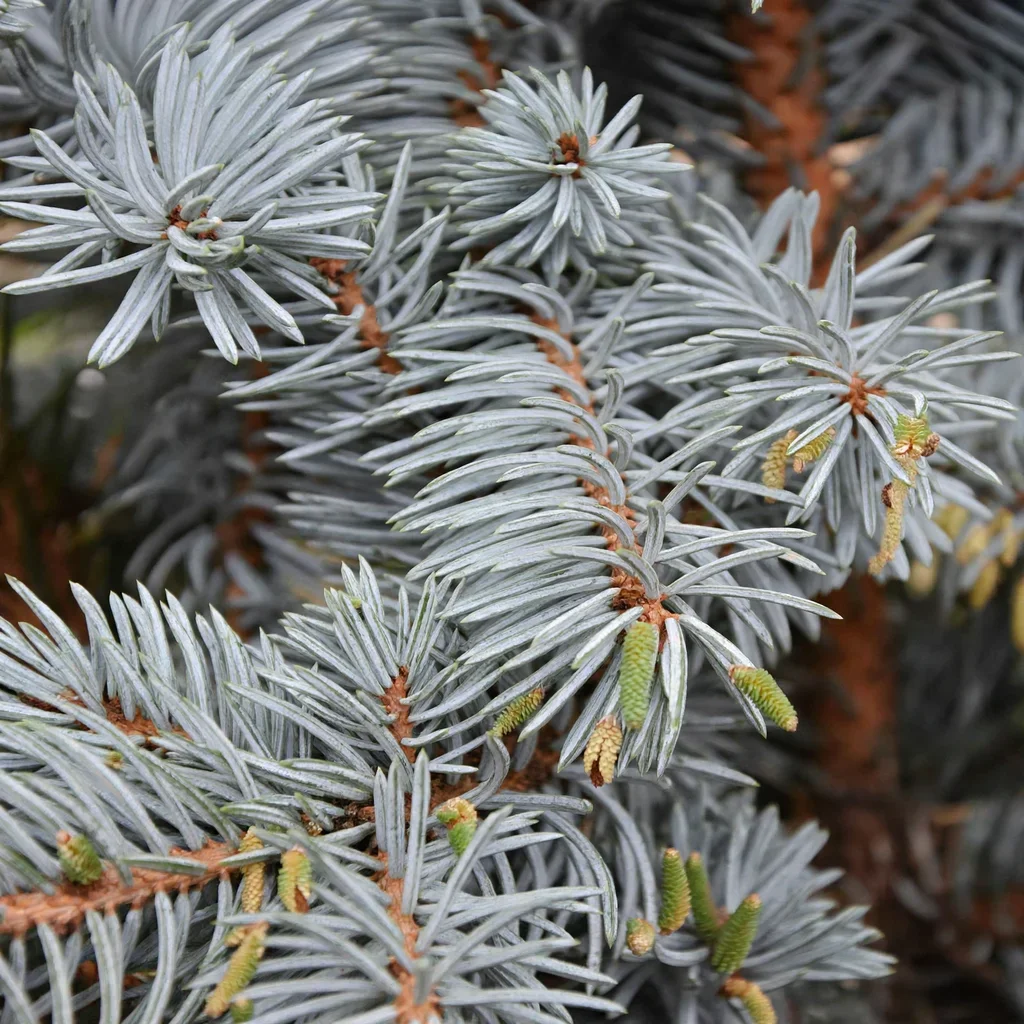
Koster Blue Spruce
Picea pungens 'Koster'
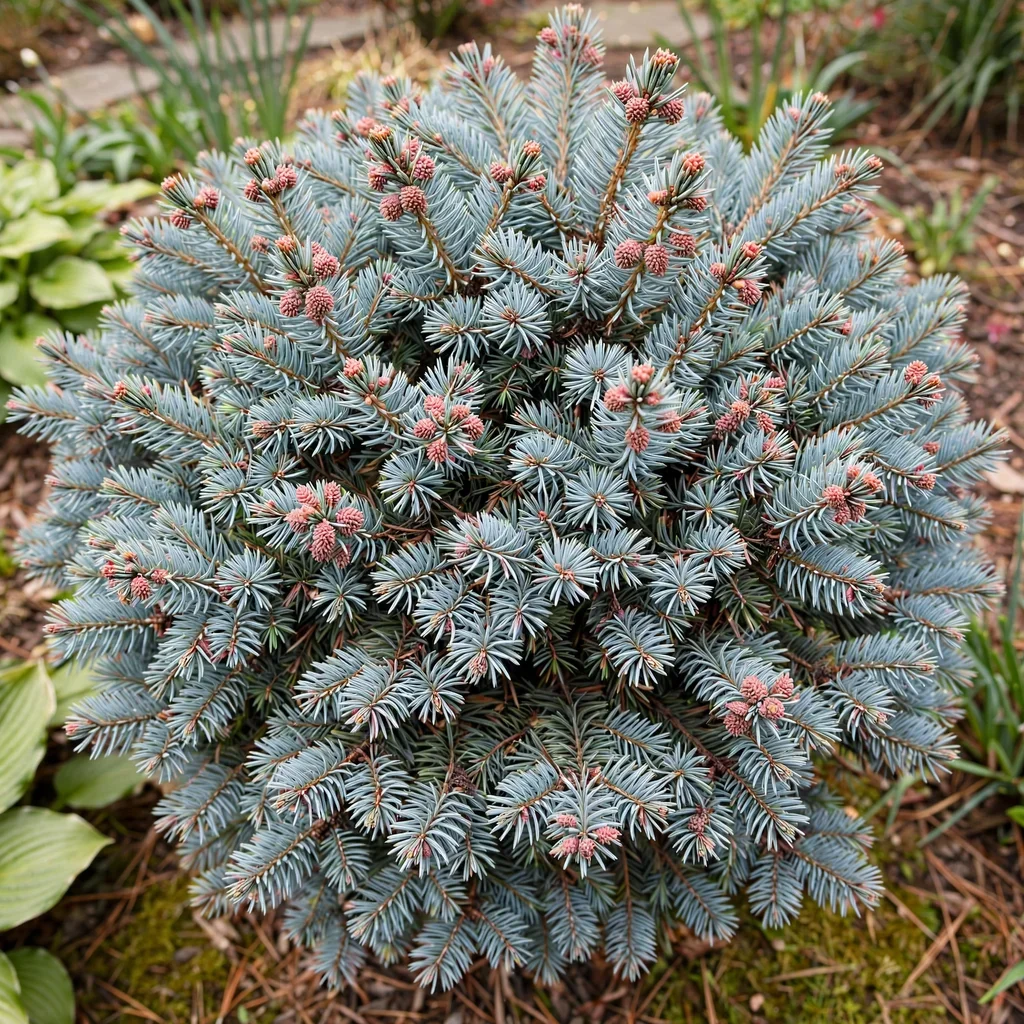
Globe Blue Spruce
Picea pungens 'Globosa'
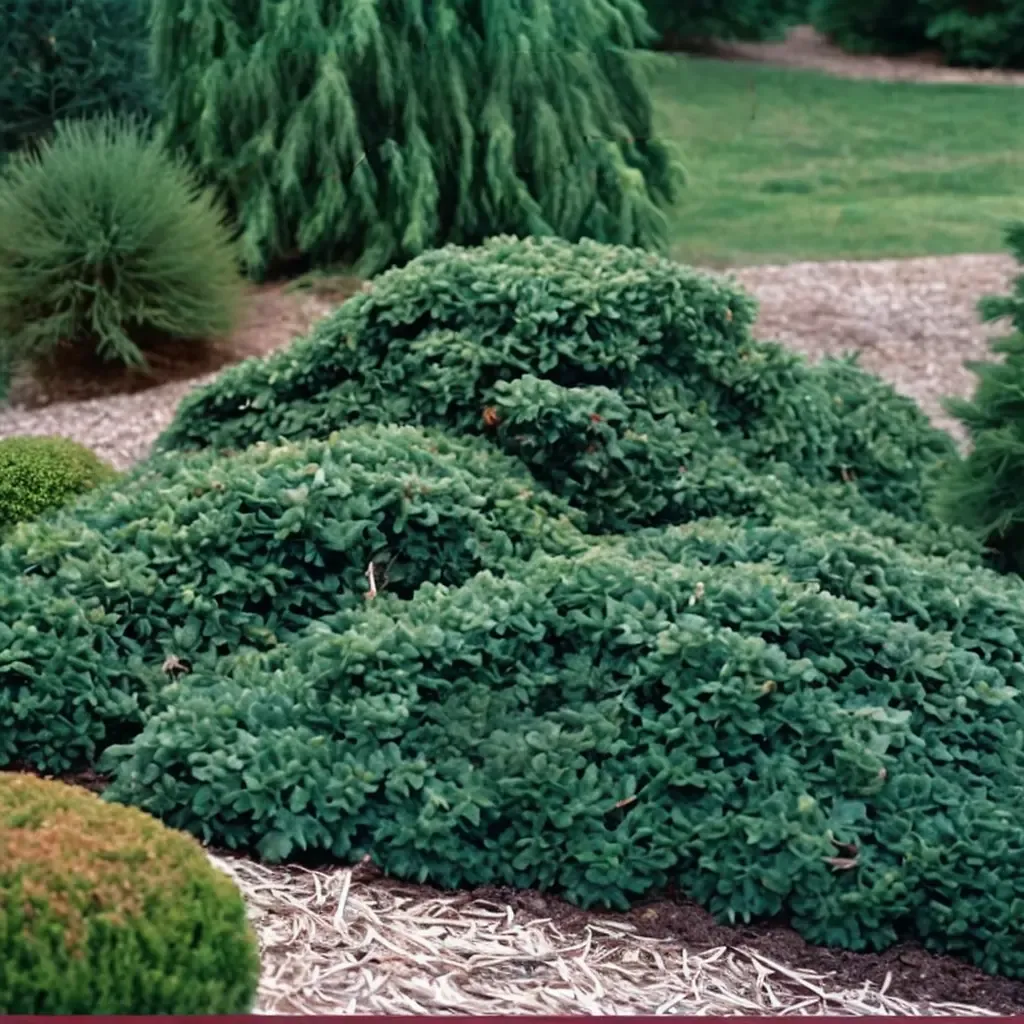
Hedgehog Dwarf White Spruce
Picea glauca 'Echiniformis'
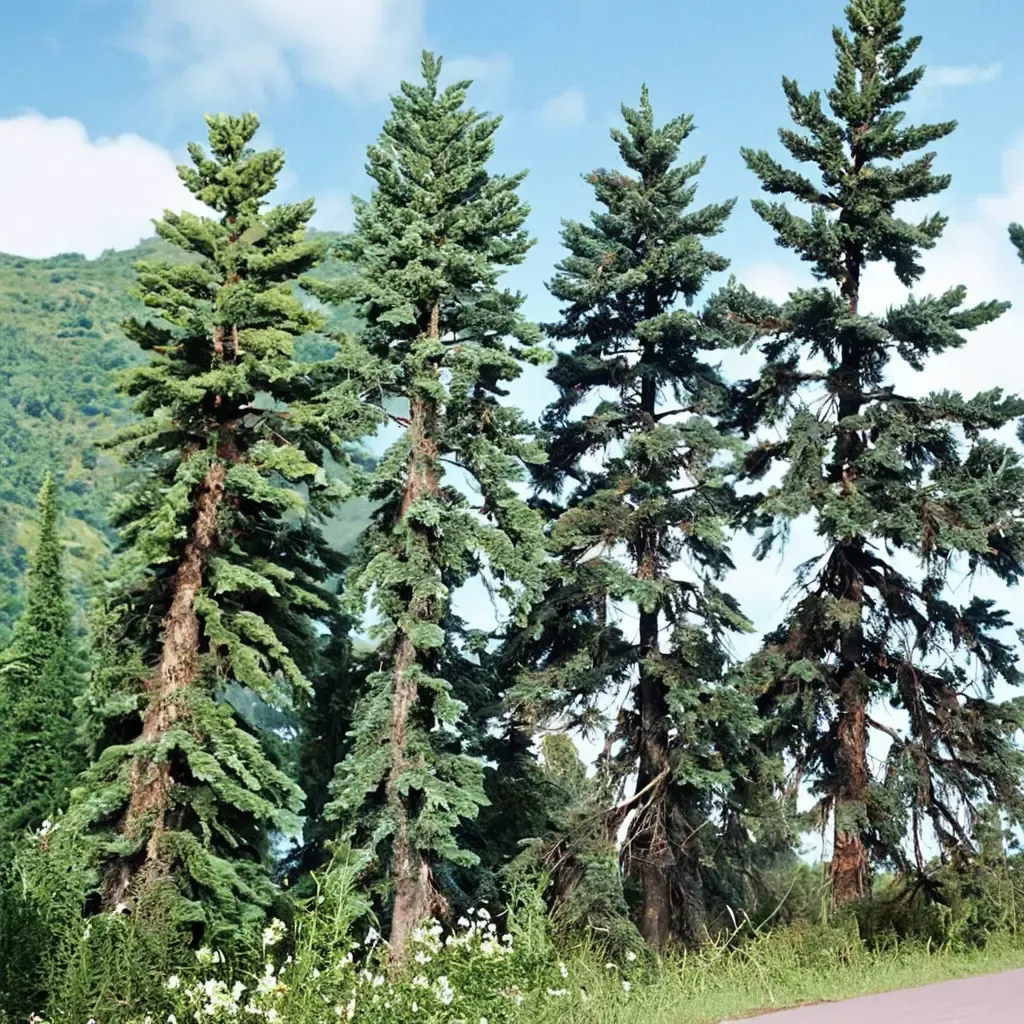
White Spruce
Picea glauca
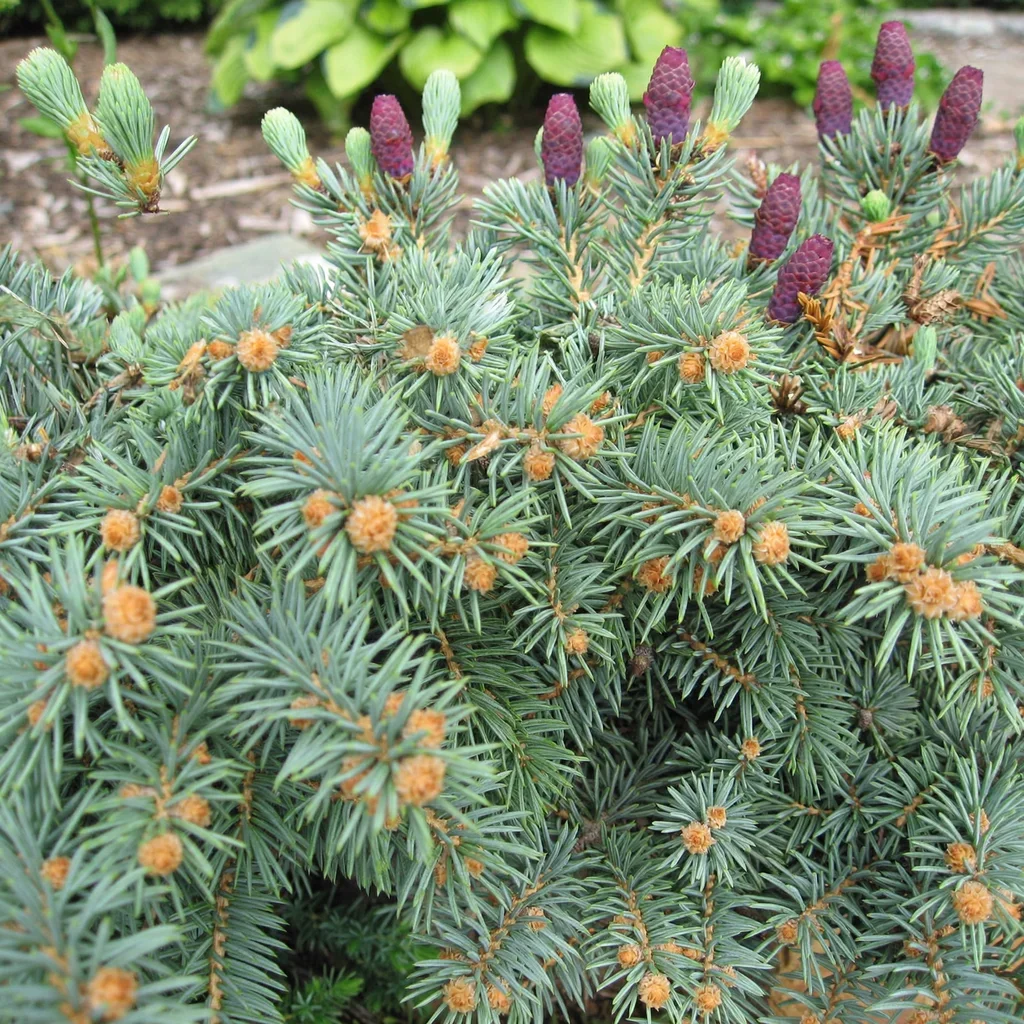
Colorado Spruce
Picea pungens
Keep exploring
Explore the genus
Hardy in your zone?
Grow Red Spruce with confidence
See it in a design of your actual yard, get zone-matched care reminders, and track it season by season in your garden journal.