
The Story
Plant Bio
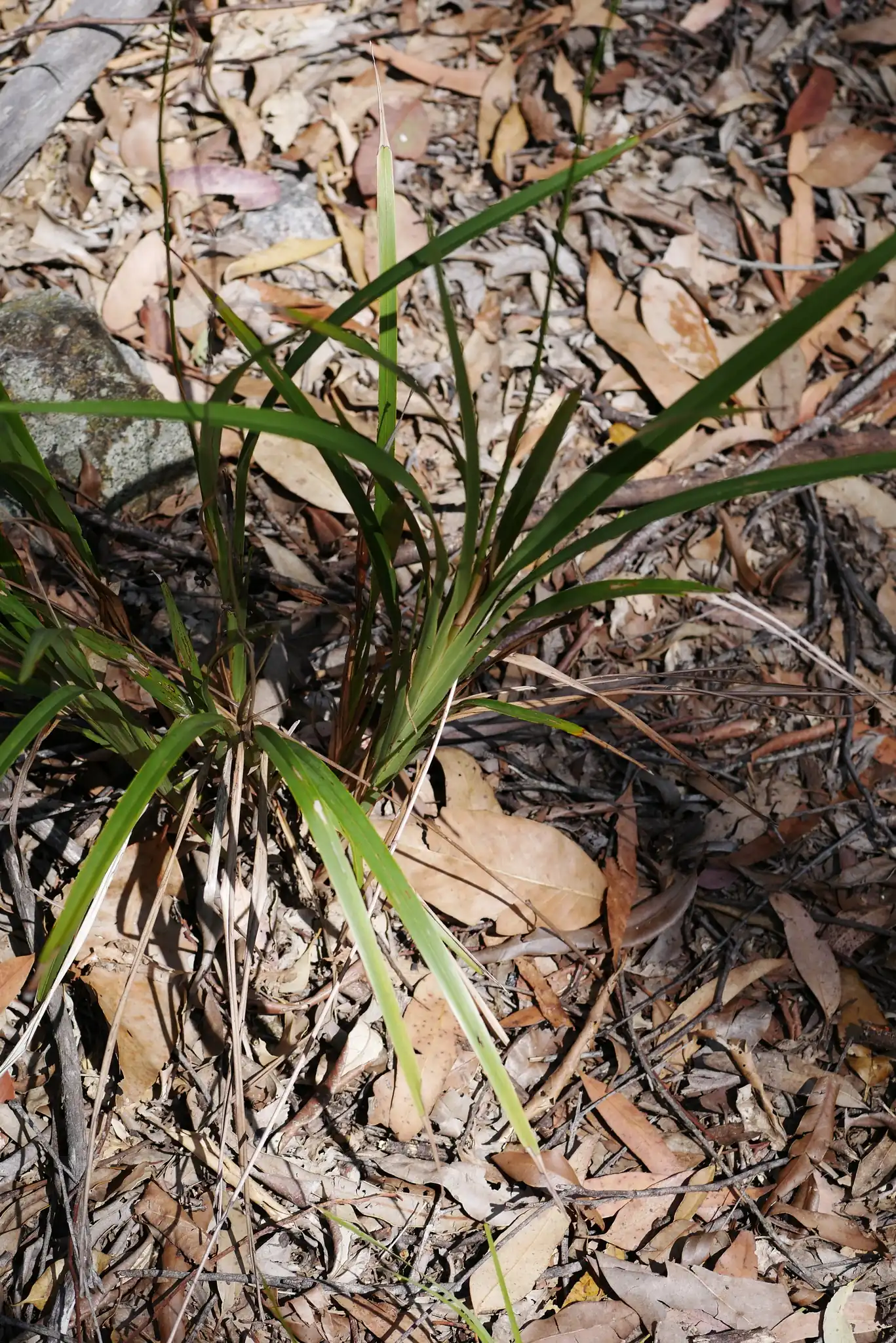
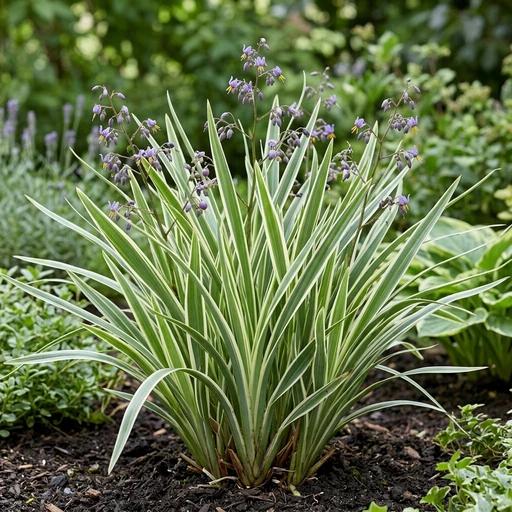
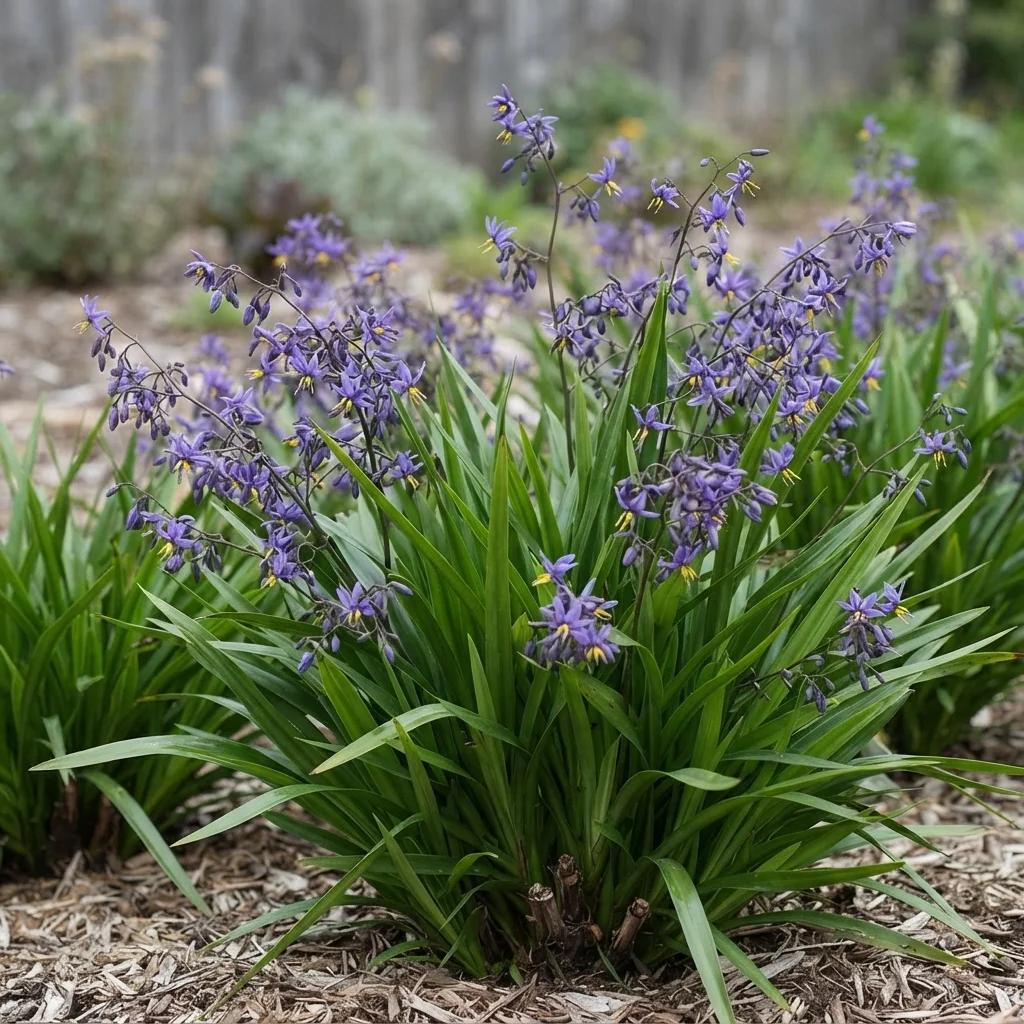
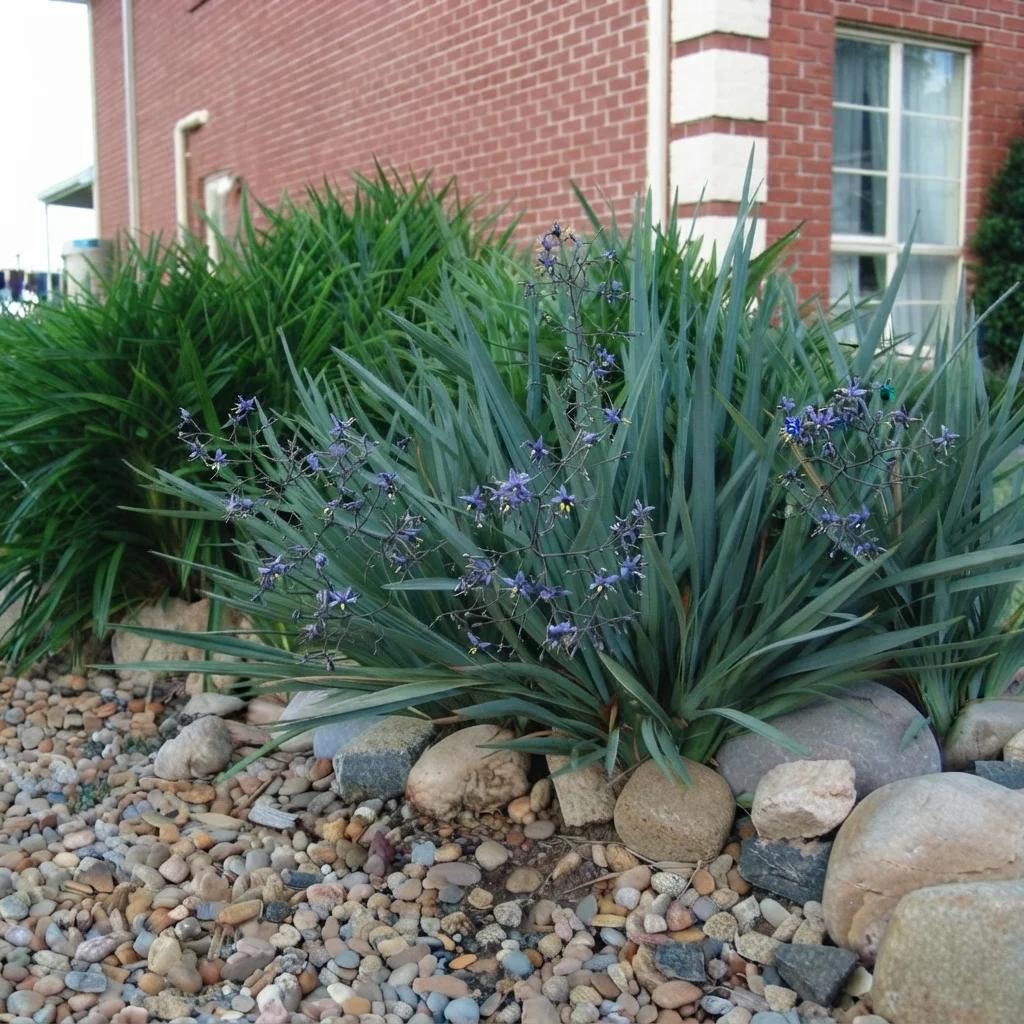
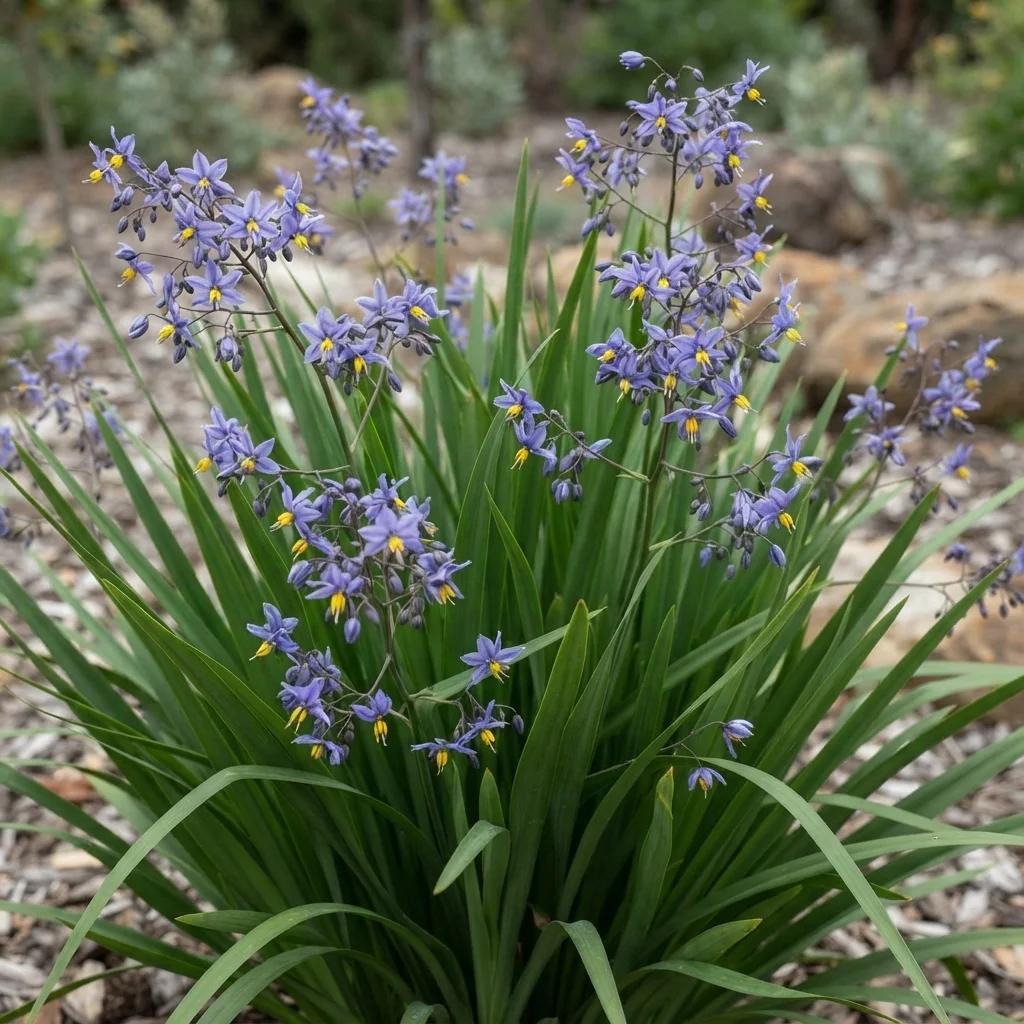
Dianella caerulea, the blue flax-lily, is a rhizomatous evergreen perennial forming dense, upright clumps of stiff, strap-like foliage. In spring and early summer, it produces airy panicles of small, star-shaped blue flowers with prominent yellow stamens, followed by glossy, porcelain-blue berries.
This species is distinguished by its highly adaptable nature, tolerating both coastal salt spray and prolonged dry spells once its root system is established. The tough, fibrous leaves feature finely serrated margins that require careful handling to avoid minor skin abrasions.
Uses & Benefits:
Essentials
At a Glance
Plant Type
Perennial
Height
36"
Width
36"
Light
Full Sun, Partial Sun
Zones
8, 9, 10
Water
Low to moderate
Humidity
Moderate to high
Lifespan
Perennial
Native To
Eastern Australia
Toxicity
Non-toxic
Planting
How to Grow
- Select a planting site with well-drained sandy loam or clay loam in full sun to partial shade.
- Dig a hole twice as wide as the root ball, ensuring the top of the root ball sits level with or slightly above the surrounding soil grade.
- Backfill the hole, firming the soil gently, and water thoroughly to settle the roots.
- Apply a layer of organic mulch around the base, keeping it clear of the immediate crown to prevent moisture retention and rot.
Pro Tip
Avoid shearing the foliage straight across like ornamental grass, which leaves unsightly brown stubble; instead, pull dead leaves individually from the base or cut entire spent fans cleanly at ground level. Plant the crown slightly above the surrounding soil grade to prevent crown rot.
Keep It Thriving
Care Guide
Do
- Water regularly during the first growing season to establish a deep, drought-tolerant root system.
- Apply a low-phosphorus, slow-release fertilizer annually in spring to support steady growth.
- Remove individual dead or damaged leaves by pulling them downward and away from the base of the clump.
Don't
- Do not plant the crown below the soil line, as excess moisture at the base triggers fatal crown rot.
- Do not shear the plant straight across the top, which ruins the natural fan-shaped architecture.
- Do not overwater once established, especially in heavy clay soils with poor drainage.
Seasonal Care Calendar
| Task | Jan | Feb | Mar | Apr | May | Jun | Jul | Aug | Sep | Oct | Nov | Dec |
|---|---|---|---|---|---|---|---|---|---|---|---|---|
| Divide | ||||||||||||
| Fertilize | ||||||||||||
| Pest Check | ||||||||||||
| Prune |
Watch Out For
Pests & Diseases
Common Pests
Common Diseases
In the Garden
Landscape Uses & Companions
Landscape Uses
Companion Plants
Multiply
Propagation Methods
Good to Know
Common Questions
Blue Flax-Lily questions
What zones can Blue Flax-Lily grow in?
Blue Flax-Lily is hardy in USDA Zones 8–10. Inside that range it survives winter in the ground; outside it, grow it as an annual or a container plant you protect.
Is Blue Flax-Lily deer resistant?
Not reliably. Deer may browse Blue Flax-Lily, especially tender spring growth — plan on repellents or fencing where pressure is high.
When does Blue Flax-Lily bloom?
Blue Flax-Lily typically blooms in spring through early summer. Exact timing shifts a week or two with your zone — Sow's bloom calendar maps it to your garden.
Does Blue Flax-Lily need full sun?
Blue Flax-Lily does best in full sun to part shade. In hot climates, afternoon shade keeps blooms fresher longer.
Is Blue Flax-Lily drought tolerant?
Yes — once established (usually after the first full season), Blue Flax-Lily handles dry spells with minimal watering. Water deeply its first year to build the root system that makes that possible.
More Dianella to compare
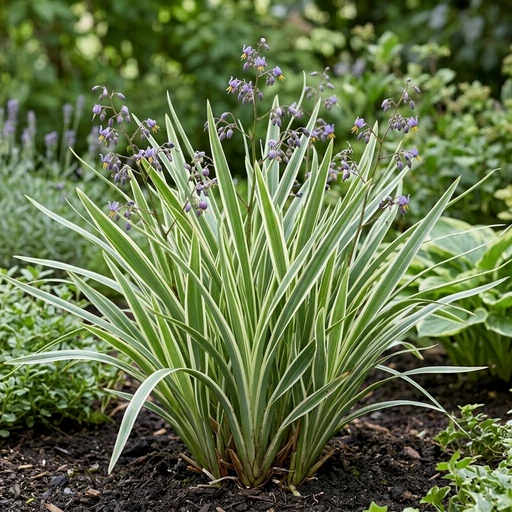
Variegated Flax Lily
Dianella caerulea 'Variegata'
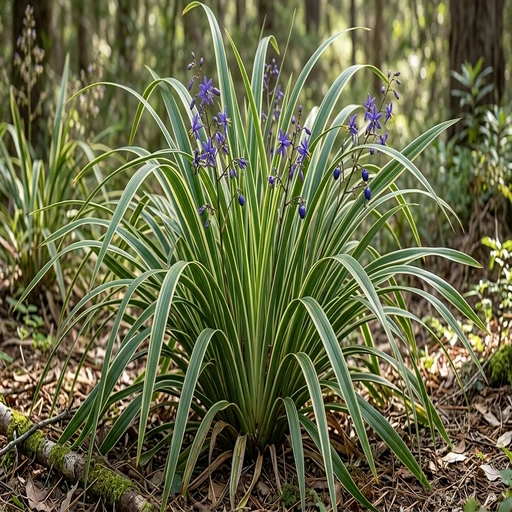
Tasmanian Flax Lily
Dianella tasmanica
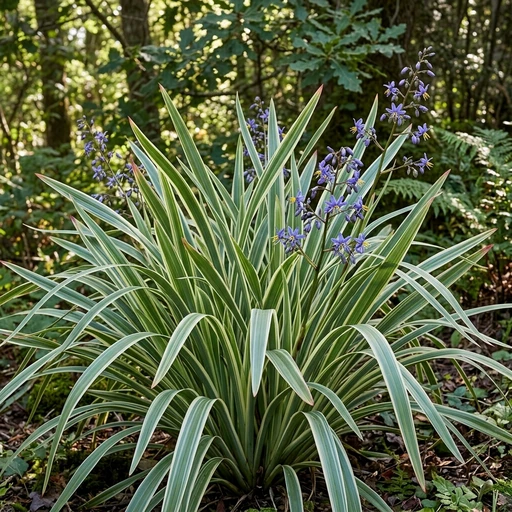
Blueberry Flax Lily
Dianella tasmanica 'Variegata'
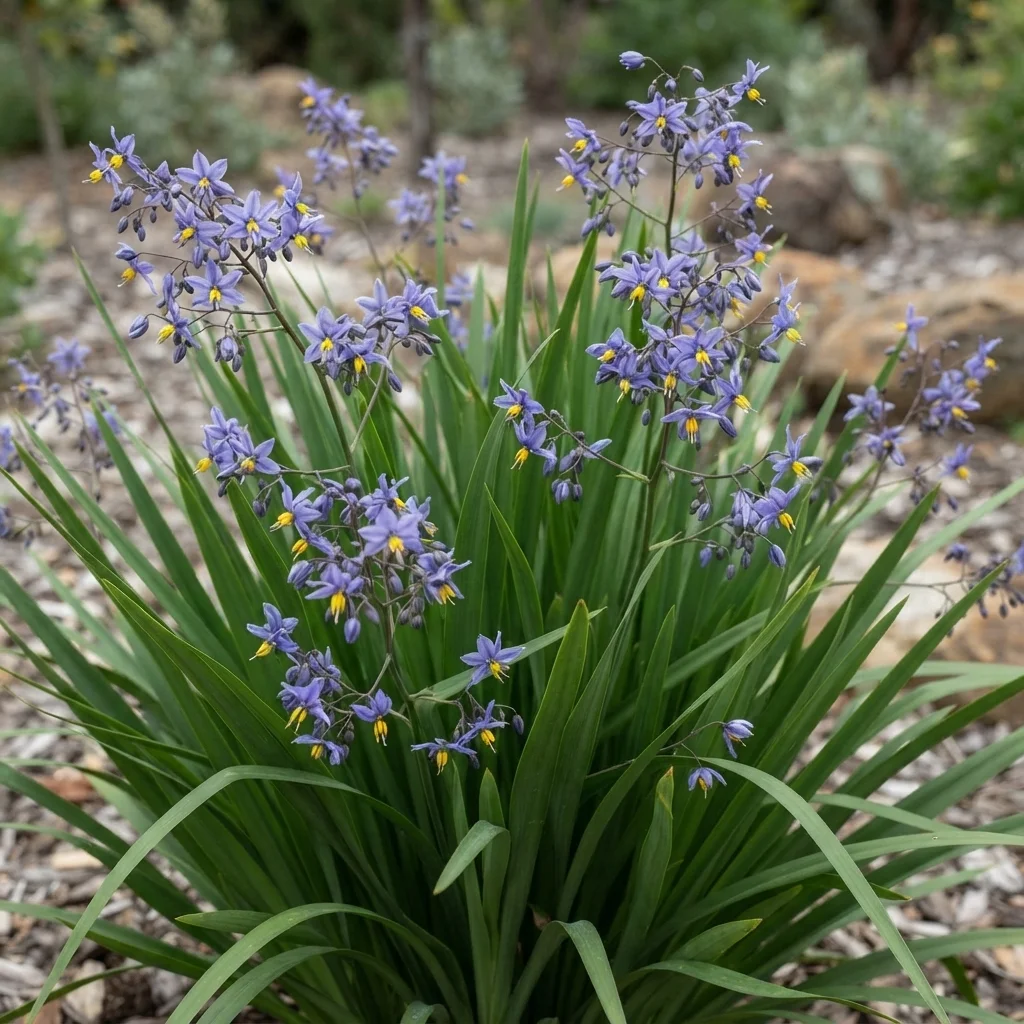
Blue Flax Lily
Dianella caerulea 'King Alfred'
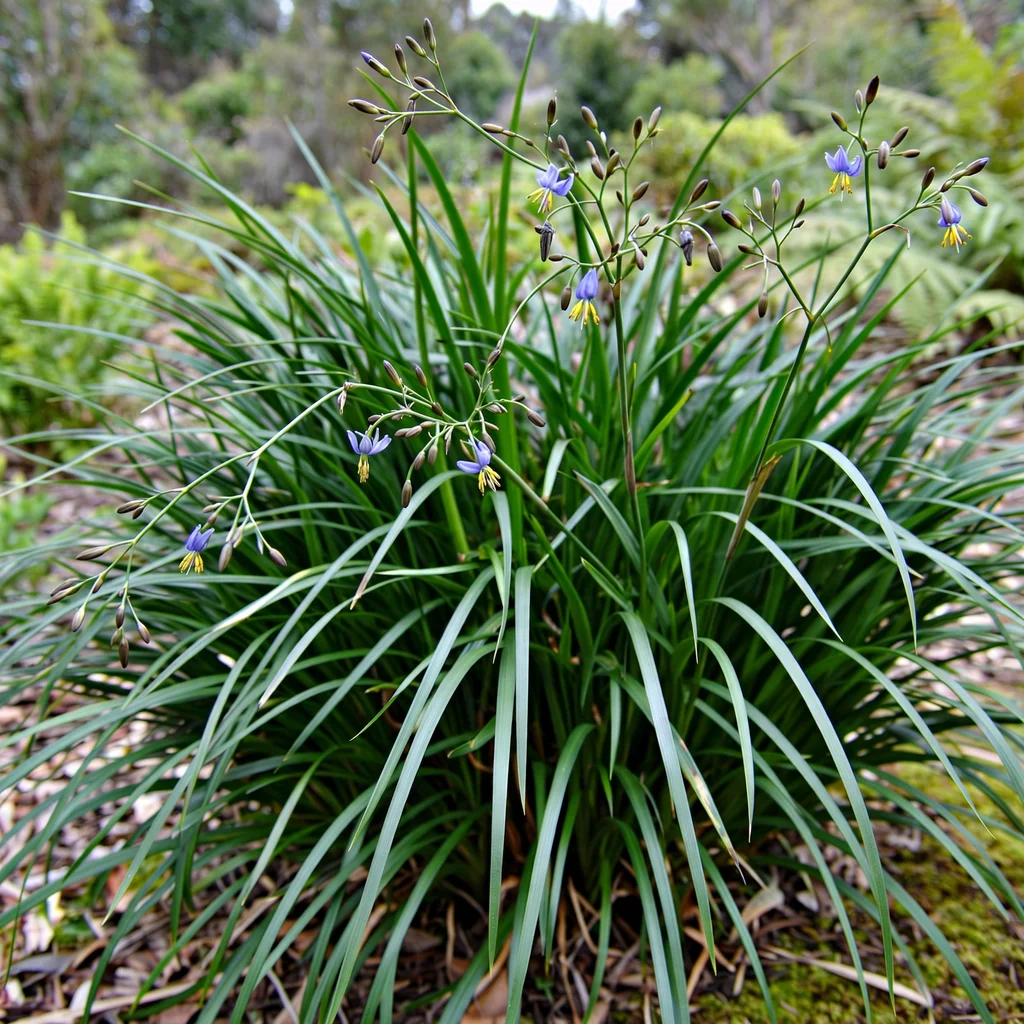
Tasman Flax Lily
Dianella tasmanica 'Emerald Arch'
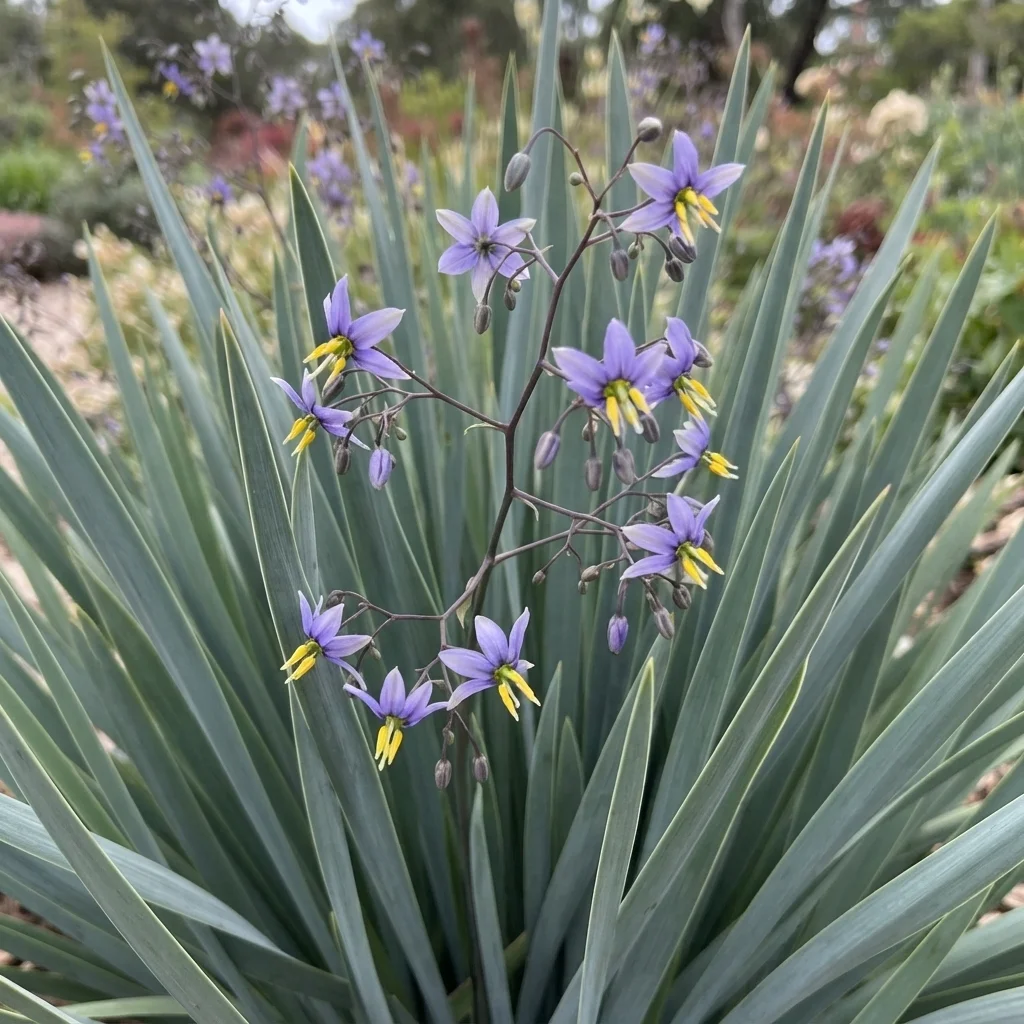
Baby Bliss Flax Lily
Dianella revoluta 'Baby Bliss'
Keep exploring
Explore the genus
Hardy in your zone?
Grow Blue Flax-Lily with confidence
See it in a design of your actual yard, get zone-matched care reminders, and track it season by season in your garden journal.