The Story
Plant Bio
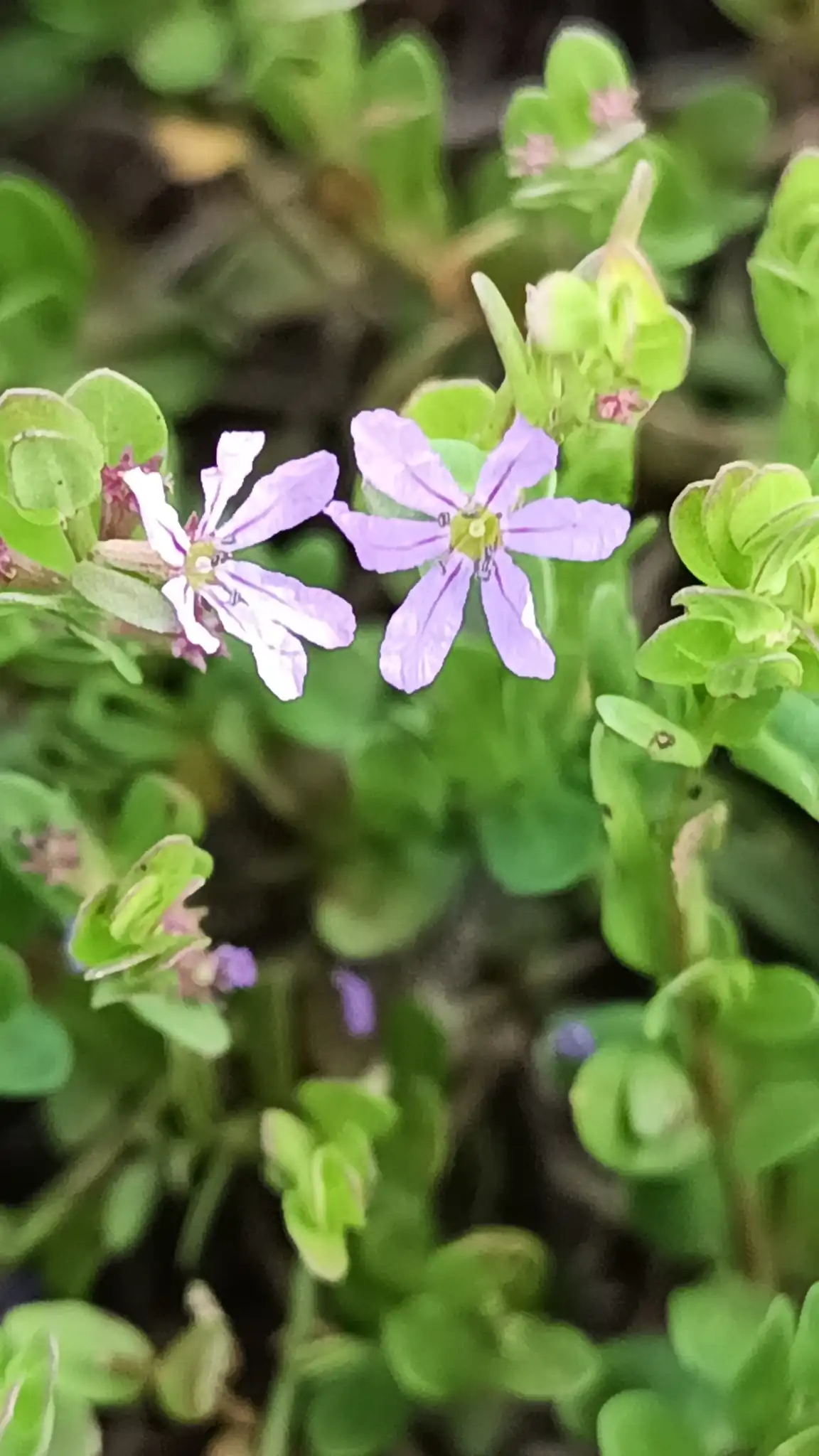
Lythrum flagellare is a slender perennial herb that spreads by creeping rhizomes that root at the nodes and sends up many branched purplish stems. The leaves are opposite, stalkless and oblong to oval, 5 to 13 millimeters long, and the stems sprawl to form low mats in full sun on saturated ground.
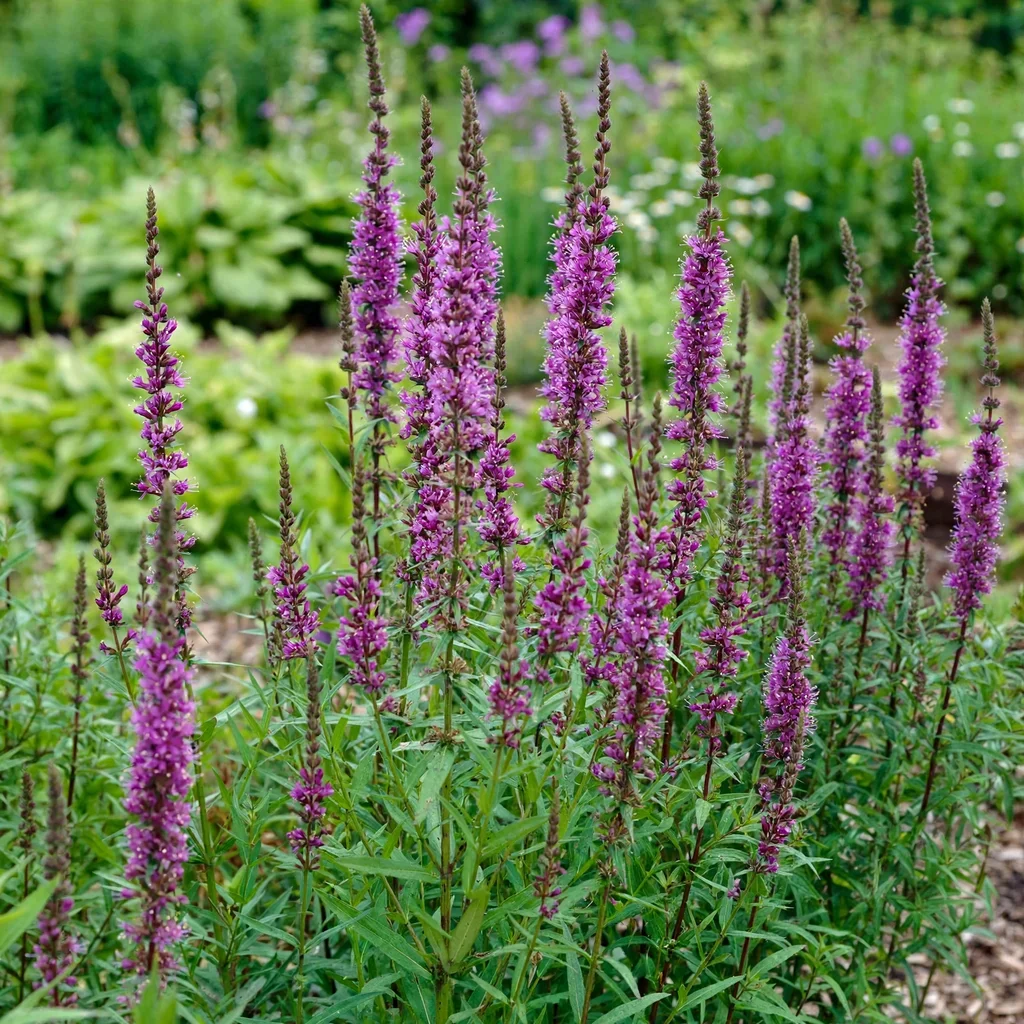
It stays under 16 inches tall and creeps rather than standing erect, which separates it at a glance from the tall invasive purple loosestrife. The flowers are pale purple and under half an inch across, with six crinkled petals veined dark purple and a 4 to 5 millimeter floral tube, opening sparsely from spring to summer.
Uses & Benefits:
Essentials
At a Glance
Plant Type
Perennial
Height
16"
Width
18"
Light
Full Sun
Zones
9, 10
Water
High
Humidity
Unknown
Lifespan
Perennial
Native To
Florida, USA
Toxicity
Unknown
Bloom period
Spring – Summer
In flower about 6 months of the year
Planting
How to Grow
- Plant nursery-propagated stock in full sun in mucky or sandy-peat soil that stays saturated.
- Set crowns at soil level in a pond margin, wet prairie hollow or ditch that holds water.
- Keep soil wet through spring and summer; this is an obligate wetland plant with no drought tolerance.
- Leave plants undisturbed to root at the nodes and form mats; do not dig plants from the wild.
Pro Tip
Hold the root zone saturated in full sun and cut or mow only after seed has set; wild plants do not transplant and must be left in place.
Keep It Thriving
Care Guide
Do
- Keep soil saturated during active growth.
- Give full sun in an open wet hollow.
- Leave seed capsules to mature before any mowing.
Don't
- Do not let the root zone dry out.
- Do not collect plants from the wild; it is state endangered.
- Do not confuse it with invasive purple loosestrife and treat it as a weed.
Seasonal Care Calendar
| Task | Jan | Feb | Mar | Apr | May | Jun | Jul | Aug | Sep | Oct | Nov | Dec |
|---|---|---|---|---|---|---|---|---|---|---|---|---|
| Pest Check | ||||||||||||
| Plant | ||||||||||||
| Prune | ||||||||||||
| Spring Cleanup |
Watch Out For
Pests & Diseases
Common Pests
Common Diseases
In the Garden
Landscape Uses & Companions
Landscape Uses
Multiply
Propagation Methods
Good to Know
Common Questions
Florida Loosestrife questions
What zones can Florida Loosestrife grow in?
Florida Loosestrife is hardy in USDA Zones 9–10: in that range it survives winter in the ground. Colder than Zone 9, grow it in a container you can move to shelter for the winter, or as an annual.
When does Florida Loosestrife bloom?
Florida Loosestrife typically blooms from spring to summer. Exact timing shifts a week or two with your zone — Sow's bloom calendar maps it to your garden.
Does Florida Loosestrife need full sun?
Florida Loosestrife does best in full sun (6+ hours).
More Lythrum to compare
Keep exploring
Explore the genus
Hardy in your zone?
Grow Florida Loosestrife with confidence
See it in a design of your actual yard, get zone-matched care reminders, and track it season by season in your garden journal.