The Story
Plant Bio
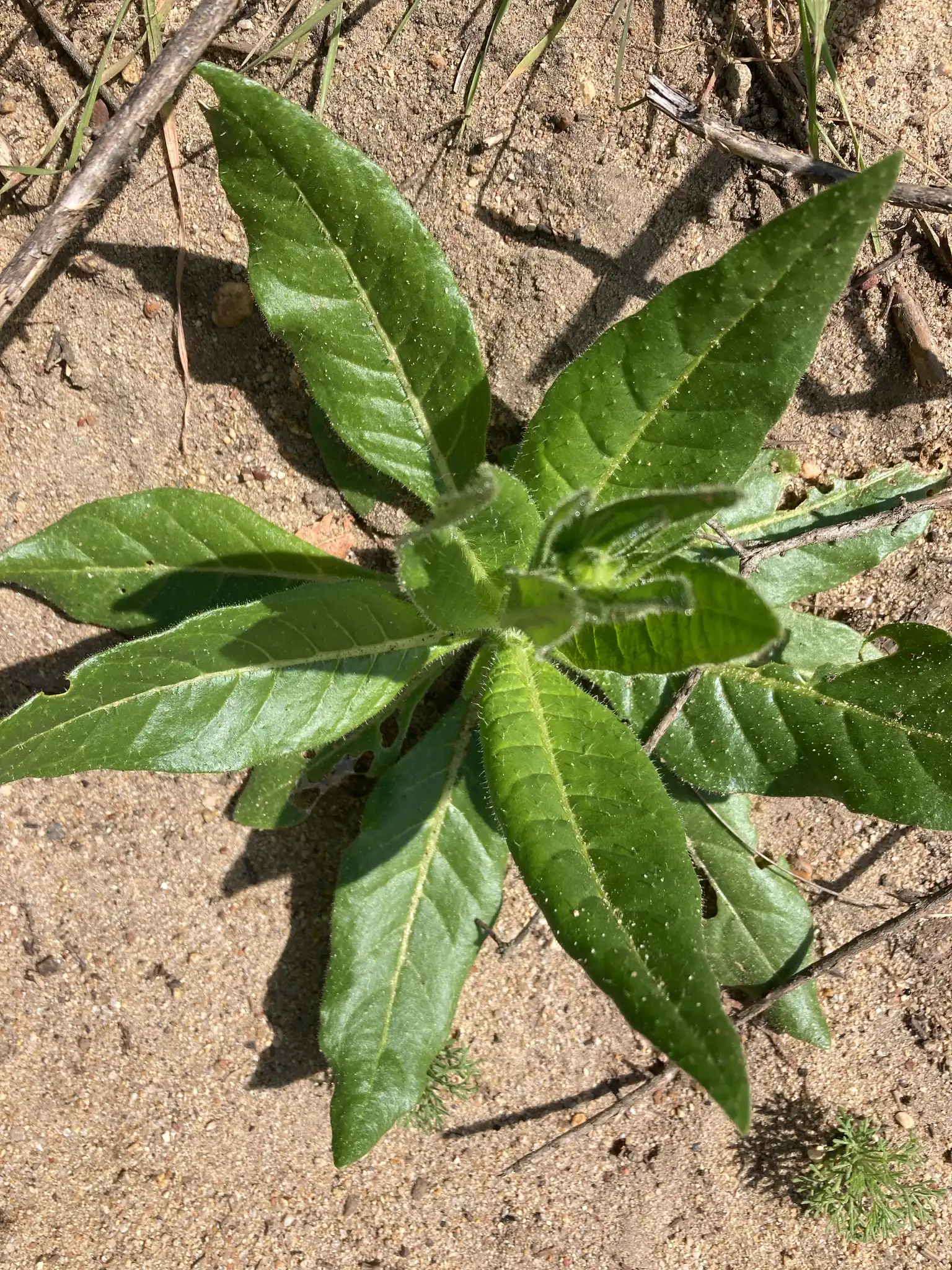
Nicotiana quadrivalvis is an upright, bushy annual herb native to dry washes, open slopes, and gravelly flats across western North America. The foliage consists of sticky, glandular-hairy leaves that release a strong, pungent scent when handled.
Terminal arrays of white, greenish, or purple-tinged trumpet flowers with tubes up to two inches long open from late spring into fall. Large seed capsules follow the bloom display, dropping fine seed that self-sows reliably in lean, open soils.
Uses & Benefits:
Essentials
At a Glance
Plant Type
Annual
Height
79"
Width
35"
Light
Full Sun
Zones
7, 8, 9, 10
Water
Low
Humidity
Low
Lifespan
Annual
Native To
Western North America
Toxicity
Highly toxic if ingested; skin irritant
Bloom period
Late spring – Autumn
In flower about 7 months of the year
Planting
How to Grow
- Select a site in full sun with gravelly, sandy, or exceptionally well-draining soil.
- Sow seeds directly on the soil surface after all danger of spring frost has passed.
- Water lightly during germination, then taper off to let soil dry out between waterings.
- Refrain from adding rich organic compost or fertilizers to maintain lean soil conditions.
Pro Tip
Plant in lean, sharply drained soil and withhold rich compost or high-nitrogen fertilizers, which trigger lethal root rot and powdery mildew.
Keep It Thriving
Care Guide
Do
- Provide full sun exposure and sharply draining gravelly soil.
- Wear gloves when handling foliage to avoid resinous skin contact.
- Allow soil to dry out thoroughly between waterings.
Don't
- Do not overwater or plant in poorly drained, soggy locations.
- Do not apply high-nitrogen fertilizers or heavy compost amendments.
- Do not crowd plants in stagnant, highly humid garden spots.
Seasonal Care Calendar
| Task | Jan | Feb | Mar | Apr | May | Jun | Jul | Aug | Sep | Oct | Nov | Dec |
|---|---|---|---|---|---|---|---|---|---|---|---|---|
| Deadhead | ||||||||||||
| Pest Check | ||||||||||||
| Plant | ||||||||||||
| Spring Cleanup |
Watch Out For
Pests & Diseases
Common Pests
Common Diseases
In the Garden
Landscape Uses & Companions
Landscape Uses
Multiply
Propagation Methods
Good to Know
Common Questions
Indian Tobacco questions
What zones can Indian Tobacco grow in?
Indian Tobacco is an annual: it grows, flowers and sets seed in one season, so winter cold doesn't limit where it grows. Gardeners in any zone can grow it by planting at the right time, usually after the last spring frost.
Is Indian Tobacco deer resistant?
Yes — Indian Tobacco is rated deer-resistant. Deer typically pass it over, though extreme hunger can override any plant's defenses.
When does Indian Tobacco bloom?
Indian Tobacco typically blooms from late spring to late fall. Exact timing shifts a week or two with your zone — Sow's bloom calendar maps it to your garden.
Does Indian Tobacco need full sun?
Indian Tobacco does best in full sun (6+ hours).
Is Indian Tobacco drought tolerant?
Yes — once established (usually after the first full season), Indian Tobacco handles dry spells with minimal watering. Water deeply its first year to build the root system that makes that possible.
More Nicotiana to compare
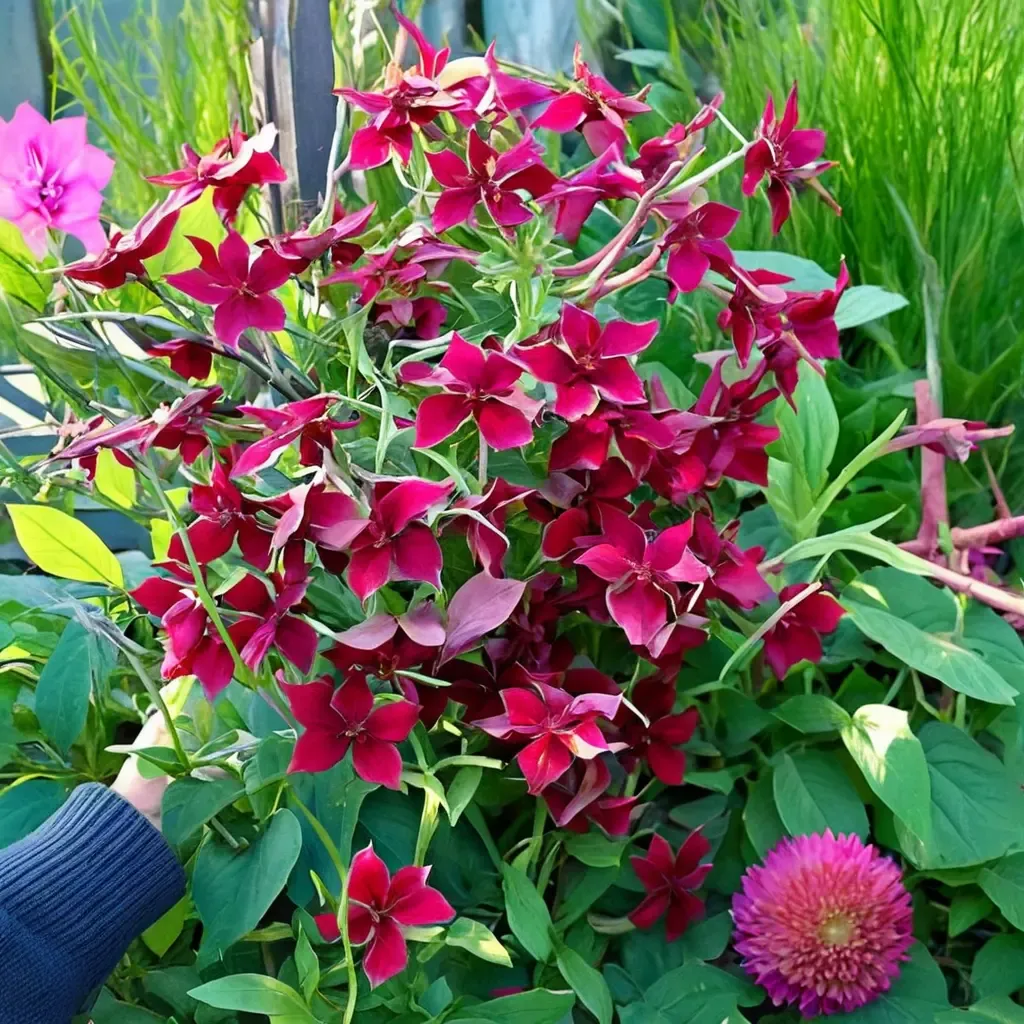
Crimson Bedder Tobacco
Nicotiana alata 'Crimson Bedder'
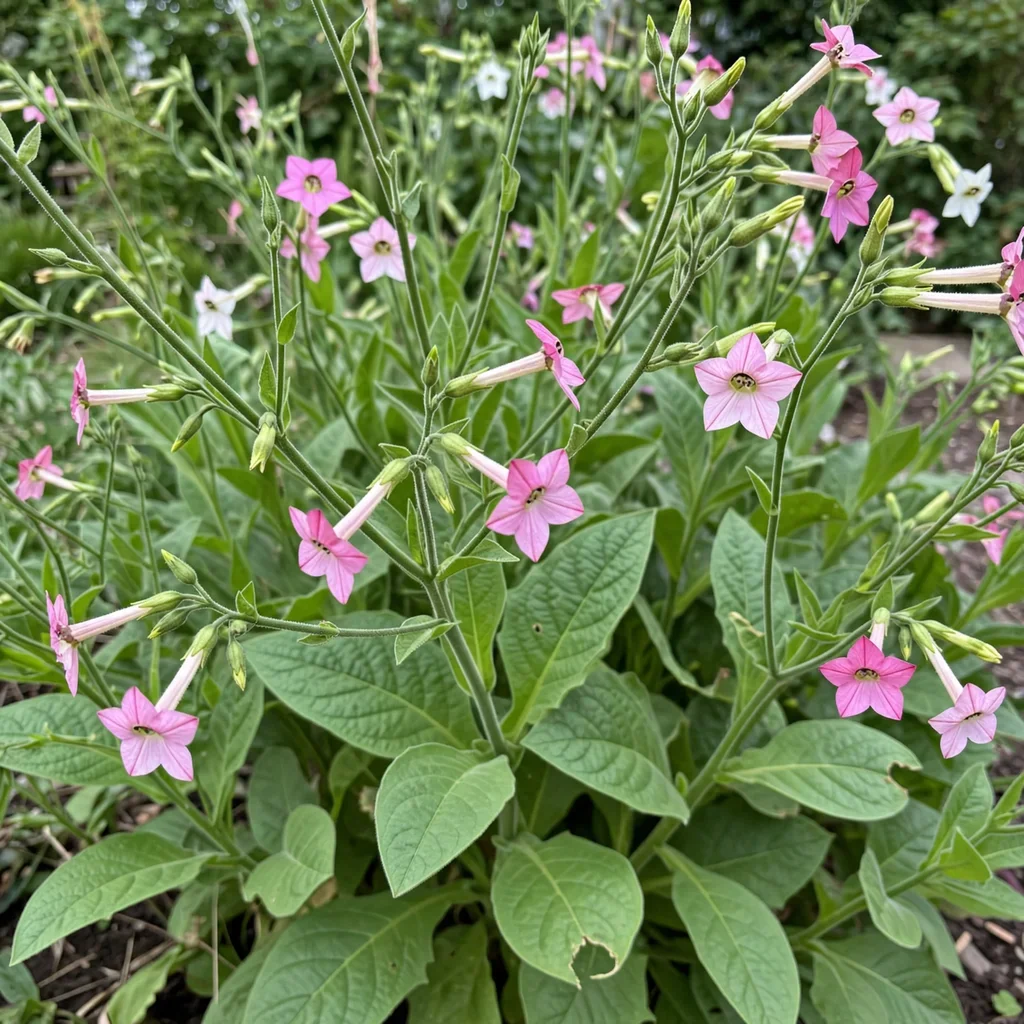
Flowering Tobacco
Nicotiana mutabilis
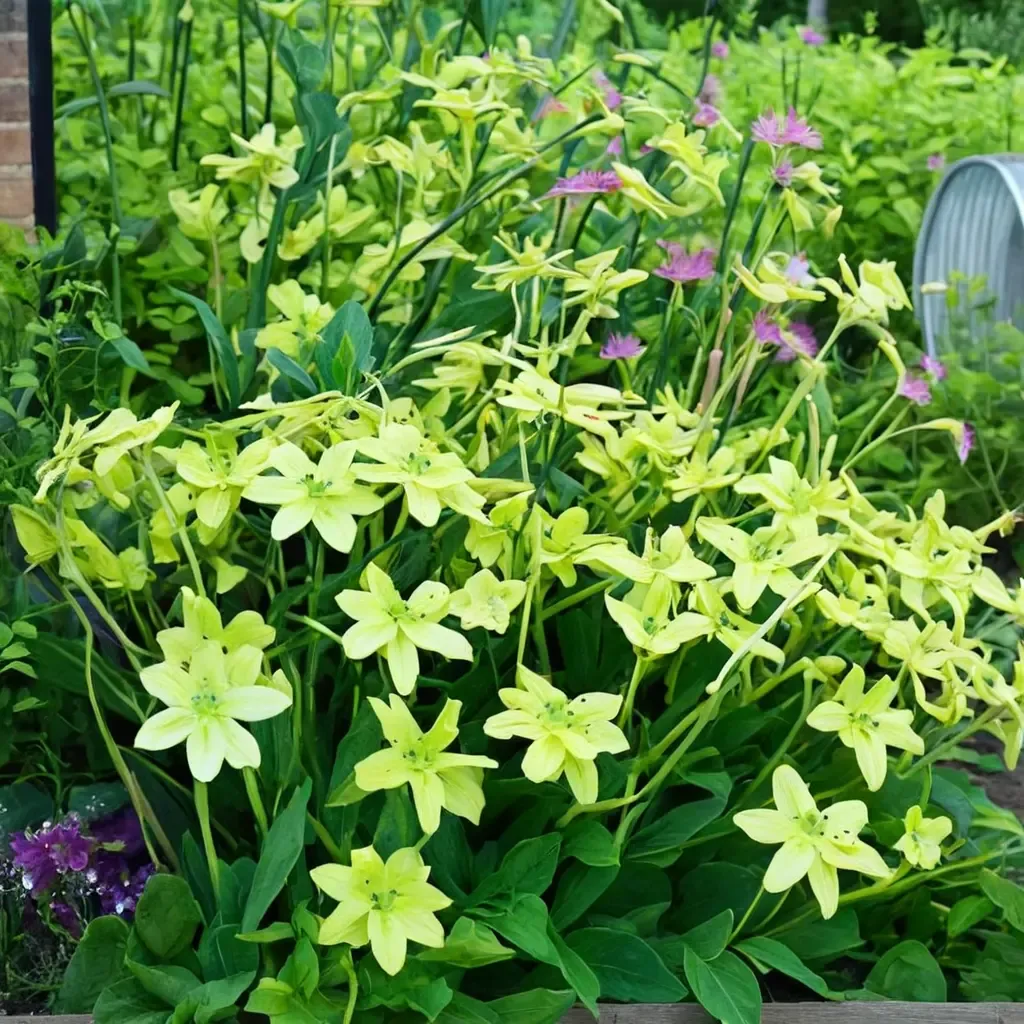
Lime Green Flowering Tobacco
Nicotiana alata 'Lime Green'
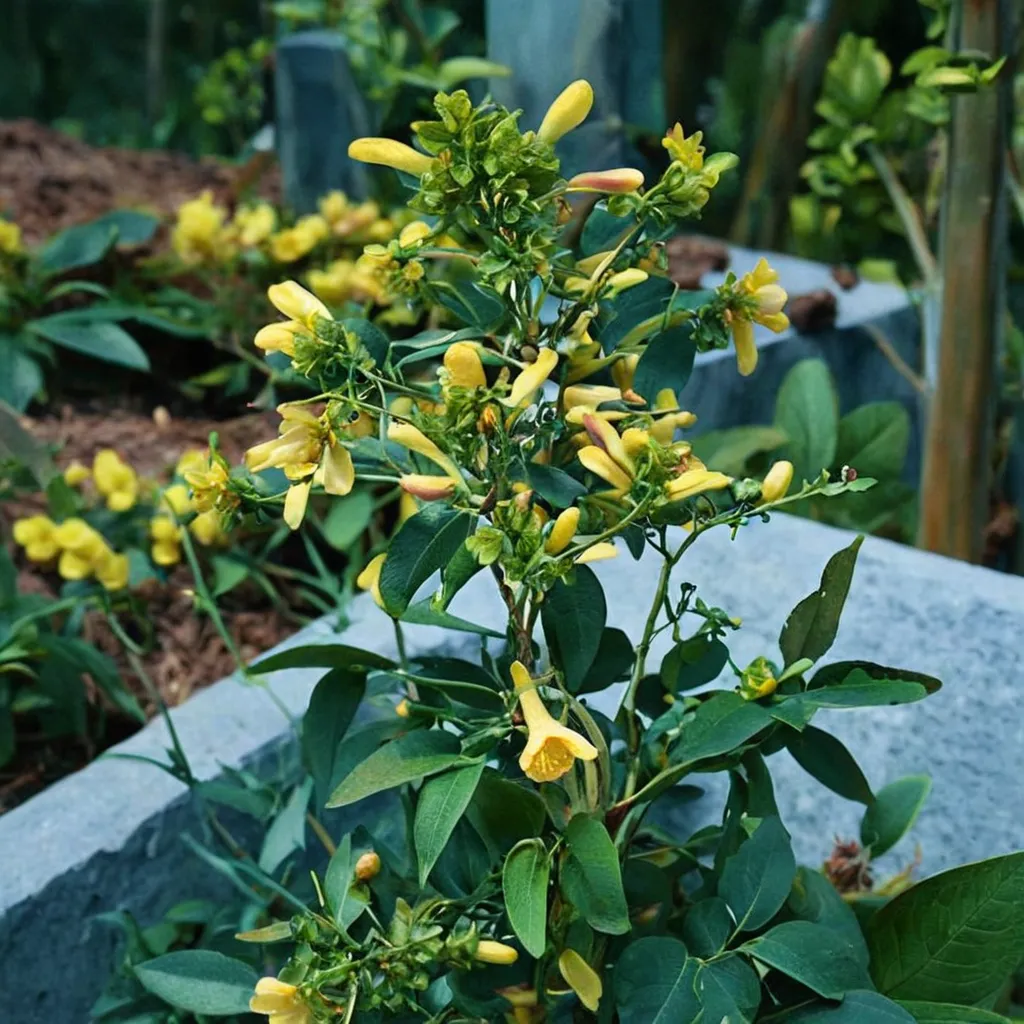
Salta Blues Tree Tobacco
Nicotiana glauca 'Salta Blues'
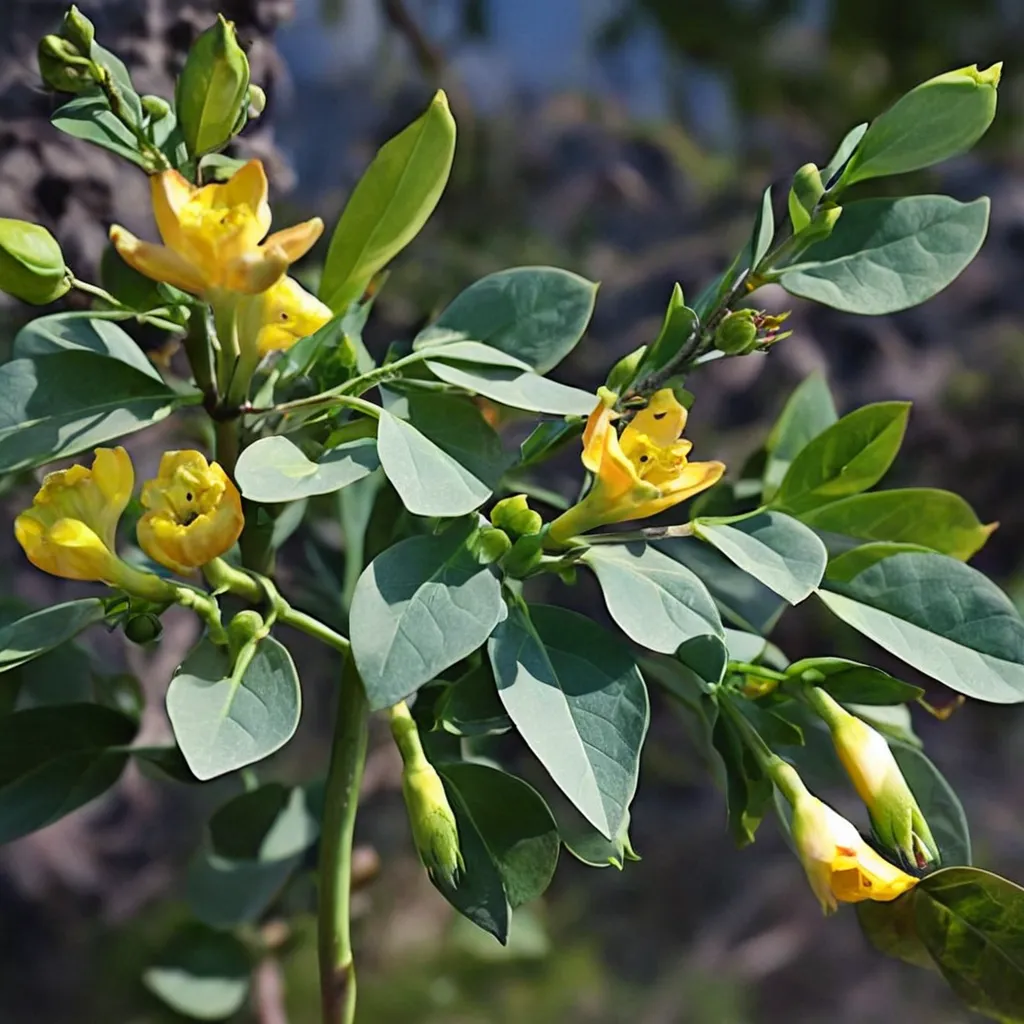
Tree Tobacco
Nicotiana glauca
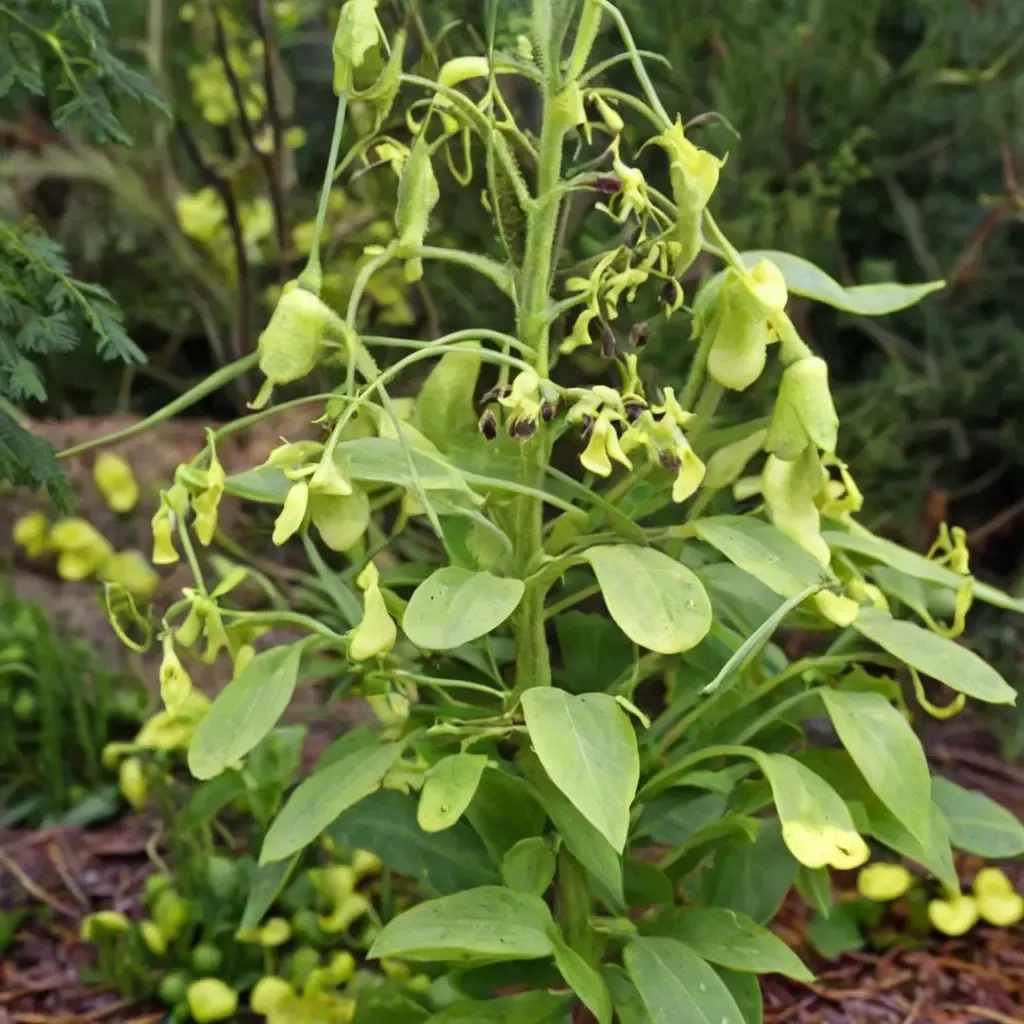
Langsdorf's Tobacco
Nicotiana langsdorffii
Keep exploring
Explore the genus
Hardy in your zone?
Grow Indian Tobacco with confidence
See it in a design of your actual yard, get zone-matched care reminders, and track it season by season in your garden journal.