The Story
Plant Bio
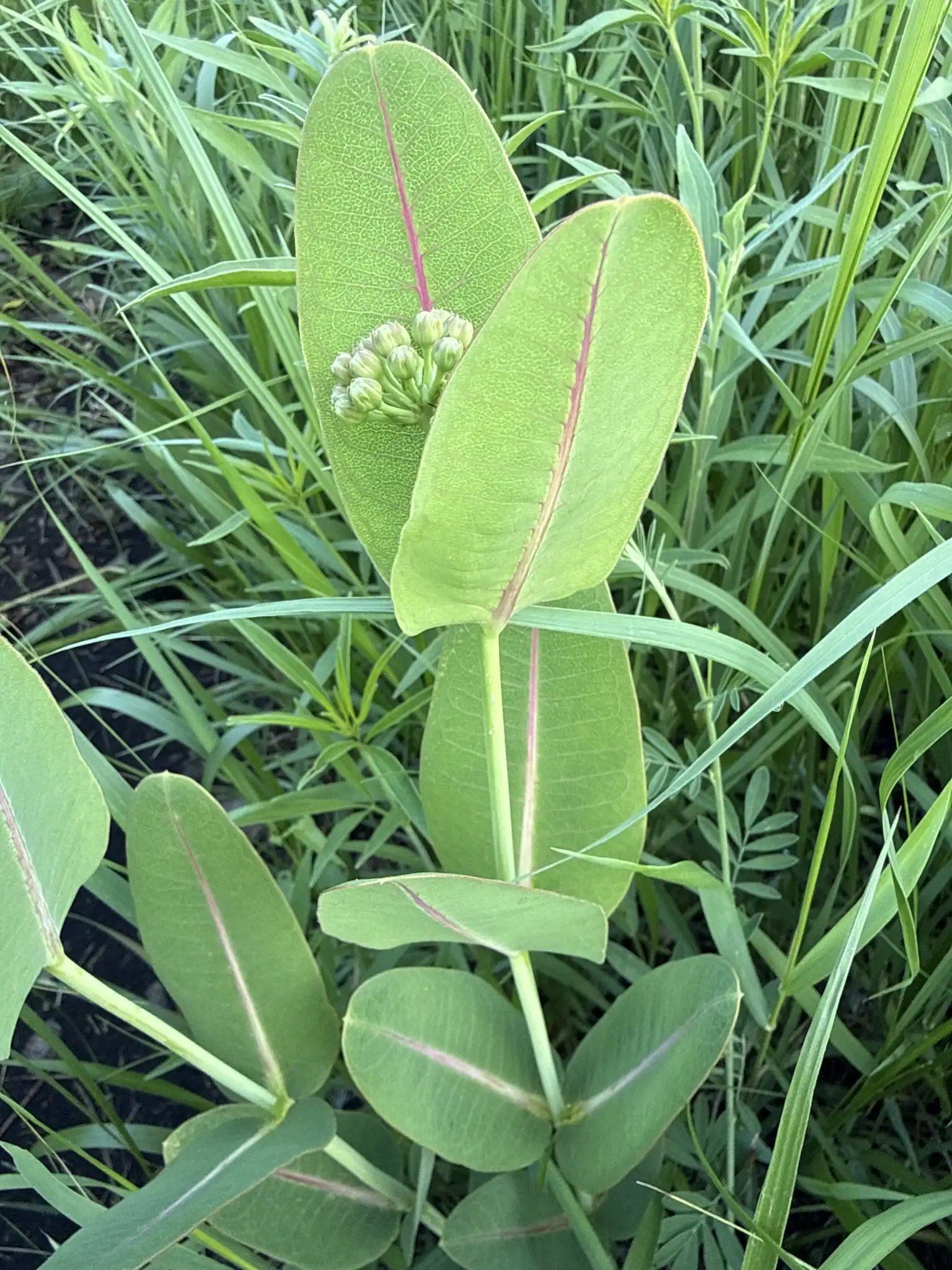
Asclepias sullivantii, commonly known as prairie milkweed, is an herbaceous perennial native to North American tallgrass prairies and moist river meadows. Stiffly erect stems bear smooth, thick, opposite leaves with pink midribs and produce rounded umbels of rose-pink, star-shaped flowers from late spring into summer.
This species closely resembles common milkweed but is distinguished by its smooth, hairless foliage and upward-swept leaves. It spreads via underground rhizomes to form persistent colonies without invading drier adjacent plantings.
Uses & Benefits:
Essentials
At a Glance
Plant Type
Perennial
Height
48"
Width
30"
Light
Full Sun
Zones
4, 5, 6, 7
Water
Medium to High
Humidity
High
Lifespan
Perennial
Native To
North America
Toxicity
Toxic if ingested; milky sap causes skin and eye irritation
Bloom period
Late spring – Summer
In flower about 4 months of the year
Planting
How to Grow
- Select a site in full sun with rich, moist-to-mesic loamy or clay soil.
- Plant young plugs or dormant roots level with the soil surface and water thoroughly.
- Maintain consistent soil moisture during the first growing season until the taproot anchors.
- Leave stems intact through autumn to allow seed pods to mature and support overwintering fauna.
Pro Tip
Plant from seed or young container plugs, as mature plants establish a deep taproot that suffers severe mortality when transplanted.
Keep It Thriving
Care Guide
Do
- Provide deep, thorough watering during extended midsummer dry spells.
- Wear protective gloves when handling cut stems to avoid skin irritation from milky latex sap.
- Leave surrounding soil undisturbed once established to protect underground rhizomes.
Don't
- Do not attempt to dig or relocate mature established plants.
- Do not apply synthetic fertilizers, which encourage weak stem growth.
- Do not spray systemic insecticides on foliage where monarch larvae feed.
Seasonal Care Calendar
| Task | Jan | Feb | Mar | Apr | May | Jun | Jul | Aug | Sep | Oct | Nov | Dec |
|---|---|---|---|---|---|---|---|---|---|---|---|---|
| Pest Check | ||||||||||||
| Plant | ||||||||||||
| Propagate | ||||||||||||
| Spring Cleanup |
Watch Out For
Pests & Diseases
Common Pests
Common Diseases
In the Garden
Landscape Uses & Companions
Landscape Uses
Multiply
Propagation Methods
Good to Know
Common Questions
Prairie Milkweed questions
What zones can Prairie Milkweed grow in?
Prairie Milkweed is hardy in USDA Zones 4–7. Inside that range it survives winter in the ground; outside it, grow it as an annual or a container plant you protect.
Is Prairie Milkweed deer resistant?
Yes — Prairie Milkweed is rated deer-resistant. Deer typically pass it over, though extreme hunger can override any plant's defenses.
When does Prairie Milkweed bloom?
Prairie Milkweed typically blooms in late spring through summer. Exact timing shifts a week or two with your zone — Sow's bloom calendar maps it to your garden.
Does Prairie Milkweed need full sun?
Prairie Milkweed does best in full sun (6+ hours).
Is Prairie Milkweed drought tolerant?
Yes — once established (usually after the first full season), Prairie Milkweed handles dry spells with minimal watering. Water deeply its first year to build the root system that makes that possible.
More Asclepias to compare
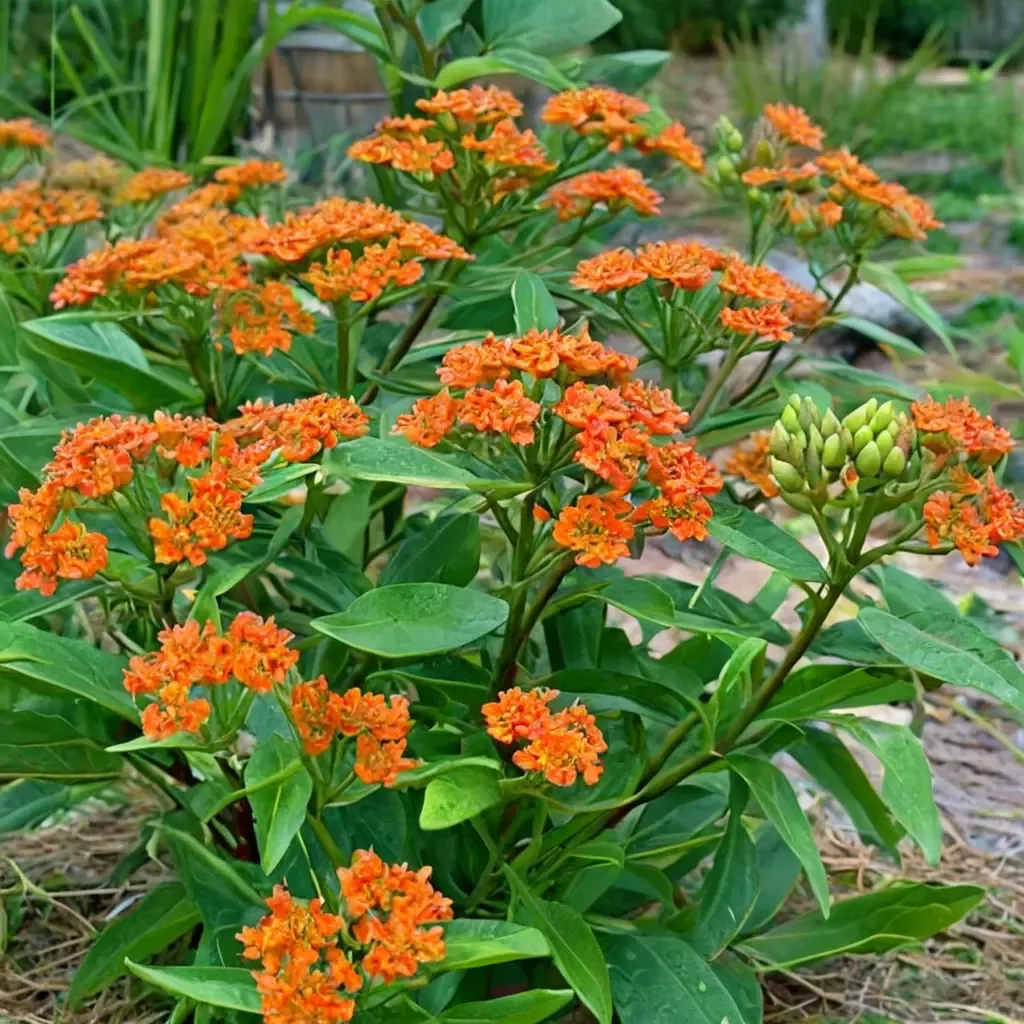
Butterfly Weed
Asclepias tuberosa
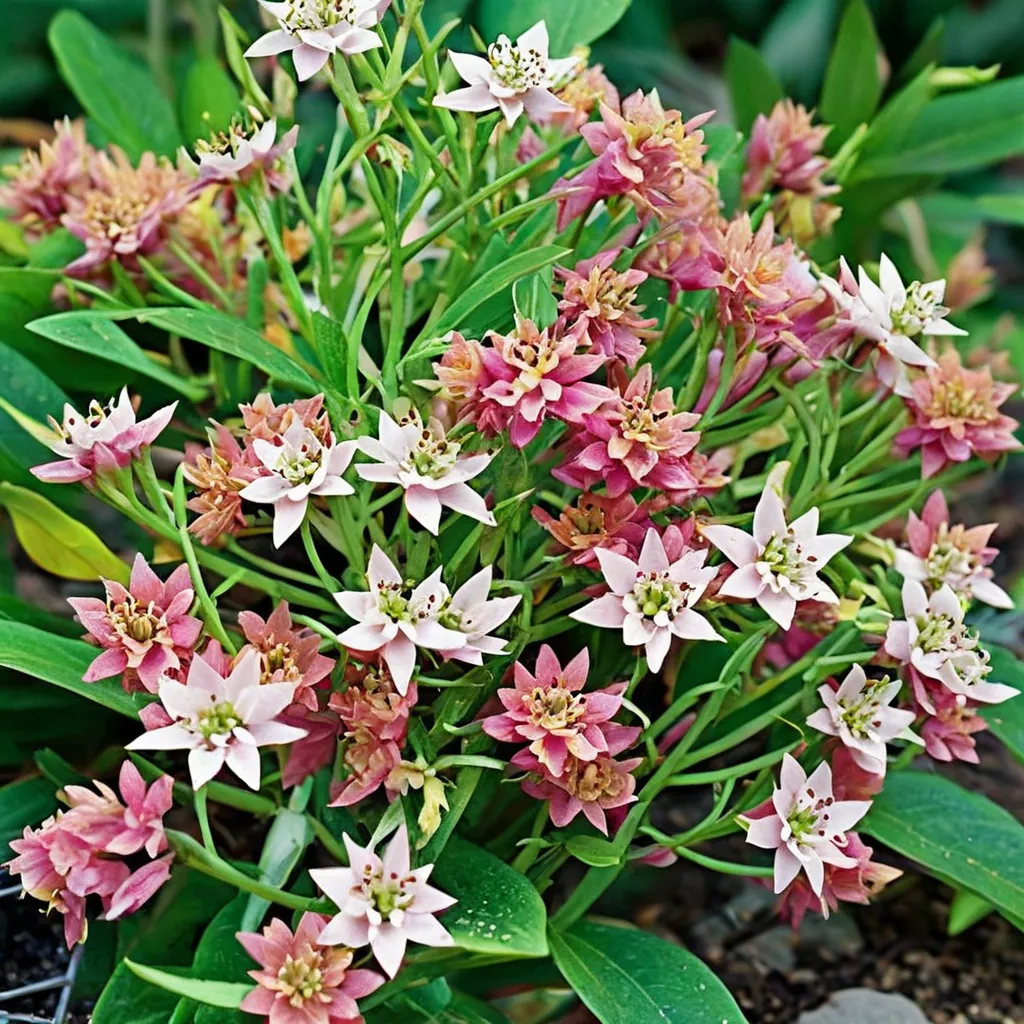
Butterfly Milkweed
Asclepias x hybrida
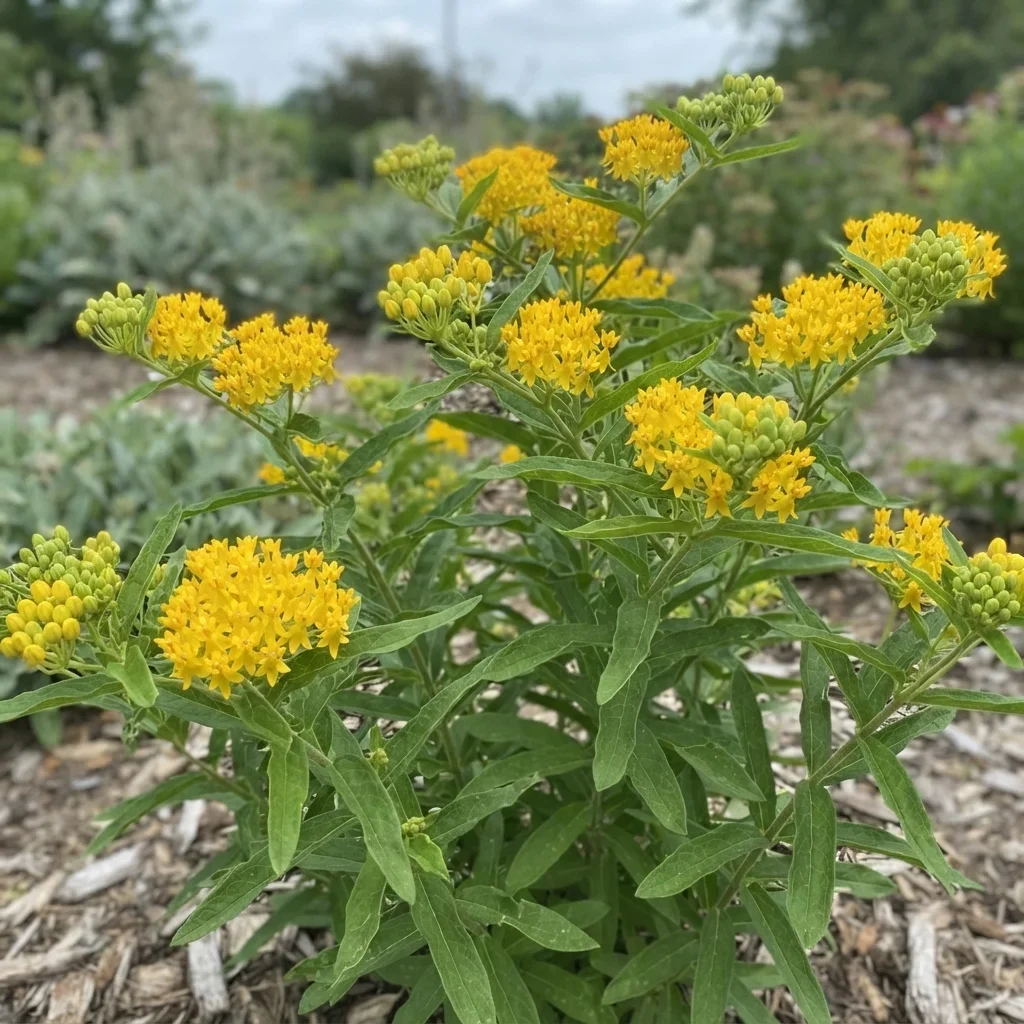
Hello Yellow Butterfly Weed
Asclepias tuberosa 'Hello Yellow'
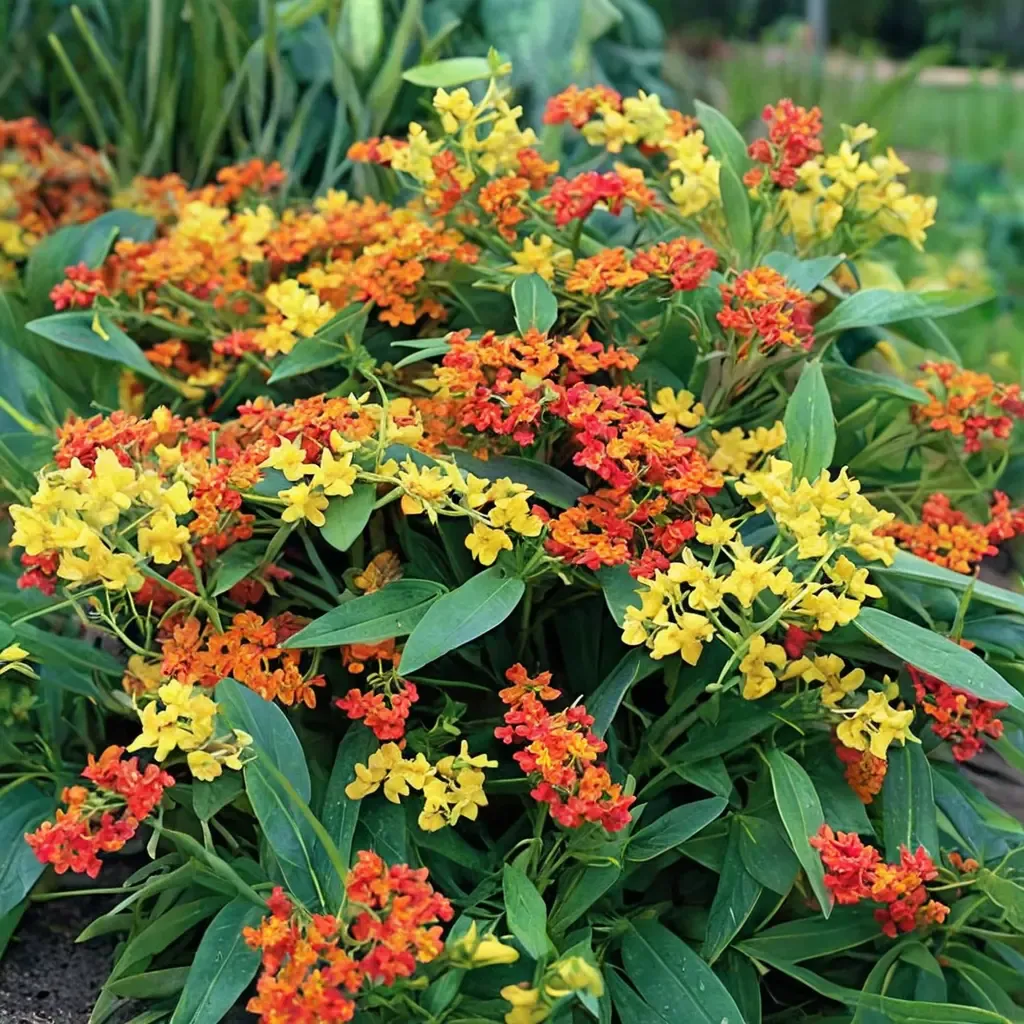
Gay Butterflies Mix Butterfly Weed
Asclepias tuberosa 'Gay Butterflies Mix'
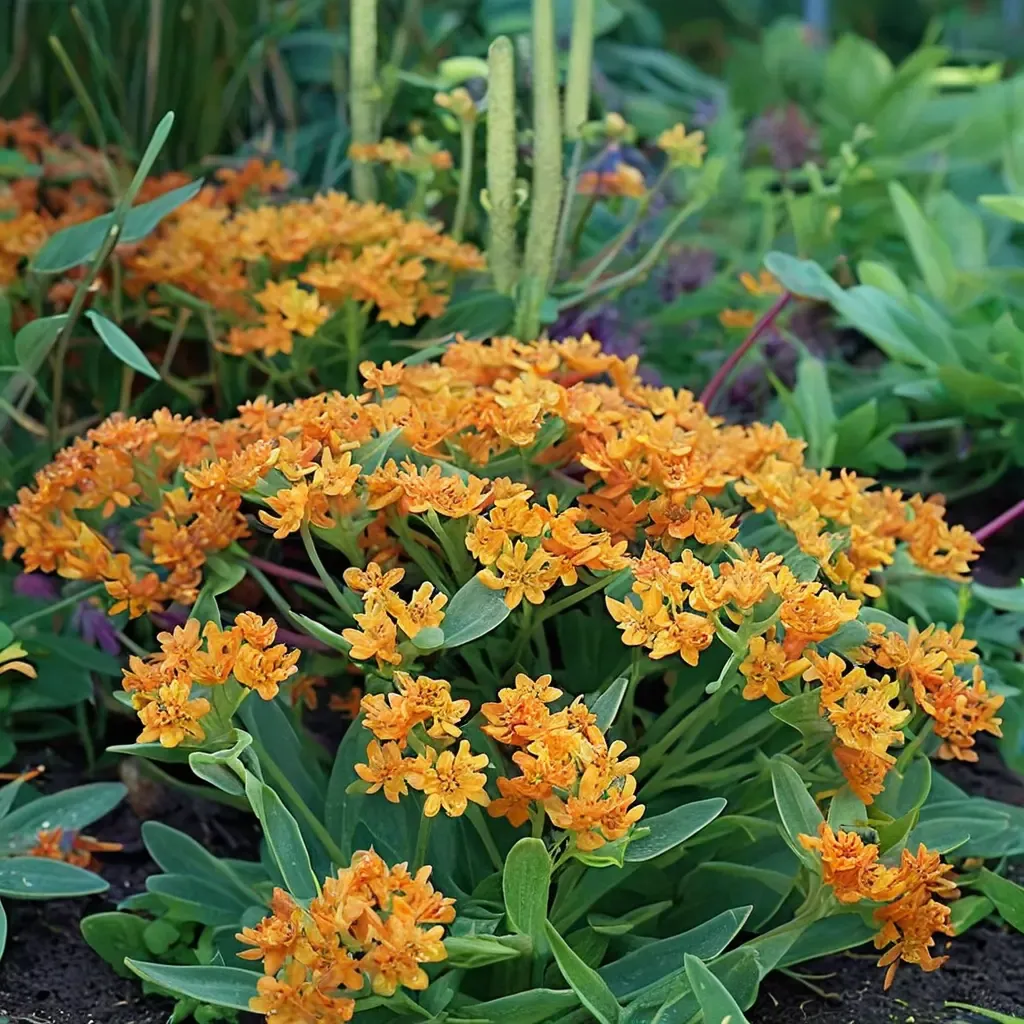
Butterfly Weed Gay Butterflies Milkweed
Asclepias tuberosa 'Gay Butterflies'
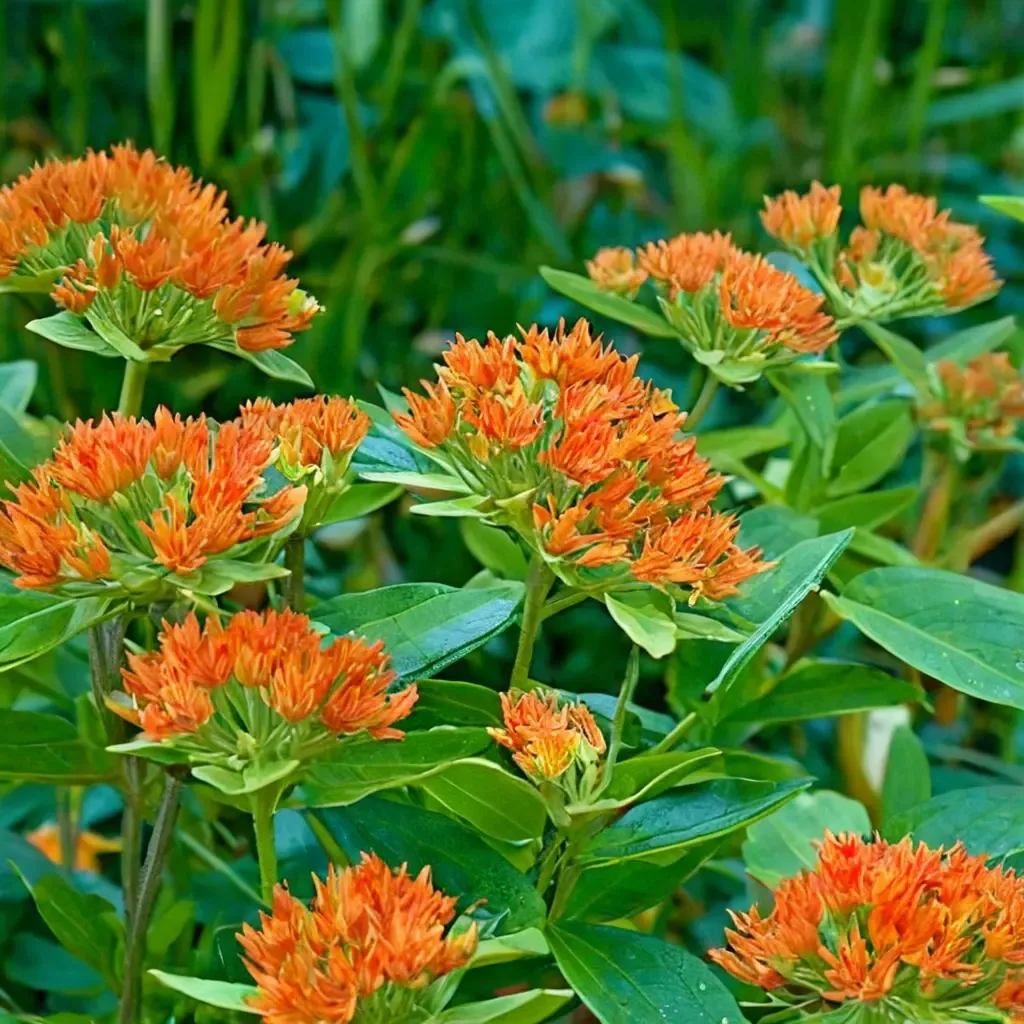
Butterfly Garden Butterfly Weed
Asclepias tuberosa 'Deluxe Butterfly Garden'
Keep exploring
Explore the genus
Hardy in your zone?
Grow Prairie Milkweed with confidence
See it in a design of your actual yard, get zone-matched care reminders, and track it season by season in your garden journal.