The Story
Plant Bio
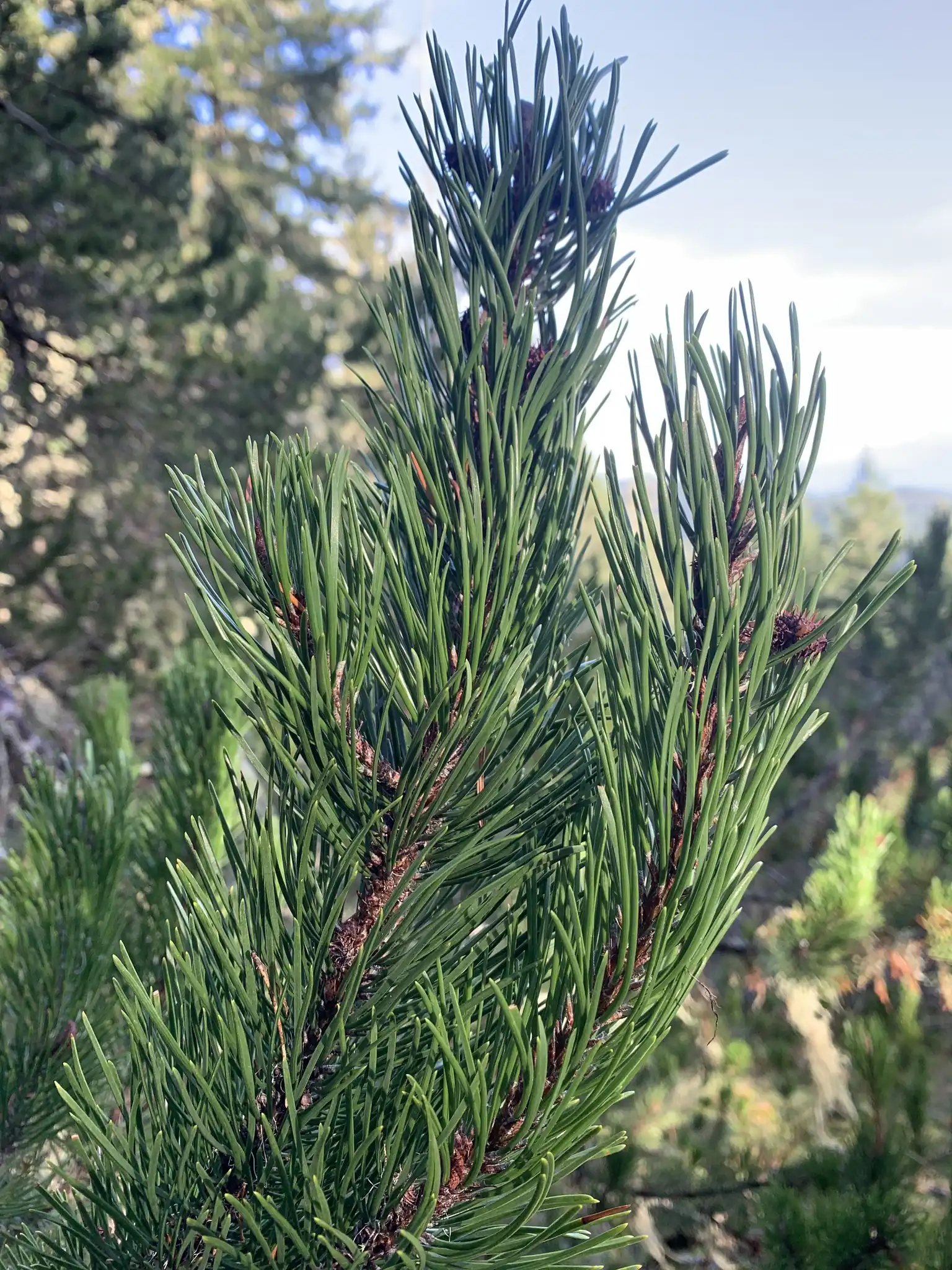
Pinus contorta, the lodgepole pine, is an adaptable evergreen conifer native to western North America, ranging from a tall, slender tree with a narrow crown in inland forests to a twisted, scrubby form along windswept coastlines. The stiff, dark green to yellow-green needles grow in pairs and are distinctively twisted, remaining on the branches year-round.
This highly variable species is exceptionally cold-hardy and thrives in nutrient-poor, rocky, or sandy soils where other trees struggle. In spring, it produces inconspicuous yellow-orange male pollen cones and small, persistent woody seed cones that often remain closed on the branches for years.
Uses & Benefits:
Essentials
At a Glance
Plant Type
Tree
Height
1181"
Width
236"
Light
Full Sun
Zones
4, 5, 6, 7, 8
Water
Low to Moderate
Humidity
Low to Moderate
Lifespan
Long-lived
Native To
Western North America
Toxicity
Non-toxic
Bloom period
Spring
In flower about 3 months of the year
Planting
How to Grow
- Select a planting site in full sun with highly permeable, sandy, or gravelly soil.
- Dig a hole twice as wide as the root ball but no deeper, ensuring the root flare sits slightly above the surrounding soil grade.
- Backfill with the native soil without adding organic amendments, and water deeply to settle the ground.
- Apply a thin layer of organic mulch over the root zone, keeping it several inches away from the trunk to prevent moisture retention against the bark.
Pro Tip
Avoid planting in heavy clay or poorly drained soils, as wet roots rapidly induce fatal rot; also, expect a natural shedding of older interior needles each fall, which is a healthy seasonal process rather than a disease.
Keep It Thriving
Care Guide
Do
- Water young trees regularly during their first two growing seasons to establish a deep root system.
- Prune exclusively in late winter or early spring to remove dead, damaged, or diseased branches.
- Plant in a location with excellent air circulation to minimize needle diseases.
Don't
- Do not prune back into old, leafless wood, as pines lack latent buds and will not regenerate new growth from bare branches.
- Do not overwater or plant in low-lying areas where water pools after rain.
- Do not apply high-nitrogen fertilizers, which cause weak, floppy growth and increase susceptibility to pests.
Seasonal Care Calendar
| Task | Jan | Feb | Mar | Apr | May | Jun | Jul | Aug | Sep | Oct | Nov | Dec |
|---|---|---|---|---|---|---|---|---|---|---|---|---|
| Fertilize | ||||||||||||
| Pest Check | ||||||||||||
| Prune | ||||||||||||
| Winter Prep |
Watch Out For
Pests & Diseases
Common Pests
Common Diseases
In the Garden
Landscape Uses & Companions
Landscape Uses
Companion Plants
Multiply
Propagation Methods
Good to Know
Common Questions
Lodgepole pine questions
What zones can Lodgepole pine grow in?
Lodgepole pine is hardy in USDA Zones 4–8. Inside that range it survives winter in the ground; outside it, grow it as an annual or a container plant you protect.
Is Lodgepole pine deer resistant?
Not reliably. Deer may browse Lodgepole pine, especially tender spring growth — plan on repellents or fencing where pressure is high.
When does Lodgepole pine bloom?
Lodgepole pine typically blooms in spring through spring. Exact timing shifts a week or two with your zone — Sow's bloom calendar maps it to your garden.
Does Lodgepole pine need full sun?
Lodgepole pine does best in full sun (6+ hours).
Is Lodgepole pine drought tolerant?
Yes — once established (usually after the first full season), Lodgepole pine handles dry spells with minimal watering. Water deeply its first year to build the root system that makes that possible.
More Pinus to compare
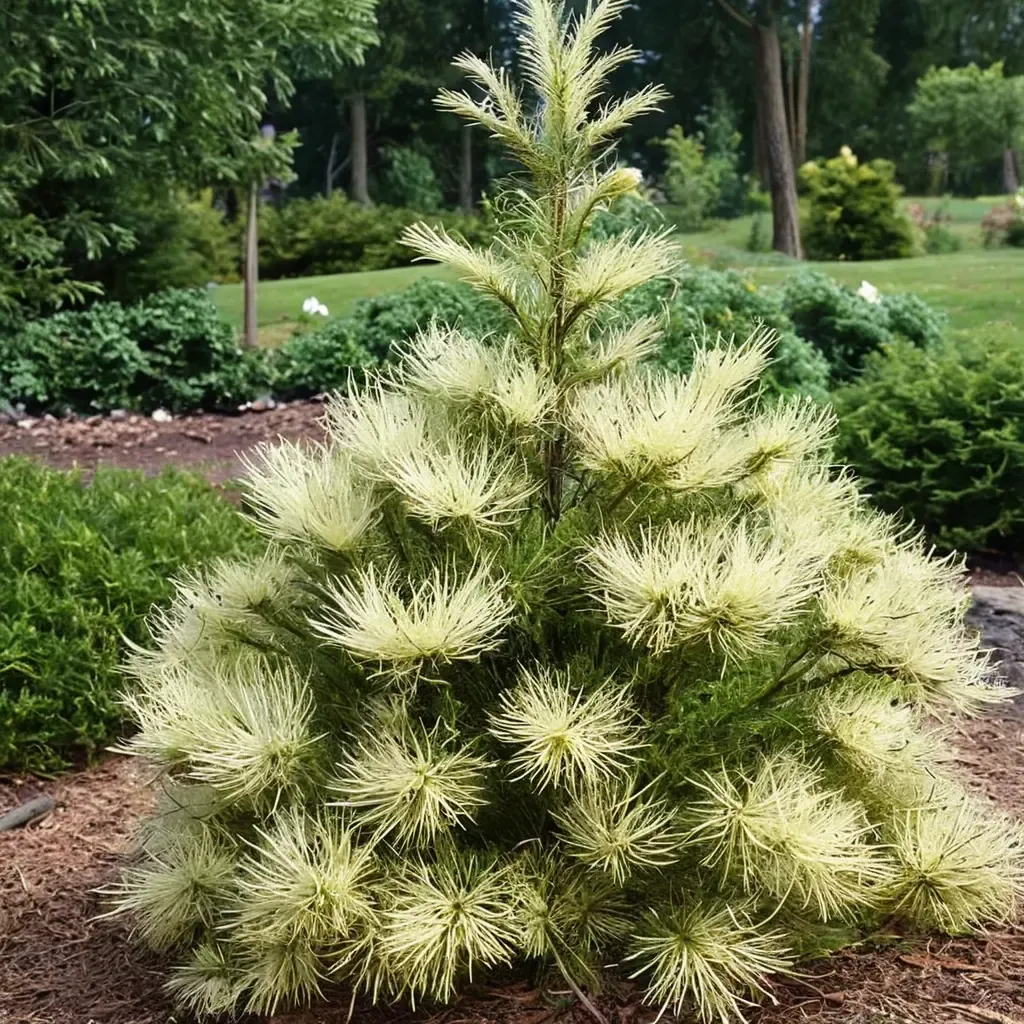
Golden Ghost Pine
Pinus densiflora 'Golden Ghost'
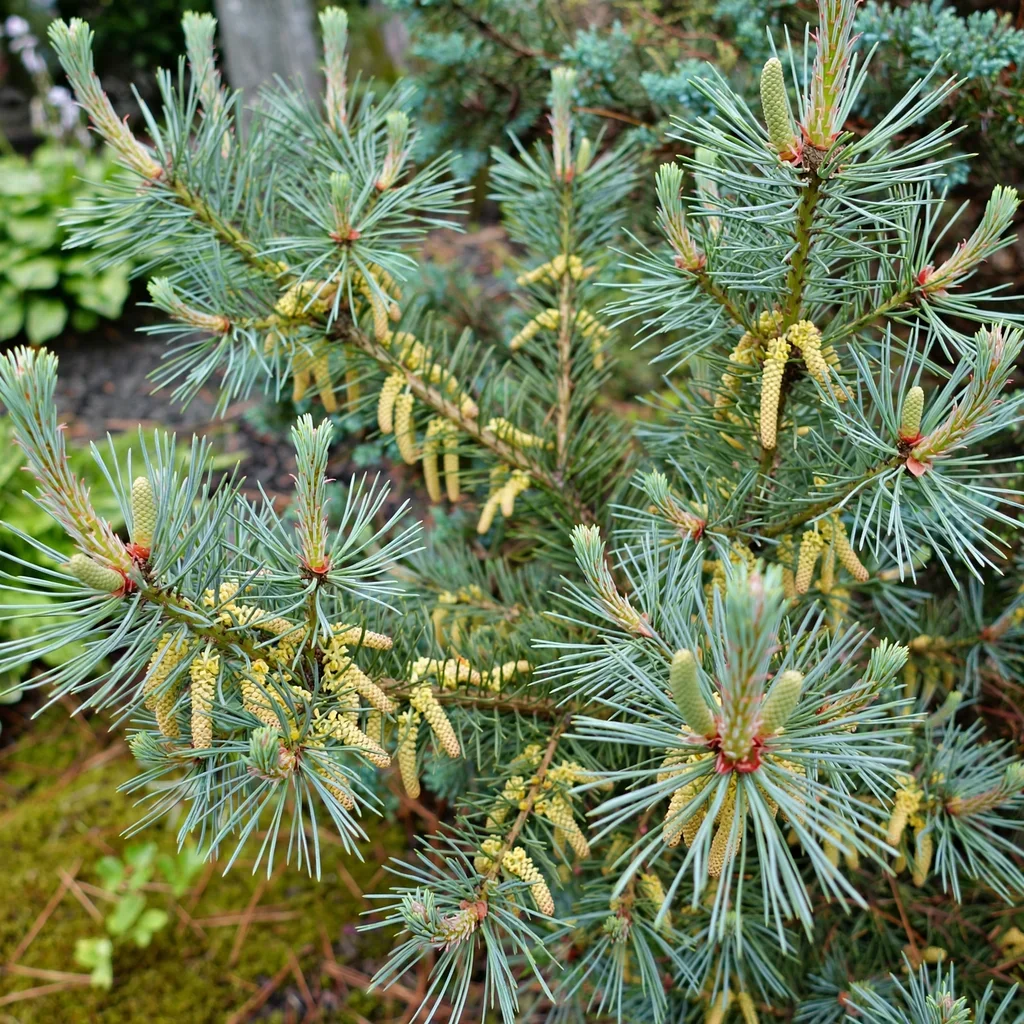
Eastern White Pine
Pinus strobus
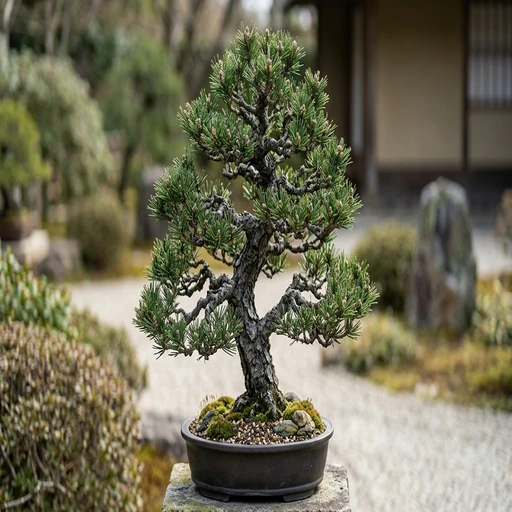
Thunderhead Japanese Black Pine
Pinus thunbergii 'Thunderhead'
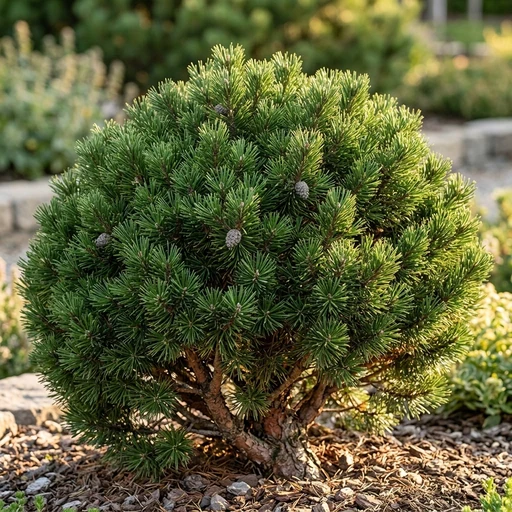
Slowmound Mugo Pine
Pinus mugo 'Slowmound'
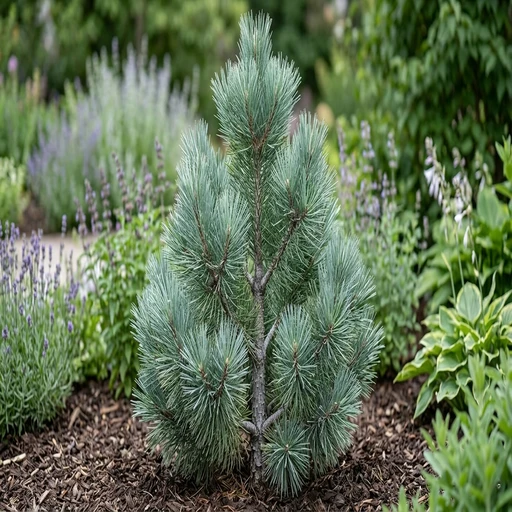
Vanderwolf's Pyramid Limber Pine
Pinus flexilis 'Vanderwolf'
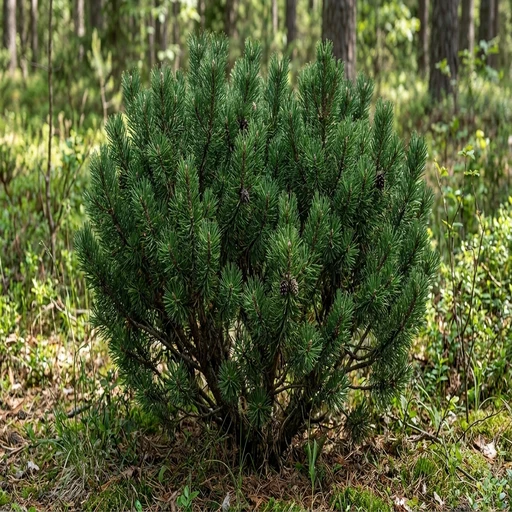
Mugo Pine
Pinus mugo
Keep exploring
Explore the genus
Hardy in your zone?
Grow Lodgepole pine with confidence
See it in a design of your actual yard, get zone-matched care reminders, and track it season by season in your garden journal.